Welcome to our comprehensive guide to the best cameras for landscape photography. One of the most popular genres of shooting, landscape photography is inspiring, addictive and challenging in equal measure. Its technical demands are different from capturing moving targets like wildlife or sports. Any experienced landscape shooter knows, though, how ephemeral the light can be for the perfect composition in that moment when the elements come together. There’s nothing quite like it.
At AP, we test and review every major camera that is released, and shooting landscapes is a big part of our testing procedure. As such, we’ve compiled this list based on our own direct experience with the cameras featured. They aren’t all new releases either – we only recommend cameras we feel are worth the money, which include plenty of fantastic older models available at great prices second-hand.
Please note that prices quoted are snapshots from available models at the time of publishing and, as such, are always subject to change – especially true in the used camera market.
To learn more about our selection criteria, scroll to the bottom of the page for our full explainer of which features are most important for a landscape photography camera. We’ve split our list into different camera types, like DSLRs, mirrorless cameras, medium format and compacts. Read on to see our picks and why we made them – and also check out our guide to the best lenses for landscapes.
Why you can trust Amateur Photographer…
We spend many hours testing every product we recommend, in detail, in a variety of situations and shooting scenarios, and only use experts for our reviews, so you can be sure that you’re getting the best products. Find out more about our expert writers.
The best cameras for landscape photography: our quick list
Best DSLRs for landscapes:
Best mirrorless cameras for landscapes:
- Best under £1500 / $1500: Fujifilm X-T50 – Buy now
- Best Nikon: Nikon Z7 II – Buy now
- Best Panasonic: Panasonic Lumix S1R II – Buy now
- Best Canon: Canon EOS R5 II – Buy now
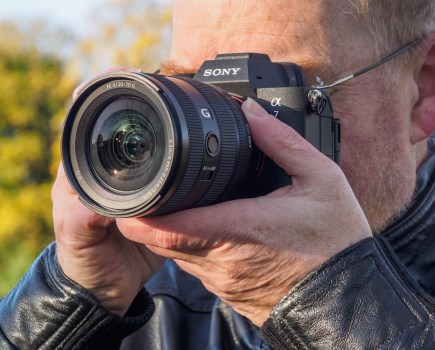
- Best Sony: Sony A7R VI – Buy now
- Best for hiking: OM System Olympus OM-1 II – Buy now
- Best APS-C: Fujifilm X-T5 – Buy now
Best medium format cameras for landscapes:
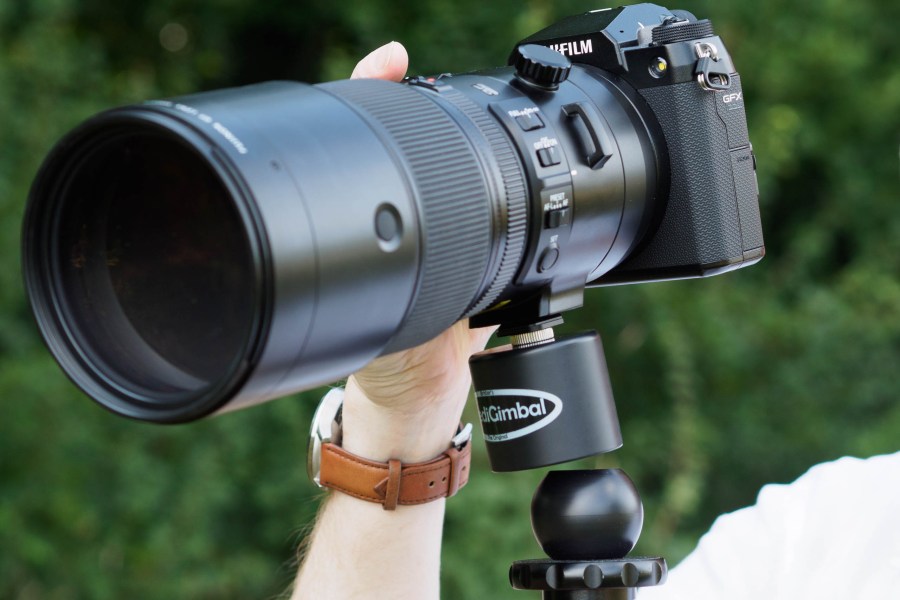
- Best medium format: Fujifilm GFX100S II – Buy now
- Best medium format camera for portability: Fujifilm GFX100RF – Buy now
Best compact cameras for landscapes:
- Best overall: Ricoh GR IV– Buy now
Looking for the best deal on cameras for landscape photography? Our ‘Buy now’ buttons are set up to automatically take you to the best prices from trusted retailers. There’s also a list of other retailers below each camera, so you can find the right deal for you.
Why you can trust Amateur Photographer
We spend many hours testing every product we recommend, in detail, in a variety of situations and shooting scenarios, and only use experts for our reviews, so you can be sure that you’re getting the best products. Find out more about our expert writers.
Best DSLRs for landscape photography
DSLRs have been used to shoot terrific landscape images for many years now, and will continue to be used for plenty more. While mirrorless cameras are where the latest developments are happening, DSLRs continue to offer terrific value for money, and for some, an unbeatable handling experience. Many photographers simply prefer to compose with an optical viewfinder, while others appreciate the size and heft of top-end DSLRs. We’ve included options here from right the way across the price spectrum, including budget beginner DSLRs, enthusiast models and professional cameras.
Best Nikon DSLR
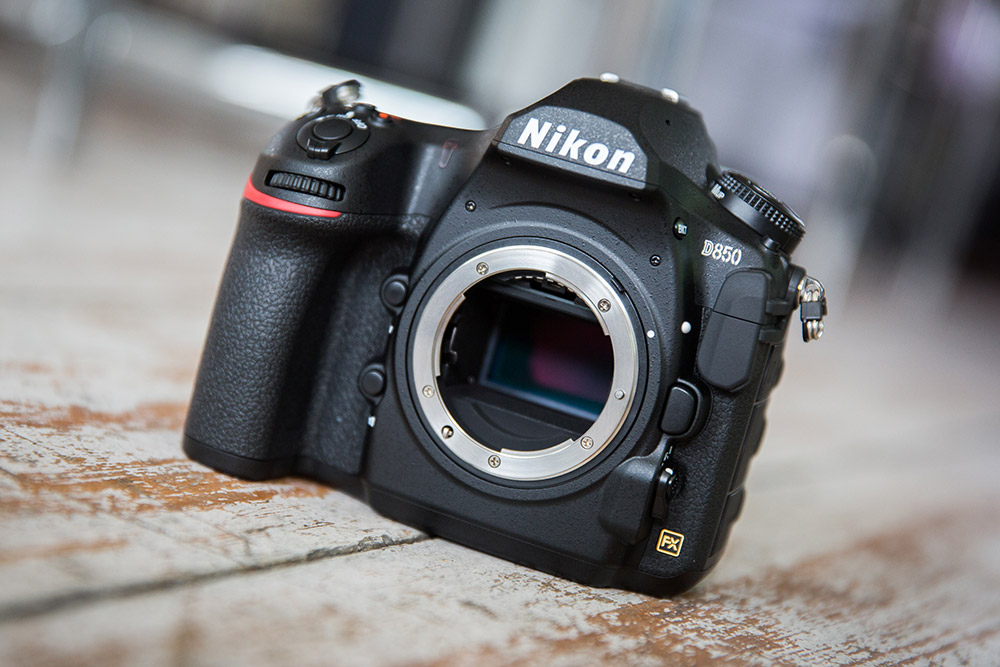
Best Nikon DSLR for landscape photography: Nikon D850
Amateur Photographer verdict
The Nikon D850 gives maximum detail in low-light conditions, with great handling for a larger camera and impressive battery life- Superb resolving power
- Built for the outdoors
- Broad ISO range
- Still quite expensive
Specifications at a glance:
| Specifications | Nikon D850 |
|---|---|
| Camera type | DSLR |
| Sensor | 45.7MP Full-frame BSI CMOS sensor |
| Viewfinder | Optical viewfinder, 0.75x magnification with 100% coverage |
| Screen | 3.2-inch, 2359-dot tilting touchscreen |
| Continuous shooting | 7fps |
| ISO | ISO 64-25,600 (standard) ISO 32-102,400 (extended) |
| Video | 4K video, 8K time-lapse support |
The Nikon D850 is a high-resolution full-frame DSLR with a 45.7MP sensor that is capable of producing images with high levels of detail, thanks in part to the lack of a low-pass filter. The camera also benefits from an ISO range that starts at ISO64, which is usefully lower than many cameras. This allows you to maximise detail in images when there’s enough light.
For some, the handling of a DSLR will be of great importance, and for these people, the Nikon D850 certainly delivers great ergonomics, particularly if you’re a fan of larger cameras. You’ll also benefit from impressive battery life, with up to 1840 shots possible from one battery.
There’s a range of lenses including the Nikon 16-35mm F4 G AF-S VR lens at £1,149, or you could look at these wide-angle prime lenses: Nikon 20mm F1.8G AF-S (£799) or the Nikon 24mm F1.8G AF-S (£749).
See our full Nikon D850 review.
Best Pentax DSLR
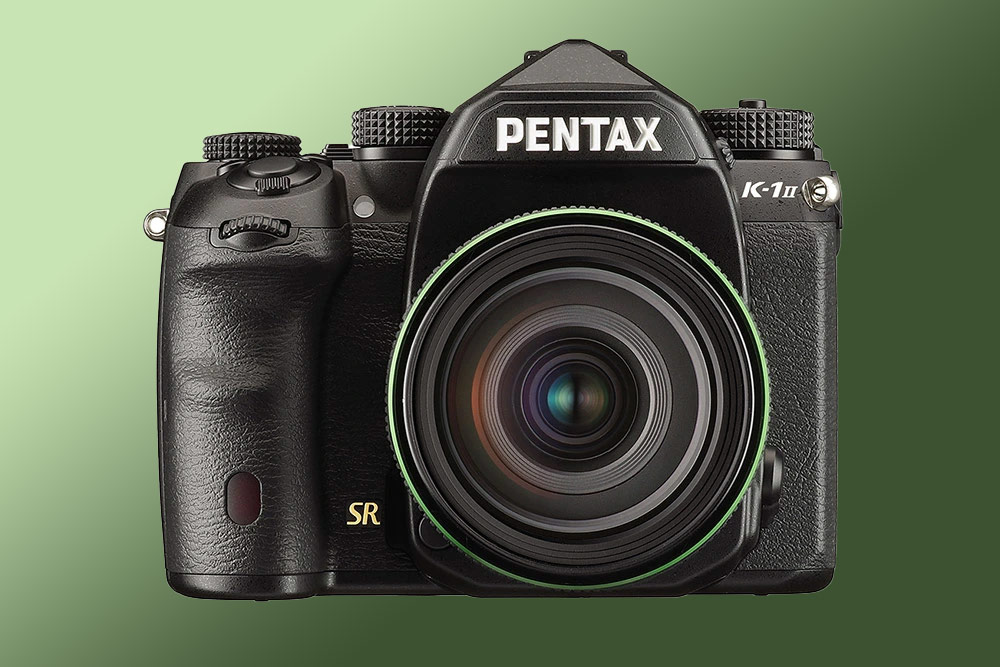
Best Pentax camera for landscape photography: Pentax K-1 II
Amateur Photographer verdict
The K-1 II boasts the Pentax build quality alongside robust weather-sealing and the added bonus of the K-mount for an extensive range of lenses- Very good weather sealing
- Rich lens catalogue
- Lacks feature range of Canon/Nikon
Specifications at a glance:
| Specifications | Pentax K-1 Mark II |
|---|---|
| Camera type | DSLR |
| Sensor | 36MP full-frame CMOS sensor |
| Viewfinder | Optical viewfinder with 0.70 magnification and 100% coverage |
| Screen | 3.2-inch, 1037K dots, tilting LCD screen |
| Continuous shooting | 4.4.fps full-frame mode 6.4fps APS-C |
| ISO | 100 to 819200 |
| Video | Full HD 30p |
The Pentax K-1 II, and the original Pentax K-1, both offer a 36MP full-frame CMOS sensor, along with Pentax’s excellent build quality and ergonomics. The camera is weather-sealed and features an optical viewfinder and tilting screen on the back. Using the Pentax K-mount you can use a vast range of lenses, dating back to 1975.
Speaking of lenses, there are a number of comparatively new full-frame lenses from Pentax, including the Pentax-D FA HD 24-70mm f2.8 ED SDM WR ($1,197 / £1,179). Care needs to be taken when choosing a lens, as many of Pentax’s lenses are designed for Pentax APS-C DSLRs. There’s also support from third parties, including Samyang, and Irix, who offer a number of different ultra-wide-angle lenses, although it’s worth noting that the majority of these are manual focus only.
Pentax K-1 Mark II
Best mirrorless cameras for landscape photography
There are absolutely loads of fantastic mirrorless cameras for landscape shooting – to the point where we could easily have filled this whole guide with just mirrorless suggestions. With options across the price spectrum, we’ve aimed to provide a broad swathe of mirrorless cameras that’ll produce great options. So while you’ll find the ultra-high-resolution full-frame mirrorless cameras on this list, you’ll also find more affordable models that make for great beginner and intermediate options.
Best under £1500
Best camera for landscape under £1500 / $1500: Fujifilm X-T50

Amateur Photographer verdict
The Fujifilm X-T50 raises the game in several ways, but ultimately it boils down to this: you won’t find a better APS-C camera at this price.- 40MP sensor and processor from XT5
- New film simulation and dial
- Impressive image quality
- No weather sealing
- Only one card slot
Specifications at a glance:
| Specifications | Fujifilm X-T50 |
|---|---|
| Camera type | Mirrorless |
| Sensor | 40.2MP APS-C X-Trans sensor |
| Viewfinder | 2.36m-dot, 0.62x electronic viewfinder |
| Screen | 3in, 1.84m-dot tilting touchscreen |
| Continuous shooting | 8fps |
| ISO | ISO 125-12,800 (standard) |
| Video | 6K 30p, 4K 60p, Full HD 240p video |
The Fujifilm X-T50 is an APS-C mirrorless camera with DSLR-like controls and a PASM mode dial, making it easy to handle. It is equipped with the same 40MP sensor and processor as the X-T5, delivering images with plenty of detail and Fujifilm colour, but in a compact travel-sized body weighing only 438g. It comes with 7 stops of in-body image stabilisation and 6K video on board.
The downside to this model compared to the X-T5 is the lack of weather sealing and dual card slots. But it makes up for it with an affordable price tag. The X-T50 uses X-mount lenses, and there are plenty of options available.
A dedicated film simulation dial puts the famous Fujifilm presets under your fingertips, so you get 20 different looks, including the latest Reala Ace colour simulation too. It uses Fujifilm’s familiar NP-W126 battery, which charges in camera and covers about 390 shots, so I would definitely recommend keeping an extra charged battery in your bag.
At around $1,399/£1,299 new (for body only), the X-T50 is a great choice for landscape photographers who prioritise flagship-level image quality, but also keen on a portable body.
Find out more about this camera in our Fujifilm X-T50 review.
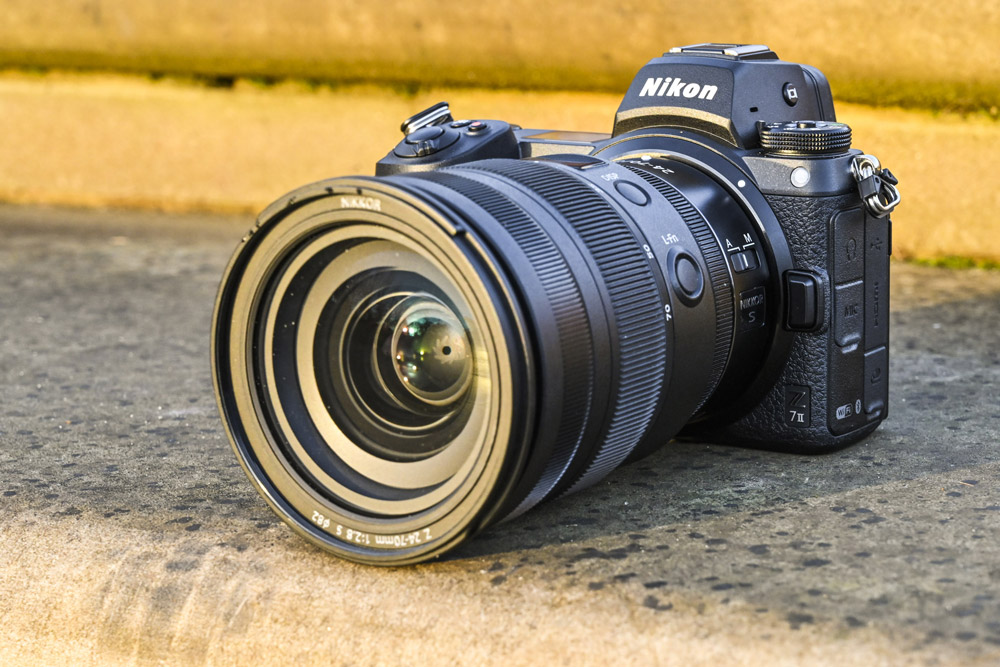
Best Nikon mirrorless camera for landscape photography: Nikon Z7 II
Amateur Photographer verdict
Exceptional image quality and focus with the benefit of Nikon’s -mount lens series- Dual card slots
- Top class handling
- Expensive lenses
- Viewfinder resolution is average
Specifications at a glance:
| Specifications | Nikon Z7 II |
|---|---|
| Camera type | Mirrorless |
| Sensor | 45.7MP full-frame BSI CMOS sensor |
| Viewfinder | 3.69m-dot, 0.8x magnification |
| Screen | 3.2in, 2.1m-dot tilting touchscreen |
| Continuous shooting | 10fps |
| ISO | ISO64-ISO25,600 (standard) |
| Video | 4K/60p video |
The Nikon Z7 II is one of the second-generation full-frame mirrorless cameras from Nikon. Its 45.7MP full-frame BSI CMOS sensor offers a high resolution and impressive dynamic range. When paired with Nikon’s Z-Mount series of lenses, and Nikon’s excellent focus system it delivers exceptional image quality suitable for cropping in and large-scale printing.
Its magnesium alloy weather-sealed body makes it ideal for serious landscape work and designed to withstand demanding conditions like rain, snow and extreme temperatures. Featuring focus shift shooting, it makes easy work of back to front sharp landscapes. While the 5 stops of in-body image stabilisation help with hand-held and low-light shooting.
The Z7 II is a durable and cost-effective alternative to the top-tier Nikon Z8 and Nikon Z9 while still retaining flagship-level image quality for landscapes. There’s a growing range of lenses, but you’ll notice that many are at the more expensive end of the market, with ultra-wide-angle options like the Nikon Z 14-24mm f/2.8 S (£2,359), Nikon Z 17-28mm f/2.8 (£1,129) and the Nikon Z 14-30mm f/4 S (£1,299).
Read our full Nikon Z7 II review for more.
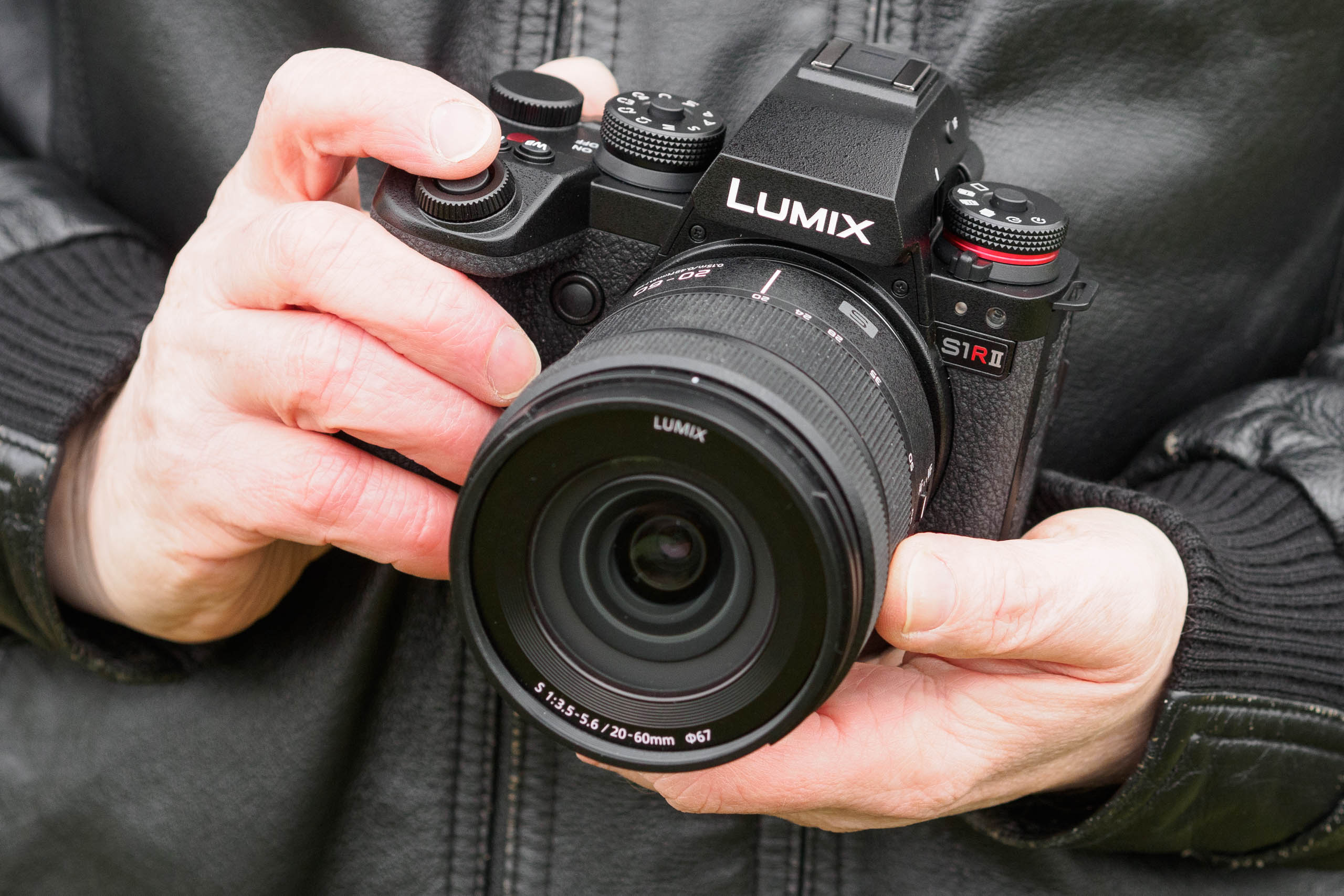
Best Panasonic camera for landscape photography: Panasonic Lumix S1R II
Amateur Photographer verdict
A stunning, high-resolution full-frame monster that undercuts many of its rivals on price, the Lumix S1R II is Panasonic’s best-ever stills camera, and isn’t bad for video, too.- Excellent build and handling
- Highly refined control layout
- Very capable autofocus
- Excellent viewfinder and versatile articulated LCD
- Impressive image quality, especially in raw
- No automatic subject-detection option
- Battery life isn’t great
Specifications at a glance:
| Specifications | Panasonic Lumix SR1 II |
|---|---|
| Camera type | Mirrorless |
| Sensor | 44.3MP full-frame BSI-CMOS |
| Viewfinder | 5.76m-dot, 0.78x OLED, 120fps |
| Screen | 3in, 1.84m-dot tilt/vari-angle touchscreen |
| Continuous shooting | 40fps |
| ISO | ISO 80-51,200 (standard), 40-102,400 (extended) |
| Video | 8K 30p, 5.9K 60p, C4K 120p, Full HD 120p |
The S1R II isn’t just a superb choice for landscape photography, but also a great all-rounder, one of the best full-frame cameras for photographers. It blends high resolution with rugged weather-sealed construction and industry-leading 8 stops image stabilisation at a price point that considerably undercuts the likes of the Nikon Z9 and Canon EOS R5 Mark II.
Raw files have plenty of dynamic range, too, with at least five stops of additional shadow detail recoverable at low ISOs without noise becoming excessive. But if you find yourself wanting even more, the High-Resolution multi-shot mode creates up to 176MP composite images in camera and unlike other brands, this function provides visibly more detail, even handheld.
And since it’s a Panasonic camera, video features are comprehensive too, with 8K 30p as the headline resolution, and a host of frame rate options down the line. In short, this is a seriously well-specced camera.
In use, the Lumix S1R II ticks all the boxes we demand of a high-performance modern camera. It starts up instantly and is snappy and responsive to operate. Image quality is superb at low ISOs, easily the match of any full-frame rivals, and quality maintains pretty well even as you push the ISO up. In short, this is a camera that just delivers on all fronts, and it’s an easy pick for the best Panasonic camera you can buy right now.
Read our full Panasonic Lumix S1RII review.
Best Canon camera for landscape photography: Canon EOS R5 II
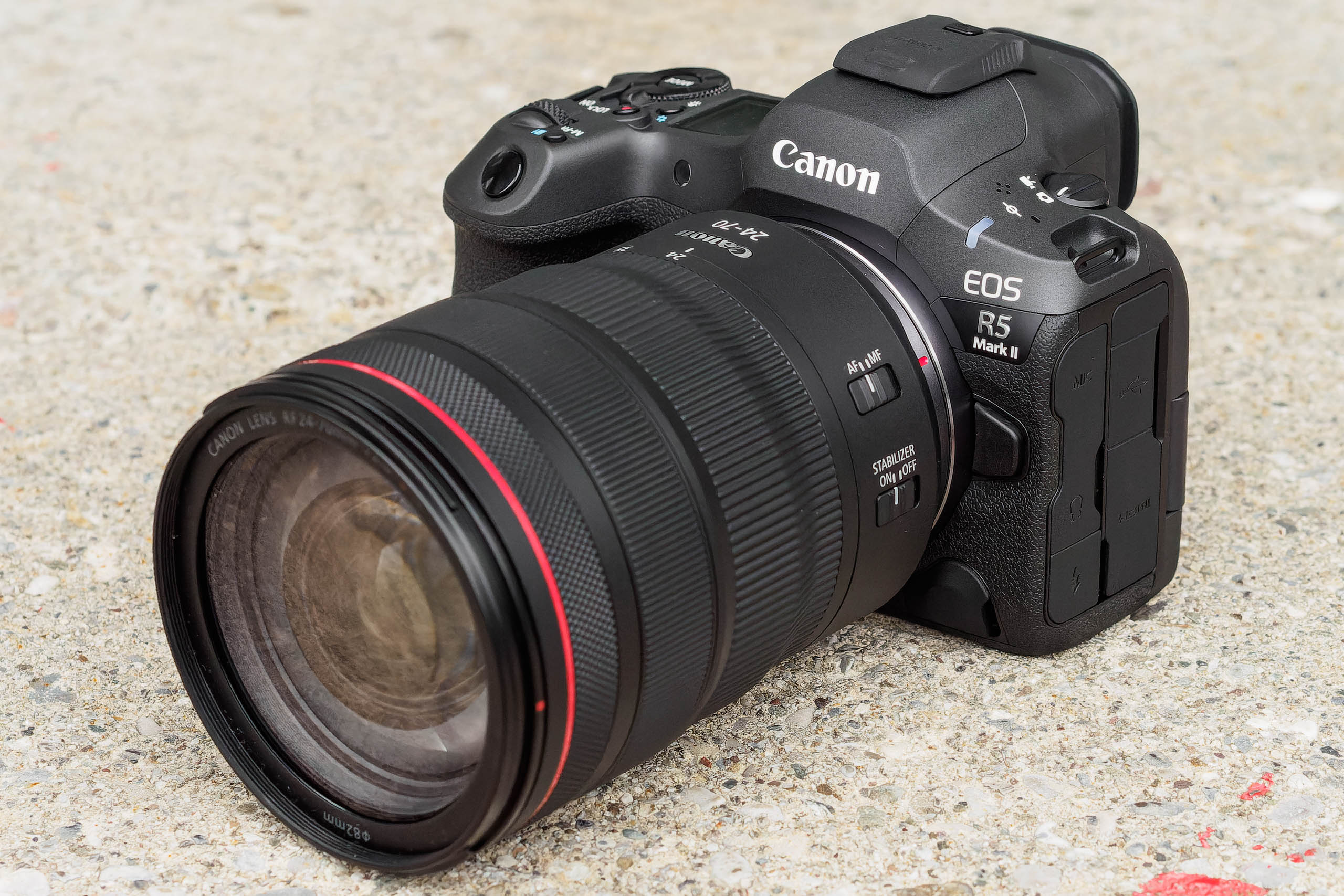
Amateur Photographer verdict
The Canon EOS R5 Mark II stakes a strong claim to be the best professional high-resolution, high-speed all-rounder on the market. The addition of eye control focus elevates it from its rivals, too.- Excellent handling
- Incredible subject detection AF
- Eye Control Focus
- Great image stabilization
- Not compatible with some third-party LP-E6 batteries
- Eye control may not work well for everyone
- Pro-level price
Specifications at a glance:
| Specifications | Canon EOS R5 Mark II |
|---|---|
| Camera type | Mirrorless |
| Sensor | 45MP stacked CMOS sensor |
| Viewfinder | 5.76m-dot, 0.76x OLED |
| Screen | 3.2inch, vari-angle, 2.1M-dot touchscreen |
| Continuous shooting | 30fps |
| ISO | 50-102,400 (extended) |
| Video | 8K 60fps internal raw recording |
With a starting price of $4,099 / £4500 body only, the Canon EOS R5 Mark II sits exclusively in the professional realm, offering a 45MP full-frame back-illuminated stacked-CMOS sensor. It’s a high-resolution powerhouse with an impressive dynamic range for landscape photography. The detailed 5.76m-dot EVF, and a 3.2inch fully articulates touchscreen make framing and composing shots a real pleasure, while a top LCD display also lets you see camera settings at a glance.
You don’t just get immaculate RAW files, but also flawless metering and auto white balance, while Canon’s colour processing is generally nice too. It inherits Eye Control Focus technology from high-end sports cameras, like the R3, which detects where you are looking in the viewfinder and then automatically focuses on that subject.
Other features, like in-camera focus bracketing, make easy work of creating a deep depth-of-field, while the fully weather-sealed body will withstand anything a pro landscape shooter would face.
The in-body image stabilisation promises 7.5 stops with any lens, and 8.5 stops when paired with a growing range of Canon RF lenses available. Ultra-wide-angle lens options include the Canon RF 14-35mm F4L IS USM, and Canon RF 15-35mm F2.8L IS USM, plus the “standard” 28-105mm f2.8L IS USM Z). If you’re on a budget, there’s a compact RF 16mm f2.8 lens. For more options, check out our list of the best Canon RF lenses for landscape photography.
Read our full review of the Canon EOS R5 II.
Best Sony camera for landscape photography: Sony Alpha A7R VI
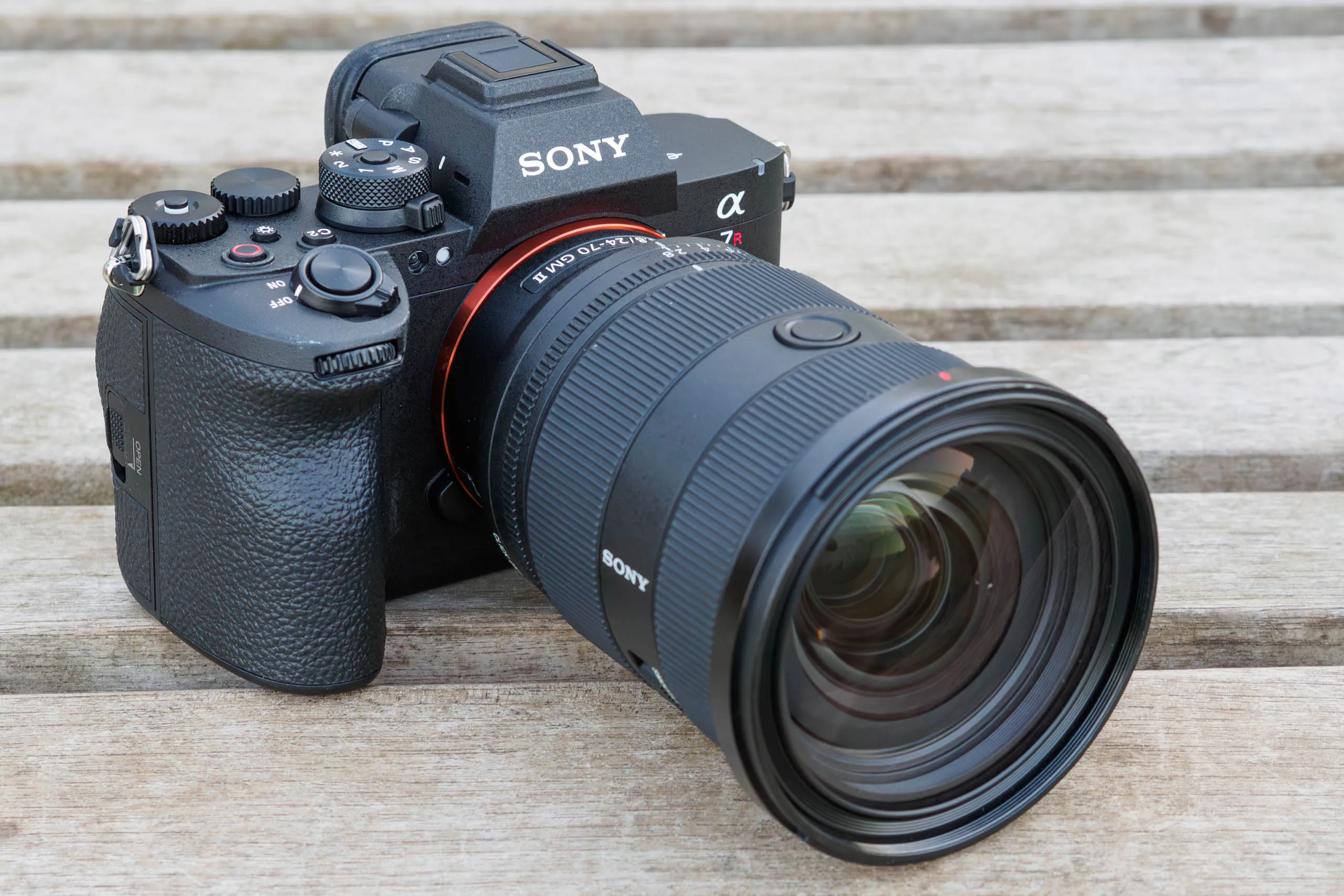
Amateur Photographer verdict
The Sony Alpha A7R VI sets a new bar for high-resolution full-frame, with its 66.8MP sensor and 30 frames per second shooting. It’s an immensely capable camera, but it does have some drawbacks too.- Superb image quality, with highest resolution yet from a full-frame camera
- Super-fast autofocus and continuous shooting
- Class-leading blackout-free viewfinder and extremely versatile screen articulation
- Much-improved handgrip makes the camera noticeably more comfortable to use
- No plug-in cable release option
- Autofocus appears to be a little less reliable with bright white subjects
- Not compatible with existing batteries, chargers or vertical grips
Specifications at a glance:
| Specifications | Sony Alpha A7R VI |
|---|---|
| Camera type | Mirrorless |
| Sensor | 66.8MP stacked-CMOS sensor |
| Viewfinder | 9.44m-dot, 0.9x EVF |
| Screen | 3-in, 2.1m-dot 4-way LCD |
| Continuous shooting | 30fps |
| ISO | ISO ISO 100-32,000 (standard) |
| Video | 8K 30p, 4K 120p video |
The Sony Alpha A7R VI features a bigger sensor than its predecessor, the well-regarded Sony Alpha A7R V, and has seen improvements to its viewfinder experience will also come as good news to landscape photographers out in the field. Another notable improvement is battery life. The VI adopts the NP-SA100, a new battery. As a result, the CIPA battery-life rating has jumped to 600 frames using the EVF, compared to 440 before.
The in-body image stabilisation has been uprated a little too – it now delivers up to 8.5 stops of shake reduction in CIPA standard tests, compared to 8 stops on the older model. Again, very useful for longer landscape exposures if you don’t have a tripod with you.
Sony has been making full-frame E-Mount cameras since 2013, so as you’d expect, there’s a vast array of lenses available, with high-quality options available from Sony, as well as a number of other options from Sigma, Zeiss, Tamron, Tokina and others. You can choose from a number of ultra-wide-angle zoom lenses, such as the Sony FE 16-35mm F4 ZA OSS, or the newer more compact FE PZ 16-35mm F4 as well as many prime lens options.
Read our Sony Alpha A7R VI review.
Nb. A second-hand or value choice could be the Sony Alpha A7R III, with a 42MP sensor, as it still offers high resolution, but is much more affordable. Prices are also coming down for the Sony Alpha A7R IV.
Best landscape camera for hiking: OM System Olympus OM-1 II
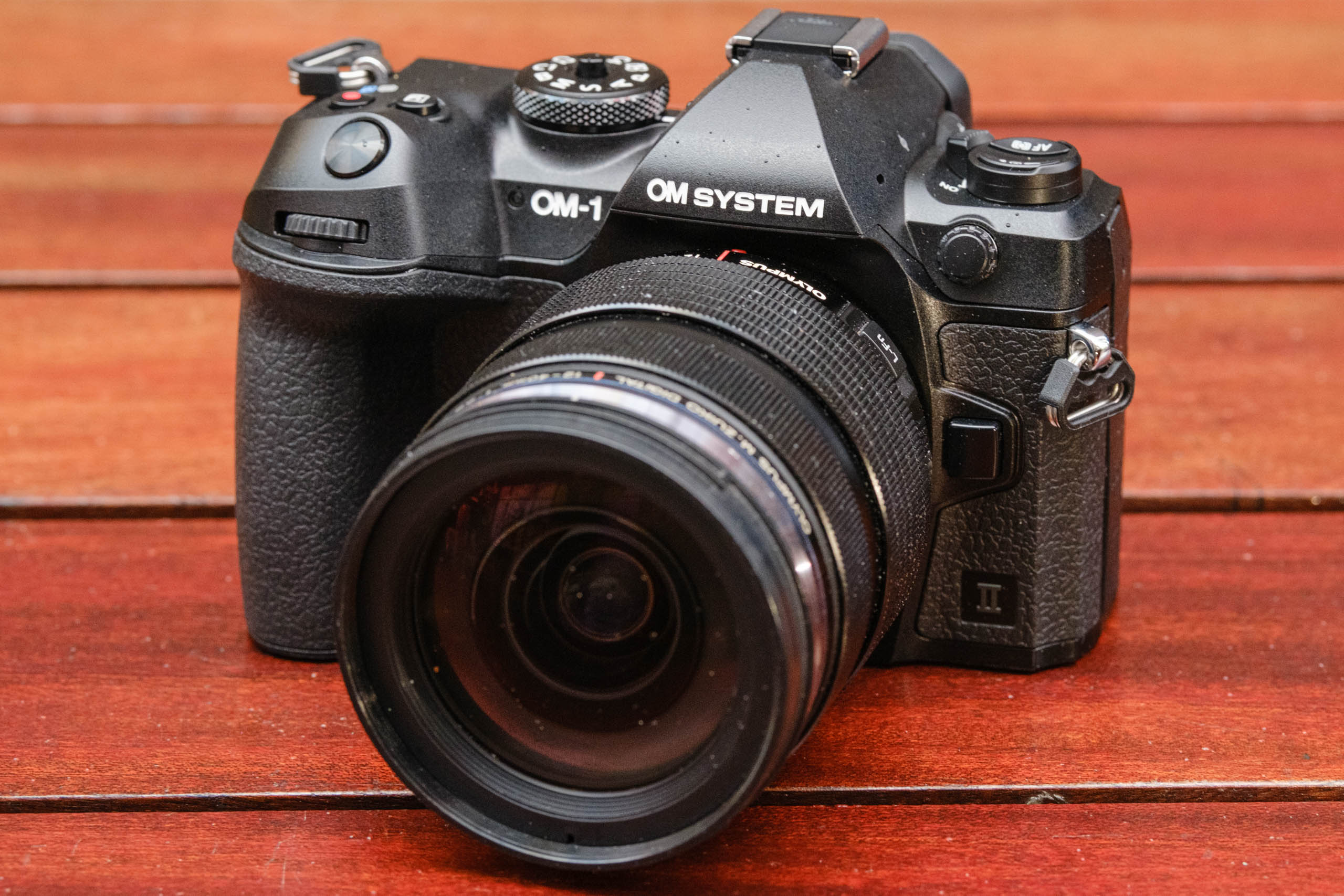
Amateur Photographer verdict
OM System’s flagship camera gets one step better – the OM-1 Mark II is a welcome update to what was already an impressively intelligent high-speed shooter.- Outstanding computational features
- Built-in Live Grad ND
- Super-fast burst shooting
- Some limitations in video
- Not a huge jump from OM-1
Specifications at a glance:
| Specifications | OM System Olympus OM-1 Mark II |
|---|---|
| Camera type | Mirrorless |
| Sensor | 20MP Four Thirds Stacked BSI Live MOS sensor |
| Viewfinder | 5.76m-dot, 120fps refresh, 0.83x magnification |
| Screen | 3in, 1.62m-dot full articulated touchscreen |
| Continuous shooting | 50fps with C-AF, 120fps fixed AF |
| ISO | ISO 80 – ISO 102,400 (extended) |
| Video | 4K 60p, Full HD 240fps |
The OM System Olympus OM-1 Mark II offers an impressive IP53 weather-sealed rating when used with compatible lenses, giving this camera system some of the best weather-sealing of any current model. This feature, plus clever computational ones, make it more suited to landscape photography than it may appear at first glance.
You’ll find an in-camera Live graduated ND filter that helps you control bright skies for a balanced exposure. This eliminates the need for additional filters and lightens your kit. There’s also in-camera focus stacking, in-camera high-res multi-shot (50MP handheld, up to 80MP with a tripod), HDR, timelapse, plus live composite/bulb modes for low-light shooting, not to mention Starry Sky AF for astrophotography.
It has perhaps the widest range of lenses available for any mirrorless system. There are ultra-wide-angle primes and zoom options available from both Olympus and Panasonic, and plenty of third-party lenses from Sigma, Laowa, Tamron, Samyang, and many others. Have a look at some of the best Micro Four Thirds lenses.
Read our full five-star review of the OM System OM-1 Mark II.
Best APS-C camera for landscape photography: Fujifilm X-T5
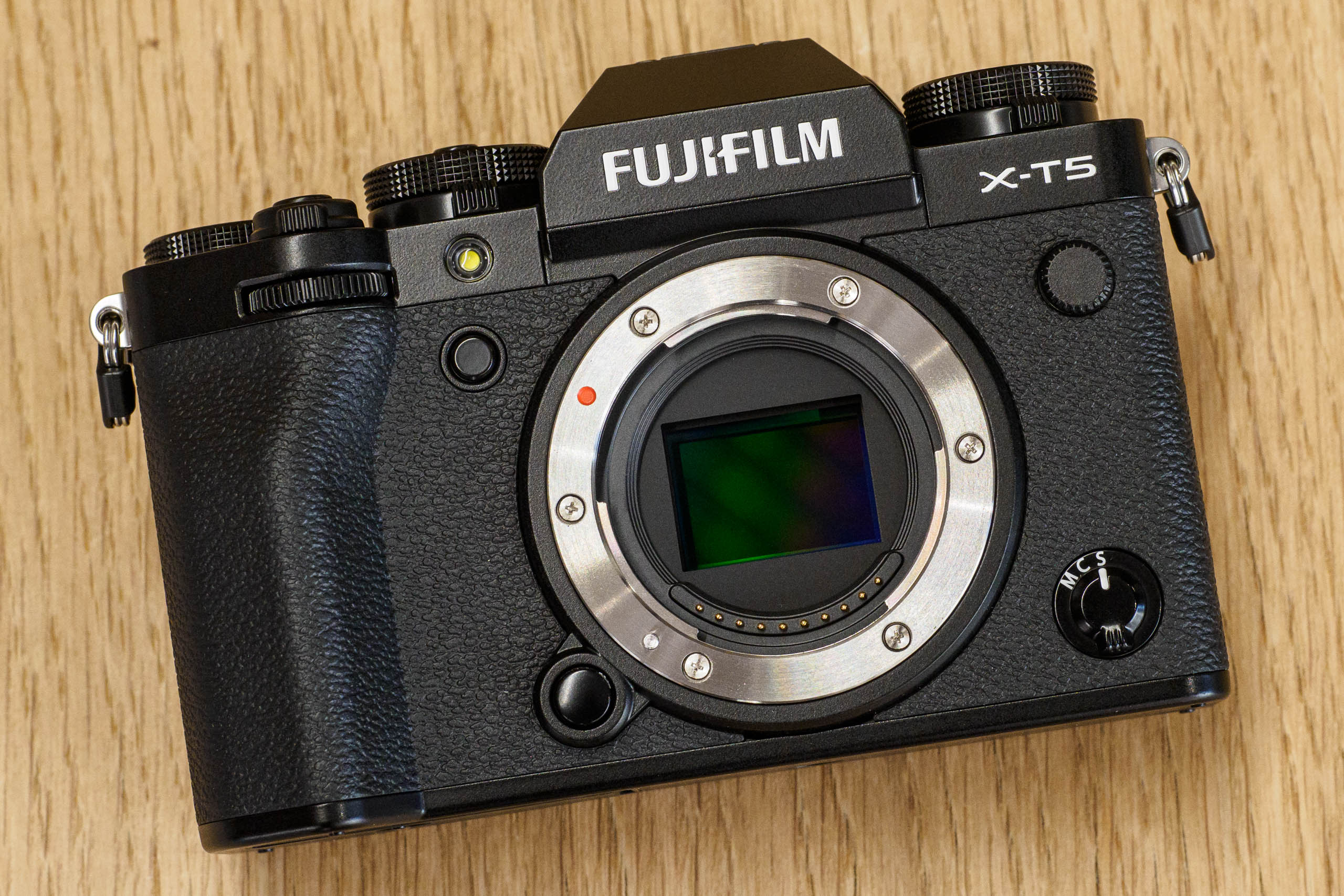
Amateur Photographer verdict
Lightweight and boasting Fujifilm’s colour options for outstanding images straight out of the camera- Effective in-body stabilisation
- Robust weather-sealed construction
- Wide range of X-mount lenses
- Relatively compact
- Ineffective hi-res multi-shot mode
Specifications at a glance:
| Specifications | Fujifilm X-T5 |
|---|---|
| Camera type | Mirrorless |
| Sensor | 40.2MP APS-C X-Trans CMOS 5HR sensor |
| Viewfinder | 3.69m-dot, 0.8x magnification |
| Screen | 3.0in, 1.84m-dot 3-way tilt LCD touchscreen |
| Continuous shooting | 15fps (mechanical), 20fps (electronic, 1.29x crop) |
| ISO | ISO 64 – 51,200 (extended) |
| Video | 6K 30p, 4K 60p, Full HD 240p |
The Fujifilm X-T5 is a great choice for someone who wants a lightweight body for landscape photography. Its 40MP sensor produces high-resolution images from a relatively compact camera that can be used with a range of APS-C lenses. If you’re not keen on editing your images, Fujifilm’s colour options mean that you can take your images straight out of the camera and post them on social media (which also means you don’t always need to shoot RAW).
With a robustly weather sealed body that’s lighter than most full-frame alternatives, it handles rain, humidity and temperatures down to -10C˚making it an ideal hiking companion. Pair it with a weather resistant (WR) lens from Fujifilm’s growing range of X-mount optics available to get a fully protected set up. Landscape-friendly options include the Fujifilm XF 16-55mm f/2.8 R LM WR and the XF 16-80mm f/4 R OIS WR.
With the X-T5 you get a well-balanced, and affordable alternative to the premium Fujifilm X-H2, which offers the same resolution.
Find out more in our full Fujifilm X-T5 review.
Best medium format cameras for landscape photography
Medium format, while more affordable and accessible than it used to be, is still a discipline that requires a significant cash investment. However, for some photographers, it’s simply non-negotiable. There simply isn’t any other way to get that glorious depth and detail provided by the larger sensor. We’ve included the medium format option we feel is best overall right now, as well as a more comparatively affordable choice for those who don’t have quite such a high budget.
Best for resolution
Best landscape camera for maximum resolution: Fujifilm GFX100S II

Amateur Photographer verdict
The Fujifilm GFX100S II delivers superlative image quality in both JPEG and raw thanks to its 102MP sensor. It handles well and its upgraded viewfinder is excellent. The autofocus is very capable too.- Superlative image quality in both raw and JPEG
- Much improved autofocus including subject detection
- Very manageable body size
- Effective in-body image stabilisation keeps images sharp
- Large, bright and detailed viewfinder
- Face detection and subject selection not integrated with each other
- Slow 2fps continuous shooting with live view
Specifications at a glance:
| Specifications | Fujifilm GFX100S II |
|---|---|
| Camera type | Mirrorless |
| Sensor | 102MP medium-format sensor |
| Viewfinder | 5.76m-dot, 0.84x viewfinder |
| Screen | 3.2in, 2.36m-dot tilting touchscreen |
| Continuous shooting | 7fps |
| ISO | ISO 80-12,800 (standard) |
| Video | 4K 30p video recording |
The latest model in Fujifilm’s spectacular GFX range of mirrorless medium format cameras, the Fujifilm GFX100S II delivers the best image quality from the series yet. Like the previous GFX100, it sports a 102MP medium-format sensor that’s capable of capturing images of simply absurd levels of detail and dynamic range. If you’re interested in making large prints, the GFX100S II is one of the best cameras you can buy right now.
The handling is excellent too – and it sports a smaller and lighter body than that of its sibling, the GFX 100 II. Advances in processing technology mean it’s relatively snappy in operation, with decent phase-detection autofocus and effective eight-stop stabilisation. The GFX100S II really delivers astonishing image quality shot after shot. It’s expensive, sure, but it’s aimed at photographers who demand the absolute best.
There’s a range of GF mount lenses, and there’s a 0.79x crop factor, so the GF 23mm f4 ($2,599 / £2,399) lens is equivalent to 18mm (in 35mm terms), and the GF 30mm F3.5 ($1,699 / £1,649) is equivalent to 24mm. There’s also a GF 32-64mm F4 ($2,299 / £2,149), equivalent to 25-51mm, though the widest zoom lens is the GF 20-35mm F/4 R WR ($2,499 / £2,349), which produces an equivalent range of 16-28mm.
Read our full, in-depth Fujifilm GFX 100S II review.
Best with fixed lens
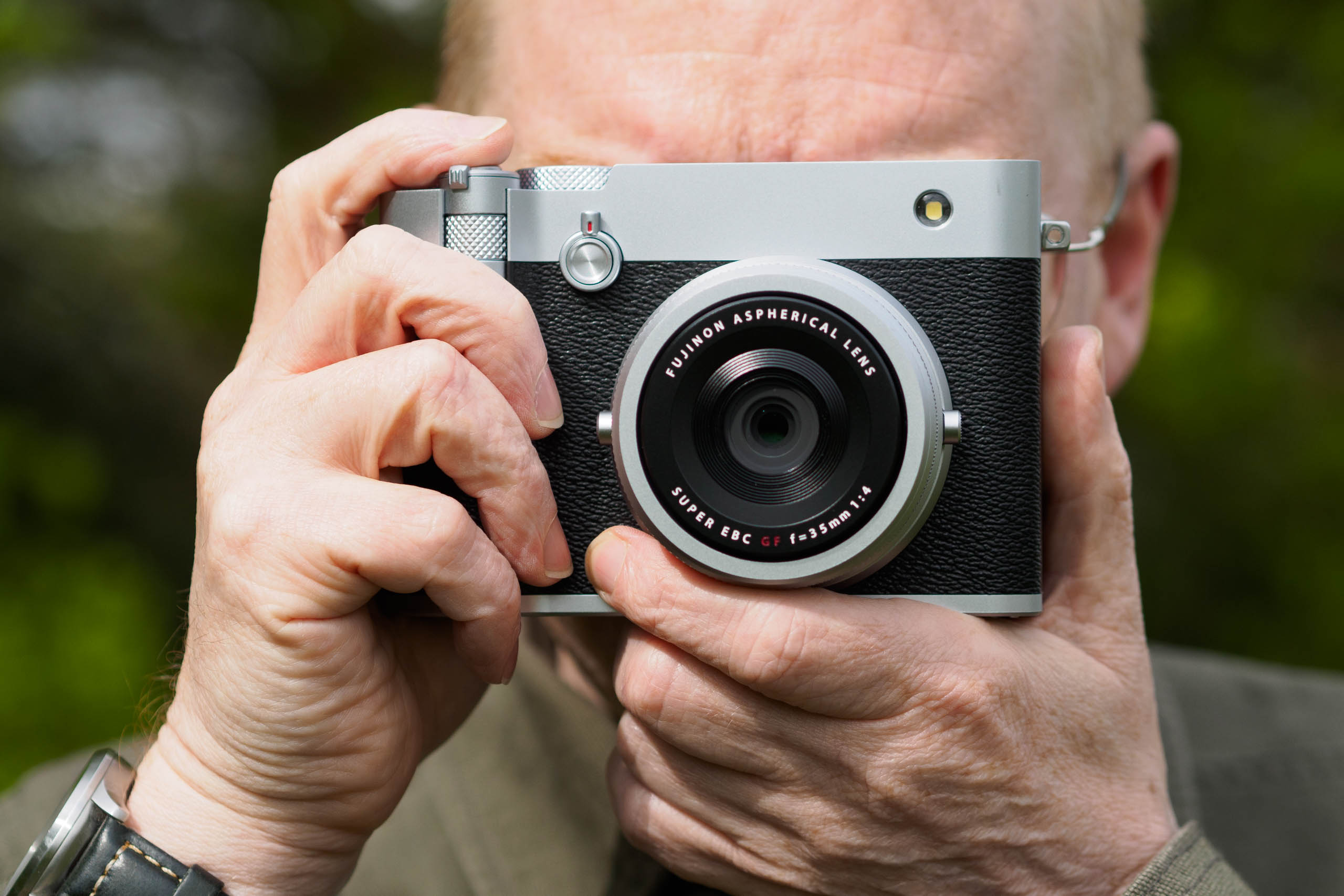
Best medium format camera for portability: Fujifilm GFX100RF
Amateur Photographer verdict
The Fujifilm GFX100RF produces fabulous image quality that belies its compact size. It’s enjoyable to shoot with and gives great results, with the aspect ratio dial encouraging creative composition.- Exceptional image quality
- Analogue controls
- Aspect ratio dial
- Great out-of-camera colour
- Relatively small f/4 maximum aperture lens
- No image stabilisation
- Screen only tilts up and down
Specifications at a glance:
| Specifications | Fujifilm GFX100RF |
|---|---|
| Camera type | Mirrorless |
| Sensor | 102MP GFX CMOS II sensor |
| Viewfinder | 5.76m-dot, 0.84x OLED EVF |
| Screen | 3.25in, 2.1m-dot tilting touchscreen |
| Continuous shooting | 6fps |
| ISO | ISO 80-12,800 (40-102,400 extended) |
| Video | DCI 4K 30p; 4K 30p; Full HD 60p |
The Fujifilm GFX100RF is a 102MP rangefinder-styled medium-format camera with a fixed 28mm equivalent lens. While it may not suit all landscape styles, the high-resolution sensor allows for generous cropping.
Despite its large sensor, it is the smallest medium-format camera from Fujifilm to date. In fact, it’s smaller than the full-frame Canon R5II or the Sony A7RV featured on this list.
With a base ISO of 80 and 14 stops of dynamic range, you can recover detail from shadows without introducing excessive noise. It includes a 4-stop built-in ND-filter for long exposures, which can be activated by pulling the lever on the front of the camera.
The dedicated aspect ratio dial offers 9 different settings at your fingertips and includes a Panoramic option too. The relatively small aperture and the lack of image stabilisation may discourage those who tend to shoot more in low light, but it’s still a superb option for landscapes and cityscapes if you learn to accept its practical limitations.
Read our full review of the Fujifilm GFX100RF.
Best compact cameras for landscape photography
Finally, we’re rounding out our list with a compact camera that’s a great choice for landscapes. Normally, fixed-lens compacts don’t come up too often in landscape conversations, in part because they tend to have smaller sensors than interchangeable-lens cameras. However, as we’ll see, this isn’t always the case. If you simply want a self-contained camera/lens combination that’ll slip into a pocket and still capture great landscapes, this is the section for you…
Best compact
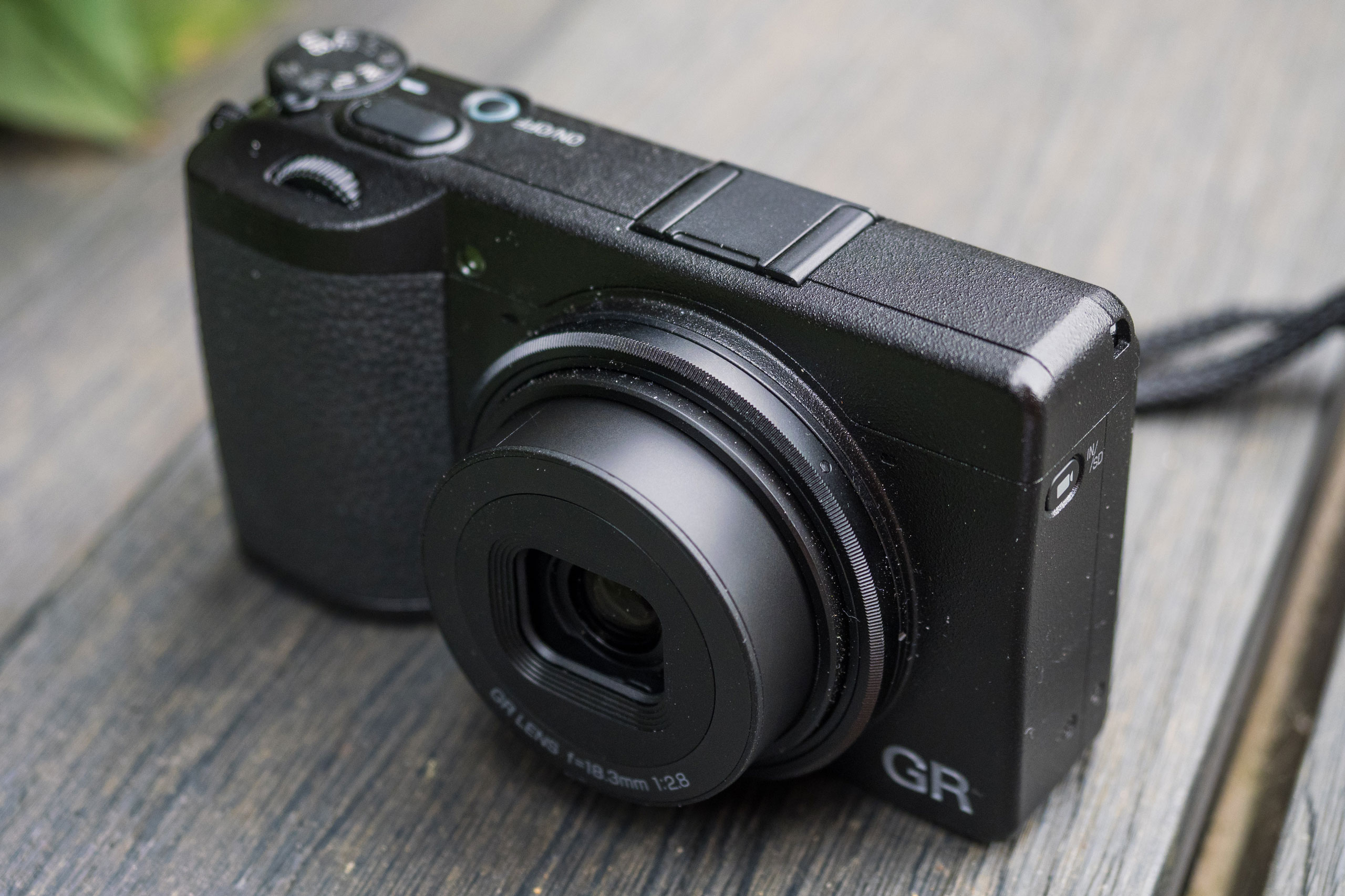
Best compact camera for landscapes: Ricoh GR IV
Amateur Photographer verdict
While the Ricoh GR IV may look very much like its predecessor, it’s been substantially upgraded inside. It retains the same street-shooter appeal, though, if you can live with its fixed rear screen.- Pocket-friendly size
- Excellent image quality
- Fast start-up
- No weather sealing
- Micro SD card storage
Specifications at a glance:
| Specifications | Ricoh GR IV |
|---|---|
| Camera type | Mirrorless compact with 18.3mm f/2.8 fixed lens |
| Sensor | 25.7MP APS-C BSI-CMOS sensor |
| Viewfinder | N/A |
| Screen | 3.0in, 1.04m-dot fixed LCD touchscreen |
| Continuous shooting | 4fps |
| ISO | ISO100 to ISO25,600 |
| Video | Full HD 60p |
If you want something really pocketable and not fiddle around with lenses, then the Ricoh GRIV is a great compact, with a 24MP sensor and a 28mm equivalent f/2.8 fixed lens. The sensor delivers detailed images that would allow printing up to a generous A3 size. The bright aperture is further supported by the 5-axis in-body image stabilisation for better low-light shooting.
While a fixed lens can be seen as limiting, the 28mm field of view is ideal for most landscape subjects and broad scenes, while for a wider reach, the GW-4 Wide conversion lens covers a 21mm view. The built-in ND filter offers two stops of attenuation.
It’s an affordable, hassle-free option for landscape photographers, albeit without weather-sealing. But if you value portability above all, and won’t compromise on image quality the Ricoh GR IV is the right compact for you.
Find out more in our full Ricoh GR IV review.
| Specifications | Nikon D850 | Pentax K-1 Mark II | Fujifilm X-T50 | Nikon Z7 II | Panasonic Lumix SR1 II | Canon EOS R5 Mark II | Sony Alpha A7R VI | OM System Olympus OM-1 Mark II | Fujifilm X-T5 | Fujifilm GFX100S II | Fujifilm GFX100RF | Ricoh GR IV |
|---|---|---|---|---|---|---|---|---|---|---|---|---|
| Camera type | DSLR | DSLR | Mirrorless | Mirrorless | Mirrorless | Mirrorless | Mirrorless | Mirrorless | Mirrorless | Mirrorless | Mirrorless | Mirrorless compact with 18.3mm f/2.8 fixed lens |
| Sensor | 45.7MP Full-frame BSI CMOS sensor | 36MP full-frame CMOS sensor | 40.2MP APS-C X-Trans sensor | 45.7MP full-frame BSI CMOS sensor | 44.3MP full-frame BSI-CMOS | 45MP stacked CMOS sensor | 66.8MP stacked-CMOS sensor | 20MP Four Thirds Stacked BSI Live MOS sensor | 40.2MP APS-C X-Trans CMOS 5HR sensor | 102MP medium-format sensor | 102MP GFX CMOS II sensor | 25.7MP APS-C BSI-CMOS sensor |
| Viewfinder | Optical viewfinder, 0.75x magnification with 100% coverage | Optical viewfinder with 0.70 magnification and 100% coverage | 2.36m-dot, 0.62x electronic viewfinder | 3.69m-dot, 0.8x magnification | 5.76m-dot, 0.78x OLED, 120fps | 5.76m-dot, 0.76x OLED | 9.44m-dot, 0.9x EVF | 5.76m-dot, 120fps refresh, 0.83x magnification | 3.69m-dot, 0.8x magnification | 5.76m-dot, 0.84x viewfinder | 5.76m-dot, 0.84x OLED EVF | N/A |
| Screen | 3.2-inch, 2359-dot tilting touchscreen | 3.2-inch, 1037K dots, tilting LCD screen | 3in, 1.84m-dot tilting touchscreen | 3.2in, 2.1m-dot tilting touchscreen | 3in, 1.84m-dot tilt/vari-angle touchscreen | 3.2inch, vari-angle, 2.1M-dot touchscreen | 3-in, 2.1m-dot 4-way LCD | 3in, 1.62m-dot full articulated touchscreen | 3.0in, 1.84m-dot 3-way tilt LCD touchscreen | 3.2in, 2.36m-dot tilting touchscreen | 3.25in, 2.1m-dot tilting touchscreen | 3.0in, 1.04m-dot fixed LCD touchscreen |
| Continuous shooting | 7fps | 4.4.fps full-frame mode 6.4fps APS-C | 8fps | 10fps | 40fps | 30fps | 30fps | 50fps with C-AF, 120fps fixed AF | 15fps (mechanical), 20fps (electronic, 1.29x crop) | 7fps | 6fps | 4fps |
| ISO | ISO 64-25,600 (standard) ISO 32-102,400 (extended) | 100 to 819200 | ISO 125-12,800 (standard) | ISO64-ISO25,600 (standard) | ISO 80-51,200 (standard), 40-102,400 (extended) | 50-102,400 (extended) | ISO 100-32,000 (standard) | ISO 80 – ISO 102,400 (extended) | ISO 64 – 51,200 (extended) | ISO 80-12,800 (standard) | ISO 80-12,800 (40-102,400 extended) | ISO100 to ISO25,600 |
| Video | 4K video, 8K time-lapse support | Full HD 30p | 6K 30p, 4K 60p, Full HD 240p video | 4K/60p video | 8K 30p, 5.9K 60p, C4K 120p, Full HD 120p | 8K 60fps internal raw recording | 8K 30p, 4K 120p video | 4K 60p, Full HD 240fps | 6K 30p, 4K 60p, Full HD 240p | 4K 30p video recording | DCI 4K 30p; 4K 30p; Full HD 60p | Full HD 60p |
How to choose the best camera for landscape photography
Landscape photography is a particular discipline with particular demands, and it pays to get a camera with strengths to match. There are features you should be concerned with when choosing a landscape camera, and features you can afford not to worry about too much.
Resolution
Ultimate resolution is often the aim in landscape photography, as it means that images can be printed in large format. And if you are into travelling and hiking, then you may not want something so large and heavy, so we’ve highlighted some other options as well.
High-resolution sensors help you capture more detail and can let you crop into your image, but it’s also worth pointing out that a high-quality 20MP image can be printed up to 18×12 inches at 300 dpi, roughly A3. Be aware that a very high-resolution sensor will mercilessly reveal any flaws in your focusing or exposure technique, so sometimes, more is not always best.
Dynamic range and raw
Dynamic range is generally pushed to its limits when shooting landscape images, as you often have darker areas or shadows, along with a bright light in the scene, and you want to capture as much of this as possible. The human eye can normally cope with a much wider range than most cameras, so you’ll want to shoot raw or use other all available options to capture as much dynamic range as possible.
All of the cameras shown here shoot raw so you can process the images later when needed to get the best results. See our guide on how to maximise dynamic range.

ISO range
In landscape photography, you’re most likely going to want to use the lowest ISO speed possible*, in order to ensure your image is capturing as much fine detail as possible. There’s not a massive difference between using ISO100 and ISO200 on most cameras, however, some cameras have an even lower ISO speed, such as ISO50, which will allow a slower shutter speed when needed, helping you when you’re trying to capture blurred water, or blurred clouds etc.
*Be aware that some extended ISO speeds marked as “Low” or “L” will show a reduced dynamic range, and are best avoided. Sometimes, if you are shooting handheld in lower light, you might need to raise the ISO, and while it’s best to try and avoid noise, remember the old adage: better a slighter noisy shot than a soft one. The higher ISO performance of modern cameras has come on in leaps and bounds – see our recent guide to ISO.
Image stabilisation
Image stabilisation (IS) can help, and we’re at a point in time where it’s more common for new cameras to have in-body image stabilisation (IBIS) than not. Not only does this feature let you expand your ability to shoot at slower shutter speeds, but it also allows manufacturers to add multi-shot high-resolution modes to some cameras.
If you can afford a model with image stabilisation built-in, then this is worthwhile. It works with all lenses, letting you save money when buying a lens without IS built-in.
Weather-sealing
Weather sealing is likely to be a must-have, especially if you’re happy shooting in all weather conditions. You’ll also need to make sure the lens you use with the camera is weather-sealed, otherwise, you will have to find alternative methods of keeping your camera dry, which may not be as effective.
Lens choices
Lens range is another key factor to consider – are the lenses you want available for the camera you want to use? We run through some of the options available as we go through each camera. A wide-angle lens is an obvious choice for landscape, but sometimes it’s good to be able to zoom into the finer details too. A big trend in landscape photography at the moment is for more ‘intimate’ landscapes.
How we test cameras
We test cameras by taking photographs and video in a wide range of real-world situations. We evaluate their control layouts, handling, and the usability of their viewfinders and screens. We assess their autofocus across a range of different subjects and shooting scenarios and test a camera’s continuous shooting capacity.
We also examine the effectiveness of image stabilisation systems. Last but not least, we critically evaluate the image quality in both JPEG and raw, including resolution, high-ISO noise, and dynamic range. For our final conclusion and score, we take all these factors into account, along with portability and lens systems. You’ll find the full breakdown of how each camera has performed in our full reviews.
Recent updates
- 2026 June: Sony A7R V replaced with newer Sony A7R VI. Fujifilm GFX100 II replaced with Fujifilm GFX100S II as it’s a bit smaller and lighter, so it makes more sense for landscapes. Specifications tables updated.
- 2026 February: we’ve removed several DSLR models from the list as they are no longer available new. While also bringing the list up to date with the latest and best models for Panasonic, OM-System, Canon and Fujifilm.
Starting out in landscape photography? Have a look at our beginner’s guide to landscape photography. For some inspiration, we also have the best landscape photographs, as well as landscape photography books.
Follow AP on Facebook, Instagram, YouTube and TikTok.