Our guide to the best cameras for photojournalism and documentary lists options for beginners and professionals alike.
As the business of newsgathering and documenting current events has evolved, so have the best cameras for journalism and documentary photography. News travels faster than ever these days, and photojournalists require a camera that can keep pace with the action as stories break and develop. Documentary shooters, meanwhile, benefit from advancing digital tools such as bigger sensors, AI tools, faster focusing and video features, in addition to stills.
One camera won’t suit every journalist and reporter. That’s why this guide gives you options for various uses and from beginner to expert. We’ve included cameras at a range of prices, as photojournalism can be attempted by anyone. Before we start, let’s take a quick look at the key features any of the best cameras for photojournalism and documentary photography need to have.
Our picks of the top cameras for photojournalism and documentary photography:
| Specifications | Nikon Z8 | Panasonic Lumix GH6 | Nikon D850 | Sony Alpha A7 IV | Fujifilm X-H2 | Canon EOS R6 Mark III | Sony Alpha A9 III |
|---|---|---|---|---|---|---|---|
| Sensor | 45.7MP | 25.2MP | 45.4MP | 33MP | 40MP | 32.5MP | 24.6MP |
| Video | Up to 8K 30p | Up to 5.7K 60fps | Up to 4K video at 60fps | Up to 4K 30p | Up to 8K 30p | Up to 7K 60p | Up to 4K 120p |
| Why choose it? | There’s certainly a case to be made that the Nikon Z8 eclipses its Canon and Sony rivals, and might just be the most accomplished all-rounder. | If you want a hybrid camera with genuine cine camera capabilities and functionality, this camera is tough to beat within its price bracket. | A professional DSLR needs more than a high resolution and excellent noise response to satisfy serious photographers. By successfully marrying high resolution with high speed they’ve made it one of the most versatile DSLRs around. | I still feel that its Canon and Nikon rivals sit more comfortably in your hand and are more pleasant to shoot with, but there’s a strong argument that the A7 IV offers the most useful feature set. | For those looking for a modern, progressive, and well-supported system, the range of Fujifilm X-series cameras is particularly impressive, with price points to suit almost everyone. | It’s a massive step up in capability for anyone still using a DSLR, while owners of older full-frame mirrorless models such as the EOS R and R6 will find plenty to tempt them, too. | The A9 III is an astonishing camera for its intended use, but its image quality lags behind other full-frame models, making it a specialist product. |
| Best for… | Professionals | Photos and video | Documentary | Amateurs turning pro | Nostalgic photographers | Upgrading | Sports |
| Rating |
★★★★★
|
★★★★★
|
★★★★★
|
★★★★★
|
★★★★★
|
★★★★★
|
★★★★★
|
Looking for the best deal on cameras for photojournalism? Not only will you find the best documentary cameras, but also some of the best cheap deals, as our ‘Buy now’ buttons are setup to automatically take you to the best prices from trusted retailers. You’ll also find a list of other retailers below each camera, so you can find the right deal for you.
Why you can trust Amateur Photographer
We spend many hours testing every product we recommend, in detail, in a variety of situations and shooting scenarios, and only use experts for our reviews, so you can be sure that you’re getting the best products. Find out more about our expert writers.
Best travel camera for news photographers
Nikon Z8
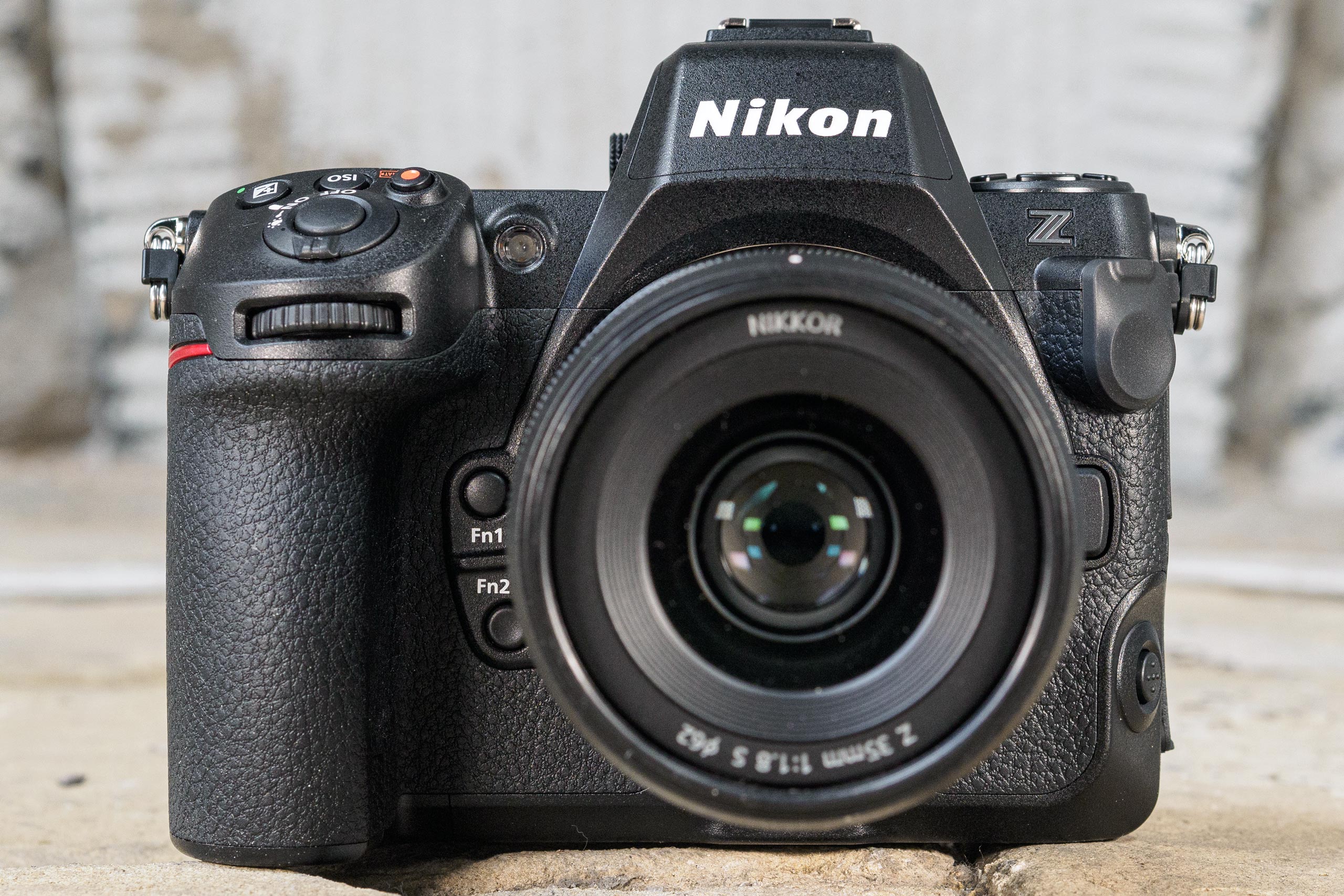
Amateur Photographer verdict
The Z8 is by all measures a pro powerhouse ready to tackle any photographic task with ease and precision.- Remarkable continuous shooting
- Phenomenal subject-detection autofocus
- Pro-spec build and handling
- Excellent viewfinder and screen
- Discreet, silent operation
- Still quite a size
- Imperfect custom setup options
| Specifications | Nikon Z8 |
|---|---|
| Camera type | Mirrorless |
| Sensor | 45.7MP full-frame stacked CMOS sensor |
| Continuous shooting | 20 frames per second shooting in raw |
| ISO | ISO 64-25,600 |
| Video | 8K 30p video recording |
| Price | $3,696 / £3,789 body-only |
The Nikon Z8 essentially packs the same specs as its flagship sibling, the Nikon Z9, but in a significantly smaller and less expensive body, though it is worth noting that it is still a pretty large investment. The camera has been lauded by Nikon as a ‘true successor to the D850’, which is quite a claim given that the Nikon D850 was probably the best DSLR ever made.
Among the reasons why this is a great on-the-go camera for news agency photographers, other than a relatively portable body (think smaller than the Z9 but bigger than the Nikon Z7 II), is its speed and subject detection AF system to back it up. Perhaps its clearest direct rivals are the Sony Alpha A1, which shoots 50MP stills at 30fps and and the Canon EOS R5, which offers 45MP at 20fps. For reference, the Z8 shoots 20fps in raw, 30fps in JPEG, and fully 120fps in 11MP JPEG. But neither of these older models has quite such a sophisticated AF system that’s also easy to use and works extremely well.
A significant drawback, however, is a shorter battery life than the Z9. The Z8 uses Nikon’s familiar EN-EL15C battery; rated for 340 shots per charge, less than half the Z 9’s 740-shot stamina from its larger EN-EL18D battery. Keep in mind, though, that there are options to make up for this. You can buy an add-on MB-N12 vertical grip for the Z8 that takes a second battery for $347 / £349, almost doubling the shooting time. It’s possible to power the camera via USB-C, too.
Meanwhile, Nikon continues to expand its lineup of Z-Mount lenses, giving photographers more choice of lens to pair their cameras with. You can check for our top-rated ones here.
Read our Nikon Z8 review.
Best 'hybrid' camera for stills and video
Panasonic Lumix GH6
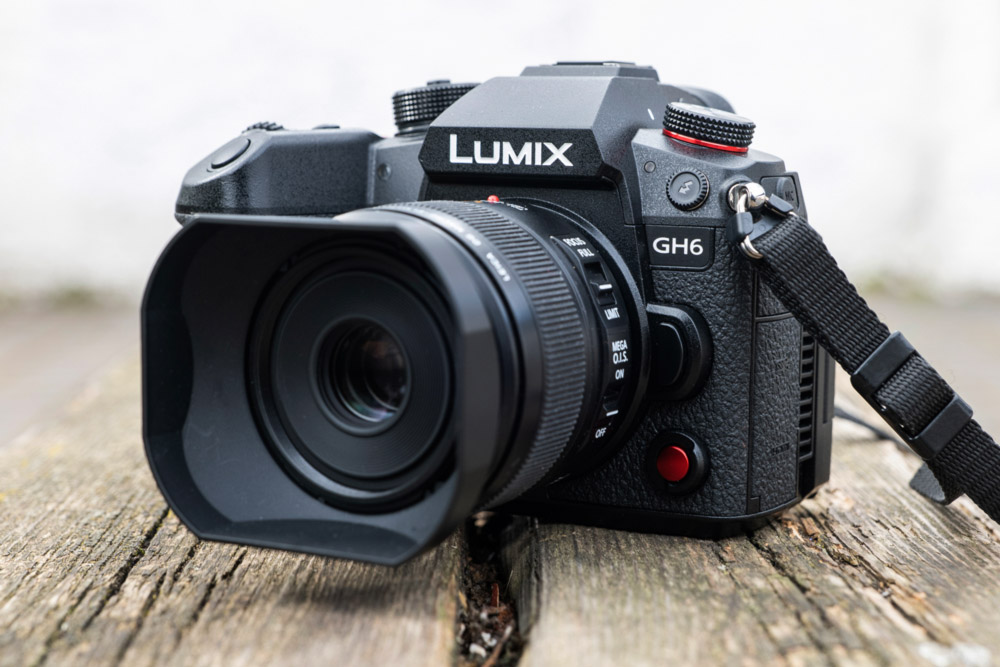
Amateur Photographer verdict
The King of Micro Four Thirds, the Panasonic GH6 takes GH to a new level with the most comprehensive video specs available anywhere near this price point.- Superb pro-level video features
- No recording time limits
- Excellent resolution for MFT
- Fast burst modes
- Aging autofocus system
- No 6K or 4K photo modes
| Specifications | Panasonic Lumix GH6 |
|---|---|
| Camera type | Mirrorless |
| Sensor | 25.2 MP Micro Four Thirds sensor |
| Continuous shooting | 8 fps shooting with continuous autofocus |
| ISO | ISO 50-25,600 (extended) |
| Video | 5.7K 60fps, 4K 120fps, Full HD up to 300fps |
| Price | $1,958 with 12-60mm f/2.8-4 Lens / £1,299 body-only |
For photojournalists and documentary shooters who want both stills and video in their arsenal, the Panasonic Lumix GH6 is one of the best choices you can make. It’s a Micro Four Thirds mirrorless camera; meaning a smaller sensor than many cameras on this list, but the sheer breadth of shooting options it provides is staggering. Video users have practically every codec they could dream of. Want to shoot Full HD video at a super-slow 300fps? Go for it. There’s also the Apple ProRes high-quality, visually lossless codec, capturing a huge amount of information in-camera for a smoother edit.
Photographers, meanwhile, can enjoy 75fps burst with fixed focus using the electronic shutter. With 25.2 megapixels, the GH6 is undoubtedly one of the highest-resolution Micro Four Thirds cameras you can buy. What’s more, the autofocus system does perform reliably, even if it is still the contrast based Depth From Defocus system Panasonic has used for years. (In 2023, Panasonic finally departed from this tradition with the full-frame Panasonic Lumix S5 II, resulting in much rejoicing from photographers and videographers alike).
Overall, the Lumix GH6 continues to impress us each time Panasonic releases firmware updates bringing new features. Here is our full Panasonic Lumix GH6 review.
Best DSLR for documentary photography
Nikon D850
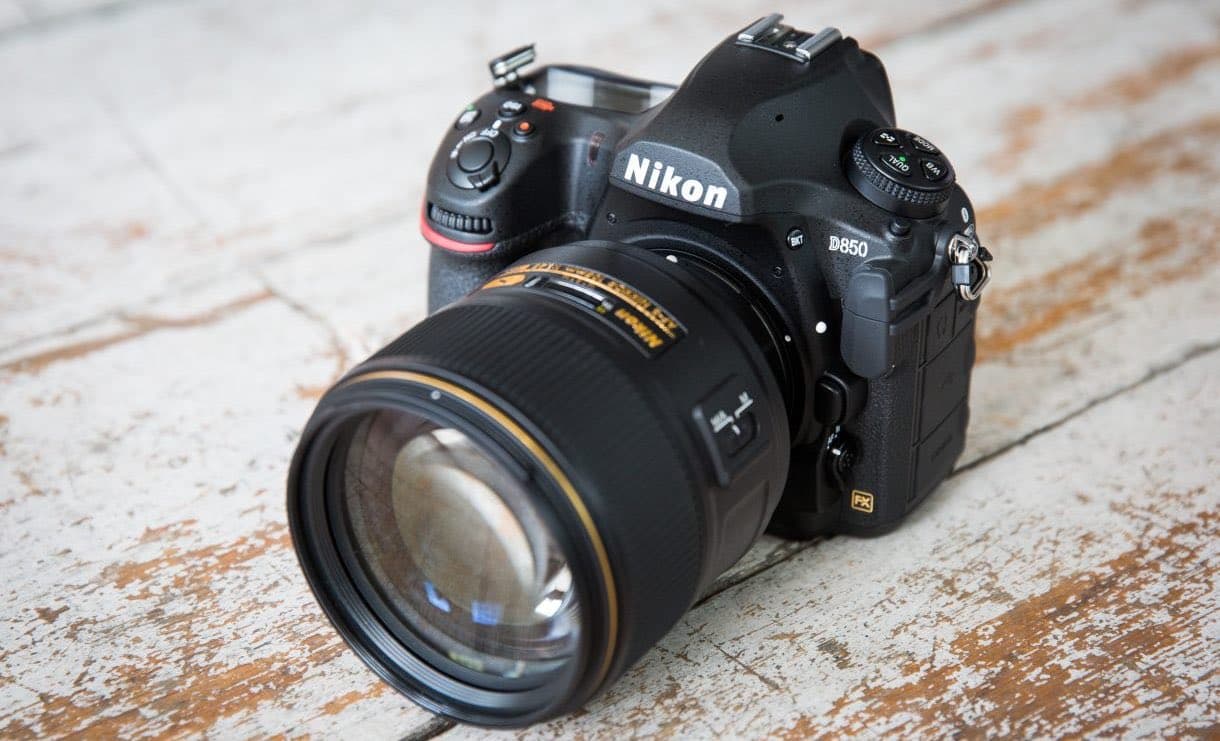
Amateur Photographer verdict
The Nikon D850 is the perfect blend of high-resolution, speed and performance. It is possibly the high-water mark of DSLR design – a classic in the making.- Sensor resolves exceptionally fine detail
- Super-fast autofocus and silent shooting in Live View
- Inherits AF toggle from D500 for fast AF point positioning
- Impressive battery life
- Lacks on-chip phase detection AF in Live View
- Touchscreen doesn’t allow adjustment of key exposure settings
- SnapBridge connectivity needs improvement
| Specifications | Nikon D850 |
|---|---|
| Camera type | DSLR |
| Sensor | 45.4MP FX format sensor |
| Continuous shooting | 7fps |
| ISO | ISO 64-102,400 |
| Video | Up to 4K video at 60fps |
| Price | $1,999.95 / £2,399.00 |
The Nikon D850 replaced its ultra-high-resolution full-frame, the Nikon D810 with even higher resolution and a solid array of features Nikon’s mirrorless cameras have inherited. This is no surprise as the D850 is quite possibly the best DSLR ever made. To read more about Nikon’s mirrorless Z system, head to our Best Nikon Mirrorless Cameras buyers’ guide.
Mirrorless cameras now dominate the market but there is arguably still space for DSLRs and the Nikon D850 has many things offer. It’s big, sure, but sturdy and weather-sealed, making it ideal for documentary photographers who shoot portraits outdoors for instance.
In our review, we found the marriage of high resolution, fast focus speed and tilt-angle screen perfect for capturing shots bursting with detail. Despite the sensor being densely packed with pixels, it offers wide dynamic range leverage and allows users to return a high level of shadow detail to Raw files with minimal noise. Pushing the D850’s sensitivity to its extremes reveals that ISO 6400 is usable, and the same can be said for ISO 12,800 with some vigilant noise reduction applied in post.
By current mirrorless standards, the D850’s video specifications are pretty ordinary, but it’s still an effective video camera for more considered filming setups (but not vlogging) and shouldn’t be underestimated. All in all, you get a versatile DSLR with high-resolution shooting and impressive video capabilities. If slower-paced photo stories are your thing and you want to do both photography and video on a regular basis, the Nikon D850 is more than up to the task.
Read our Nikon D850 review.
Best camera for beginners
Sony Alpha A7 IV
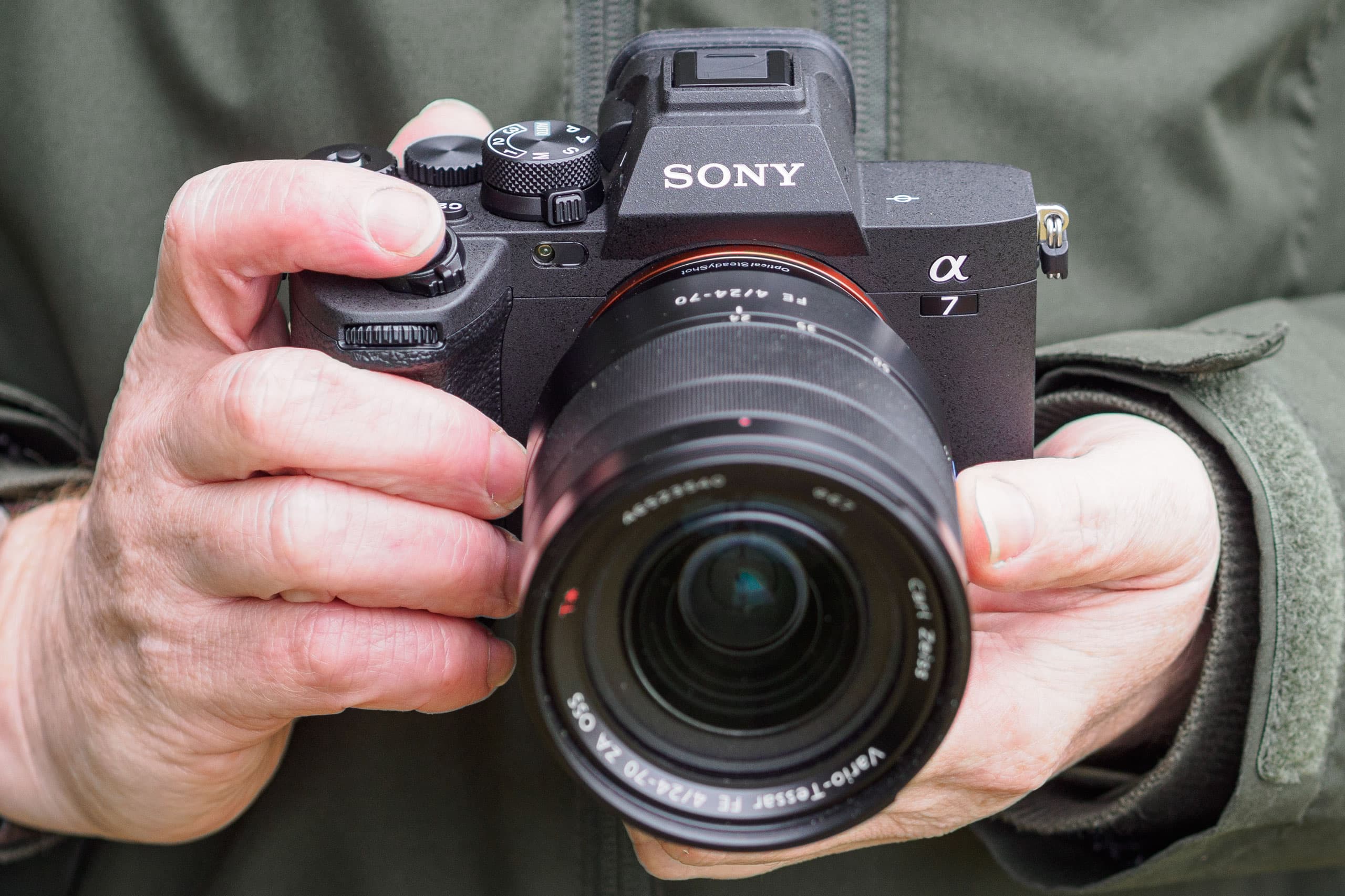
Amateur Photographer verdict
A solid contender for serious enthusiasts, the Sony Alpha A7 IV is strong in every regard. It balances stills and video capabilities admirably; if not quite matched by its handling experience- Excellent image quality; more detail than 24MP or 20MP rivals
- Superb autofocus with extremely capable subject recognition
- Large grip and revised controls improve handling
- Fully articulated screen gives great compositional flexibility
- Improved menus and touch interface are very welcome
- AF system is over-complicated to configure
- Rear top control dials easily confused by touch
- Still no in-camera raw conversion
| Specifications | Sony Alpha A7 IV |
|---|---|
| Camera type | Mirrorless |
| Sensor | 33MP full-frame sensor |
| Continuous shooting | 10 frames per second shooting |
| ISO | ISO 50-204,800 (extended) |
| Video | 4K 30p video recording |
| Price | $1,998 / £2,149 body only |
The Sony A7 VI is aimed at both professional photographers and the hybrid stills/video market, such as wedding and event photography. The upgraded viewfinder, fully articulated screen, improved handgrip and long-awaited touch interface combine to greatly improve the shooting experience, too.
It’s got everything you need in a camera for photojournalism (wireless connectivity, dual card slots, dust protection, etc.) but what makes it the camera to buy when starting out as a professional photographer? With the A7 IV, Sony has finally added touch focus and touch tracking control to the Imaging Edge Mobile app. Raw files can also now be transferred to your phone for editing in programs such as Lightroom Mobile prior to sharing.
Whether you’re looking to up your game as a newbie professional or move from a DSLR to mirrorless, the A7 VI is your gal. While many A7 III users will still be happy with their cameras, the A7 IV represents a hugely compelling update for users of older models.
Along with Sony’s already sizeable and impressive range of E-mount lenses, this camera is compatible with lenses from third-party manufacturers (unlike Canon and Nikon), for example, Sigma, Tamron and Zeiss. This gives Sony a clear advantage as going with a third-party lens generally saves you a few bucks but if the A7 IV price point still gives you a fright, it might be worth looking at its predecessor, the Sony Alpha 7 III.
Read our Sony Alpha A7 IV review.
Best Fujifilm for photojournalism
Fujifilm X-H2

Amateur Photographer verdict
This 40MP high resolution wonder boasts an impressive array of photography and video features – the overall package is a high quality camera of terrific value at its price.- Great JPEG image quality
- Effective subject-recognition autofocus
- Robust, weather-sealed build
- Highly customisable
- Needs best lenses to optimise 40MP sensor
- Large for an APS-C cameras
| Specifications | Fujifilm X-H2 |
|---|---|
| Camera type | APS-C |
| Sensor | 40MP APS-C BSI X-Trans sensor |
| ISO | ISO 125-12,800 (extends to ISO 64-51,200) |
| Continuous shooting | Up to 20fps shooting (with 1.29x crop), 15fps without crop |
| Video | 8K 30p video recording |
| Price | $1,999 / £1,890 body-only; $2,499 / £2,299 with 16-80mm f/4 lens |
With 40MP of resolution, the Fujifilm X-H2 is the highest resolution APS-C format camera ever and as such delivers on superb image quality. This is an impressive camera across the board as well. The expanded ISO range of ISO 64-51,200 gives you real versatility in low light, while the burst rate can be upped to 20fps if you switch to the electronic shutter and don’t mind a 1.29x crop (which works out to a perfectly acceptable 24MP). This comes with a mind-boggling world-record fastest speed of 1/180,000sec.
Additionally, the camera is compatible with a vertical grip, which adds a duplicate set of controls for portrait-format shooting and crucially, houses two extra batteries for extended shooting times. There’s also the appeal of the 8K video mode, and if you’re looking to step up to 8K video recording without spending $4,000 / £4,000+, then the Fujifilm X-H2 is well worth considering as it offers incredible value for money.
As with all Fujifilm cameras, it’s film-camera like design and film simulations are something to consider as well. Looks aren’t everything but when a camera whose looks harken to the compact 35mm cameras photojournalists like war photographer Robert Capa, it can be very hard to resist. When it comes to your photos having that film look, news photos are generally expected to be unedited and straight from the camera while documentary photography is a slower and more flexible medium. If you’re a documentary photographer whose style is more artsy, then this one might be the one for you.
Read our Fujifilm X-H2 review.
Best camera for an upgrade
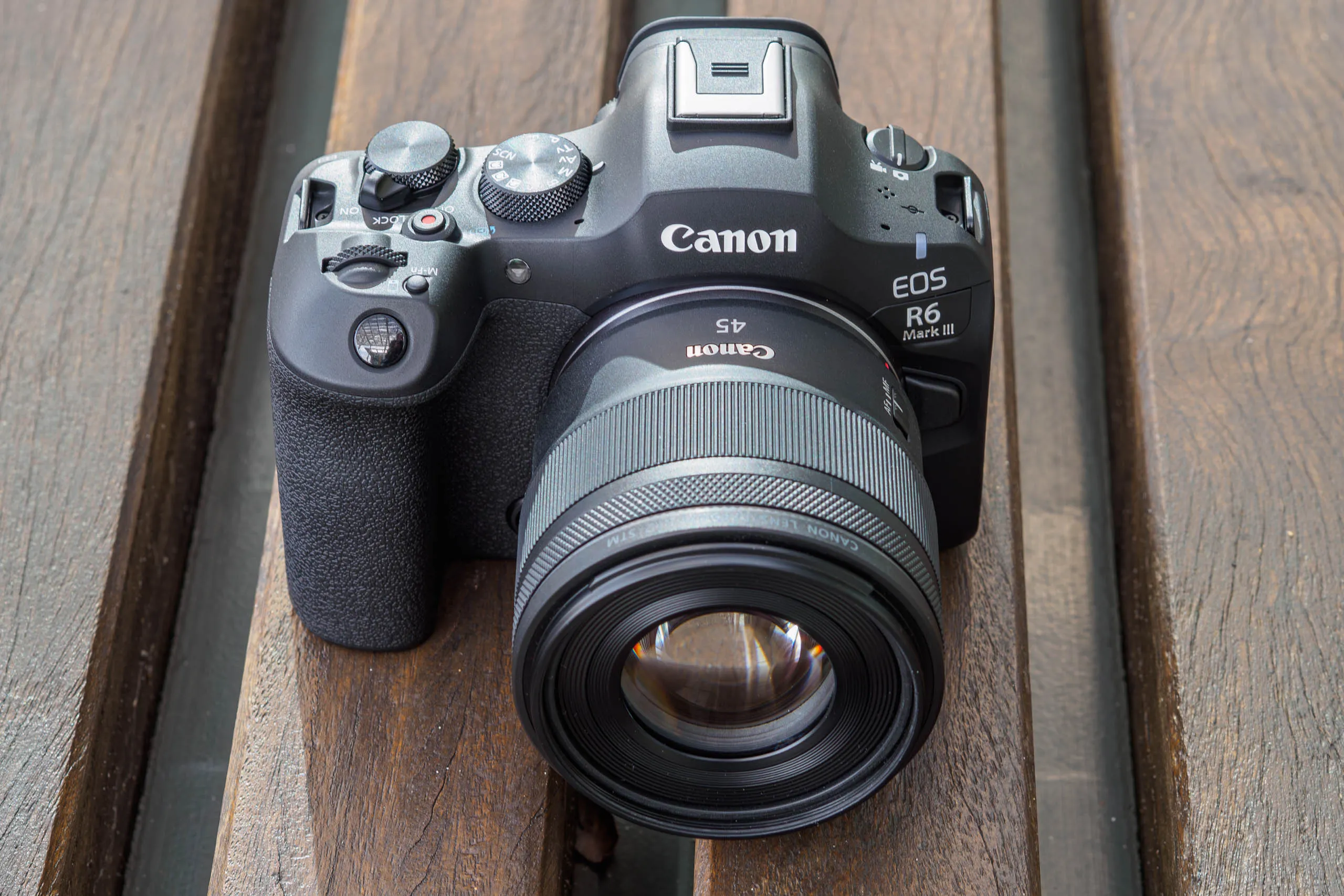
Canon EOS R6 Mark III
Amateur Photographer verdict
Canon’s enthusiast all-rounder is a superb camera that can do almost anything users might need. With its 32.5MP resolution, excellent autofocus and fast shooting, it’s right at the top of its class.- 33MP sensor gives increased detail and flexibility
- Superb autofocus system
- Works well with EF lenses via mount adapter
- Super-fast continuous shooting
- No third-party full-frame autofocus lenses available
- Doesn’t work with older LP-E6-type batteries
| Specifications | Canos EOS R6 III |
|---|---|
| Camera type | Mirrorless |
| Sensor | 32.5MP full-frame sensor |
| Continuous shooting | Up to 40 fps full-resolution shooting |
| ISO | ISO 100-64,000 (standard) |
| Video | 7K 60p, 4K 120p video recording |
| Price | $2799 / £2799.99 body-only |
Ideally, a good photojournalism camera should be able to cope with a fast pace and a variety of shooting situations. Although Canon’s mirrorless EOS R system has plenty of viable options, the best pick for our money right now is the EOS R6 Mark III. It’s not as high-resolution as the dazzling EOS R5, but is faster and cheaper. On that subject, the flagship EOS R3 beats it for speed thanks to its stacked sensor design, but that camera is firmly out of most people’s price range.
The EOS R6 Mark III, though, is good for just about everything. Its 32.5MP full-frame sensor realistically provides more than enough resolution for most purposes. Its ISO range extends up to 204,800, making it a beast in low light, and with the electronic shutter, it can manage a burst mode of 40fps.
The autofocus speed and accuracy are excellent – as always with Canon – and its triple-dial control system provides a smooth handling experience. Without doubt, it’s one of the best Canon cameras yet made.
Check out our Canon EOS R6 Mark III review.
Best camera for sports journalism
Sony Alpha A9 III
Amateur Photographer verdict
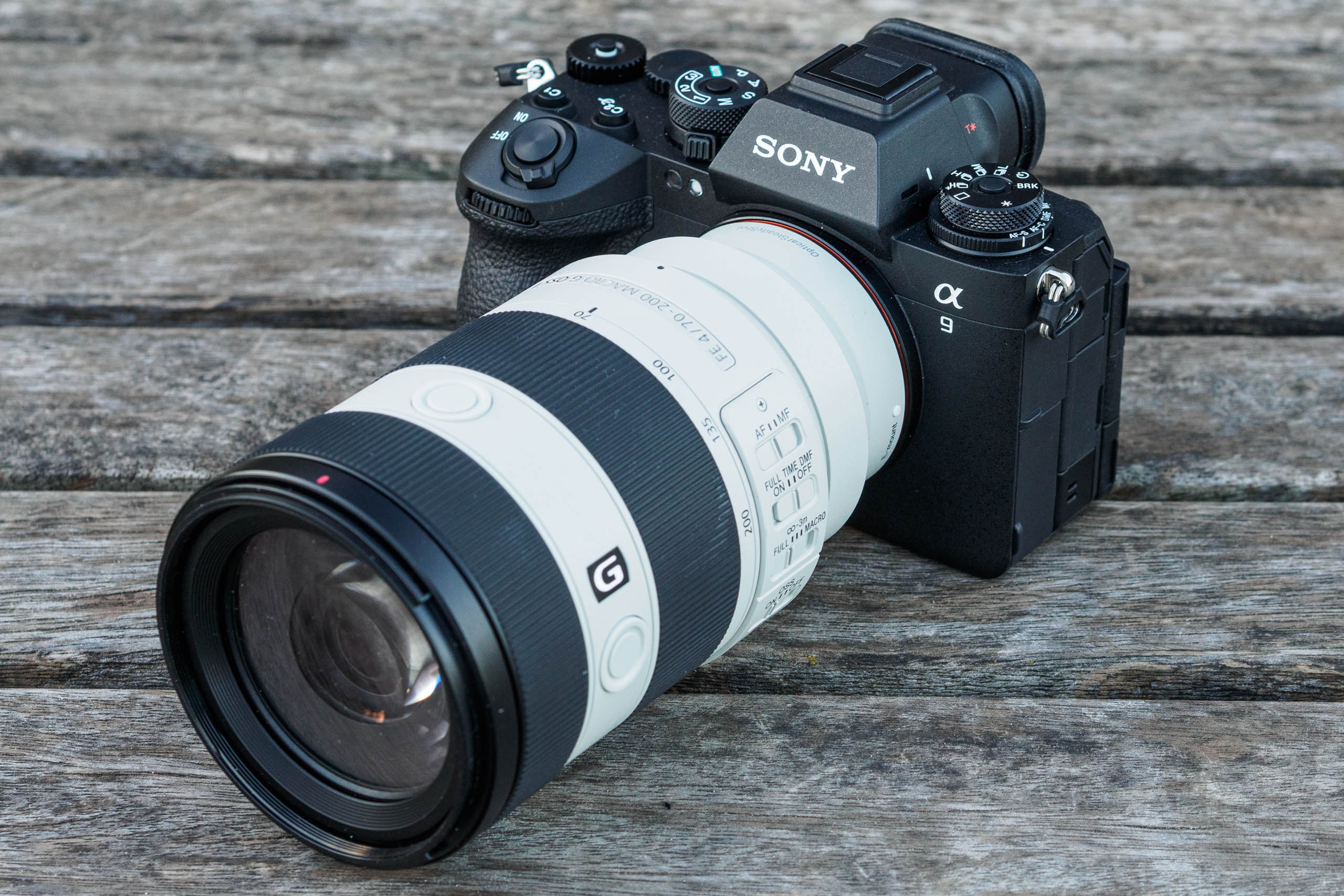
The Sony Alpha A9 III’s global-shutter sensor brings amazing speed and unique advantages for sports shooters.- Extraordinary autofocus and continuous shooting
- No rolling shutter distortion
- No rolling shutter distortion
- No banding under artificial lighting
- No banding under artificial lighting
- Relatively poor dynamic range and high-ISO noise performance
- Over-complicated and occasionally incomprehensible menus
| Specifications | Sony Alpha A9 III |
|---|---|
| Camera type | Mirrorless |
| Sensor | 24.6MP full-frame stacked-CMOS sensor with global shutter |
| Continuous shooting | 120fps continuous shooting |
| ISO | ISO 250-25,600 (standard) |
| Video | 4K 120p video recording |
| Price | $6,000 / £5,200 body-only |
The Sony Alpha A9 III is the latest in the firm’s line of specialist cameras purpose-designed for professional sports and action photography. Good enough to make our list of the best Sony cameras, for sure. In an eye-catching technological breakthrough, it’s the first full-frame camera with a global shutter sensor.
Add to that astonishing continuous shooting and autofocus specifications, and the A9 III becomes an even more juicy option. The camera is capable of 120 frames per second in full-resolution raw, while tracking focus on subjects as they move around the frame, and with no viewfinder blackout. It’ll also record 4K video at 120fps using the full sensor width. Such capability doesn’t come cheap, though.
If you want a pro-spec camera in a single-grip body, it’s impossible not to conclude that the Nikon Z8 is a much better all-rounder at a considerably lower price. However for those who make their living from shooting sports, the Sony A9 III is an incredibly accomplished and compelling option.
Read our Sony A9 III review for more.
Specifications compared
| Specifications | Nikon Z8 | Panasonic Lumix GH6 | Nikon D850 | Sony Alpha A7 IV | Fujifilm X-H2 | Canon EOS R6 Mark III | Sony Alpha A9 III |
|---|---|---|---|---|---|---|---|
| Camera type | Mirrorless | Mirrorless | DSLR | Mirrorless | APS-C | Mirrorless | Mirrorless |
| Sensor | 45.7MP full-frame stacked CMOS sensor | 25.2 MP Micro Four Thirds sensor | 45.4MP FX format sensor | 33MP full-frame sensor | 40MP APS-C BSI X-Trans sensor | 32.5MP full-frame sensor | 24.6MP full-frame stacked-CMOS sensor with global shutter |
| Continuous shooting | 20fps in raw | 8fps with continuous autofocus | 7fps | 10fps | Up to 20fps shooting (with 1.29x crop), 15fps without crop | 40fps full-resolution shooting | 120fps continuous shooting |
| ISO | ISO 64-25,600 | ISO 50-25,600 (extended) | ISO 64-102,400 | ISO 50-204,800 (extended) | ISO 125-12,800 (extends to ISO 64-51,200) | ISO 100-64,000 (standard) | ISO 250-25,600 (standard) |
| Video | 8K 30p video recording | 5.7K 60fps, 4K 120fps, Full HD up to 300fps | Up to 4K video at 60fps | 4K 30p video recording | 8K 30p video recording | 7K 60p, 4K 120p video recording | 4K 120p video recording |
| Price | $3,696 / £3,789 body-only | $1,958 with 12-60mm f/2.8-4 Lens / £1,299 body-only | $1,999.95 / £2,399.00 | $1,998 / £2,149 body only | $1,999 / £1,890 body-only; $2,499 / £2,299 with 16-80mm f/4 lens | $2799 / £2799.99 body-only | $6,000 / £5,200 body-only |
How to choose the best camera for photojournalism and documenting current events:
- Image quality: You want a decent sensor, but a megapixel count does not make a great photographer. A growing portion of World Press Photo award-winning photographers are using mirrorless cameras, which tend to have smaller sensors (source) due to their size. The latest World Press Photo winner was taken using a mirrorless camera. This year, there were even a couple of winning images that were taken with drones.
- Size and weight: Street photographers and war correspondents have always opted for something easy to carry, as it is more likely to be with you when news happens.
- Durability: Weather-sealing is an advantage in any situation, especially with unpredictable UK weather, but is particularly important in wildlife and sports photography.
- Wi-Fi and Bluetooth connectivity: This feature is useful for both professionals sending photos to their editors and beginners wanting to quickly post their images on social media. Many camera manufacturers have apps you can use to shoot using your phone.
- Dual card slots: Dual card slots made many photographers happy when they were first introduced, and it’s not hard to see why. You get twice the amount of memory, and in some cameras you can even switch between memory cards and shoot photos on one and video on the other.
- Silent shutter: There is a saying in journalism that the journalist should never be the story. A silent shutter is useful when capturing raw, candid moments without interrupting.
How we test cameras for photojournalism
We test photojournalism cameras from the perspective of real-world photography and video performance. That means we take them out and use them in a wide range of everyday situations – to see how well they help you blend in, move easily, and shoot intuitively. A great photojournalism camera should be versatile enough to handle shooting sports, protests, portraits, video and more with confidence.
We explore every shooting mode a camera offers, assessing not only image and video performance but also how easy it is to use – whether that’s around in a city, countryside, or taking them on a longer trip abroad. We test cameras in diverse lighting, including low-light environments where many models can struggle as well as diverse subjects to test tracking and autofocus, especially needed when shooting on the go.
We also assess specialist modes such as portrait and continuous shooting and autofocus specifications, while paying attention to practical aspects like wi-fi connectivity, battery life, SD card slots, screen quality, and overall build. We then take all these factors into account, along with such things as portability and lens systems, when giving our final conclusion and score. You’ll find the full breakdown of how each camera has performed in our full reviews.
Recent updates:
- June 2026: Nikon Z7 II, Sony A9 II, Sony A7 III and Nikon D810 replaced with newer versions (Nikon Z8, Sony A9 III, Sony A7 IV, and Nikon D850). Specifications tables updated.
- February 2026: The Canon EOS R6 Mark III and Sony A9 III have been added, following both the Mark II and A9 II. Removed some cameras deemed no longer available those which have not been directly replaced like the Panasonic GX80 and Canon EOS 90D.
Related articles:
- Fujifilm X-H2S field test: X hits the spot
- Opinion: We need great photojournalism more than ever
- Photojournalism in the age of social media
Follow AP on Facebook, Instagram, YouTube and TikTok.