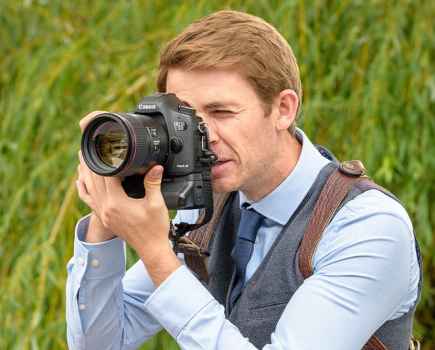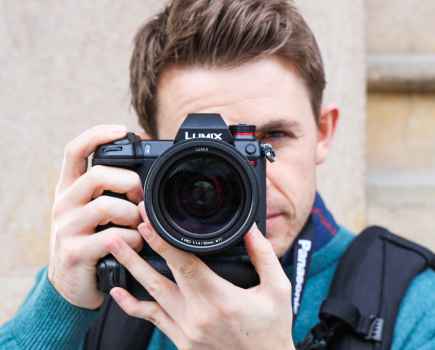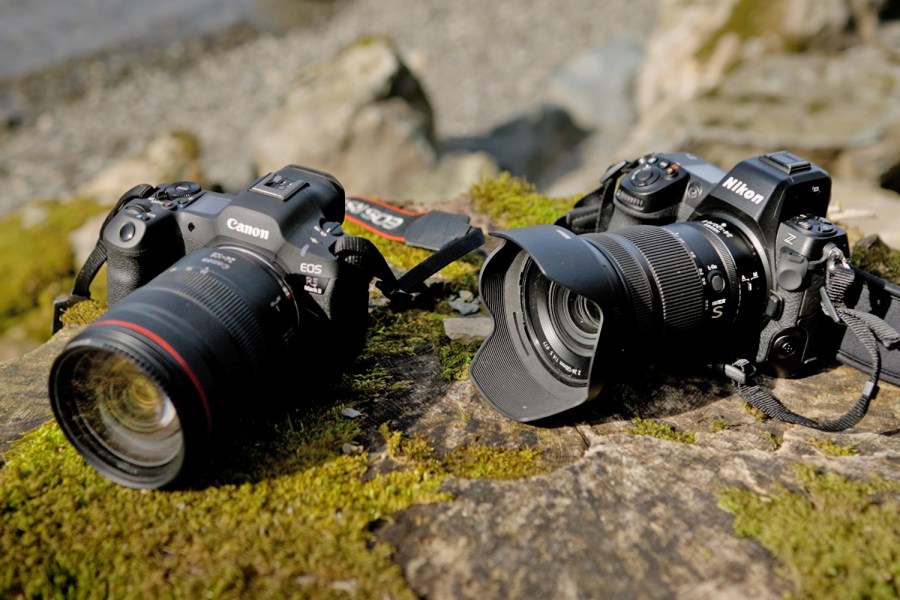
Although Nikon and Canon’s official full-frame flagship cameras are the Z9 and EOS R1 respectively, in the real world, these expensive deep-gripped cameras are mainly the preserve of sports and news photographers. For everything else, including landscape, nature and wildlife photography, there are two cameras at the top of Canon and Nikon owners’ wishlists… the Z8 and EOS R5 Mark II. But what are the real differences between the models, and which one would suit you best? To cut through the spec sheets and hype, and find out what these cameras really have to offer, we sent two professional photographers, both long-time users of the respective brands, to the Lake District for a day of landscape and nature photography.
Canon EOS R5 Mark II vs Nikon Z8 at a glance:
| Specifications | Canon EOS R5 Mark II | Nikon Z8 |
|---|---|---|
| Sensor | 45MP full-frame stacked-CMOS sensor | 45.7MP full-frame stacked CMOS sensor |
| ISO | ISO 100-51,200 (standard) | ISO 64-25,600 (standard) |
| Continuous shooting | Up to 30fps raw | Up to 20fps raw, 30fps JPEG |
| Video | 8K 60fps video recording | 8K 30fps video recording |
| Viewfinder | 5.76m-dot, 0.76x viewfinder | 3.69m-dot, 0.8x viewfinder |
| Screen | 3.2-in, 2.1m-dot fully articulated LCD | 3.2in, 2.1m-dot 3-way tilting LCD |
| Size and weight | 138.5 x 101.2 x 93.5mm, 746g | 144 x 118.5 x 83 mm, 910g |
| Price | $4,399 / £4,499 (body-only) | $4,297 / £3,999 (body-only) |
The Authors
Kingsley Singleton wasted the best years of his life writing techniques and reviews for numerous photo magazines, then became a freelance dog photographer and starvation risk. Since dropping his Zenit film SLR in the sea in 1999, he has almost exclusively used Nikon bodies, from DSLRs like the D200, D700 and Nikon D850 to mirrorless cameras including the Nikon Z7 II, Nikon Z9, Z8 and Zf. In 2022, he even bought an Nikon F2, the idiot.
Matty Graham’s Canon journey started with the EOS 3000 film SLR in the late ’90s before progressing to digital cameras via models including the EOS 90D and Canon EOS 5D Mark IV, along with plenty of lenses featuring a red band around the barrel. More recently, Matty has owned the Canon R6, along with cinema cameras, including the C70. A former photo magazine editor, Matty’s images have graced the covers and pages of magazines and websites for over 25 years.
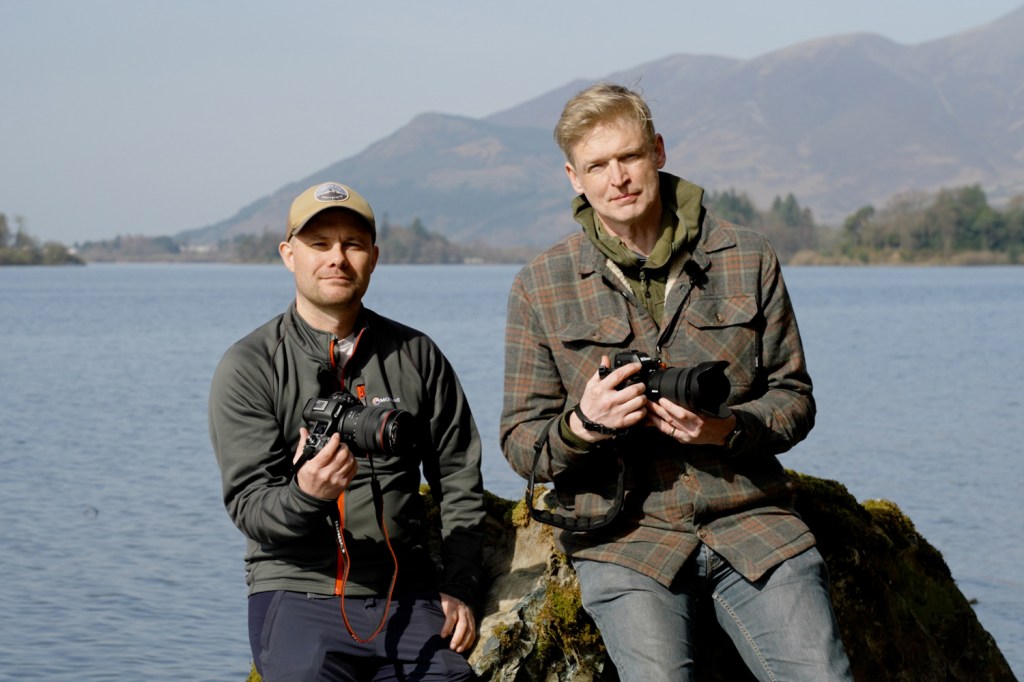
Canon EOS R5 Mark II vs Nikon Z8 – Design and Handling
Matty says: The Canon EOS R5 Mark II achieves a rare sweet spot. While packing a 45-megapixel fully stacked CMOS sensor (the original Canon EOS R5 offers a non-stacked 45-MP sensor), excellent autofocus and many other pro-territory features, the actual footprint of the camera is compact – after all, the days of bulky cameras are well and truly over. Despite being compact, the Canon allows for a decent and reassuring grip, which will be appreciated in wetter weather conditions. The layout is an improvement over the original R5, with the awkwardly placed On/Off switch being relocated to the right side of the top plate. Buttons and dials continue the Canon tradition of being fairly pronounced so you can locate them easily, even if you are out shooting landscapes in winter and are wearing gloves.
Tipping the scales at 746g, the EOS R5 Mark II is lighter and smaller than the Nikon Z8 (910g), and although this isn’t a huge difference, that extra weight could be noticeable during a long day moving from location to location, like our experience in The Lakes. A dedicated Stills/Video switch is useful, but the real gold is to be found when composing the imagery because the electronic viewfinder is both excellent and much higher resolution than the Z8 – after trying Kingsley’s Z8 I really could see a difference. What’s more, although the Z8 features a tilting LCD, the mechanism simply can’t match the ease and versatility of the EOS R5 Mark II’s fully articulated screen for me.
These sound like minor differences, but they really do make a difference to the user experience. In my opinion, early Canon mirrorless cameras lacked the robust feel landscape photographers came to expect from Canon, but the R5 Mark II is a model where you can feel where your money is being spent, and you’d have no quibbles about using this device in adverse weather conditions. I’ll go even further; the R5 Mark II has the robust feel of a camera like the 5D Mark IV – something that’s missing from the R6, which has been in my kit bag for a couple of years now.

Kingsley says: The Nikon Z8 has rightly been called ‘a mini Z9.’ It has the same stacked BSI 45.7MP sensor and almost all of its big brother’s grade-A features. ‘Mini’ does not mean it’s particularly small or light by mirrorless standards, however, the body being notability ‘taller’ than models like the R5 II. This isn’t a problem for me, because unlike Matty, I have proper-sized hands. And though weight is a factor, I’m not convinced 150g makes much difference. It’s three Mars bars for Christ’s sake.
Having used the Nikon Z9 previously, and a gripped Nikon Z7 II before that, I thought I might not like the shorter handling, but the opposite is true. The Z8 is one of the best-designed cameras I’ve used. It has a deep, comfortable grip, and its inputs are superbly placed, numerous and highly customisable, with the ‘i’ menu home to most things you can’t map to a button.
The Z8’s EVF certainly lags the opposition in resolution and frame rate, but it’s slightly higher in magnification compared to the R5 II’s and the view has never bothered me even after a full day’s shooting. Being a snob, it’s important to me that the viewfinder eye cup is rounded, too. The LCD is extremely useful for landscapes, and I tend to compose using it most of the time. Different in design to the R5 II’s ‘selfie’ screen, the Z8’s four-hinged version can be tilted for high or low angles without pulling out wide of the body. I remember it feeling odd at first, but now I think it’s awesome.
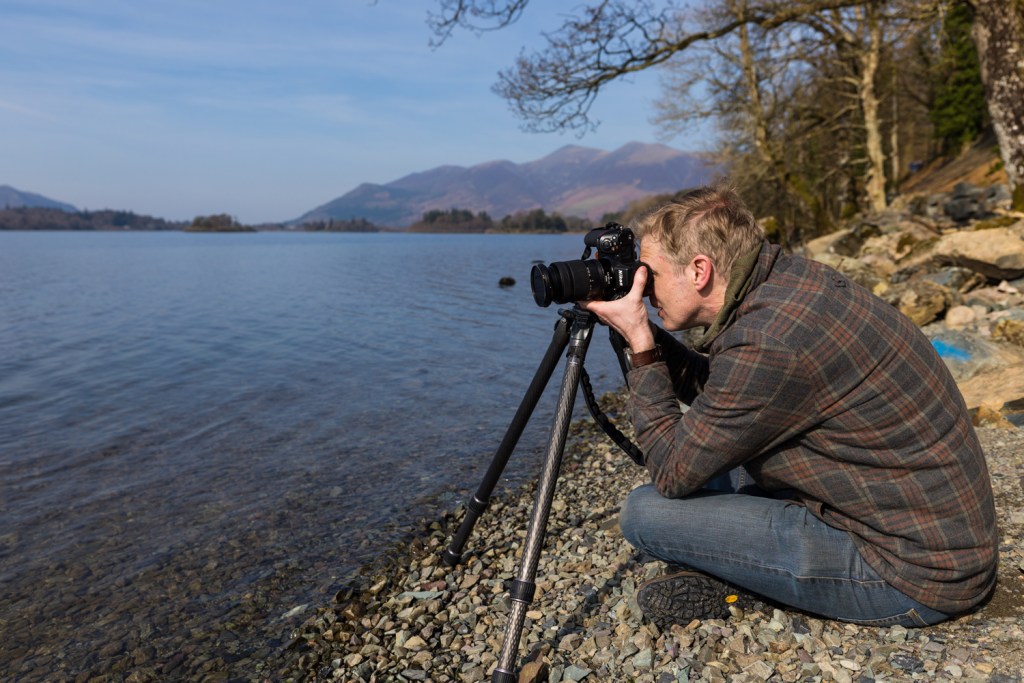
In terms of build, there’s less metal than on the Z9, but despite thinking it had a less-premium feel when I bought it, I’ve now smashed it around for several years and I have no complaints. The sensor shield closes on power off, so you have to remember to switch the camera off before changing lenses.
Canon EOS R5 Mark II vs Nikon Z8 – Features
Matty says: In my opinion, the EOS R5 Mark II (and the even newer Canon EOS R6 Mark III) draws a line under Canon’s previous range of mirrorless cameras, and these devices represent the new generation, pushing technology and build further than before. I’ve already touched upon the blackout-free EVF, and there is also the presence of Eye Control AF – a headline feature for the EOS R5 Mark II upon launch, though in reality, this is one for wildlife and action photography and I steered away during more measured landscape photography. A big difference between the cameras is the fact that the Canon offers both mechanical and electronic shutters, while the Z8 relies solely on an electronic shutter. Personally, I still like to hear that familiar click during landscape photography, and although this limits the burst rate to 12 FPS, switching to electronic shutter increases this rate to 30 FPS, more than enough for wildlife photography.
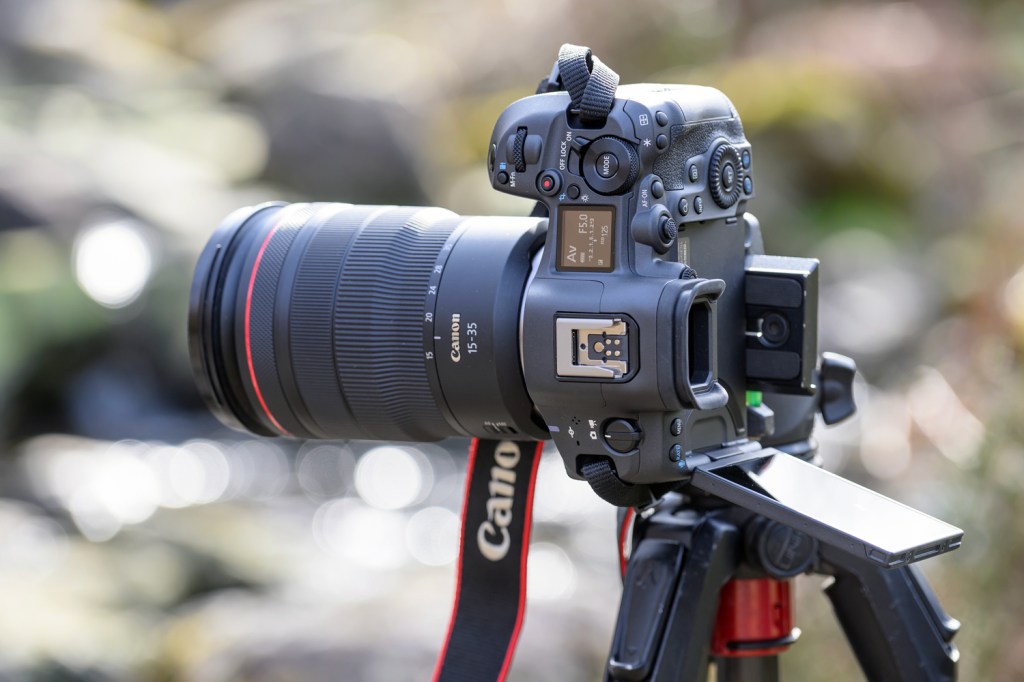
Anyone who has used a Canon camera before will know how intuitive the Menu system is, and picking up the EOS R5 Mark II feels like a familiar friend, with the Menus easy to navigate, ensuring you find what you’re looking for quickly. As with any camera, there are various quirks and niggles to contend with; hot-swapping with memory cards isn’t possible, although this will only affect those shooting video rather than stills. From a wider viewpoint, the price of Canon RF lenses is still relatively high, though this can be mitigated by making use of a RF/EF adapter to pair up EF glass. Canon EF lenses are now far more affordable, especially if purchased from used dealers. The 5-axis In Body Image Stabilisation (IBIS) works like a dream and with 8.5-stops of compensation, this provides the reassurance needed to work hand-held most of the time, eliminating the need for a tripod unless you are shooting long exposure landscapes.
Kingsley says: The fact that Nikon crammed so many flagship features into the Z8 is impressive. The black-out free EVF and advanced autofocus were the real drivers for me, and while obviously these don’t contribute much to the landscape side of things, they are vital in other nature subjects and any dog or person that wanders past.
Its speed is partly aided by the fact that the Z8 has no mechanical shutter, which is something you soon forget about. The sensor has such a blistering read-out speed that there is no rolling shutter effect at all, and if you want noise, you can pick from several decent shutter sounds and some rubbish ones. Whether it’s landscapes or anything else, I really enjoy the ability to shoot in a completely silent way, too, a simple flicker of the frame border telling you an image has been made. If you can trust an electronic shutter, as the Z8 ensures you can, a mechanical version is just something else to go wrong.
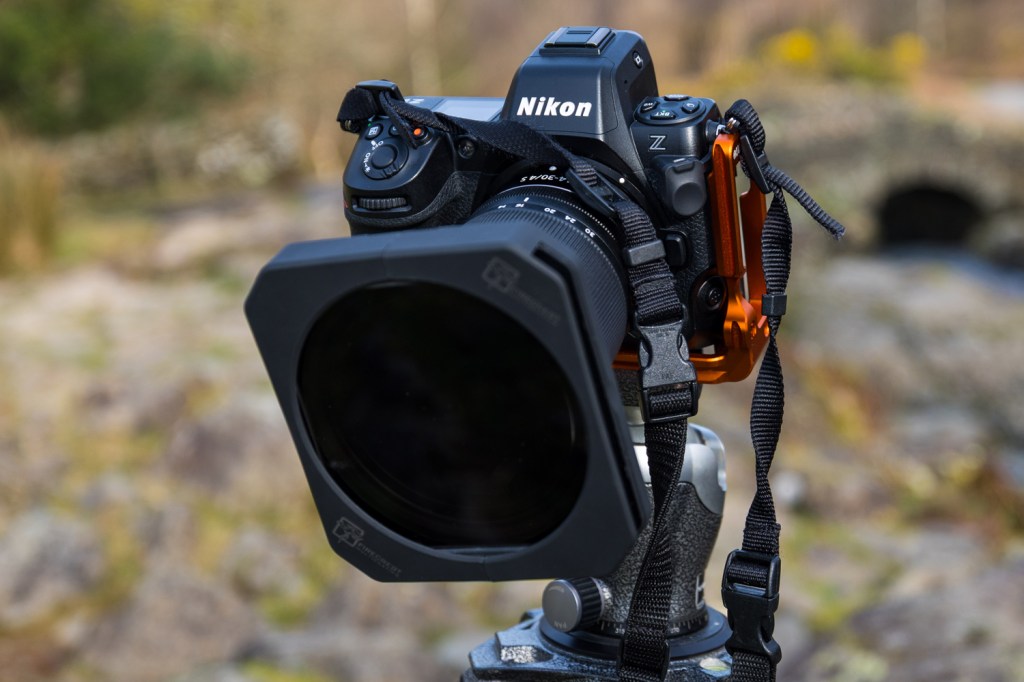
The Z8’s shooting speed is capped at 20fps in RAW, or 30 in JPEG. I rarely use anything other than the former, as I like the security it offers. And if you can’t get it right at 20fps, when can you? I feel similar about IBIS. I’ve seen the Z8’s 5-axis system rated at 5.5 stops, but practically this depends on so many variables, not least the conditions, focal length and amount of alcohol in the user’s bloodstream. I find I can get acceptably sharp images down to around 1sec at relatively normal focal lengths like 50mm or shorter, which brings hand-held landscapes into play, but the real benefit is in pixel-level sharpness at more regular speeds and when using longer lenses.
Canon EOS R5 Mark II vs Nikon Z8 – Performance
Matty says: The Dual Pixel Intelligent AF is clearly one of the EOS R5 Mark II’s biggest headlines and those picking up the camera for the first time will be shocked by how quick and accurate this system is. But that’s only half the story, because Canon enables users to really fine-tune the autofocus to their liking and for specific situations and scenarios. While tempting to set to default and let the camera do the work, spending the time to explore the various AF menus and features will pay dividends. In everyday landscape photography environments, though, what you really need to know is that the EOS R5 Mark II possesses a fiercely accurate AF system that won’t let you down, even in high-contrast and tricky lighting conditions.
Many will weigh up this camera for wildlife photography as well as landscape work, and the maximum burst rate of 30 FPS (up from 20 FPS on the original R5) will complement the AF system. What’s more, despite working the camera hard, I was impressed at the battery performance – remember, although the same size as the regular LP-E6, the R5 Mark II uses the newer LP-E6P, which supports higher power drain demands, and this is needed for features such as 8K video recording. With a rating of 630 shots on a single charge, that’s a decent return for a camera of this standard, though this figure will dip with prolonged EVF use.
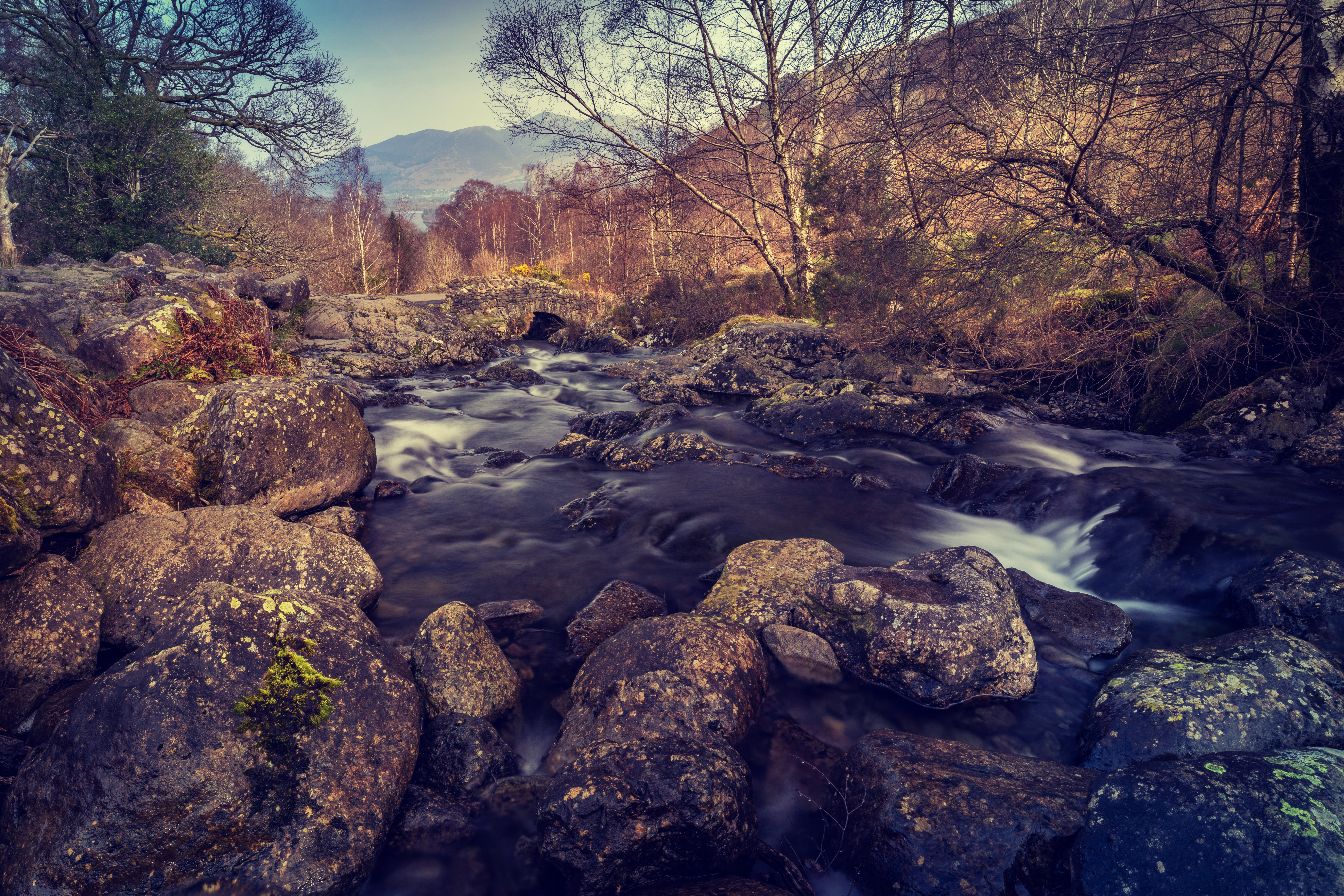
Kingsley says: Although the main focus of this comparison was landscapes, where I believe the question of AF is moot, the Z8 does claim a superior low-light acquisition rating of -7EV. This is handy for nightscapes, but I often still find myself using the distance scale on the LCD there. It’s worth noting that the Z8’s light-up buttons and warm-colour display mode also help out night shooters.
I also often use the Focus Shift Mode to obtain maximum depth-of-field in landscapes, and this can be combined with Nikon’s Pixel Shift setting to create a truly dizzying level of detail of something like 180MP. As far as I know the R5 II lacks the latter, instead using an AI upscaling route which, as we all know, is cheating.
Away from the landscape focus, the Z8 has elite AF subject tracking and recognition, and when you’re comfortable with the settings, it’s tough to miss a shot. I limit the AF area size to aid subject acquisition, and sometimes also switch into DX crop mode where obviously there’s less view to cover. It’s easy to cycle through Mode and Area, and I have the specific subject-detection modes linked to the Fn2 button.
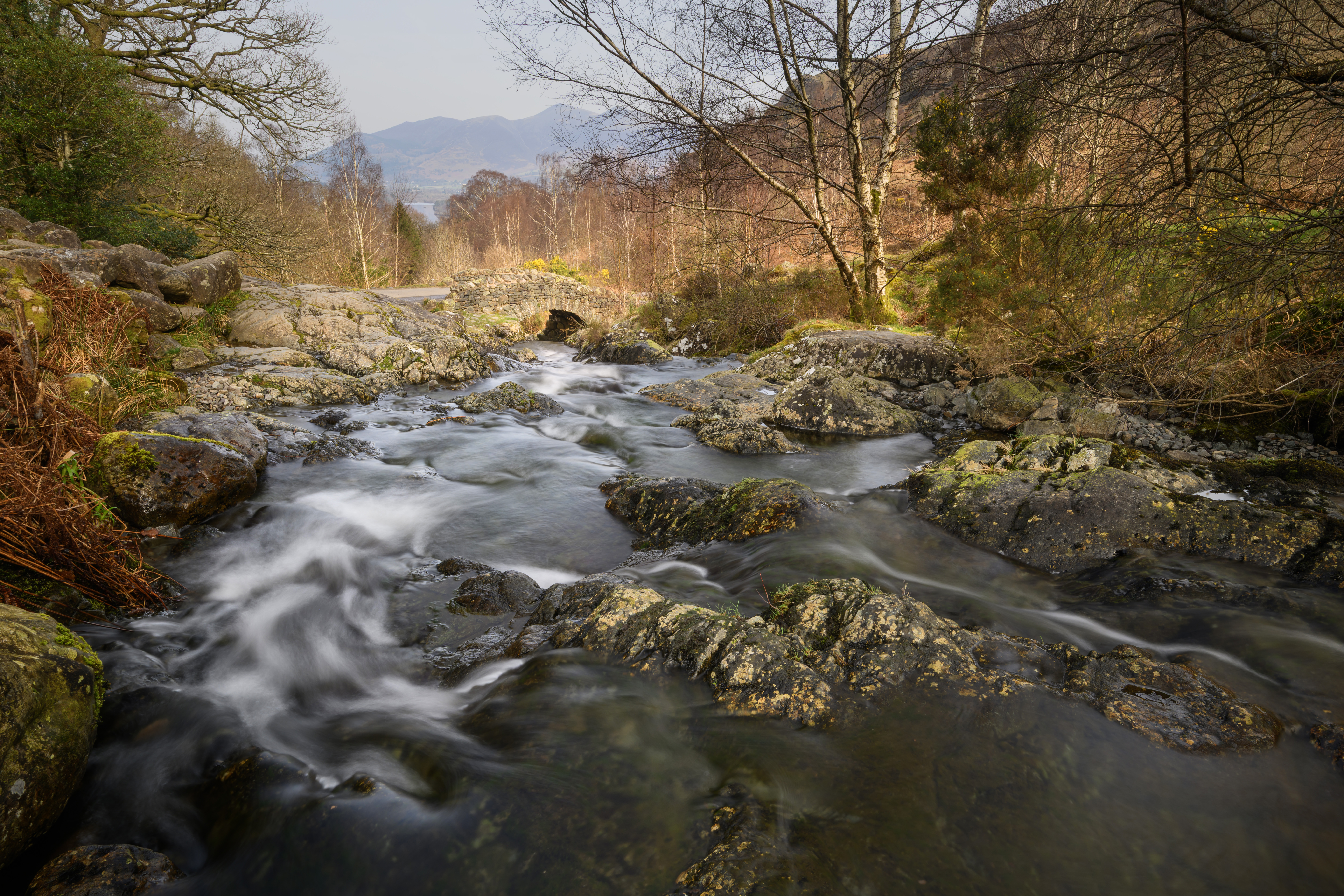
It’s also worth noting that, although the Z8 maxes out at 20fps RAW, it can do this for pretty much as long as you have space on the card. As I understand it, the R5 II’s buffer is more limited. Battery life is rated at 340 shots, but practically I usually get three times that. If in doubt buy another battery.
Canon EOS R5 Mark II vs Nikon Z8 – Image quality
Matty says: The proof of a day out in the great outdoors is, of course, in the pudding and with the EOS R5 Mark II, you really see where your money is going. Detail from the 14-bit RAW files is huge with that fully stacked 45-megapixel sensor serving up maximum file sizes of 8192 x 5464 pixels. This unlocks big benefits, not only enabling users to make huge prints, but also to crop heavily into their frames to afford a second go at composition without compromising image quality. If your destination for the images is social media, the amount of cropping you can achieve and still end up with a usable frame is mind-blowing.
The Canon colour science that has brought me back to the brand year after year is still present, but imagery feels supercharged, richer in colour and clarity. Equally impressive is the dynamic range on offer from this camera, with high amounts of tonal data captured from RAW files enabling Highlights to be recovered and shadows to be revealed from high-contrast scenes presented in tricky lighting conditions. Digital noise is very well controlled, giving photographers the ability to work up to ISO 3200 with confidence and even further with the benefit of Noise Correction in post.
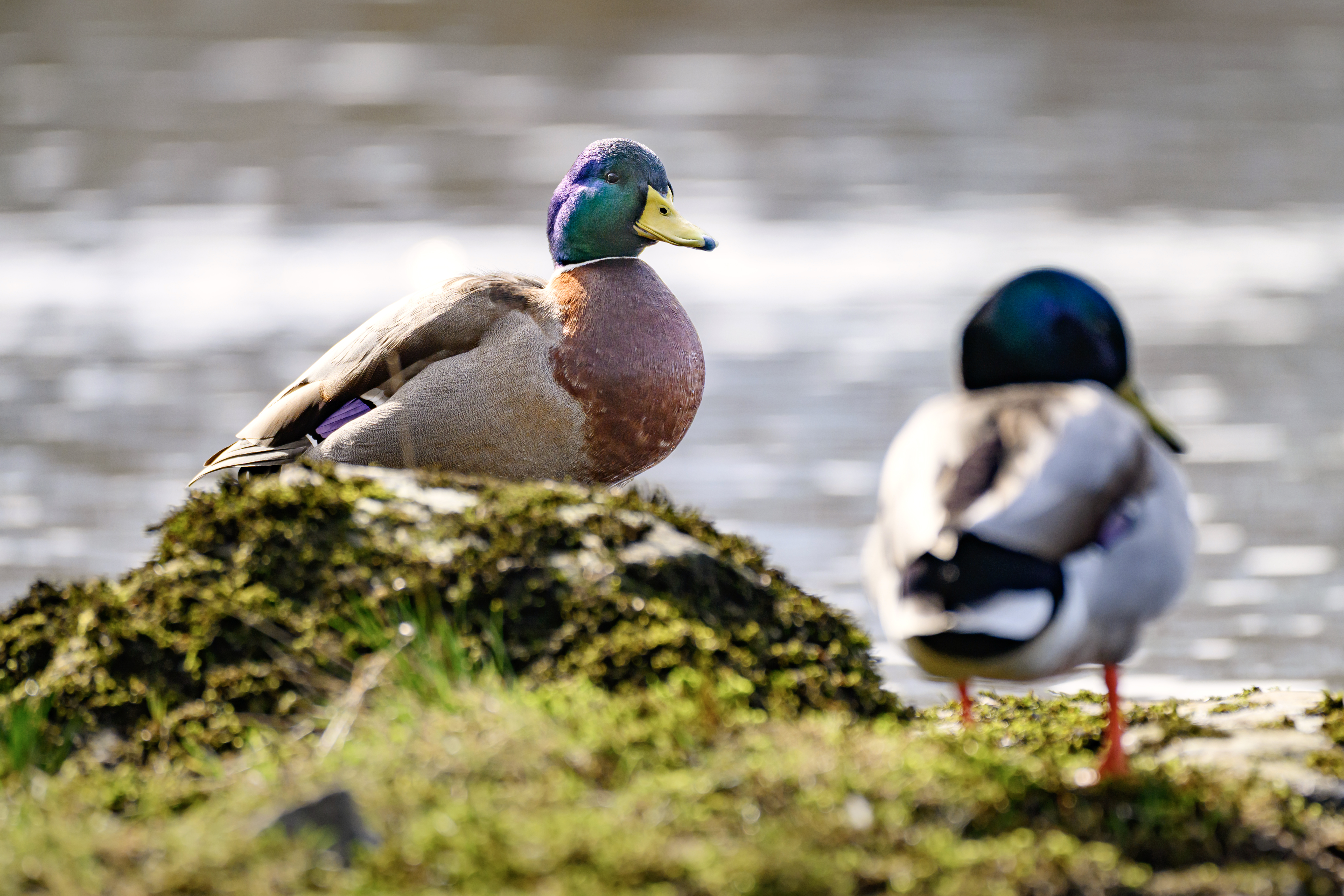
Kingsley says: The Z8 makes beautiful images. The sensor is fractionally higher-res than the R5 II’s, but not so much as it’d make a practical difference. Unlike the R5 II, it also lacks an anti-aliasing filter, which should aid sharpness, but comparing images side-by-side it’s tough to spot a difference. As mentioned, there’s a hi-res Pixel Shift Mode. It’s only for the stillest of subjects, but it is tremendous when it works.
I’ve read that stacked sensors can affect dynamic range, but looking at online tests made by people with far higher boredom thresholds than me, the Z8 achieves some very high numbers. All I know is that I can push shadows and pull highlights in the 14-bit Raws with great freedom, so much so that it makes grad filters far less of a requirement.
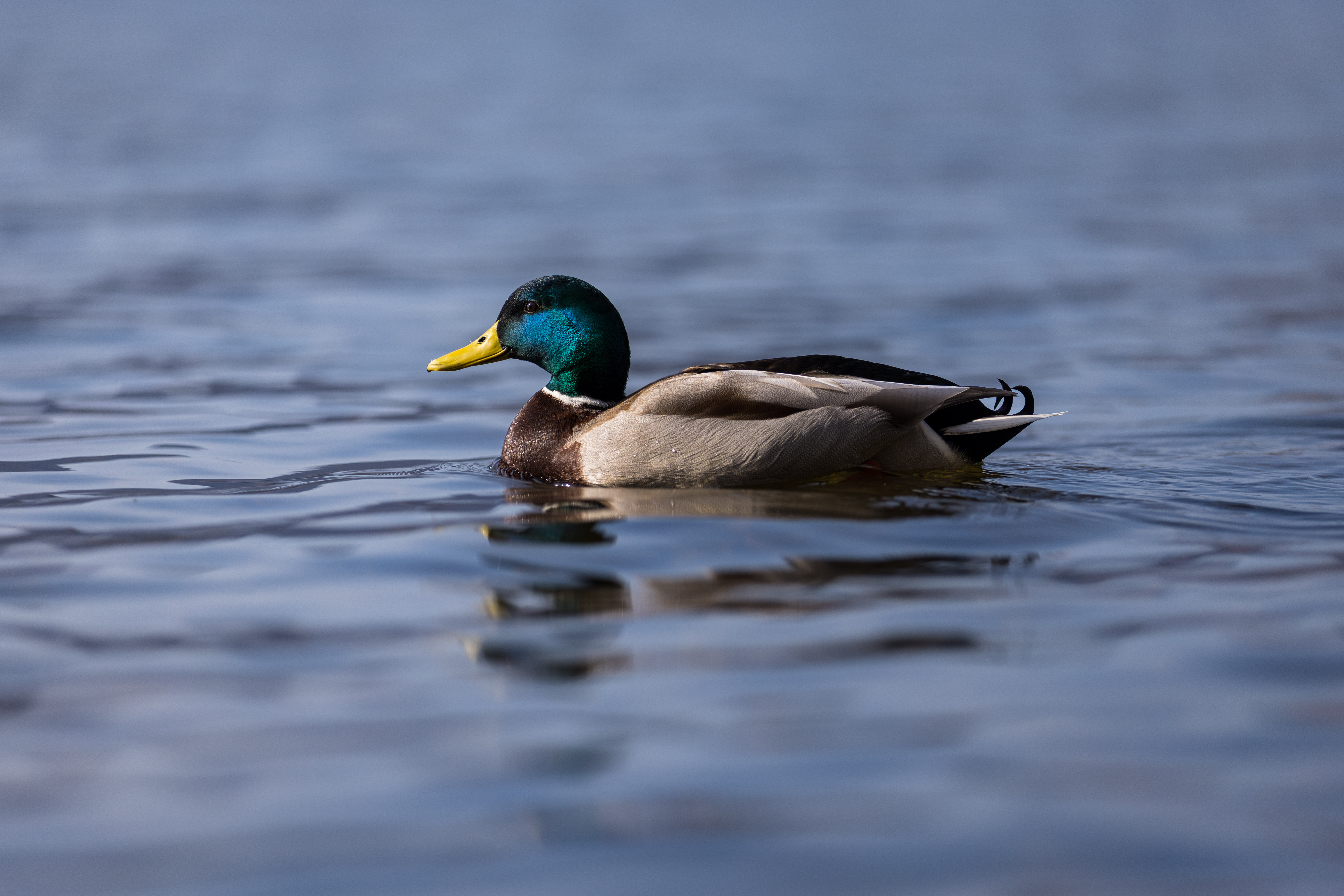
If it’s out-of-camera JPEGs you want, the Z8 does a lovely job, especially in Natural Light Auto white balance, and of course you can tweak the profile to your liking. ISO performance is stellar, to the point where I let it swing in Auto between 64 and 6400 without even thinking about it.
Testing the opposition
Matty says: Swapping cameras and trying out the Z8 was an interesting experience, though I didn’t get to experiment for an extended period of time. Although I could feel the extra weight, I have to admit I was impressed by the robust build quality of the body. One thing that would take more time to adapt to however, is the LCD mechanism – this may be fine for some, but I much prefer the more standard articulating design from the EOS R5 Mark II. I much prefer the layout of Canon’s Menu system, and I do feel the AF system in the R5 Mark II is a shade keener and, from my time using the Z8, less likely to be distracted. What I will say, however, is that Nikon users get a whole lot of bang for their buck from this sharply-priced mirrorless.
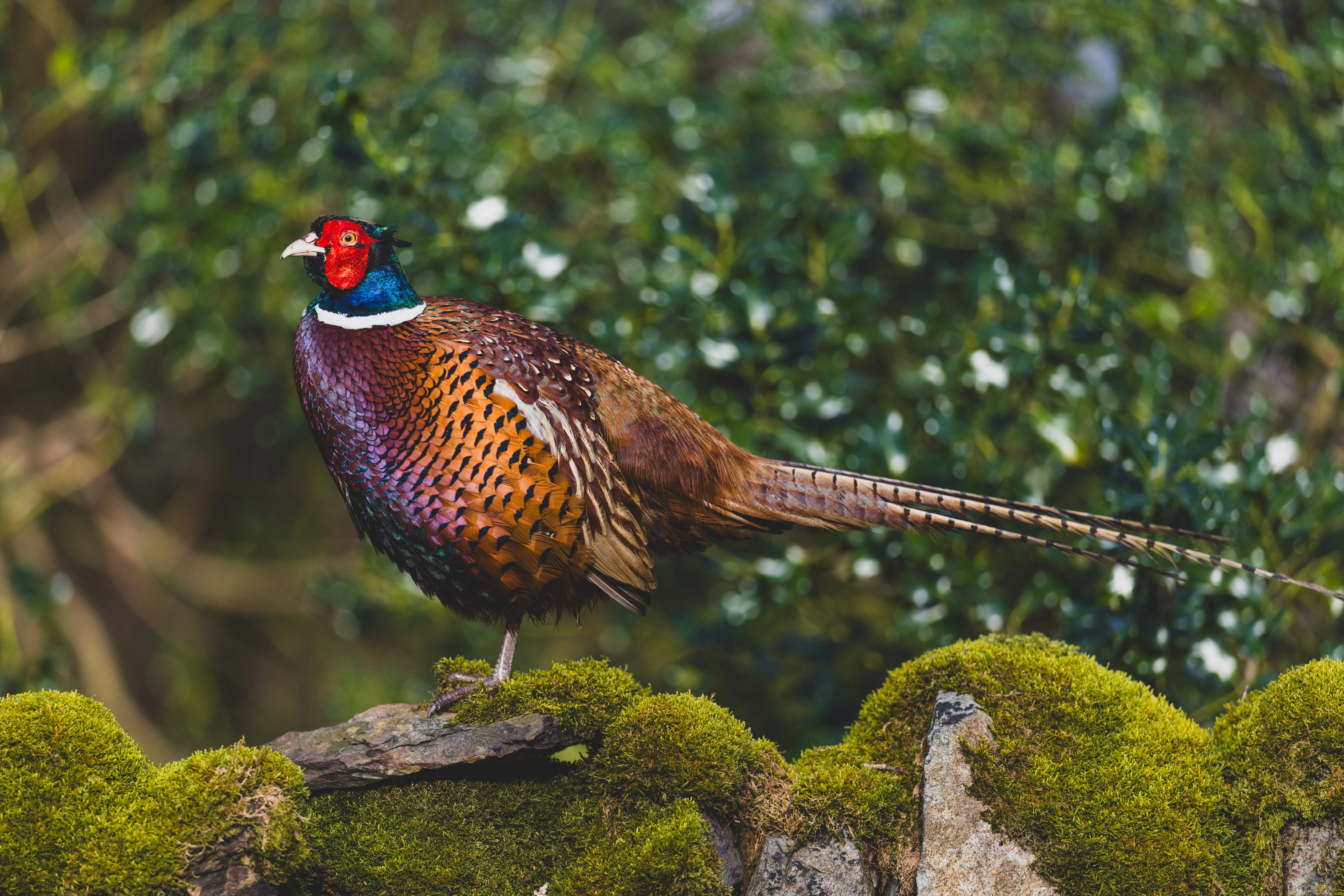
Kingsley says: We didn’t have long to try each other’s cameras, so a definitive opinion is impossible. However, the last time I used a Canon, the on/off switch was about three miles away from the shutter button, so at least there’s been an improvement there. The R5 II is smaller than the Z8, but that actually made it less comfortable for me. Retaining the mechanical shutter also makes it quite ‘thick’. I tried out Canon’s much-hyped Eye Control AF, but I found the idea of a camera knowing what I’m looking at disconcerting, and I couldn’t get it to work anyway. The regular AF system, once I’d got up to speed, was very impressive, but could I say it would give me more sharp shots than the Z8? Not really.
Overall Verdict
Matty says: There’s no substitute for spending time in the great outdoors, forming real-world opinions about photo gear, and there’s no doubt in my mind that the EOS R5 Mark II edges past the Z8 in many categories you’d use to assess a high-performance landscape and nature photography camera. While the resolution is closely matched, the Canon’s keener autofocus and lighter build reflect the fact that Z8 is a year older and in this industry, a year of R&D can make a big difference.
As a professional tool, the R5 Mark II ticks all the boxes, delivering first-class imagery (and video if you need it) to creatives who are likely to make money from their imagery or who take their photography seriously. Of course, all this technology comes at a price and, depending on where you shop, the Canon can come in nearly £1000 more expensive – ouch! In this regard, while I’d say the Canon is the ‘better’ camera, I have to concede that the Z8 is the ‘better-value’ camera, with Nikon photographers getting a whole lot of bang for their buck with this device. Personally, I think that although it’s pricey, if you can afford the EOS R5 Mark II then you will likely not regret spending the money – it’s a joy to use and delivers results you will consistently be impressed with.
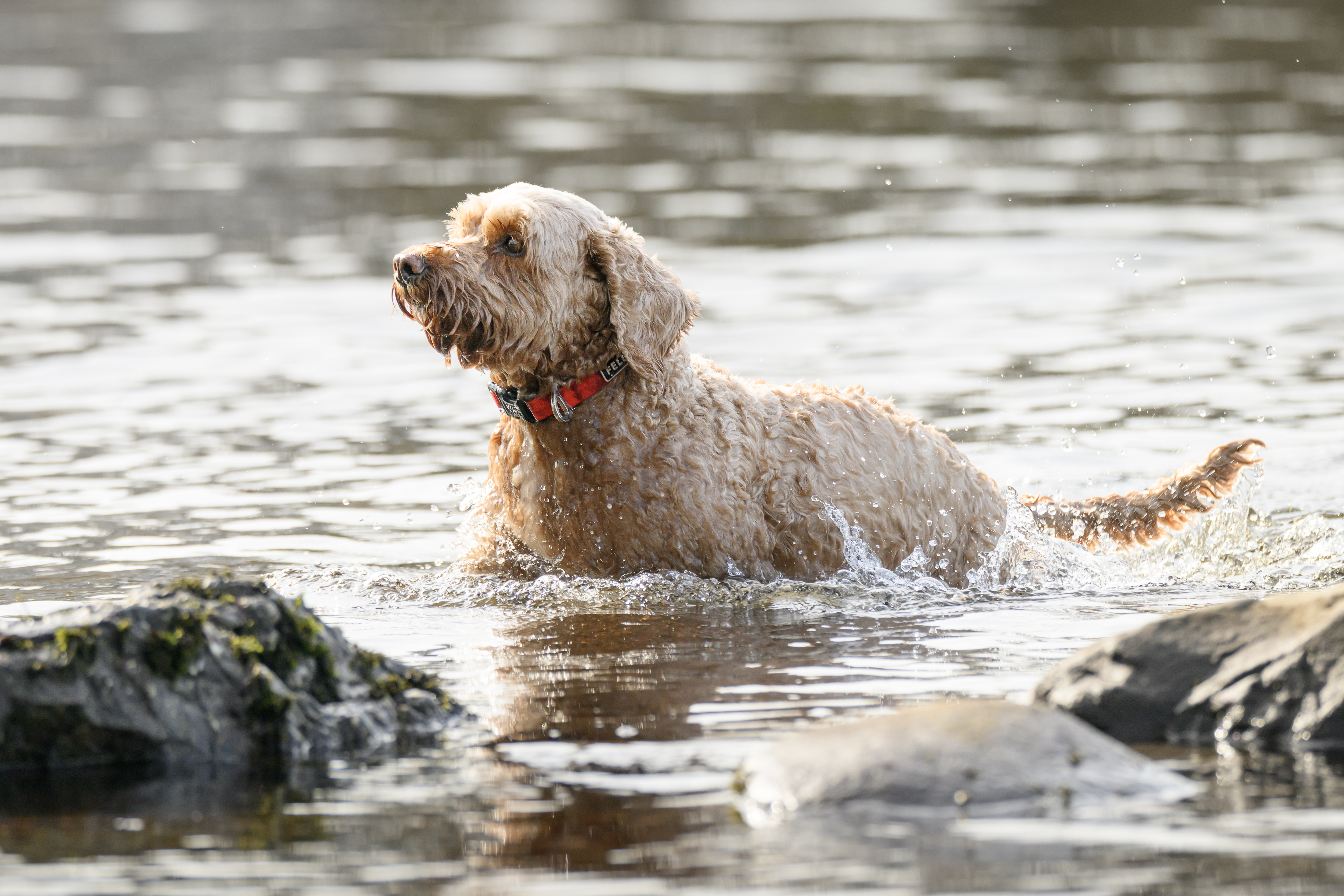
Kingsley says: For many years, I’ve believed that Canon cameras were designed by a secret cabal of alien fiends in order to torture photographers. The reality is, I just didn’t know how they work, but judging by the way Matty was checking his bank balance, it seems Canon users will covet the R5 II. The reality is, this is an awkward comparison, because although both are current, the cameras are quite far apart in age – by the time the R5 II is as old as the Z8, there’ll probably be a Z8 II.
The R5 II’s AF system is apparently excellent, and if it had a fractional edge over the Z8 that wouldn’t be a surprise given that it’s a year and a half younger. But I’d defy anyone to be disappointed by the Z8. If the question is about switching to an entirely new system, I think there would be too many variables to make a clear call, one of which is of course spelled ‘Sony A7RV’. I couldn’t pick the better model, and in fact, I don’t think the question is fair. It should be ‘Are these two of the best cameras ever made?’ The answer to that would be ‘yes.’
Related reading:
- Best Canon RF lenses for wildlife photography
- Best Canon RF lenses for landscape photography
- Best Nikon Z-mount lenses
- Best Nikon F-mount lenses
Follow AP on Facebook, Instagram, YouTube and TikTok.