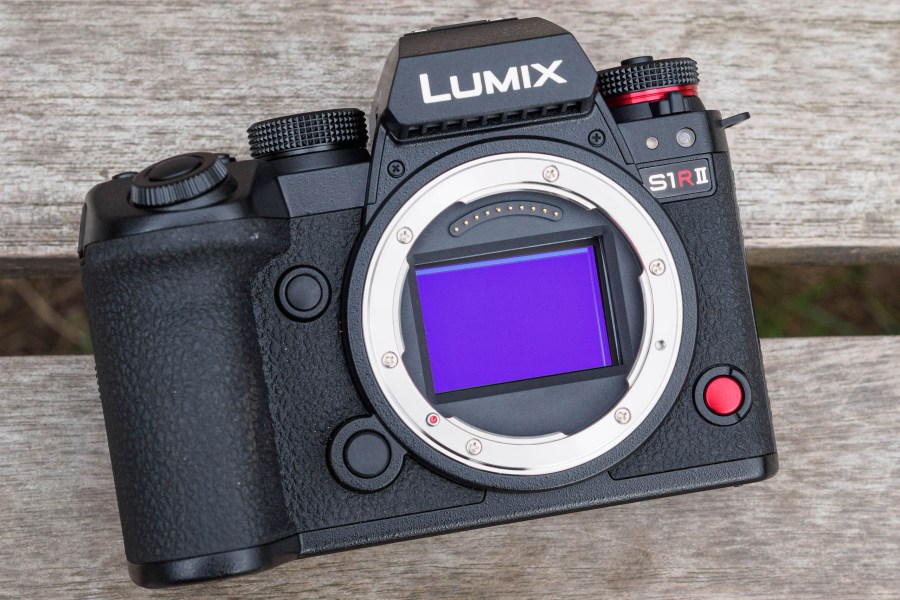
This year Panasonic celebrates 25 years of Lumix – a nod to ‘Lumière’ meaning ‘light’ – branding initially applied to compact point and shoot cameras which broadened out to encompass the first ever mirrorless. Both Lumix product lines continue to this day.
Stepping back two-and-a-half decades, Panasonic launched its first Lumix DMC-LC5 and DMC-F7 on September 17th, 2001. Both were bog standard compacts by today’s standards but sought photographers’ favour by incorporating Leica branded lenses; a 3x optical zoom for the 4MP LC5 and an even more modest 2x for the 2MP F7. The Leica partnership would endure; the following year’s Leica Digilux 1 camera was essentially a re-badged LC5.
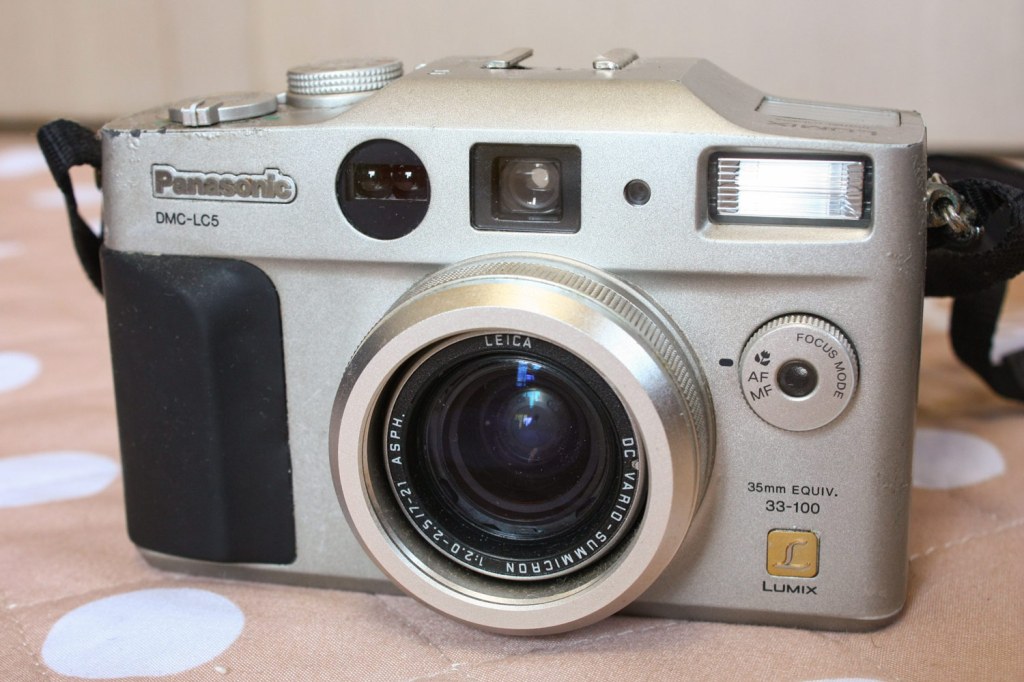
These early Lumix made use of the era’s tiny CCD sensors and came in a choice of silver or black. Though available in Japan that October, they weren’t to hit the US and Europe until the start of 2002, with Panasonic reportedly eyeing an ambitious 10% share of the digital camera market. Ambitious, because at that point Canon, Nikon, Kodak, Fujifilm, Olympus and Sony were already established as key players.
As Deputy Editor of AP’s sister title, I was lucky enough to be one of only two UK journalists invited to Panasonic’s Osaka headquarters to coincide, charmingly welcomed off our shuttle bus by two rows flag waving staff.
My second time in Japan, the trip was memorable for not only the Lumix reveal but also losing sensation in my legs when eating a broth of the infamously toxic Fugu fish on a Panasonic hosted evening. Fortunately, my momentary paralysis was from too long sitting cross legged, not the fish’s poison. Another highlight was touring Panasonic’s on-site museum of previous innovations, complete with statue of company founder Konosuke Matsushita.
A bridge beyond compacts
Panasonic’s initial Lumix salvo was followed in late 2002 by the launch of the DMC-F1, a 3.3MP compact with 3x optical zoom available in several colours. More interesting for AP readers wanting to move beyond pointing and shooting was the simultaneous release of the DMC-FZ1, its first bridge camera, which featured a generous 12x optical zoom supported by the company’s proprietary Mega OIS image stabilisation technology.
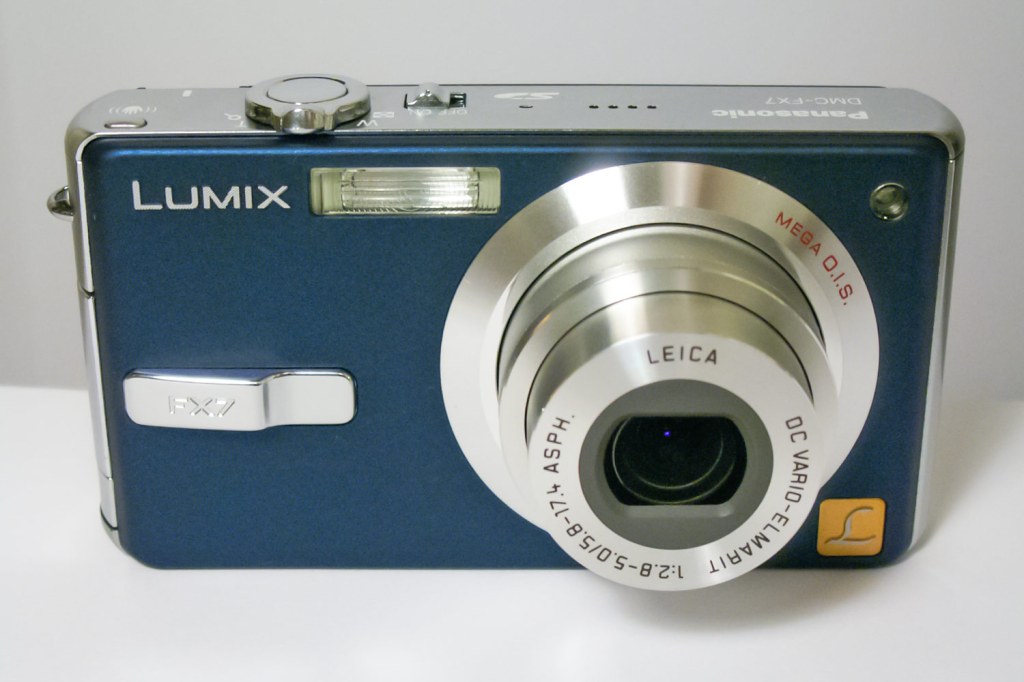
While development of a bridge camera line up continued with 2003’s FZ10, the stylishly slim digicams that are more what we’d think of as a compact digicam today appeared in 2004 with the 5MP, 3x Leica optical zoom DMC-FX7, and 4MP, 3x zoom FX2. But, again, the more interesting release that year was the DMC-LC1. This incorporated an electronic viewfinder, plus got a separate Leica outing as the Digilux 2 (now a cult classic).
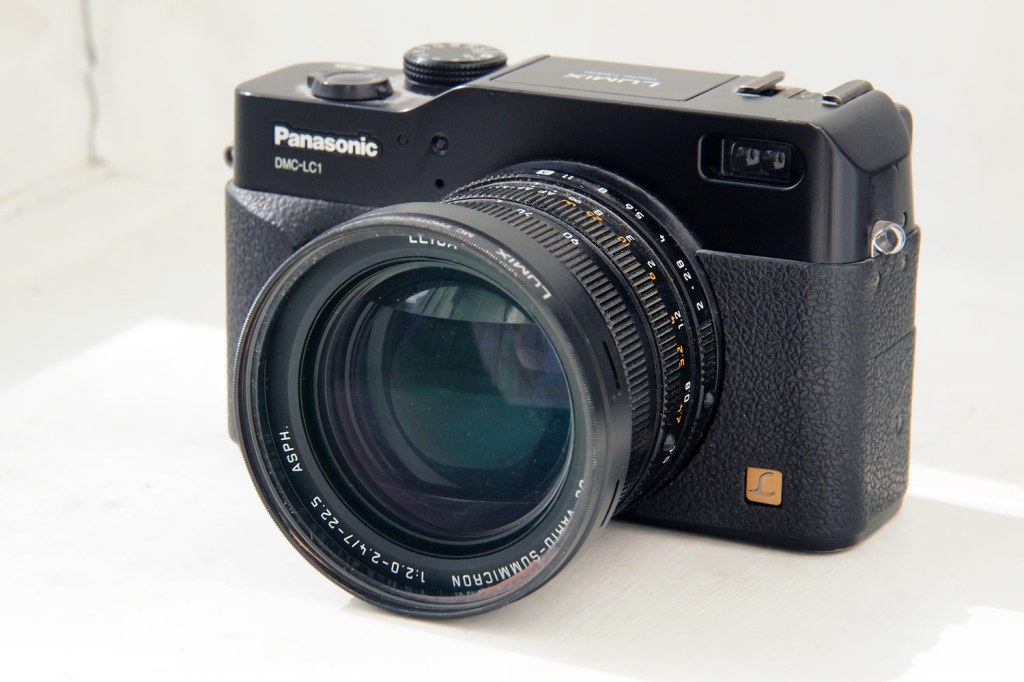
It’s interesting that Lumix and Leica’s fortunes have long continued to be intertwined, initially via sharing lenses and technology for point and shoot cameras – moving on to premium Leica DG branded lenses for Four Thirds and then Micro Four Thirds mounts – and then being further cemented as co-partners via the L-Mount Alliance, from 2018 onwards.
Have Panasonic will travel – king of the travel zooms
Point and shoots and super zooms aside, which essentially aped or responded to whatever was then flavour of the month, the next notable evolution of Lumix came with the introduction of its ‘TZ’ Travel Zoom range. Kicking off with the 5MP Lumix DMC-TZ1, the smallest compact in 2006 to shoehorn in an image stabilised 10x optical zoom, it provided a useful 35-350mm equivalent focal range and heralded the start of a long-running series. (AP’s online editor, Joshua Waller, reviewed the TZ1 when it was first released)
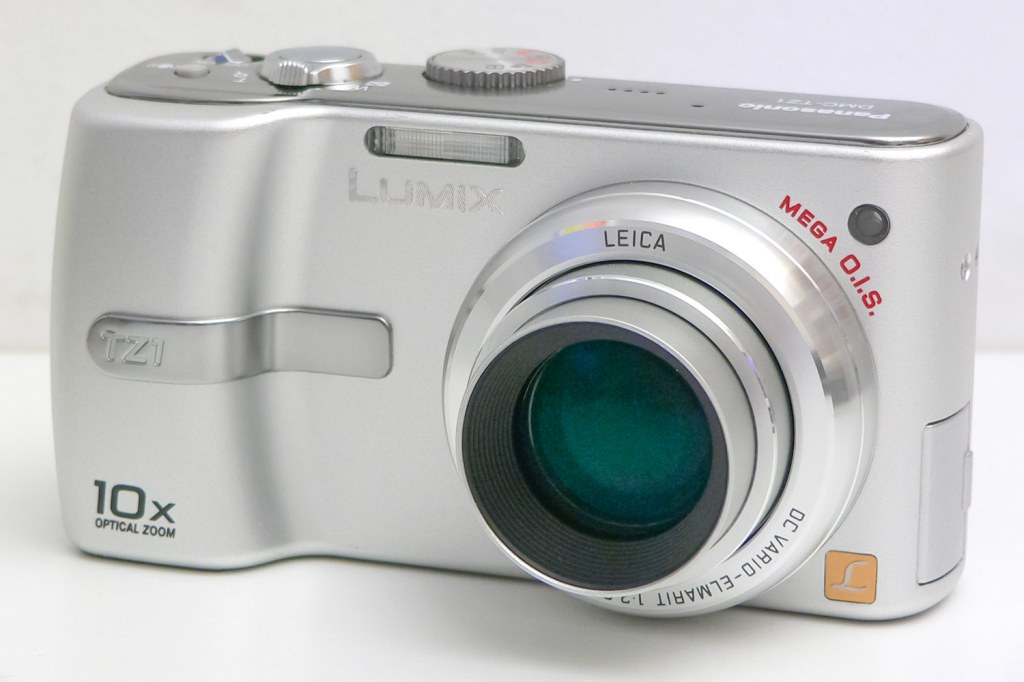
At this time, we were already able to take pictures with our phones, albeit low-quality, so producing pocket sized, affordably priced cameras that had the advantage of an optical zoom made a lot of sense and proved justifiably popular. The TZ range continues today, with recent examples including last year’s 30x zoom TZ99 / ZS99 and this year’s one-inch sensor, 15x zoom incorporating TZ300 / ZS300. Both, controversially, have ditched one of AP’s favourite features: the EVF.
The future is mirrorless
Enthusiast and semi pro photographers were the next in the Panasonic’s sights with the introduction of the first ever interchangeable lens mirrorless camera – or compact system camera (‘CSC’) as we initially termed them: 2008’s Panasonic Lumix DMC-G1.

Removing the mirror box traditionally found in DSLRs enabled a smaller, lightweight body, plus more compact, lightweight lenses. Smaller too was the sensor at the heart of the Micro Four Thirds system camera, at almost a quarter of the surface area of full frame. This maintained the dimensions of the Four Thirds sensor that had been at the heart of Olympus’ DSLR range and similarly utilised by Panasonic’s Lumix DMC-L1 and L10. The G1’s launch just pipped MFT system partner Olympus to the mirrorless camera post too.
Video…
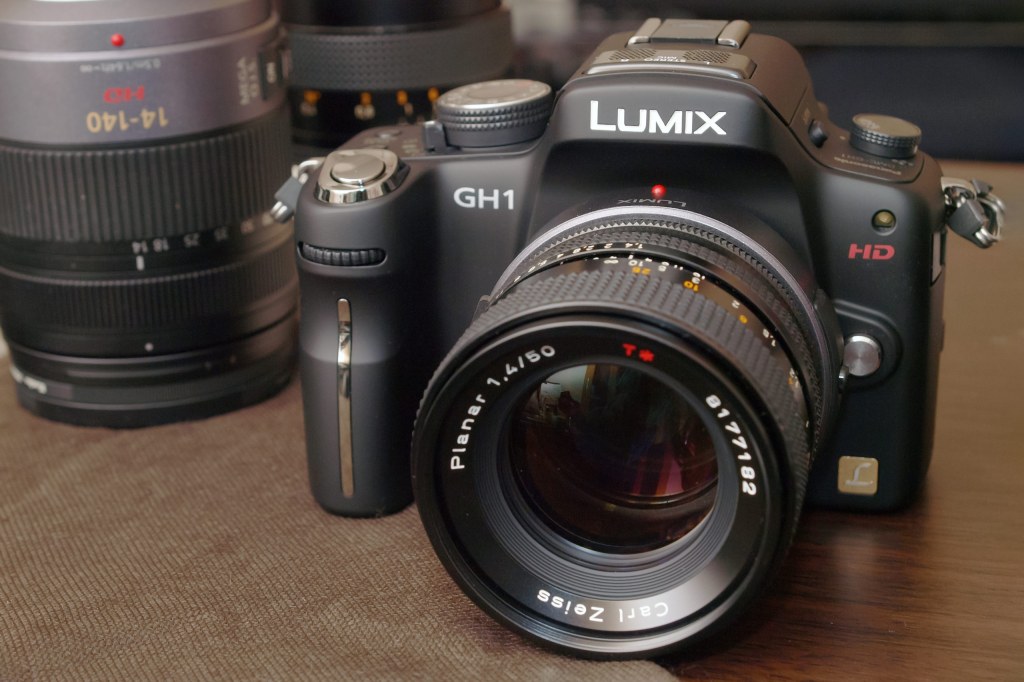
A further first for mirrorless cameras followed with the Full HD video shooting capability of the Panasonic Lumix GH1 in 2009, upgraded to 4K recording by the launch of the GH4 in 2014. With its maker’s camcorder heritage, it wasn’t at all surprising that focus was as much on video as stills.
Full-frame…
Despite the increasingly hybrid nature of its cameras making a popular choice for content creators and professionals, Panasonic didn’t adopt full frame sensors until its membership of the L-Mount Alliance in 2018, whereupon its Lumix S1 and S1R cameras adopted Leica’s established lens mount. If anyone had been holding back from switching to Panasonic because they weren’t a fan of MFT, now it was time.
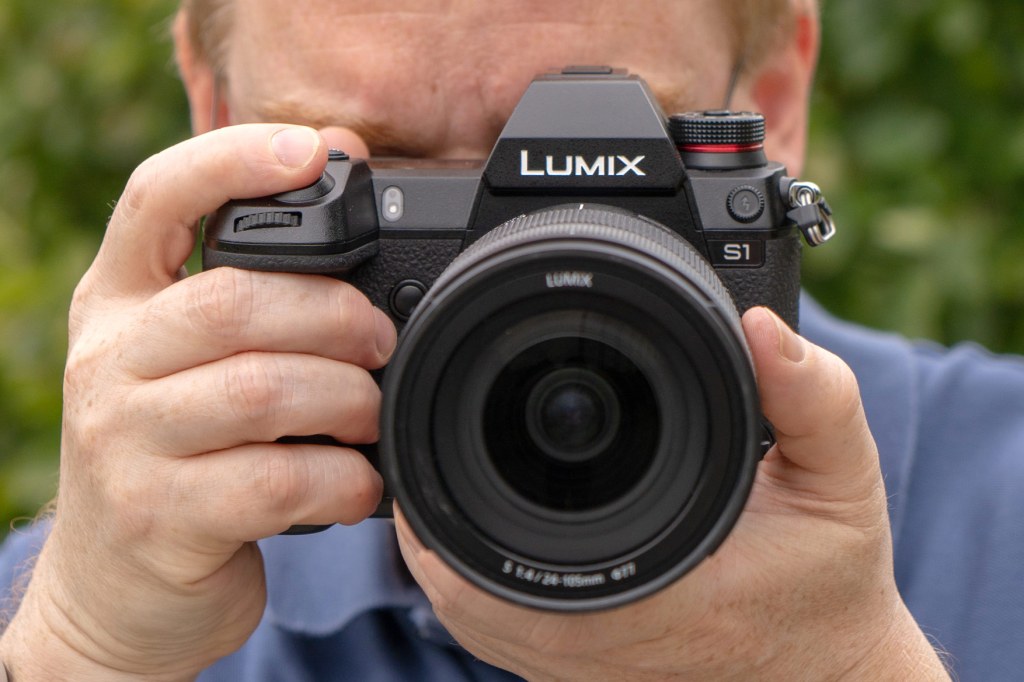
As its initial customer base has expanded to include videographers and content creators alongside photographers, the latest mirrorless Lumix cameras have reflected the shift. The 24.2-megapixel full frame S9 is something of a jack of all trades, with the current S5 II and S5 IIX doubling down on their courting of filmmakers.
So, what, overall, is the Lumix line up’s enduring appeal?
Yes, it has provided a series of firsts, but, more than that, the range has consistently offered us portability, practicality and feature sets that have quickly become staples of digital cameras worldwide.
Rather than ploughing a niche, Panasonic is catering to everyone, from those wanting a pocket friendly point-and-shoot to the latest high resolution full frame mirrorless, whether to shoot stills, video – or a combination of both.
Related reading:
- The best Panasonic cameras to buy for photography and video content creators
- Best Micro Four Thirds lenses: get the most from your Panasonic camera
- The best travel cameras: here’s what I’d use to capture holiday photos
The views expressed in this column are not necessarily those of Amateur Photographer magazine or Kelsey Media Limited. If you have an opinion you’d like to share on this topic, or any other photography related subject, email: [email protected]
Follow AP on Facebook, Instagram, YouTube and TikTok.