You may have seen the rounds on social media of users looking back 10 years ago to 2016. 2026 is being named “the new 2016” with the return of familiar trends and products. We’ve already seen a resurgence of film, digicams and compact cameras in recent years, and a particular thanks to TikTok can be given for the increase in their popularity.
In the spirit of nostalgia and looking back at trends, here’s just some of the highlights from camera releases in that year. Many of these cameras feature in our best cameras round-ups and will be available to buy second-hand. Did you use these? Maybe you still own them. Let us know on social media or by emailing [email protected]
Nikon D5600
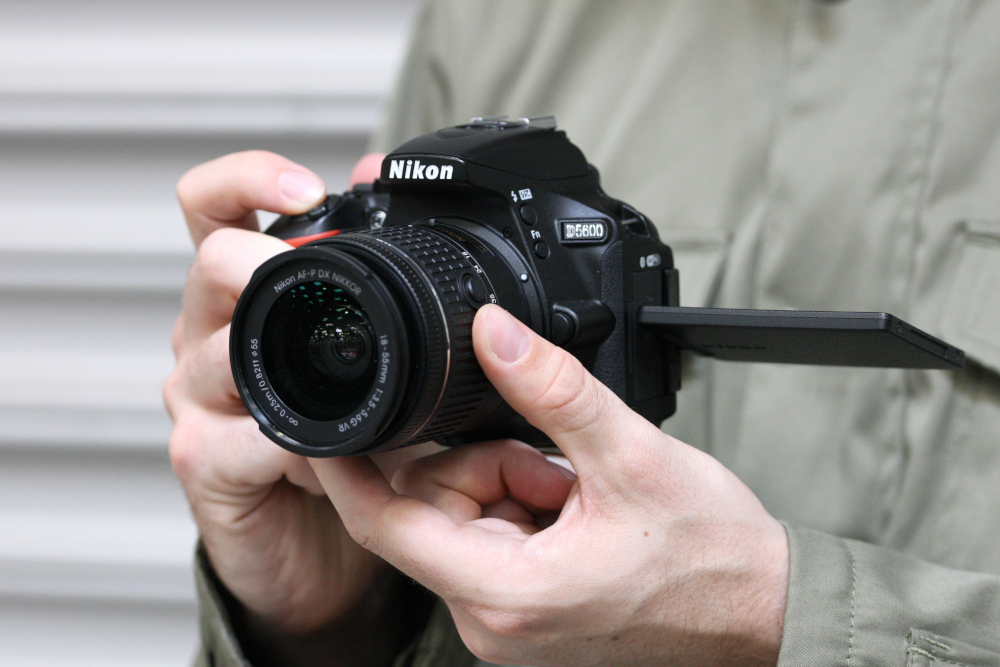
The Nikon D5600 proved a popular and successful APS-C format DSLR. We liked it so much the D5600 was selected in our exclusive showcase of the best Nikon DSLR cameras ever. The D5600 first catches the eye for its small design but dig a little deeper into its spec and you find it has a large, 3.2-inch vari-angle type LCD screen (with touchscreen control), a 39-point AF system. The camera is notable (for the time) for its impressively rapid Live View AF.
Nikon D3400
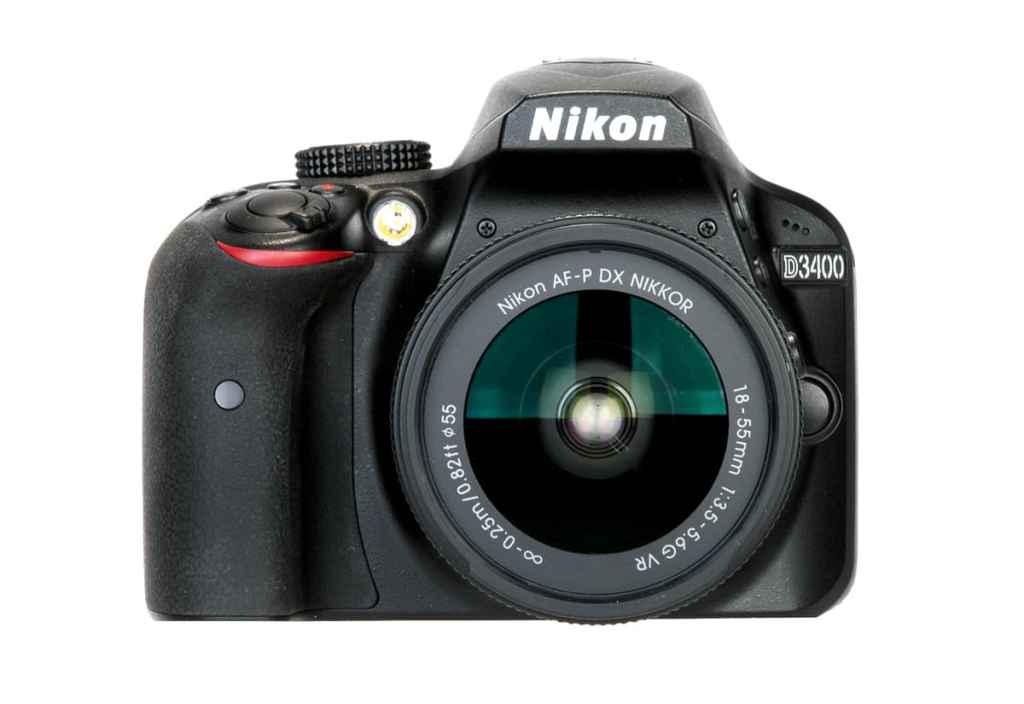
The Nikon D3400 is an entry-level DSLR which succeeded the D3300 that came out in 2014. The camera was built around a 24.2-million-pixel APS-C CMOS sensor, Nikon Expeed 4 image processor, and 11-point AF system. The headline addition for the D3400 was Nikon’s SnapBridge technology, which uses Bluetooth to facilitate wireless image transfer between the D3400 and compatible mobile devices.
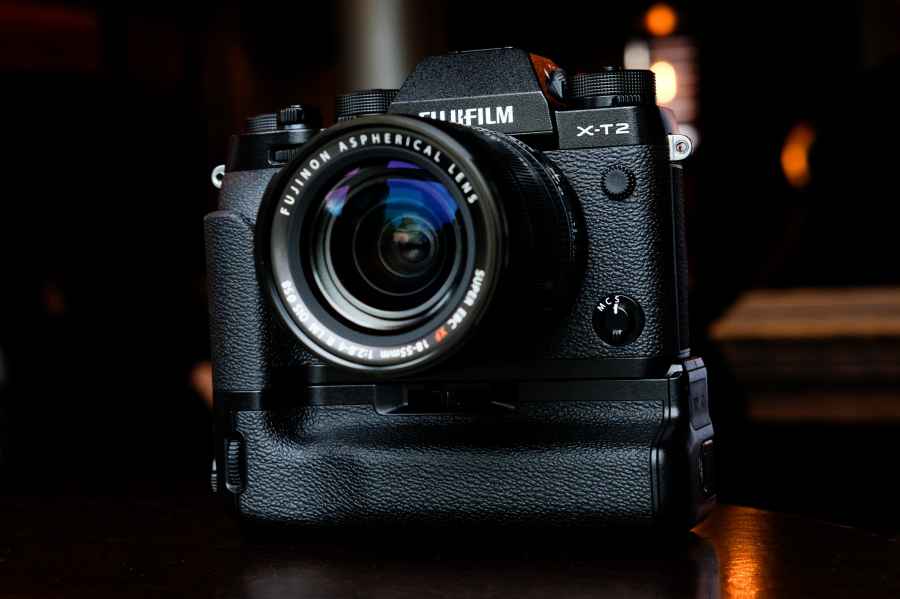
Fujifilm X-T2
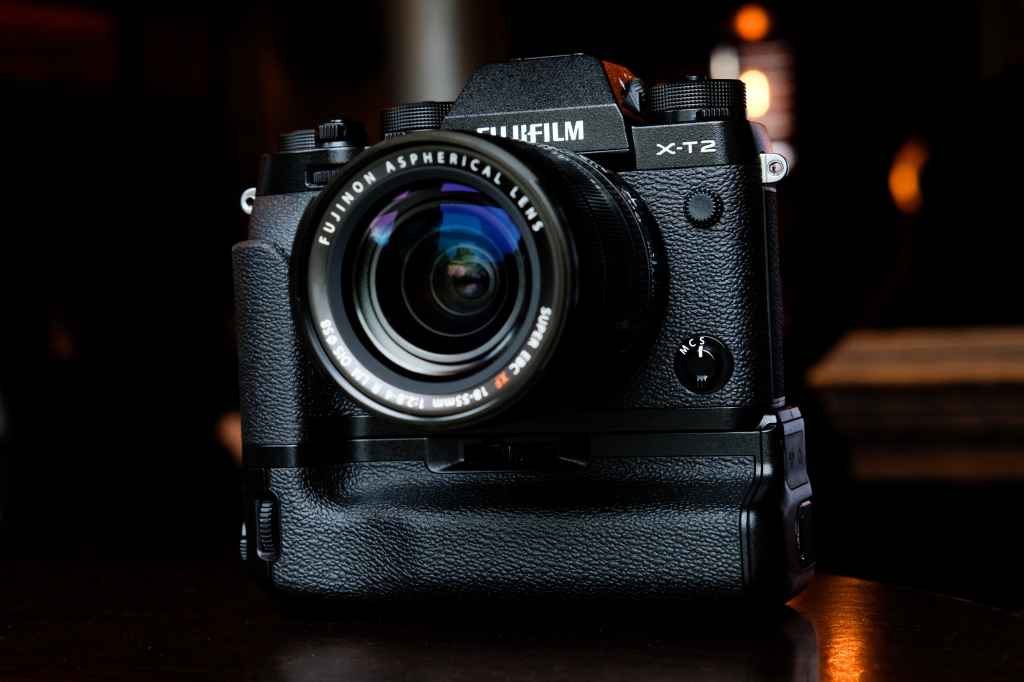
Fujifilm’s X-T2 was a game-changer. Taking on board everything great about the X-T1, the X-T2 was in keeping with the shape and style of a DSLR, with the blend of well-sculpted handgrip, central EVF and classic arrangement of buttons and dials. At its heart it has a 24.3MP X-Trans CMOS III sensor that presents an ISO range of 200-6400 (expandable to ISO 100-25,600).
Fujifilm X70
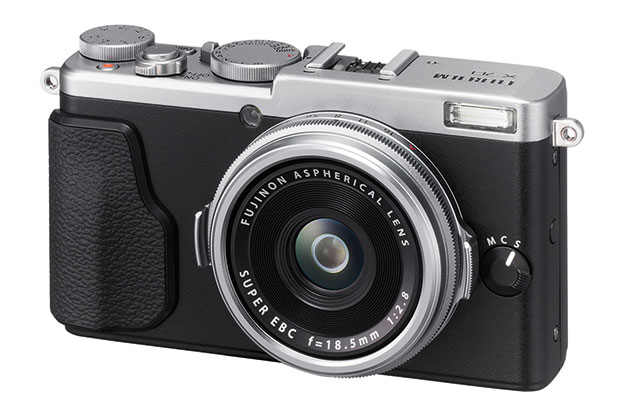
The Fujifilm X70 is a stylish premium compact complete with a fixed FUJINON 18.5mm f/2.8 lens – which at 28mm equivalent, gives a wider view than the lens in the contemporary X100T. One of the key standout features on the X70 is its 3inch 1.04-million-dot touchscreen LCD at the rear. It was the first X-Series camera ever to boast touch panel functionality. It filled the gap between the X30 and X100T with a smaller and lighter compact that features an APS-C size sensor.
Olympus PEN-F
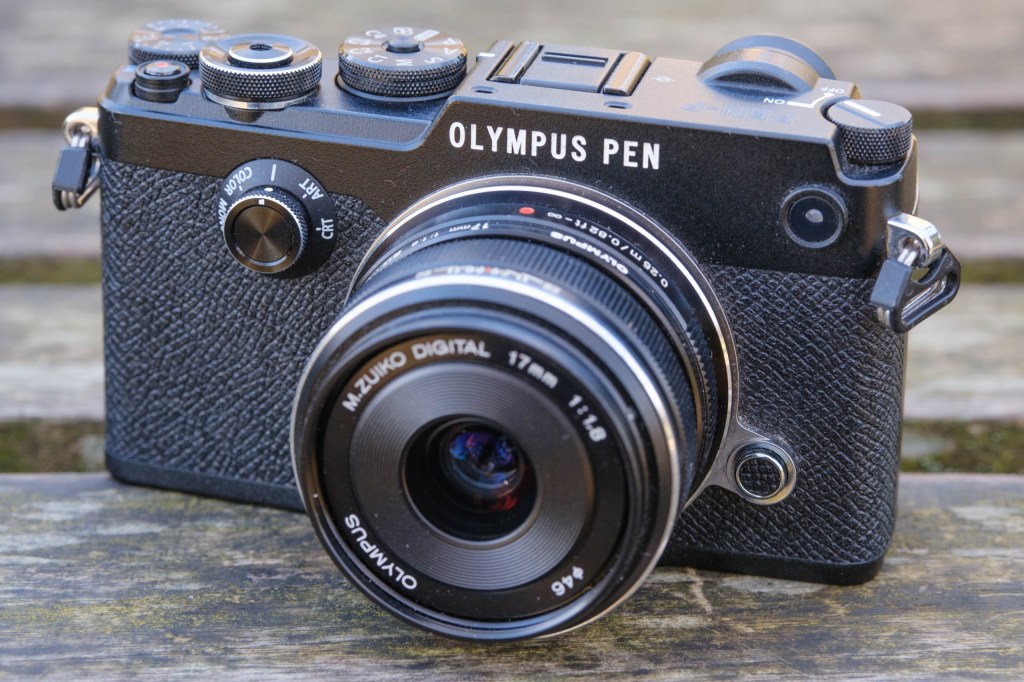
Olympus’s PEN-F was surely 2016’s most beautiful camera released. The Olympus PEN-F mirrorless model, not only appropriated some of the 1950s half-frame 35mm SLR design cues, but also its name. It was Olympus’s first flat-bodied compact system camera to include a built-in viewfinder. It was also the first Olympus Micro Four Thirds camera to feature a 20MP sensor, which does without an optical low-pass filter to maximise resolution. One of our favourite features is the creative colour dial on its front, which reappeared in 2025 on the SLR-shaped OM-3.
Olympus OM-D E-M1 Mark II
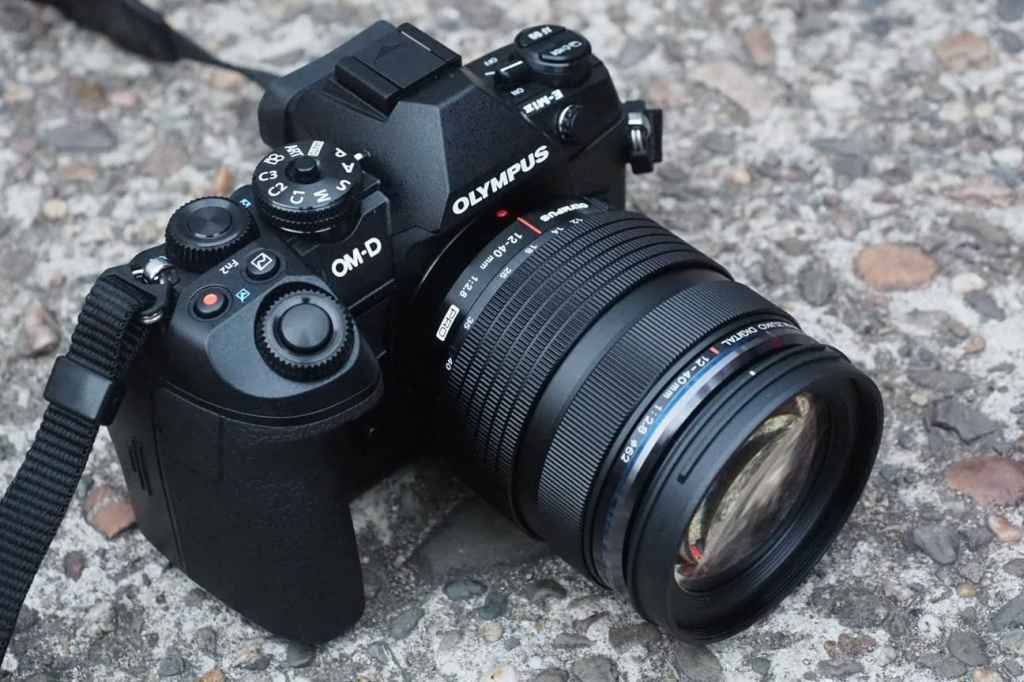
The biggest headline-grabber of the Olympus OM-D E-M1 Mark II camera is its startling continuous-shooting capability, of up to 60 frames per second at full resolution. This is backed up by an upgraded autofocus system. It also includes a fully articulated touchscreen, twin SD card slots, and a larger, quicker-charging battery. Along with the tough, weather-sealed body, it promises to make the E-M1 II an interesting choice for sports and action shooter.
Canon PowerShot G7 X Mark II
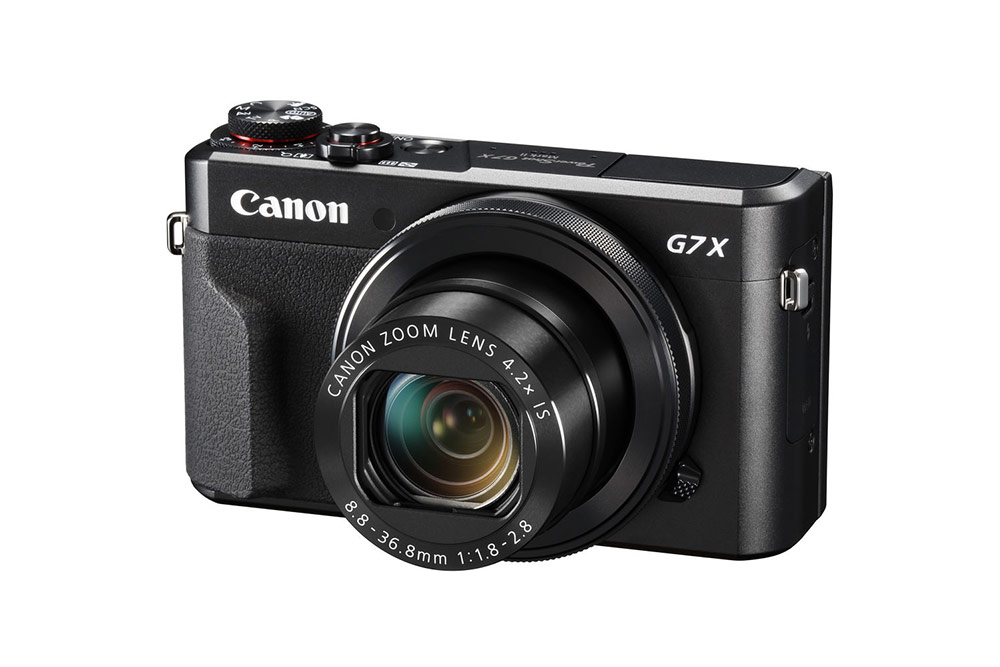
Canon’s PowerShot G7 X Mark II was an unexpected hit with YouTubers, with its combination of a high-quality 1-inch sensor and 24-100mm equivalent lens covering a very useful focal range from landscapes to portraits and more. This lovely compact camera is succeeded by the G7 X Mark III, which is also a favourite with social media users today and one of the best Canon cameras and compact cameras available.
Pentax K-70
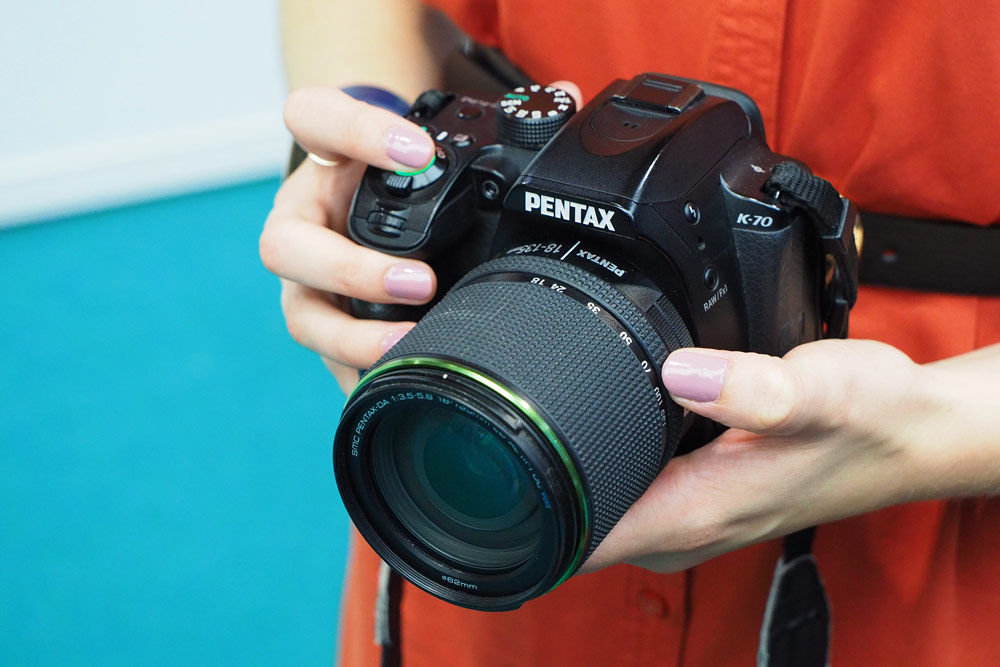
Entry-level DSLRs don’t come any better than the Pentax K-70. The K-70 possesses plenty of qualities such as a weather-sealed body, comfortable grip, and a bright pentaprism optical viewfinder with 100% field of view. Plus, it comes with a 24MP APS-C and a maximum ISO 102,400 with sensor-shift stabilisation, 6fps and built-in flash. Not forgetting its rugged build quality that is well-suited to adverse outdoor conditions, and you have an all-purpose camera that is simply a great option to start out with DSLR photography.
Pentax K-1
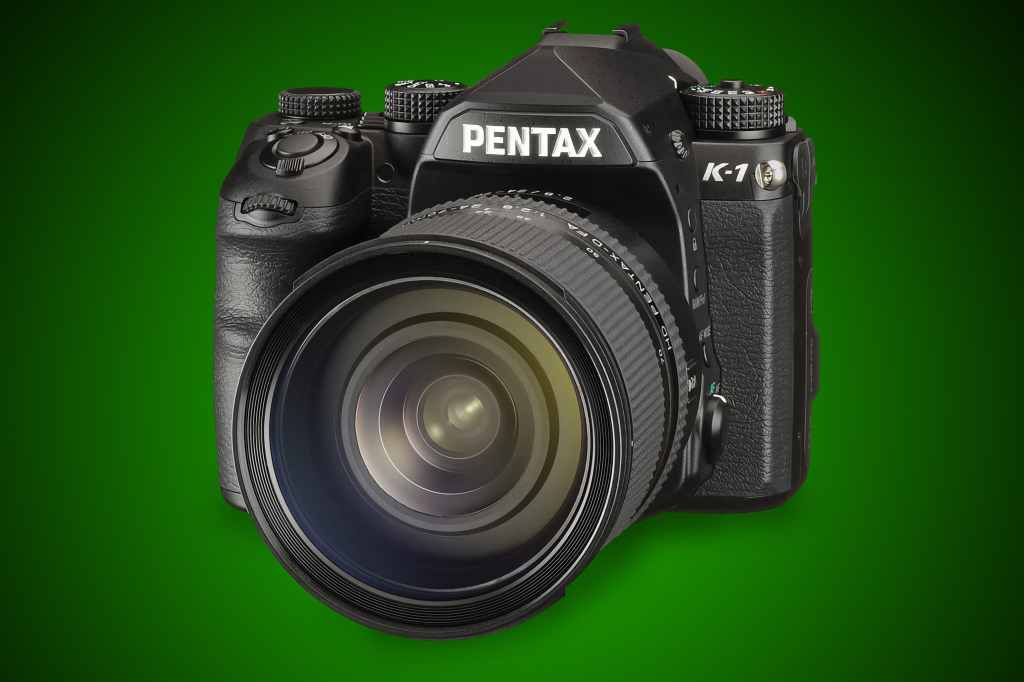
The Pentax K-1 was Pentax’s first full-frame DSLR. The main attraction was its 36.4MP full-frame sensor. It operates over a large native sensitivity range of ISO 100 to 204,800, and forgoes an anti-aliasing filter to help capture finer details. As with all Pentax DSLRs, the build quality of this camera is absolutely solid, with the magnesium alloy body also benefitting from full weather sealing. It was succeeded by the K-1 II, but this original model is also still one of our favourite Pentax DSLR’s of all time.
Leica M-D
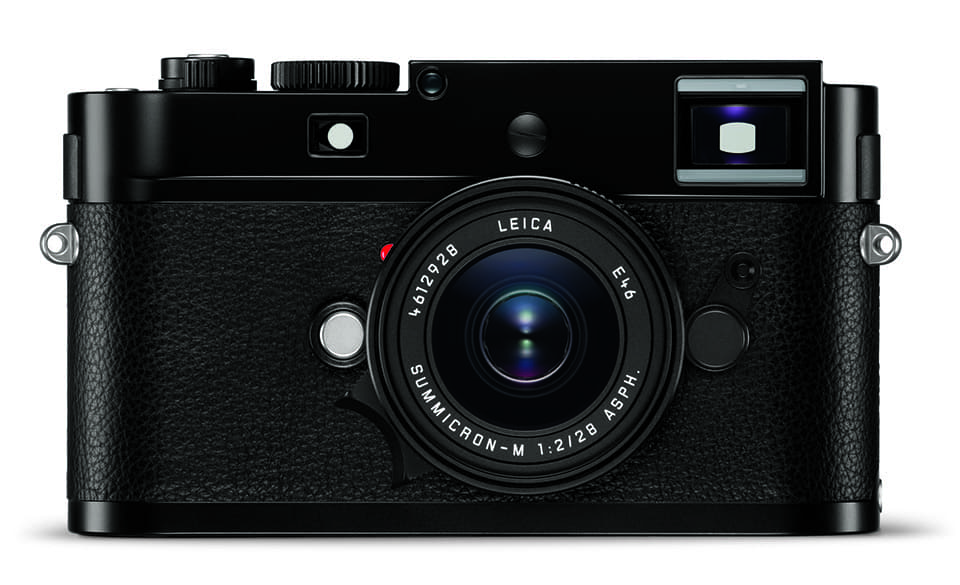
The Leica M-D (Type 262) was the fifth camera in the Leica M line-up and the first serial production digital M to be made without an LCD screen. Perhaps not for everyone, but the 24MP unique rangefinder brought back the fascination and expectation associated with film, encouraging photographers to return to the principles of photography.
Bonus: DxO One
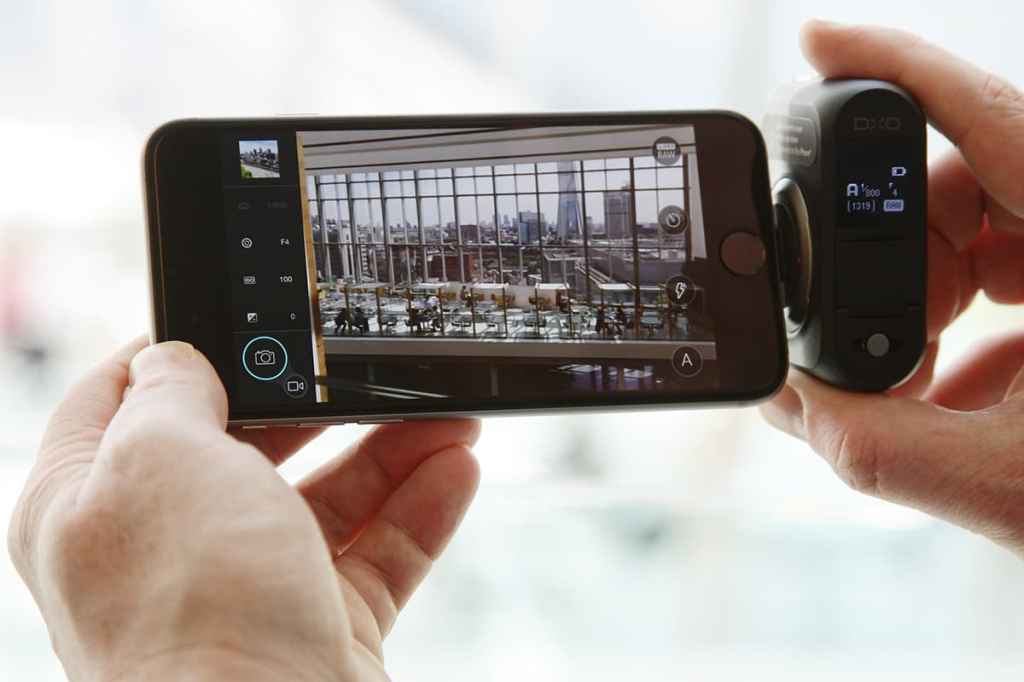
One of the strangest cameras of 2016 was the DxO One, which plugged into the side of an iPhone to give better pictures. It was originally released in 2015 with a revised version of the camera released in 2016.
Smartphones at the time had small sensors, tiny non-zooming lenses, poor low-light image quality and allow little scope for compositional flexibility. Dubbed the perfect camera upgrade for iPhone users, the DxO One was based around the familiar 1in-type, 20.2MP sensor used in a range of enthusiast compact cameras. It plugs into an iPhone via its Lightning connector, and uses a 1in-type sensor and fast 32mm equivalent f/1.8 lens to deliver much better image quality.
How times have changed! Does anyone remember this curiosity?
Further reading:
- 2016 trend – please bring back authenticity but leave the horrendous filters behind
- The best DSLR camera to buy in 2026: great deals on all-time classics
- Are retro compact cameras an antidote to anxieties over AI?
- PSA: Do NOT buy the Agfaphoto DC8200 digital camera – here’s why
- Are new camera releases more about nostalgia than innovation?
Follow AP on Facebook, Instagram, YouTube and TikTok.