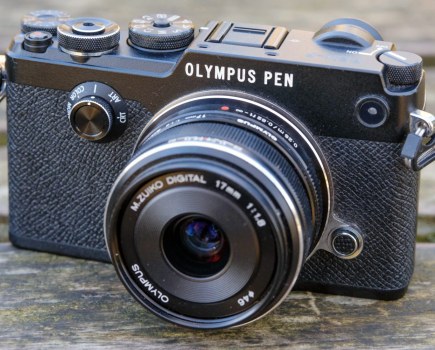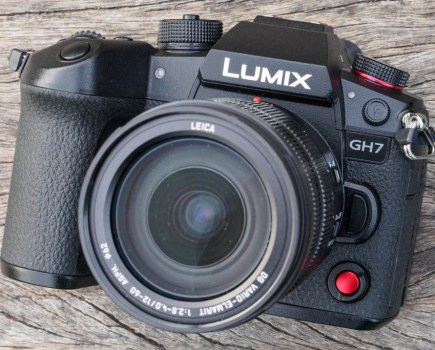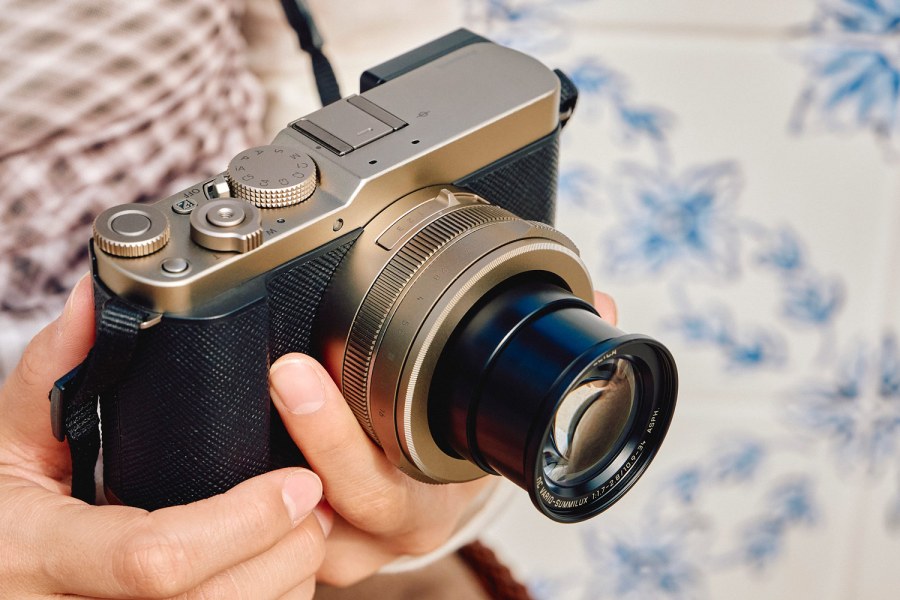
It’s certainly the most interesting compact camera I’ve seen this year, the Panasonic Lumix L10 brings back the multi-aspect ratio sensor, and bright lens from the LX100 II, and on first glance looks like the camera we’ve all been waiting for, but the closer I look, the more I realise it’s not for me.
It seems so much bigger than the LX100 II in all directions that it has me wondering: where did all the small cameras go?
Panasonic has a history of making a number of compact, but seriously high-quality cameras, and struck gold with the Lumix GM1 and GM5 – two Micro Four Thirds cameras that let you change lenses – but both were as small as compact cameras, and practically as small as the 1inch sensor cameras of the time (Nikon 1 series etc).
The controls on the L10 looks vague and meaningless compared to the classic controls on the LX100 II (and other multi-aspect ratio cameras from Panasonic), being numbered 1/2/3.
Our technical editor, Andy Westlake, is currently reviewing the new Panasonic Lumix L10, but if we look at Panasonic’s previous cameras, I’m left wishing Panasonic had released something along these lines…
Panasonic Lumix GM1 (2013)
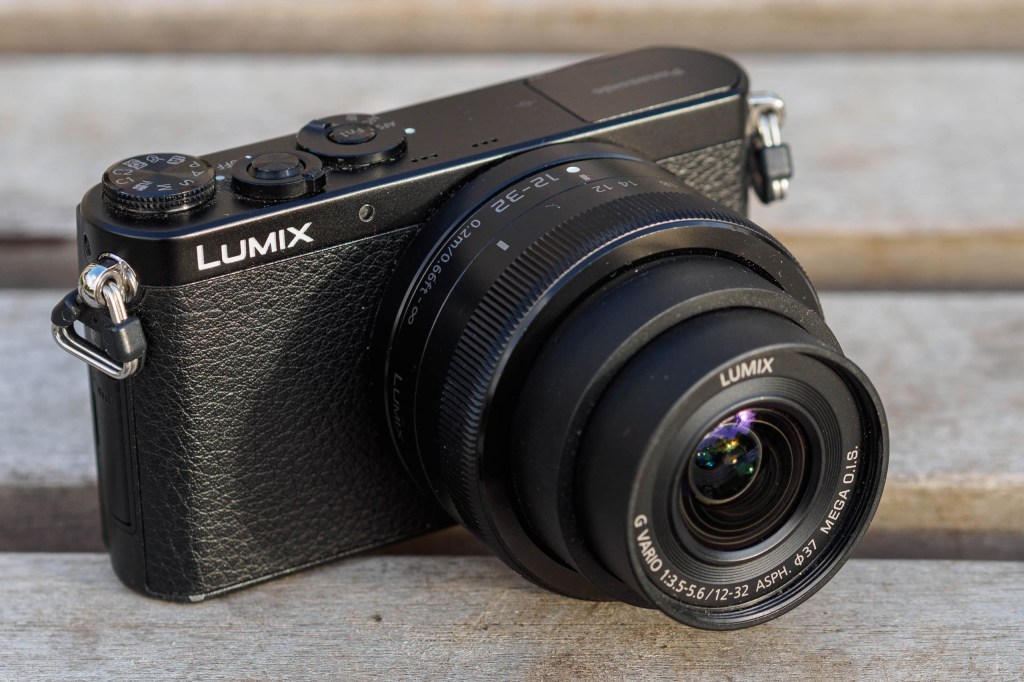
This camera was incredibly small at the time – using a 16MP Four Thirds sensor and Micro Four Thirds lens mount, it offered Full HD video, and a 3inch screen on the back. You could easily fit it in your pocket, with the right lens, and get better image quality than a compact camera – Panasonic even made new smaller lenses for this camera. Unfortunately Panasonic didn’t continue with this camera series, except with the GM5, which added a small electronic viewfinder. These cameras are now cult classics, with prices over $400+ on auction sites, and this is likely to increase as the number of cameras out in the wild drops. (There are reports of rear dials failing, and top power buttons coming off).
Panasonic Lumix LX100 II (2018)
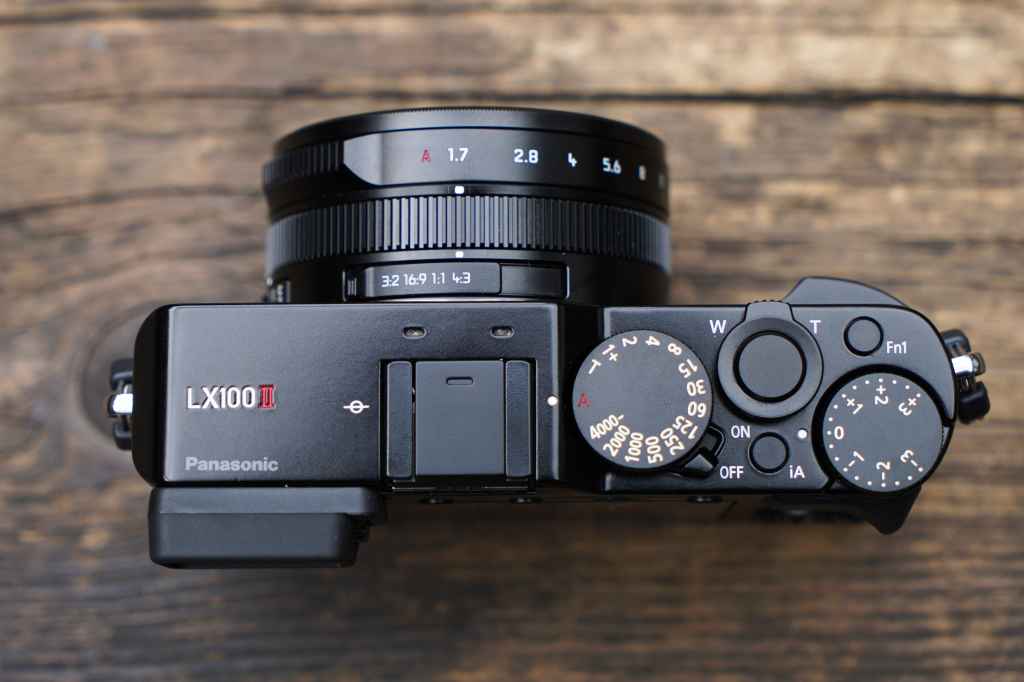
The LX100 II and previous version, the LX100, was an almost perfect combination of Four Thirds sensor, manual controls, nice design, and great image quality. The multi-aspect ratio sensor give the feeling of a camera that offered more than anyone else, and freed us from the restrictions of feeling fixed to the sensor’s aspect ratio. With a tilting screen, this would have been my perfect camera, as long as the size didn’t increase too much.
Panasonic Lumix LX7 (2012)
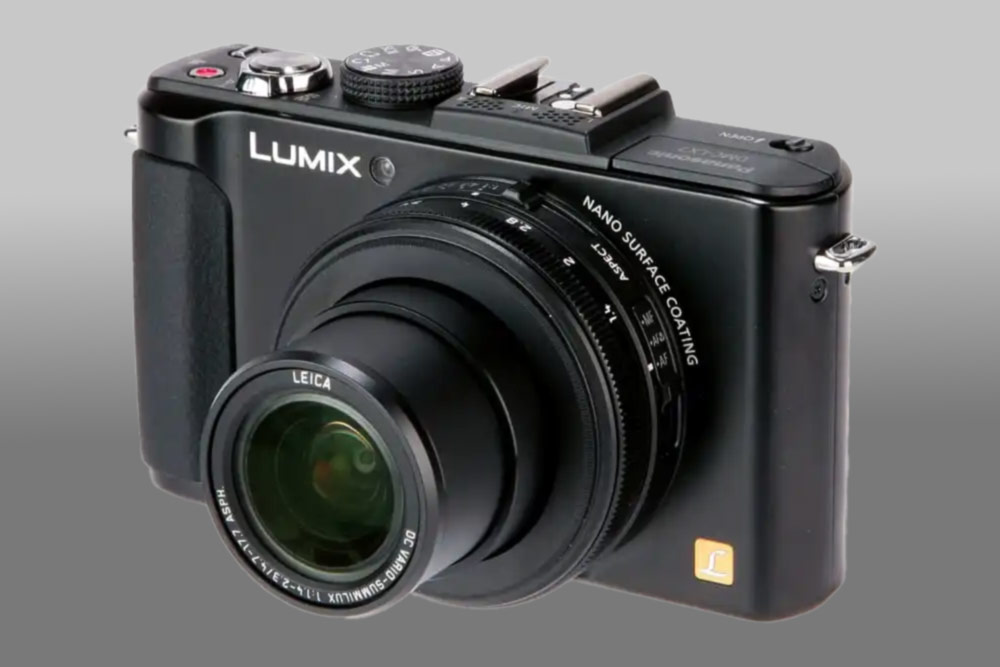
The Panasonic Lumix LX7 with a small sensor allows for a much smaller camera, combined with a metal body, analogue controls, and a bright f/1.4 lens. At the time it was a culmination of several generations of “serious compacts” with small sensors. The whole camera genre seemed to disappear when Sony released the 1inch sensor RX100 series, with Canon and later Panasonic joining in with 1inch sensor compacts later. But whilst Sony were masters of miniaturisation, Canon and Panasonic didn’t seem to do as well, despite Panasonic’s own GM1 and GM5 being so small. Perhaps things would have been different if Panasonic kept the GM series going.
Panasonic still make 1inch sensor compacts, the Lumix ZS300/TZ300 being the most recent, but with the viewfinder removed, and the serious manual controls and analogue-esque design of the LX series missing, for me there’s a lack of soul or charm. (I’m a big fan of the old TZ series, the Lumix ZS50/TZ70 reached peak pocket zoom for me, with a small sensor that allowed for an impressive 30x optical zoom, but more importantly a 12MP sensor, as they knew cramming in more pixels did them no favours).
So where does all this leave me? Well, whilst I admire the introduction of the new L10 camera, I still wish there were smaller options available that were designed for serious photographers – and that leaves me continuing to search eBay and other second-hand retailers for the old cameras.
The views expressed in this column are not necessarily those of Amateur Photographer magazine or Kelsey Media Limited. If you have an opinion you’d like to share on this topic, or any other photography related subject, email: [email protected]
Related reading:
- 25 years of Panasonic Lumix – World’s first mirrorless, first 4K in a mirrorless, they changed the industry
- Vintage digital cameras you should actually buy
- Ricoh GR IV Monochrome review
Follow AP on Facebook, Instagram, YouTube and TikTok.