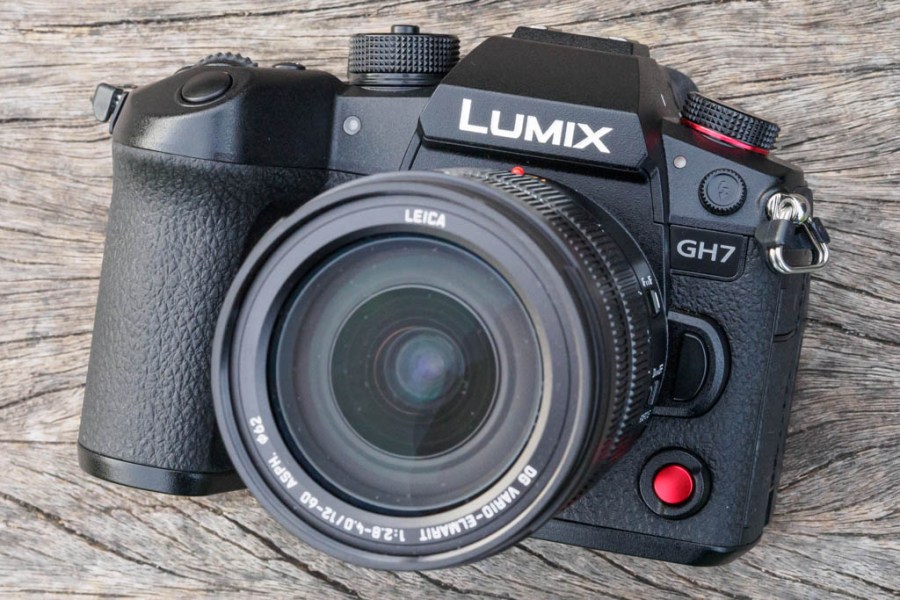
I first heard the term ‘hybrid’ used at the launch of a Panasonic Lumix camera almost 15 years ago. With a long heritage and expertise in video, it made sense for the electronics giant to set itself apart from the pack by trumpeting that its increasingly desirable mirrorless stills cameras were just as excellent at video.
Indeed, with the likes of its 4K resolution, 30fps shooting GH4, introduced in 2014, Panasonic additionally now provided the ability to extract an 8MP still frame from a video sequence. This, it enthused to us, would mean photographers had even less excuse for missing any decisive moment.
Since then, we’ve increasingly had the term ‘hybrid’ bandied around by a range of camera manufacturers as well as photographers turned videographers themselves. That’s despite it being recently joined by ‘video first’ and ‘creator targeted’ – the latter not a reference to the Almighty… even if today’s influencers are treated with similar reverence by marketers.
Call it what you want
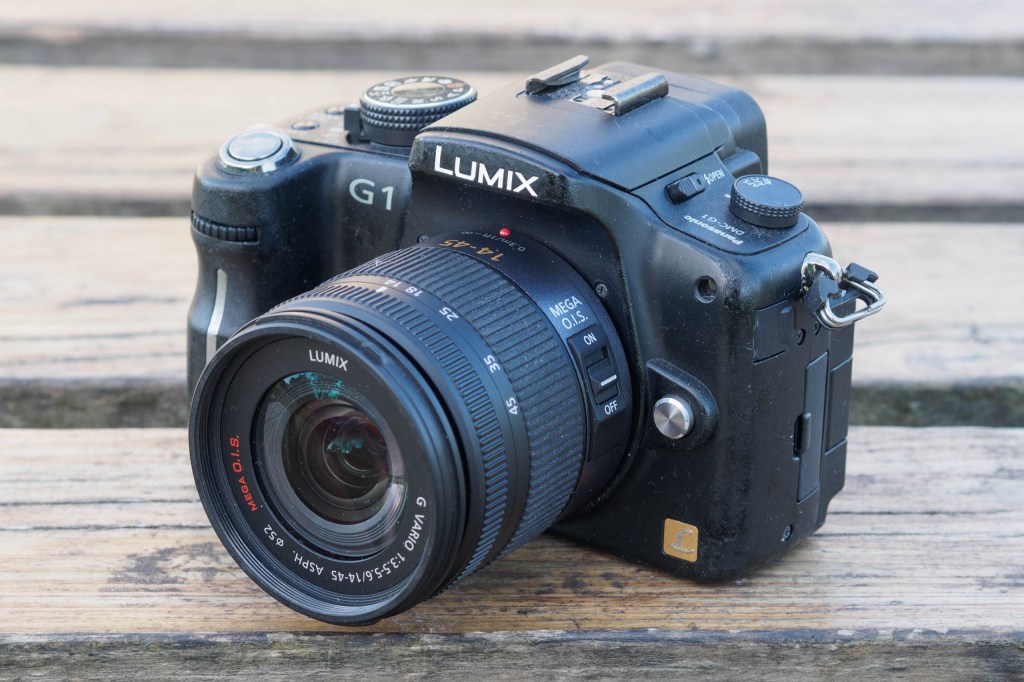
Photo trade buzzwords are nothing new, but they can often obfuscate. When writing this piece, I was reminded that Panasonic briefly floated the now forgotten term ‘DSLM camera’ around the 2008 launch of its first Lumix DMC-G1. ‘DSLM’ rather clunk-ily stood for Digital Single Lens Mirrorless, according to the manufacturer. Thankfully Compact System Camera, or ‘CSC’, proved more popular for a long while, before everyone settled on the simpler, straightforward ‘mirrorless’. Which we should probably have been calling mirror box-free cameras all along.
Whatever.
To maintain focus, I try and always ignore terminology and focus instead on buying the camera that meets my actual needs, starting with a sensor and the lenses that optimise its performance. Rather than following how a company defines I should be using it.
Plus, now that most stills cameras include cutting edge video features, including cooling systems, image stabilisation and the ability to customise colour grading profiles as standard, it could be argued we no longer need terms like ‘hybrid’. Hybrid camera doesn’t tell you if a camera has Open Gate or not for example.
At this point it’s become about marketing shorthand – an insinuation that we’re getting more bang for our buck and almost a ‘BOGOF’ deal: incredible stills and video in one package!
And to think at one time I’d have chosen a digital camera primarily for stills – and additionally sought a camcorder for videography – without even blinking.
Fast forward to today and many of us don’t even think: ‘do I really need high-end video alongside stills?’ Whether something I’m not going to be making the most of is unnecessarily costing me more at the outset, and whether my smartphone might already deliver ‘good enough’ video for my purposes. Not to mention being more portable and simpler to use overall.
There’s no question we’re better off today if we want to shoot stills, video – or both – than we’ve ever been. And perhaps gear manufacturers do need to keep coming up with new buzzwords and phrases to get us to keep buying.
But, ironically, the more they trumpet their terminology – essentially saying the same thing in many different ways – I find the less I’m listening.
The views expressed in this column are not necessarily those of Amateur Photographer magazine or Kelsey Media Limited. If you have an opinion you’d like to share on this topic, or any other photography related subject, email: [email protected]
Related reading:
- The best Panasonic cameras to buy for photography and video content creators
- Are Sony cameras best for content creators, or narcissists only?
- Panasonic Lumix GH7 review: hybrid powerhouse
Do you want to win some great prizes for your photography? Enter your photos in our International Amateur Photographer of the Year competition. Free entry for photographers aged 13-21.
Follow AP on Facebook, Instagram, YouTube, TikTok and Irys