The old saying in photography goes: the best camera is the one you have with you. When Apple kicked off the smartphone revolution back in 2007 with the first-generation iPhone, it set in motion a cultural shift. For most of us, that “best camera” has become the device that rarely leaves our side, stashed in our pockets, always ready to capture the world at a moment’s notice.
With every passing generation since that landmark moment, smartphone cameras have improved exponentially. In fact, they improved so much that they effectively killed-off the point-and-shoot compact camera market.

Finally, we arrived at a point where a phone camera was sophisticated enough to eliminate the need for a secondary device. No more spending extra cash on a dedicated pocket camera, and no more dealing with the headache of keeping multiple batteries charged.
iPhones are uniquely brilliant tools for capturing genuine, authentic moments. When it comes to raw, candid street photography, I would choose a smartphone over a bulky full-frame DSLR or mirrorless camera system every day of the week and here’s why…
Flying under the radar
iPhones have become the ultimate instruments for street photography. They allow you to fly completely under the radar, keeping a low profile and documenting the world without drawing unwanted stares. They are small, convenient, and society has become completely desensitised to their presence on the streets.
There are technical advantages to this form factor, too. Unlike a traditional DSLR, a smartphone camera is truly mirrorless and relies entirely on an electronic shutter. While electronic shutters can occasionally suffer from rolling shutter artefacts – where the image sensor scans the frame line by line, sometimes causing fast-moving subjects to look wobbly or distorted – this is increasingly rare in modern devices, but also varies significantly from model to model.
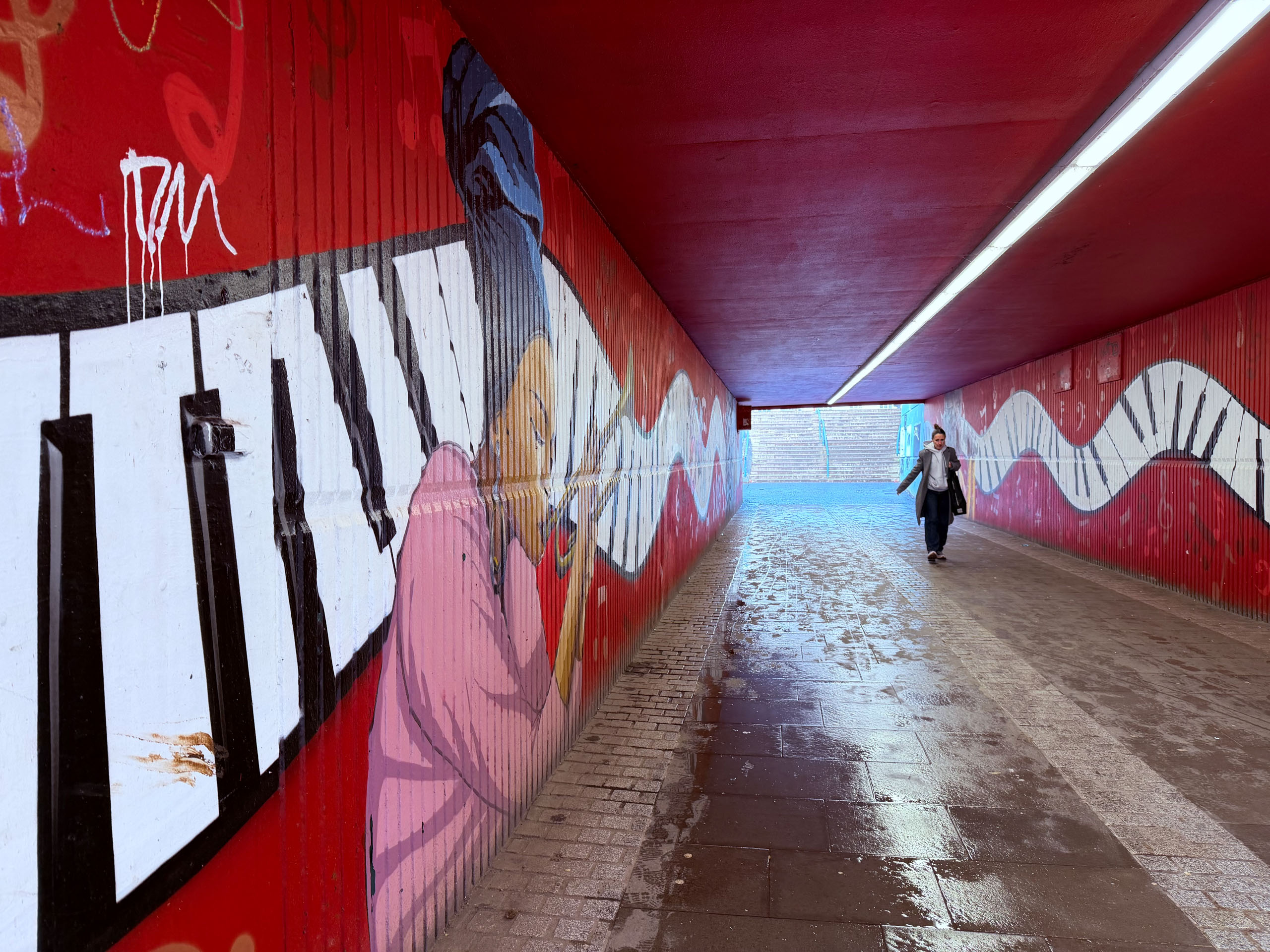
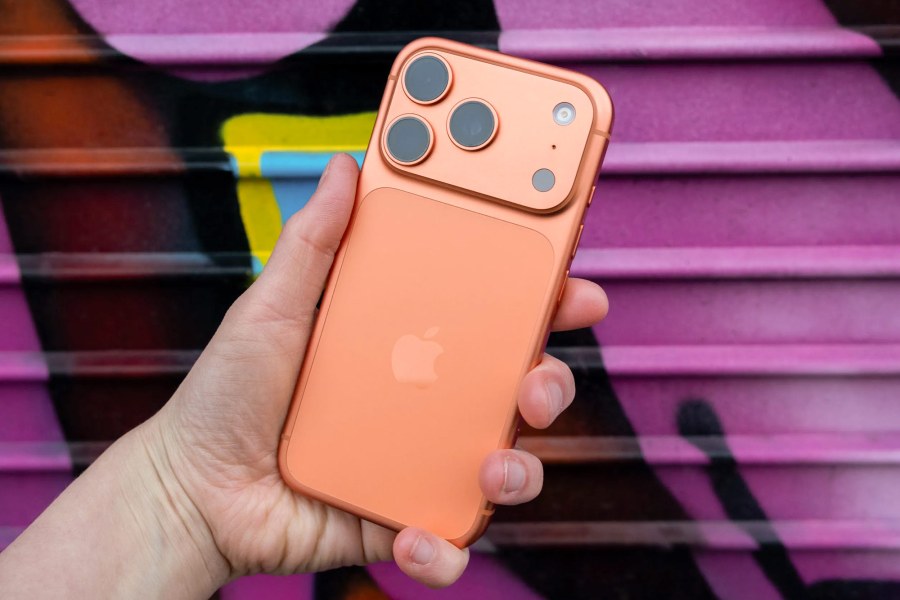
The major upshot is that smartphones like the latest iPhone 17 Pro operate in total, absolute silence. Without a mechanical shutter clicking away, and when paired with a slim, pocketable design, these devices become incredibly stealthy. They are ideal for reportage-style shots where you want to document a scene exactly as it unfolds, without alerting your subjects or altering their natural behaviour. Just remember to turn your flash off to stay incognito! You can even fire your iPhone’s shutter by clicking the stem of your AirPods or tapping your Apple Watch if you really want to feel like James Bond.
Ergonomics and creative control
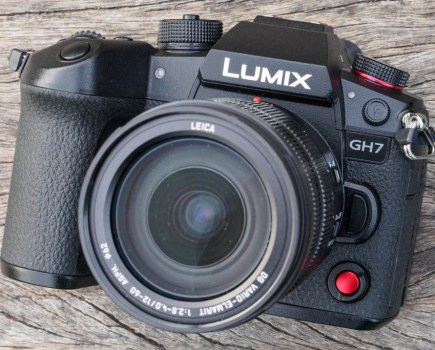
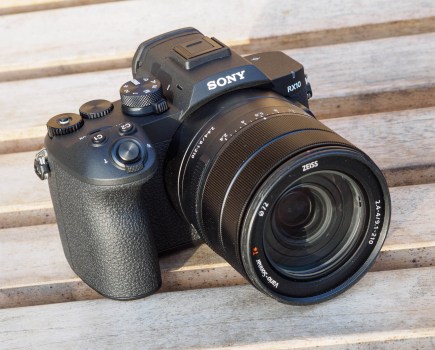
I will concede that while the small size of an iPhone is its greatest strength, it also introduces a few physical limitations. Purpose-built DSLR and mirrorless cameras are designed with deep grips, dedicated buttons, and tactile dials that allow photographers to instinctively adjust settings.
An iPhone, by contrast, is a smooth, rectangular slab of glass and aluminum. It is not entirely dissimilar to holding a slippery bar of soap when you are trying to carefully compose a frame. As a result, a clumsy two-handed operation is often required just to ensure you do not drop your expensive device on the pavement.
To overcome this, I like to complement my phone with a dedicated physical grip, such as those designed by Fjorden. The Fjorden Pro or Ultimate grips for the iPhone 17 utilize a built-in magnetic case, allowing the ergonomic handle to snap instantly onto the iPhone’s MagSafe connection. It offers a quick, seamless startup and equips the phone with a physical front dial, a tactile shutter button, and even a standard tripod port. It transforms the handling of the phone into something that feels much more intuitive – and it’s still small enough to not garner too much attention when using it for street work.
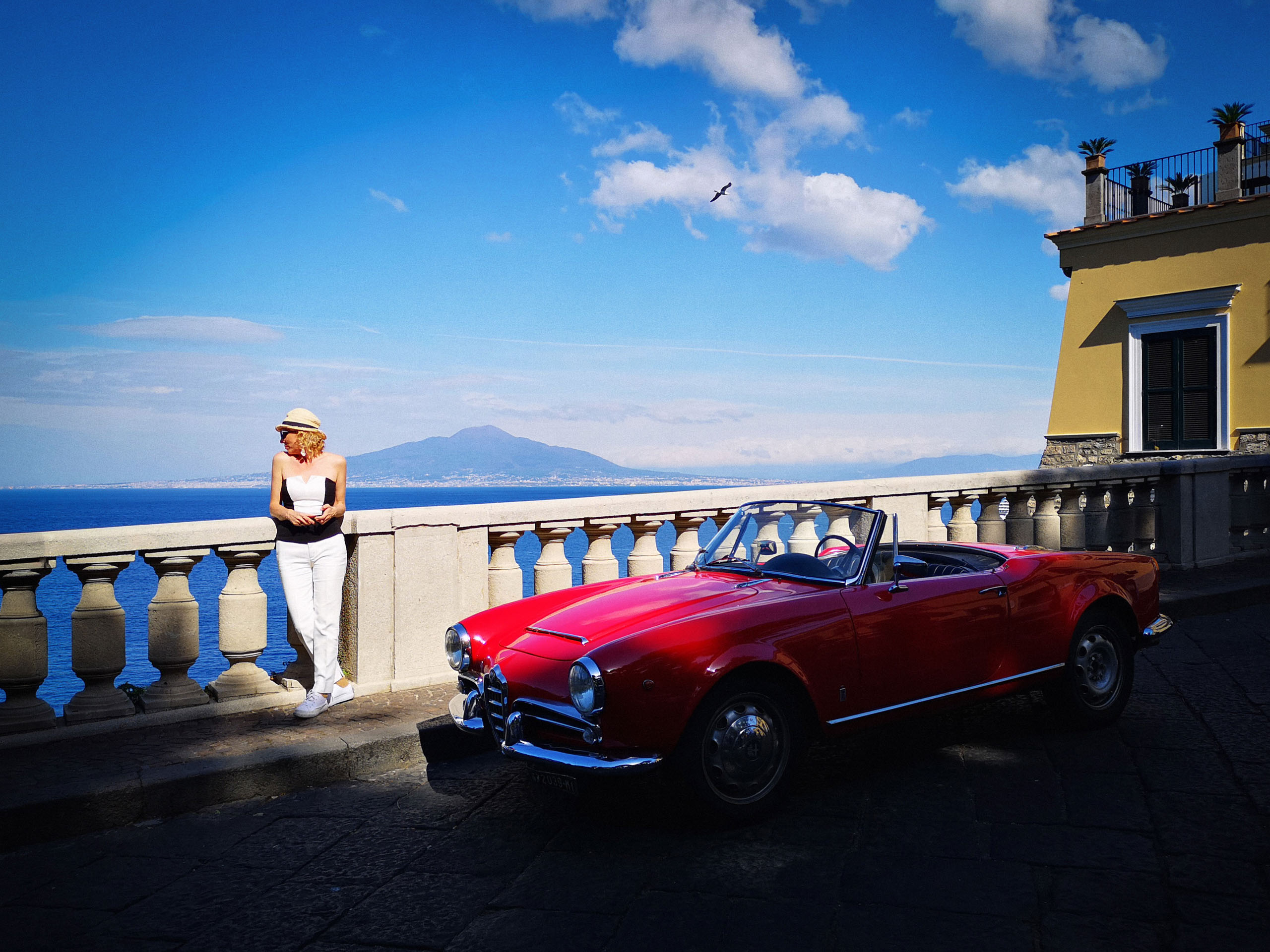
Of course, hardware is only half the battle. As excellent as the iPhone is when shooting in its default automatic mode, the native camera app is creatively limiting. To regain absolute control over the core exposure triangle, I turn to advanced third-party software like the Reeflex Pro Camera app. This allows me to manually dial in specific ISO values, or intentionally slow down the shutter speed to introduce creative motion blur into a bustling city scene.
Smart and stealthy
When hitting the pavement, it helps to have a firm grasp of your legal rights. In the UK, the law is remarkably clear: you cannot photograph people in private spaces where they have a reasonable expectation of privacy, but you are entirely free to photograph anyone and anything when standing in a public space without seeking prior consent. We are recorded by countless CCTV cameras every single time we walk down a high street without ever giving our explicit permission.
The legal nuance instead dictates what you do with the image after you press the shutter. Editorial use, artistic display, or sharing the image on social media platforms is generally entirely acceptable. However, commercial use – such as selling the image to a stock photography website or using it as the centerpiece of a corporate advertising campaign – will almost always require a signed model release from any identifiable subjects.
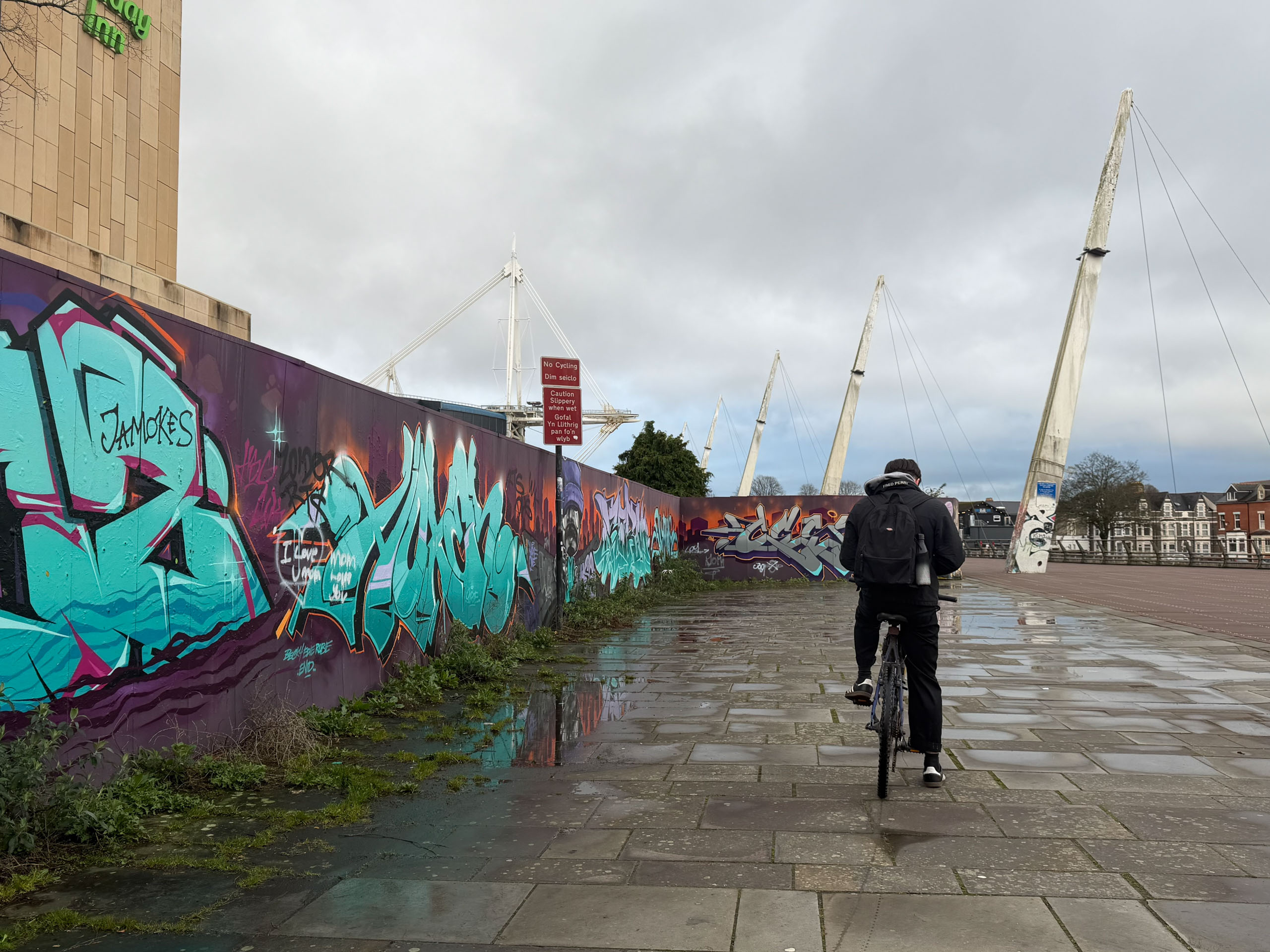
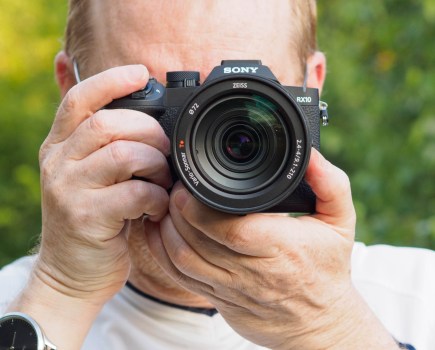
Knowing these laws inside out gives me the confidence to explore the streets and get creative with everything from candid human interactions to striking urban architecture. Yet, even with the law on your side, raising a large camera body to your eye instantly breaks the spell of the street. On the odd occasion that bystanders spot me pointing a traditional camera at them, confrontations can happen. A small percentage of people will approach me to demand a look at the pictures, and on rare instances, ask me to delete them.
The power of the mundane
Taking street shots with my iPhone completely bypasses this friction altogether. In all my time shooting, I have never once had a member of the public approach me or demand an image deletion while I was using my smartphone.
The reality is that modern crowds are completely desensitized to phones. For all a bystander knows, I am simply framing a generic landscape, checking a map, replying to a text, or browsing the web.

Even if a passerby does realize that I am taking a photograph, the collective mindset tends to dismiss it with a shrug: “It’s only a phone.” They simply do not view a smartphone with the same level of suspicion or threat as a professional system like my Canon EOS R5. However, when a massive piece of glass and a professional body are pointed in their direction, there is no ambiguity – the only possibility is that I’m taking a picture or recording a video.
While full-frame mirrorless cameras will always hold a vital place in my commercial work for their unmatched quality and lens options, street photography follows a different philosophy. It’s more about speed, staying out of sight and capturing an authentic moment. By the time I’ve reached for my pro camera it’s too late and I’ve blown my cover, and that’s why for me, the iPhone is the king of the streets.
Related reading:
- Complete guide to street photography
- I review iPhones for a living – these are the best iPhones for photography
- Best smartphones for street photography
Do you want to win some great prizes for your photography? Enter your photos in our International Amateur Photographer of the Year competition. Free entry for photographers aged 13-21.
Follow AP on Facebook, Instagram, YouTube, TikTok and Irys.