Summer is just about here, and if you’re thinking about holidays already, the best travel cameras will help you capture your memories of your trips. Whether you’re looking to shoot photos, videos, or a little of both, the cameras on my list will help you capture vivid, detailed, dynamic imagery. If you’re sick of travel photos on your phone feeling bland and samey, the cameras on this list should be your port of call.
Even a small, light, self-contained camera will take significantly better images than your phone – as borne out by our full camera tests. As the magazine’s Technical Editor, I take on a lot of the camera testing work myself, and I have personally spent time using the cameras on this list. The number-one pick – the Fujifilm X-E5 – is genuinely my favourite travel camera. It’s a superb, well-balanced mirrorless model that takes brilliant images, and it delivers on everything the travel photographer is likely to need, without taking up too much space in a bag.
However, just because it’s my favourite, doesn’t mean it’s suitable for everyone – AP’s editor Nigel Atherton, for instance, favours the OM System OM-5 series – so I’ve packed out this list with options for all different use cases and budgets. If you want a genuinely great shooting experience for travel, I’m confident you’ll find it here. And if you need more inspiration and guidance for your next trip, we have a complete guide on how to take better travel photographs to help you out.
The best cameras for travel: our quick list
- Best travel camera overall: Fujifilm X-E5 – Buy now
- Best waterproof travel camera: OM-System Tough TG-7 – Buy now
- Best compact for travel: Fujifilm X100VI – Buy now
- Best long-zoom travel camera: Panasonic Lumix ZS99 / TZ99 – Buy now
- Best premium travel camera: Leica D-Lux 8 – Buy now
- Best pocketable compact: Ricoh GR IV – Buy now
- Best action camera for travel: GoPro Hero 13 Black – Buy now
- Best small travel camera: Sony RX100 VIIA – Buy now
- Best bridge camera for travel: Panasonic Lumix FZ82D – Buy now
- Best travel camera for video: Fujifilm X-S20 – Buy now
- Best weather-sealed travel camera: Olympus OM-System OM-5 II – Buy now
- Best full-frame travel camera: Nikon Z5 II – Buy now
Looking for the best deal on cameras for travel? Not only will you find the best travel cameras, but also some of the best deals, as our ‘Buy now’ buttons are setup to automatically take you to the best prices from trusted retailers. You’ll also find a list of other retailers below each camera, so you can find the right deal for you.
Why you can trust Amateur Photographer
We spend many hours testing every product we recommend, in detail, in a variety of situations and shooting scenarios, and only use experts for our reviews, so you can be sure that you’re getting the best products. Find out more about our expert writers.
The best travel cameras and vacation cameras: our full list
Best overall
Best travel camera overall: Fujifilm X-E5

Amateur Photographer verdict
Combining the smooth shooting experience of a premium compact with the flexibility of interchangeable lenses, the Fujifilm X-E5 is a joy of a camera, and the best you can get for travel photography.- Small body, but with enthusiast-friendly design
- Engaging analogue controls
- Peerless in-camera colour processing
- Excellent raw image quality
- Fairly small viewfinder
- No weather-sealing
- Screen only tilts up and down
| Specifications | Fujifilm X-E5 |
|---|---|
| Sensor | 40.2MP APS-C X-Trans sensor |
| ISO | ISO 125-12,800 (standard) |
| Burst | Up to 13fps |
| Video | 6.2K 30p, 4K 60p, and Full HD 240p video |
| Viewfinder | 2.36m-dot, 0.62x viewfinder |
| Screen | 3in, 1.04m-dot tilting touchscreen |
| Stabilisation | In-body image stabilisation – 7 stops |
Fujifilm cameras have a lot of features that appeal specifically to travel photographers. Their slimline dimensions, attractive designs and dial-led controls make them enjoyable cameras to own, to hold and to use – the Fujifilm shooting experience is one of the best in all photography. And they’ve got it where it counts when it comes to imaging too, producing brilliant images straight out of camera thanks to Fuji’s hugely popular Film Simulations, which emulate the look of classic film stocks. If you want to produce dynamic and exciting travel photography without having to spend tons of time in editing, Fujifilm is the right choice.
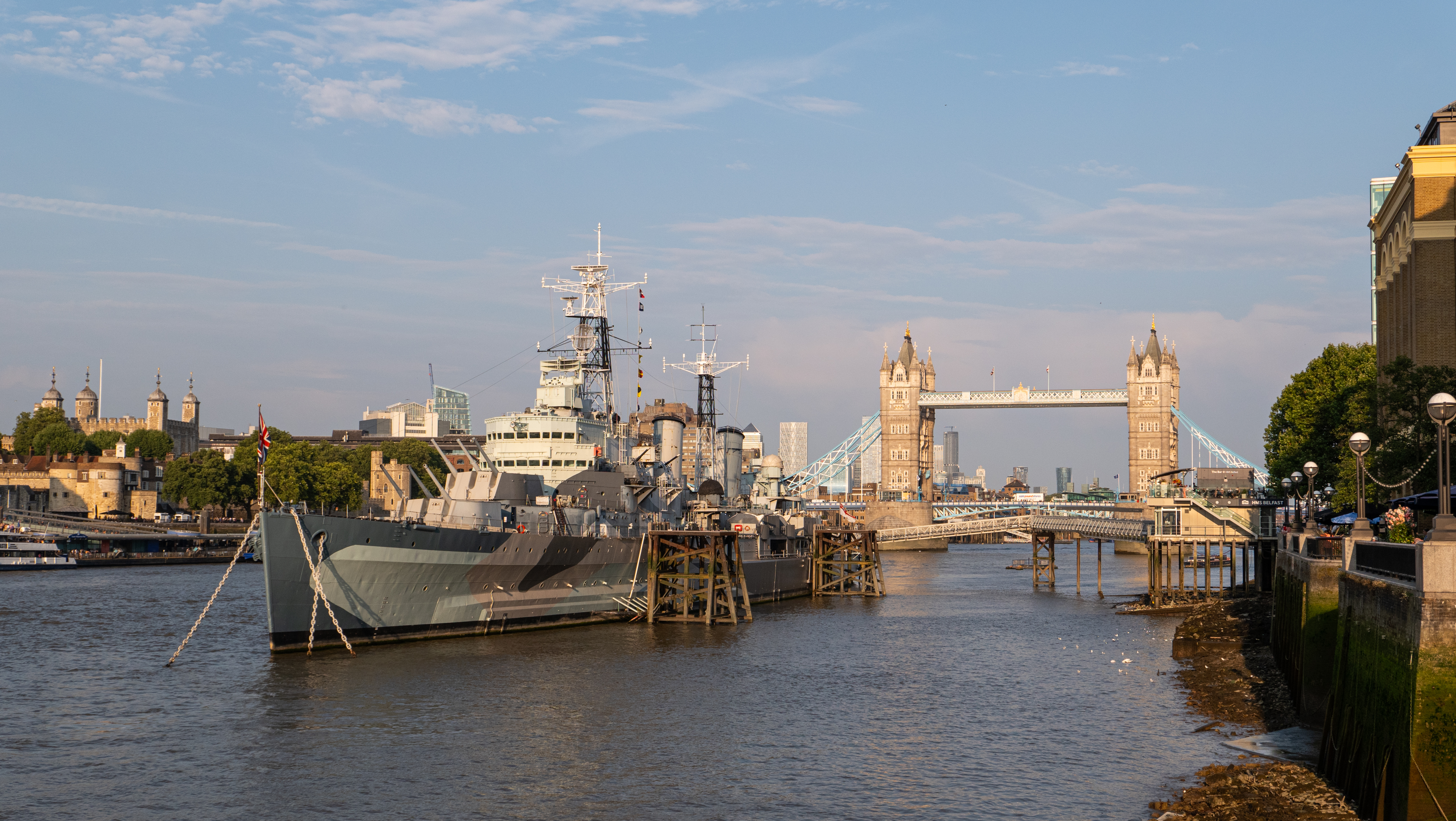
So, why the X-E5? Put simply, this camera combines everything great about Fuji in a single package. It handles a lot like the phenomenally popular X100VI compact, only it doesn’t restrict you to just one lens, allowing you to chop and change X-mount glass. This is hugely beneficial for travel, where you’re likely to encounter very different shooting situations depending on your location. The X-E5 hold its ground whether shooting the sun-soaked streets of Valencia or the Tower Bridge in London.
It also borrows the Film Simulation dial introduced on the X-T50, allowing you to quickly move between standard Provia, warm Velvia, black, Acros and back again. This is a great way to stay in the moment while you’re shooting – which is a big part of travel photography. Also, if you’re someone who likes to customise the look of their images, the X-E5 makes it easy to tinker with these Film Simulation modes and create your own ‘recipes’, saving and storing them for future use.
I loved my time with the X-E5. It’s a joy to shoot with and produces brilliant results, punching well above its weight in terms of image quality. I could rescue detail from underexposed shots in post-processing, push the ISO up to high sensitivities without severely compromising image quality, and lock easily onto practically any subject thanks to intelligent autofocus. Kit yourself out with your preferred X-mount lenses, and you’ll have a travel photography setup that anyone would be envious of.
Read my full Fujifilm X-E5 review

Best waterproof
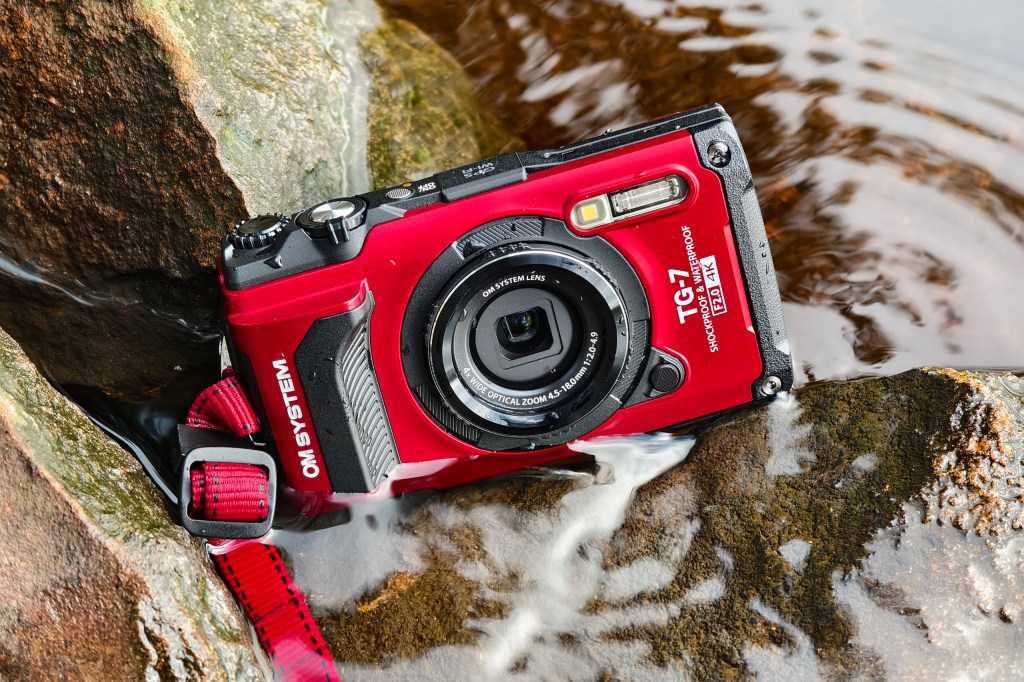
Best waterproof travel camera: Olympus / OM System Tough TG-7
Amateur Photographer verdict
Easy to use, with point-and-shoot operability, but also tough and capable of taking great pictures, the TG-7 is the travel camera I would recommend to casual users, as it’s also very affordable.- Supremely rugged build
- F2.0 4x optical zoom lens
- GPS, Wi-Fi, Bluetooth built-in
- Impressive macro performance
- Raw shooting available
- Small sensor
- Price increase
| Specifications | OM System Tough TG-7 |
|---|---|
| Sensor | 12MP 1/2.33inch BSI CMOS |
| Lens | 4x optical zoom lens, f/2.0-4.9, 24-100mm equivalent |
| ISO | 100-12,800 |
| Video | 4K 30/25fps |
| Screen | 3in, 1.04m-dot |
| Viewfinder | None |
| Stabilisation | In-body image stabilisation (CMOS shift, up to 2.5 stops) |
Waterproof tough cameras tend to be very popular for travel, as they can be used on the beach and in the sea without fear of them getting damaged. For your money, the best waterproof compact you can get is the OM System Tough TG-7, a capable little shooter with a useful zoom lens and the ability to take a beating.
Key to its attraction is its sheer robustness. The TG-7 is waterproof to 15m, shockproof to a drop from 2.1m, freezeproof to -10°C, and crushproof. It also boasts impressive close-up capability and an extensive range of underwater modes, plus an extensive range of lighting and lens accessories. While the sensor is a 1/2.3-inch type, meaning its quality is inferior to other cameras on this list, the TG-7 still dependably produces punchy images, particularly in bright conditions.
For outdoor adventurers, it also includes a suite of environmental sensors that allow you to keep track of your travels, including GPS with a compass, a thermometer, and an accelerometer.
Read our Olympus Tough TG-7 review.
Take a look at other waterproof and underwater camera options here: Best Waterproof and Underwater Cameras
Best compact
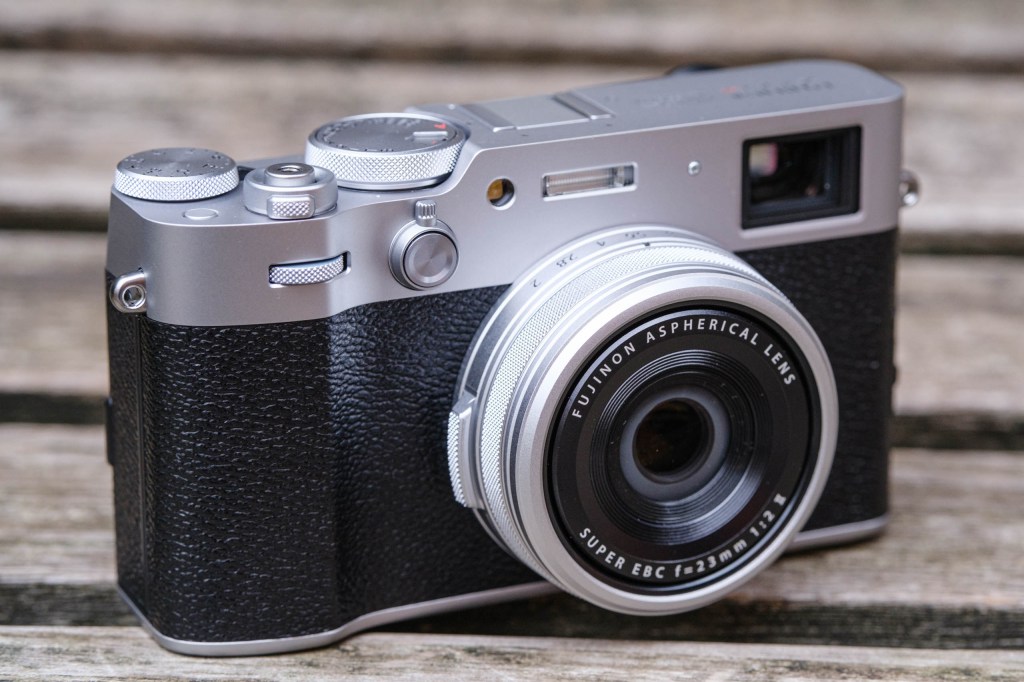
Best travel compact: Fujfiilm X100VI
Amateur Photographer verdict
The X100 series are Fujifilm’s most popular compacts – to the point where they can be hard to get hold of. This pocket-friendly camera is a superb choice for city-breaks and street shooting.- Beautifully detailed images
- Film Simulation modes
- Sublime handling and pocketable build
- Exceptional viewfinder
- Fixed prime lens can be limiting
- Weather sealing costs extra
| Specifications | Fujifilm X100VI |
|---|---|
| Sensor | 40MP X-Trans CMOS 5 |
| Lens | 35mm equivalent, f/2 |
| ISO | 125-12,800 (standard), 64-51,200 (extended) |
| Burst | 11fps (mechanical shutter); 20fps (electronic shutter, 1.29x crop) |
| Video | 6K 30p, 4K 60p, Full HD 240p |
| Screen | 3in, 1.62-dot tilting touchscreen |
| Viewfinder | Hybrid optical/electronic; 0.52x OVF, 3.69m-dot, 0.66x OLED EVF |
| Stabilisation | 5-axis in-body (6 stops) |
One of Fujifilm’s biggest success stories, the X100VI has been a victim of its own popularity, with stock selling out in moments and being notoriously hard to get hold of. A nice problem for a camera company to have, and Fujifilm deserves it – the X100VI is a delightful triumph of a camera. The intoxicating combination of a 40MP X-Trans APS-C sensor with a stunningly sharp Fujinon 23mm F2.0 II lens, all wrapped up in a retro-styled body with dial-led controls, makes for a camera that’s just a treat to use.
Since the lens is fixed, you are locked into a particular perspective – albeit with latitude to crop in thanks to the generous resolution. This means the X100VI is a camera more suited to city breaks and urban travel than landscape hikes or nature safaris, but its naturalistic focal length does turn its hand well to a surprisingly broad range of subjects.
As the newest camera in the series, the X100VI also benefits from the latest technological advancements, such as subject-recognition autofocus and in-body image stabilisation. It all adds up to a camera that helps you bag the shot more often than not – and, like all Fujifilm cameras, the X100VI can take advantage of the fantastic Film Simulation modes.
I already discussed these when talking about the X-E5, but they perfectly suit a take-everywhere camera like the X100VI, allowing you to quickly and easily imbue your images with dynamic, analogue-style looks. Fujifilm is one of the best photo brands – possibly the best – for producing images that look great straight out camera, with minimal editing needed, which is great news for travel photographers.
Slim, stylish and spectacular – the Fujifilm X100VI is a sublime travel camera, albeit an expensive one. If you like the sound of a compact but want something more affordable, I’ve included a few more options on this list, including my next entry.
Read our full Fujifilm X100VI review.
Best pocket zoom
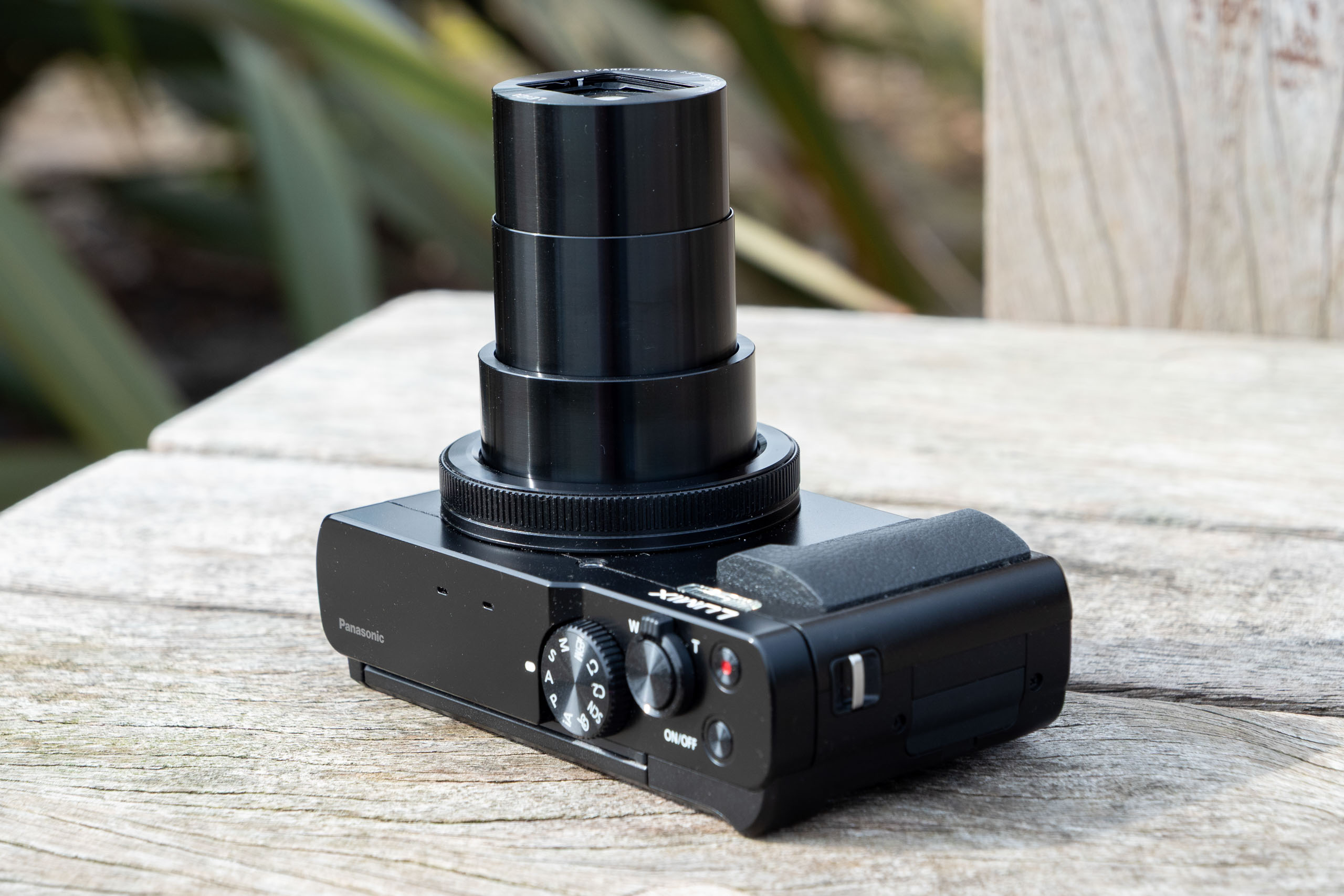
Best long-zoom travel camera: Panasonic Lumix ZS99 / TZ99
Amateur Photographer verdict
If you want a long-zoom compact that will fit in your pocket, then this is a great option. Just be aware that it lacks a viewfinder.- 30x optical zoom
- Front facing touchscreen
- In-camera USB-C charging
- Poor low light performance
- No viewfinder
| Specifications | Panasonic Lumix ZS99 / TZ99 |
|---|---|
| Specification | 20.3MP 1/2.3-inch MOS |
| Lens | 24-720mm f/3.3-6.4 (35mm) equivalent 30x zoom LEICA DC Vario-Elmar |
| Charging | USB-C in-camera |
| Viewfinder | None |
| Screen | 3-inch, 1840k-dot, touch-sensitive TFT LCD |
| Image stabilisation | t 5-axis HYBRID Optical Image Stabilisation (O.I.S.) system |
There are many benefits to having a long zoom lens for travel – for sheer shooting versatility, a superzoom compact may well be the way to go. The ZS99 / TZ99 is a versatile pocket-sized superzoom with a lens that provides an impressive 30x optical zoom (that’s equivalent to 24-720mm), meaning you’re covered for a broad spectrum of shooting scenarios, from wide landscapes and street scenes to fine details and distant monuments. In fact the TZ in the name, stands for Travel Zoom!
The Lumix TZ99 doesn’t have a viewfinder; instead, you need to compose using the 3-inch TFT LCD touchscreen. This screen is a good size and is reasonably bright, but in very sunny conditions you might struggle to see it properly. Otherwise, the camera handles nicely with its rubber grip on the front and relatively small size. It’s the kind of camera that delivers great quality under optimal conditions, but that smaller sensor means it can struggle to hold onto detail when the light gets low, as our reviewer discovered in testing. However, I do appreciate the fact that it’s possible to achieve a shallow depth of field with this camera’s telephoto lens and relatively wide aperture, as this puts portrait-style images in play.
You can record video at 4K 30fps for up to 90 minutes and use the camera for vlogging thanks to the front-facing articulating screen. With the 4K photo option, you can pull stills from a video footage; this is particularly useful for fast-moving subjects like pets and children.
Read our full Panasonic Lumix ZS99 / TZ99 review.

Best premium
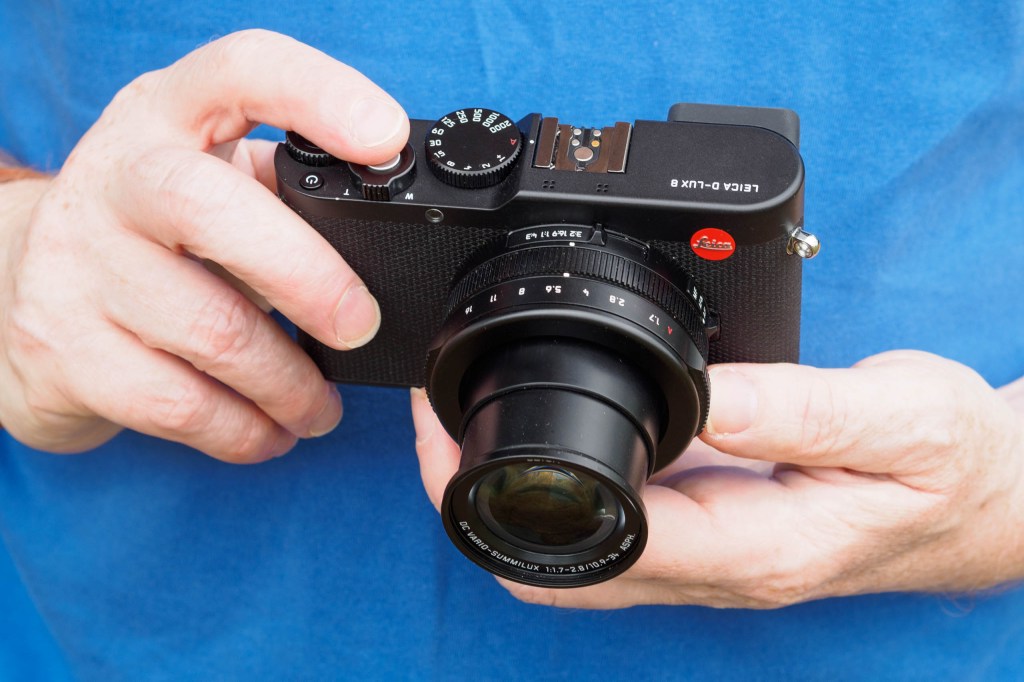
Best premium camera for travel: Leica D-Lux 8
Amateur Photographer verdict
Traditional control dials and a multi aspect ratio sensor make the D-Lux 8 a joy to use and create with. However, its JPEGs can be dull; best results are obtained from raw.- Large aperture zoom lens
- Engaging manual controls
- Much improved viewfinder over D-Lux 7
- Unique multi-aspect ratio sensor
- Minimal handgrip
- Fixed, instead of tilting rear screen
- Uninspiring JPEG colour
| Specifications | Leica D-Lux 8 |
|---|---|
| Sensor | 17MP Four Thirds multi aspect-ratio sensor |
| Lens | 24-75mm equivalent f/1.7-2.8 lens with OIS |
| ISO | 100-25,000 |
| Burst | Up to 11fps |
| Viewfinder | 2.36m-dot, 0.74x OLED |
| Screen | t 3in, 1.84m-dot LCD touchscreen |
If you’ve more budget to spend, or if you like the sound of the Fujifilm X100VI but can’t bear the thought of living without a zoom, I definitely recommend the Leica D-Lux 8, a compact sporting a zoom lens that provides a good level of compositional flexibility. When I reviewed it, I loved having the ability to change aspect ratios via a switch on the lens. It isn’t described as weatherproof, but I used it in a couple of light showers.
Leica have employed a smaller Four Thirds type sensor with a clever multi-aspect ratio design, which means you can easily create images in different proportions and sizes – useful for sharing on different platforms. This is joined by a 24-75mm equivalent zoom with a bright f/1.7-2.8 aperture. It has traditional photographer-friendly controls for the main exposure settings, and a corner-mounted viewfinder in a flat-bodied ‘rangefinder-style’ design – these make it a joyous thing to use.
Continuous shooting is available at 11 frames per second, but this comes with focus fixed and in 10-bit raw, which limits post-processing flexibility. Drop the speed to 7fps, and you get live view between frames. At 2fps, the camera offers continuous autofocus and 12-bit raw output. All these options give you loads of real-world flexibility, allowing you to choose between whether you want as much speed as possible, or to sacrifice frames in favour of quality and compositional ease.
Read our Leica D-Lux 8 review
Best compact
Best pocketable fixed lens travel camera: Ricoh GR IV

Amateur Photographer verdict
While the Ricoh GR IV may look very much like its predecessor, it’s been substantially upgraded inside. It retains the same street-shooter appeal, though, if you can live with its fixed rear screen.- True pocket-friendly dimensions
- Excellent image quality
- Fast start-up time
- Discreet design
- Fixed LCD and no viewfinder
- Lower resolution than rivals
- Micro SD card storage
| Specifications | Ricoh GR IV |
|---|---|
| Sensor | 25.87MP APS-C CMOS, 23.3 x 17.5mm |
| Lens | 28mm equivalent f/2.8 |
| ISO | 100-204800 |
| Burst | 4fps |
| Viewfinder | None |
| Screen | 3.0in, 1.04m-dot fixed LCD touchscreen |
If you’re the kind of traveller who values slipping a camera into your pocket and heading out without fuss, the Ricoh GR IV is one of the best companions you can bring along. The GR series has produced some of the best cameras for travel and street photography, with the GR III reaching such popularity that its price has even increased over the years. The latest, GR IV, brings important improvements like 5-axis stabilisation, expanded internal storage and USB-C charging on the go to an already compelling pocket-friendly compact.
Even though the 25.7MP sensor is an incremental upgrade from the GR III’s 24MP, it delivers excellent image quality that will cover not just social media posts but crisp prints up to A3 size. The 28mm equivalent focal length fixed lens is a sweet spot for capturing bustling street scenes, sweeping landscapes, or quiet alleyways without distortion. The F2.8 maximum aperture allows for fast shutter speeds in low light. Thanks to an in-camera crop option, you get a 35mm or 50mm equivalent focal length, which can be useful for portrait work, albeit with a resolution trade-off. It is also easy to capture close-up details in Macro mode, allowing you to focus as close as 6cm.
You can shoot at slower shutter speeds and avoid clipping thanks to the built-in ND filter, and introduce blur and motion to your images, like when photographing a busy market or street scene. This function further benefits from the 5-axis in-body image stabilisation, letting you shoot hand-held.
To keep the GR IV as compact as possible, there’s no viewfinder, so you rely on the fixed rear LCD screen for composing images. Similarly, the battery size is limited by the small body, but now there’s an option to charge using a power bank via the USB-C port. Plus, with 52GB internal storage, which is plenty of backup in case you manage to fill up the Micro SD card mid trip.
Also, if you’re more of a monochrome travel photographer, Ricoh has also announced the GR IV Monochrome, a purist version of this compact which – you guessed it – shoots images only in black and white. Interestingly, it replaces the GR IV’s built-in ND filter with a built-in red filter, allowing photographers to darken skies for a more dramatic look. However, at an asking price of $2,199 / £1,599 / €1,799, it’s considerably more expensive than the full-colour GR IV, so you’ll have to be a committed B&W enthusiast.
Read our full Ricoh GR IV review.
Best action camera
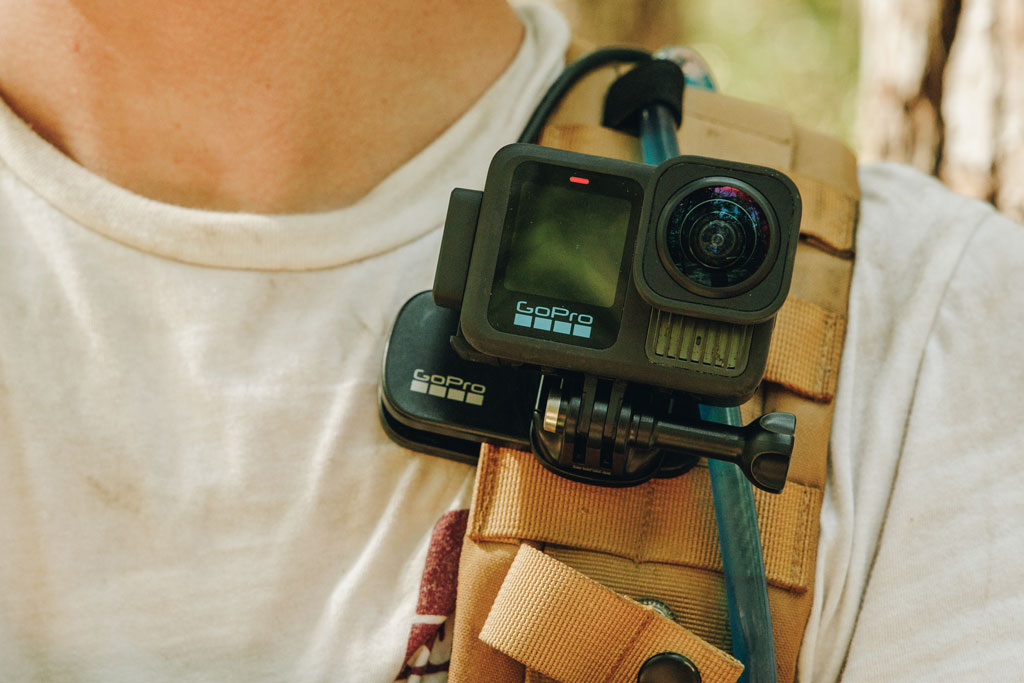
Best action camera for travel: GoPro Hero 13 Black
Amateur Photographer verdict
Action cameras are brilliant for travel, with tiny dimensions and impressive image quality. You can’t go wrong with a GoPro.- Loads of video recording options
- Has built-in GPS
- Large mount and accessory ecosystem
- Waterproof and can take a beating
- Extra lenses are costly
- Low light quality still struggles
Specifications at a glance:
| Type | Action camera |
| Video | 5.3K 120p, 4K 120p and 900p at 360fps |
| Waterproof | 10m |
| Connectivity | Bluetooth, Wi-FI |
With a tiny, pocket-sized form factor and the ability to record video that’s good enough for professional productions, the GoPro Hero 13 Black is very much the action camera to beat. Action cameras are quite specialised – I wouldn’t recommend them to all travel photographers and videographers. But if your holidays typically involve daring feats like bungee jumps or surfing sessions, and you want to capture it all as vividly as possible, getting a GoPro is a no-brainer.
Capable of capturing 5.3K video with a range of flexible options, the Hero 13 Black is a camera that very much punches above its weight. Stills-wise, it’s also no slouch, capturing imagery with vivid colours and plenty of detail, but video is really its primary raison d’être.
Over the many years it has been producing action camera, GoPro has built up a formidable ecosystem of accessories and mounts – whether you want to mount the Hero 13 Black to your chest, helmet, handlebars or dog, you’re covered.
We’ve also seen a few tempting price reductions that make the case even more strongly for the GoPro Hero 13 Black. If you like, you can also customise it with optional lens modules that transform the camera’s perspective, though these will all cost you extra, and I’m not sure if most users really need them, given that the baseline GoPro experience is so good.
For more options have a look at the GoPro Hero 13 Black vs DJI Osmo Action 6 – the top two action cameras right now.
Best small camera
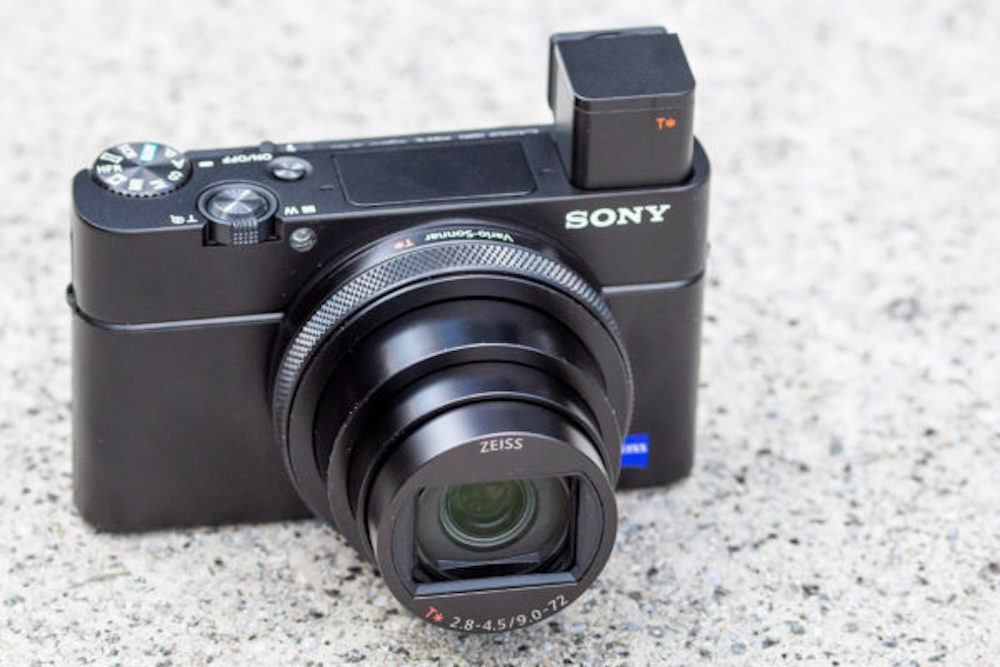
Best small camera for travel: Sony RX100 VII / VIIA
Amateur Photographer verdict
A phenomenally capable pocket camera for those who can afford it and live with its flaws – incredible tech in a flawed body design at an eye-watering price.n- Class-leading autofocus
- Pocketable form factor
- Great viewfinder and screen
- Still very pricey
- RX100 VI will do most of the same stuff for less money
Specifications at a glance:
| Sensor | 20MP 1in sensor |
| Lens | 24-200mm equivalent f/2.8-4.5 |
| Burst | 20fps |
| Viewfinder | 2.36m-dot pop-up EVF |
| Screen | 3in, 921k-dot tilting touchscreen |
Sony’s RX100-series compact cameras are famed for fitting a lot of technology into a small, pocketable package, famously referred to as a ‘Pocket Zoom’ or ‘Travel zoom’. The latest model in the range exemplifies this, with a 24-200mm equivalent f/2.8-4.5 zoom, a 20MP 1-inch stacked CMOS sensor, a pop-up electronic viewfinder and a tilting rear screen, all in a body that’ll slip neatly into a jacket pocket.
What’s more, it’ll shoot at 20 frames per second and record 4K video. Compared to its predecessor, it gains an upgraded sensor that enables Sony’s AI-based tracking autofocus, along with a socket for an external microphone and a few interface improvements. Otherwise, the older RX100 VI offers most of the same features for slightly less money.
With 357 phase-detection AF points covering 68% of the frame and Sony’s Real-time Eye AF and Real-time Tracking on board, the RX100 VII has the most sophisticated autofocus of any compact camera. Set it to continuous focus and tracking, and you can almost forget about having to move the AF area or change focus modes ever again. This is very welcome, as in many respects the camera’s ambitious feature set has rather outgrown its simple control layout.
One area where the RX100 VII excels lies with composing your images, thanks to its large pop-up viewfinder and tilting rear screen. The lens is a strong performer too, especially when stopped down. Crucially, the camera delivers attractive images which are a noticeable improvement over older Sony models in terms of colour rendition. Also, note that it’s referred to as the RX100 VIIA in some territories – this was a minor reskin to get around EU regulations on USB-C charging; it’s the same camera on the inside.
Read our Sony RX100 VII review
Best bridge
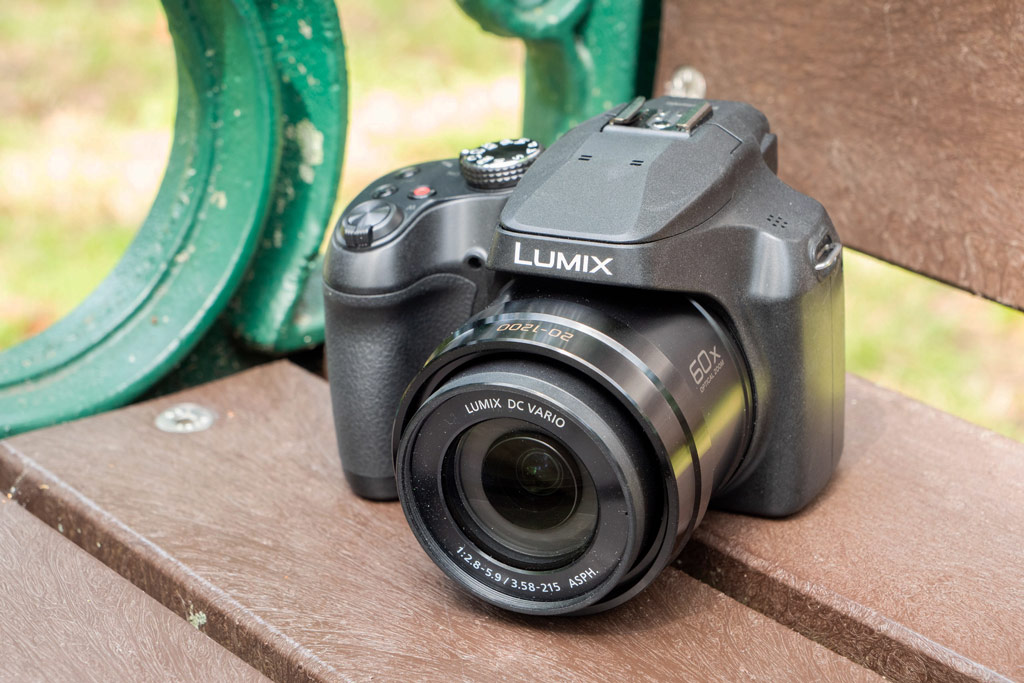
Best bridge camera for travel: Panasonic Lumix FZ80D / FZ82D
Amateur Photographer verdict
Its huge zoom range will cover almost any subject, from wide cityscapes to close-ups, and it’s highly affordable too – though image quality is good rather than great.- Generous built-in zoom range
- Decent electronic viewfinder
- Very affordable price tag
- Unexceptional image quality
- No Wi-Fi
Specifications at a glance:
| Sensor | 18.1MP 1/2.3-inch MOS |
| Lens | 20-1200mm equivalent f/2.8-f/5.9 lens (60x optical zoom) |
| Charging | USB-C in-camera |
| Video | 4K/30p |
| Screen | 3-inch 1840k-dot fixed touchscreen |
| Viewfinder | 0.39-inch OLED LVF 2360k-dots |
| Stabilisation | Lens-based OIS |
Bridge cameras combine long zoom lenses with SLR-styled handling in a body that typically costs significantly less than an equivalent setup would cost in an interchangeable-lens system. The Panasonic Lumix FZ80D / FZ82D (the name changes depending on where you are; hereafter I’ll call it the FZ80D for simplicity) is a fairly typical example of the form, sporting a 60x optical zoom (20-1200mm equivalent) f/2.8-f/5.9 lens and an 18MP 1/2.3-inch MOS sensor. At a tempting price of $479 / £429 and offers bringing it even lower, it’s a solid and inexpensive option for travel.
Image quality from the FZ80D is certainly nothing special – you’re not going to get amazing results from a sensor that small. However, the real selling point of a camera like this is that enormous lens, and it does indeed offer tremendous versatility – you can get useable images of subjects from a tremendous distance, then zoom all the way out to get a wide-environmental shot.
In these days of better-than-ever smartphone quality, I’d only really recommend bridge cameras to those who are really going to make use of those long focal lengths. It’s only at the outer edge of the zoom lens that you’ll get shots substantially better than what your phone could achieve at the same distance. On the other hand, the FZ80D is quite a bit cheaper than a modern smartphone.
Read our full Panasonic Lumix FZ80D review
Best for vlogging
Best travel camera for vlogging: DJI Osmo Pocket 4
Amateur Photographer verdict
The X-S20’s exceptional image quality and advanced video features make it a great choice for travel-loving stills shooters and vloggers alike.- Excellent video quality with gimbal stabilisation
- Magnetic mount for accessories
- Film tones apply variety of colour grading profiles in-camera
- Excellent battery life
- Fixed 20mm (equiv) wideangle lens is limiting
- Not available in US
| Specifications | DJI Osmo Pocket 4 |
|---|---|
| Sensor | 37MP 1-inch CMOS |
| ISO | 50-12,800 |
| Burst | n/a |
| Video | 4K 240p |
| Viewfinder | None |
| Screen | 2-inch; 556x314px |
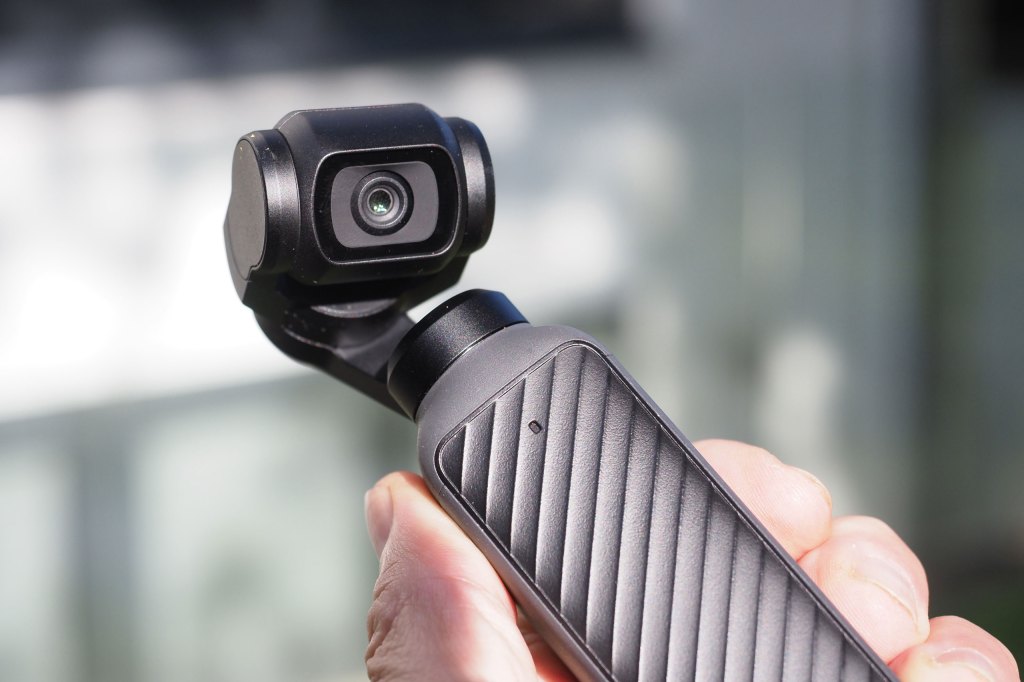
The latest in a line of hugely popular vlogging cameras among YouTubers and content creators, the DJI Osmo Pocket 4 is in my view, the best option for travel vlogging right now. It’s a gimbal camera, meaning it’s built around a mechanical stabiliser that makes it possible to capture smooth, professional-looking handheld footage, even while on the move. A mechanical gimbal is always going to beat out the stuffing out of an in-camera IBIS system, making the DJI Osmo Pocket cameras one of the most cost-effective ways to get professional-looking footage.
The DJI Osmo Pocket 4 uses a 1-inch sensor and a 20mm equivalent lens, mounted on the aforementioned 3-axis gimbal. Our editor Nigel Atherton took an Osmo Pocket 4 to Cape Town, South Africa, and was hugely impressed by the quality of video it was able to capture in a host of different lighting situations. A 1-inch sensor certainly isn’t the largest, but nevertheless, the DJI Osmo Pocket 4 proved able to produce a good level of detail in highlights and shadows in bright outdoor conditions and dim interiors alike.
The stabilisation works extremely well, producing smooth movement even when you’re moving at pace – you have to actively try to get footage that judders. The handling of the Osmo Pocket 4 is great too, with the handy rotating screen that move to vertical orientation when you’re shooting in that aspect ratio – as you will be if you’re producing content for TikTok or Reels.
While it’s not really designed to be a stills camera, the Osmo Pocket 4 can capture photographs and does a credible job of it. You have the option of both JPEG and raw formats, with an optional SuperPhoto mode providing 7680×4320 pixel images (33MP) in 16:9 or 6144×6144 (37MP) square images in 1:1. There’s also a panorama mode allowing you create a stitched super-wide image.
But really, the DJI Osmo Pocket 4 is a vlogging camera for sharing your adventures on social media, and it’s the best in its class at doing that – not to mention much more affordable than a full mirrorless system. Note that due to ongoing trade restrictions, the DJI Osmo Pocket 4 is not currently available in the US.
Read our full DJI Osmo Pocket 4 review.

Best weather-sealed
Best weather-sealed travel camera: OM System OM-5 II with 12-45mm F4 PRO lens

Amateur Photographer verdict
It’s a travel camera that gets out of your way and lets you shoot and more importantly enjoy photography. The best value weather-sealed camera ever made.- Beautiful Olympus/OM colours straight from camera
- Compact weather-sealed camera and system
- New menus, grip and USB Type-C
- Impressive stabilisation system
- Extensive lens range
- Not optimised for video (see below)
- Sensor, viewfinder, screen remain unchanged
- AF system lacks subject detection
| Specifications | OM System OM-5 Mark II |
|---|---|
| Sensor | 20.4MP Four Thirds sensor, with 5-axis IBIS |
| ISO | 200-6400, (64-25600 extended) |
| Burst | 30fps electronic shutter, 10fps C-AF, 6fps mech. |
| Video | 4K 30/25/24p video, Full HD 120p |
| Viewfinder | 2.36m-dot electronic viewfinder (EVF) |
| Screen | 3inch, 1.04m-dot vari-angle LCD touchscreen |
Olympus and OM-System cameras are known for offering high performance in a compact form factor, and the OM System OM-5 II delivers on this principle particularly well. It’s one of the smallest mirrorless cameras you can get, while still benefiting from a fully weather-sealed body and an impressive set of external controls. What’s more, you don’t have to spend a huge amount of money to get a matching sealed optic from the biggest lens offering of any brand out there.
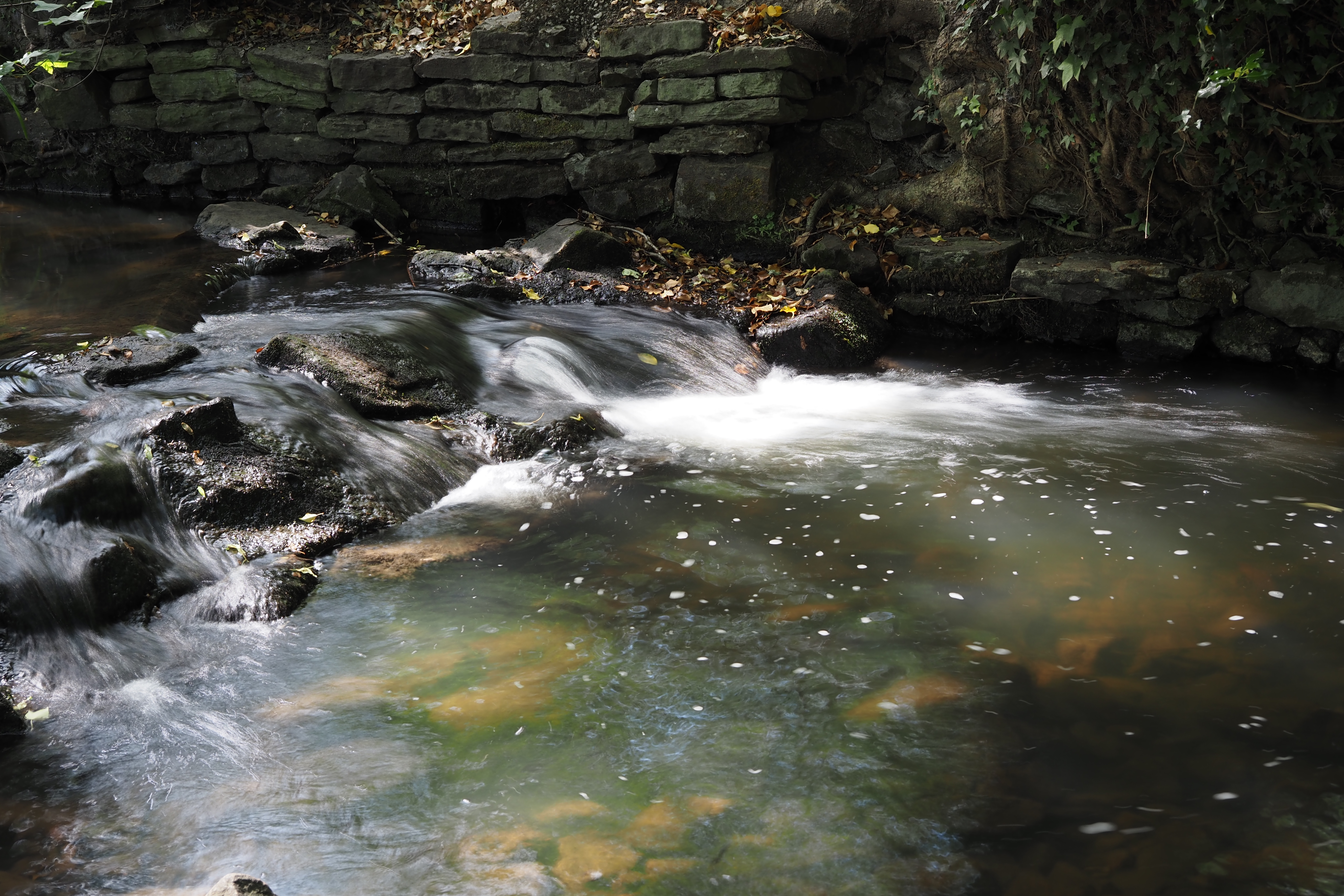
With the new CP button (computational photography) on the top plate, you have access to settings that are usually hidden deep in the camera menu. It offers a selection of features especially useful for travel photography: 50MP High-res mode, Live ND (1-4EV, up to ND16), Focus stacking, HDR and multi-exposure right at your fingertips. This not only makes switching between features quicker but also helps you carry less equipment as you travel. The Live ND filter is supported by 5-axis in-body image stabilisation, so you can shoot artfully blurred long exposures of flowing water without the need for a tripod or external ND filters.
It also inherits features from the Olympus OM-D E-M1 Mark III / OM System OM-1, including Starry Sky AF (for astrophotography) and improves on the OM System OM-5‘s low light shooting capabilities with a new “Night Vision” and Live Time and Live Bulb, which allow you to watch long exposures build up in real time on the screen. You can also capture 4K video, along with support for vertical video recording to use for Instagram reels or TikTok.
Its 20MP sensor includes on-chip phase detection that provides 121 focus points spread across the entire image area. You get 30 frames per second with the electronic shutter, a decently large viewfinder, and a fully articulated screen. The camera also produces very attractive JPEG images, with well-judged exposure and white balance that complements the firm’s signature punchy colour reproduction. A truly versatile travel companion that
Read our full review of the OM System OM-5 II
Best full-frame
Best full-frame camera for travel: Nikon Z5II
Amateur Photographer verdict
A great spec sheet and very little to dislike, plus a tempting price point makes the Z5 II a fantastic all-rounder for a variety of different photographers.- Fantastic value
- Fully articulating touch screen
- Gorgeous full-frame images
- Superb subject detection modes
- No top plate LCD
- 4K 60p crop
| Specifications | Nikon Z5 II |
|---|---|
| Sensor | 24.3MP full-frame CMOS |
| ISO | 100-64000 |
| Burst | 15fps raw, 30fps JPEG only |
| Viewfinder | 0.5-inch, 3690k-dot OLED viewfinder, 0.8x |
| Screen | 3.2in, 2.1M-dot vari-angle LCD touchscreen |
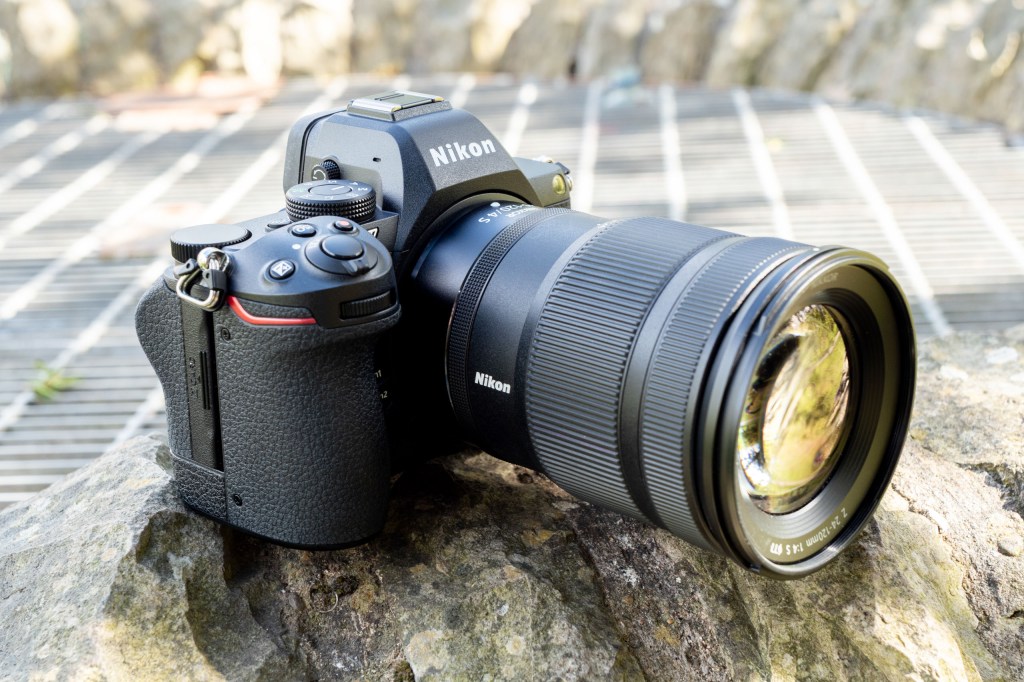
If you really can’t do without full frame, mirrorless models are ideal for travel, as they’re smaller and lighter than their DSLR counterparts. It’s also possible to get all-in-one superzoom lenses for them that deliver very creditable results. I’ve chosen the Nikon Z5 II, as it’s available in a kit with the firm’s Z Nikkor 24-200mm f/4-6.3 VR for a decent discount over buying the two separately.
The Z5II addresses several shortcomings of the Z5 by adding an un-cropped 4K 30p video option and a new, fully articulating and brighter touchscreen, which helps you to get down to street level and shoot in a bright sunny location.
One key area where the Z5 shines is its comprehensive subject recognition modes with people, animal, bird and vehicle, the latter including cars, motorbikes, trains, and planes. This is supported by generous 15fps burst shooting in raw and 30fps in JPEG, and to top it off, 3D tracking and pre-release capture. A perfect all-rounder that can handle a variety of subjects.
Its 24MP sensor resolves just as much detail in good light, and with the new Expeed 7 processor and extended ISO range boosting low-light performance. The body may be small, but it has plenty of external controls, along with a dependable battery that can easily last a full day. Dual SD card slots offer the option of backing up your images for peace of mind, while in-body IS means you can often do without a tripod. A range of fine fast primes is also available for low-light shooting.
Read our full review of the Nikon Z5 II

Best travel cameras: specs compared
| Specifications | Fujifilm X-E5 | OM System Tough TG-7 | Fujifilm X100VI | Panasonic Lumix ZS99 / TZ99 | Leica D-Lux 8 | Ricoh GR IV | GoPro Hero 13 Black | Sony RX100 VIIA | Panasonic Lumix FZ80D / FZ82D | DJI Osmo Pocket 4 | OM System OM-5 II | Nikon Z5 II |
|---|---|---|---|---|---|---|---|---|---|---|---|---|
| Score |
★★★★★
|
★★★★★
|
★★★★★
|
★★★★★
|
★★★★★
|
★★★★★
|
★★★★★
|
★★★★★
|
★★★★★
|
★★★★★
|
★★★★★
|
★★★★★
|
| Sensor | 40.2MP APS-C X-Trans sensor | 12MP 1/2.33inch BSI CMOS | 40MP X-Trans CMOS 5 | 20.3MP 1/2.3-inch MOS | 17MP Four Thirds multi aspect-ratio | 25.87MP APS-C CMOS | 27MP 1/1.9-inch CMOS | 20MP 1-inch CMOS | 18.1MP 1/2.3-inch MOS | 37MP 1-inch CMOS | 20.4MP Four Thirds CMOS | 24.3MP full-frame CMOS |
| ISO | 125-12,800 (standard) | 100-12,800 | 125-12,800 (standard) | 80-6400 | 100-25,000 (standard) | 100-204,800 | 100-6400 | 100-12,800 (standard) | 80-3200 (standard) | 50-12,800 | 200-6400 (standard) | 100-64,000 (standard) |
| Burst | 13fps | 20fps | 11fps | 10fps | 11fps | 4fps | n/a | 20fps | 10fps | n/a | 30fps | 30fps |
| Video | 6.2K 30p | 4K 30p | 6K 30p | 4K 30p | 4K 30p | Full HD 60p | 5.3K 120p | 4K 25p | 4K 30p | 4K 240p | 4K 30p | 4K 60p |
| Viewfinder | 2.36m-dot, 0.62x viewfinder | None | Hybrid optical/electronic; 0.52x OVF, 3.69m-dot, 0.66x OLED EVF | None | 2.36m-dot, 0.74x OLED | None | None | Pop-up electronic | 0.39-inch OLED LVF | None | 2.36m-dot EVF | 0.5-inch, 3.69m-dot OLED EVF |
| Screen | 3in, 1.04m-dot tilting touchscreen | 3in, 1.04m-dot | 3in, 1.62m-dot tilting touchscreen | 3in, 1.84m-dot touchscreen | 3in, 1.84m-dot touchscreen | 3in, 1.04m-dot touchscreen | 2.27in rear touchscreen; 1.4in front screen | 3in, 921k-dot tilting touchscreen | 3in, 1.84m-dot touchscreen | 2-inch rotating | 3inch, 1.04m-dot vari-angle touchscreen | 3.2in, 2.1m-dot vari-angle touchscreen |
| Stabilisation | In-body image stabilisation (7 stops) | In-body image stabilisation (CMOS shift, up to 2.5 stops) | In-body image stabilisation (6 stops) | 5-axis HYBRID optical image stabilisation | Lens-based optical stabilisation | In-body image stabilisation | GoPro Hypersmooth | Digital stabilisation (4 stops) | Optical image stabilisation | 3-axis gimbal | In-body image stabilisation with 5-axis sync (up to 7.5 stops) | In-body image stabilisation (7.5 stops) |
How to choose the best camera for travel
So, what features might be most desirable for a travel camera? Small size and light weight are a given, and we’ve assumed that most users will prefer using a zoom lens, quite probably with an extended range. This could be complemented by a couple of small primes, for shooting in low light or going out in the evening. It might also make sense to add an ultra-wide-angle zoom for architecture, landscapes or interiors.
As such, where we’ve picked an interchangeable lens camera, we’ve also provided a lens recommendation, generally one that you can buy bundled with the camera. The fixed-lens compact cameras we’ve picked generally have generous zoom ranges, with the exception of the Fujifilm X100VI, which is loved by travelling street photographers for its super-sharp 35mm prime. This is one we’d recommend for city breaks rather than countryside hikes.
In general, the cameras we’ve chosen in this guide also include fully manual control, a built-in viewfinder and raw format image recording. In order to attain a certain level of image quality, most also use sensors of the 1-inch type or larger. The exceptions are the Olympus Tough TG-7 and Panasonic Lumix TZ99/ZS99, which we have chosen for what they offer in such a small package.
Frequently asked questions (FAQ)
A good travel camera will offer you much more shooting versatility than simply relying on your smartphone. The majority of cameras have larger and higher quality sensors than phones, meaning they produce cleaner and sharper images, particularly in low light, that will stand up better to cropping and printing. Many travel cameras also allow you to use powerful optical zoom lenses, whether through having one attached or via an interchangeable lens mount.
It depends on where you’re travelling and what you like to shoot. A phone is best if you’re travelling light and want something pocketable. A dedicated camera will significantly improve your image quality, particularly in low light or at a distance, and is the best choice if you are serious about improving your travel photography. A GoPro, or similar action camera, is great for capturing POV footage, particularly of daredevil stunts and extreme sports like windsurfing, mountain biking or rock climbing.
How we test travel cameras
We test travel cameras from the perspective of real-world photography and video performance. That means we take them out on the road – using them in a wide range of everyday travel situations – to see how well they help you blend in, move easily, and shoot intuitively. A great travel camera should be versatile enough to handle landscapes, portraits, and video with confidence.
We explore every shooting mode a camera offers, assessing not only image and video performance but also how easy it is to use while travelling – whether that’s around in a city, countryside, or taking them on a longer trip abroad. We test cameras in diverse lighting, including low-light environments where many models can struggle. We evaluate how each camera performs in genuine travel scenarios. For example, we’ve tested cameras like the Fujifilm X-E5 on the sun-drenched streets of Valencia, as well as along the more temperate docks of London – capturing a variety of scenes and lighting conditions.
We also assess specialist modes such as portrait and AI-assisted shooting, while paying attention to practical aspects like battery life, screen quality, and overall build. We then take all these factors into account, along with such things as portability and lens systems, when giving our final conclusion and score. You’ll find the full breakdown of how each camera has performed in our full reviews.
Recent updates
- May 2026: Added the DJI Osmo Pocket 4 as the best travel camera for vlogging, replacing the Fujifilm X-S20. Added a comparison table for easy side-by-side specs comparison.
- February 2026: Links checked, and text updated for clarity to highlight each key features of each camera more clearly. GoPro Hero13 Black updated to include the option of the DJI Osmo Action 6 as an alternative.
- January 2026: Nikon D5600 removed as the best DSLR for travel, as the team have decided we no longer need to recommend DSLRs to most people. Ricoh GR IV entry updated to mention the new Ricoh GR IV Monochrome, a specialised (and expensive) B&W-only alternative.
- November 2025: Nikon Z5 replaced by the latest Nikon Z5 II as the best full-frame mirrorless for travel. Specifications tables updated with viewfinder information.
- October 2025: Prices updated. The Olympus OM-5 has been replaced with the OM System OM-5 Mark II as the best weather-sealed travel camera, since it offers more features. ‘How we test travel cameras’ section has been updated and expanded to add clarity and additional information.
- September 2025: Prices updated. Ricoh GR IV has been added as the best travel compact with an ND filter.
- August 2025: Fujifilm X-E5 added as best travel camera overall.
Take a look at our latest buying guides for more great options.
Related content:
- The DSLR is dead, long live the compact
- Flying with camera kit: how to do it
- Do travel photography like a street photographer
- How to take great travel photos with a smartphone
Follow AP on Facebook, Instagram, YouTube and TikTok.