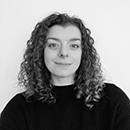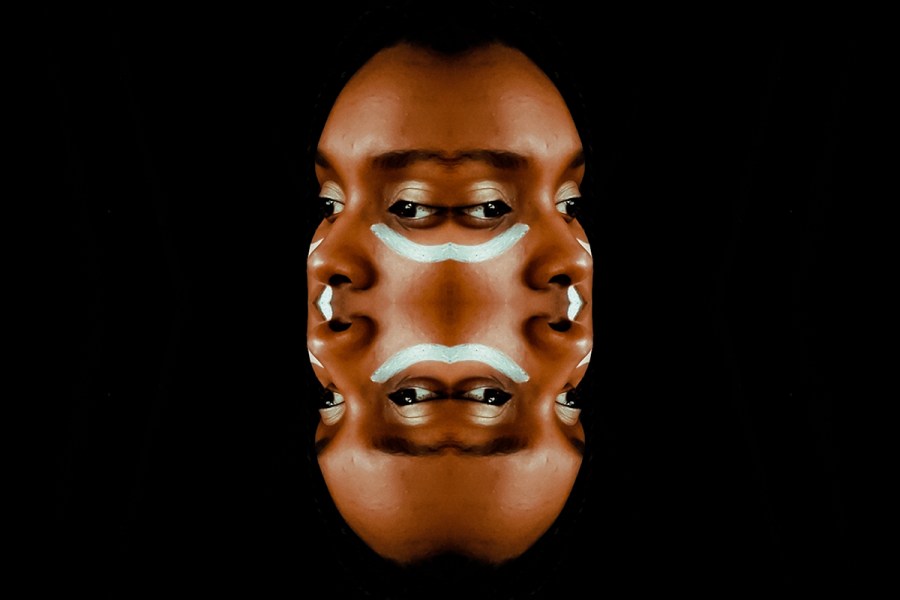
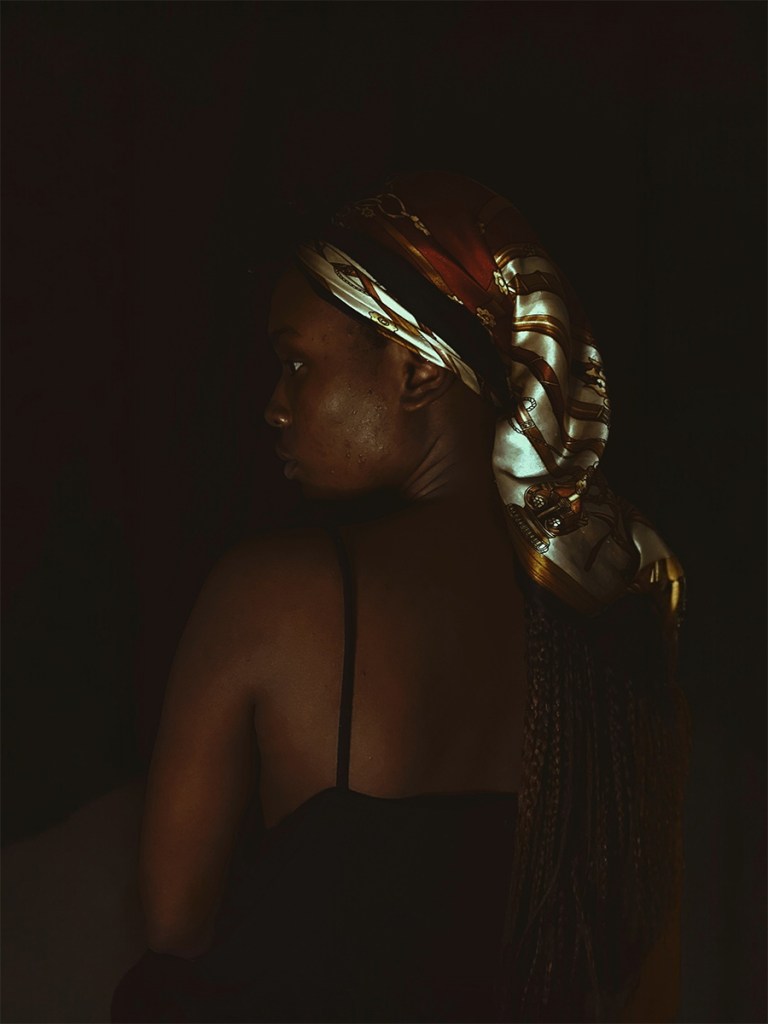
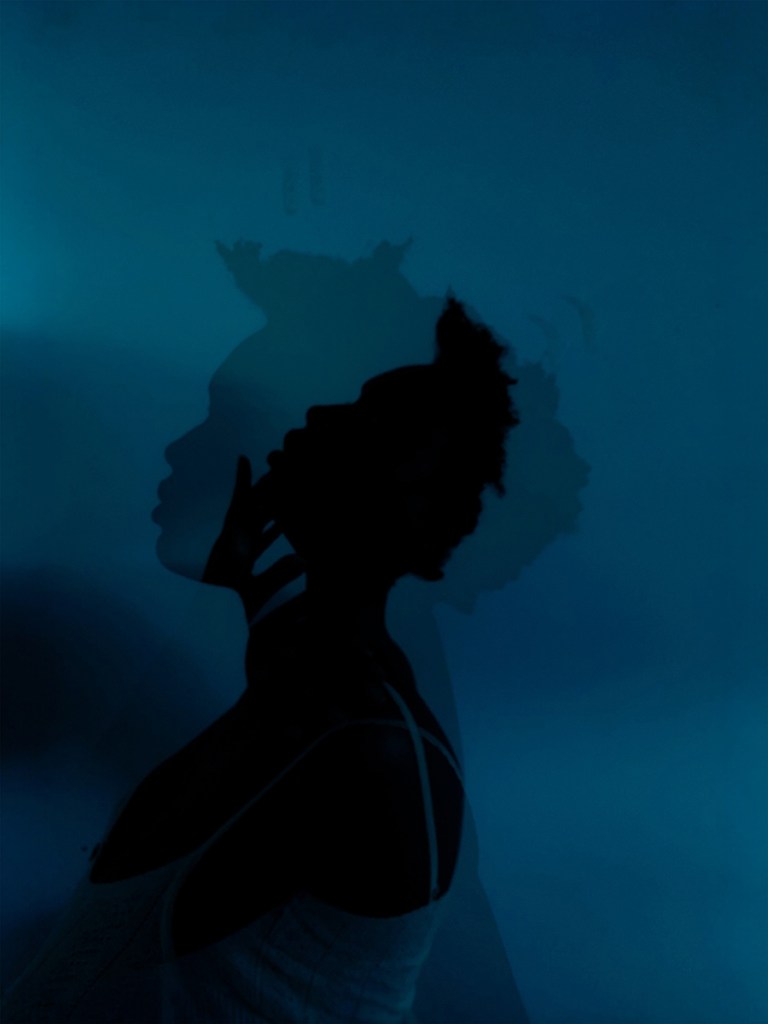
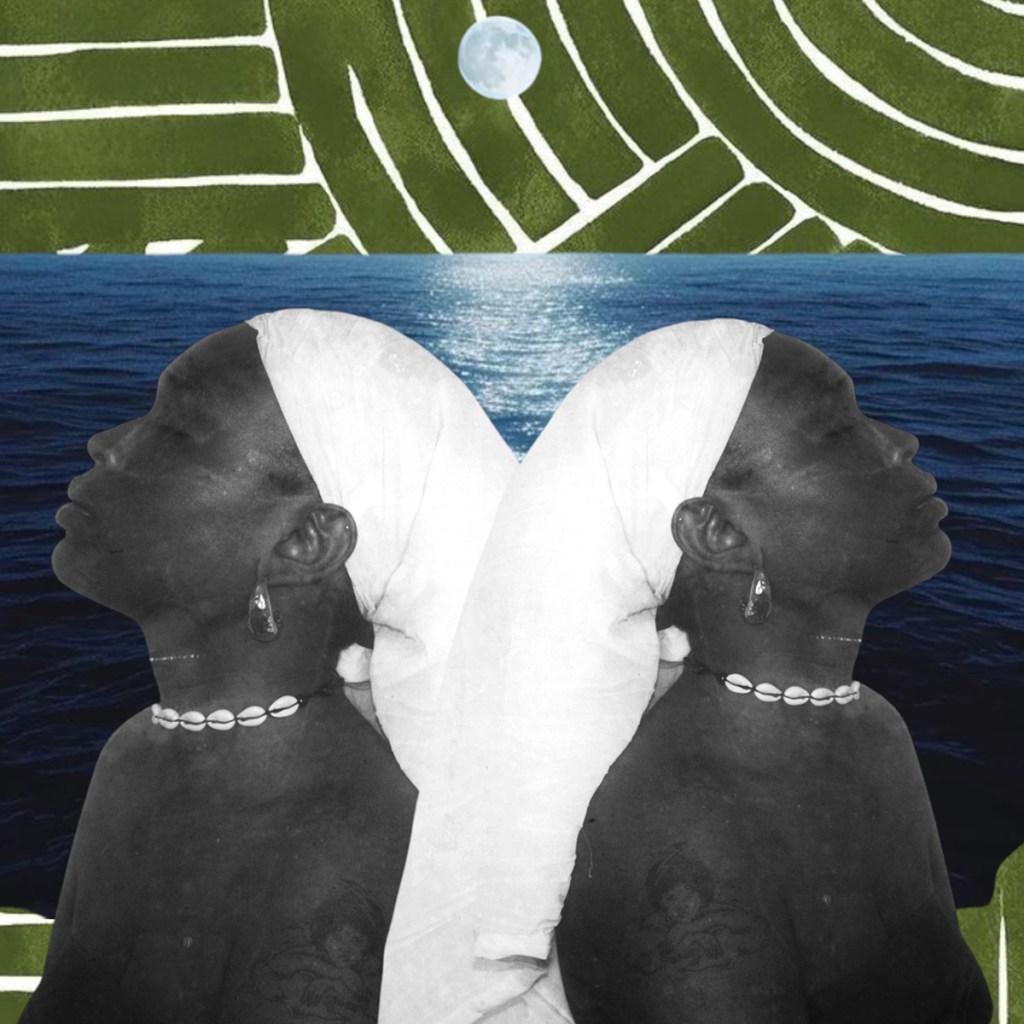
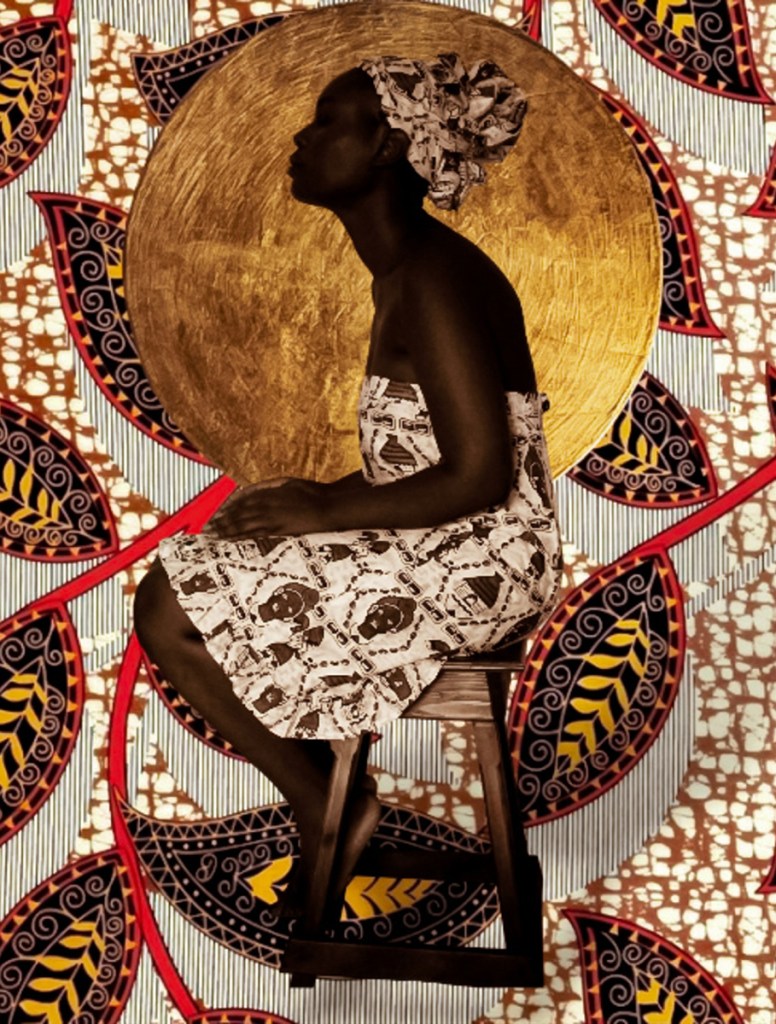
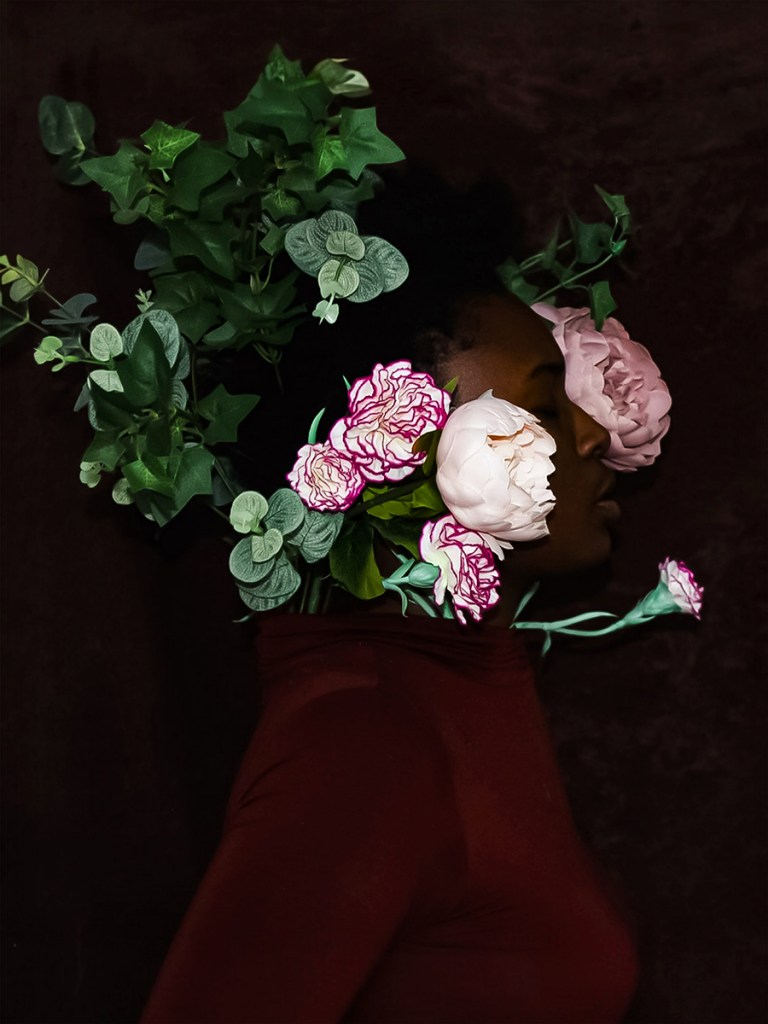
Caroline Lacoma has an interest in self-portraiture which led to her first body of work “The Un-Making Of A Woman.” A series of self-portraits taken between 2020 and 2025 documenting becoming, transformation and (de-)construction. The project explores how time, space, and cultural context shape identity. Starting from personal experience, the work has developed to extend outward and asks viewers to reflect on their own journeys. Caroline tells me more and shares her inspirations…
Our emerging photographer series aims to shed a light on up-and-coming talent. Photographers are offered a platform to share their work with a wider audience through the AP channels, with the scope of furthering their careers. We also get an insight into their inspirations, the camera gear used and future aspirations, as well as the journey taken into photography – which doesn’t have to be the most traditional route!
We’ll be sharing the work of photographers on our website and social media and even in the magazine. If you have recently started your photography journey or are a student / graduate, share your work with us at [email protected]
When and why did you start taking photographs?
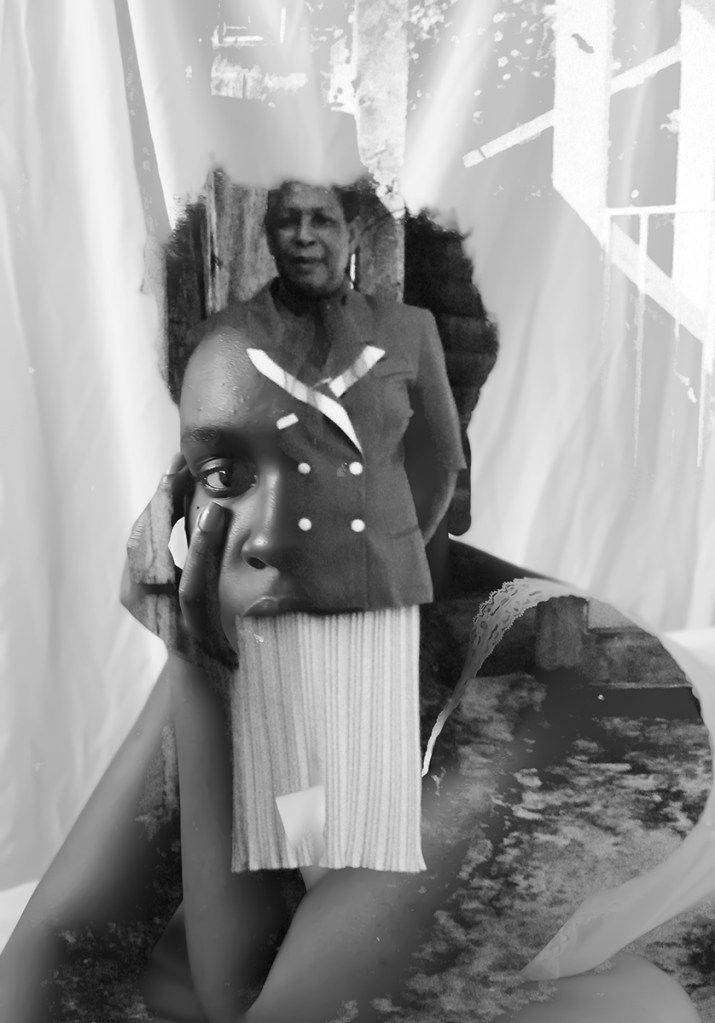
I started taking photographs at the age of 17, I was really into films and cinema and my high school had opened up a cinema course as an elective. For the first time, I realised the impact of visual storytelling and how exciting it felt to create and use it as a form of expression and communication.Though, I loved scriptwriting, and moving images (and still very much do!), I found something thrilling with still images. For the first time, I felt like only my gaze mattered,that I was free to show and interpret the world around me. Later, in my practice the gaze turned inward documenting inner processes and psychological landscapes.
Which genre do you tend to work mostly in?
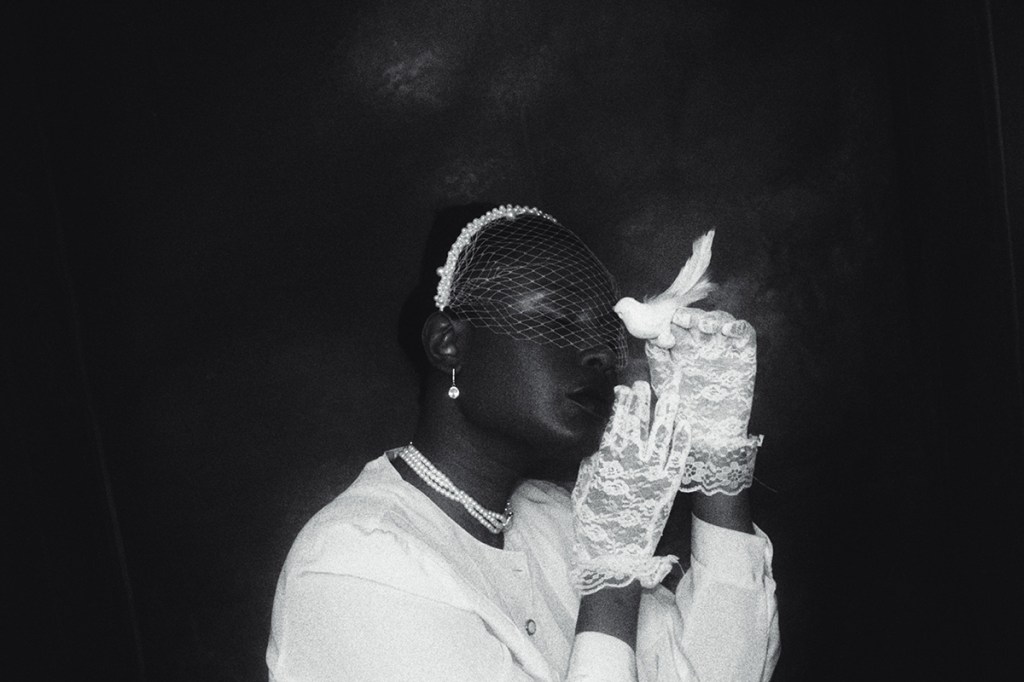
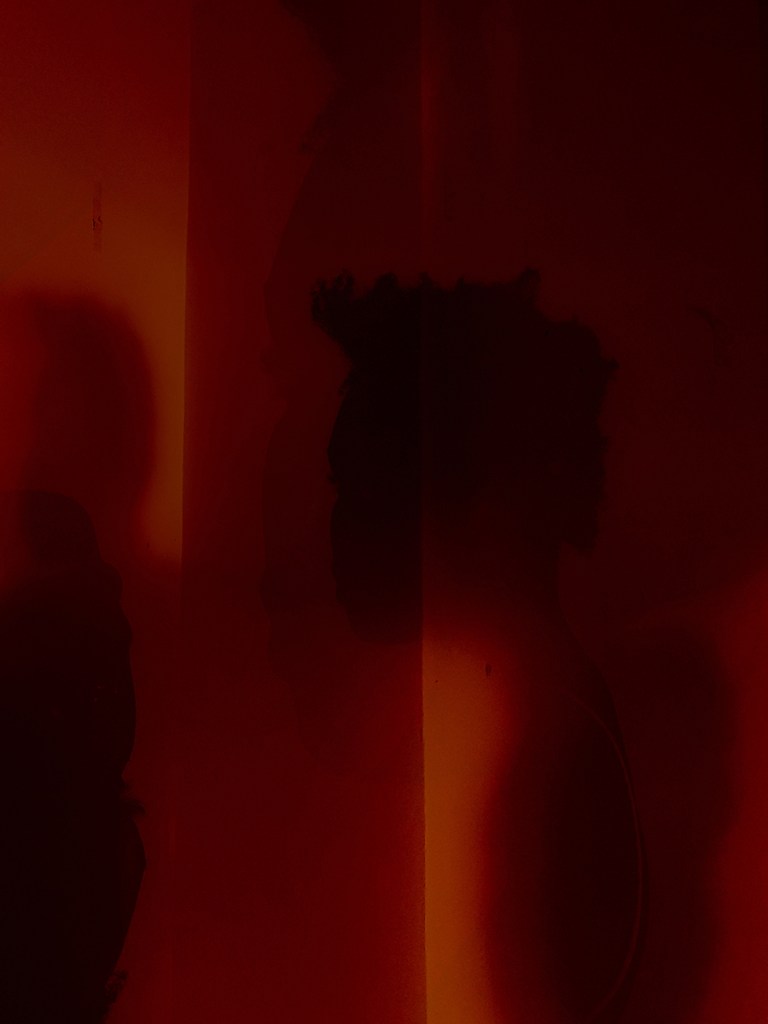
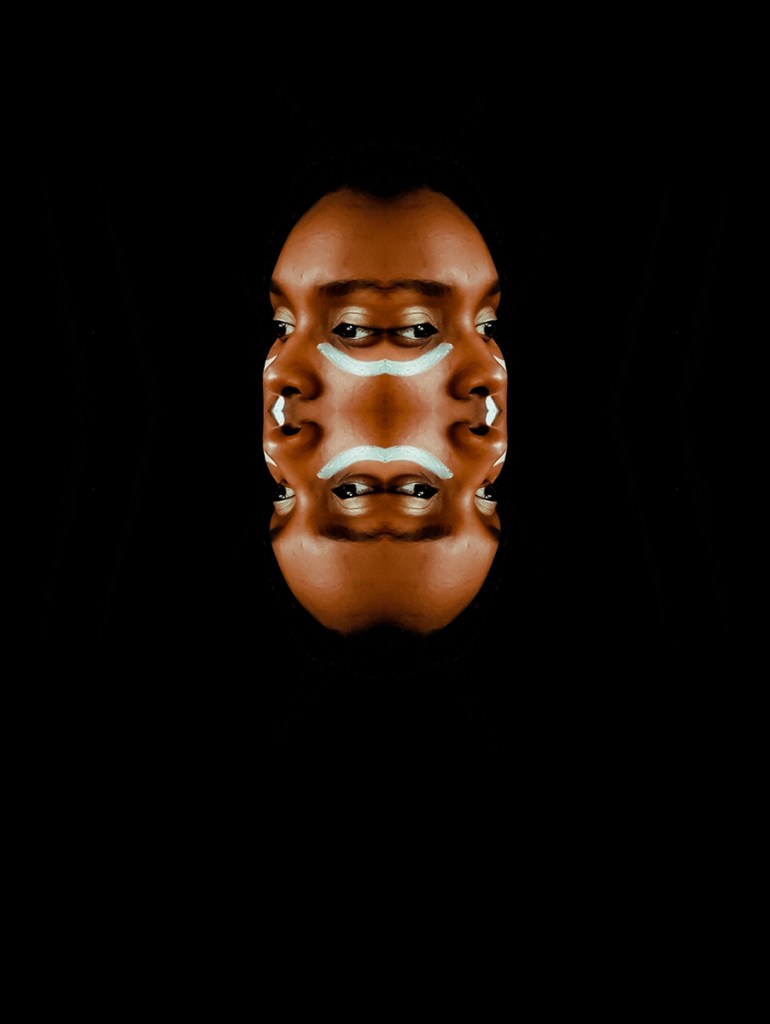
My work moves across genres but remains rooted in self-portraiture. I use it as a conceptual framework rather than a fixed style. I often draw from literary ideas, particularly auto-fiction, as a way of self-mythologising; reworking lived experience into constructed narratives. The image becomes a site where identity is both documented and reimagined.
What draws you towards your favoured genre?
I keep being drawn to self-portraiture because I see it as a privilege to have a space to look at myself honestly and critically. I regard self-portraiture as a portal to self-knowledge and ultimately agency. I use it as a means to access what would otherwise feel inaccessible to me, my subconscious, my inner world. I want to see it so I understand myself and the way I absorb the world. What keeps me committed to this genre is the idea that each time, a self-portrait reveals something new, strange, even uncomfortable. Through this process, I come closer to self-possession and self-liberation.
Tell us a little bit more about your photographic training (if any)?
I have been self-taught ever since I have had my first camera, however about a year ago, I have felt the desire to be in an institutional environment where art is centred and where I have the time, space and resources to explore my ideas, develop bodies of work, and gain critical and valuable insight. Therefore, in November 2025 I applied to the Masters of Photography at the Royal College of Arts and got accepted.
I am really excited to start this course, I felt like the RCA was the ideal environment to grow my practice and deepen my relationship to the medium whilst opening up myself to a well-connected and supportive environment. I really got convinced to apply after visiting their Open Day in October. We were able to visit the facilities and the students’ studios, imagining myself there became easier and almost natural.
Tell us more about your project?
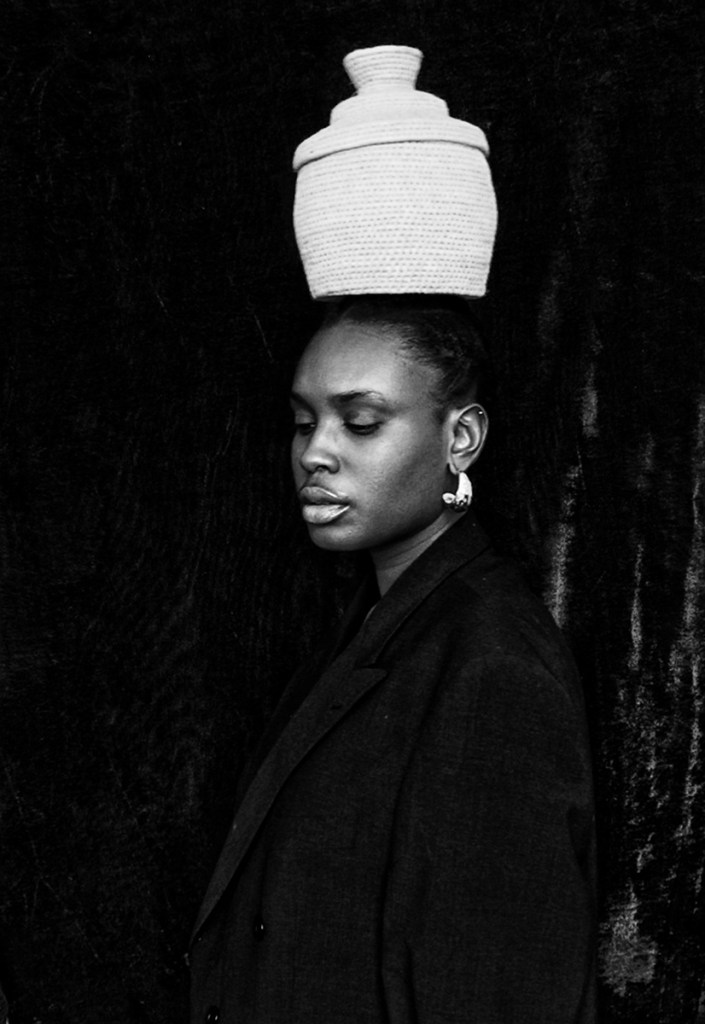
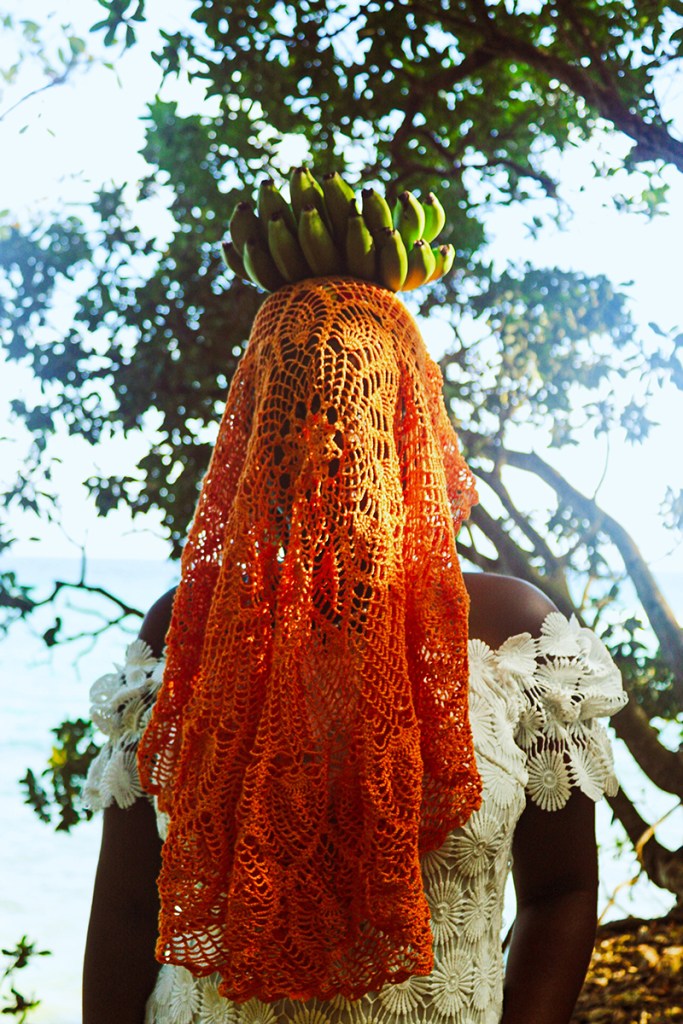
In August 2025, I presented my first solo exhibition, The Un-Making Of A Woman, a series of 13 self-portraits and one short film made between 2020 and 2025. The work began with a simple but persistent question: what makes a person, and what un-makes them?
Over time, it evolved into an exploration of how time, space, and cultural context shape identity. While the work begins from personal experience, it extends outward, asking viewers to reflect on their own processes of formation and rupture.
The exhibition took place at Pulse and Pickle (CIC) in Walthamstow and was developed in collaboration with photographer Zohreh Mohammadhosseinpour and curator Kimia Pezeshki. We chose to display the work on tables rather than walls, creating a more intimate, non-monumental viewing experience.
Alongside the images, I included handwritten letters. They were not explanations of the work, but extensions of it, an attempt to build a quieter, more direct relationship between image and viewer.
What kind of reaction has it had?
From the feedback I received, the viewers felt the work deeply and it resonated with them. Image-making to me is deeply relational and is about encounter. It seems that the viewers felt this intention and felt met by the photographs. I received personal messages from people telling me parts of their personal stories after attending the exhibition, to me this the highest form of validation, that my art makes space for connection.
What has been your biggest photographic obstacle to date?
One of the main challenges has been navigating internalised ideas around visibility and worth. As my practice has developed, I’ve had to actively unlearn the idea that external attention, particularly on social media, is an indicator of artistic value. Platforms like Instagram often create a false sense of immediacy, where visibility can feel interchangeable with significance.
I’ve had to separate those two things in order to protect the integrity of my practice. That shift has been ongoing, but it has allowed me to relate to my work more slowly and more honestly.
Who are your biggest influences?
I am deeply inspired by photographers Carrie Mae Weems, Ming Smith, Lorna Simpson and Deana Lawson. Solange and Michaela Coel are also deeply inspiring to me in the way they are navigating and self-authoring their artistic journeys.
What equipment do you use?
I am deeply loyal to Canon, and I have been using quite an old model, Canon Rebel T6 (Canon EOS 1300D). I enjoy working with older models where the images aren’t as crisp and defined, I feel like it allows me to create work that feels more atmospheric than assumed.
What would be your dream equipment to work with?
I would love to experiment with different lenses, I am thinking of the Canon EF 50mm f/1.8 STM for instance.
What has been the highlight of your photography career so far?
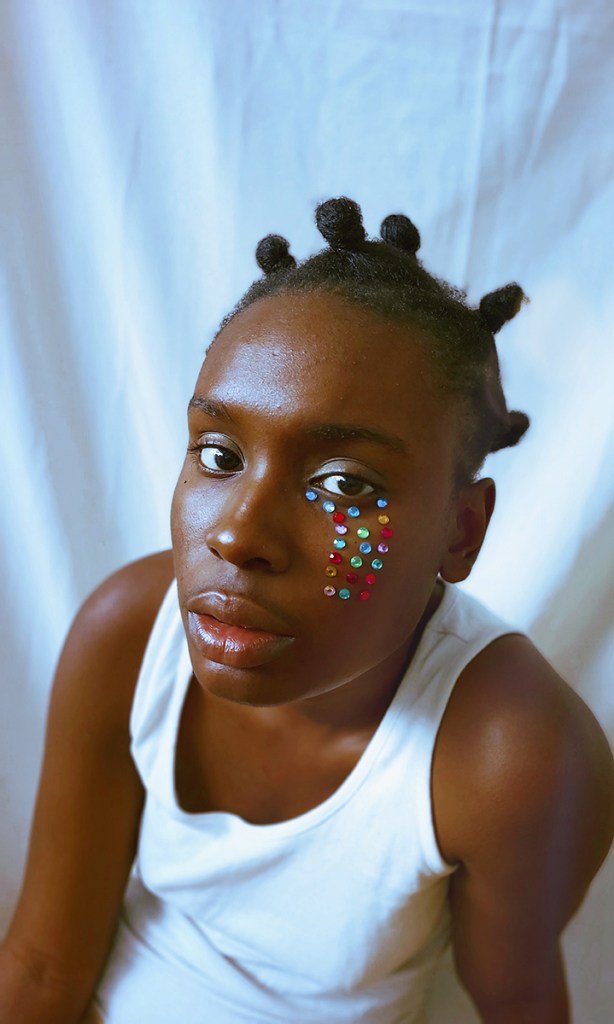
I have had many great opportunities over the last year, however I felt very privileged and proud when I got selected by GUP Magazine as part of FRESH EYES 2026 which selects 100 emerging photographers every year. It was powerful to see my work alongside other talented photographers. It feels like my work is in conversation with the changing landscape of photography, it is very exciting.
What are your hopes for your photography career in the future?
I truly hope to remain grounded in my practice, to continue committing to art-making, to remain honest in the work that I do. I believe that when your practice is aligned, and honest your work arrives where it is meant to, so I hope that I continue trusting my voice. More specifically, I would love to continue developing bodies of work which explore rupture, freedom, internal process and identity.
Do you have a dream assignment?
Music is a significant part of my creative process, in fact a lot of my ideas emerge from songs I listen to, I would really love to collaborate with a musical artist I admire, for example Lianne La Havas, Celeste or Little Simz and shoot their portraits for an album or an EP.
What piece of advice would you give to other aspiring photographers?
Stay close to yourself when you create, stay in relation with your images. You are your first audience. Art-making is relational. An image feels more powerful when it is more personal, I would also say to not be afraid of complexity and contradiction; allow your images to unsettle, to upset, to not be resolved.
Instagram: @seetheartist_97
Website: www.carolinelacoma.com
Success stories
At the 2026 AP Awards, Nick Teo was announced as our Emerging Talent winner for this documentary-fashion work. Previous emerging photographer award winners include Ethan Parker, Aliz Kovacs-Zoldi and Tariq Sadu. Si Jubb and Ethan Parker recently spoke at our Festival of Photography: Documentary event.
More reading:
- I’ve photographed celebs and found you don’t have to be extroverted to take amazing portrait photos
- 60 Years in Britain: this award-winning photographer reveals a rarely-seen side to British culture
- I guarantee these beautiful dog photos will really brighten up your day
- Award winning photos share beautifully intimate moments of pregnancy and motherhood
Follow AP on Facebook, Instagram, YouTube and TikTok.