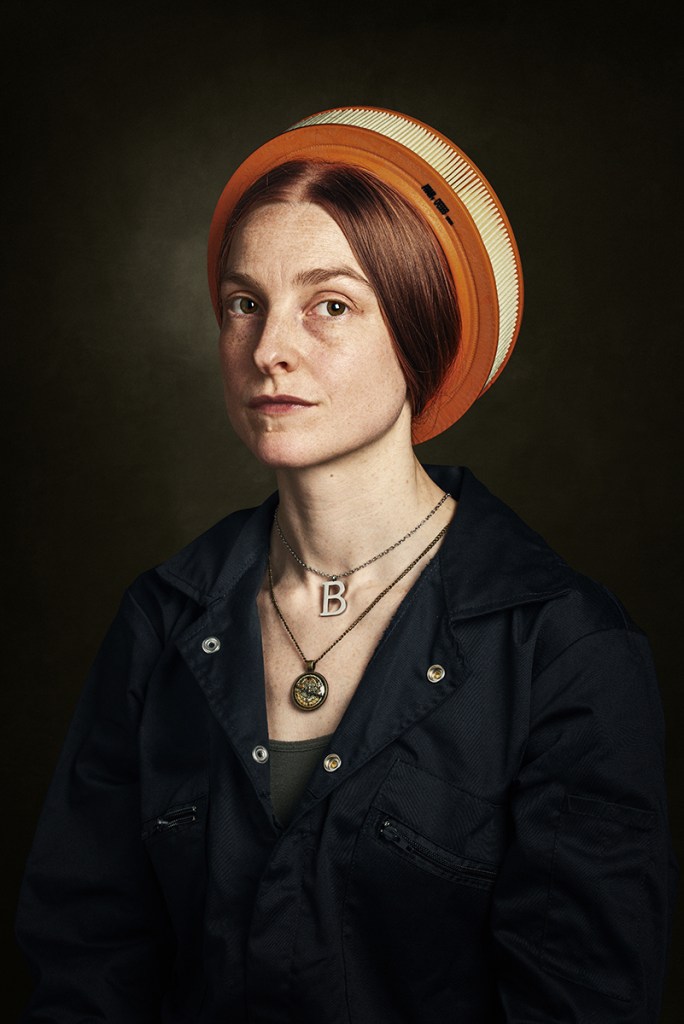
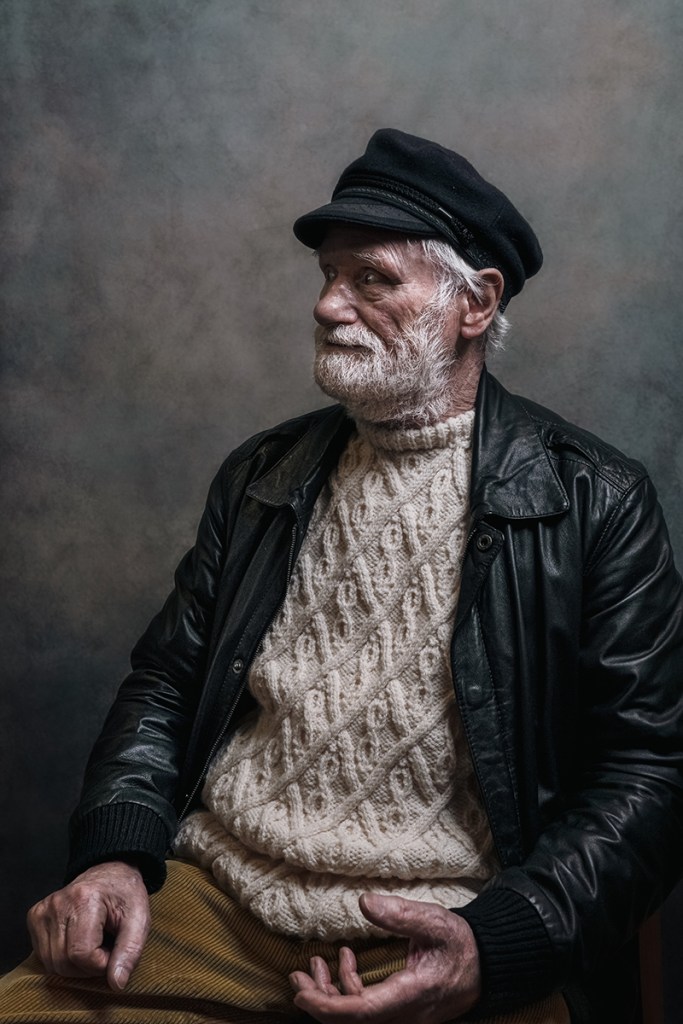
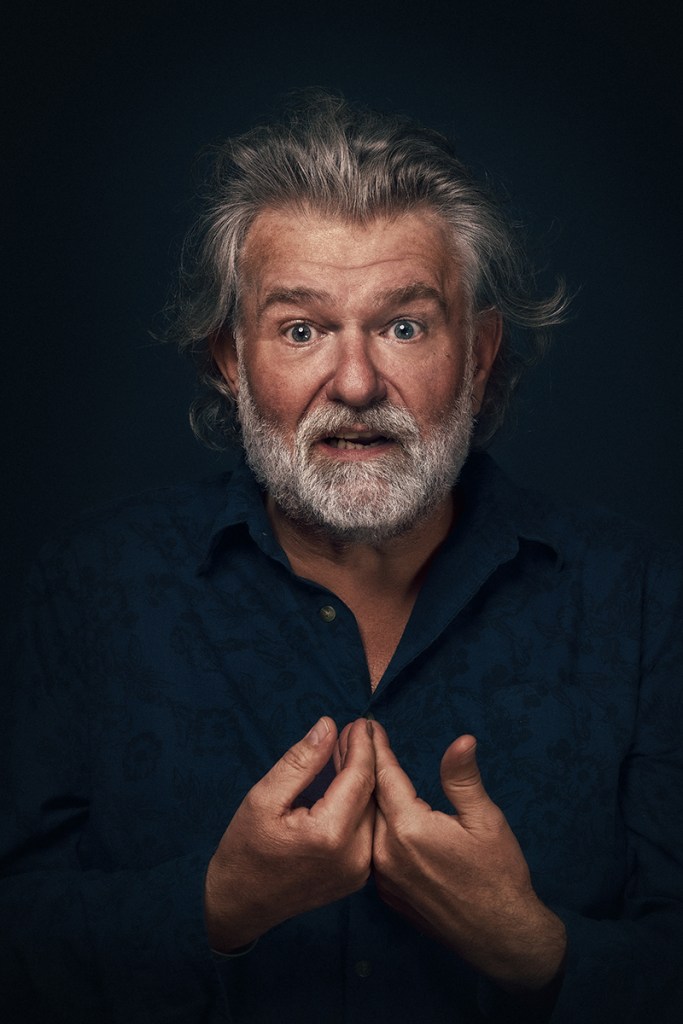
Having started photography later in life, Neil Ferry chose to study an undergraduate course at Newcastle College to help develop his skills and progress further. His cinematic and painterly portraits, created with simple lighting and careful direction, share meaningful and intimate connections with people.
Our emerging photographer series aims to shed a light on up-and-coming talent. Photographers are offered a platform to share their work with a wider audience through the AP channels, with the scope of furthering their careers. We also get an insight into their inspirations, the camera gear used and future aspirations, as well as the journey taken into photography – which doesn’t have to be the most traditional route!
We’ll be sharing the work of photographers on our website and social media and even in the magazine. If you have recently started your photography journey or are a student / graduate, share your work with us at [email protected]
When and why did you start taking photographs?
I started taking photographs around 2017 when I bought a camera for a family holiday. I really enjoyed the process and continued photographing after I returned home, experimenting with different genres including street photography, local landmarks and macro photography. After a couple of years I decided to study photography at university as a mature student, and things became much more serious for me from there.
Which genre do you tend to work mostly in?
I mainly work in portraiture, although I also produce some documentary style work through the blog section of my website.
What draws you towards your favoured genre?
I think it’s the study of people. I’m quite introverted by nature and have often found social interaction awkward, which probably isn’t the most obvious trait for a portrait photographer. At the same time though, I’m a huge people watcher. I’ll often see someone and instantly think they would look incredible in a portrait.
What I enjoy most is taking everyday people, especially those who may not feel comfortable in front of the camera, and creating something cinematic or painterly using simple lighting and careful direction. I often photograph people I already know, which helps, but when I’m working with someone for the first time I usually arrange a phone call beforehand to explain what I’m trying to achieve. I think my enthusiasm for photography helps people relax and trust the process.
Tell us a little bit more about your photographic training.
I completed a three year BA (Hons) degree in Photography at Newcastle College. It was a very practical and vocational course, which suited me well. We covered studio portraiture, location lighting, business planning, Photoshop skills and the history of photography.
Newcastle College has an incredibly passionate team of tutors and I learned a huge amount from all of them, particularly my main tutor Alan Thoburn, who helped me understand photography from an artistic perspective rather than purely a technical one. He’s a wonderful photographer and greatly influenced by people like Chris Killip, Martin Parr and William Eggleston, which is reflected in his long term personal projects. Even though I graduated over three years ago, we still keep in touch regularly.
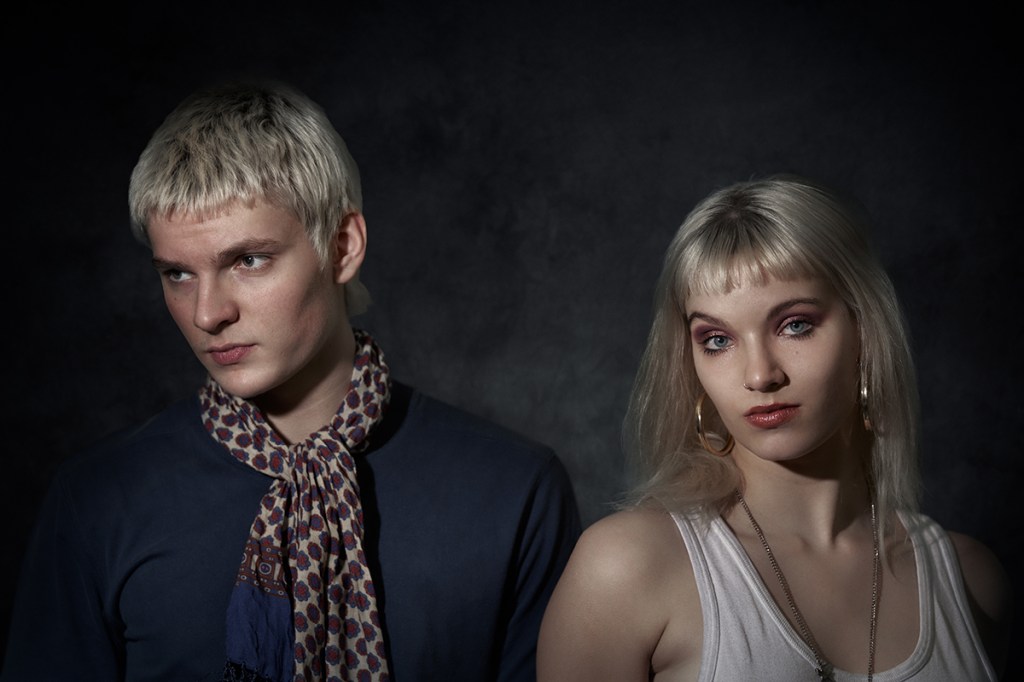
Tell us more about your project/exhibition/recent work.
I’ve been working on a long term project called The Ties That Bind, which explores immediate and extended family relationships and the connections that hold them together.
Alongside that, I often work on smaller portrait based projects. One of the reasons I enjoy portraiture so much is the immediacy of it. You can create something meaningful within a very short space of time.
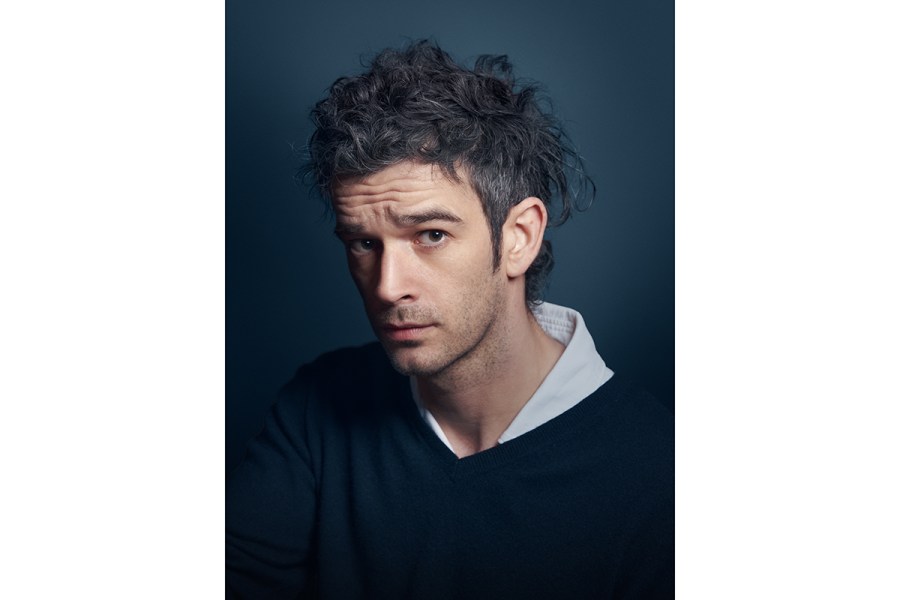
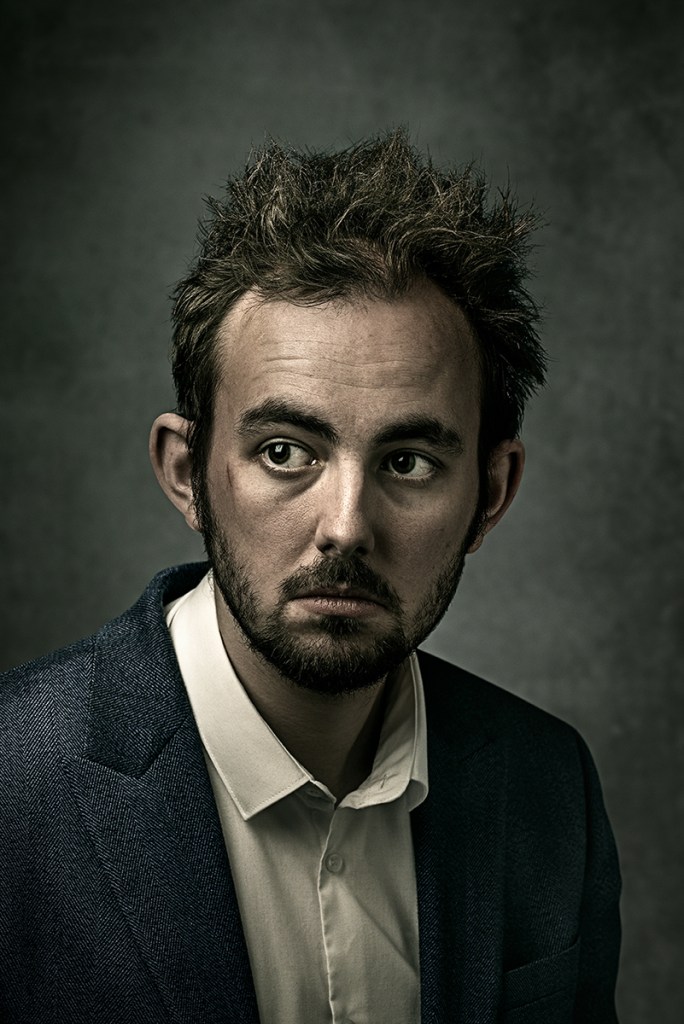
A recent example came through a friend who owns a record store. He knows how much I enjoy photographing musicians and creative people with strong character and personality. A couple of months ago he told me that Matty Healy from The 1975 had been rehearsing nearby. I introduced myself, showed him some of my work and explained that I’d love to create a portrait that fitted in with my existing portfolio.
He was extremely busy but kindly agreed to return after rehearsals and give me a couple of minutes. That’s where preparation becomes important. I set up my backdrop and lighting in advance, using my friend as a stand in model to fine tune everything. When Matty returned an hour later, I was able to create the portrait I wanted in under two minutes.
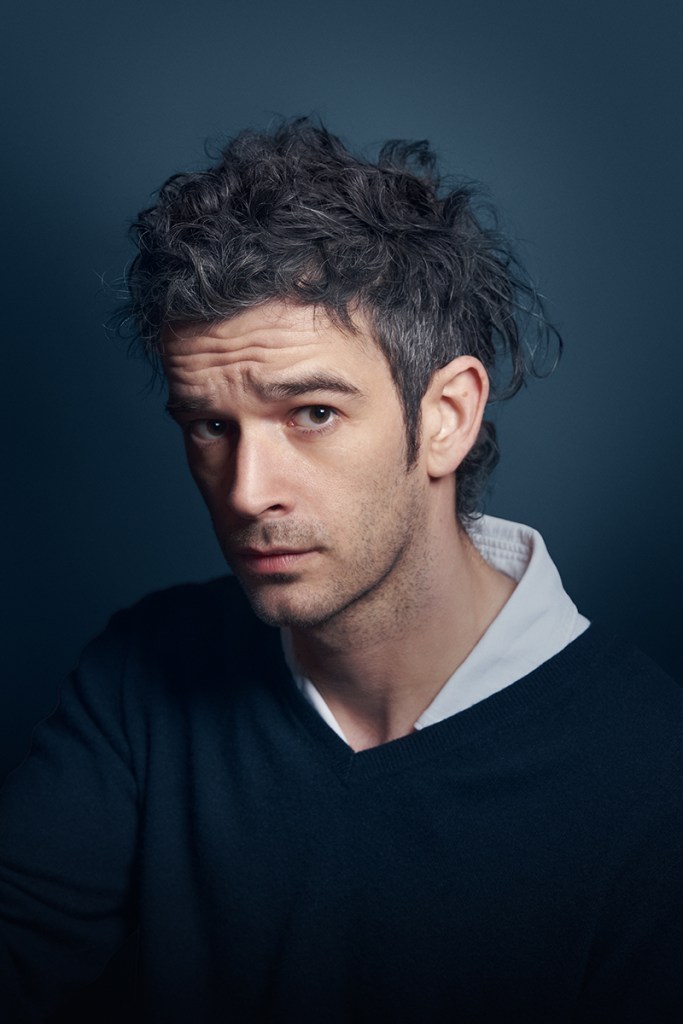
What kind of reaction has it had?
The response on social media has been incredibly positive and it has received by far the biggest reaction of any portrait I’ve taken so far. More importantly though, it’s become an important part of my portfolio and hopefully something that will lead to future opportunities.
What has been your biggest photographic obstacle to date?
Probably myself. I think many photographers constantly compare themselves to others and question whether their work is good enough. I’ve definitely struggled with that at times, particularly starting photography later in life.
Over time though, I’ve realised that the most important thing is to focus on your own work, your own voice and the things you can actually control, rather than worrying too much about everything else.
Who are your biggest influences?
Dan Winters has probably influenced me more than any other photographer. His book Road to Seeing is an excellent read for aspiring photographers.
I’m inspired by lots of different photographers though, including Irwin Olaf, Tim Walker, Richard Avedon, Matt Black, W. Eugene Smith, Josef Koudelka, Cindy Sherman, Alex Prager, Neil Leifer and Bruce Davidson, among many others.
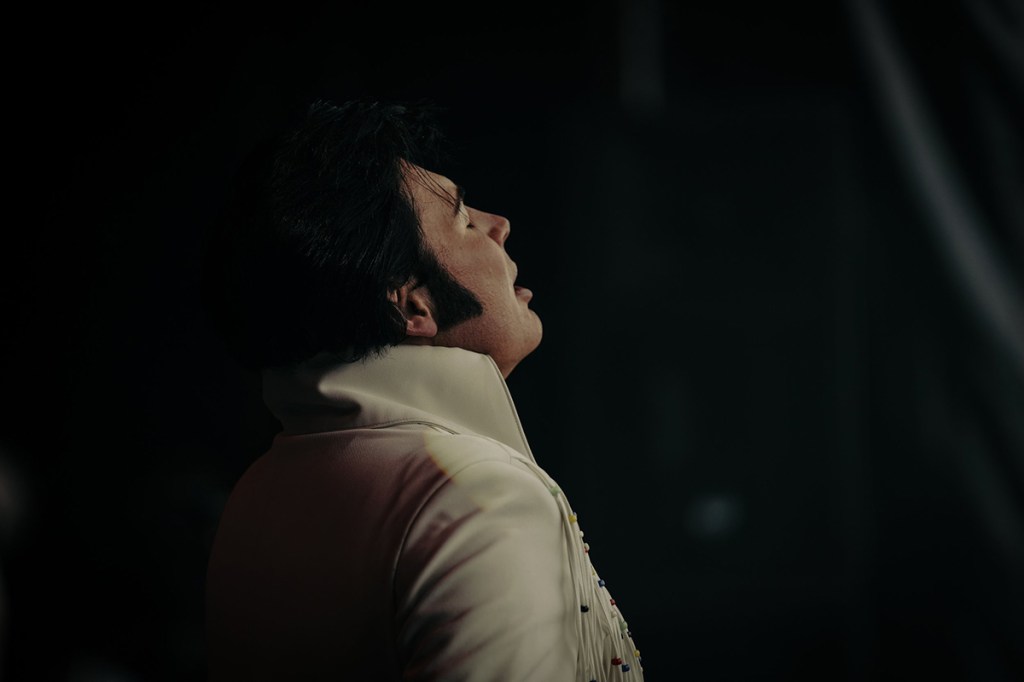
What equipment do you use?
I mainly use two Sony A7 III bodies, usually paired with a Tamron 24-70mm f/2.8 and a Sony 70-200mm G Master. For lighting I use a Godox AD400 Pro alongside a couple of AD200 units.
For documentary style work I also use a Panasonic Lumix S9 with a Sigma 45mm f/2.8. It’s a very different experience as there’s no viewfinder or hot shoe, which changes the way I shoot. I really enjoy using the built in LUTs and often work in JPEG to keep both file sizes and editing to a minimum.
What would be your dream equipment to work with?
I’d love to work with the Sony RX1R III. I enjoy using compact cameras and would like to shoot more natural light portraiture without carrying large amounts of equipment, while still having the flexibility of using on camera flash when needed.
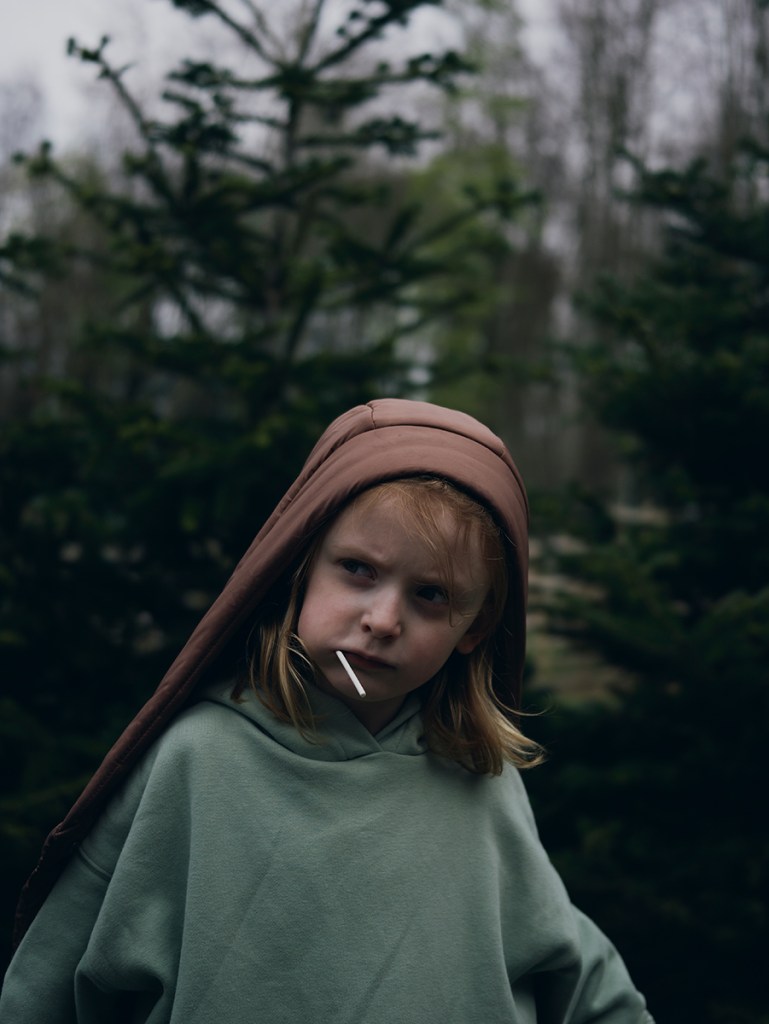
What has been the highlight of your photography career so far?
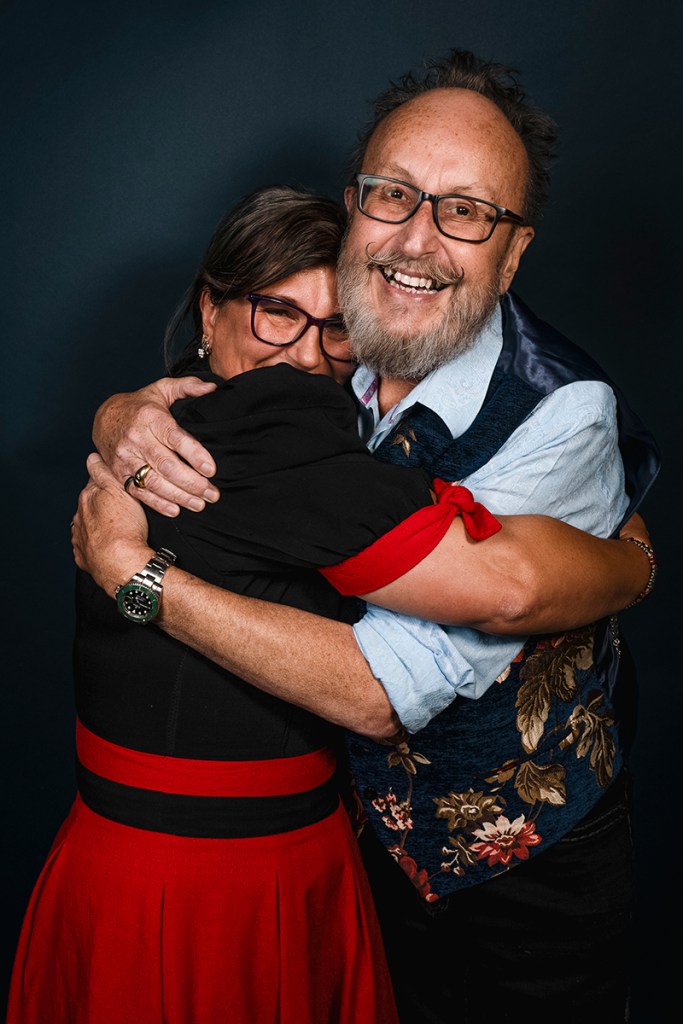
Photographing the Hairy Bikers Coming Home for Christmas special in 2023 was definitely a highlight.
What are your hopes for your photography career in the future?
I really enjoy working with creative people, so I’d love to move further into unit stills photography for television or film, or perhaps document a tour with a band I admire.
One of my favourite photobooks is Yorgos Lanthimos’ Dear God, the Parthenon is Still Broken, which documents life on the set of Poor Things. I love the atmosphere and creativity of working around strong lighting, set design and performance.
I’m also a huge admirer of Lee Jeffries’ work documenting Metallica and their fans. I’d love to create something similar around a band with a passionate fanbase such as Depeche Mode.
Do you have a dream assignment?
I’d love the opportunity to be commissioned by a magazine such as Rolling Stone to document the making of an album, rehearsals or a tour. Working with one of my favourite bands, such as A-ha, would be incredible.
What piece of advice would you give to other aspiring photographers?
- Keep persevering and keep taking photographs, but most importantly do it for yourself.
- If someone asks you to work for free, or for “experience”, think carefully about what you’re gaining creatively and professionally. Sometimes the right opportunity can genuinely help build your portfolio and lead to future work. Your photographs are valuable. Even if you allow someone to use them, they still become part of your portfolio and can open doors to other opportunities.
- Photography can be difficult emotionally because creatives naturally struggle with rejection, but you have to keep going, keep learning and keep pushing yourself forward.
Instagram: @neilferryphoto
Website: www.neilferryphoto.com
Success stories
At the 2026 AP Awards, Nick Teo was announced as our Emerging Talent winner for this documentary-fashion work. Previous emerging photographer award winners include Ethan Parker, Aliz Kovacs-Zoldi and Tariq Sadu. Si Jubb and Ethan Parker recently spoke at our Festival of Photography: Documentary event.
More reading:
- 60 Years in Britain: this award-winning photographer reveals a rarely-seen side to British culture
- I guarantee these beautiful dog photos will really brighten up your day
- Award winning photos share beautifully intimate moments of pregnancy and motherhood
- Getting outside with a camera is the best thing for your mental health
Follow AP on Facebook, Instagram, YouTube and TikTok.