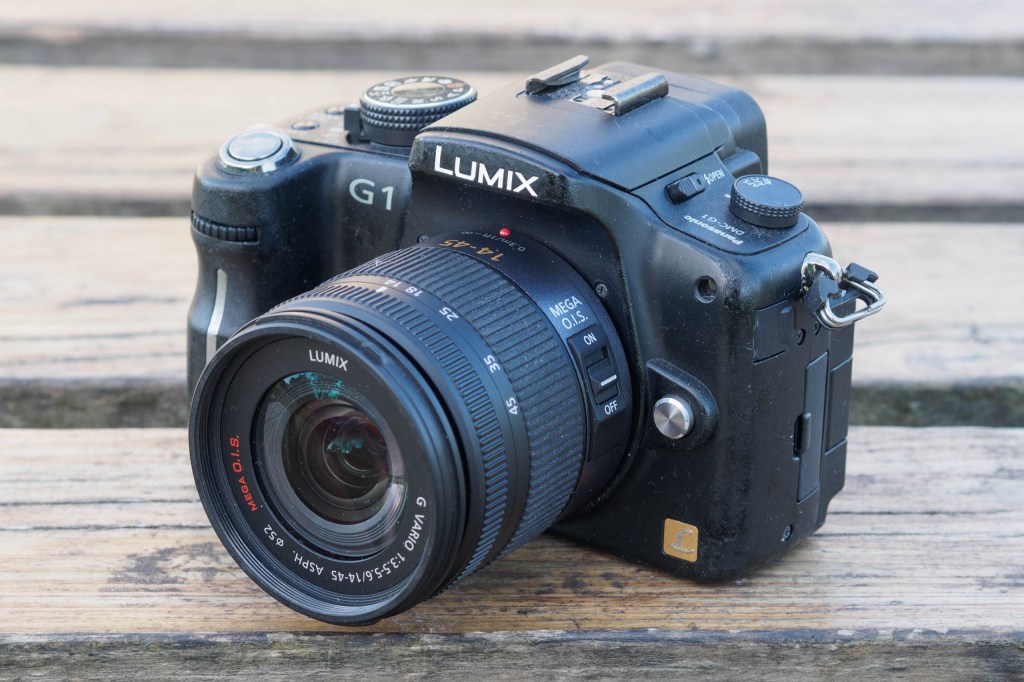
For years at the start of the ‘noughties’, it was the most-discussed topic on online photography forums. Camera makers were producing fixed-lens models with LCD screens and electronic viewfinders, so why couldn’t they do the same thing but with interchangeable lenses? It would be like making a DSLR, just without a mirror. A mirrorless camera. And in 2008, Panasonic changed everything by doing exactly that.
Not that you’d know it, just by looking at the Lumix G1. Despite being a genuine milestone in camera history, it looked utterly nondescript, and almost identical to the firm’s L10 DSLR. It had the same prominent handgrip, central viewfinder housing, and fully articulated rear screen. It didn’t even record video – we’d have to wait another six months for that, with the Lumix GH1. Rarely has the revolution looked so ordinary.
After that, though, it took a while for mirrorless to take off. Olympus turned heads in 2009 with its gorgeous retro-styled PEN E-P1, while the first APS-C mirrorless was the otherwise unremarkable Samsung NX10 at the start of 2010. Then Sony – desperately looking for a way to break Canon and Nikon’s dominance of the camera market – entered the fray.
Blind alleys
Sony’s first mirrorless models, the NEX-3 and NEX-5, really did look different when they appeared together in May 2010. Both squeezed an APS-C sensor into a tiny body with no viewfinder and a tilting rear screen. This popularised a new concept for mirrorless, of being small, simple cameras for people who didn’t want to buy large, bulky DSLRs. It was clearly an enticing idea for the manufacturers, and for the next few years, a great many cameras tried to do exactly the same thing.
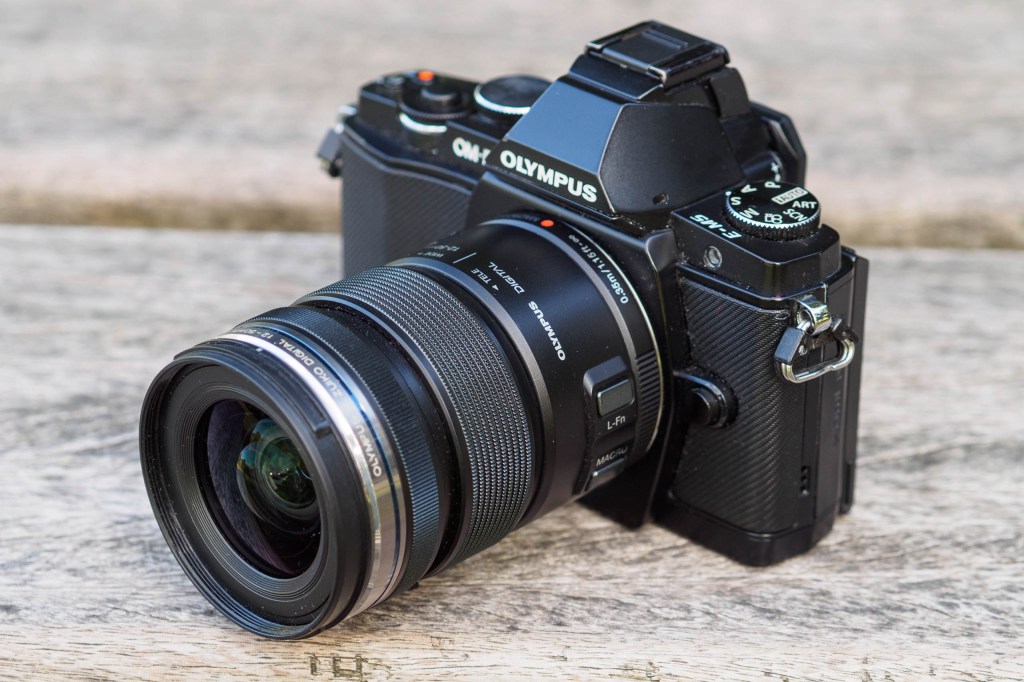
Ultimately this turned out to be a blind alley, but it created and destroyed entire systems along the way. Pentax Q, Nikon 1, and Canon EOS M all arrived, flickered briefly with varying degrees of brightness, and then died. Even in early 2012, though, cameras like the rangefinder-style Fujifilm X-Pro1 and the cute, but surprisingly capable Olympus OM-D E-M5 showed that mirrorless cameras could genuinely be serious tools.
Full-frame appears
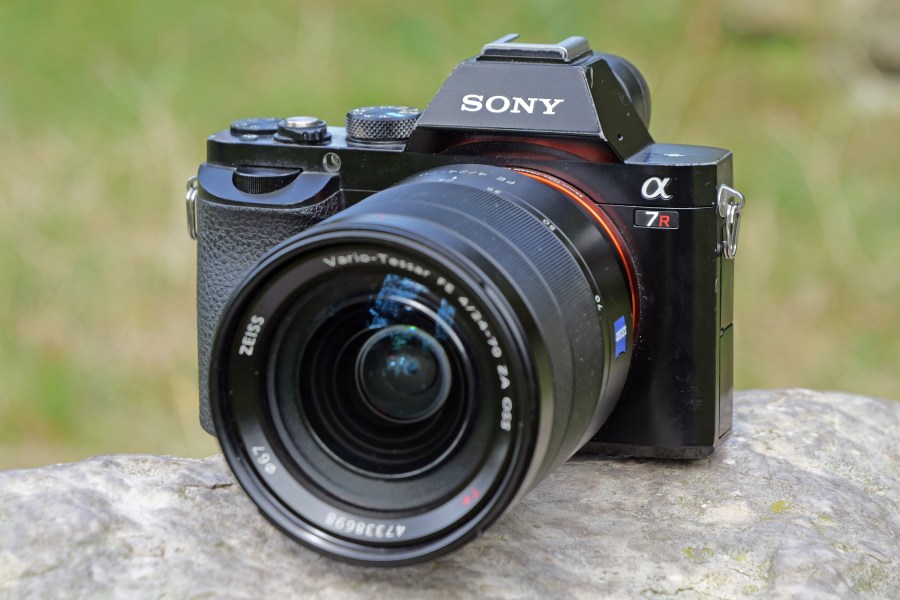
The second great milestone in the history of mirrorless was Sony’s launch of its first full-frame models in 2013. The A7 and A7R twins also introduced another popular, and highly successful idea of placing different sensors into the same body design – in this case 24MP for most users, and 36MP for those who demanded the highest possible resolution. The cameras were much smaller and lighter than DSLRs which meant that, despite a multitude of flaws, they sold extremely well.
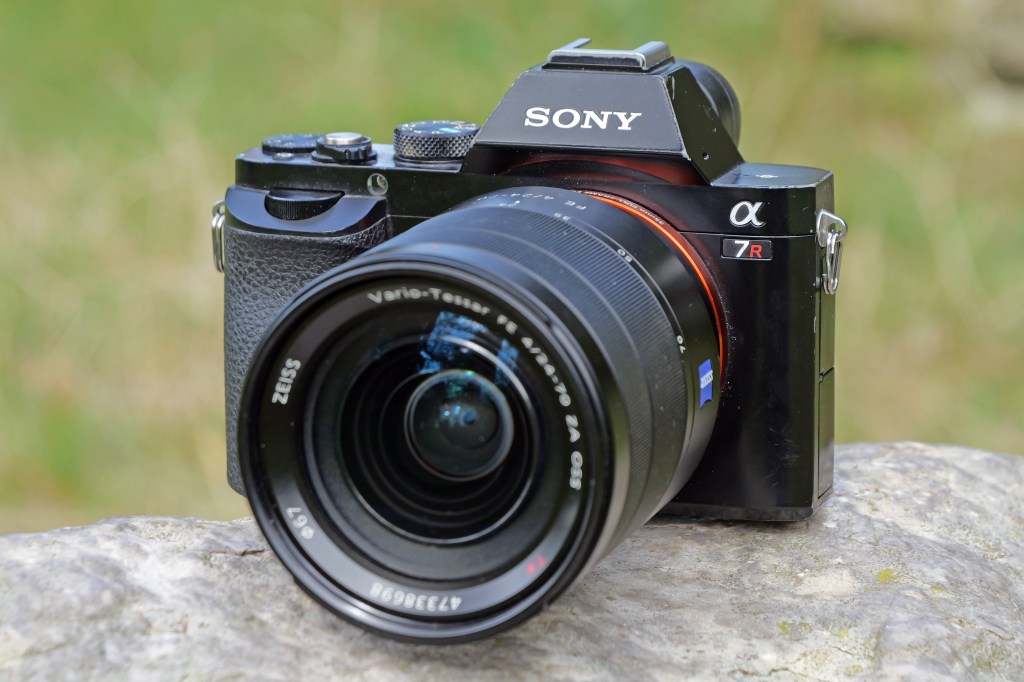
For a while, Sony had the full-frame mirrorless sector all to itself and built up a significant technological lead. Leica introduced its SL system a couple of years later, but its high price meant it was always destined to be a niche player. So it’s no great surprise that the third great mirrorless milestone was also a Sony camera.
Beating the DSLR
In the middle of 2017, Sony introduced the first mirrorless camera with a stacked CMOS sensor and blackout-free viewfinder. Behind that techno-jargon, though, lay serious user benefits. Because it meant that the Sony A9 was the first mirrorless camera that clearly outperformed the best professional DSLRs.
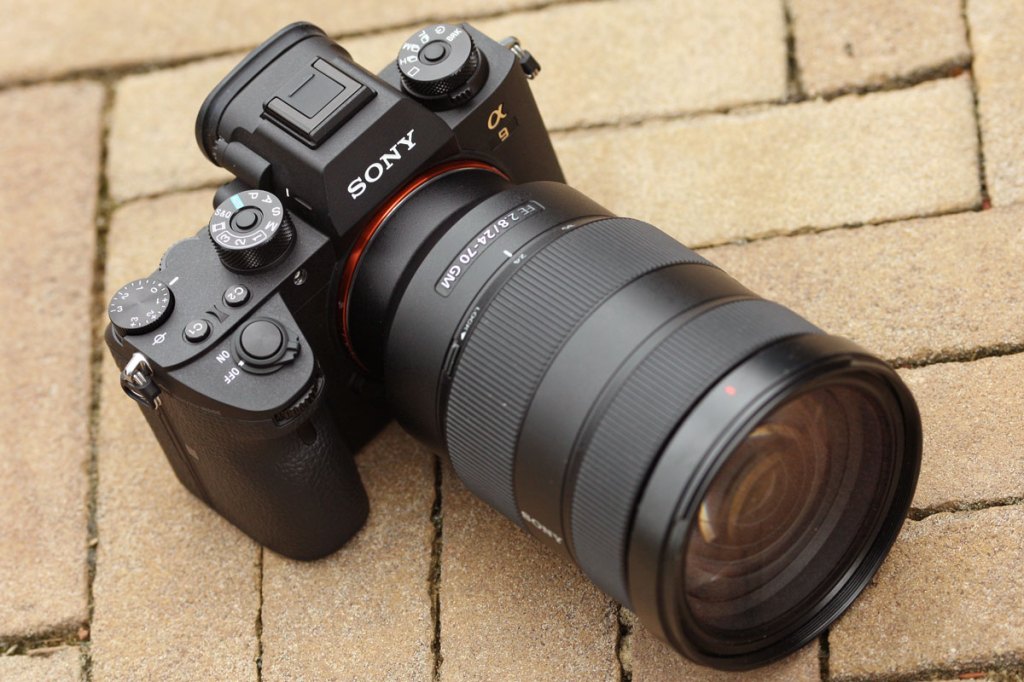
The A9 could shoot 24MP images at a startlingly quick 20 frames per second, all while tracking focus on fast, erratic subjects no matter where they moved in the frame. Photographers could see exactly what the subject was doing while they were shooting, and the silent electronic shutter allowed them to take photos much more discreetly. DSLRs, with their flapping mirrors and centrally clustered AF points, no longer had any chance of competing with this kind of technology.
Going mainstream
In 2018, almost exactly 10 years after the first appearance of the Lumix G1, full-frame mirrorless went mainstream. Nikon introduced its Z system and a couple of weeks later, Canon launched the EOS R. Shortly after that, Sigma and Panasonic teamed up with Leica to form the L-Mount Alliance. Suddenly, almost all the main players had a finger in the full-frame pie.
New technologies, particularly in the area of autofocus, pushed the advantages over DSLRs even further. Sony increasingly refined its human face and body detection, while developing sophisticated subject tracking. But the next big tech advance first appeared elsewhere, with the Olympus OM-D E-M1X debuting an intelligent recognition system for trains, cars and aircraft at the start of 2019.
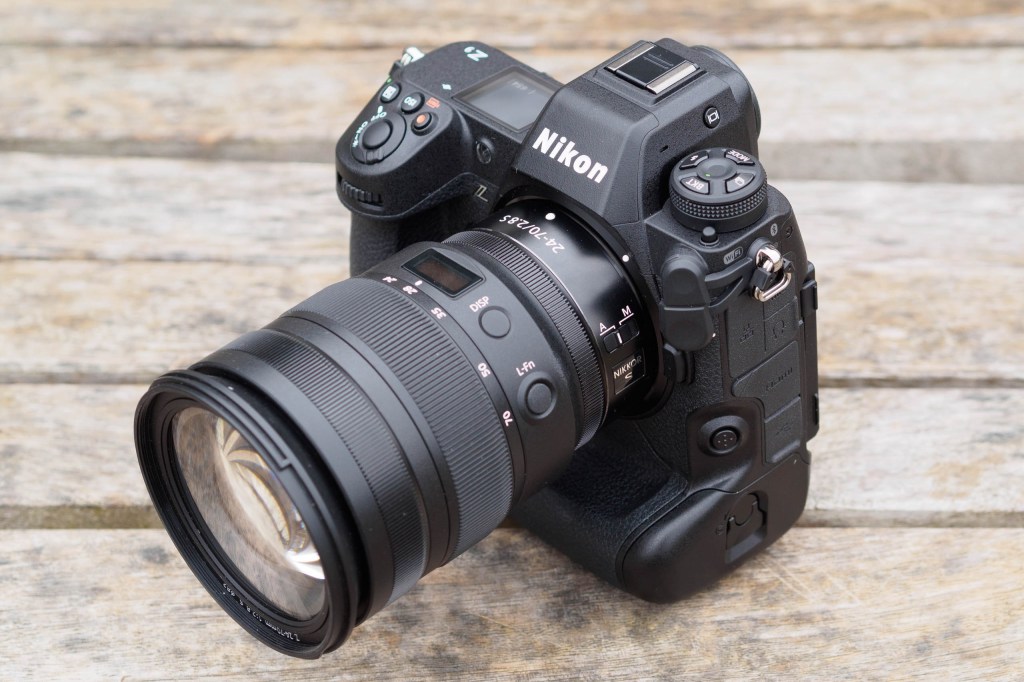
Canon and Nikon kept on developing DSLRs for a few more years, while trying to bring their own mirrorless cameras up to Sony’s standards. But when Canon introduced the EOS R3 in 2021, and Nikon the Z9 six months later, it was apparent that the writing was on the wall. In particular, the Z9 was clearly the very best camera Nikon knew how to make – and it was mirrorless.
Medium format magic
It’s not all about full-frame, of course. If you want the very best image quality, you need to go larger. Technically, the world’s first medium-format mirrorless camera was the Hasselblad X1D, but arguably, the first that actually worked was the Fujifilm GFX 50S – both from 2016. However, the real milestone, where medium-format mirrorless clearly surpassed full-frame image quality while matching its practicality, was the Fujifilm GFX 100 of 2019.
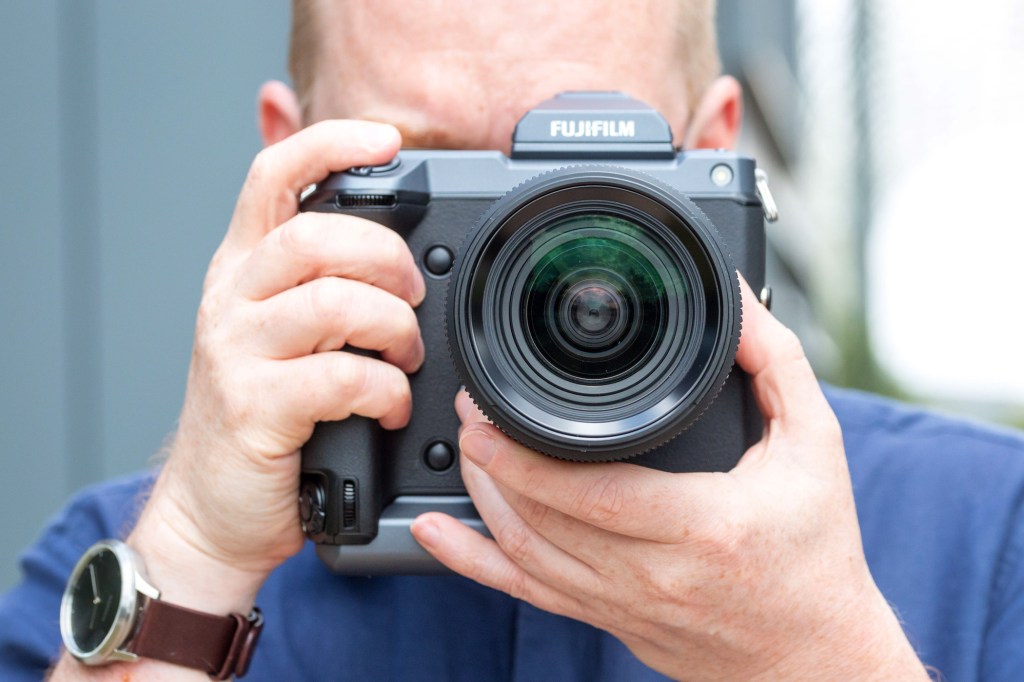
This model combined a 102MP sensor with phase detection autofocus and in-body stabilisation. That made for a camera that was every bit as straightforward to use as its APS-C X-system cousins, meaning you could happily take it out of the studio and into the field. Its current successors still provide the final word in terms of image quality at anything resembling a sensible price.
Now in 2026, if you’re an enthusiast photographer looking to buy a ‘proper’ camera with interchangeable lenses, that probably means mirrorless. And you know what? Chances are that camera will look like a DSLR, with a big handgrip, central viewfinder, and articulated rear screen. It turns out Panasonic got it right first time, after all.
Related reading:
- Oh Pentax, where art thou? I love my old Pentax DSLRs, but if I need a new one, do they still really exist?
- 25 years of Panasonic Lumix – World’s first mirrorless, first 4K in a mirrorless, they changed the industry
- GoPro has serious doubts about its ability to operate as a business
- 66 megapixels is madness, how does this make sense any more?
Follow AP on Facebook, Instagram, YouTube, TikTok and Irys.