Throughout the 2000s and 2010s we saw phone manufacturers experimenting with the shape, size and form of smartphones and have now settled on the pocketable rectangular shape with a large touch screen – a trend started by Apple’s iPhone back in 2007.
Over the past two decades we’ve seen manufacturers taking huge swings with their creative solutions to house a camera inside of a smartphone body. Smartphones have become the one-stop-shop for our digital lives including features for phone, camera, email, music, maps, banking and more!
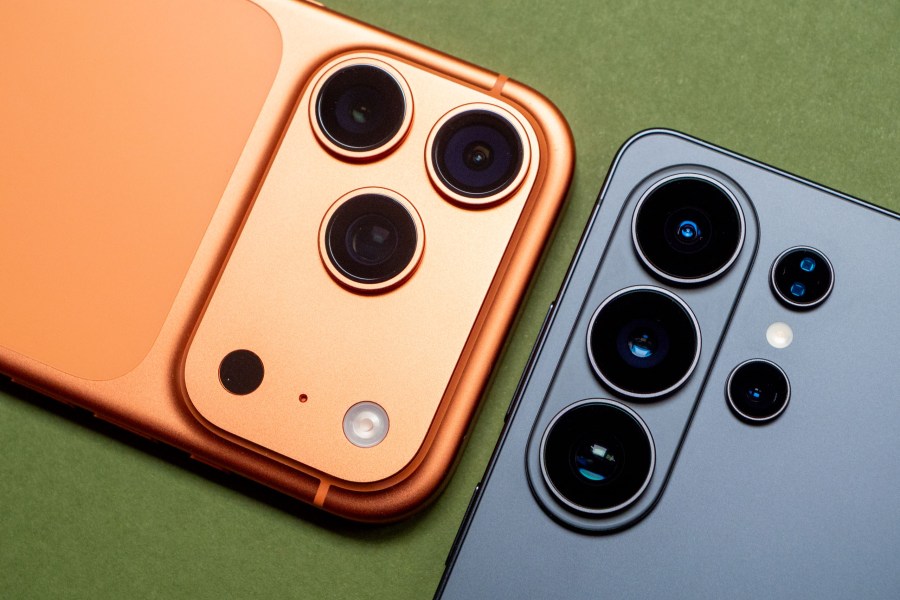
Compact cameras were all the rage throughout the 2000s and a must-have for nights out and day trips, though their extending lenses meant they weren’t actually very compact during use. Phone makers adopted multiple lenses with individual sensors to cover different focal lengths in the 2010s, providing a zoom range without the cumbersome extending lens.
Apple is often seen as a trendsetter and has influenced the look and feel of modern smartphones with its large front touch display. But many manufacturers try to mimic the iPhone a little too closely, which makes for a rather boring experience when shopping around for a new smartphone.
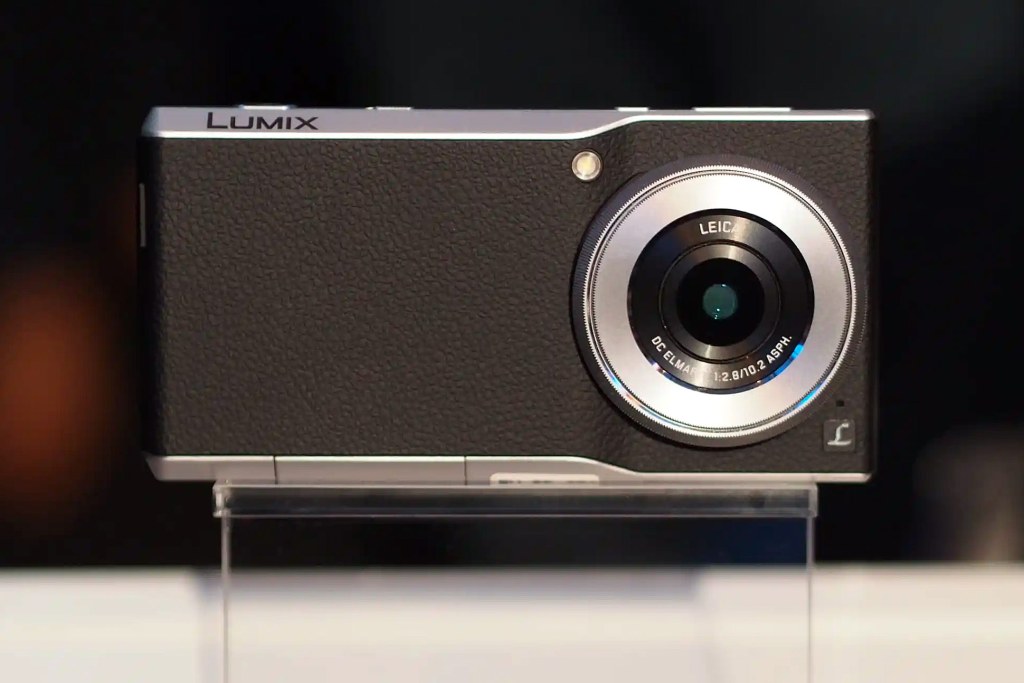
I miss the days when manufacturers were still trying to find the right balance between camera and phone – think back to the Panasonic Lumix CM1 with its large Leica DC Elmarit 10.2mm f/2.8 lens and RAW shooting for brilliant image quality, or the Samsung’s Galaxy Compact Camera which looked like a compact camera with a massive 4.8in tablet bolted on to the back of it.
Of course, for every swing there was inevitably a miss. Nokia, once the largest phone brand in the world throughout the 1990s and early 2000s had its own missteps – my Nokia Lumia 635 didn’t include a front-facing selfie camera and ran on Windows which was comparatively clunky and lacking in apps compared to Apple’s iOS.
We’ve also sadly lost the likes of Siemens, LG and Blackberry with them exiting completely, and former big players like Nokia and HTC produce phones on a much smaller scale, so we’ve lost a lot of big players that we used to rely on to disrupt and innovate in the smartphone world.
With a change of guard underway at Apple with new ‘products guy’ John Ternus stepping up as CEO, I’m hopeful Apple could do what it’s known for and disrupt the industry once again with some revolutionary camera technology.
Rather than bringing out a dedicated camera I’d like to see Apple bring out lenses that clip onto the iPhone’s Magsafe connection and offer larger sensors for better low light and depth of field.
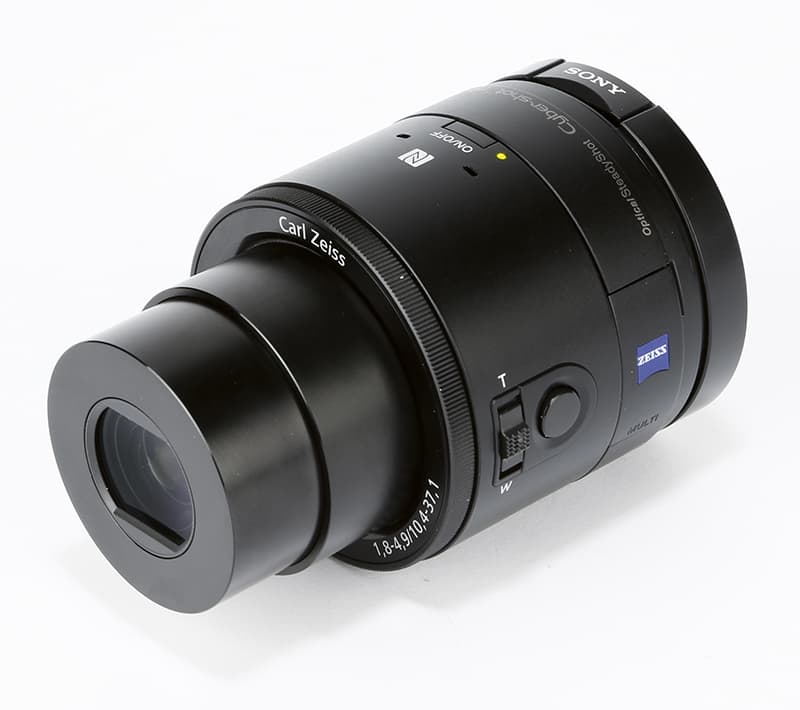
This would be similar to Sony’s QX10 which was ahead of its time in 2013, though hardware and software have advanced since then and I’m sure such a device in 2026 would be much more elegant and successful. But we’ll just have to wait and see to find out where the next innovation in smartphones and cameras comes from.
The views expressed in this column are not necessarily those of Amateur Photographer magazine or Kelsey Media Limited. If you have an opinion you’d like to share on this topic, or any other photography related subject, email: [email protected]
Related reading:
- I bought expensive cameras to learn photography, and now I wish I’d just used my iPhone
- Apple’s latest purchase leaves us wondering what’s next for the iPhone
- Apple at 50: How Apple, the Mac and the iPhone changed photography forever
Follow AP on Facebook, Instagram, YouTube and TikTok.