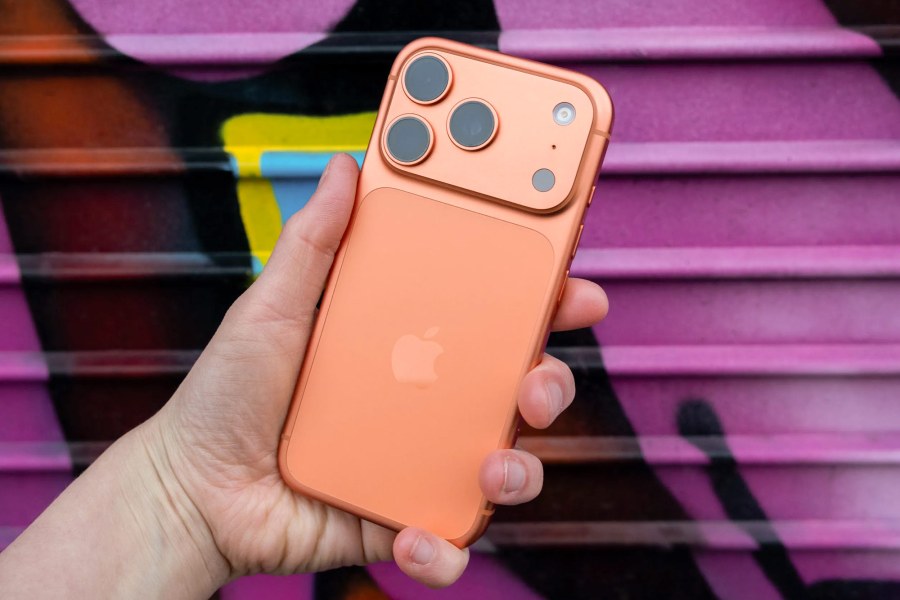
I’ve had various digital cameras in my hands for over 15 years, how time flies! Learning photography and using a digital camera is a long but rewarding process. Although, if I had the opportunity again, I would have preferred to have practised beforehand with a smartphone. This would have made the transition to using a digital camera a lot simpler and smoother, in terms of having a certain level of photographic knowledge in the bank while getting to grips with the cameras’ settings.
My photographic journey began in 2010; this was the year where I chose to study photography in years 10 and 11 at secondary school. As eager and excited as I was to learn a new subject that would test my creative abilities, little did I know how much there was to grasp alongside just pressing a shutter button.
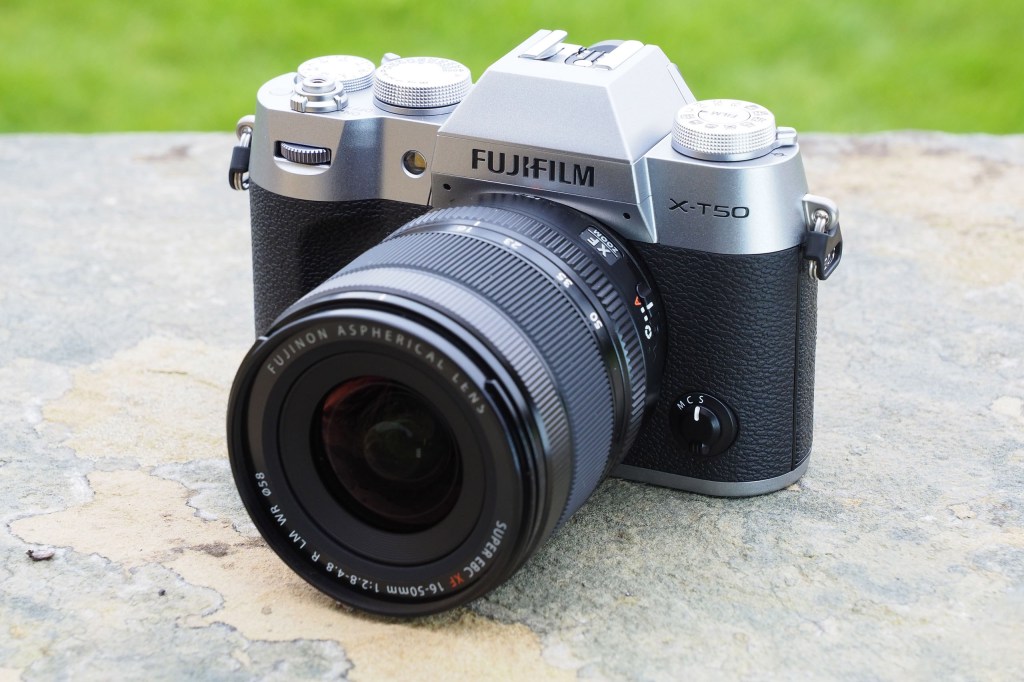
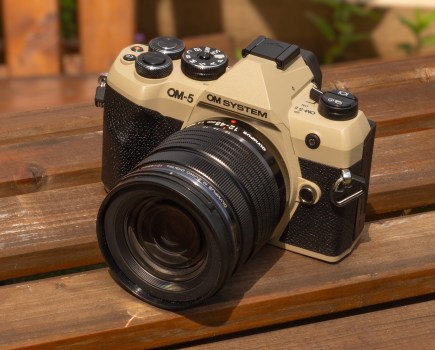
I’m currently on my fifth camera, a Fujifilm X-T50, which didn’t come cheap by the way, nor did my cameras prior to this one. What I’m trying to say, is that photography is a constant financial commitment, especially starting out. Once you find and buy a camera you like, you’ll most likely then acquire a collection of lenses, a tripod, filters and so forth.
But in most people’s pockets lies a very powerful and reliable tool, a smartphone. This is something that I didn’t have at my disposal when I was at school. I believe if I had a smartphone before starting my photography course, I would have benefited greatly from practising with one.
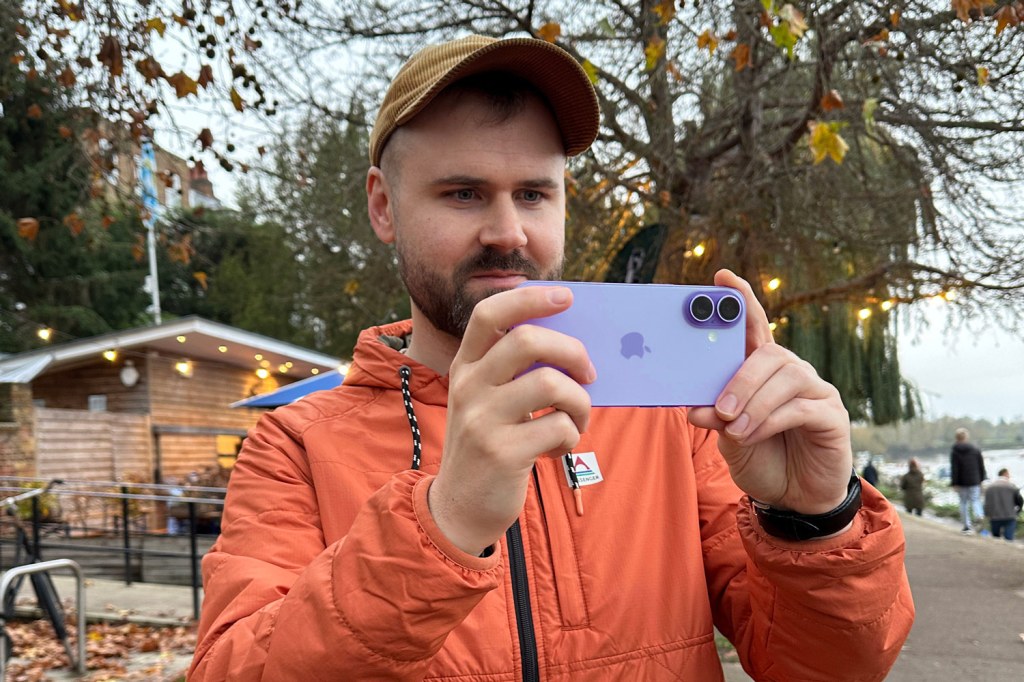
There are a lot of settings to get to grips with when using a digital camera, whereas with a smartphone, it’s less complicated and more snap and go as you please. I currently and shamefully own a very old iPhone SE (second generation), more of an antique these days, laugh at your peril. It cost me a reasonable £399, my Fujifilm cost me nearly four times that, I’ll leave you to work out the maths!
Smartphones these days offer megapixels and image quality that can compete with the latest digital camera models. What frustrates me the most is when I hear or read that you need to buy the latest camera to be good at photography. It’s a complete load of nonsense in my eyes. It’s the person taking the images that’s the most vital part, not the camera itself. And with third-party software, you’ll be able to change the camera settings too (and check them in playback).
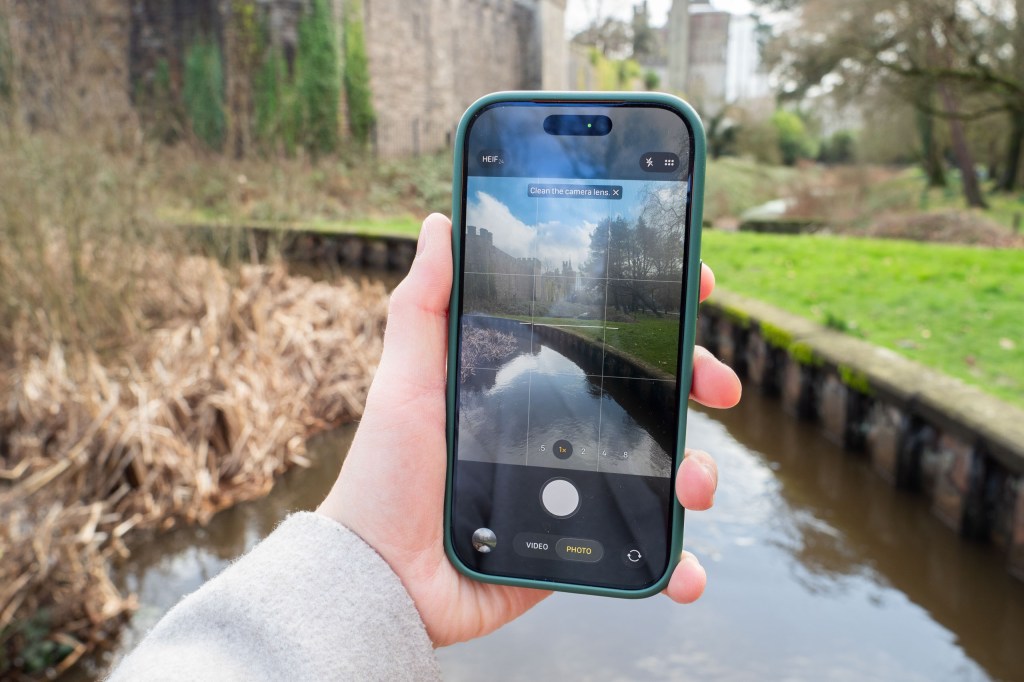
If you use your smartphone to begin with, you will save immensely in the long run, trust me. They are more useful with photography than you think. They weigh considerably less; you draw less attention than you would walking around with a digital camera. It’s more fun, comes with a lot less pressure, and you can also upload your images in an instant as well. I highly recommend practising with your phone as you will have the correct knowledge and technical know-how that I didn’t and wish I had before buying a digital camera, and a much prettier bank balance too!
The views expressed in this column are not necessarily those of Amateur Photographer magazine or Kelsey Media Limited. If you have an opinion you’d like to share on this topic, or any other photography related subject, email: [email protected]
Related Reading:
- Hear me out, your old iPhone is always better than a new one…
- If you haven’t turned on this hidden iPhone camera feature, your photos won’t be as good as they should be
- Guide to black and white smartphone photography
Follow AP on Facebook, Instagram, YouTube and TikTok.