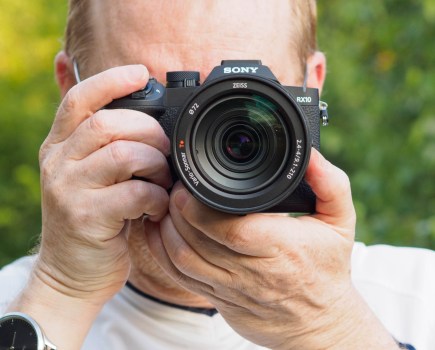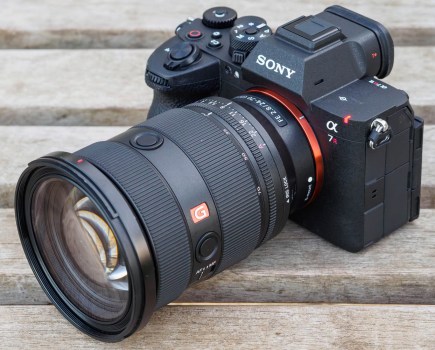
A modern camera can identify an eye in near darkness. It can track it across the frame, stabilise several stops beyond what our hands can manage, shoot twenty frames per second, recover highlights we never exposed correctly and produce files of extraordinary precision.
For all practical purposes, the technical problems that defined photography for more than a century have largely disappeared.
And yet I find myself enjoying photography less.
Not because today’s cameras are worse. Perhaps because they ask less of me.
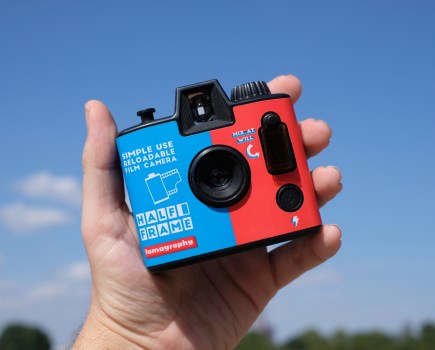
Lately, I find myself reaching for analogue more often. It isn’t because it’s better, but because it slows me down. Demands intention. Tolerates mistakes. Even asking airport security to hand-check a roll of film has become a romantic part of the ritual – a small reminder that photography can still be tactile, conversational and wonderfully inconvenient.
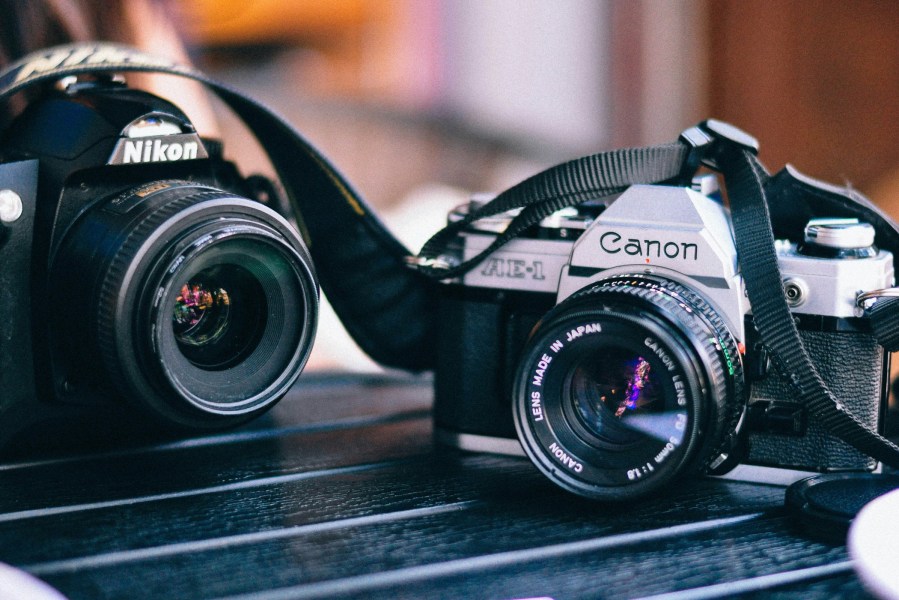
For most of photography’s history, making an image involved negotiation. Limitations of our equipment weren’t problems to overcome; they shaped the photographs themselves. Focus landed just behind the target. Film interpreted colour in ways no engineer intended. Lenses flared across backlit portraits. Grain emerged from chemistry rather than software. Every camera had its own peculiar way of seeing the world.
Today, cameras strive to capture things as they really are.
Their purpose is to remove uncertainty. Autofocus becomes almost infallible. Noise reduction erases texture. Computational photography corrects optical flaws before we even notice them. Every generation promises another reduction in friction between the scene and the finished image.
It’s an extraordinary engineering achievement.
And this may also explain why so many photographers now spend considerable effort undoing it.
We soften clinically perfect lenses with diffusion filters. We add film grain to immaculate digital files. Lightroom presets, film simulations and colour grading recreate the very imperfections camera manufacturers spent decades trying to eliminate. Finally, we achieved technical perfection – then immediately began searching for ways to make it imperfect again.
The industry spent decades pursuing faithful reproduction.
But memories have never been remembered faithfully.
In our minds, the colours are bolder, the smells are stronger.
Instinctively, we gravitate towards colour that feels emotionally true rather than scientifically accurate. Soft pastel skies. Warm skin tones. Hazy mornings. Dreamlike sunsets. Memory has always been a better colourist than physics.
Perhaps this is why cameras such as the Ricoh GR, Fujifilm X100 series and ageing CCD compacts continue to inspire such affection. Their appeal has little to do with measurable performance. They retain a little unpredictability. Leave space for interpretation.
We have become remarkably good at measuring cameras. Resolution charts, autofocus speed, dynamic range and corner sharpness all tell us something meaningful about engineering.
These charts and specs tell us remarkably little about photographs.
No one returns to an old family album hoping every teenage blemish and overcast afternoon has been rendered with perfect accuracy.
They return because photographs remember differently than we do. Light feels warmer. Faces are softer. Summers felt longer. First love looked more beautiful. Childhood homes brighter than they ever were. Colours become richer, skies gentler and moments somehow more dreamlike than reality ever allowed.
Perhaps we’ve mistaken optimisation for progress.
Photographs that stay with us often owe as much to ambiguity, imperfection and chance as they do to technical excellence. Remove enough unpredictability and photography risks becoming less an act of execution than an act of discovery.
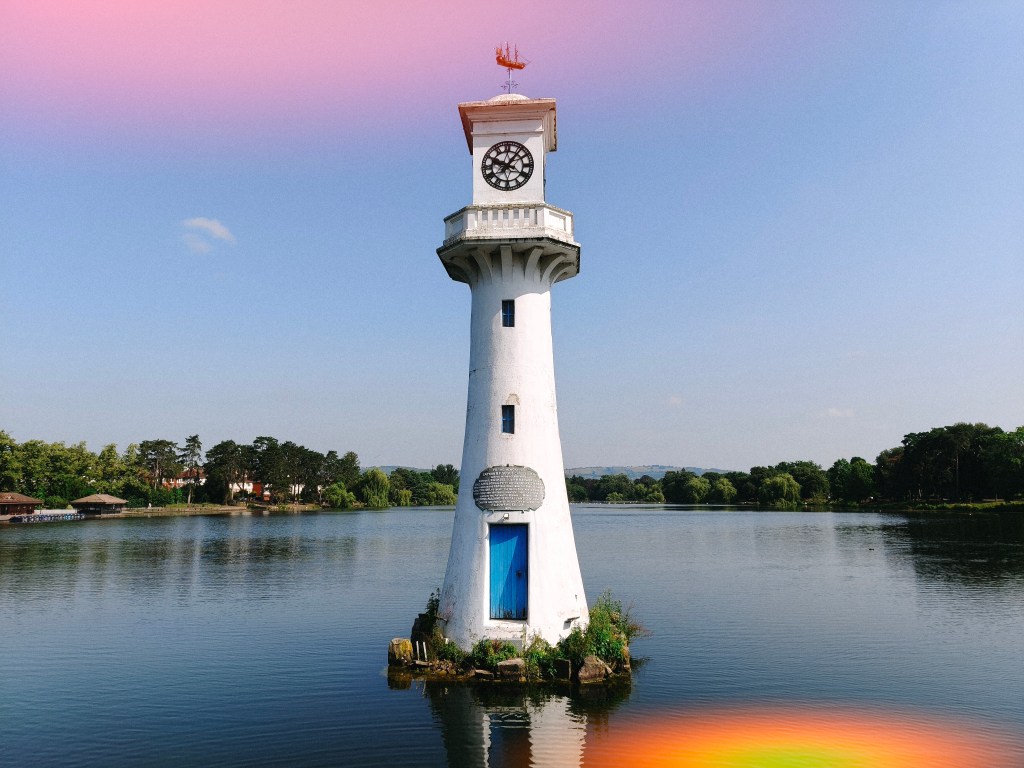
I miss the mechanics.
I miss loading film in the dark. I miss tipping the soapy canister and the reassuring click of a shutter and the resistance of a winding lever. I want to wonder whether a frame was just a little too soft, then argue with other photographers about whether it matters. I love waiting to discover whether an image worked at all.
I miss photography when it still had the capacity to surprise me.
The views expressed in this column are not necessarily those of Amateur Photographer magazine or Kelsey Media Limited. If you have an opinion you’d like to share on this topic, or any other photography related subject, email: [email protected]
Related reading:
- Why there’s no such thing as the perfect camera
- Don’t believe the YouTube hype – you will never find a digital camera “shoots like film” and here’s why
- Why are major camera manufacturers so reluctant to meet demand for new compacts?
Follow AP on Facebook, Instagram, YouTube, TikTok and Irys.