Excited by Record Store Day and the vinyl record resurgence, a decade ago I investigated buying a new turntable. I say ‘new’, but it was mainly a used market. Especially if you wanted the good stuff, like a Technics 1210 – which Panasonic hadn’t manufactured for years. I can see parallels with the resurgence of interest in pocket-sized compact cameras today, the production which, likewise, largely halted for a decade.
Just like teens and 20-somethings currently scouring eBay for a second-hand snapper, I eventually hunted down a 1210 MK2 online for £350 and, when I turned up to collect, the seller offered me a second identically priced deck. As that doubled my intended spend, I declined – a refusal I later regretted when Panasonic unexpectedly restarted Technics production in 2016; its 1210 GAE re-issue now costing £3K / $4,000.
Similar, perhaps misplaced, caution now plagues the major camera manufacturers when it comes to point and shoot digital cameras.
My teenage daughter tells me Gen Z loves them, new or old – with reports of shipments of snapshots rising 30% from 2024 to 2025 indicating a strong comeback.
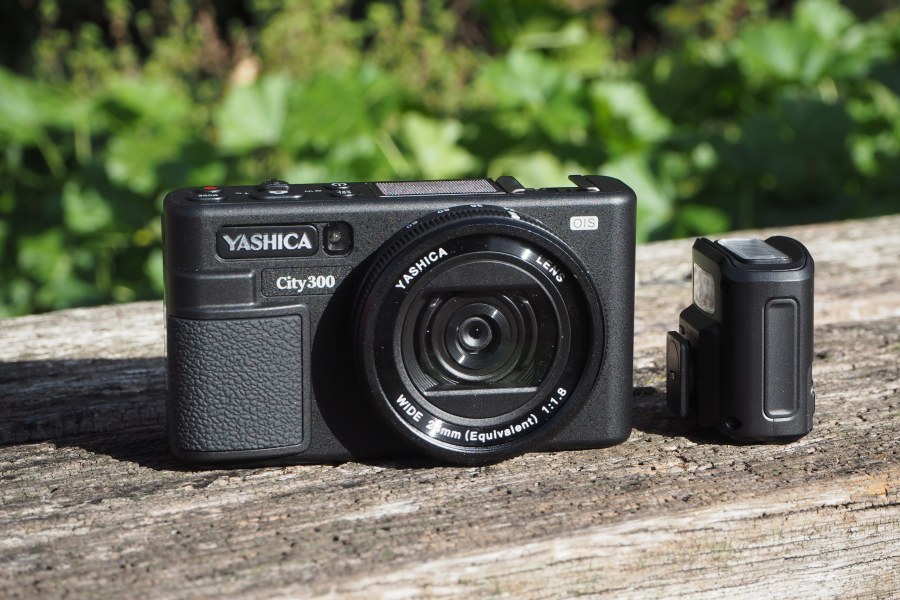
And yet, apart from cheap, basic models branded Kodak and Yashica, I’m not seeing new point and shoots from Nikon, Fujifilm or Sony in response. Or even the backward-glancing Pentax relaunching its Optio range (outside of the waterproof models).
Flash in the cam?
Yes, rather like re-introducing Technics turntables as a boutique buy, Panasonic has given us the 15x optical zoom/1-inch sensor TZ300/ZS300 this year, following the 30x TZ99 / ZS99 last year. Both were re-imaginings of existing models, updated with USB-C but removing the viewfinder. One camera that has impressed is the new Panasonic Lumix L10 (it’s gorgeous).
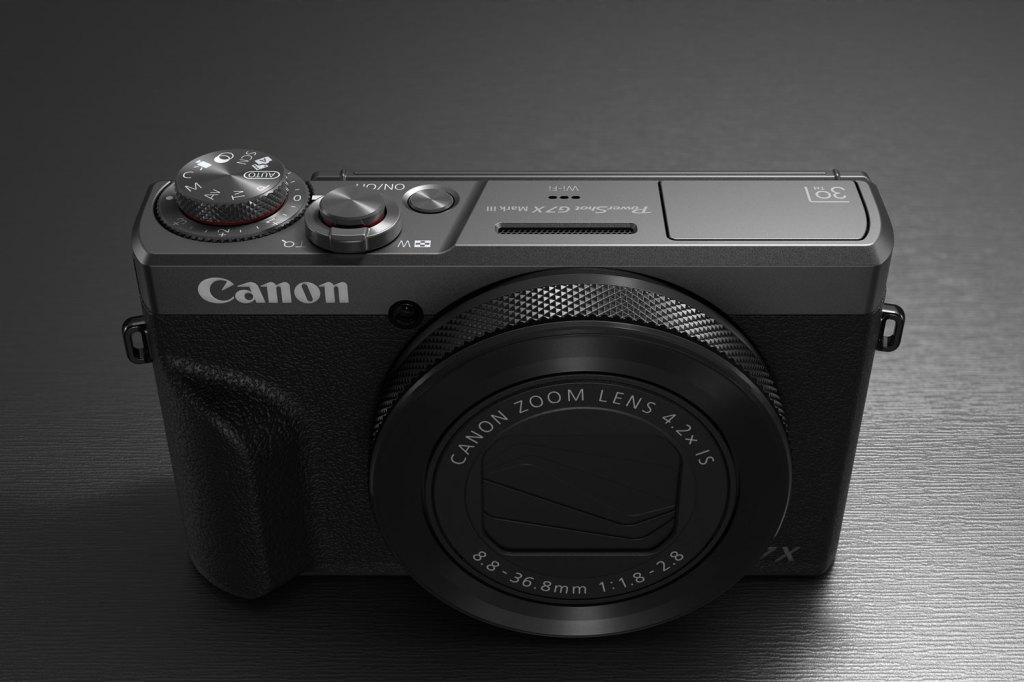
Canon has likewise recycled its six-year-old PowerShot G7 X Mark III in a new colour and special box, for its 30th anniversary.
The timing, coinciding as it does with renewed interest in compact digicams, almost feels incidental / accidental, however, rather than the result of a concerted marketing push – or much renewed enthusiasm from the manufacturers themselves.
Concern over whether this could all be a flash-in-the-pan (cam?) is undoubtedly holding back those with the most to invest – and arguably the most to lose if the trend is short-lived. But there are, inevitably, also practicalities at play.
Restarting production quickly and at scale for a product you’ve previously scrapped is not only expensive but doesn’t happen overnight. And then there’s the fact users and reviewers alike will expect something demonstrably new that justifies a new snapshot range, beyond cashing in. That involves R&D, which needs time and money too.
Additionally, even a 30% year-on-year rise doesn’t come close to what pocket compacts were selling at their 2010s peak.
The truth is, though, that a point-and-shoot camera resurgence – seemingly against all logic – has surprised everyone.
So, it looks like this will be an opportunity missed by all but the smaller players; the ones able to react fast, repurpose and reissue low cost / low performing tech that’s been around almost as long as my vinyl record collection.
Related reading:
- It should be no surprise that Kodak PixPro cameras are a huge hit
- Is this the start of the compact camera renaissance?
- Forget high-tech mirrorless – 2026 is the year of the toy camera
- Panasonic Lumix L10 arrives (and it’s gorgeous)
The views expressed in this column are not necessarily those of Amateur Photographer magazine or Kelsey Media Limited. If you have an opinion you’d like to share on this topic, or any other photography related subject, email: [email protected]
Follow AP on Facebook, Instagram, YouTube and TikTok.