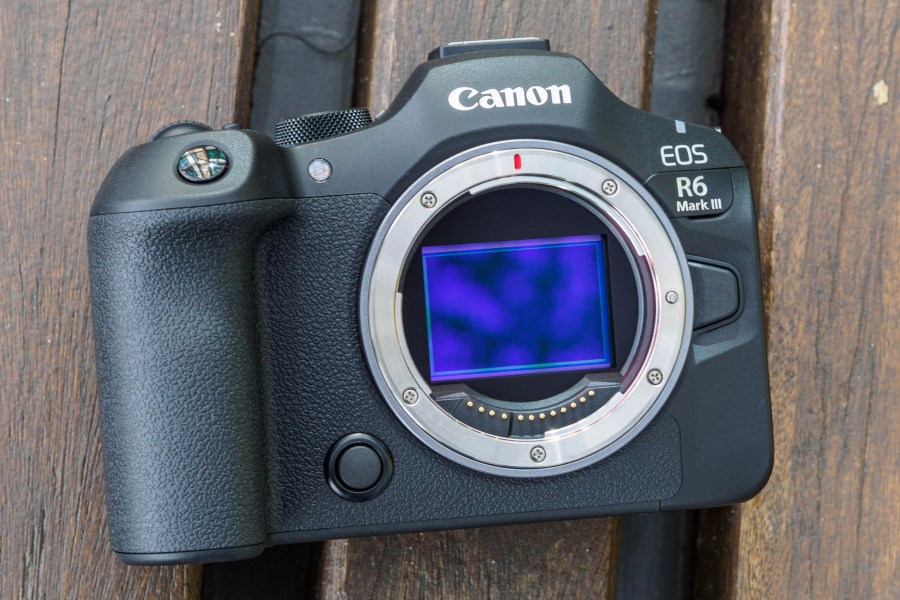
Let’s cut to the chase, you’re in the market for a new camera, and you know one thing: full-frame cameras are the best. Why settle for anything less? So here we’ve put together the ultimate list of the best full-frame cameras available, whether that’s mirrorless, DSLR, rangefinder, or compact, these are the best without a shadow of a doubt. If there are better cameras than this, then they haven’t been released yet (or they cost too much and haven’t made it onto this list).
Our top three choices:
| Specifications | Nikon Z5 II | Canon EOS R6 III | Canon EOS R5 II |
|---|---|---|---|
| Sensor | 24MP full-frame CMOS | 32.5MP full-frame CMOS | 45MP full-frame CMOS |
| Video | 4K 60p | 7K 60p | 8K 60p |
| Why choose it? | A fantastic all-rounder for a variety of photographers. With a fully-articulating touchscreen and a host of great features, it’s also great value. | A top-of-the-class all-rounder for shooters who want to do anything and everything, pairing 32.5MP resolution with excellent autofocus. | The Canon EOS R5 Mark II has it all, with both high-resolution images, and high-resolution 8K video, at an impressive 60p. |
| Rating |
★★★★★
|
★★★★★
|
★★★★★
|
I’ve put the top choices at the very top of this list – for most people – and for most budgets – these are going to do the job, giving impressive images that look great, but if your needs are more specific, then you might want to look at the other cameras on the list, for example if you need higher resolution photos or video, faster shooting, or have other needs, read on.
Quick list
- Best affordable full-frame camera for everyone: Nikon Z5 II – Buy now
- Best enthusiasts full-frame camera: Canon EOS R6 III – Buy now
- Best pro-spec all-rounder: Canon EOS R5 Mark II – Buy now
- Best high-resolution full-frame camera: Sony A7R VI – Buy now
- Best hybrid for stills and video: Panasonic Lumix S1II – Buy now
- Best full-frame compact camera: Leica Q3 / Q3 43 / Q3 Monochrom – Buy now
- Best full-frame rangefinder: Leica M11 / M11 Monochrom – Buy now
- Best full-frame Nikon DSLR: Nikon D850 – Buy now
- Best full-frame Canon DSLR: Canon EOS 5D Mark IV – Buy now
Why you can trust us
We spend many hours testing every product we recommend, in detail, in a variety of situations and shooting scenarios, and only use experts for our reviews, so you can be sure that you’re getting the best products. Find out more about our expert writers.
Best full-frame cameras…
If you want to change lenses a mirrorless camera or DSLR is what you want. If you don’t want to change lenses, look at full-frame compact cameras.
Best for everyone
Best full frame camera for everyone: Nikon Z5 II

Amateur Photographer verdict
A fantastic all-rounder for a variety of different photographers. With a fully-articulating touchscreen and a host of great features, it’s also great value for its specs.- Fantastic value
- Fully articulating touchscreen
- Proven sensor
- Multiple subject detection focusing
- No top-plate LCD for quick viewing of settings
- 4K 60fps video has a crop / no higher resolutions available
| Specifications | Nikon Z5 II |
|---|---|
| Camera type | Mirrorless |
| Sensor | 24.5MP full-frame BSI CMOS sensor |
| Screen | 3.2in, 2.1m-dot fully articulated |
| Viewfinder | 3.69m-dot, 0.8x viewfinder |
| ISO | ISO 100-64,000 |
| Video | 4K 60p (DX crop), 4K 30p, Full HD 120p |
Five years after the release of the original Z5, this new model provided some pretty juicy updates. Its pixel count is nearly identical to its predecessor’s but an Expeed 7 processor and back-illuminated sensor deliver better low-light performance. There’s also a snappy subject-detection autofocus that recognises nine different subjects.
Nikon’s latest 3D tracking technology is on board too, and together with continuous shooting up to 14fps in raw to capture fast-paced scenarios, and IBIS that allows for up to 7.5 stops of shake reduction, the camera allows for you to opt for handheld shots where you would normally need a tripod before.
Nikon also listened to customer feedback and included a fully articulating screen and dropped the crop during 4K video recording (at 30fps). The Z5 II is a highly capable entry-level full-frame camera that represents great value.
At $1700 / £1600 you will struggle to find anything else that boasts a similarly impressive spec sheet, just make sure you have a look at the best Nikon Z mount lenses to go with it. If your budget is higher then there are other options. Whether you’re making the jump from DSLR to mirrorless, or from crop-sensor to full frame, or buying your first proper camera, a relatively affordable all-rounder like the Nikon Z5 II is an incredibly sensible option.
With its superb balance of features, image quality and price, the Nikon Z5II is the Nikon camera that I would recommend to most users. If you’ve got the budget for a full-frame mirrorless camera, it’s one of the best around, and only serious professional shooters really need to worry about the cameras that sit above it in the line-up.
Read our Nikon Z5 II review.
Best full-frame for enthusiasts
Best full-frame camera for enthusiasts: Canon EOS R6 III

Amateur Photographer verdict
Canon’s enthusiast all-rounder is a superb camera that can do almost anything users might need. With its 32.5MP resolution, excellent autofocus and fast shooting, it’s right at the top of its class.- 33MP sensor gives increased detail and flexibility
- Superb autofocus system
- Excellent control layout and handling
- Super-fast continuous shooting
- Works well with EF lenses via mount adapter
- No third-party full-frame autofocus lenses available
- Doesn’t work with older LP-E6-type batteries
| Specifications | Canon EOS R6 Mark III |
|---|---|
| Camera type | Mirrorless |
| Sensor | 32.5MP full-frame CMOS sensor |
| Screen | 3in, 1.62m-dot articulated screen |
| Viewfinder | 3.69m-dot, 0.76x OLED viewfinder |
| ISO | ISO 100-64,000 (standard) |
| Video | 7K 60p, 4K 120p |
Over the past few years, we’ve been spoiled by a number of superb high-end cameras that that can do almost anything users might ask. We tested several such models in 2025, but our favourite was the Canon EOS R6 Mark III. It seems our readers agree, as they voted it their camera of the year. Almost a year on, it remains a camera to be reckoned with.
While the Mark III employs a near-identical body design to its predecessor, it gains a new, higher-resolution 32.5MP sensor. Continuous shooting runs at up to 12fps with the mechanical shutter, and 40fps using the electronic shutter. Canon’s subject detection AF covers humans, animals and vehicles, while in-body image stabilisation promises up to 8.5 stops of shake reduction.
But it’s the video specs that get the most eye-catching boost, with internal RAW recording at 7K / 60fps, or 30fps in 3:2 Open Gate mode. 4K can be shot at 120fps.
As with its predecessors, everything about the EOS R6 Mark III just works extremely well. But now, it comes with even higher resolution to go with its blisteringly fast speed. As a result, it’s just as much at home shooting detail-rich landscapes as it is with fast-paced action. It’s an extraordinarily accomplished all-rounder, with a great range of Canon RF mount lenses available.
Read our review: Canon EOS R6 Mark III review.
Best pro-spec Full-Frame
Best pro-spec all-rounder: Canon EOS R5 Mark II
Amateur Photographer verdict
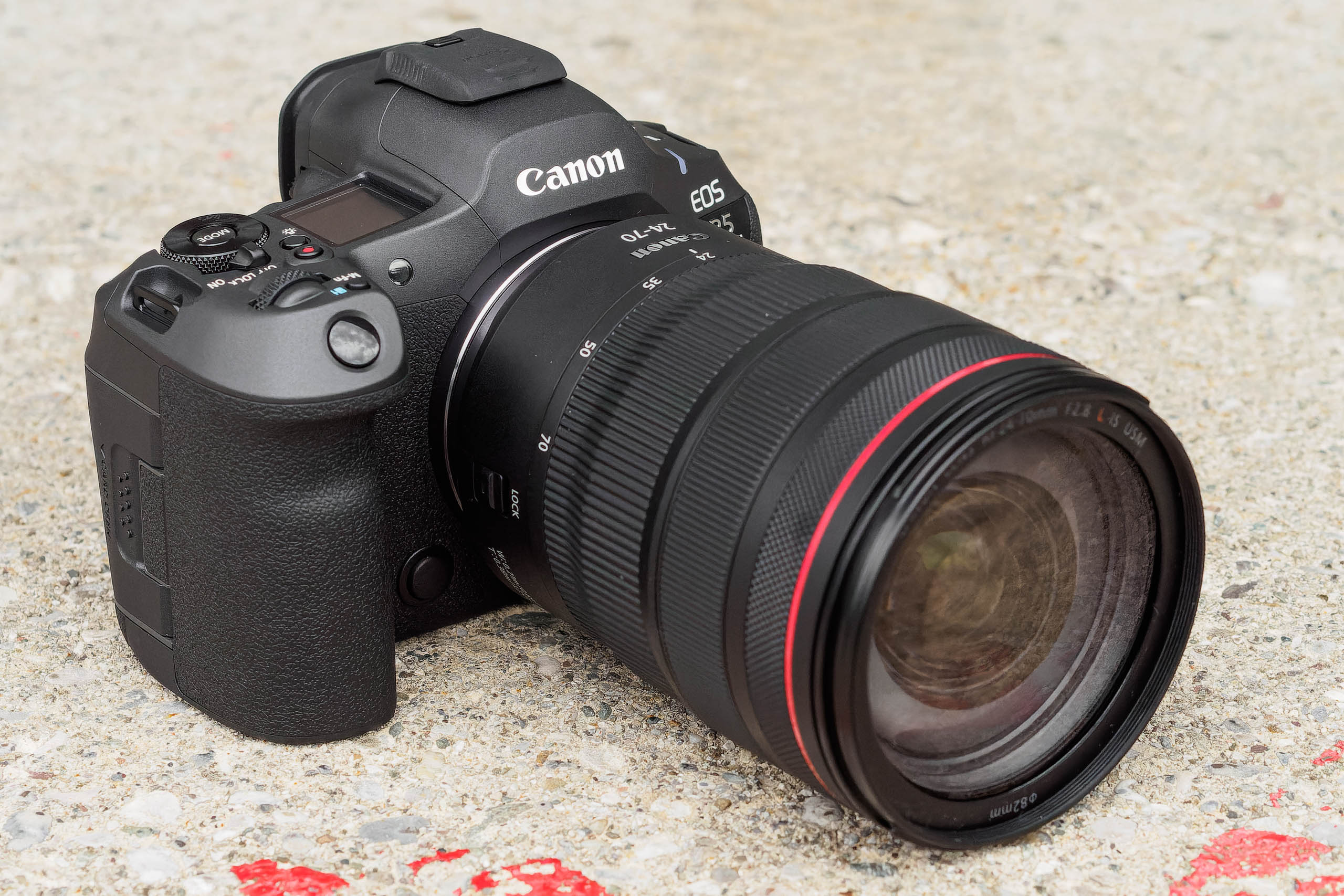
The Canon EOS R5 Mark II stakes a strong claim to be the best professional high-resolution, high-speed all-rounder on the market. The addition of eye control focus elevates it from its rivals, too.- Excellent handling
- Incredible subject detection AF
- Eye Control Focus
- Great image stabilisation
- Not compatible with some third-party LP-E6 batteries
- Eye control may not work well for everyone
- Pro-level price
| Specifications | Canon EOS R5 Mark II |
|---|---|
| Camera type | Mirrorless |
| Sensor | 45MP full-frame stacked CMOS sensor |
| Screen | 3.2inch, vari-angle, 2.1M-dot touchscreen |
| Viewfinder | 5.76m-dot, 0.76x OLED viewfinder |
| ISO | ISO 50-102,400 (extended) |
| Video | 8K 60fps internal raw recording |
There are three great cameras in this class, but the R5 II stands out due to one killer feature inherited from Canon’s high-end sports cameras, eye control focus. The technology detects where you are looking in the viewfinder and then automatically focuses on the subject you’re looking at.
Another new autofocus feature ‘Action Priority’ autofocus has ball tracking and recognises ‘action poses’ in football, basketball, and volleyball. It also registers up to ten faces that it will prioritise focusing on, and it even lets you arrange them in order of priority. All this is designed to make you a faster and more responsive photographer, able to keep up with demanding subjects and complex scenes.
Canon made sure to bulk up in terms of video, and put an internal heat dissipation channel in to avoid overheating. If you plan to put it through even more demanding use, there is an additional cooling fan grip. The R5 II records internally in 8K 60fps using Canon’s proprietary SRAW format, delivering ultra-high resolution video with a great deal of latitude for post-processing.
A noteworthy feature for content creators, for example, is proxy recording where a low-resolution file can be simultaneously recorded to the second memory card, creating clips that can be quickly edited and shared ahead of the high-res stuff.
Other cameras in the R5 Mark II’s class are the Nikon Z8, and Sony A1 II, and choosing between them could come down to lenses. If you’ve got Canon lenses, or just buying from scratch, and want the best on offer, Canon EOS R5 II would be my choice, especially with a top quality range of Canon RF mount lenses available.
For any photographers still using 5D-series DSLRs and even the EOS R5, the EOS R5 Mark II is a massive step forward. Of course, with a starting price of $4,099 / £4500 body only, the Canon EOS R5 Mark II sits exclusively in the professional realm. If you don’t need all of its class-leading features – and most users don’t – you can afford to spend less and pick up one of the other options on this list.
Read our full review of the Canon EOS R5 II.
Best for resolution
Best Sony camera for resolution: Sony A7R VI
Amateur Photographer verdict
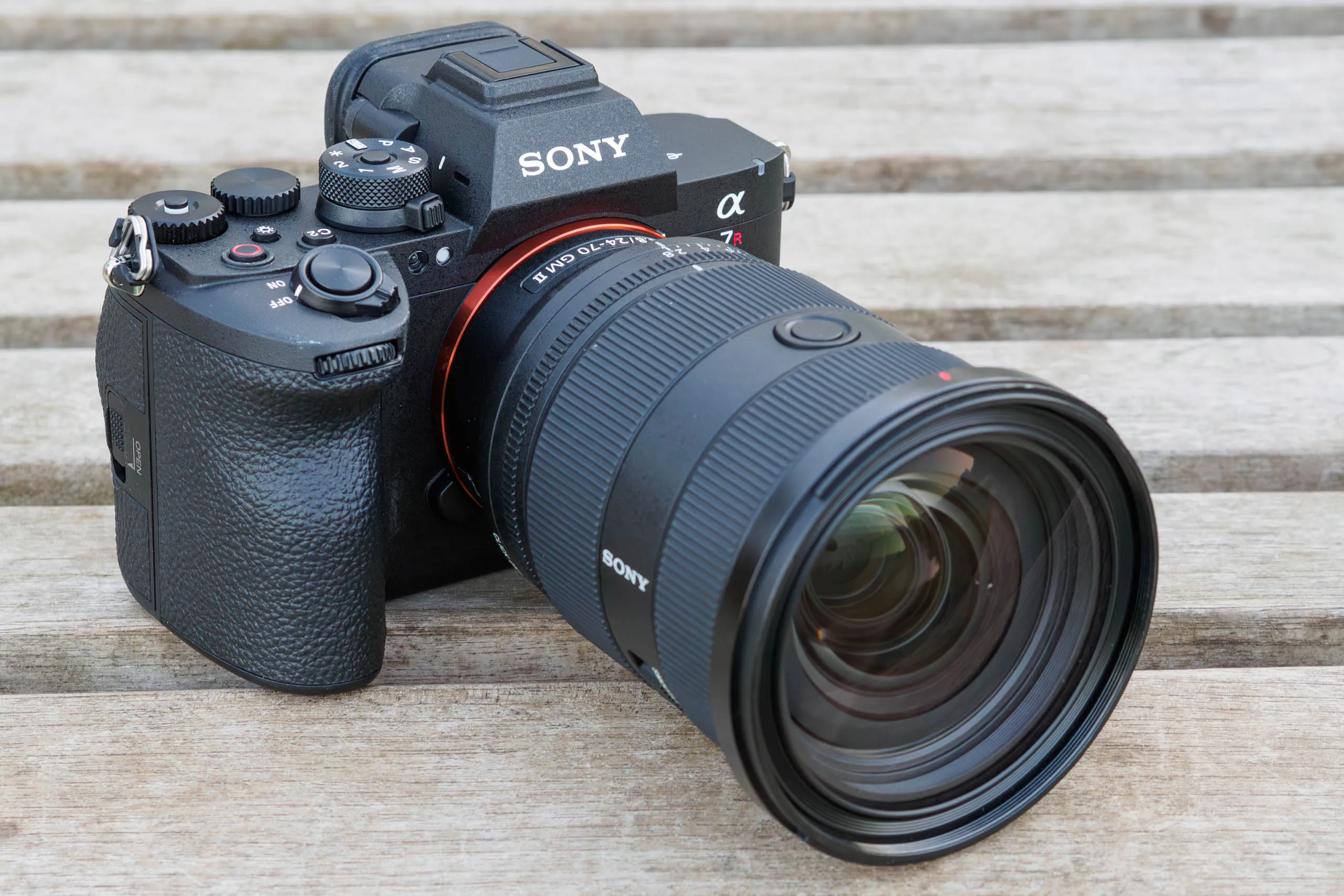
The Sony Alpha A7R VI sets a new bar for high-resolution full-frame, with its 66.8MP sensor and 30 frames per second shooting. It’s an immensely capable camera, but it does have some drawbacks too.- Superb image quality, with highest resolution yet from a full-frame camera
- Super-fast autofocus and continuous shooting
- Class-leading blackout-free viewfinder and extremely versatile screen articulation
- Much-improved handgrip makes the camera noticeably more comfortable to use
- No plug-in cable release option
- Autofocus appears to be a little less reliable with bright white subjects
- Not compatible with existing batteries, chargers or vertical grips
| Specifications | Sony A7R VI |
|---|---|
| Camera type | Mirrorless |
| Sensor | 66.8MP full-frame stacked CMOS sensor |
| Screen | 3in, 2.1m-dot 4-way LCD |
| Viewfinder | 9.44m-dot, 0.9x electronic viewfinder |
| ISO | ISO 100-32,000 (standard) |
| Video | 8K 30p, 4K 120p |
There’s a new ‘top dog’ in the camera market when it comes to high-resolution in a full-frame sensor, with the A7R VI offering 66.8MP – up from the 61MP of the Sony A7R V.
If you need the extra 9.5% resolution, or just want the highest resolution full-frame sensor ever made for future proofing then get the A7R VI. On top of that, you also get high-speed shooting at 30fps at full-resolution. Add in 8K video recording (at 30p with 1.2x crop), and 4K video at 120p, there’s not much this camera can’t do.
Subject detection is included, as expect, and has been improved to speed up auto-focus as well, with auto-subject detection rather than having to tell the camera what to look for. In-body image stabilisation is effective up to an impressive 8.5 stops.
Elsewhere, there’s a high-resolution electronic viewfinder at 9.44m dots and 0.9x magnification, as well as one of the best viewing experiences you’ll get on any camera on the market today thanks to the 4-way articulation available on the 3.2inch (2.1m dot) touch-screen. It all adds up to an incredible camera, that should satisfy even the needs of the most demanding photographer.
Read our Sony A7R VI review. Or save some money and buy the previous model: Sony A7R V review.
Best hybrid for stills and video
Best hybrid for stills and video: Panasonic Lumix S1 II

Amateur Photographer verdict
In a market where all top-end cameras are incredibly good at capturing almost any kind of subject, the Panasonic Lumix S1II stands out for its sheer shooting speed and high-end video capabilities.- Excellent build and handling
- Highly refined control layout
- Large, detailed viewfinder and versatile articulated LCD
- Very effective in-body image stabilisation
- Super-fast stills shooting and video framerates
- No auto subject-detection mode
- No intermediate burst speed between 10fps and 30fps
| Specifications | Panasonic Lumix S1II |
|---|---|
| Camera type | Mirrorless |
| Sensor | 24MP full-frame CMOS sensor |
| Screen | 3in, 1.84m-dot tilt/vari-angle LCD |
| Viewfinder | 5.76m-dot, 0.78x OLED viewfinder |
| ISO | ISO 100-51,200 (standard), ISO 50-204,800 (extended) |
| Video | 6K 60p / 6K 30p (Open Gate), 4K 120p, Full HD 240p video recording |
If you want the best hybrid camera Panasonic offers, along with the fastest shooting speeds (up to 70fps in raw using the electronic shutter), as well as the highest video frame rates, then you should definitely buy the S1II. It offers an impressive level of performance for both stills photographers, and videographers, so that you can have one camera for both things, without feeling limited.
If you go for the S1II you get subject detection auto-focus, as long as you select the subject type first, as there’s no auto-subject detection. In-body image stabilisation gives you up to 8 stops of shake reduction – useful when shooting handheld. However, if you prefer resolution, rather than outright speed, then the higher resolution Panasonic Lumix S1RII would make a lot of sense, and the price isn’t too much more.
Here’s what we said in our review: “Overall, I’ve enjoyed using the S1II. For anyone using an older Lumix model, it really is a significant leap forward. Alongside the S1RII, it’s Panasonic’s best camera yet.”
Best full-frame compact camera
Best full-frame compact camera: Leica Q3 / Q3 43 / Q3 Monochrom
Amateur Photographer verdict
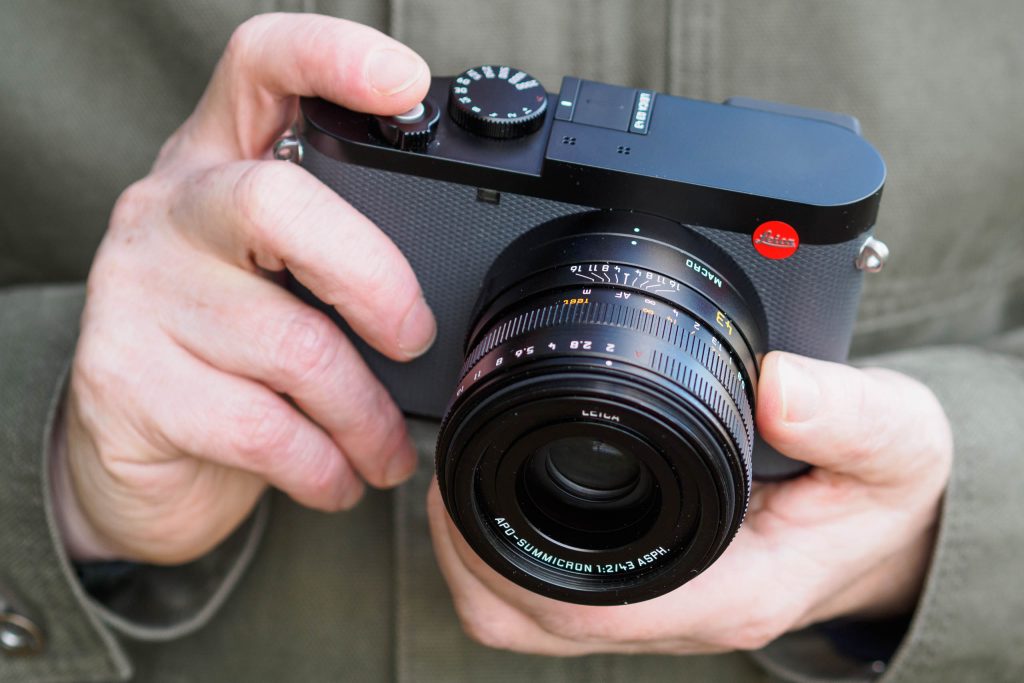
The addition of a superb 43mm f/2 lens elevates the Leica Q3 43 to new heights. It’s a stunning camera that produces sensational image quality – at a price.- Superlative new 43mm f/2 lens
- Superb raw image quality
- Extremely robust build
- Engaging dial-led controls
- Excellent viewfinder
- Leica Looks make for more interesting JPEGs
- Screen only tilts up and down
- JPEG output still isn’t great
- You’ll need a heallthy bank balance to buy one
| Specifications | Leica Q3 |
|---|---|
| Camera type | Compact camera |
| Sensor | 60.3MP full-frame CMOS sensor |
| Screen | 3in, 1.84m-dot tilting screen |
| Viewfinder | 5.76m-dot, 0.76x OLED viewfinder |
| ISO | ISO 50 – 100,000 |
| Video | 8K 30p, 4K 60p, Full HD 120p video recording |
Note: The Leica Q3 gives you three different camera choices all based around the same 60MP sensor, the Q3 (with 28mm f/1.7 lens), the Q3 43 (with 43mm f/2 lens), and the Q3 Monochrom (with monochrome sensor and 28mm lens).
The full-frame sensor in this means that it’s not going to be as small as a traditional compact camera, but you do get the choice of lens based on the camera you choose – you can’t change lenses – so choose wisely! The original Leica Q3, which like its predecessors sported a 28mm f/1.7 lens, was extremely impressive; we considered it the best compact camera around. The firm added a version that sports a brand-new 43mm f/2 lens – the Leica Q3 43.
Don’t be worried by that odd-sounding 43mm focal length. Why not something more familiar, like 35mm or 50mm? The idea is that 43mm is equal to the diagonal of the sensor, and lenses of this ilk bring a particularly natural-looking perspective to images. Many photographers – including our own – prefer lenses in the 40-45mm region to either 35mm or 50mm.
Leica also exploits the 60MP sensor to offer a genuinely useful Digital Zoom that crops into the image to match familiar focal lengths. The image area is indicated by a frameline in the viewfinder, with the camera saving both a cropped JPEG and full-size raw file alongside (with the crop embedded into its metadata).
You get 60mm, 75mm, 90mm, 120mm and 150mm options giving 31MP, 20MP, 14MP, 8MP and 5MP files, respectively. The 28mm versions also offer a cropped shooting mode giving 35mm, 50mm, 75mm and 90mm, again with lower resolution images produced.
The Q3 43 should be better suited to subjects such as environmental portraiture, street shooting, and general family photography. But the original Q3 with 28mm f/1.7 lens would arguably be the better choice for landscapes, cityscapes, and travel photography. For those who love pure black and white photography, the Q3 Monochrom uses the 28mm f/1.7 lens combined with a 60.3MP monochrome sensor.
Read our full reviews: Leica Q3 review. Leica Q3 43 review. Leica Q3 Monochrom review.
Best full-frame rangefinder
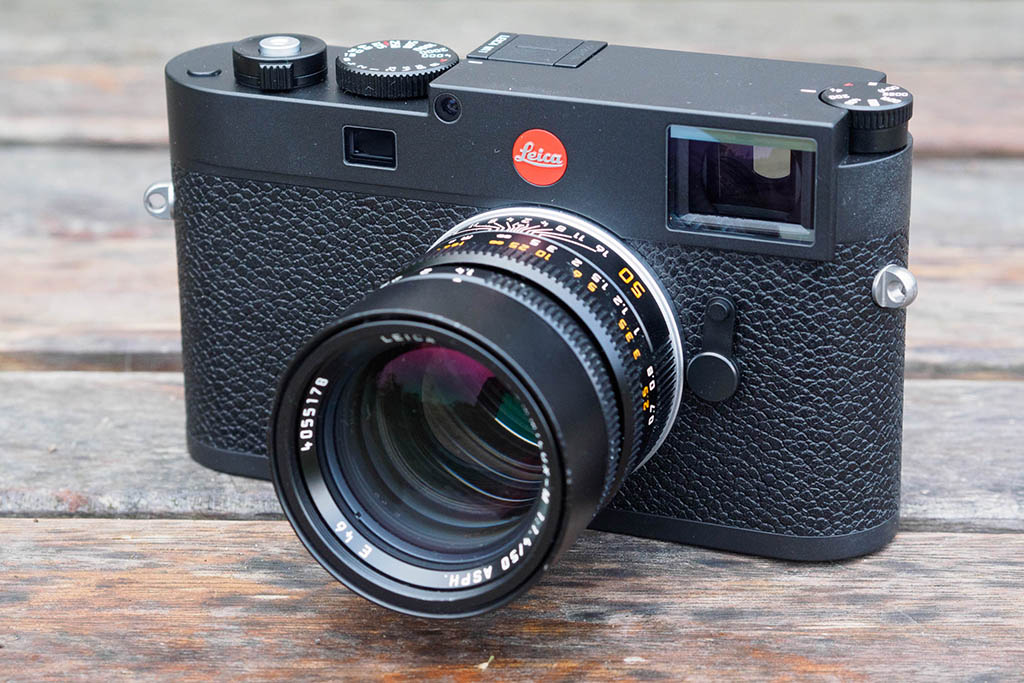
Best full-frame Leica rangefinder: Leica M11
Amateur Photographer verdict
Resembling the previous M10 rangefinder, on the inside the Leica M11 is in fact a complete redesign; with clever variable-resolution shooting and a sublime rangefinder experience.- Excellent image quality
- Good battery life
- Beautiful design and ergonomics
- Manual focus only
| Specifications | Leica M11 |
|---|---|
| Camera type | Rangefinder |
| Sensor | 60MP full-frame BSI-CMOS sensor |
| Screen | 3in, 2.3m-dot fixed screen |
| Viewfinder | Optical viewfinder (0.73x magnification) |
| ISO | ISO 64 – 50,000 |
| Video | N/A |
For lovers of minimalism in camera design, the Leica M series is a classic. The latest digital iteration of a series that harks back all the way to 1955 brings a number of number of innovations in a sleek and traditional body. Like the Q3, it’s also available in full colour, or as the M11 Monochrom for black and white photography lovers.
It has a 60 megapixel sensor – great, but which can eat up a lot of processing power. To speed things up a little, you can output raw files at 36 or 18 megapixels instead, allowing you to choose the best resolution for a situation. We found that the M11 produced superb images, and if you really do want the best of the best – and have the budget to go with it – this camera surely sits at the top of many a photographer’s wish list.
Like other M series cameras before it, the M11 uses an ultra-robust design which is simply lovely to look at; as well as to use. Using a rangefinder takes a bit of getting used to – manual focusing via the viewfinder doesn’t always yield perfect results, particularly if you’re used to shooting with more modern techniques, but it’s special when you nail it.
Two notable stablemates from the M11 lineup are the recent (September 2024) Leica M11-D with a large ISO dial replacing the rear LCD screen, and the Leica M11-P: the firm’s first camera with Content Credentials hardware added, and for black and white photography, there’s the M11 Monochrom.
Read our full Leica M11 review.
Best Nikon DSLR
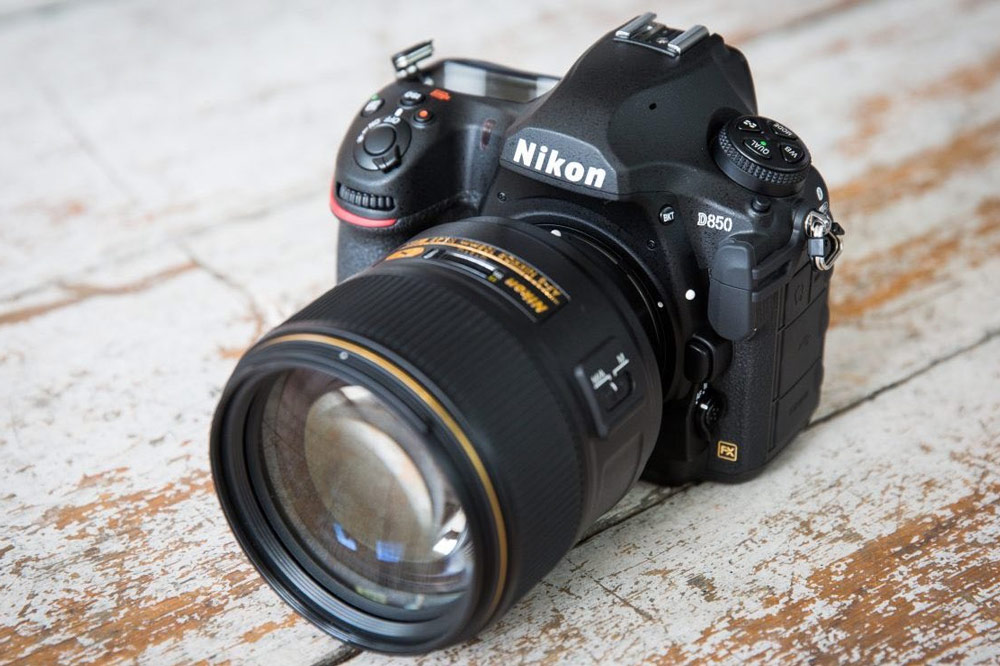
Best full-frame Nikon DSLR: Nikon D850
Amateur Photographer verdict
One of the most famous and enduringly popular DSLRs around, the Nikon D850 delivers superb images in so many genres, though it particularly excels for wildlife. A full-frame DLSR superstar.- Rugged, reliable, highly capable
- Excellent image quality
- Snappy shooting speed
- Limited touchscreen functions
- Still pricey
- Limited future and support
| Specifications | Nikon D850 |
|---|---|
| Camera type | DSLR |
| Sensor | 45.7MP full-frame CMOS sensor |
| Screen | 3.2in, 2.26m-dot touch-screen |
| Viewfinder | Optical viewfinder (100%, 0.75x magnification) |
| ISO | ISO 64-25,600 (standard), ISO 32-102,400 (extended) |
| Video | 4K 30p, FullHD 120p |
Nb. If you have come here thinking “DSLRs are the best” but haven’t checked out the best cameras above, make sure you do, as mirrorless cameras are the future, and all DSLRs from Nikon/Canon have effectively been abandoned, with no new lenses planned. The Nikon D850 was released in 2017 – nearly 10 years ago!
This brilliant professional all-rounder DSLR provides a winning combination of high resolution and speed. Its 45.7MP full-frame sensor produces fine results at high ISOs and the autofocus is incredibly responsive and accurate. The build quality and handling should also satisfy the most demanding of users for those looking for a full-frame DSLR.
It was an absolutely sensational camera capable of tackling any type of subject when it was released, and with a high-specification it still manages to hold its own, however, mirrorless cameras have made significant gains in the years since. It proved hugely popular among professional and enthusiast photographers – there’s a reason that when Nikon launched the wildlife-focused mirrorless Z8, they billed it as the ‘true successor to the D850’.
The D850 inherited almost all of the AF features of the Nikon D5 DSLR that was primarily aimed at sports photographers, but the D850 can capture much more than sports and action.
It uses a backside illuminated sensor, which helps to increase the efficiency of the sensor, (thus improving low light performance), and improves peripheral image quality at the edges of pictures. It also has no anti-aliasing filter, which allows for finer detail capture in images. It has excellent battery life and an impressively low ISO speed of 32 available (extended), that goes up to 102,400 (extended). You can record 4K UHD video at 30fps, which uses the full width of the sensor.
The D850 still holds its head up very high amongst the best Nikon cameras (including mirrorless models), despite being launched back in 2017. Because Nikon put a lot of top-line technology into the D850 it remains a great choice for many photographers – wedding, sports, nature, fashion, portrait, landscape and more. In our full review and test, we summed up by saying, ‘The D850 is an absolutely sensational camera’, and that holds true to this day. In full-frame DSLR terms, it’s still a star. The issue being that even if you buy it new, the camera may not be repairable should anything go wrong in the future, so something to be aware of. The same goes for lenses, as no new Nikon F-mount lenses will be released.
Best professional DSLR
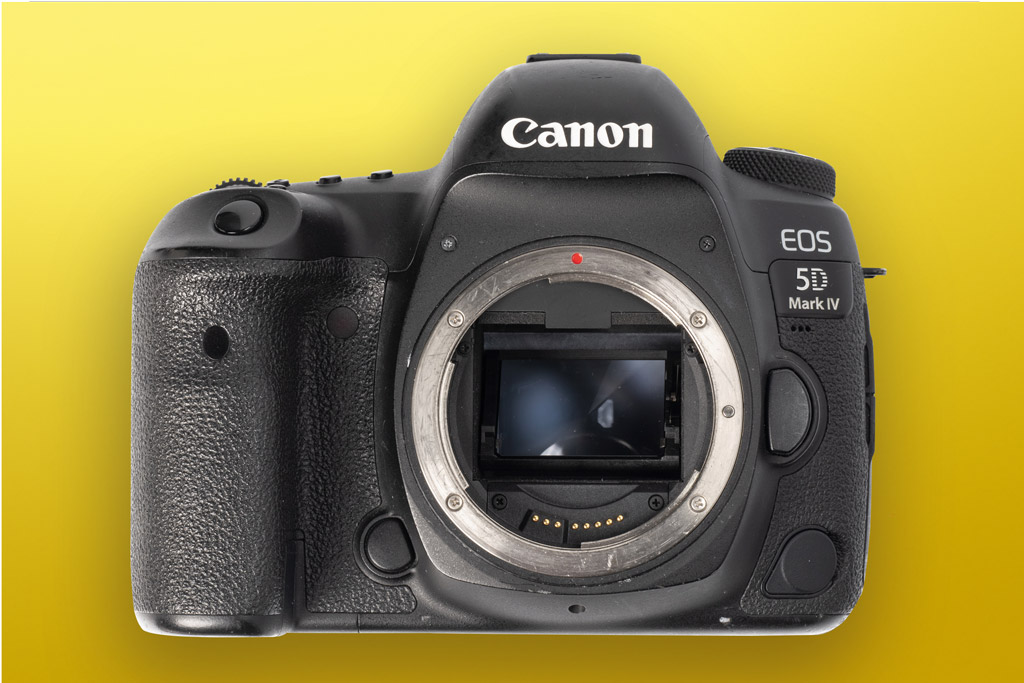
Best full-frame DSLR for professionals: Canon EOS 5D Mark IV
Amateur Photographer verdict
The last and best of the famous EOS 5D series, the Mark IV performs well at high ISO settings, and offers radically improved dynamic range compared to its predecessor.- Hugely impressive dynamic range
- Robust build quality
- Its price has dropped
- Vicious 1.74x crop on 4K video
- No clean HDMI out
- Limited future/support
| Specifications | Canon EOS 5D Mark IV |
|---|---|
| Camera type | Full-frame DSLR |
| Sensor | 30.4MP full-frame CMOS sensor |
| Screen | 3.2in, 1,620k-dot, fixed touchscreen LCD |
| Viewfinder | Optical viewfinder (100%, 0.71x magnification) |
| ISO | ISO 100-32,000 (expandable to 50-102,400) |
| Video | 4K 30p, FullHD 60p, HD 120p |
Nb. If you have come here thinking “DSLRs are the best” but haven’t checked out the best cameras above, make sure you do, as mirrorless cameras are the future, and all DSLRs from Nikon/Canon have effectively been abandoned, with no new lenses planned. The Canon EOS 5D Mark IV was released in 2016 – 10 years ago!
Canon’s workhorse EOS DSLR ticked all the right boxes for both enthusiasts and professional photographers and continued the long legacy of the ground-breaking 5D series of cameras. It handles well, is built to a robust standard and saw the addition of long-overdue features such as Wi-Fi, GPS and touchscreen LCD control.
The 30.4MP full-frame CMOS sensor gives excellent results, and autofocus is impressive for both Live View and normal shooting, thanks to the Dual Pixel CMOS AF system.
This sensor-based phase-detection AF system supports Servo AF when shooting stills in Live View, thus opening up the opportunities to pinpoint focus on a subject and track it as it moves through the frame, while the shutter button is half-depressed. All this talk of “live-view” and normal shooting is one of the major disadvantages of shooting with a DSLR, and feels prehistoric in the age of mirrorless cameras.
The camera has an ISO range of 100-32,000, which can be further extended to 50-102,400. The camera offers 4K video shooting at 24fps, 25fps and 30fps and up to 7fps continuous shooting is available, but that drops when you enable Dual Pixel Raw. During Dual Pixel Raw shooting, a single RAW file saves two images into the file.
- If you want to see how the Canon EOS 5D IV and the Canon EOS R5 compare, see our comparison.
It’s the EOS 5D Mark IV’s 30.4MP sensor that stole the limelight when we tested the camera, as we found that the sensor’s performance at high ISOs, combined with its radically improved dynamic range, made it markedly better than the Canon EOS 5D Mark III when it came to returning high levels of detail to shadowed areas in post-production and shooting images with less noise in low-light. One for bargain hunters, especially if you want to save money with second-hand Canon EF lenses.
Read our Canon EOS 5D Mark IV review.
Specifications compared
| Specifications | Nikon Z5 II | Canon EOS R6 Mark III | Canon EOS R5 Mark II | Sony A7R VI | Panasonic Lumix S1II | Leica Q3 | Leica M11 | Nikon D850 | Canon EOS 5D Mark IV |
|---|---|---|---|---|---|---|---|---|---|
| Camera type | Mirrorless | Mirrorless | Mirrorless | Mirrorless | Mirrorless | Compact camera | Rangefinder | Full-frame DSLR | Full-frame DSLR |
| Sensor | 24.5MP full-frame BSI CMOS sensor | 32.5MP full-frame CMOS sensor | 45MP full-frame stacked CMOS sensor | 66.8MP full-frame stacked CMOS sensor | 24MP full-frame CMOS sensor | 60.3MP full-frame CMOS sensor | 60MP full-frame BSI-CMOS sensor | 45.7MP full-frame CMOS sensor | 30.4MP full-frame CMOS sensor |
| Screen | 3.2in, 2.1m-dot fully articulated | 3in, 1.62m-dot articulated screen | 3.2inch, vari-angle, 2.1M-dot touchscreen | 3in, 2.1m-dot 4-way LCD | 3in, 1.84m-dot tilt/vari-angle LCD | 3in, 1.84m-dot tilting screen | 3in, 2.3m-dot fixed screen | 3.2in, 2.26m-dot touch-screen | 3.2in, 1,620k-dot, fixed touchscreen LCD |
| Viewfinder | 3.69m-dot, 0.8x viewfinder | 3.69m-dot, 0.76x OLED viewfinder | 5.76m-dot, 0.76x OLED viewfinder | 9.44m-dot, 0.9x electronic viewfinder | 5.76m-dot, 0.78x OLED viewfinder | 5.76m-dot, 0.76x OLED viewfinder | Optical viewfinder (0.73x magnification) | Optical viewfinder (100%, 0.75x magnification) | Optical viewfinder (100%, 0.71x magnification) |
| ISO | ISO 100-64,000 | ISO 100-64,000 (standard) | ISO 50-102,400 (extended) | ISO 100-32,000 (standard) | ISO 100-51,200 (standard), ISO 50-204,800 (extended) | ISO 50 – 100,000 | ISO 64 – 50,000 | ISO 64-25,600 (standard), ISO 32-102,400 (extended) | ISO 100-32,000 (expandable to 50-102,400) |
| Video | 4K 60p (DX crop), 4K 30p, Full HD 120p | 7K 60p, 4K 120p | 8K 60fps internal raw recording | 8K 30p, 4K 120p | 6K 60p / 6K 30p (Open Gate), 4K 120p, Full HD 240p video recording | 8K 30p, 4K 60p, Full HD 120p video recording | N/A | 4K 30p, FullHD 120p | 4K 30p, FullHD 60p, HD 120p |
Frequently asked questions
A camera with a full-frame sensor – the sensor being the part of the camera that captures the image – and these full-frame sensors can be found in mirrorless cameras, DSLR cameras, compact cameras, and digital rangefinders. Many people believe that a full-frame camera gives the best image quality, for the size of the camera. There are also medium format cameras with larger sensors, but the price and size increases, making them less accessible.
The most important difference is that mirrorless cameras are using the latest technology in cameras and are designed “from the ground up”, and in comparison DSLRs still use technology that was needed back when film photography was a thing, giving slower, bulkier, heavier cameras. DSLRs have a mirror in the camera, enabling an optical view through the lens, but this also has to move out of the way when you take photos, this makes DSLRs slower, heavier, more complicated that mirror-less cameras, and is why the mirrorless name stuck – because getting rid of the mirror was of genuine benefit when it came to making cameras. If you’re not sure whether you should buy a DSLR or a mirrorless camera, then have a look at our complete guide to DSLR vs Mirrorless cameras.
Yes, absolutely. There have been no new DSLRs from Canon or Nikon since 2019. This means no new DSLR lenses either. If you buy second-hand this may not be an issue for you, but when buying new this will matter, and will matter more and more as time goes on, as it will become more difficult to get faulty cameras repaired, and camera shutters don’t last forever, unfortunately.
How we test full-frame cameras
Testing full-frame cameras isn’t just about lab charts and specs — it’s about seeing how they perform in the real world. Each model is put through its paces with hundreds of photos and video clips shot in a wide variety of conditions. As full-frame cameras are often larger and heavier, we examine their control layout, whether they have an adequate grip and how well they handle overall.
We take a look a screen size and brightness as well as response time in case of touchscreens and the practicality of any articulating design. We test the electronic viewfinder with particular attention to brightness, colour accuracy and real-time exposure preview. Where appropriate we look at and assess the quality of the optical viewfinder.
Autofocus performance is one of the key areas of testing. Continuous subject tracking, or special features like the superb Eye Control in the Canon EOS R5 Mark II or other advanced Subject Detection modes are all evaluated, whether capturing fast-moving action or more composed scenes.
Many models boast high fps continuous shooting capabilities and features like AI-assisted focus tracking. To test these features, we use fast-moving subjects to reveal how well the system holds focus and how many frames truly hit the mark. We also assess their image stabilisation system and test how well they counter rolling shutter effects. Blackout-free shooting, buffer depth, and overall responsiveness at high speeds are also measured to see how each camera handles high burst rates.
Last but by no means least, we critically evaluate image quality, in both JPEG and raw, including resolution, high-ISO noise, and dynamic range – as well as video capabilities.
We then take all these factors into account, along with such things as portability and lens systems or lens built-in to the camera, when giving our final conclusion and score. You’ll find the full breakdown of how each full-frame camera has performed in our full reviews.
Recent updates
- July 2026 – Text edited and shortened for clarity.
- June 2026 – Article created.
Follow AP on Facebook, Instagram, YouTube, TikTok and Irys.