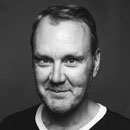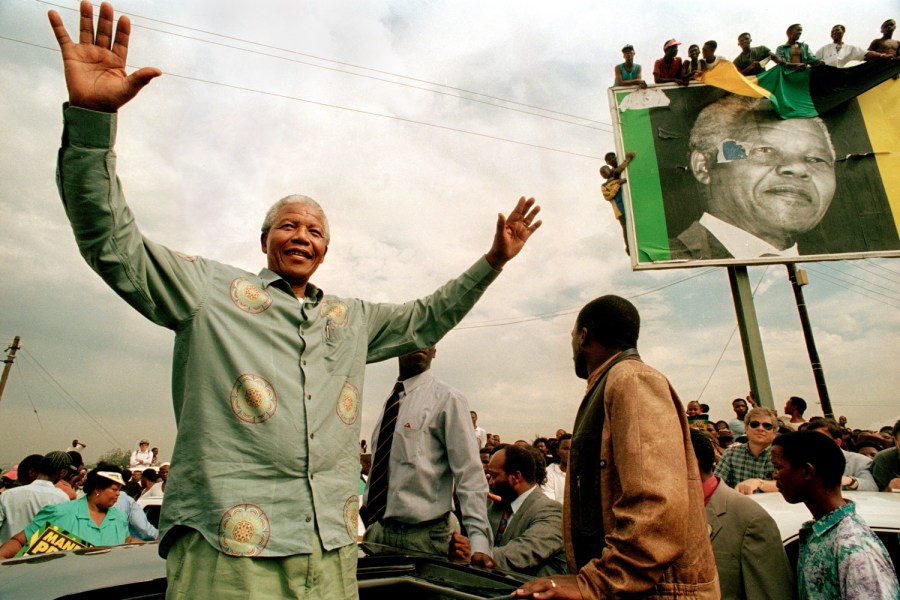
Award-winning photojournalist Simon Townsley has spent four decades documenting conflict, disease and humanitarian crises in more than 110 countries. He tells Amateur Photographer why trust, not access, lies at the heart of great documentary photography.
It’s a warm summer morning in Clerkenwell, London. Builders briskly go about their business. St Georges flags hang hopefully from windows. International languages are chatted across tables outside the Briki cafe and deli. In his apartment on an upper floor of a former printing works, photographer Simon Townsley (b. 1963) is trying to secure an Iranian visa.
Earlier he’d been discussing ideas with editors and writers at The Telegraph of what could be his next assignment. Madagascar had only just slipped into the rear-view mirror and Iran might be next, but permissions and paperwork were proving costly and tricky. Townsley was philosophical, another story would soon replace it. After four decades as a photojournalist, uncertainty had become the only certainty.
Global view
He guides me towards the sofa, past a collection of trophies his 12-year-old daughter insisted were on display, embellished by a few additional ones of her own ‘for dad.’ There’s a faint whiff of oil from a vintage table he’s restoring, shipped from his native New Zealand. Two ceiling fans interrupt the air. The walls are surprisingly bare. A few photo books lie on the coffee table, including Moises Saman’s Glad Tidings of Benevolence. We sit down, I press record. ‘I’d rather do these things now. I don’t know whether I’ll be here or on a plane tomorrow,’ he says matter-of-factly.
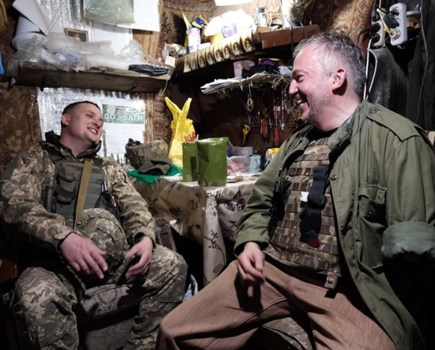
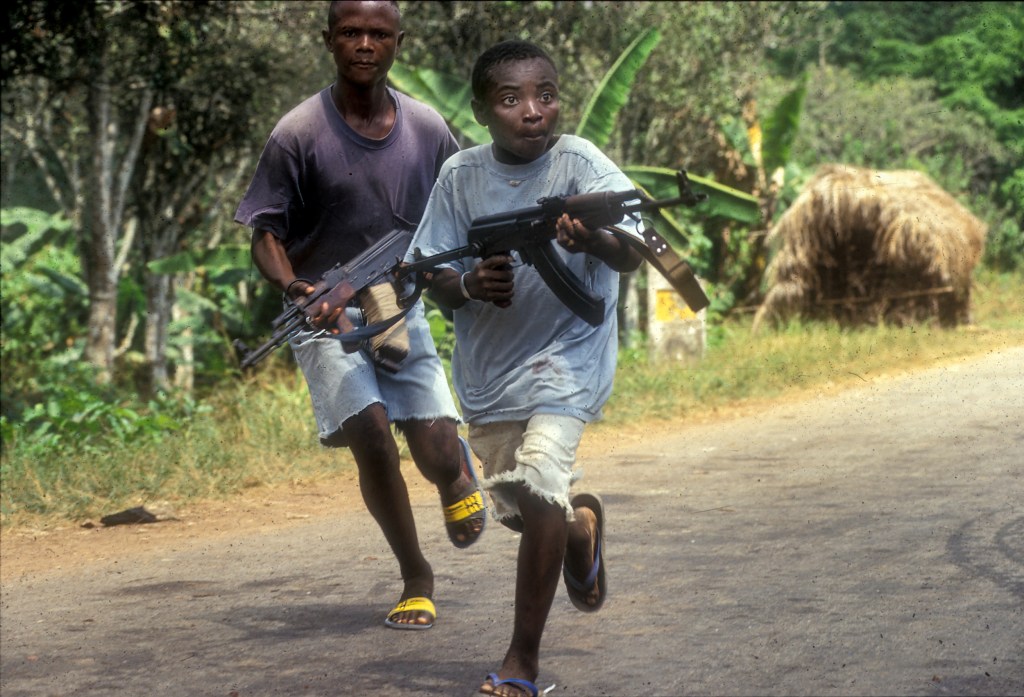
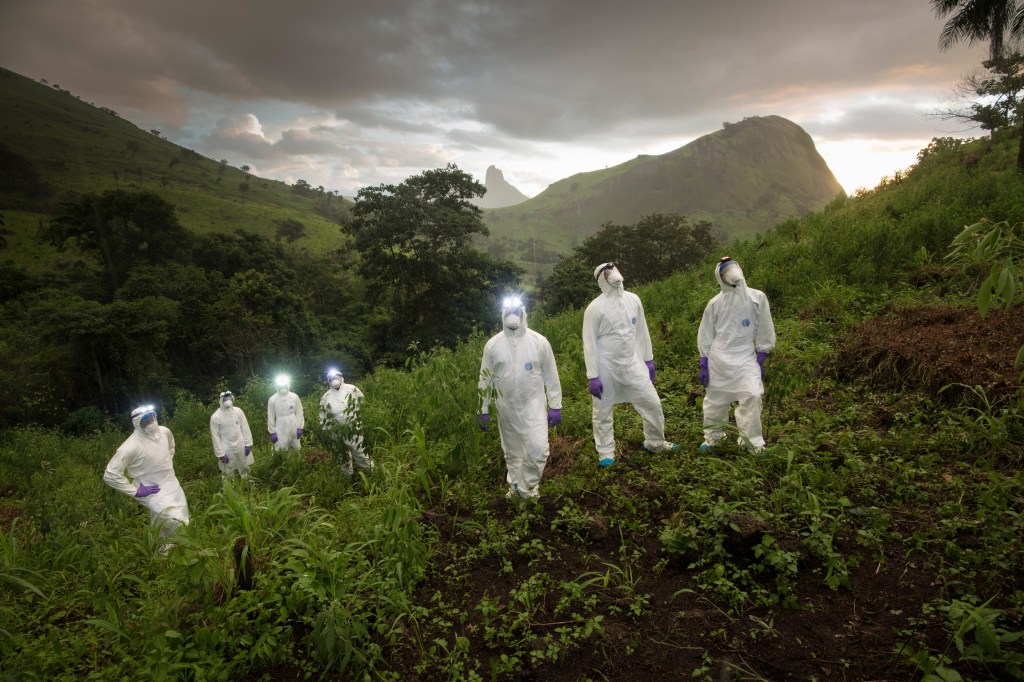
There’s an understated nature to the setting compared with the extraordinary places he photographs. Townsley’s career has taken him to over 110 countries covering events from the fall of the Berlin Wall and Nelson Mandela’s release to Ebola outbreaks, COVID wards, multiple refugee camps and front lines of conflict. It’s an impressive CV but Townsley is refreshingly down to earth. ‘I realised very early on that I’d found my calling. Photography isn’t what I do. It’s who I am,’ he says.
Trust before access
The industry around him has changed radically but this sense of purpose has remained unshakeable. ‘I don’t think the work I’m doing now is radically different from what I started doing 40 years ago. It’s a moderate evolution,’ he reflects. The understanding of his craft has evolved and it’s only in the last five or six years that he’s started to articulate what makes his photography successful. The answer has very little to do with cameras.
I’ve asked many photojournalists what is the secret to making powerful documentary images and most hone in on access. Townsley’s spin is trust. ’Trust gets you access. The reason I got the access and the images is because people trusted me and I trusted them,’ he says. It’s a deceptively simple distinction that’s at the heart of everything he does. That trust reaches beyond those who stood in front of his camera to his wider team – fixer, writer, editor. Previously he spent 14 years as Senior Photographer at The Sunday Times. His current role as Senior Photojournalist on The Telegraph’s Global Health Security Team depends on constant collaboration.
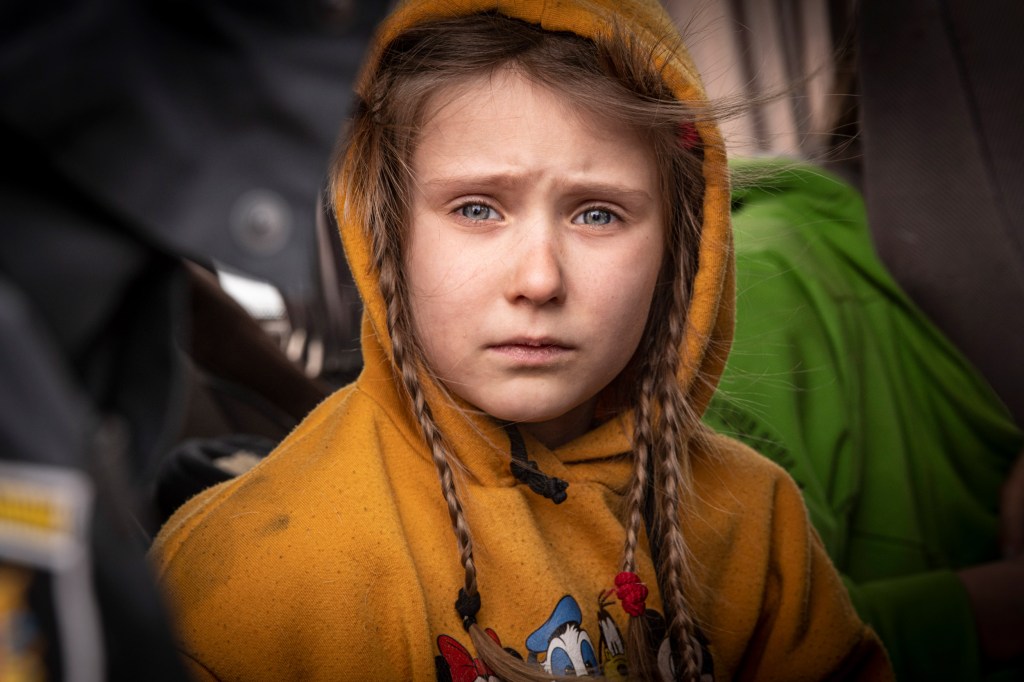
He explains, ‘We have a collaborative approach. The writers, editors and I discuss the story together. Sometimes I’ll suggest an idea. Sometimes they’ll have one. Often the story changes once we’re on the ground and then the photography changes with it.’ Townsley is proactive in generating ideas including a recent investigation into the island paradise of Fiji with the world’s fastest-growing HIV epidemic. ‘You’ve got to have ideas. People aren’t paying simply because you’re a good photographer,’ he says firmly. It’s valuable advice for photographers hoping to build careers in documentary photography.
Defending parachute journalism
I ask Townsley about parachute journalism – the practice of sending reporters into unfamiliar geographical areas or communities to cover a breaking news event or story before quickly leaving. Critics of this approach to news gathering say it can lead to superficial or distorted reporting because these journalists often lack deep familiarity with the local political climate, language, culture, or historical context, vulnerable to making generalisations or relying too heavily on official government statements. The glint in Townsley’s eye matches the two studs in his left ear. ‘I’m proud of parachute journalism.’
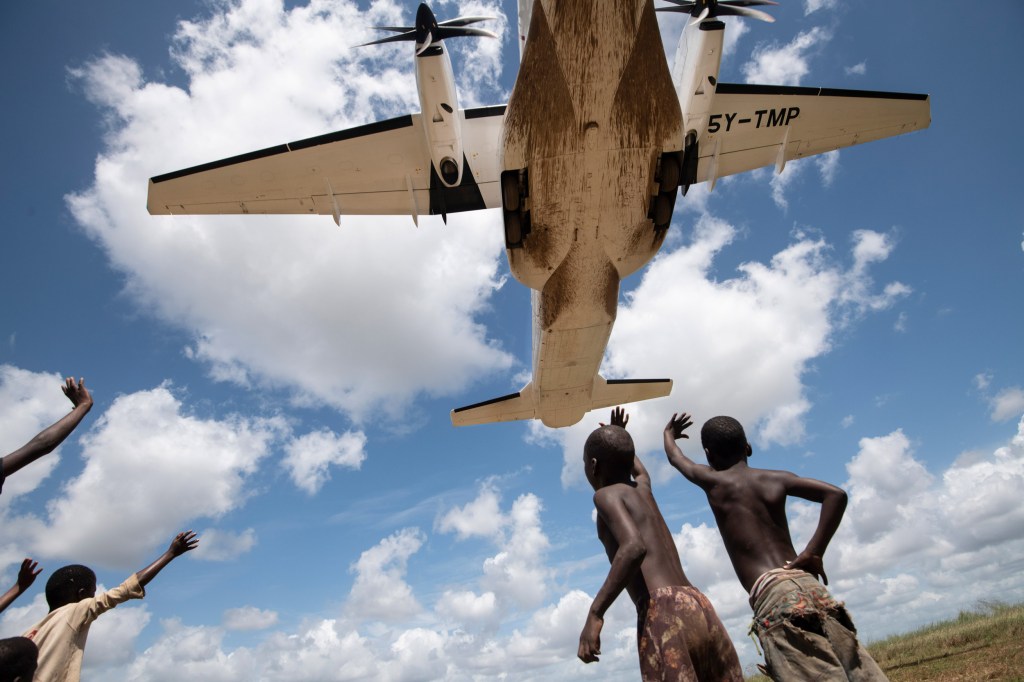
His defence isn’t based on convenience but necessity. From working repeatedly with local journalists across the globe, he’s convinced that they are often unable to report on subversive stories precisely because they are part of those communities. ‘They’ll never work again. They’re too compromised,’ he says bluntly. ‘You need people who can come into a community and observe it honestly,’ he adds, recalling situations where he’s been ghosted by local collaborators because they no longer want to be associated with a story.
Imposing view
Foreign photographers also perform another important role that locals cannot: understanding what photographs will resonate for viewers back home. It isn’t about imposing an outside view. Audiences in Britain engage differently from audiences elsewhere. ‘We’re communicating with our readership,’ he says. Townsley’s list of awards includes three for British Press Photographer of the Year. The day after my visit he won the UK Picture Editors’ Guild Fleet Street’s Finest Photo Essay Photographer of the Year award. He knows his audience. He suggests the critics of parachute journalism often misunderstand the realities on the ground. ‘What people are objecting to isn’t really the parachute nature of it. They just don’t like what you’re saying.’
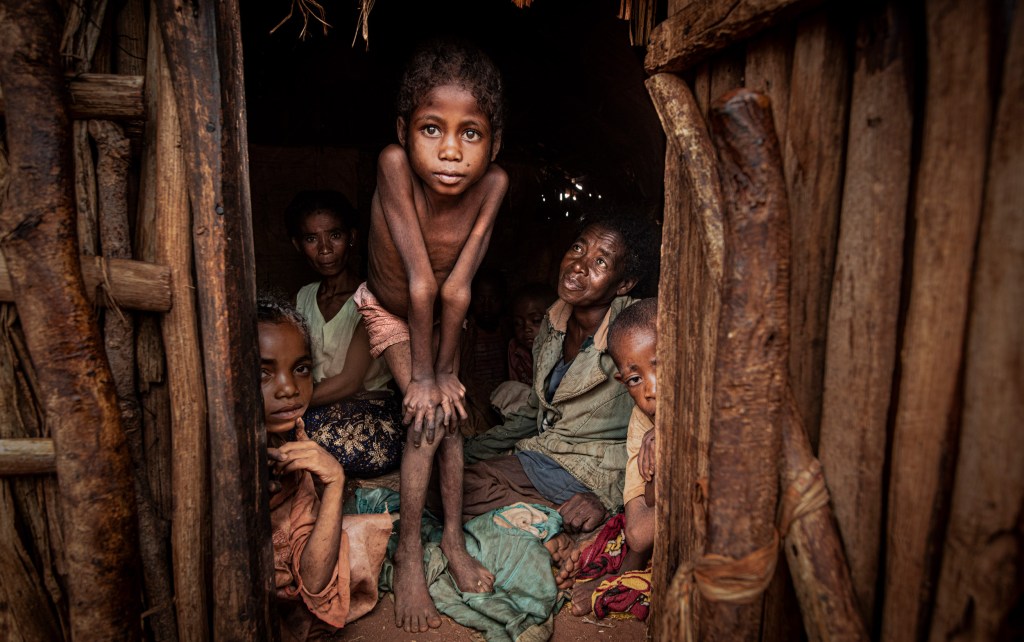
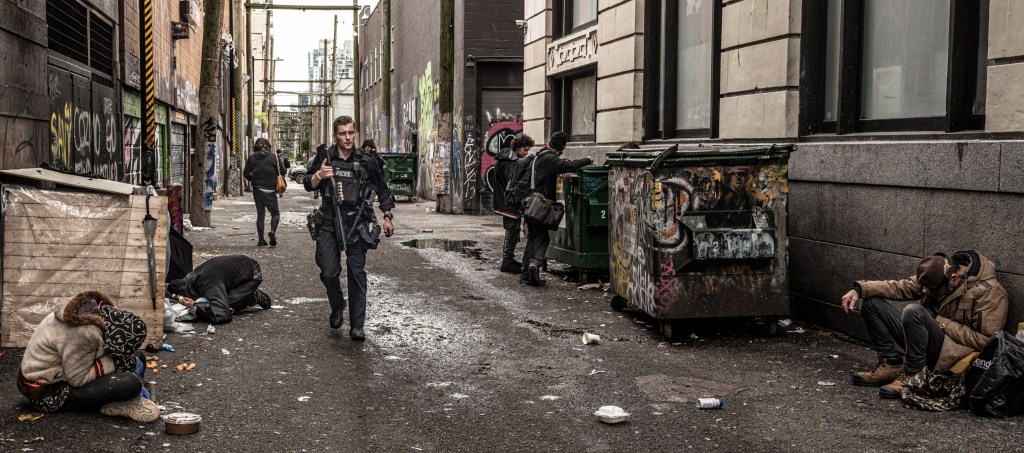
He cites the backlash to his reportage project documenting how decriminalisation made Vancouver the fentanyl capital of the world. The work prompted abuse, death threats and accusations. One NGO worker challenged him for overlooking the more hopeful stories surrounding addiction. Townsley’s response was simple. ‘I didn’t see that. I can’t photograph it if I don’t see it. I didn’t see them with their kids leading wonderful lives with fulfilling jobs or art projects… I saw misery, and that’s what I photographed.’ For him, documentary photography begins and ends with bearing honest witness to what unfolds in front of the lens. If that reality is uncomfortable, sanitising it to satisfy critics would be a far greater betrayal of the truth.
Journalism not activism
Townsley doesn’t show many signs of frustration but there’s perhaps one subject that has him shifting his cushions – the increasing expectation that photographers should also be campaigners. ‘I’m a journalist, not an activist.’ His concern extends to the increasing number of emerging photographers who place impossible expectations on themselves. ‘I hear people saying they want to stop climate change or stop a war through photography. You’ll burn out.’ If documenting injustices ultimately affects positive change, that’s welcome but Townsley doesn’t carry the burden that it must. He doesn’t believe it’s his job to change the world and it’s perhaps this belief that has allowed him to sustain a career photographing human suffering without becoming overwhelmed by it.
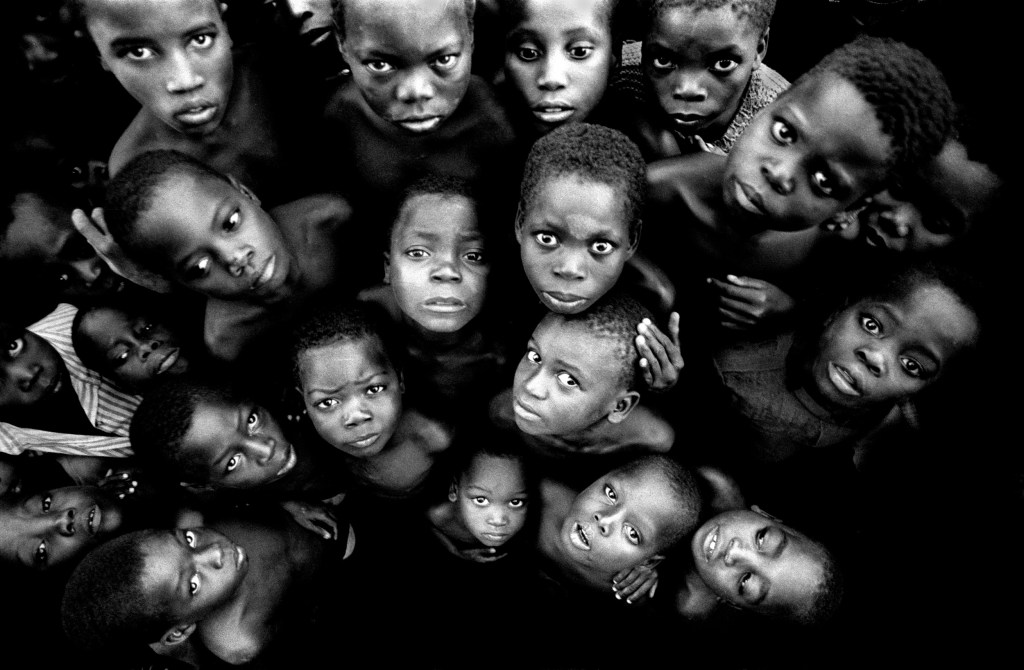
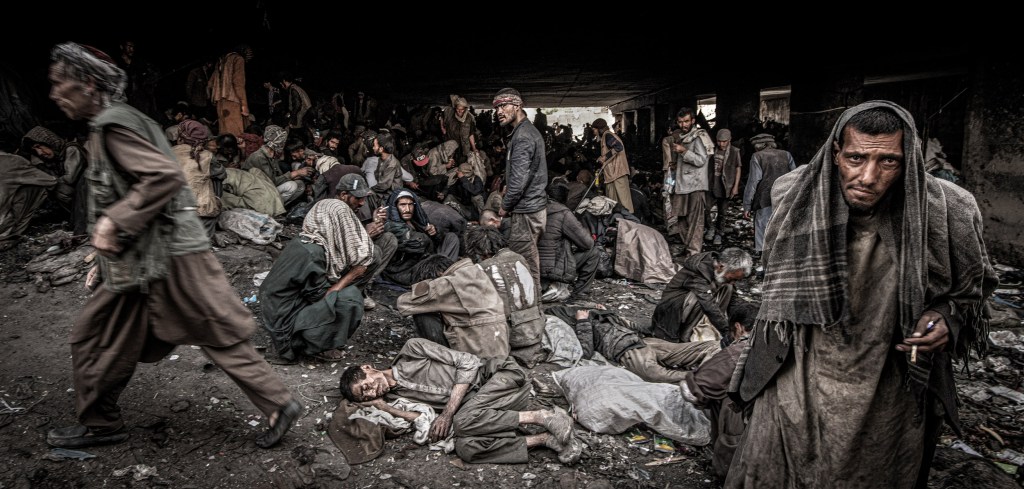
Townsley has photographed famine, infectious disease, addiction, displacement and conflict. His outlook is surprisingly optimistic and his conclusion about humanity strikingly hopeful. ‘Mostly people are good, kind and honest. Acts of kindness far outweigh acts of cruelty.’ Even when people behave badly, he rarely believes malice is the driving force. ‘Mostly, if people mess you up, it isn’t because they’re trying to. You’re just caught up in the collateral damage of them looking after themselves and their family.’
Optimism doesn’t necessarily equate to a serene existence. ‘I wake up every morning anxious for no apparent reason. If I’m always nervous, I might as well be somewhere where it’s right to be nervous,’ he says. He’s often convinced he’s caught the very disease he’s been documenting. The pressure of making photographs hasn’t disappeared, and is what has kept him at the forefront of the profession for so long. It doesn’t get easier, the panic remains, you just have to channel it and live alongside uncertainty.
Slowing down
After years of newspaper assignments, in 2002 Townsley embarked on his personal OILMAN project. Driven by a desire to explore photography in its purest aesthetic, the OILMAN series features large-format industrial landscapes across more than 20 countries. The project visually documents mankind’s relationship with the natural world and the immense scale of the global oil and gas industry. Influenced by Wim Wenders’ panoramic landscapes, he deliberately slowed himself down. Waiting for light. Waiting for detail. Waiting for something unexpected. ‘I found it incredibly boring at times,’ he guffaws. The process changed how he sees and today still favours panoramic compositions – small details on large canvases. That slower, more contemplative approach is applied to health crises or humanitarian disasters producing images that invite the viewer to linger.
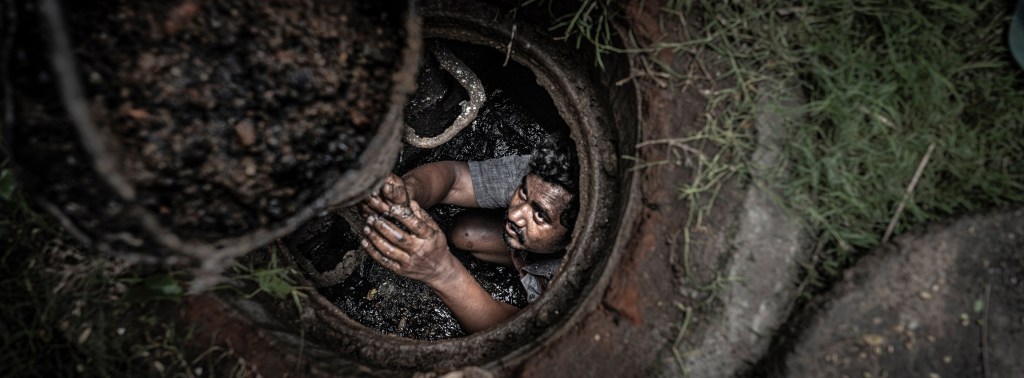
The desire simply to see overrides awards, publications and prestige. Gaza is top of his ‘to see’ list. North Korea is not far behind. He admits perfectionism has delayed plans for a major book collecting his recent Global Health Security work. A piece of advice he remembers from an old colleague continues to keep him moving. “Don’t let perfection be the enemy of the good.”
In an era increasingly dominated by opinions, algorithms and instant judgement, Simon Townsley remains both remarkably old-fashioned and refreshingly contemporary. He believes in collaboration over ego, observation over activism, and above all else, that after forty years photographing humanity at its most vulnerable, trust is where it all begins.
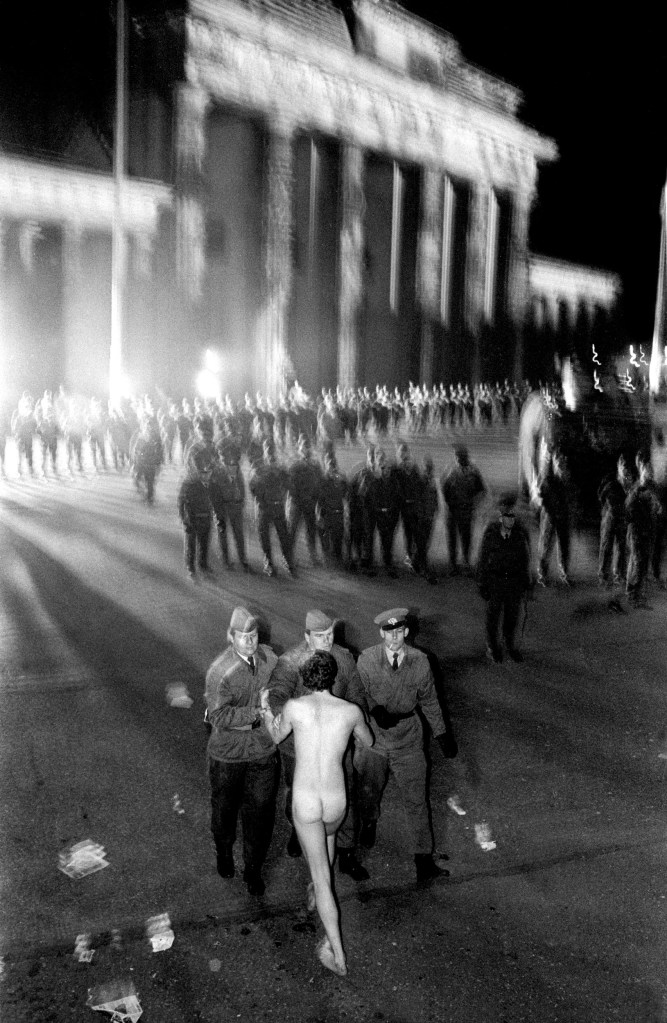
Simon Townsley is a featured speaker at the Royal Geographical Society’s Summit Photo event in London 17-19 July 2026.
What’s in Townsley’s kit bag
- Nikon Z8 x2 (set to manual focus, camera switches taped over so they can’t be changed accidentally)
- 24–70mm & 70–200mm lenses (mounted on camera to avoid dirt getting in)
- Fujifilm GFX100 II (with the Fujifilm EVF-TL1 EVF Tilt Adapter for medium-format panoramic tilt-shift photography)
- GF 30mm f/3.5 lens
- Profoto flashes + remote
- Reflector
- Rain poncho
- Head torch
- Trauma kit
- Packing cubes
- Biltong, tins of smoked oysters or sardines
- Mosquito net & bug spray
- Swiss Army knife
- Gaffa tape
- Zip-locks and scissors
- Teleconverter 1.2x
- Hat, sunglasses, sunscreen
- Melatonin for jet-lag
Townsley’s top tips
The strongest photographs come from relationships built on mutual trust, even if you only have hours to establish them.
Clients aren’t paying simply for technical ability. They’re paying for original story ideas and a fresh way of telling them.
Your best projects are often right on your doorstep. Photograph the communities you know first, where access and trust already exist.
Don’t force the story, arrive with a plan, but stay open-minded. Sometimes the strongest story only reveals itself once you’re on the ground.
Panic is natural, but don’t let it control you. If nothing is happening, slow down, observe and wait for the picture rather than chasing it.
Great journalism is collaborative. Talk constantly with writers and editors so words and pictures strengthen each other.
Don’t let perfection become the enemy of finishing the job. Every project, book or edit could be improved but at some point you have to let it go.
Eat properly, stay hydrated and never take unnecessary health risks. During a cholera outbreak, for example, Townsley refused requests to share his water bottle. Compassion shouldn’t compromise your own safety.
Don’t expect photography to change the world: Your job is to witness honestly, not to be an activist.
Keep photographing what you believe in: Trends come and go. Editors’ tastes change. Keep making the photographs you believe matter.
Related reading:
- Buried in a Teapot: The fantastical world of Ghana’s funerals, where coffins take every shape imaginable
- Don McCullin revisits Vietnam in what he says will be his final book – take another look at his unforgettable iconic images here
- I was stopped at the border with my cameras – what happened next was unbelievable
Do you want to win some great prizes for your photography? Enter your photos in our International Amateur Photographer of the Year competition. Free entry for photographers aged 13-21.
Follow AP on Facebook, Instagram, YouTube, TikTok and Irys.