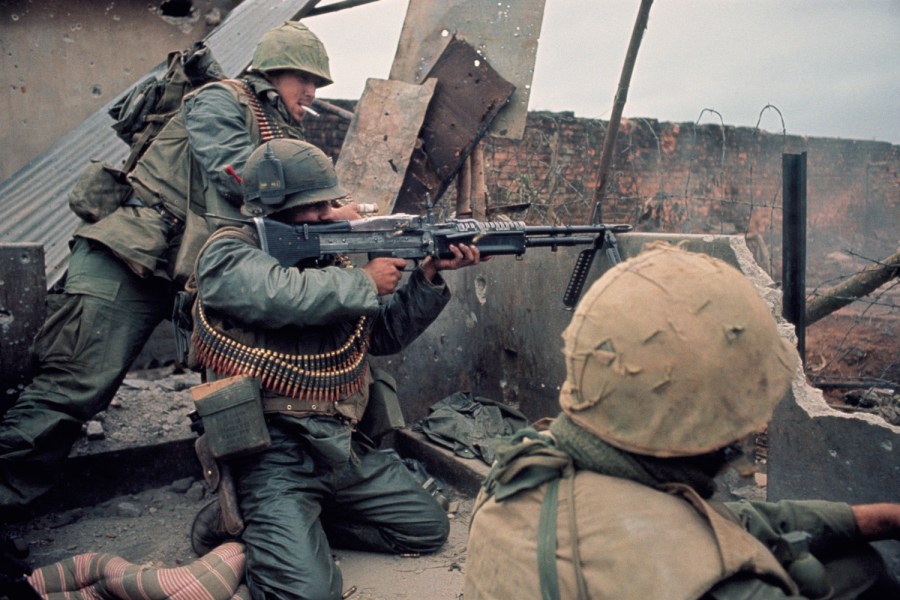
Legendary photojournalist Sir Don McCullin is returning to Vietnam, the conflict that defined his career in what he has suggest will be his ‘last ever book.’
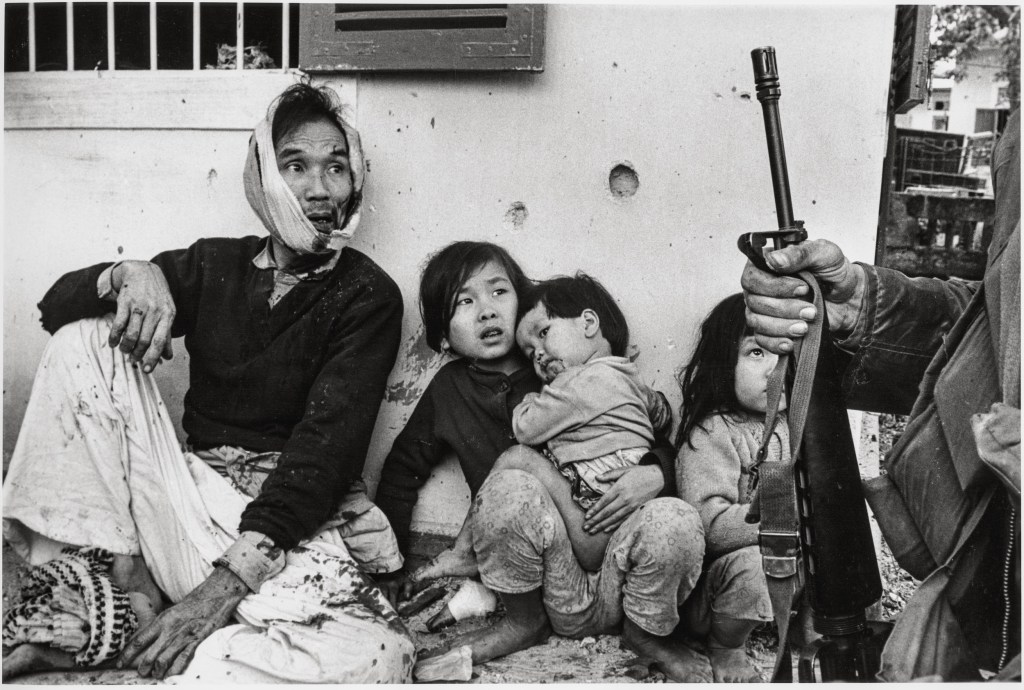
End of the war
Published by GOST Books this autumn, Vietnam will be the first monograph to bring together all of McCullin’s photographic campaigns from the war between 1965 and 1972. The book features around 100 black and white photographs and over 20 colour images, many of which have never been published or exhibited.
McCullin has spent much of the past few years at home in his darkroom reflecting and revisiting the archive that has shaped his photography and life. In this new volume, iconic images of US Marines in combat sit alongside his less-recognised photographs of Vietnamese civilians and the human consequences of a conflict that claimed the lives of millions.
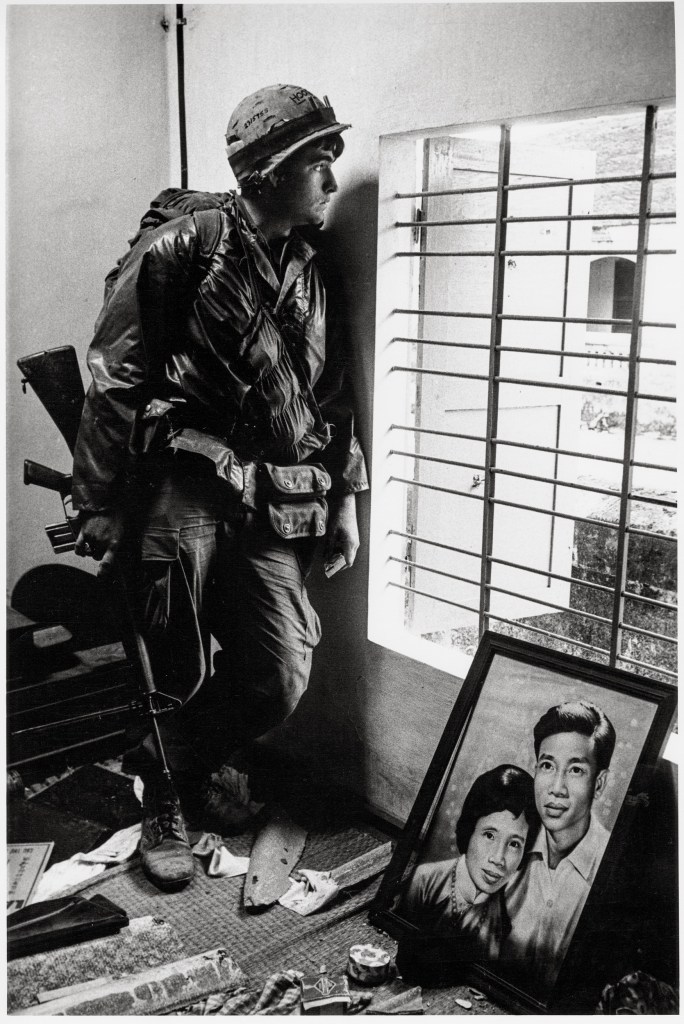
Fresh perspectives
Alongside the photographs that established McCullin as one of the world’s foremost war photographers are personal notes, contact sheets, press clippings, identification cards and other ephemera from his time in the country. Conversations recorded between the photographer and GOST Books director Stuart Smith provide detailed captions and recollections, offering fresh insight into experiences McCullin has rarely discussed at such length before.
The book revisits the significant 1968 Tet Offensive and the Battle of Hue, one of the fiercest engagements of the war. Reflecting on the experience, McCullin says: ‘At 32, I’d already covered wars in Congo, Cyprus and Israel. I’d witnessed combat up close. I reviled violence, always, but journalism had also inculcated me with a certain dutiful attraction to conflict. I thought that in Hue, like elsewhere, I’d be able to walk right up to the fight and photograph it. I thought I had the stomach for the Tet Offensive. But during 11 days inside the Citadel, I beheld all the ways that men live and die in war. I shot wars after Hue, but nothing so intense and dangerous. I witnessed the most incredible courage, too. But for what?’
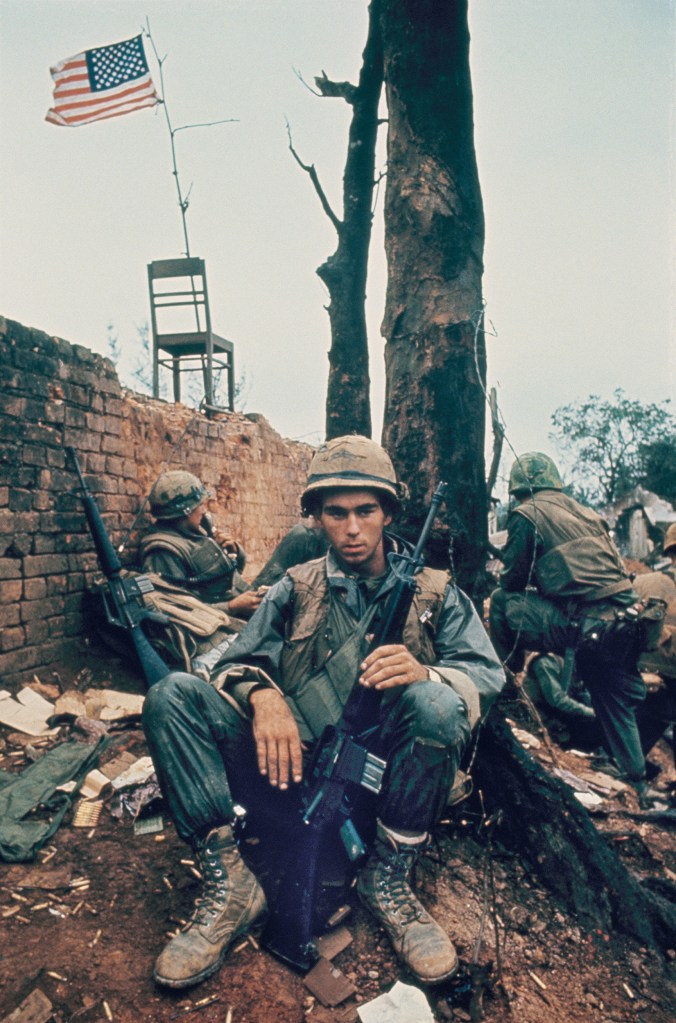
Human stories
That question ‘But for what?’ has reverberated through much of McCullin’s life post-Vietnam. He may be widely celebrated for his conflict photographs from Vietnam, Biafra, Bangladesh, Northern Ireland and Lebanon among others but has often spoken about the personal cost of witnessing such an accumulation of violence and suffering.
Speaking earlier this year in Vienna as part of the the Baden Photo Festival in Austria, McCullin recollected living alongside American Marines during the fighting in Hue, describing how he spent 12 straight days in combat conditions without removing his clothes. He also reflected on the human stories behind the headlines, recalling a wounded North Vietnamese soldier who had been been fighting for less than a month when he was captured. ‘Some of the soldiers had a compassion,’ McCullin told the audience. ‘Maybe this boy has honoured himself, it’s his country he’s fighting for.’
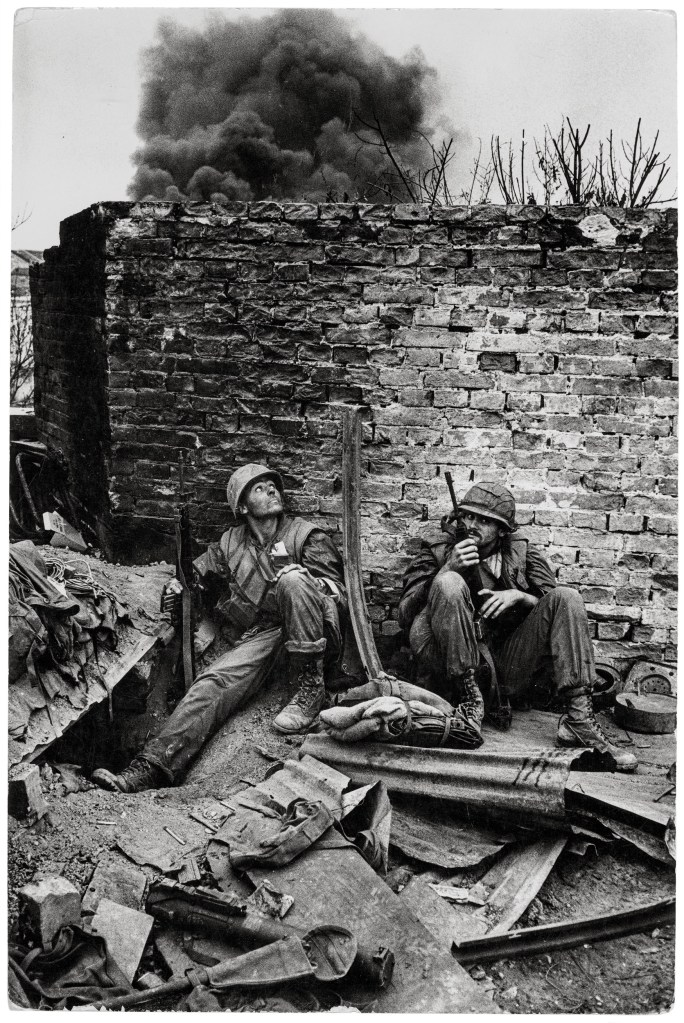
These observations reinforce the empathy that underpins his photography. McCullin’s war photographs are taken amidst unspeakable brutality but often highlight dignity and shared humanity. While his black and white photographs have become part of the visual history of the Vietnam war, this publication delivers a rare opportunity to see his eye interpret colour.
Boyhood born of war
Born in 1935, McCullin spent his youth in a country bearing the scars of war. Finsbury Park was a place where poverty and limited prospects were part of daily survival. He often talks of wanting to avoid the fate that befell many of the boys in his neighbourhood. Photography and a camera acquired during military service offered him a route out. Yet for all the places visited on assignment and distances travelled, McCullin has remained rooted in the same instinct: an understanding of hardship and human vulnerability. The compassion visible throughout Vietnam was forged in north London, long before he arrived in Southeast Asia.
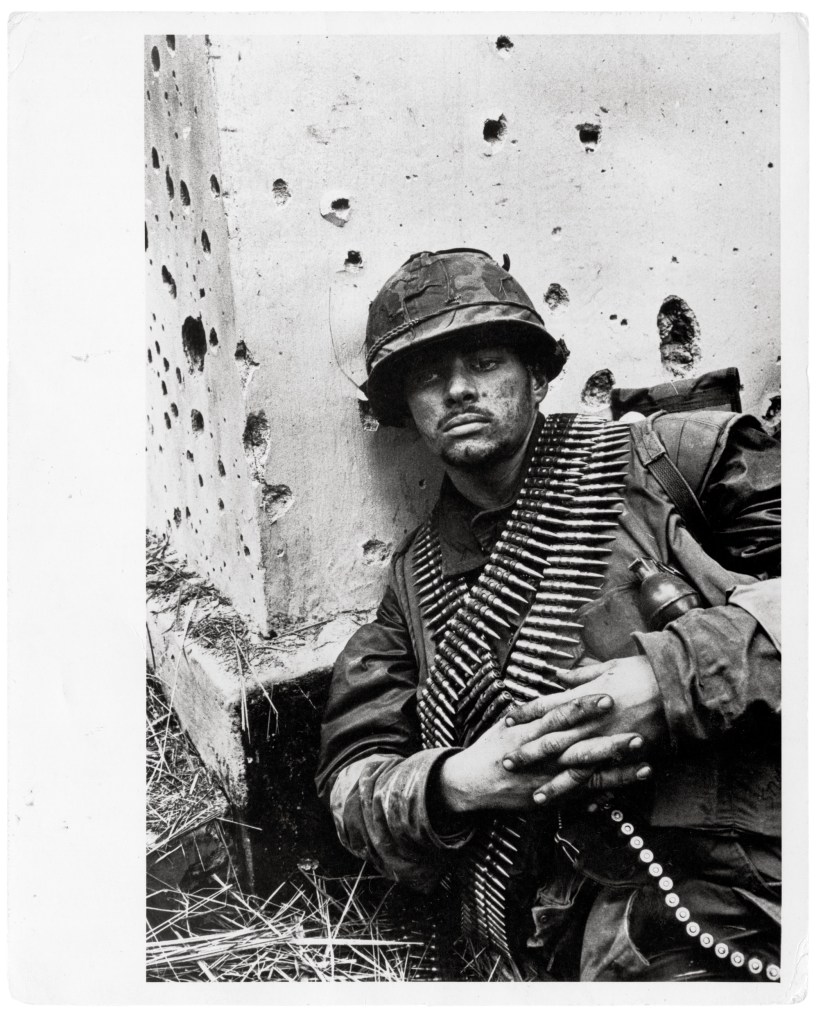
McCullin has collaborated with GOST before on Life, Death and Everything in Between, The Roman Conceit and The Stillness of Life. Vietnam promises to be a definitive retrospective of his enduring work made in the country. If it does prove to be McCullin’s final book, it feels less like a closing chapter than a return to unfinished business. More than half a century after he first photographed the conflict, he has revisited the images, memories and questions that stayed with him longest.
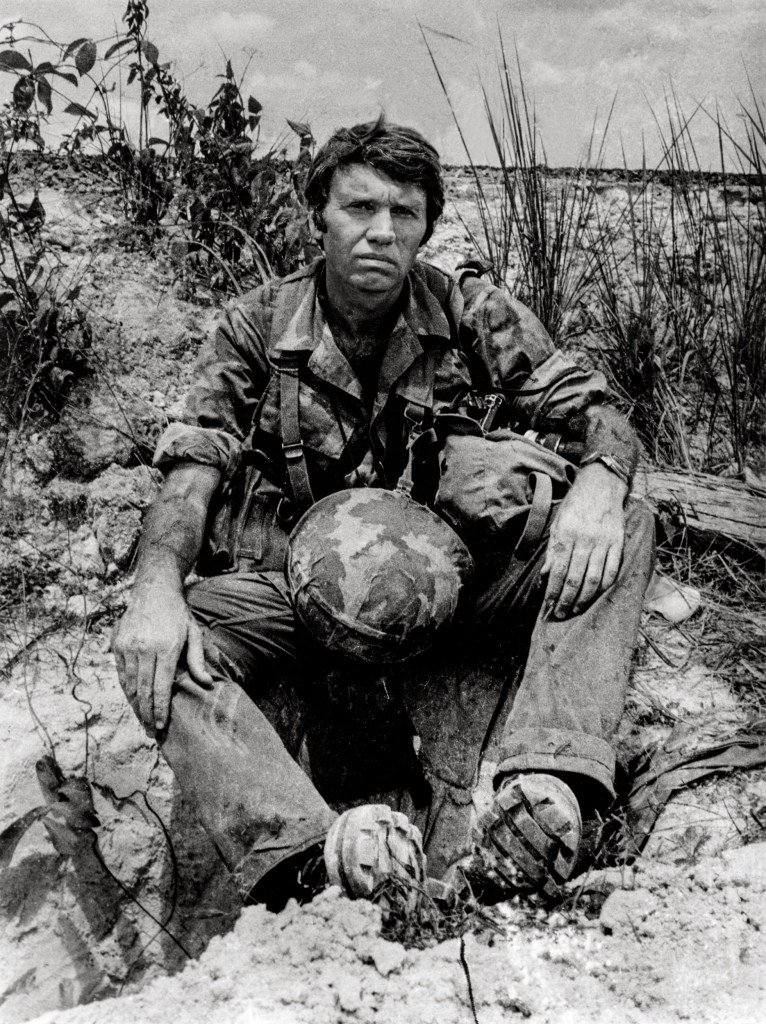
Today, Sir Don McCullin, appointed as a Companion of Honour in the King’s Birthday Honours 2026 for his services to photography, is as likely to be found tending vegetables at home in Somerset as reflecting on far away battlefields. The empathy that shaped these photographs remains undimmed. Vietnam stands not only as a historical record of a war, but as a testament to the life of the man who witnessed it.
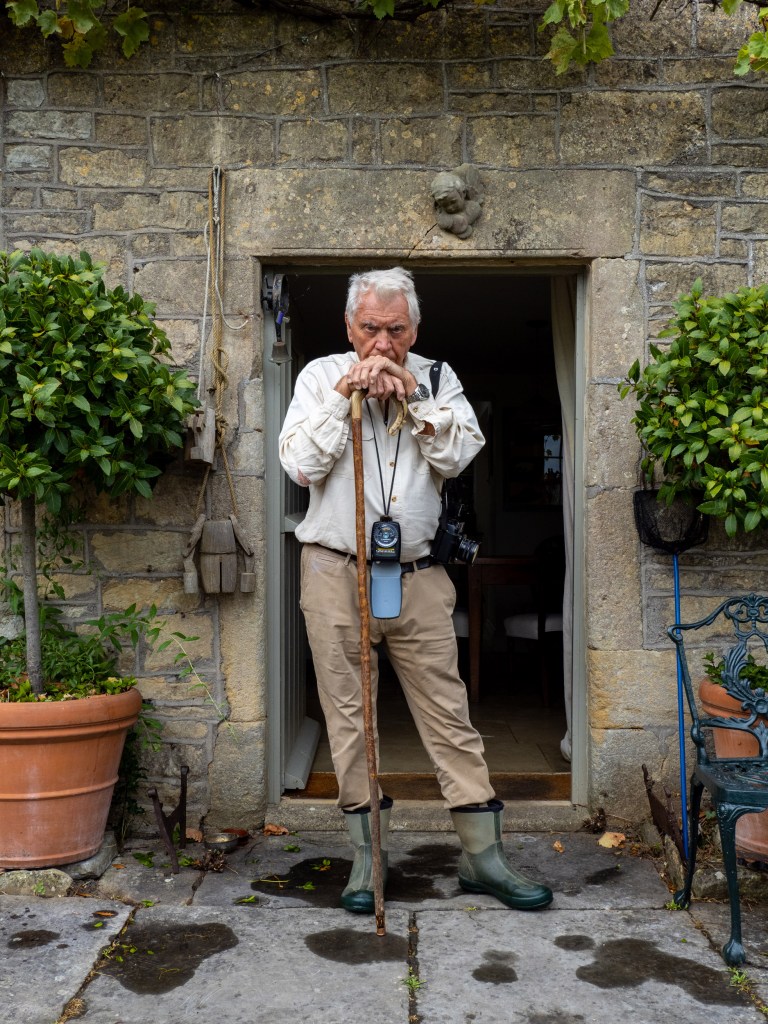
Vietnam by Don McCullin, GOST Books, Released 1 October 2026, Pre-sale 12 June 2026, Standard book: £80 ISBN 978-1-80598-046-9, Signed book: £100 ISBN 978-1-80598-047-6, Special editions: Colour image 1 edition of 15; Colour image 2 edition of 15; B&W image edition of 9 (16 x20 inches) From £2,500
Foto Festival BADEN runs until 11 OCTOBER 20026
Related reading:
- What’s it like to exhibit alongside Don MCullin
- These are the best photographers of all time – as voted for by YOU!
- I was stopped at the border with my cameras – what happened next was unbelievable
Follow AP on Facebook, Instagram, YouTube and TikTok.