We look back on the biggest camera industry news stories of the last 12 months, where some really interesting trends emerged.
2025: the year of power compacts
2025 has seen the release of several high-end compacts designed specifically for photography, rather than video or content creators. It’s another reminder that the formerly moribund compact camera sector is now in rude health!
One of the most interesting releases was the Fujifilm GFX100RF, which combines the company’s strengths in high-end compacts – notably the wildly popular X100VI – with medium-format sensors from its GFX system.
So, the GFX100RF comes with a 102MP CMOS sensor and a fixed 28mm equivalent f/4 lens.
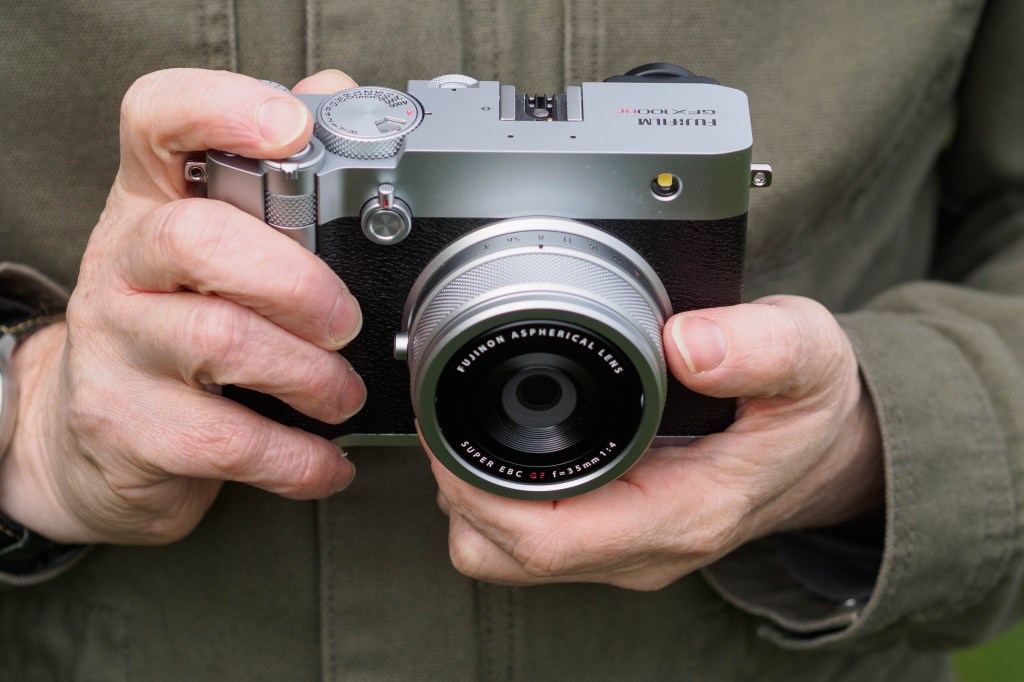
Despite all this imaging power, the camera is relatively compact, at 133.5 x 90.4 x 76.5mm and weighing 735g.
As the world’s first fixed-lens medium-format compact, the GFX100RF is not cheap – around $5600 – but offers sensational image quality and will strongly appeal to well-heeled photographers looking to step up from the X100VI.
Meet the other half
At the other end of the compact scale, Fujifilm also released the X half, a quirky, digital half frame camera. As well as featuring a 32mm equivalent f/2.8 lens, the X half gets very close to the film photography experience for a digital camera, enabling you to shoot up to 72 exposures on a ‘roll’ which you can develop with an app.
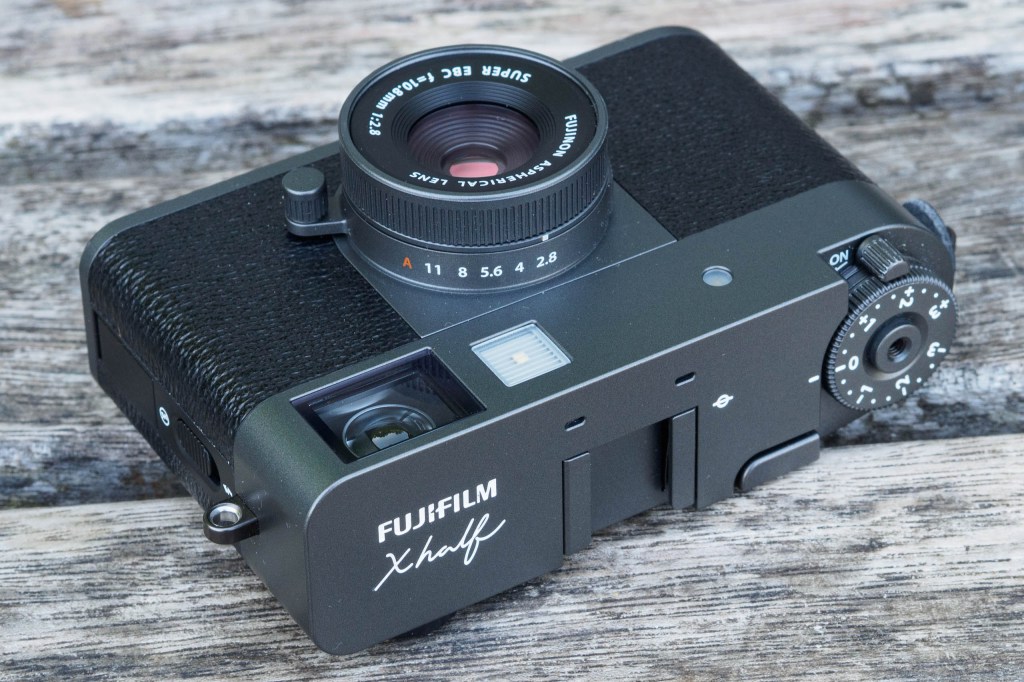
You can also add Fujifilm’s acclaimed film simulations and a wide range of filters to your images. The price raised some eyebrows on release, but it’s now settling down around the £650 mark.
Black and white thinking
Returning to premium-priced compacts, Leica announced the Q3 Monochrom in November, the second black & white-only camera in the company’s Q range.
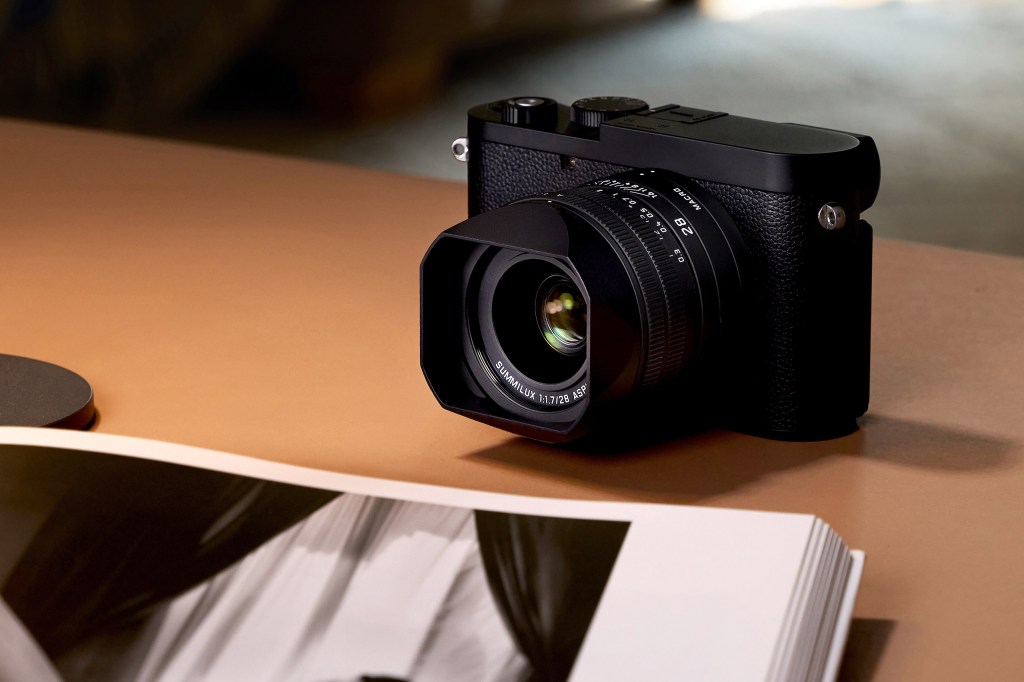
It features a 60MP monochrome sensor (with the colour Bayer filter removed) and – as with the standard Leica Q3 – sports a lovely Summilux 28mm f/1.7 ASPH lens. It can also record video with up to 8K resolution.
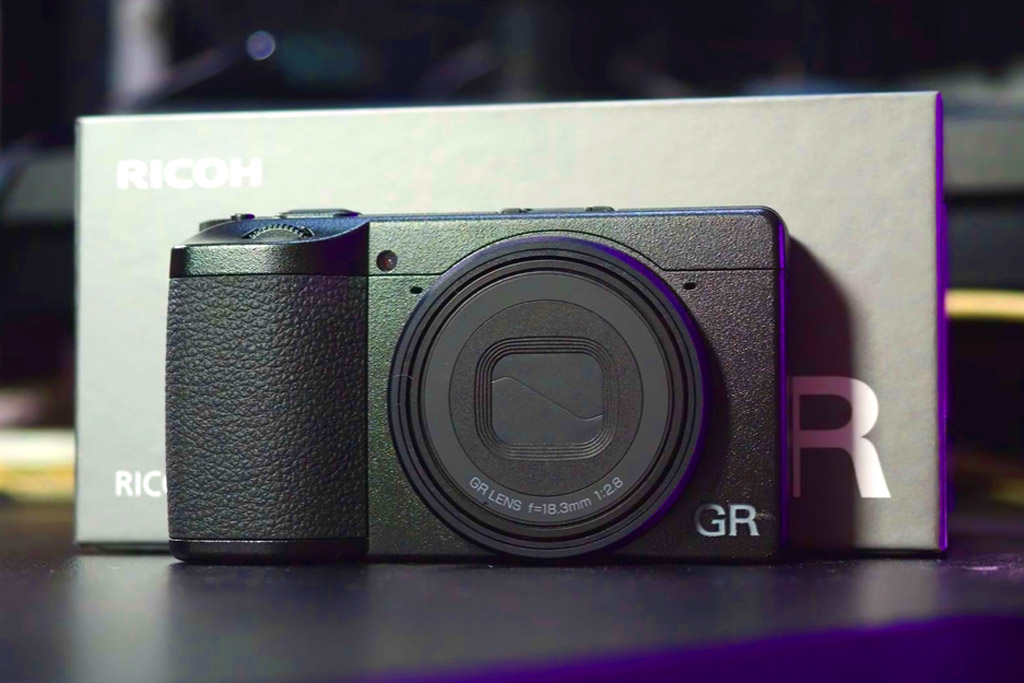
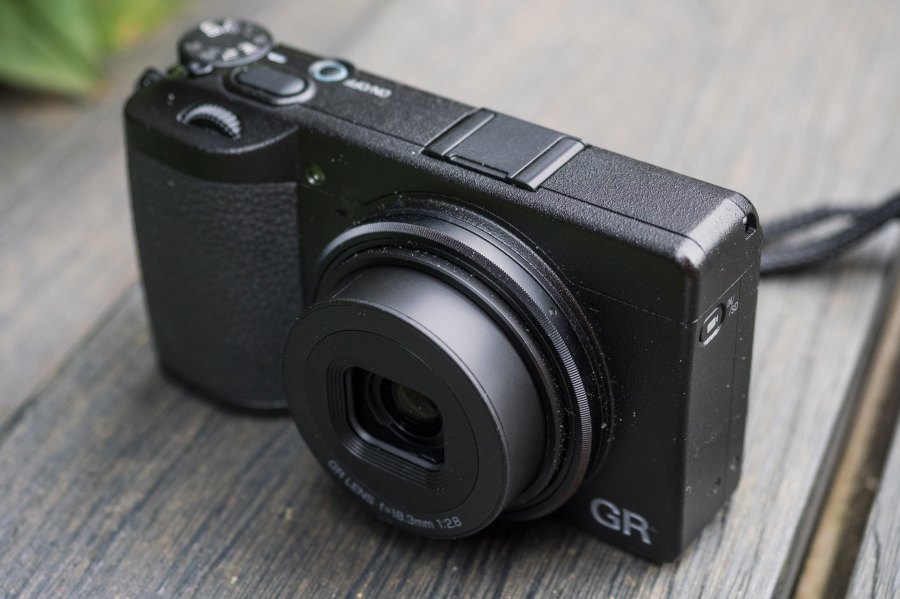
Another of this year’s compact highlights was the Ricoh GR IV, an update of the cult hit GR III. While the 25.7MP resolution increase is incremental rather than earth-shattering, the GR IV features an upgraded a 5-axis in-body image stabilisation (IBIS) system, along with a hefty 53GB of internal storage.
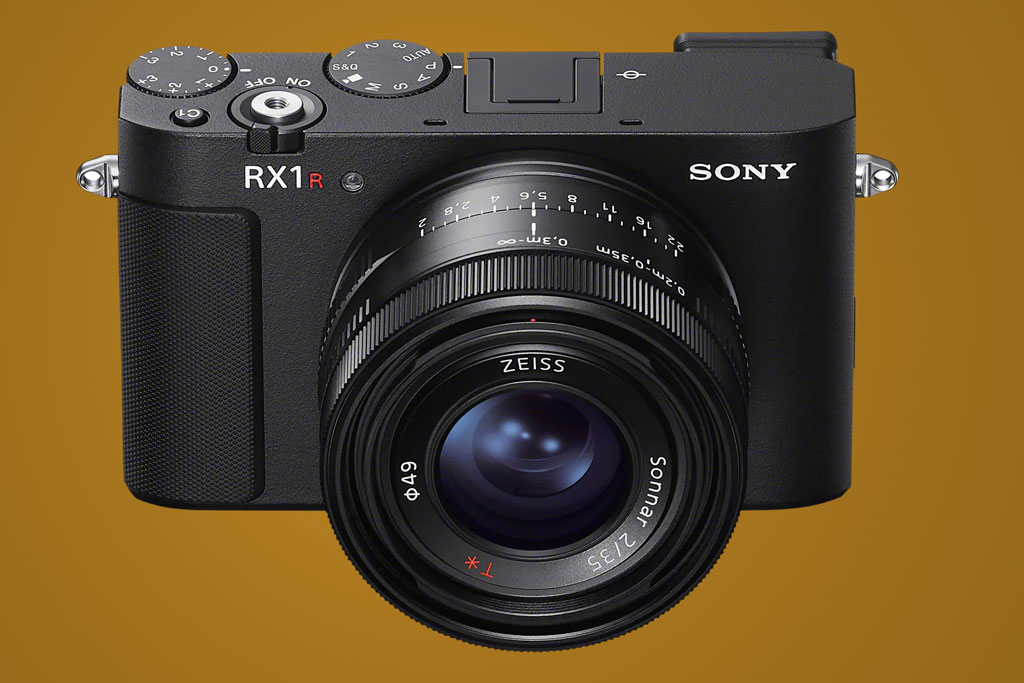
Last but not least, Sony took everyone by surprise back in July, when it announced a new full-frame fixed-lens compact camera, in the shape of the Sony RX1R III.
Appearing a mere decade after its predecessor, it employs a similar fixed Zeiss Sonnar 35mm f/2 lens, but now with a full-frame 60MP sensor.
Video heavy-hitters
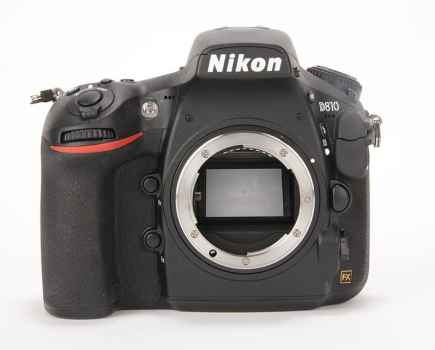
All these powerful compact cameras for stills photography doesn’t mean that makers somehow forgot about video, however. Indeed, we saw several video-first cinema cameras this year, notably the Nikon ZR, Sony FX2 and Canon EOS C50.
The Nikon ZR is particularly interesting, being the fruit of the firm’s acquisition of cine camera maker, RED. The ZR uses the same 24MP partially-stacked CMOS sensor as the Z6III.
This supports 6K 60p raw using the full sensor width, and 4K 120p raw with a 1.5x (DX) crop.
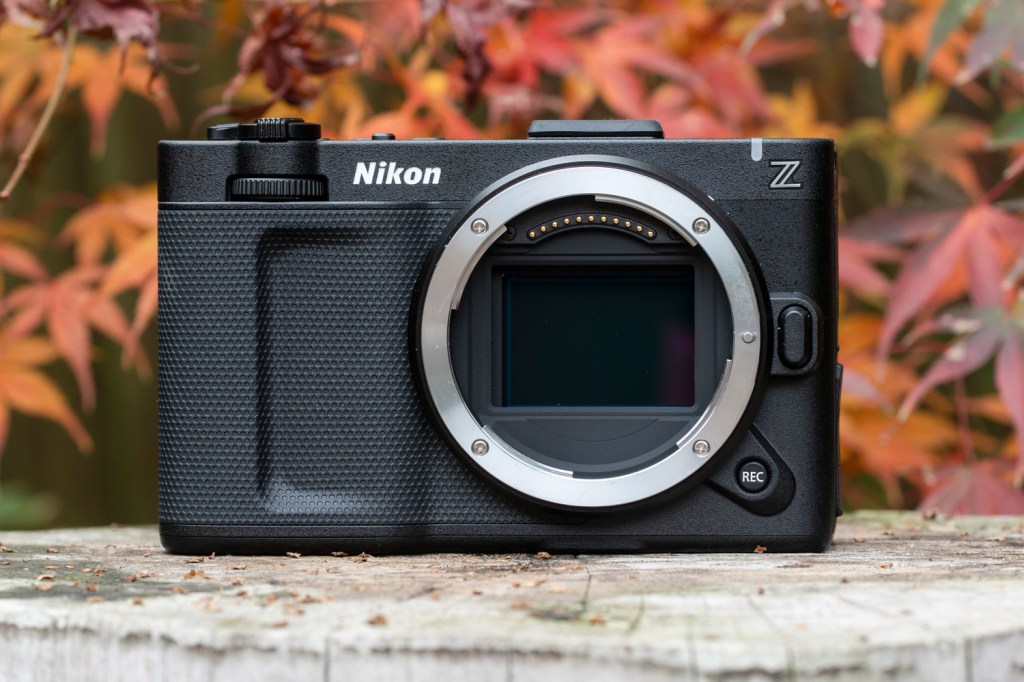
Full HD recording is also available at 240fps. The body is relatively compact, though, as is the price – £2,199 body only. While some corners had to be cut to keep the bulk and price down, you can see why editor Nigel Atherton described the ZR as ‘Nikon’s most important camera for years.’
Meanwhile the Sony FX2 delivers 4K 60p output from a 33MP sensor and again comes in well under £3k (£2,700 body only).
Smartphone makers take the long view
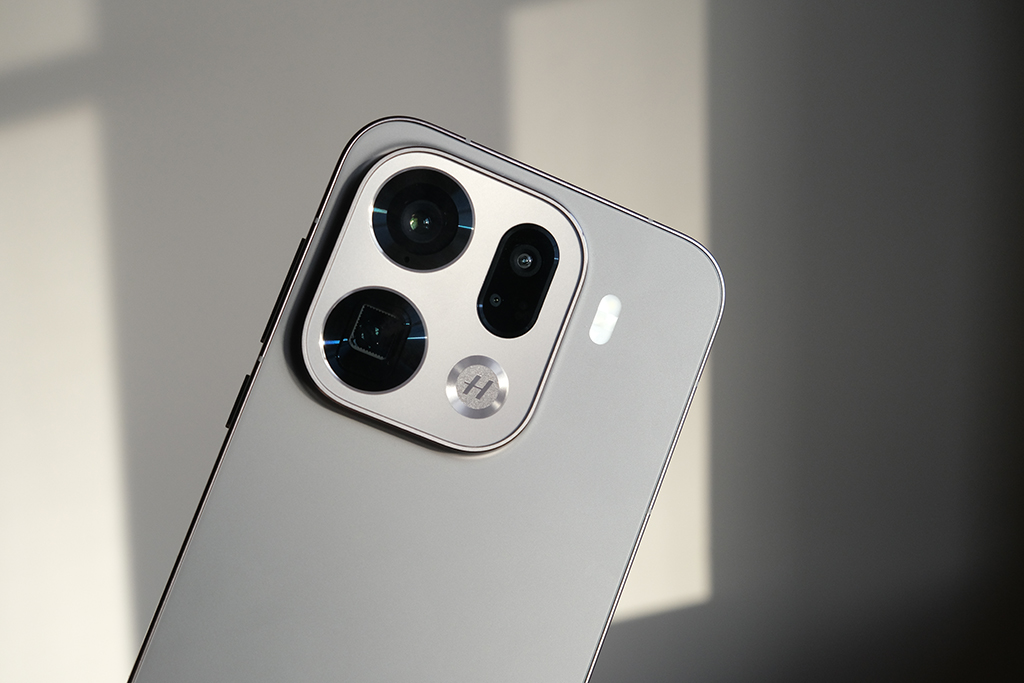
It’s also been a busy year for smartphone makers, particularly in the hyper-competitive Android market. Beyond AI features, slimmer dimensions and beefed-up battery life, some cool technology came to the fore, exemplified by the Oppo Find X9 Pro.
As well as being able to capture still photos at 50MP by default on all three rear cameras, a new Hasselblad Hi Res mode enables you to shoot 200MP still images. While this feature might seem overkill for a comparatively small phone sensor, it gives lots of cropping flexibility.
High-end features
Oppo also rolled out a Hasselblad-branded teleconverter, which gives a far-reaching telephoto focal length of 230mm. At €500, it’s a niche purchase but we are likely to see more add-on lenses from phone makers.

The Xiaomi 15 Ultra continued to up the ante too: although some reviewers bemoaned the loss of variable aperture on the main camera, it now sports a 200MP periscope lens, another big attraction for telephoto fans.
Apple didn’t rest on its laurels in 2025, either; the iPhone 17 Pro’s new telephoto camera was the biggest upgrade, with the 48MP sensor being not only a big jump in resolution but also being 56% larger physically.

Some great events for next year’s diary
Moving beyond camera and phone tech, there are plenty of cool events to look forward to in 2026. First up is AP’s third Festival of Photography, taking place at the University of Greenwich in south London on 31 January.
There will be a diverse range of top photographer speakers, including innovative portrait shooters Drew Gardner, and Amanda Akokhia, along with documentary specialists Ron Timehin and Ethan Parker, lifestyle ace Dean Chalkley and more.

There’s a strong emphasis on career progression at our festival, including panel discussions about how to get work as a press photographer and how you can monetise your video skills. Get a generous Christmas discount on tickets here.
The Photography Show also returns in 2026, taking place at the Birmingham NEC from 14-17 March. As with previous shows, AP will have a stand (A62) so we’ll see you there!
Follow AP on Facebook, Instagram, YouTube and TikTok.