AI dominated Apple’s recent developer conference. Depending on your perspective, Apple’s new AI tools for photography are either a marvel or a dangerous step towards fakery. What you might have missed, though, was an AI-adjacent announcement few amateur photographers are likely to grumble about: a major upgrade to RAW processing.
That includes me. While I’m cool on Apple’s broader AI shenanigans, its RAW processing pipeline was long overdue an upgrade. The last major version bump, RAW 8, occurred in 2017 – back when the iPhone X was the shiny new thing. But now we’re getting RAW 9.
A developing story
If you mainly shoot JPEG or HEIC, you might wonder what all the fuss is about. The appeal of RAW is that it preserves far more image data than compressed formats. That means it’s easier to recover shadows, boost highlights and fine-tune images in post-processing. The catch is that – as Apple said during its session that explained the changes – RAW files need “special handling” before they are displayed or edited.
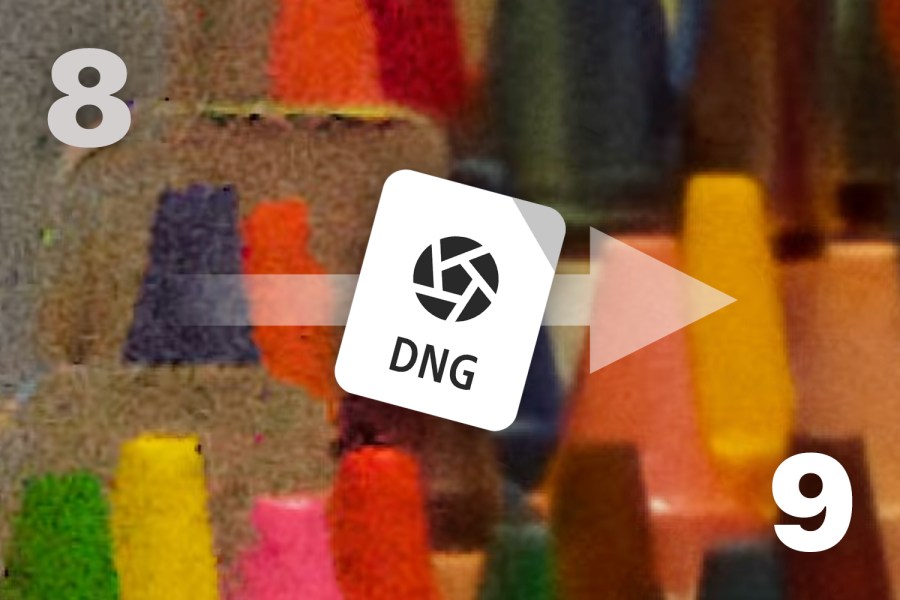
A typical RAW pipeline involves demosaicing (reconstructing full-colour pixels from the captured RGB mosaic), noise reduction and other adjustments. But with RAW 9, demosaicing and AI-powered denoising processes happen simultaneously rather than as separate steps. According to Apple, this produces cleaner, sharper, more detailed results.
Apple showed off some ‘before and after’ examples – see below. The improvements were stark, with eye-popping reductions in noise and meaningful gains in detail. Apple also claimed the new processing is fast and responsive – if more resource-intensive. It’s also easy for app developers to integrate, due to requiring only a few lines of code.
RAW potential
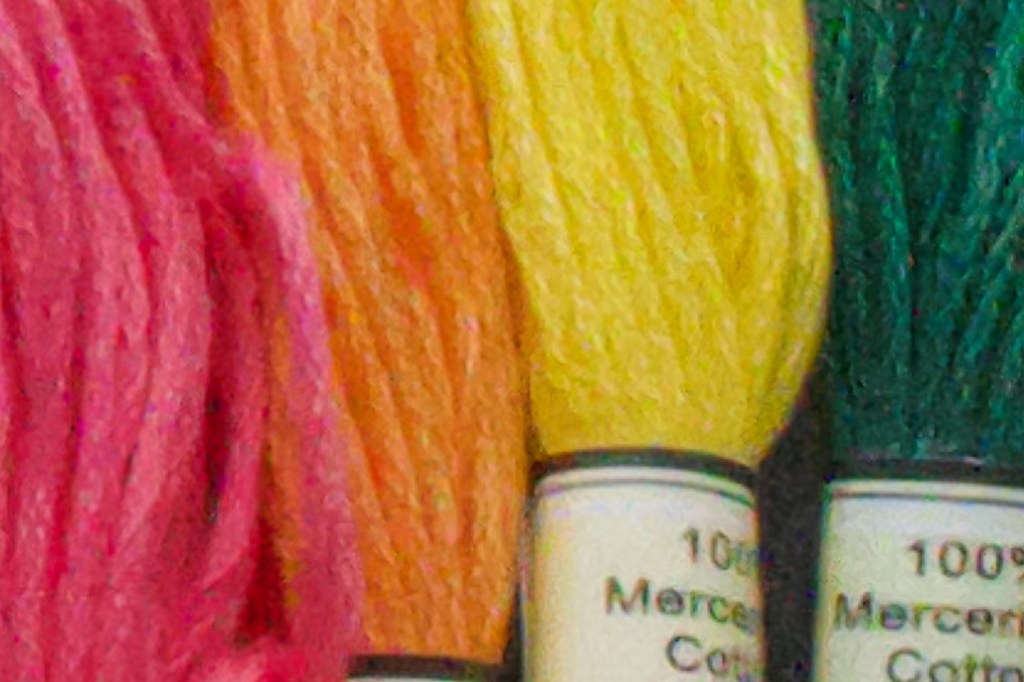
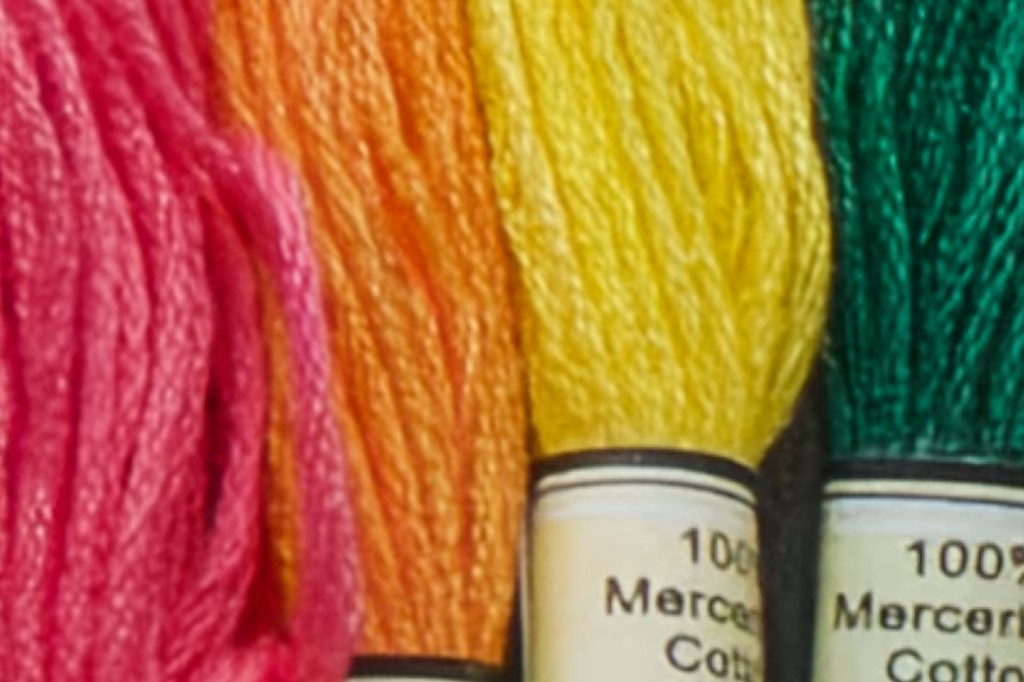
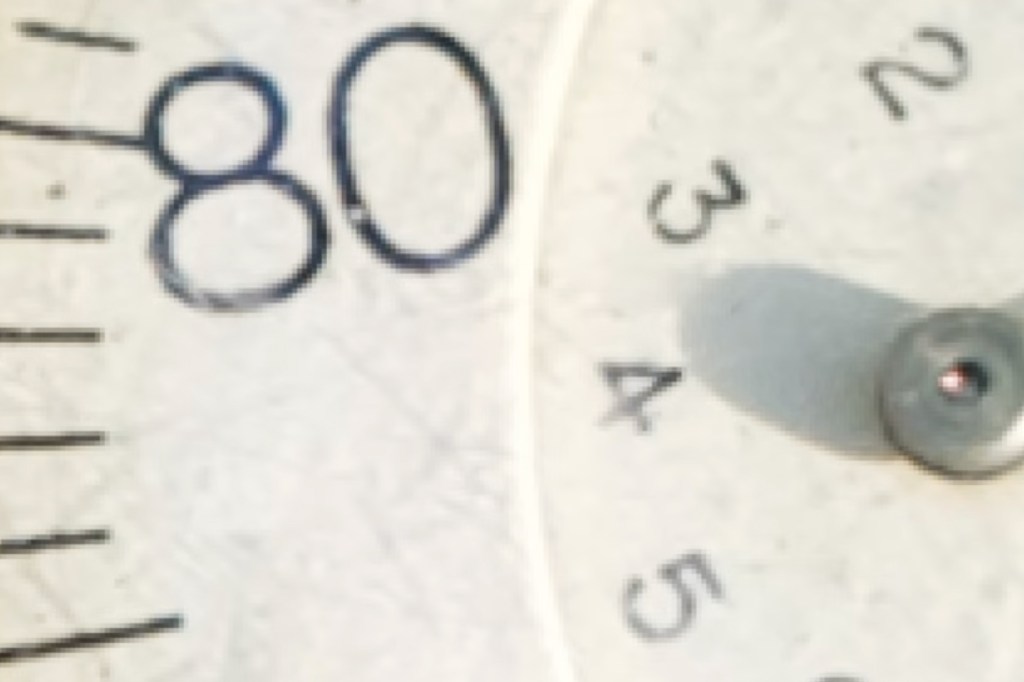
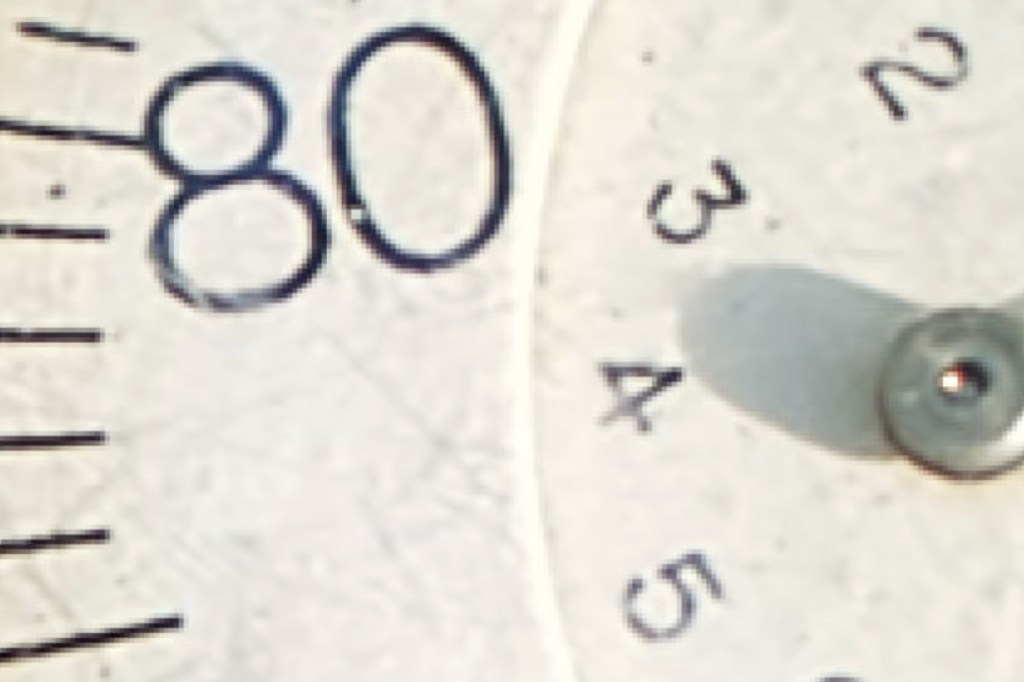
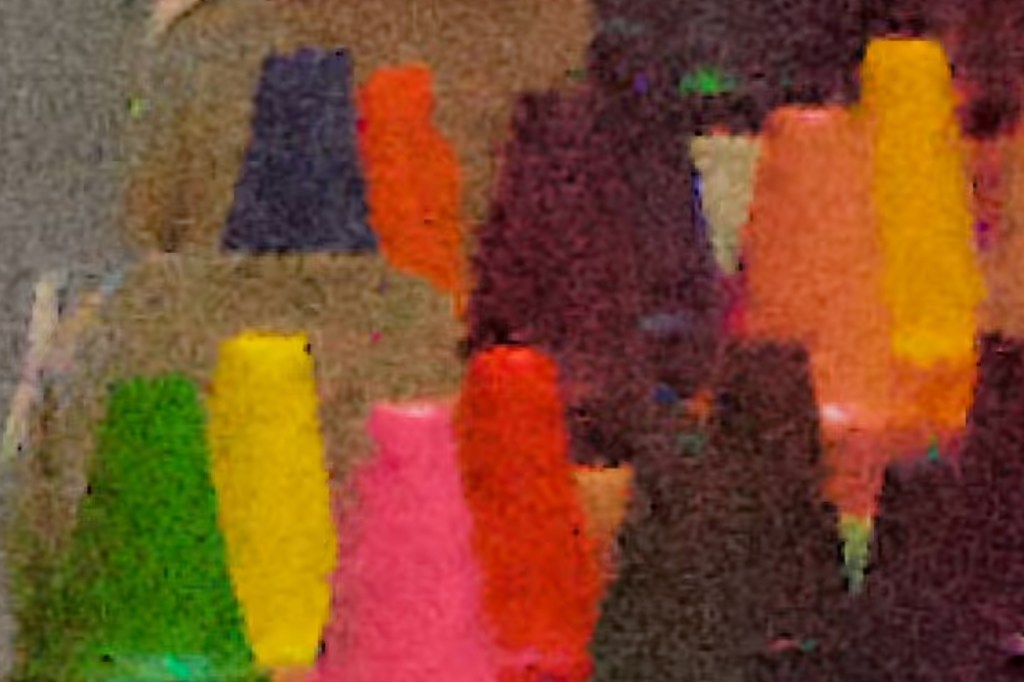
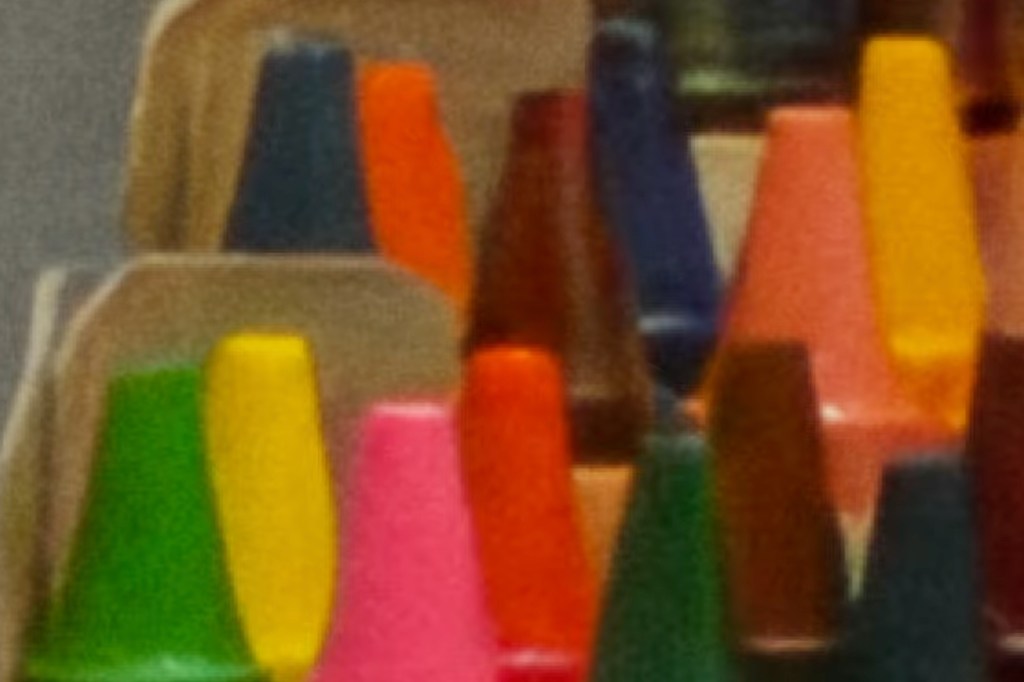
So what does this mean for you? That depends. Some apps – like Adobe’s – don’t use Apple’s RAW image processing and will continue to rely on their own pipelines. But when iOS 27, iPadOS 27 and macOS 27 arrive, you’ll be able to take advantage of RAW 9 in Apple’s own photography apps and, increasingly, third-party apps built on Apple’s APIs.
Even if you don’t shoot in RAW on your iPhone, there are benefits. It should improve using your iPhone to review shots snapped on a pro-grade camera. And it’ll help you revitalise beloved older RAW photos by reprocessing them with state-of-the-art algorithms.
The only hesitation may stem from concerns about yet more machine learning and AI in the pipeline nudging images further from reality. Judging by Apple’s demos, that seems unfounded. And besides, no one is forcing anyone to use RAW 9. Having the choice, however, looks like it could be a very good thing for anyone with an iPhone and a fondness for RAW.
RAW 9 will be available across iOS 27, iPadOS 27, macOS 27 and visionOS 27, which will be released later this year.
Related reading
- Why every photographer should turn the camera on themselves
- Don’t believe the YouTube hype – you will never find a digital camera “shoots like film” and here’s why
- Using this button on my iPhone has saved me so much time – here’s how you can do the same
Follow AP on Facebook, Instagram, YouTube, TikTok and Irys.