Until now, I’d been impressed by Apple’s caution around AI. Although, to be fair, that stance partly stemmed from the company having fumbled Apple Intelligence so badly that it’s spent almost two years recalibrating. But during its developer conference keynote at WWDC 2026, Apple unveiled take two. And as someone who values objective reality, I’m not thrilled by what I see.
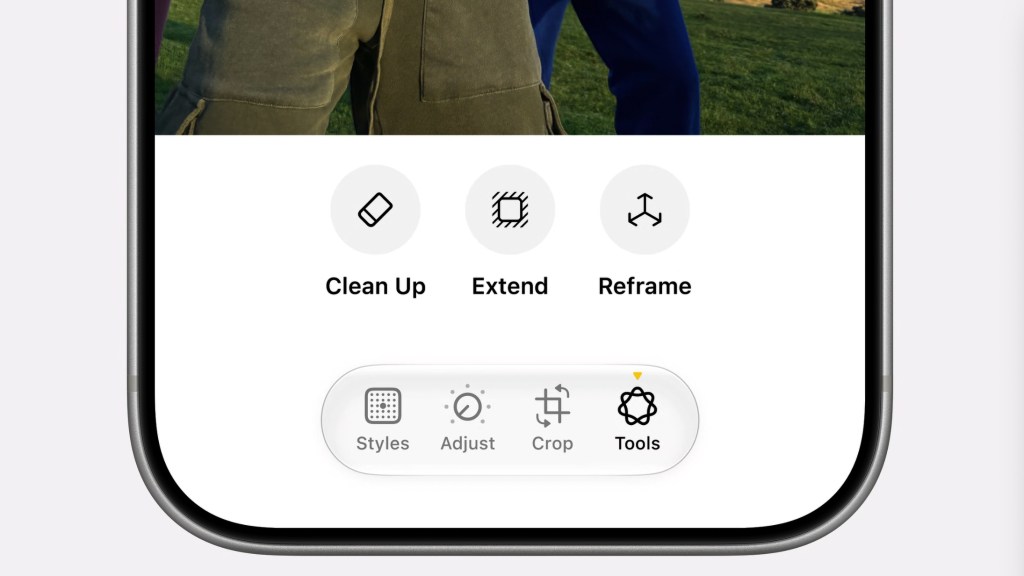
Apple said the right words. At one point, we were told that while some companies are racing ahead with AI for the sake of it, Apple believes integration should be grounded in personal context. Later, it claimed to have a “deep respect for the craft of photography”. The goal for AI in Photos, it said, was to “help photographers enhance their photos in ways that respect the original moment”.
AI is now an inevitability. It’s everywhere. But everyone has a point where useful tools cross a line and start to feel wrong. For me, that point arrives with the new AI editing tools being introduced in iOS 27.
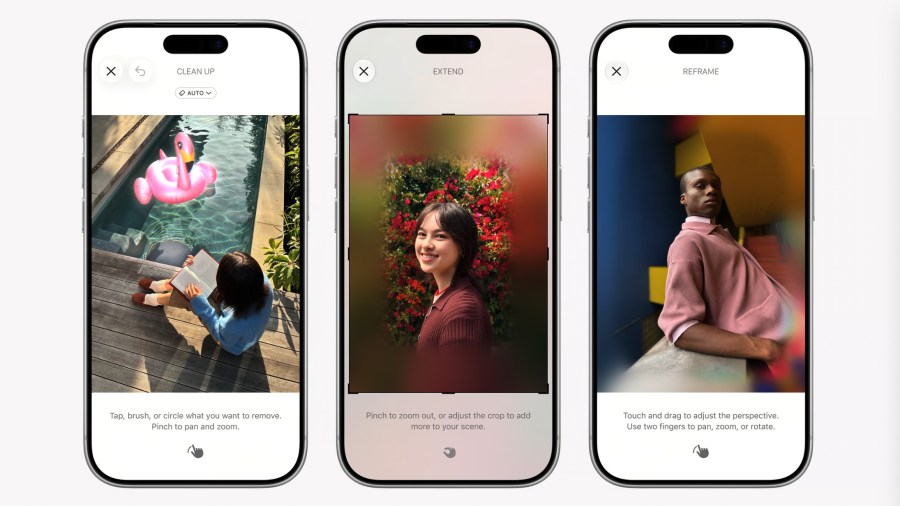
The least problematic is Extend, which lets you expand the edges of a photo. That means you can straighten an image or adjust an aspect ratio and AI will fill in the blanks. Ideally, you’d crop instead. But used sparingly, this tool doesn’t seem too objectionable.
Next comes an upgraded Clean Up, designed to “better remove distractions, even in complex scenes”. In a demo, Apple showed two entire people being erased from a photo, which strikes me as rather different from nuking the odd blemish. At that point, you’re no longer tidying an image so much as changing what happened.
Gain some perspective
But the feature that really made me uncomfortable was Spatial Reframing. The idea is that you can alter a photo’s composition – including its perspective – after the fact. It says a lot that Apple called the feature “super cool” because it “combines our advanced on-device spatial models with our powerful image-generation model on Private Cloud Compute to create the final photo”.
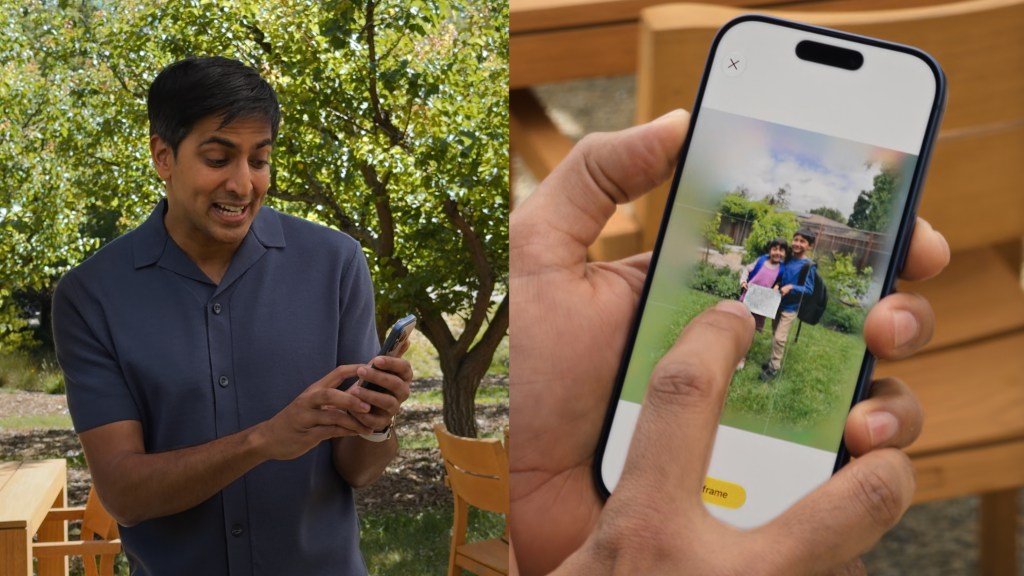
Lots of tech wizardry and AI buzzwords. But the subsequent nod to integrity didn’t feel convincing: “Even better, it only generates content to fill in the gaps where the perspective has changed. This ensures the framed photo stays consistent with the original scene.”
Where does this end? Shifting the viewpoint a full 90 degrees? Dragging a virtual sun across a sky to adjust shadows? AI models can already imagine… anything.

And Apple already has that piece ready, in Image Playground, which has evolved from a place to create goofy emoji and cartoonish images into a generator of photorealistic images that can incorporate your own photos. In other words, despite claiming to be different from other companies in the AI space, Apple is steadily embracing AI slop and ‘unreality’.
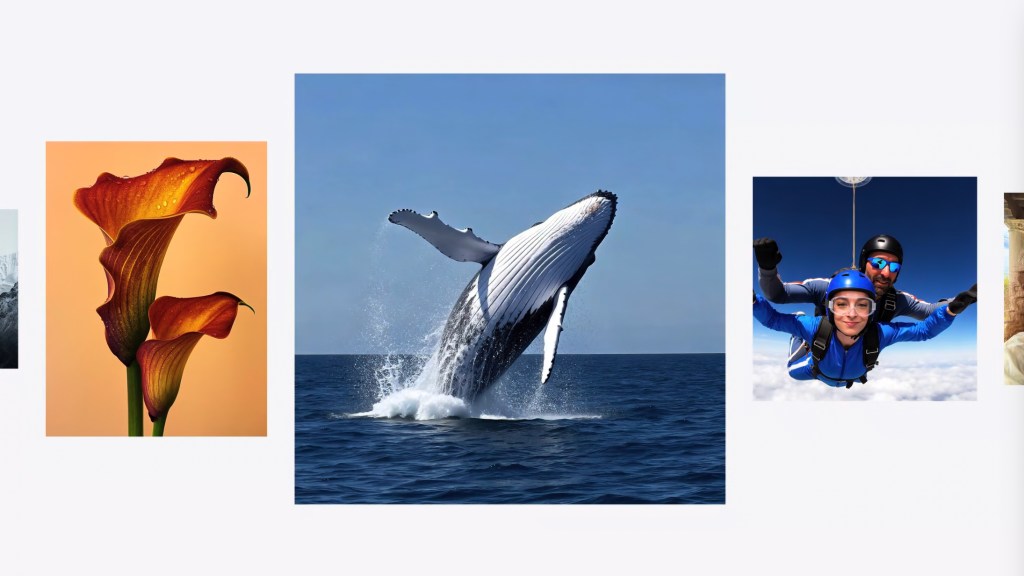
You don’t have to use these tools, of course. You may even prefer to move further away from fakery by using the likes of Halide’s Process Zero, which brings back far more natural output to iPhone photography. The thing is, many people will use these tools. And every new feature that removes people, invents pixels and reshapes perspective nudges photography further from documenting what happened towards manufacturing something that never occurred. I’m not sure that’s a future photographers should be celebrating.
Related reading:
- The surprising thing about the iPhone 17 Pro that I love
- Apple made a big mistake with the iPhone Air – I’d never buy one and here’s why
- Why I think iPhone is a game changer for photography (and always has been)
The views expressed in this column are not necessarily those of Amateur Photographer magazine or Kelsey Media Limited. If you have an opinion you’d like to share on this topic, or any other photography related subject, email: [email protected]
Follow AP on Facebook, Instagram, YouTube and TikTok.