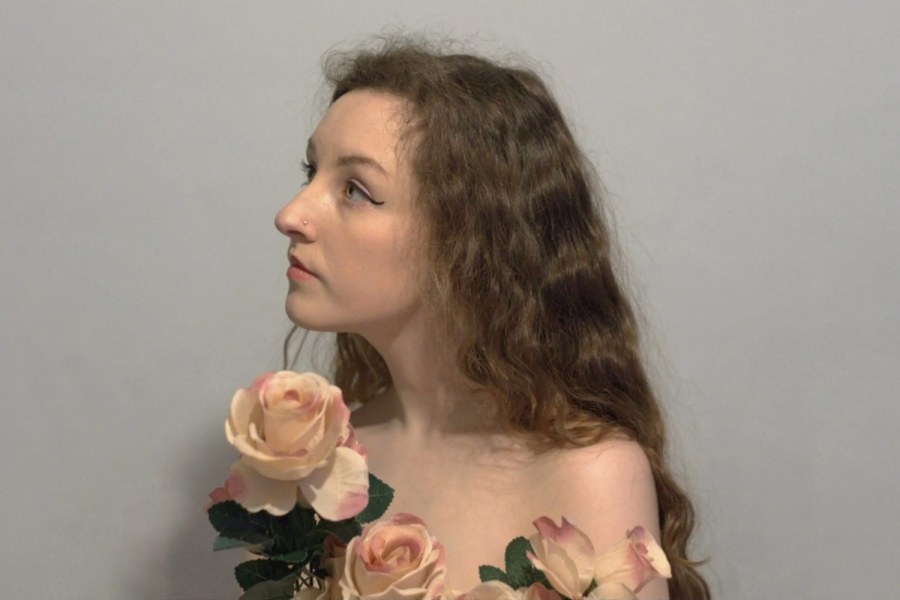
I chose to be behind the camera for a reason, always preferring to take the photograph rather than be the subject of one. When the pandemic hit, I was suddenly in a small flat with just my boyfriend, who disliked being photographed even more than I did, which didn’t leave many options for shooting people. So, with no one else to photograph, I turned to self-portraiture as a way to keep shooting.
I’ve always been shy, and aside from the occasional attempt at street photography, I was never truly comfortable photographing people or directing them. Portrait photography always felt like a bit of a stretch for me – something that seemed to require a level of confidence I just didn’t really have.
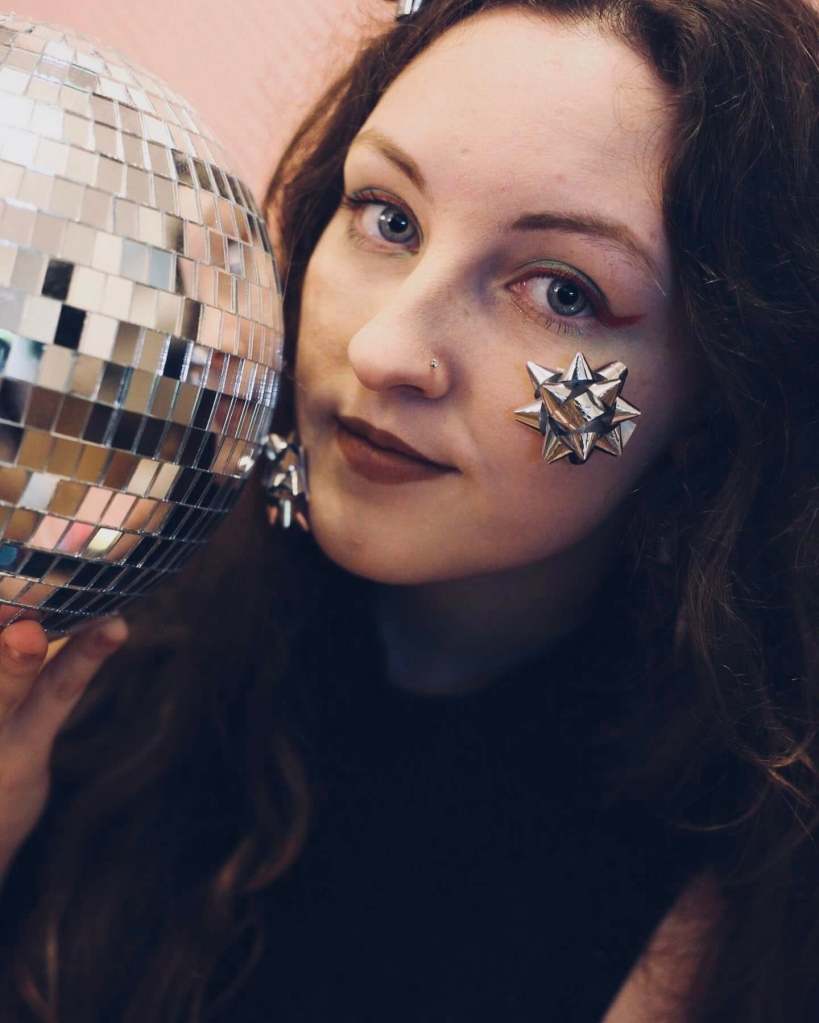
This is where self-portraiture becomes especially valuable, giving you space to experiment with lighting, camera settings, and posing without the added pressure of another person in the frame. Mistakes become part of the process rather than something embarrassing, which makes it easier to experiment more freely and consistently improve. Trying things creatively becomes easier because ideas can be tested as they come, adjusted in the moment, and refined gradually without feeling like everything must be fully planned beforehand.
There’s often hesitation around sharing this kind of work, driven by the fear it might be seen as vanity. But self-portraiture is one of the most effective ways to develop as a photographer. It removes barriers, allows for constant experimentation, and gives full creative control. What might seem like self-focus is really a practical tool for refining skills and exploring ideas.
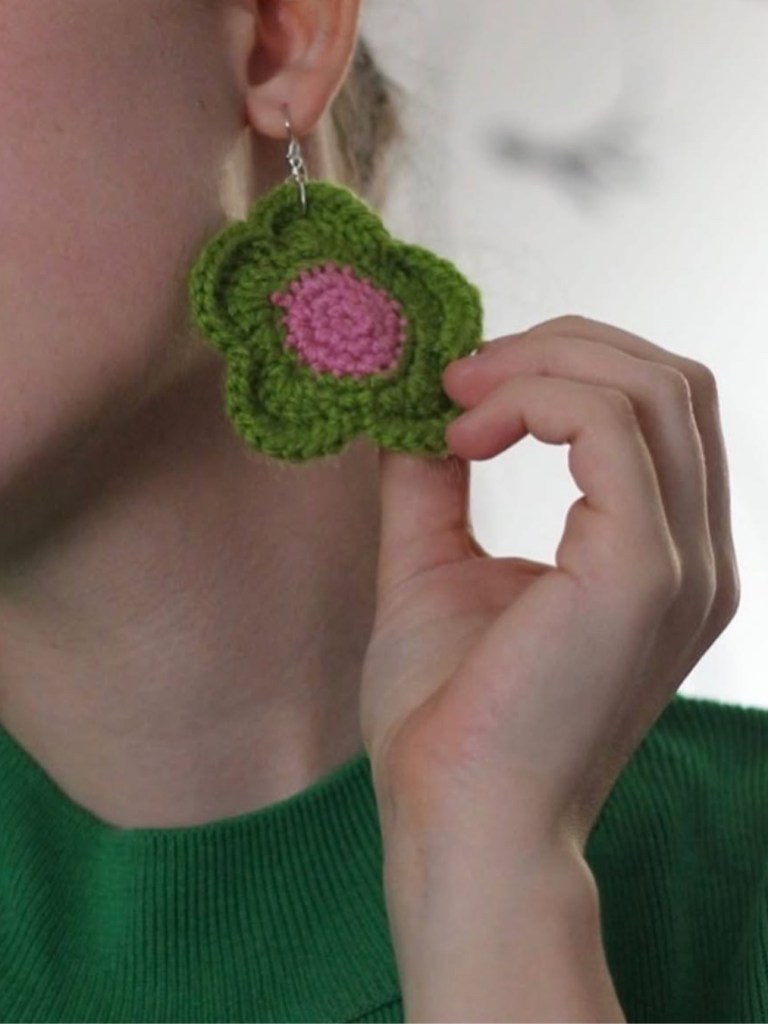
One of the biggest benefits is how your mindset slowly shifts when you’re working with yourself as the subject. Things start to feel less restrictive, and you can experiment more freely without worrying about directing someone else or making them feel awkward.
That alone can open a different kind of creative freedom, where you’re more willing to take risks and see what happens. Over time, that willingness to take risks often translates into stronger, more intentional work when photographing others later on. It also builds patience, because the whole process is self-driven rather than shaped by external expectations.
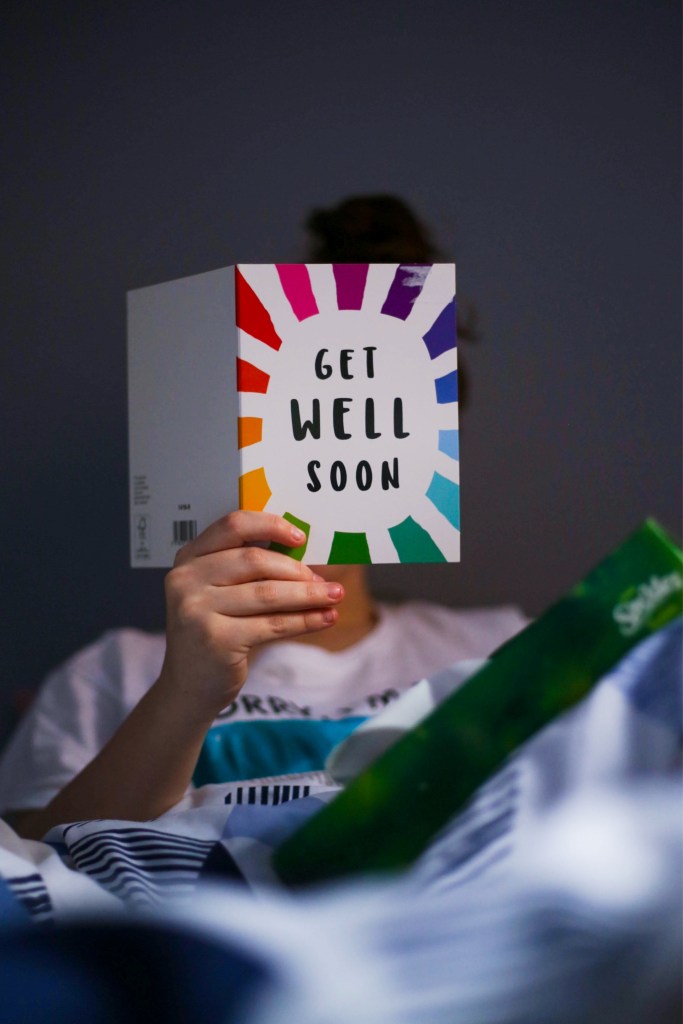
What began as a necessity gradually became a foundation for how I think about making images, less about being the subject and more about using the process itself to think through ideas, experiment, and figure things out as I go.
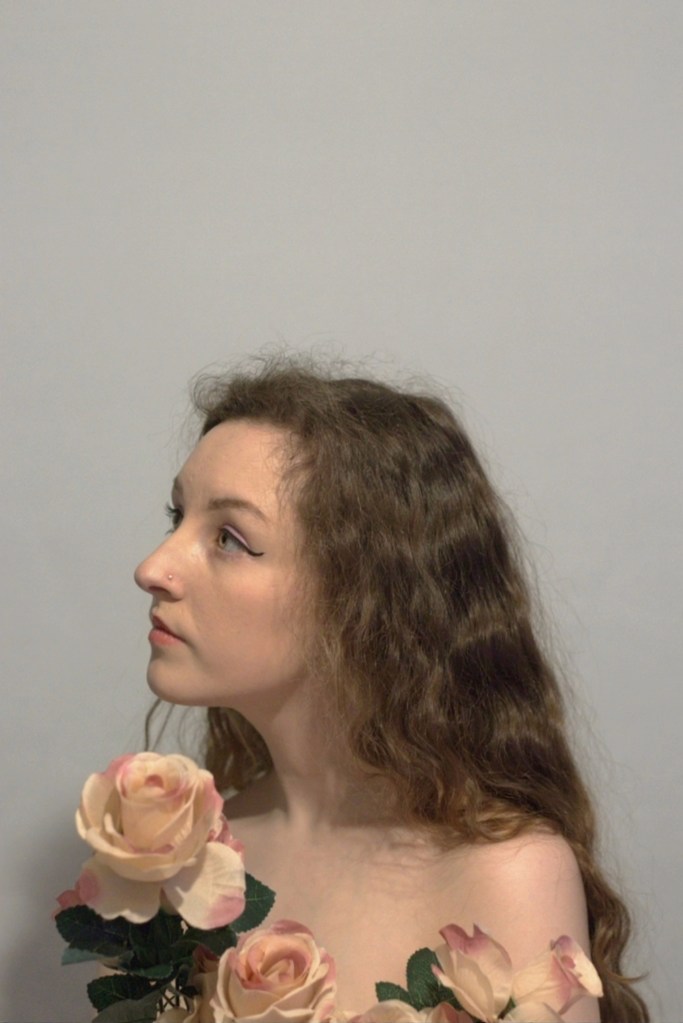
Self-portraiture is less about photographing yourself and more about growing as a photographer.
The views expressed in this column are not necessarily those of Amateur Photographer magazine or Kelsey Media Limited. If you have an opinion you’d like to share on this topic, or any other photography related subject, email: [email protected]
Related reading
- Using this button on my iPhone has saved me so much time – here’s how you can do the same
- I’ve used both Nikon mirrorless and DSLR, and this is the one I’d choose
- How and where you view photography really matters, more than ever before
Follow AP on Facebook, Instagram, YouTube, TikTok, and IRYS.