A new book revisits the remarkable relationship between photographer Lawrence Schiller and Marilyn Monroe, one of the world’s most adored Hollywood stars, during the final years of her life.
Portrait of an icon
As the 1960s swung into action, Marilyn Monroe was already one of the most recognisable figures on the planet. She had been photographed by the industry’s elite, appeared on major glossy magazine covers and became a worldwide symbol of Hollywood glamour. Just in his early twenties, when photographer Lawrence Schiller arrived on a film set to photograph her, he discovered a side of Monroe rarely seen by the public.
Schiller’s photographs are brought together in a new book, Marilyn & Me. Published by Taschen, it includes more than 100 images and recollections by Schiller from the time he spent documenting Marilyn during the final years of her life. Many books on Monroe exist but this one offers an insight into the relationship between photographer and subject as well as a fascinating portrait of an icon.
Personal connection
As many are early in their career, Schiller was ambitious and eager to prove his talent. He first met Monroe covering production on the set of Let’s Make Love in 1960. Schiller was overawed by Monroe, she in contrast, was more used to the scrutiny of a photographer’s lens.
Schiller was largely blind in one eye following a childhood accident (when an umbrella thrown down a garbage shaft hit him) and photographed with both eyes open. Monroe noticed and commented on it, an intimate exchange that ignited a personal connection that gradually evolved into something beyond a routine publicity assignment.
Public perception
Warm, intelligent and highly perceptive are descriptions ascribed to Monroe by Schiller throughout the book. She emerges as someone acutely aware of both the mechanics of photography and her public persona, beyond the superficial image often projected onto her. She understood the importance of how photographs could help shape public perception.
Monroe’s relationship with image control is an intriguing theme within the book. Monroe was managing her own visual narrative long before the age of personal branding and carefully curated personal identities we find on social media today. She studied Schiller’s contact sheets with attention to detail. Expressions, poses and minor imperfections all came under her scrutiny.
Historic nudes
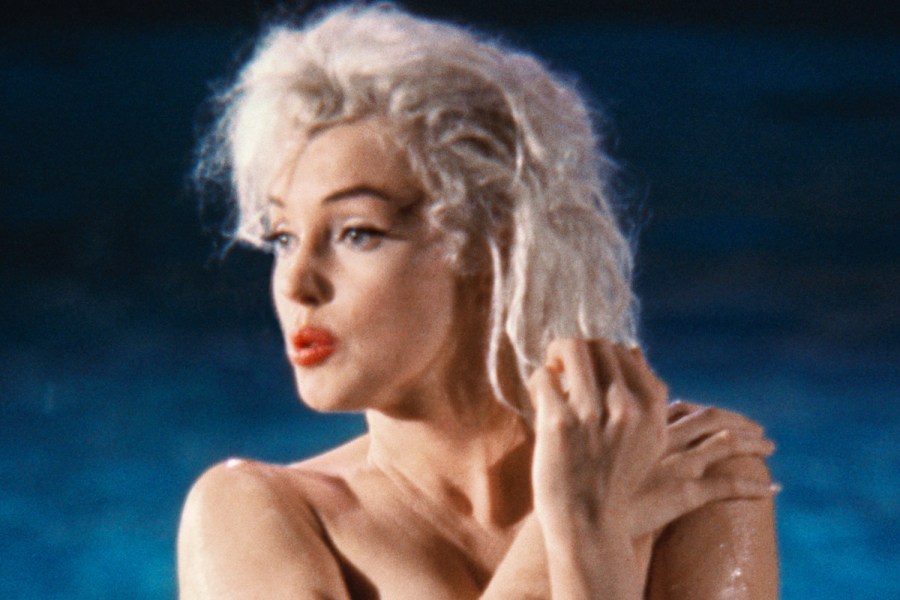
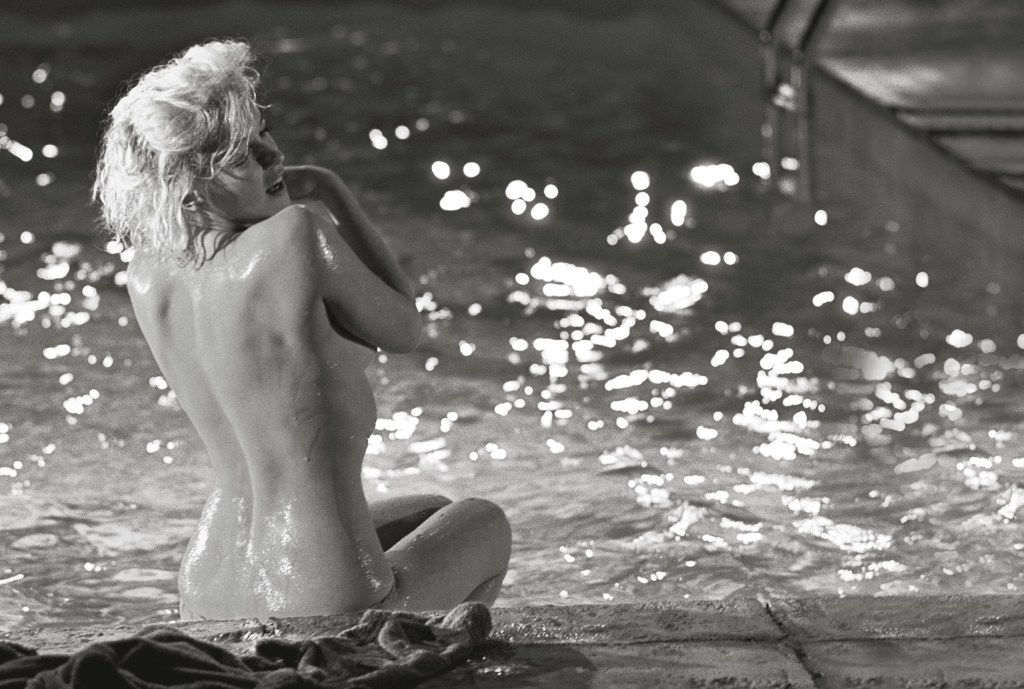
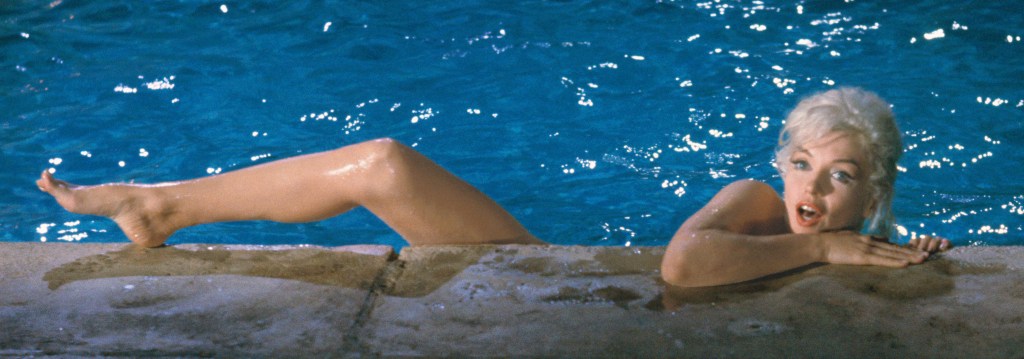
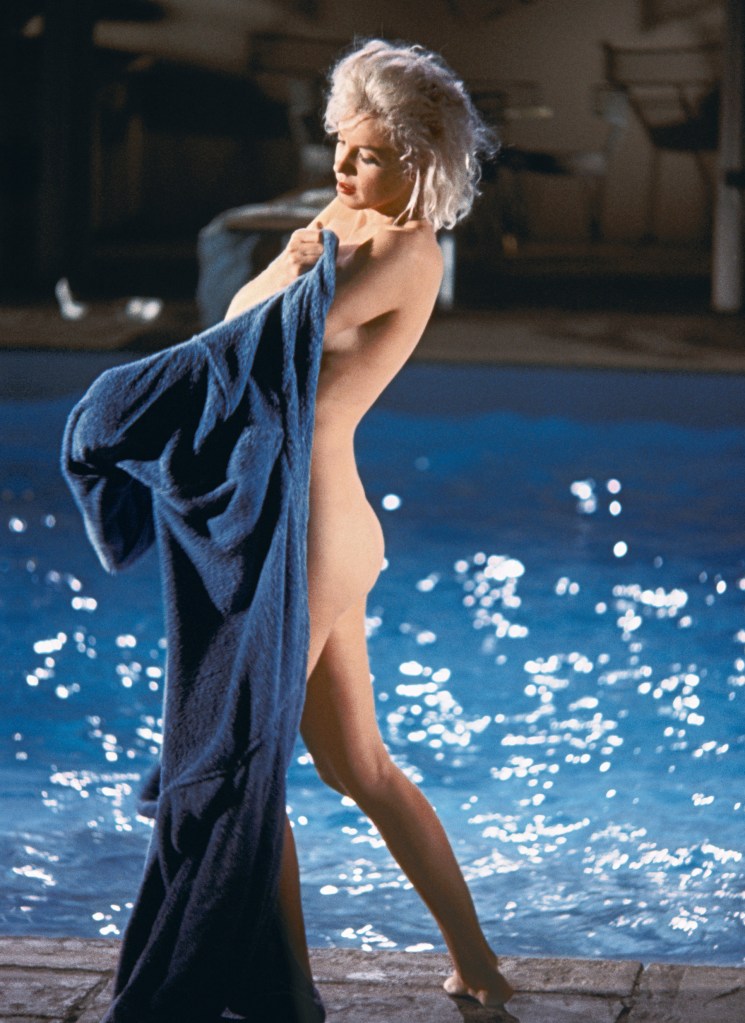
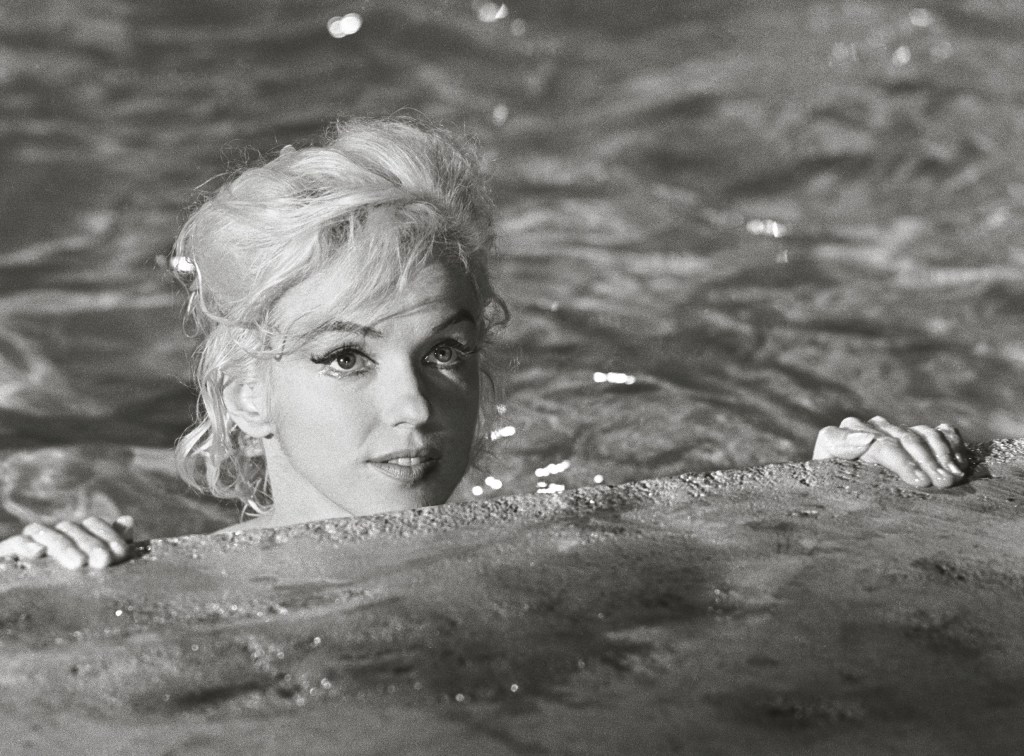
Monroe’s active collaboration in the image-making process provides some of the book’s most compelling insights for photographers and how a still image could influence the way an audience viewed Monroe. Schiller was one of the photographers present for Monroe’s nude swimming pool photographs for the famously unfinished, screwball comedy Something’s Got to Give were made in 1962. They quickly became part of photographic history.
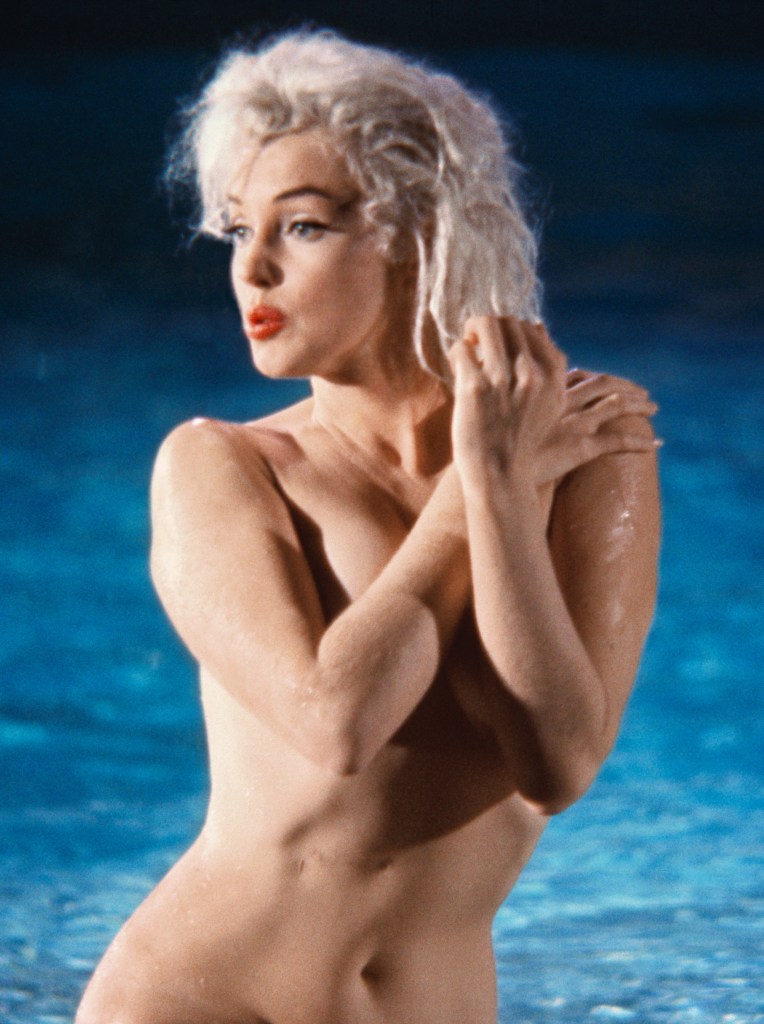
They have since been reproduced countless times. What makes this account particularly interesting is the context Schiller provides. At the time, Monroe is reported to have felt undervalued by American film and television production studios 20th Century Fox. Schiller reckons Monroe understood that the publicity generated by the shoot would add value to her brand. The photographs may look spontaneous but Monroe was in control of the story. She died on August 4, 1962, at the age of 36, just two months after 20th Century Fox terminated her contract for excessive absences.
Observed moments
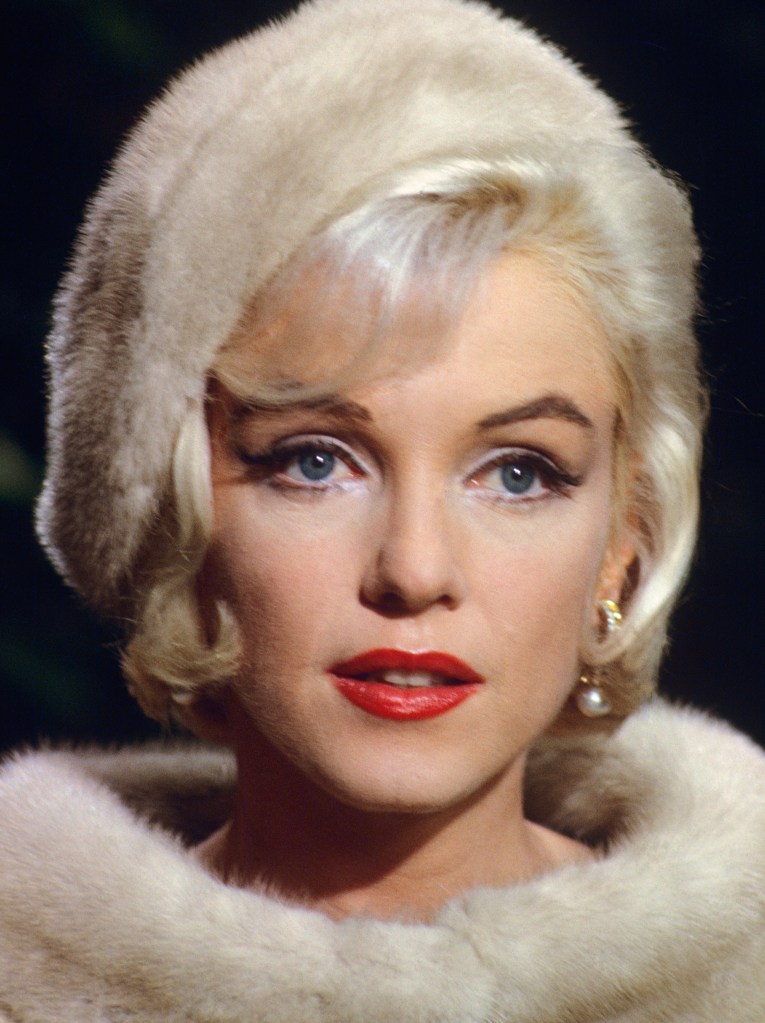
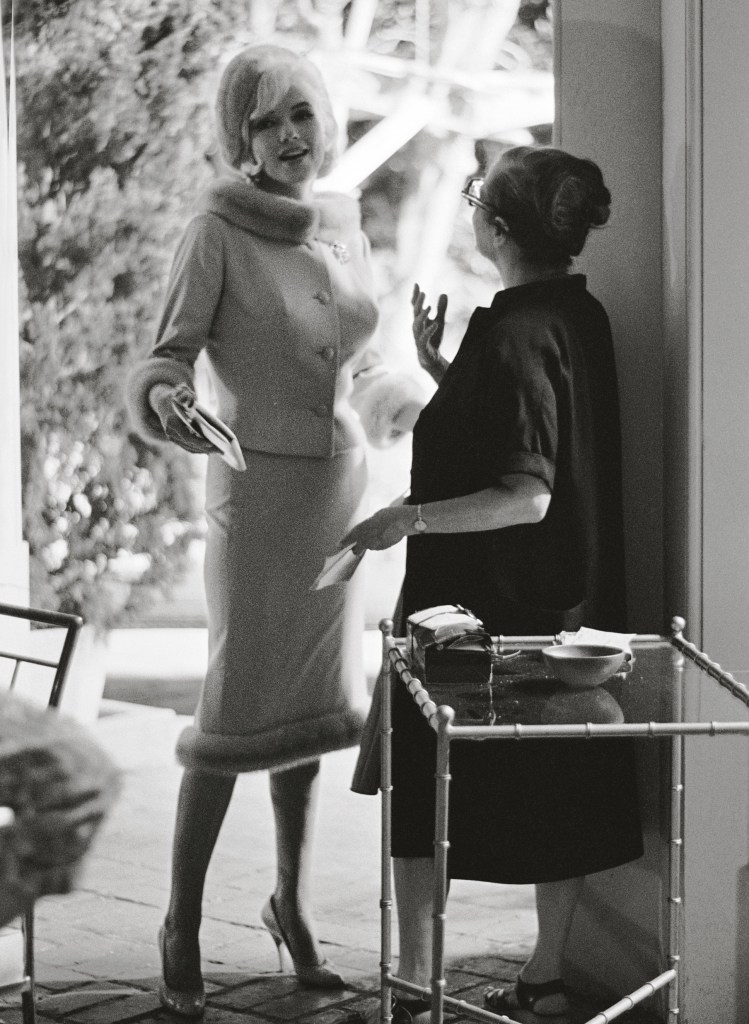
Quieter moments provide some of the other memorable moments in Marilyn & Me – conversations in dressing rooms, discussions around marriage and family and Monroe’s view on navigating the pressures of fame. One such anecdote is when Monroe sent two dozen roses to Schiller’s wife along with a note apologising for keeping him working on set so late. It’s subtle but reveals Monroe was thoughtful and empathetic behind the public persona.
Career defining
A century on from her birth, Monroe remains one of the most photographed and published people in history. Schiller’s photographs capture a star who could switch effortlessly between vulnerability and confidence, self-doubt and self-assurance. Her career, life and tragic death has been examined in countless books. The focus on the human connection between photographer and subject is part of what distinguishes Marilyn & Me.
What contemporary photographers are reminded is that historical bodies of work often emerge from trust, not just from technical mastery. A young photographer looking for a career-defining assignment gained something deeper than access to a celebrity.
Schiller’s photographs continue to resonate. They don’t just show Marilyn Monroe, they reveal what can happen when a photographer looks beyond the myth and connects with the person standing in front of the camera.
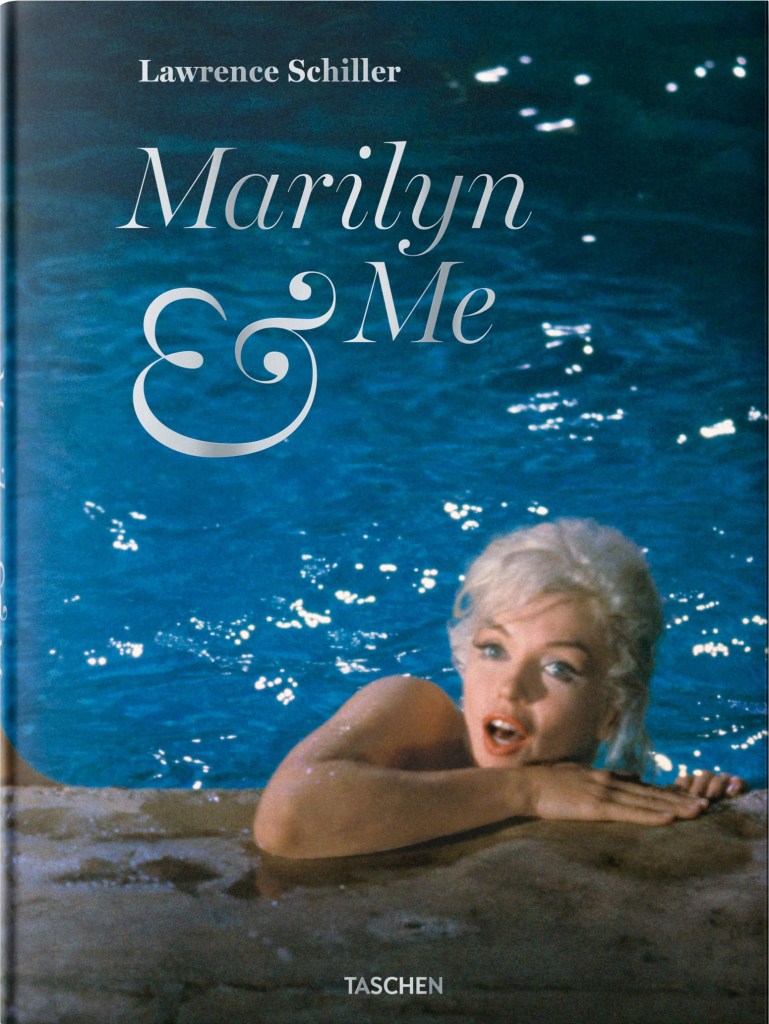
Lawrence Schiller. Marilyn & Me published by Taschen
Hardcover, 200 pages, € 60 | US$ 80 | £ 60 | HK$ 800
Related reading:
- Vibrant, joyous, confident: these photos celebrate the 100th birthday of timeless beauty Marilyn Monroe
- You must see these stunning Marilyn Monroe photos by iconic photographer Eve Arnold
- Marilyn Monroe, Elizabeth Taylor and Audrey Hepburn show off their romantic sides in these pics from Hollywood’s golden era
Follow AP on Facebook, Instagram, YouTube, TikTok and Irys.