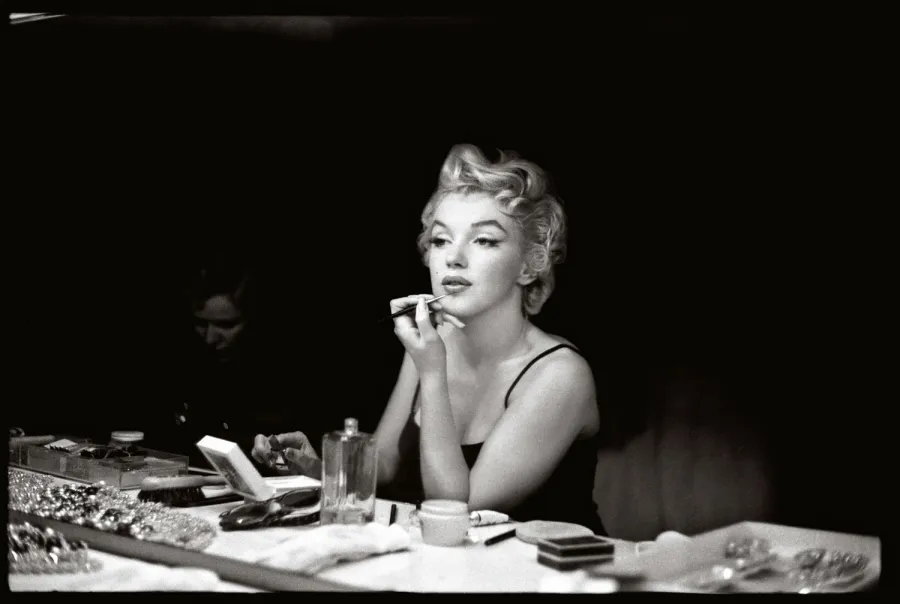
Had she lived, on 1 June 2026 the screen goddess Marilyn Monroe would have been celebrating her 100th birthday. Though she tragically passed, aged 36, in August 1962, Marilyn remains burned into the public consciousness thanks to her movies and the hundreds of thousands (perhaps more) of photographs taken of arguably the most iconic female symbol of 20th century America.
Her legacy is visually celebrated in the new book Marilyn Monroe 100: The Official Centenary Book, which features pictures of Marilyn shot by 17 different photographers, including Milton Greene, Eve Arnold, Sam Shaw, Bert Stern, Henri Cartier-Bresson, Elliott Erwitt, Alfred Eisenstadt, Cecil Beaton and George Barris. To find out more, we spoke to two of the keepers of the Marilyn flame – Michael Arnold, grandson of Magnum photographer Eve Arnold and the man in charge of her archive, and Melissa Stevens, granddaughter of US photographer Sam Shaw and manager of his archive for the past 20 years or so.
Melissa Stevens laughs down a Zoom connection to her New York office and states, ‘It’s a club of those of us that do this’. She’s referring to the people responsible for the collections of late photographers of Monroe, who combine a number of tasks – preserving the legacy of the photographers, discovering and documenting their archives, restoring old images and working with galleries and publishers to showcase the photographs. In a similar role, Michael Arnold, who’s based in London, combines a long-established career as an acupuncturist with his management of Eve Arnold’s work and estate.
Meeting Monroe
What’s notable about both Eve Arnold and Sam Shaw is that, although they shot a lot of other work during their careers, both of them developed long and lasting friendships with Marilyn Monroe. Michael Arnold explains the roots of Eve Arnold and Monroe’s relationship, ‘Eve had just photographed [Marlene] Dietrich and, in 1952, met Marilyn at a party hosted by film director John Huston. Monroe came over to Eve and said, “I saw the photographs of Dietrich in Esquire magazine. If you could do that with her, can you imagine what you could do with me?” Eve thought that Monroe’s confidence was quite wonderful, because Eve saw herself as a very serious photojournalist. I think she was originally reluctant to work with Monroe as she didn’t want to be drawn into celebrity photography. She saw herself as much more of a documentarian.’
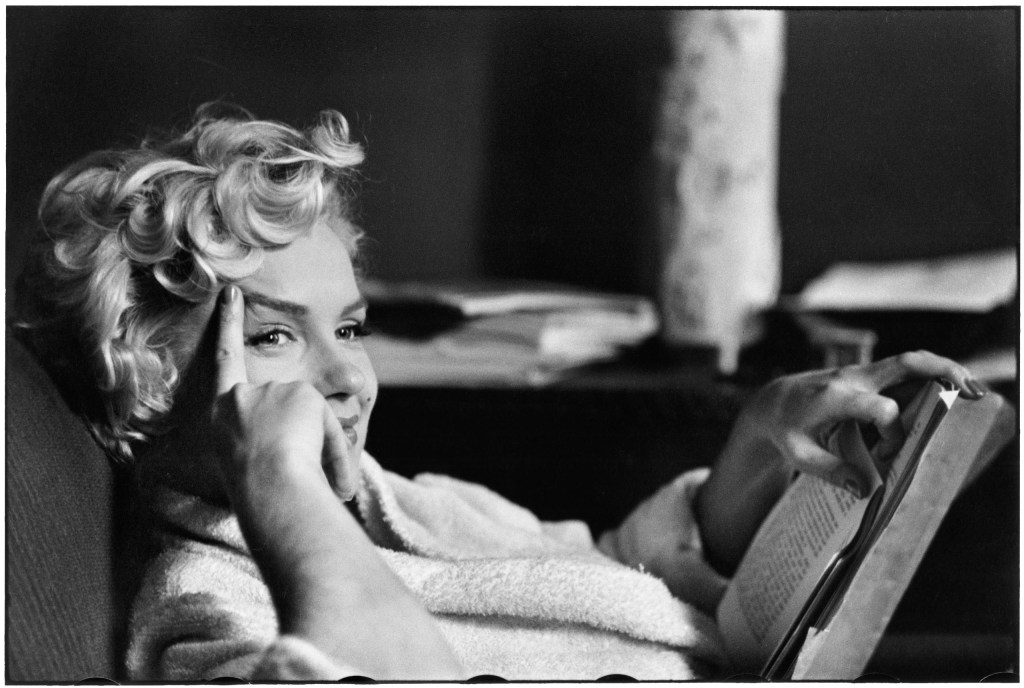
As for Sam Shaw – who Monroe nicknamed ‘Sam Spade’ after a character in the film The Maltese Falcon – Melissa Stevens recalls that Shaw met Monroe on the set of director Elia Kazan’s movie Panic in the Streets. Monroe wasn’t in the film, but was Kazan’s muse. Stevens reveals, ‘Sam referred to her at the time as “Elia Kazan’s sweetheart”. Panic in the Streets was the first film that Sam photographed. That’s when he met Marilyn and Marilyn was the first “professional beauty” that he photographed, because prior to that he was a photojournalist.’
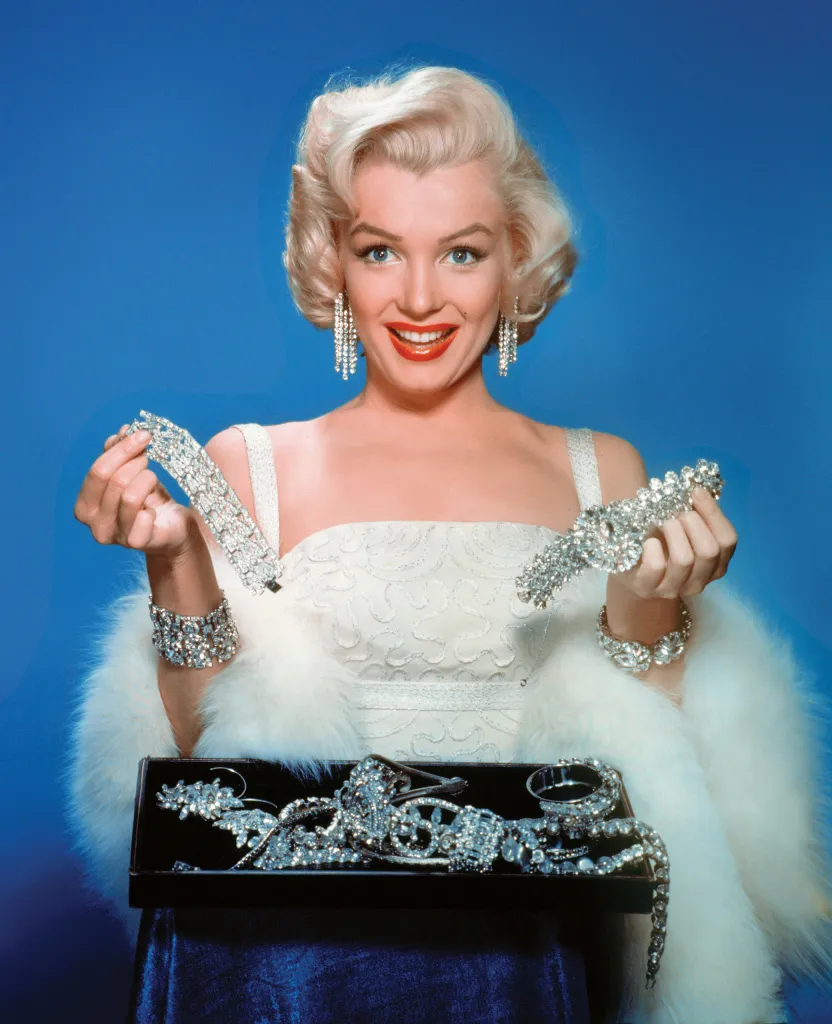
She adds, ‘Sam ended up spending more time with Marilyn Monroe on the next film for Elia Kazan that he photographed, Viva Zapata! Sam started to become friends with Marilyn because he didn’t have a driver’s license and Marilyn offered to drive him to and from the set in her car and on her own dime. They became friends going to and from the set and hanging out after work. Kazan asked Sam to take photos of her, but those earliest photos are missing. That was in the early ’50s – she was unknown. I think the reason Sam and Marilyn connected, and it maintained throughout their relationship, is because they were both artists, both came from humble origins and they were trying to support themselves. In Sam’s case it was supporting his family and Marilyn was [supporting herself] on her own.’
First shoot
After meeting Monroe at John Huston’s aforementioned Hollywood party, later in 1952 Eve Arnold was commissioned by Esquire magazine to photograph Marilyn. The shoot took place on Long Island, where Arnold lived at the time and Monroe, coincidentally, was staying at a friend’s house. Notably, Monroe brought a copy of James Joyce’s novel Ulysses with her.
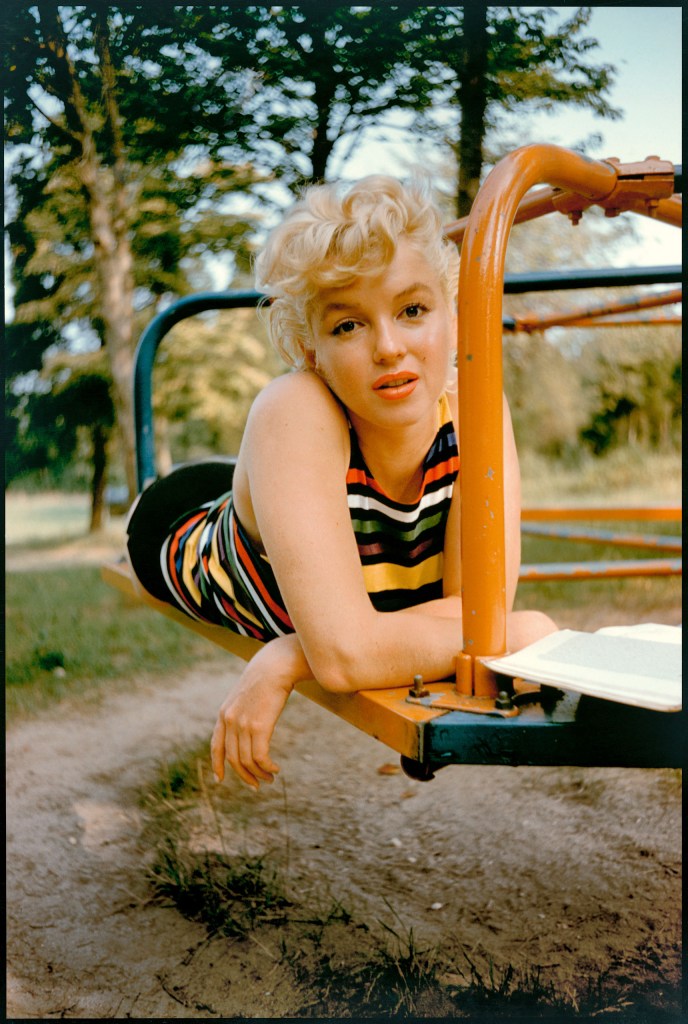
Michael Arnold explains, ‘Eve had seen that Monroe had the book in the car on the way to the playground they were going to. Eve was unloading her cameras, and getting the shot ready, while Monroe was reading this book. Eve said, “Do you mind if I just photograph you while you’re reading this book? Don’t do anything.” It was completely natural. I think both of them had in mind that it was upending the kind of dumb blonde stereotype. In that sense, you can kind of say it was set up, but she was actually reading the book and had it with her.’
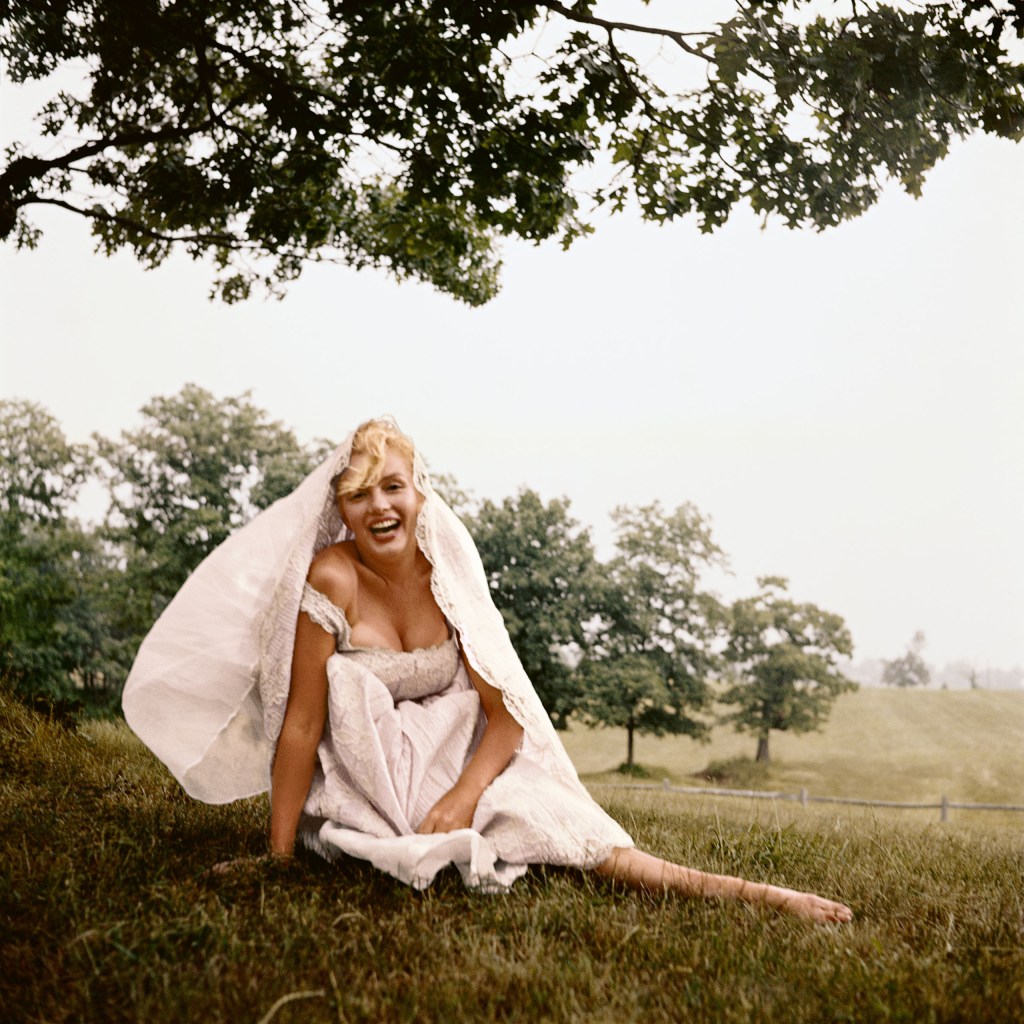
That first Eve Arnold/Marilyn Monroe shoot was in colour – an unusual medium for Arnold, but one required by Esquire. ‘This was actually Eve’s earliest foray into colour and she used Kodachrome film,’ says Michael Arnold. ‘It has that kind of technicolour, vibrant feel to it. At the time, and even into the ‘80s, black and white photography was seen as the art photography and colour photography was seen as snaps.’
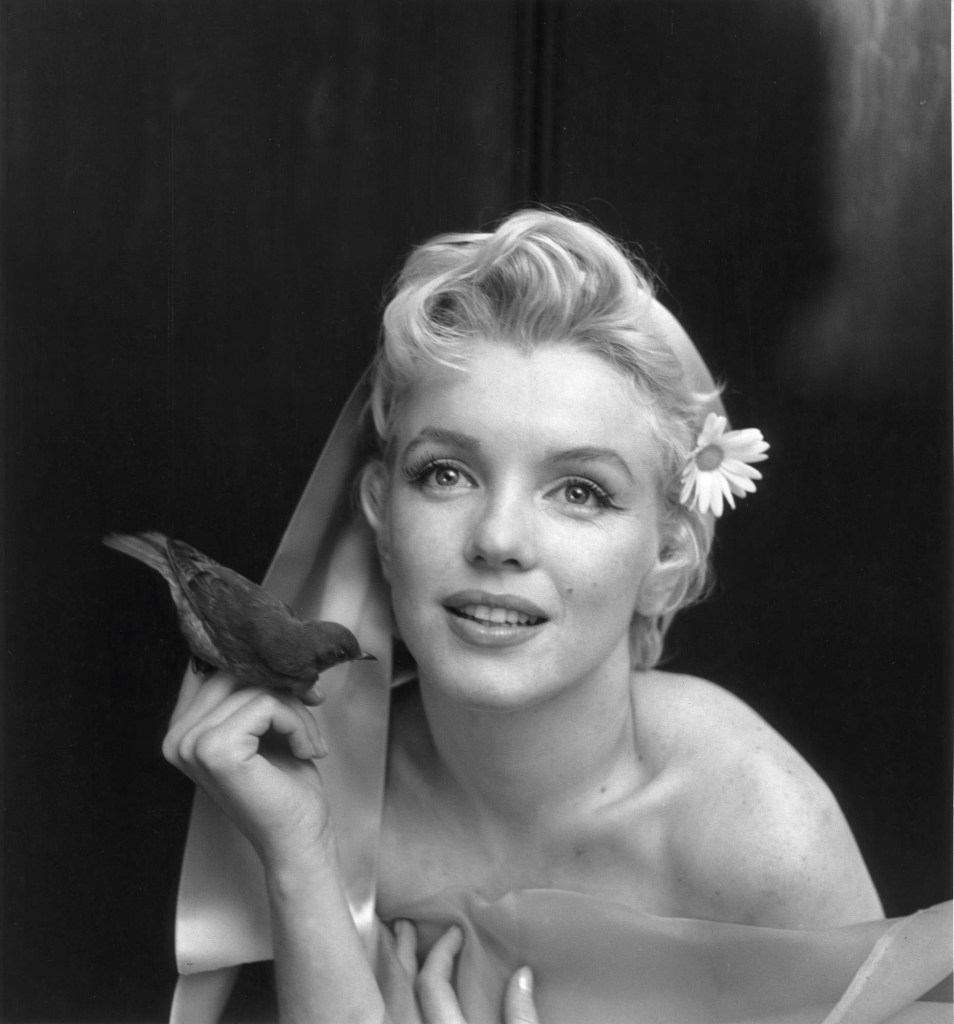
He adds, ‘The films were obviously where people saw Monroe on the big screen, but I think she was very canny and realised that being portrayed in magazines was a big part of creating the myth and the stardom. For a lot of people it was [about] publicising the film, but it was also like an insight into her life. It was the early days of celebrity gossip and those magazines that were fascinated by the lives of celebrities.’
The Seven Year Itch
During his career Sam Shaw built a reputation for shooting stills on film sets, often working on director John Cassavettes’s productions, and ended up taking pictures on the sets of over 100 films. But Shaw wasn’t just a photographer – he had a background as a courtroom sketch artist, a magazine art director, a producer and designer of movie posters and ad campaigns.
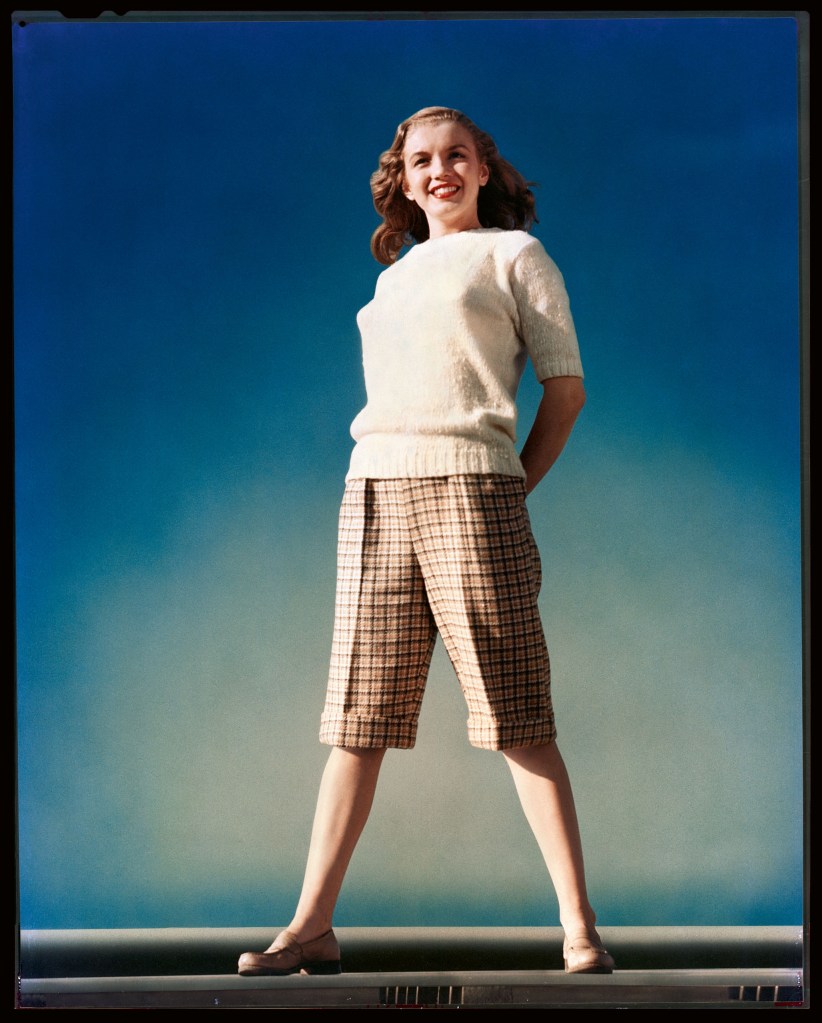
Melissa Stevens reveals Shaw’s camera choices, ‘We have his Nikons, including the famous Nikon F. But he used everything and I think he often rented equipment. He used Hasselblads. Our film format in the archive is almost entirely 120mm and 35mm… no large format that I’m aware of. The earliest colour film, that we discovered recently in the making of our other book, Dear Marilyn, was from 1940-something and it’s a 3×4 format and is a colour portrait of a woman.’
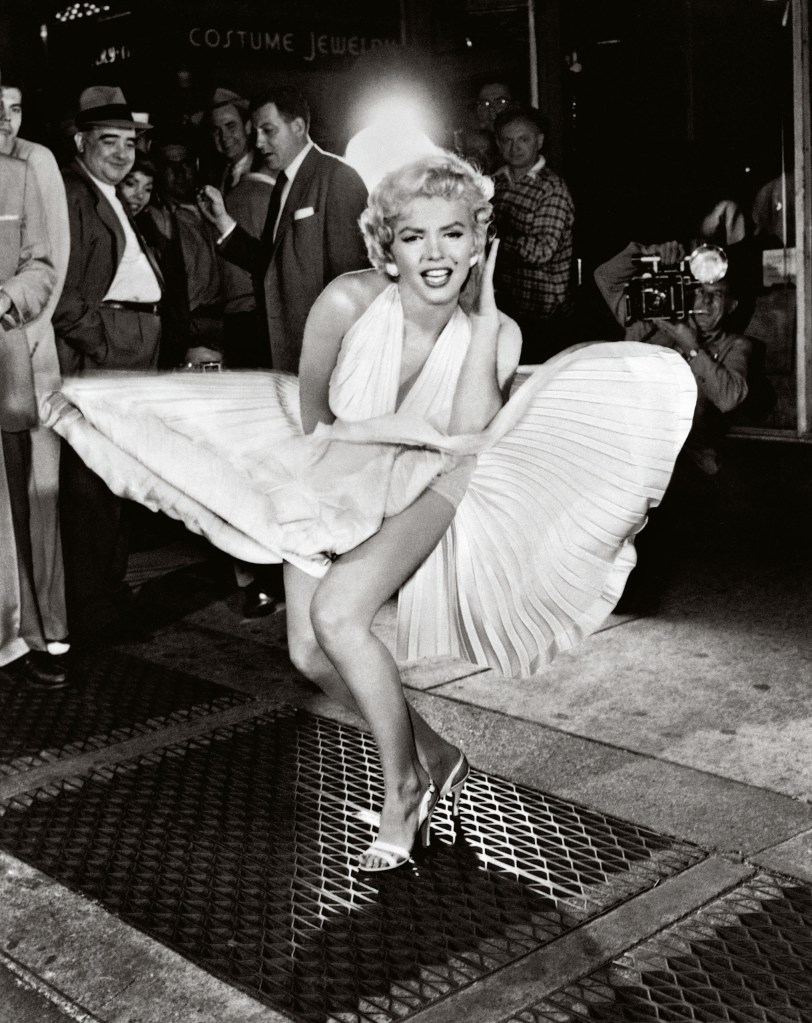
Without doubt Shaw’s most iconic image of Marilyn Monroe is the 1954 black and white photograph of her skirt blowing up whilst she stood over a street vent in New York City – this was shot on a Rolleiflex camera at around 2am in the morning.
Melissa Stevens explains, ‘Sam is the person who created that skirt blowing shot – that was his design. It was based on a 1941 photograph he had taken on Coney Island, which was on the cover of Friday magazine, so he recycled his idea with Marilyn. The black and white photo is from the New York scene, which was a publicity event that Sam set up. She is calling out to him “Hi, Sam Spade”, her nickname for him. There was a huge crowd of people and other photographers there; over 1,000 onlookers, police and the film crew. Marilyn strikes this very particular pose and Sam always talked about this pose as her composition.’
Stevens adds, ‘It speaks to that relationship where he was often very clear to also credit her in the creation of her own image, in the creation of her own fame, in the creation of her own press and publicity. She had great one-liners, she knew how to pose and was really a master of her own craft and, in some ways, her own destiny.’ In fact, the New York scene had to be reshot in a studio in California as, due to the crowds, all the audio didn’t come out. So, Sam Shaw shot colour images of the filming on a soundstage, from which one previously unseen photograph is in the book.
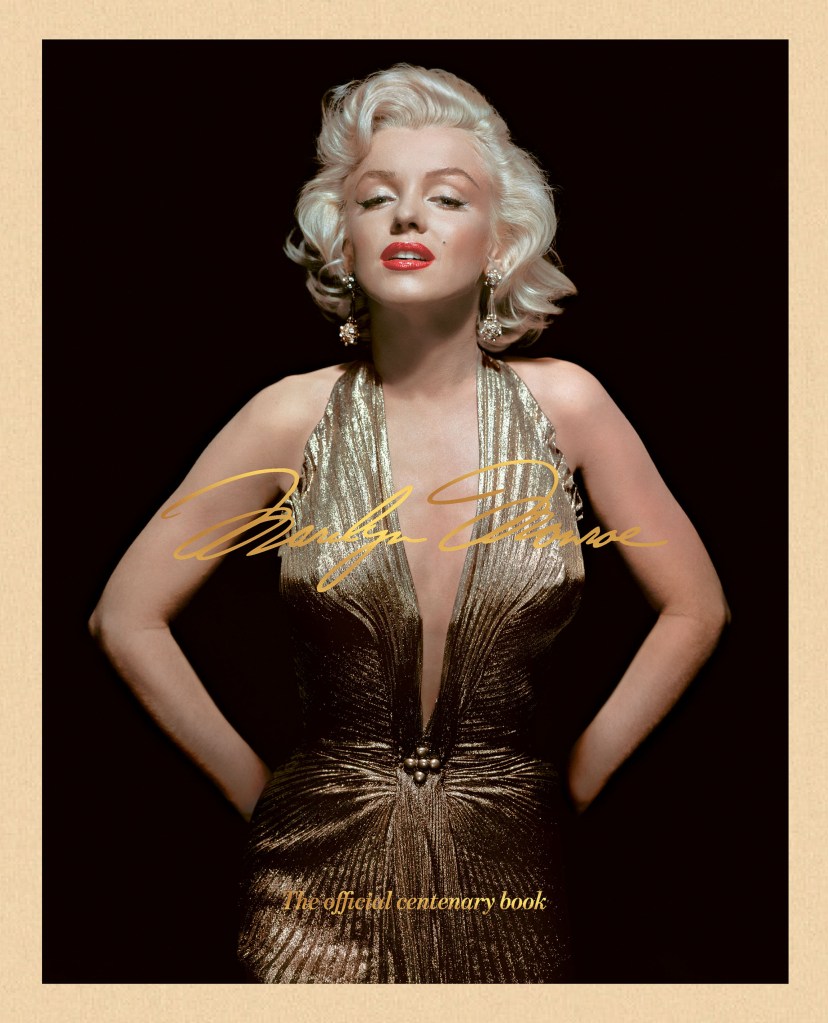
Marilyn Monroe 100 book
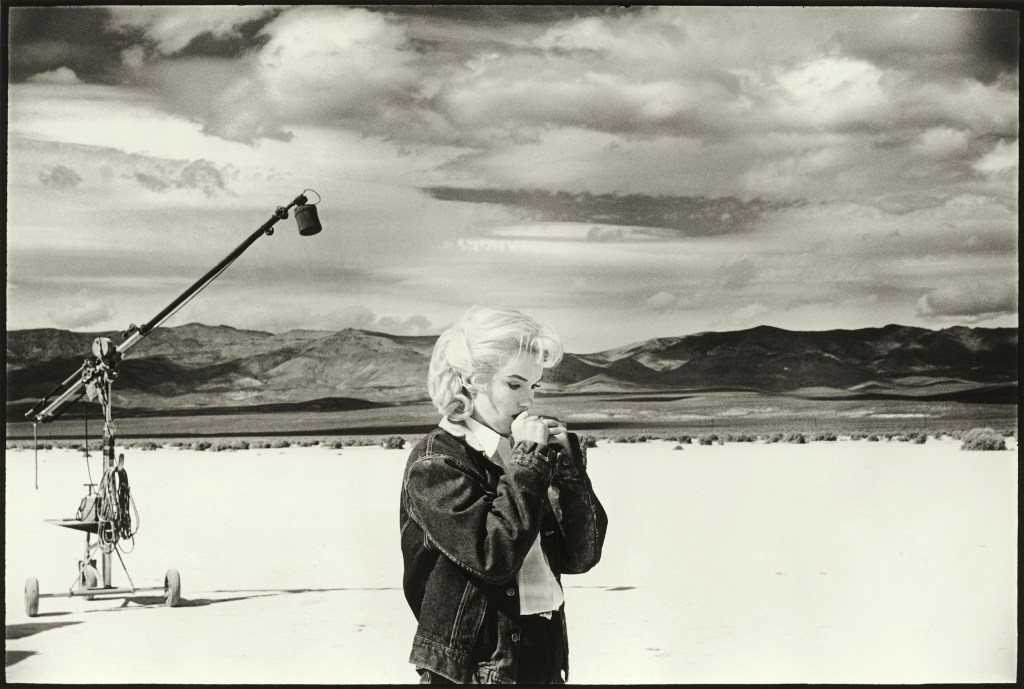
Many other iconic images of Marilyn Monroe shine out from the pages of this new Marilyn Monroe 100 book, which is published by ACC Art Books. They include the poignant colour pictures of Monroe on Santa Monica beach, shot by George Barris just weeks before the actress’s tragically early death. In a similarly melancholic pose, Eve Arnold’s camera captured a black and white image of Marilyn on the set of The Misfits, whilst the actress was struggling to remember her rewritten lines.
In fact, that image is Michael Arnold’s favourite shot of Monroe taken by his grandmother, Eve. ‘She’s in the Nevada Desert with the boom hanging over her. There’s something that’s very poignant about it. It’s a very strikingly beautiful image because you’ve got the texture of the clouds and the white desert foreground. There’s also Marilyn in a moment of pensiveness because she’s trying to learn her lines for the last scene of The Misfits, which was probably her most important scene in that film. They kept changing the dialogue and, because she was struggling – she wasn’t sleeping; she was taking sleeping pills and her marriage to Arthur Miller was breaking down – she was having difficulty learning the lines. Yet there was her childhood hero, Clark Gable, who would rattle off the new lines as if nothing had changed and she’s desperately trying to learn her lines.’
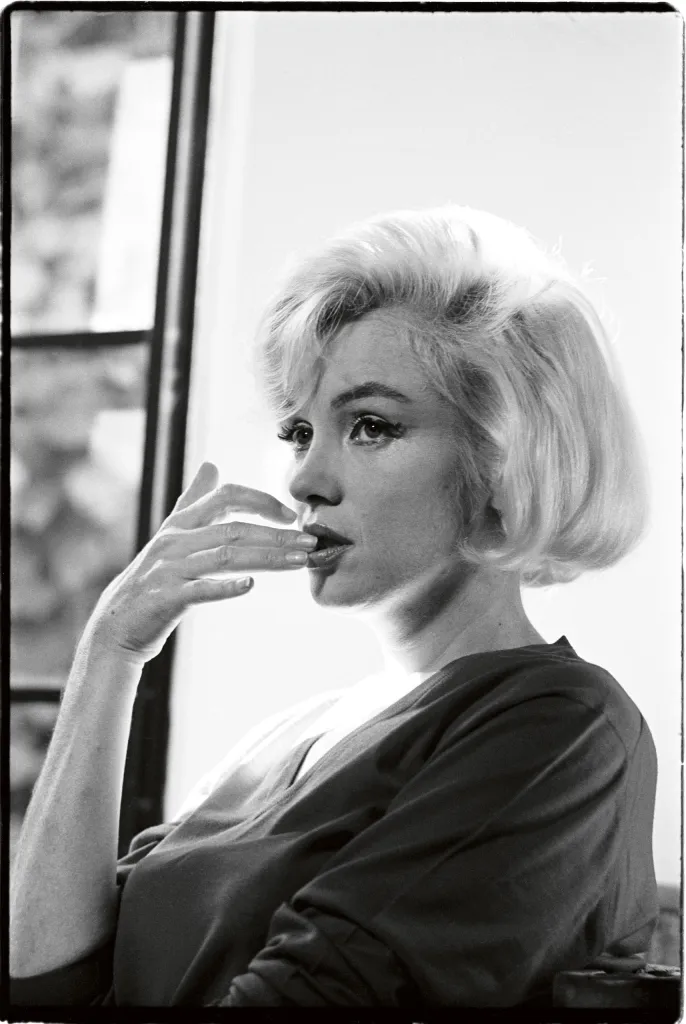
Michael Arnold adds, ‘With The Misfits, and I think most of the shoots, Monroe would get together with Eve afterwards and they would go through the contact sheets and transparencies. If Monroe really didn’t want to use an image, Eve would honour her wishes and often she would tear up the negative and give it to her.’
Official publication
Melissa Stevens and Michael Arnold dipped into their respective Sam Shaw and Eve Arnold archives to pull out some gems for the impressive new 348-page book. Of the process, Michael Arnold explains, ‘We’d already worked with ACC Art Books to do a reissue of Eve’s 1987 Monroe book called Marilyn Monroe: An Appreciation. They approached us and said, “We’d love to do a reissue of Eve’s classic Marilyn Monroe book,” because it was out of print. We were really pleased with the result and then they came to us and said, “We’re doing this Monroe 100th anniversary book as well, we’d like to use some of the same photographs as part of the book.” We’d worked with them before, so it seemed like a very natural fit.’
Meanwhile, Melissa Stevens reveals, ‘Sam Shaw is one of the already recognised “Marilyn photographers”. He has a unique place in the Marilyn photography story and the [overall] Marilyn story as he was also her friend. We have a relationship with the estate of Marilyn Monroe and also with ACC, the publisher. Last year we released a book called Dear Marilyn, which was a 100% Sam Shaw book, so we were working with them on that. So, we’re all in the “Marilyn World”.’
Indeed, as Melissa Stevens alludes to, this is the only photography book this year that’s been officially approved by the estate of Marilyn Monroe. Stevens opines, ‘I think Marilyn is timeless. She really has an ethereal, kind of ever-lasting quality to her – that’s why we’re still talking about her. She’s still very relevant.’
In the book, Stevens’s grandfather, the late Sam Shaw, is quoted with arguably the most fitting summation of Marilyn’s life and legacy, ‘I think the major reason for her myth becoming larger and larger every day, for the legend growing on such a gigantic scale, is not the tragedy of her life; it’s the joy of the girl. She represents the joyous moment of a vibrant woman. More important, she represents the freedom, which kids have today. Only she was 15 or 20 years ahead of the times, so she paid the price for her freedom.’
Discover the archives
To find out more about Eve Arnold, her life and work go to: www.evearnold.com For more details about the work of the photographer and filmmaker Sam Shaw, and his photographer son Larry Shaw, go to www.shawfamilyarchives.com
The book Marilyn Monroe 100: The Official Centenary Book (ISBN: 9781788843522) is published by ACC Art Books and has an RRP of £75. It’s available to order from: www.accartbooks.com
Related reading:
- Bold, unapologetic, revolutionary: 90s Britain as you’ve never seen it before showcased in landmark Tate exhibition
- The raw, real and anarchy of family life captured through the lens of photographer Melonie Bennett will leave you feeling good
- ‘One of the greatest photographers ever’ Nan Goldin’s intimate images to take over London’s Southbank in major exhibition you must see! (NSFW)
Follow AP on Facebook, Instagram, YouTube and TikTok.