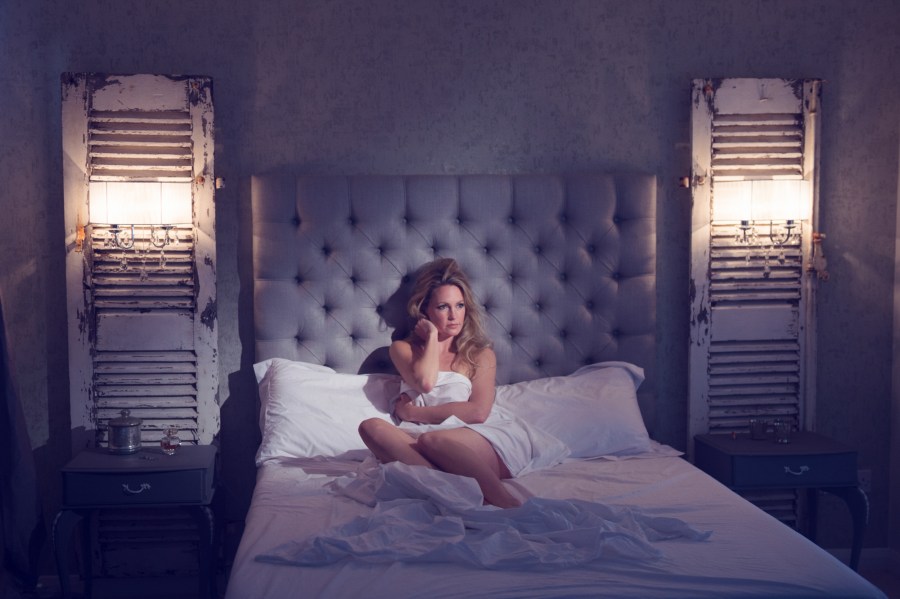
A trio of female photographers, Muse Boudoir, was founded by the well-respected portrait photographer Kate Hopewell-Smith.
For over 15 years, Kate has been photographing boudoir, and has made it her mission, alongside the team at Muse to empower women through her beautiful work.
I was intrigued to discover that many of her clients are cancer survivors. Using the art of boudoir photography to reclaim an aspect of their life which might have been hiding away, or ahead of big changes that might be about to come, is as beautiful as it is empowering.
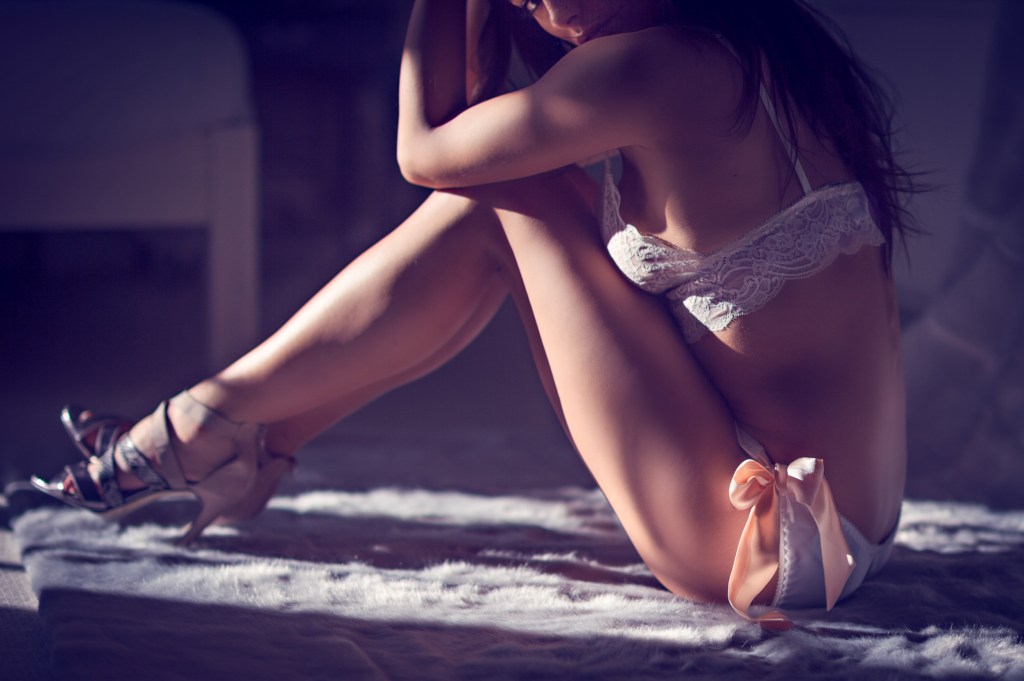
To find out more about how Kate and the team have been working with survivors, I caught up with her so she could tell me more about it.
We recently featured Muse in another article about the importance of an all-female team. See that for more great work, as well as taking a look at the Muse Boudoir website musebudoir.com or or follow muse_boudoir_uk on Instagram.
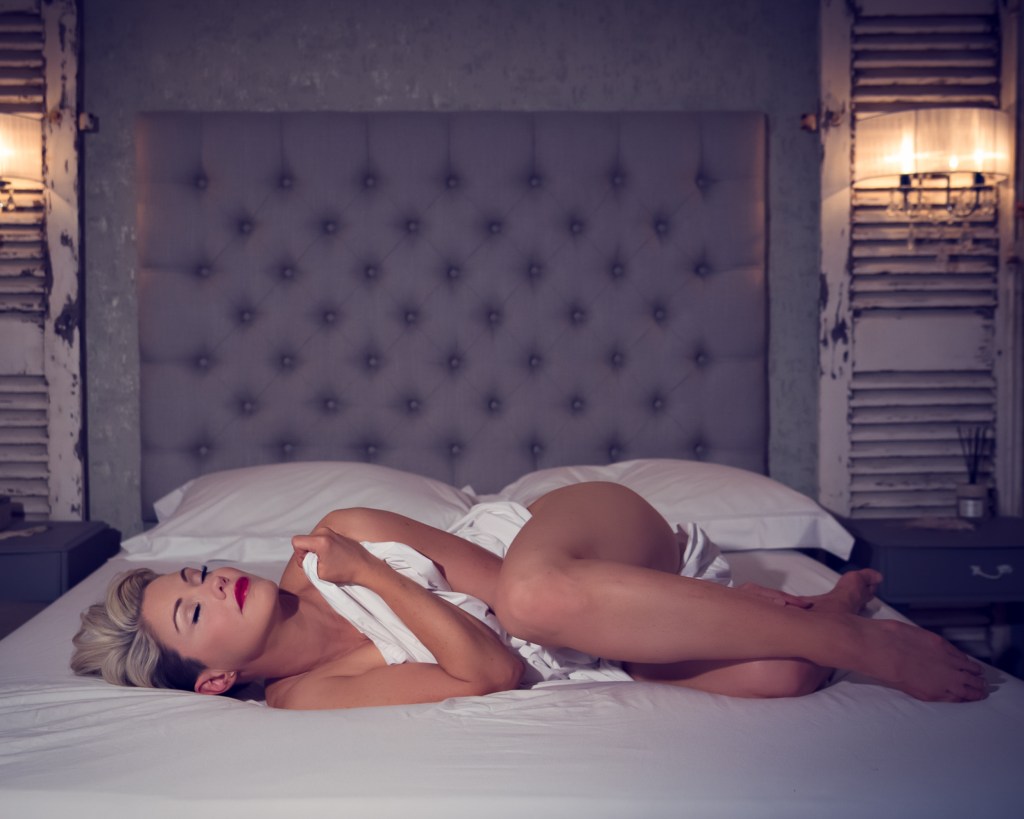
Tell us about the work you’ve done with cancer survivors in boudoir.
It’s some of the most meaningful work we do. Women come to us both before and after treatment. For women pre-op it’s about creating something tangible of the ‘before’ cancer. For women after treatment it can be more about having lost trust in their own bodies, feeling let down by them, sometimes feeling disconnected from themselves as women entirely. The shoot becomes a way back to that. It’s almost never about anyone else. It’s for them.
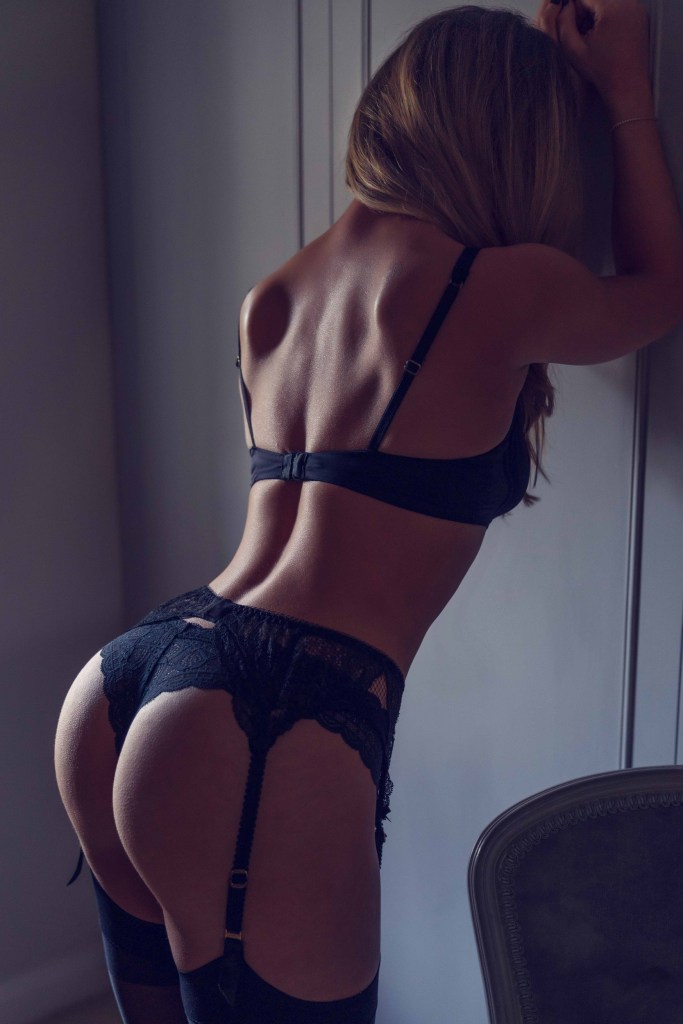
Are you getting this kind of client often?
Not the majority of our enquiries by any stretch, but it isn’t rare either.
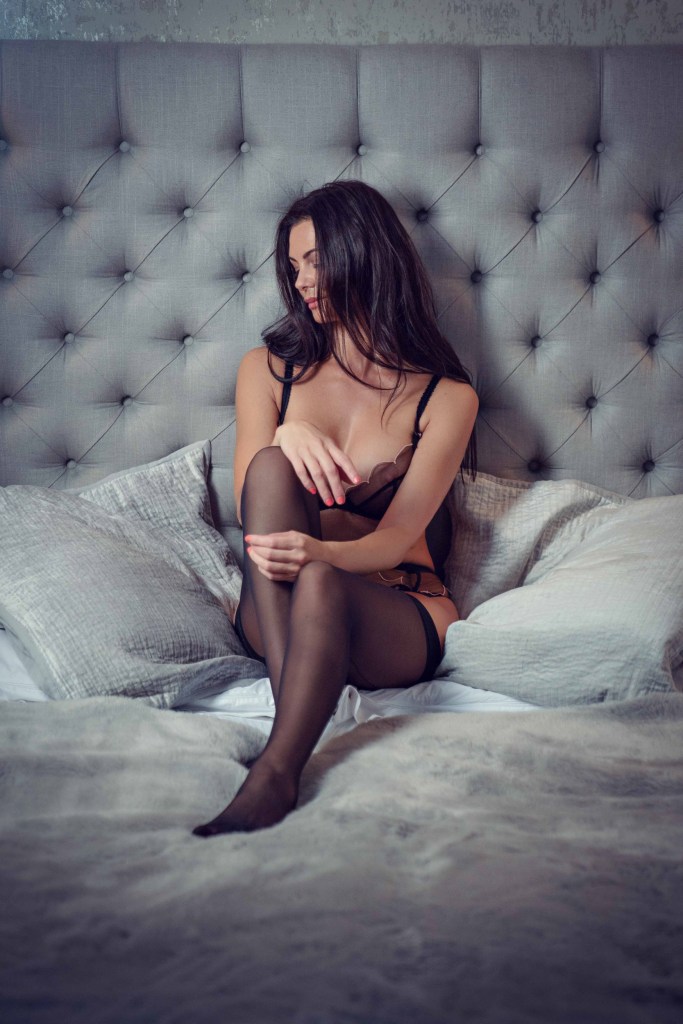
How do these clients differ from regular clients, both in what they expect and from your side as the photographer?
The biggest difference is what the shoot is for. A lot of clients still book for an occasion or a partner. When women come to us pre or post treatment, there’s always an emotional weight to the day. Following treatment, women are often coming to reconnect with a body that’s been through trauma. This is why, where I can, I steer these clients towards Gemma. We met when she came to me for a shoot post surgery. She has a completely different relationship with this particular subject than I do, and an empathy around it I can’t claim to match. If the location or logistics don’t work, Elizabeth or I will always look after them, but Gemma is the ideal person for this side of the work.
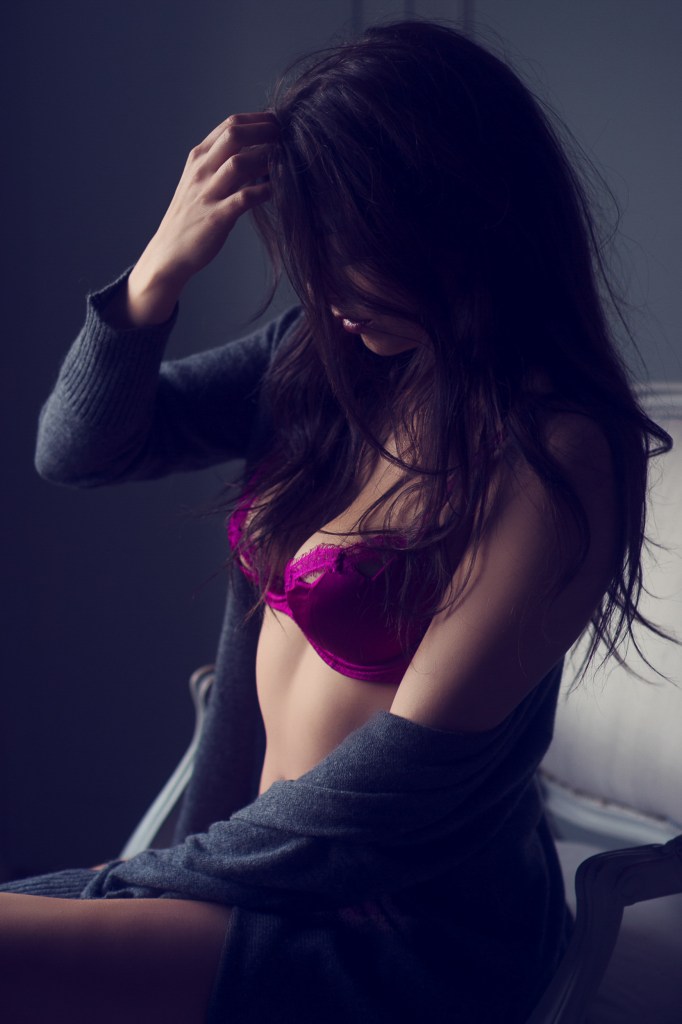
You mentioned one of your team came to you as a cancer survivor looking for a shoot. Can you tell us more?
Gemma contacted me after cancer surgery. She was a photographer herself, loved my style of boudoir and had a real respect for the technical side of what I do.
This is Gemma’s story:
“When I was diagnosed with breast cancer, I felt lost. I felt my body had betrayed me and I was hurtling along a path I had no control over. Everyone’s cancer journey is different, but the treatment can often be gruelling, disfiguring and leave more than just physical scars. That was certainly the case for me, and all the women I meet describe how the emotional recovery can take much longer than the physical one.
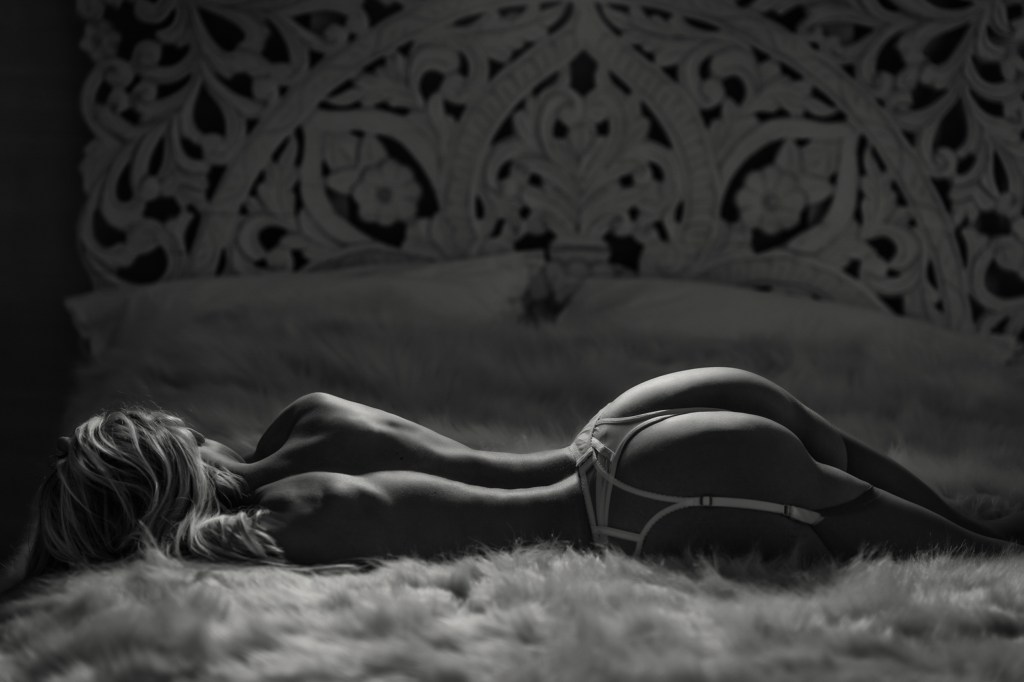
I felt that the cancer had eroded my sense of femininity. I felt vulnerable, like a stranger occupying a new body. I didn’t want my scars to define me, and finding Kate was a truly transformative moment in my life. With her gentle and nurturing way, she allowed me to fall in love with this new version of me and rediscover what it means to be a woman. Many years later, I look back on that day, and the beautiful images that I still enjoy, as closure on a chapter of my life that, thanks to Kate, I have embraced as part of the person I am today.“
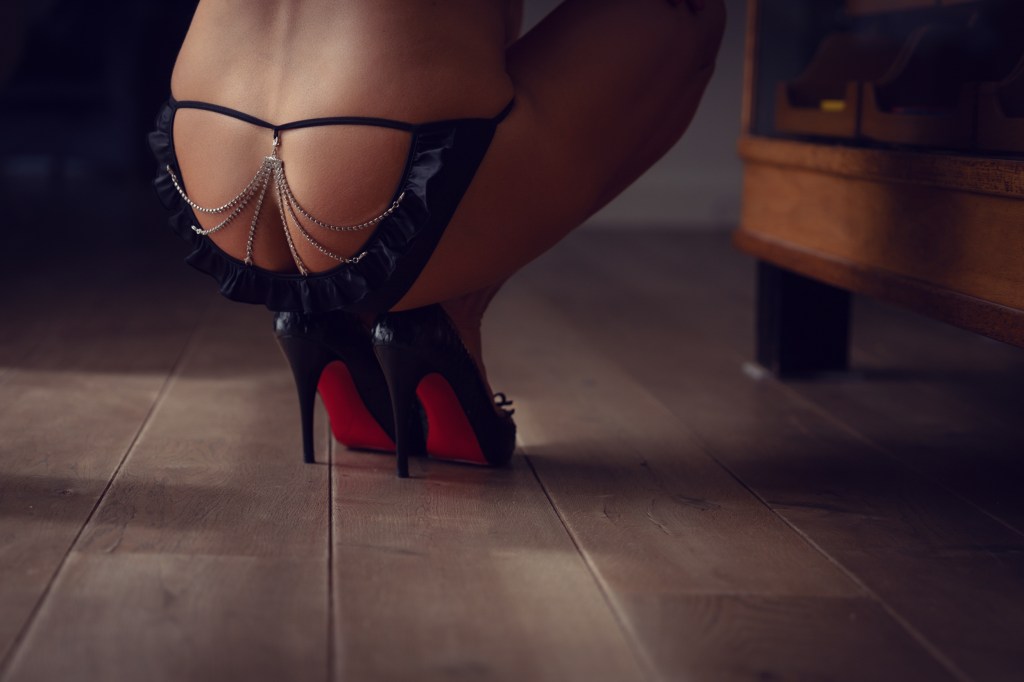
The shoot was a turning point for her. A phoenix rising from the ashes is the only way I can describe it. It changed how she carried herself afterwards, and it made her see how powerful boudoir can be. She started bringing it into her own work, specifically wanting to help women who’d been on the same journey, and she’s now an important part of MUSE.
Do you work around scars? Do you edit them out?
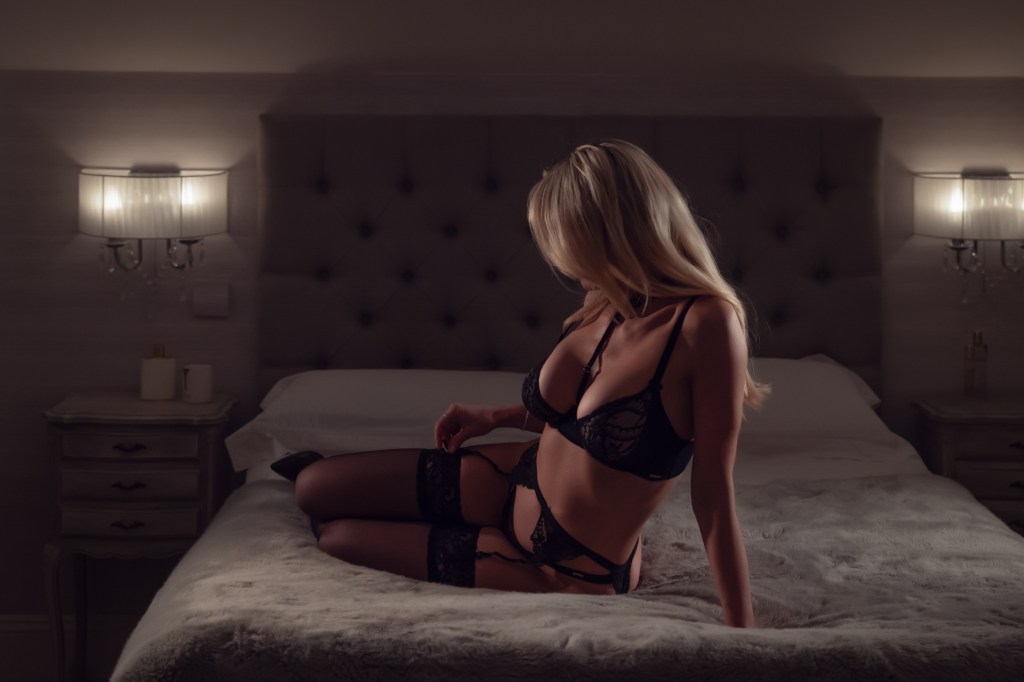
It’s entirely case by case, and it’s never our decision to make. We do differentiate between a temporary imperfection, a spot or a rash, and something permanent like a scar or stretch marks, and we always ask each woman what level of retouching she wants. Some women don’t want a scar in the frame at all. For others, it’s important that it’s there.
But the truth is that retouching is the last resort, not the first. The thing that matters most is lighting and posing. You can hide or soften a great deal with shadow and the right angle, long before you’d rely on Photoshop. Getting it right in camera respects the woman far more than editing her afterwards.
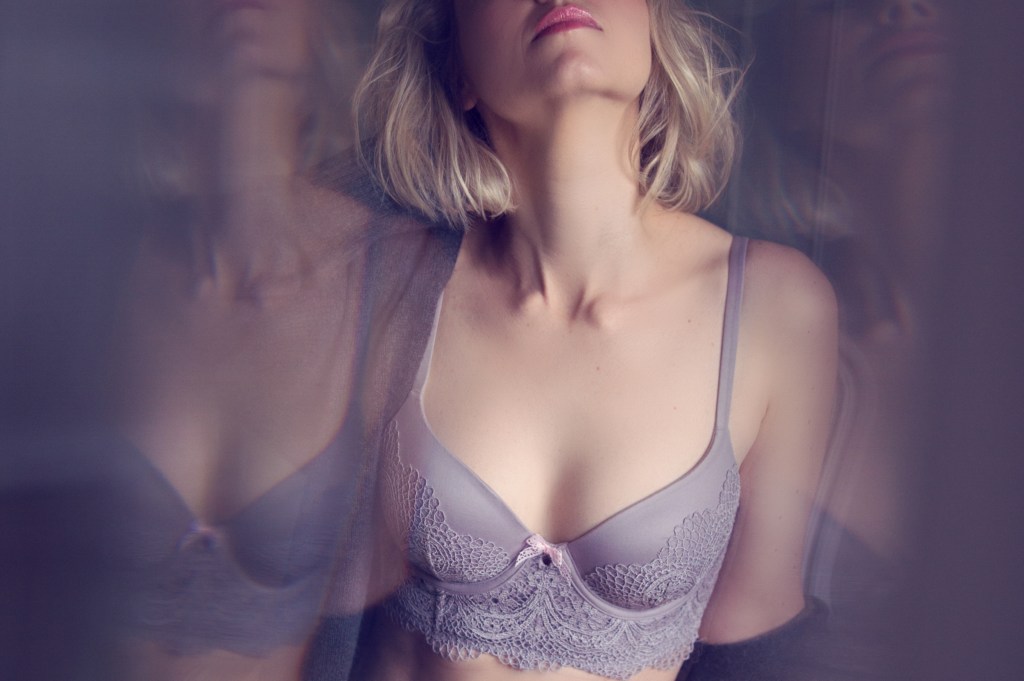
What would you say to anyone reading this who might be going through something similar?
That a shoot like this isn’t about looking a certain way, and it certainly isn’t about vanity. Come for no one but yourself. And find someone you trust completely, because that trust is everything. Like all things in life, photographers are not all equal, but with boudoir it really, really matters that they know what they’re doing, understand women, and know how to use light in a way that flatters and enhances.
Related reading:
- Boudoir photography – the complete guide
- Essential Guide to Lighting and Studio Setup for Boudoir Photography
- How Patrick Demarchelier changed fashion photography (NSFW)
- 9 boudoir photographers you should follow on Instagram right now [NSFW]
Follow AP on Facebook, Instagram, YouTube, TikTok and Irys.