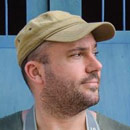
Whenever Martin Steenhaut is outside in his ‘garden’ in north-east Finland, he keeps his eyes open for a particular pair of animals. “I’m very lucky to be able to see wolverines here,” he says. “In the whole of Finland, there are only 300 wolverines. When you have two of them in your garden, from such a big territory as Finland, it’s quite cool. We see them every day here. We’re in their territory and they accept us.”
While many people across Europe might see roaming hedgehogs, foxes or domestic cats outside their houses, Steenhaut doesn’t have a typical garden. Originally from Belgium, the wildlife photographer saw a remote house for sale in 2020 in the wilderness area of Hossa in Finland’s Kainuu region, within the taiga (boreal forest) zone, 200 kilometres south of the Arctic Circle. Despite the fact he’d never stepped foot in Finland, he decided to go all-in. “It was like a child’s dream come true,” he tells me. “It popped up somewhere, on Facebook, that there was a house for sale, three kilometres from the Russian border. It looked like a crazy place to live, especially for a nature photographer, so I jumped on it. It’s not an easy living but nature-wise it’s fantastic. It was just something I wanted to try. I said “Why not?””
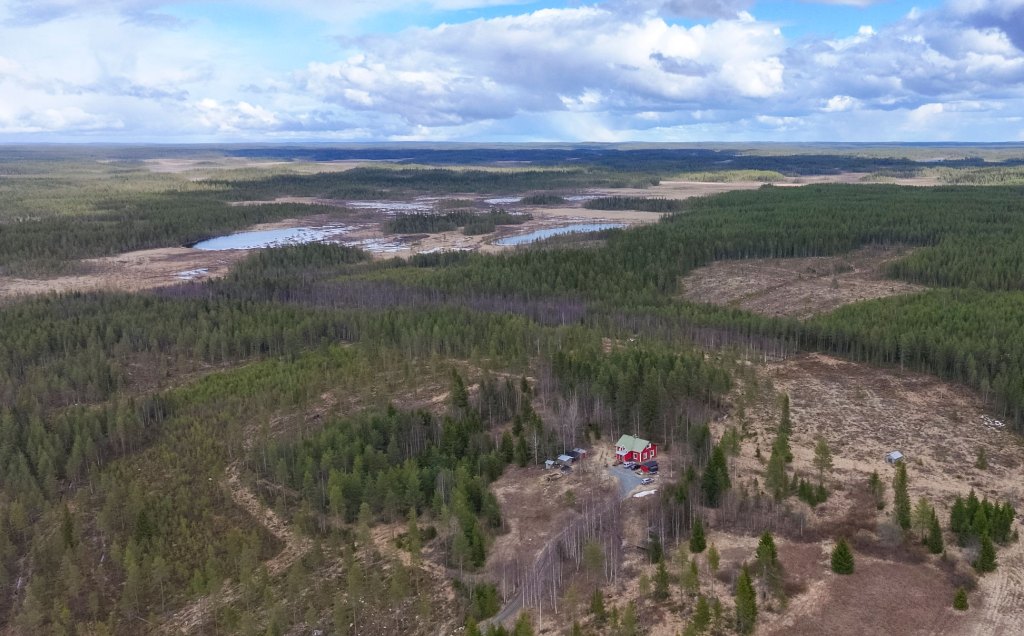
Despite the travel restrictions caused by the Covid-19 pandemic, Steenhaut was able to travel due to his “professional activity as a tour operator”, so he went to check the house out. “It was at the start of Covid, a very strange period,” he recalls. “I flew here in empty planes and empty airports. The house was in pretty bad shape but I knew that upfront. I was, like, “Ok, it’s a renovation project.” It’s like an old rustic cabin in the woods. But my garden is on the Russian border, so that’s quite cool. It reaches what they call the ‘border zone’, which is no man’s land, about one kilometre wide, before the actual physical border. It’s totally off limits and access is strictly forbidden.”
The house came with 10 hectares (25 acres) of land. Having bought other parcels since the original purchase, the property now stands at 100 hectares (250 acres). “Being a wildlife photographer, it’s always been something that was quite fascinating when you see all these pictures of bears and wolves and wolverines. I was always like “Yes, I’d like to see that one day” but I was never doing trips to these areas. Then suddenly you own a house there, and that’s when you start to really discover all these things. It’s a very remote area, with endless forests, a lot of swamps… typical Finnish wilderness. The crazy idea is that from here, just 500-600 kilometres away, into Russia, there’s nothing anymore: no towns, no roads, just pure wilderness.”
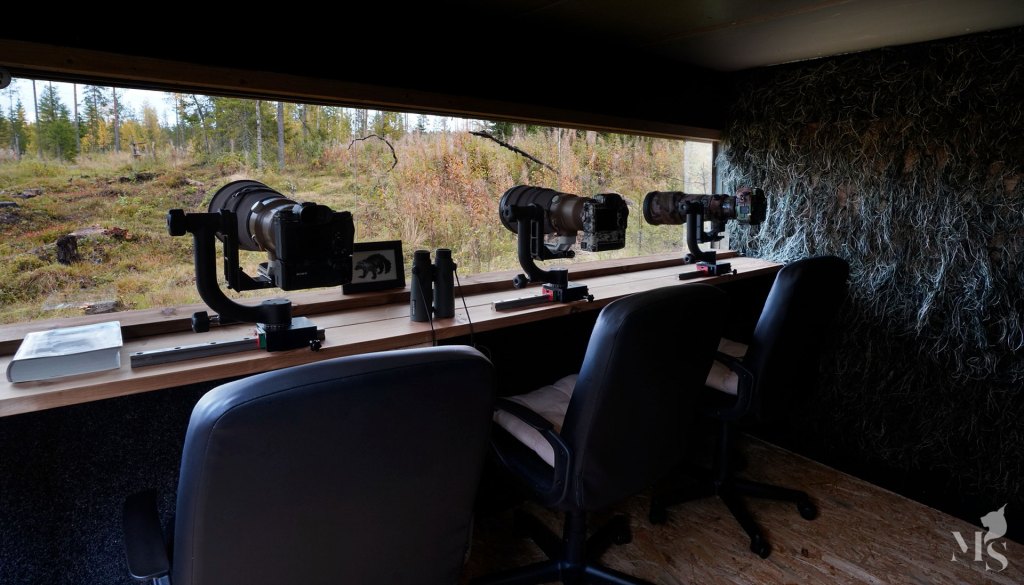
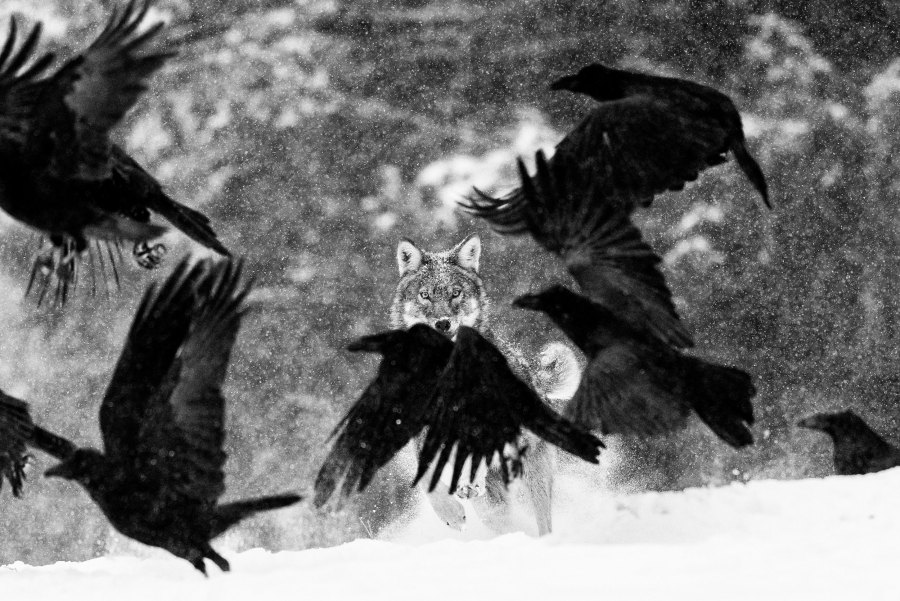
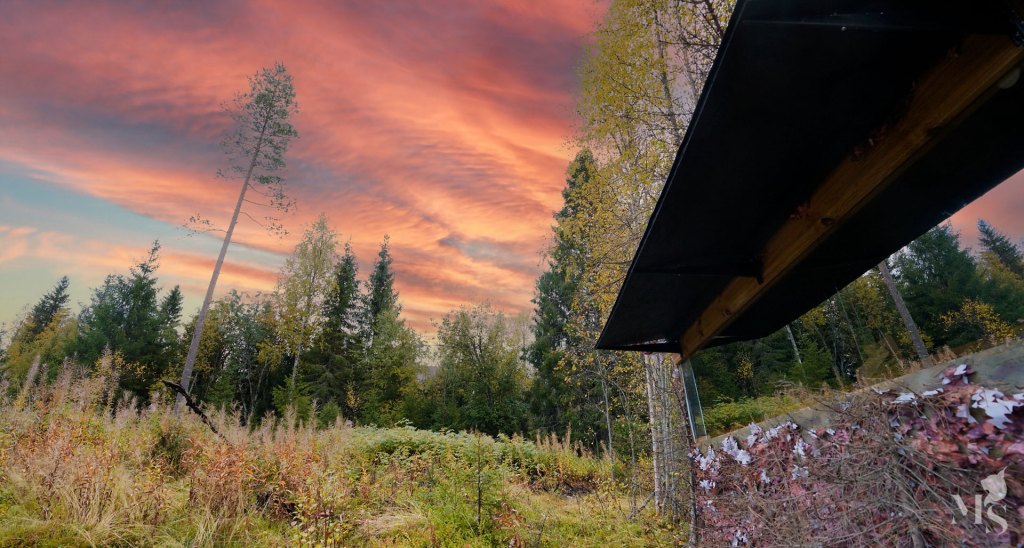
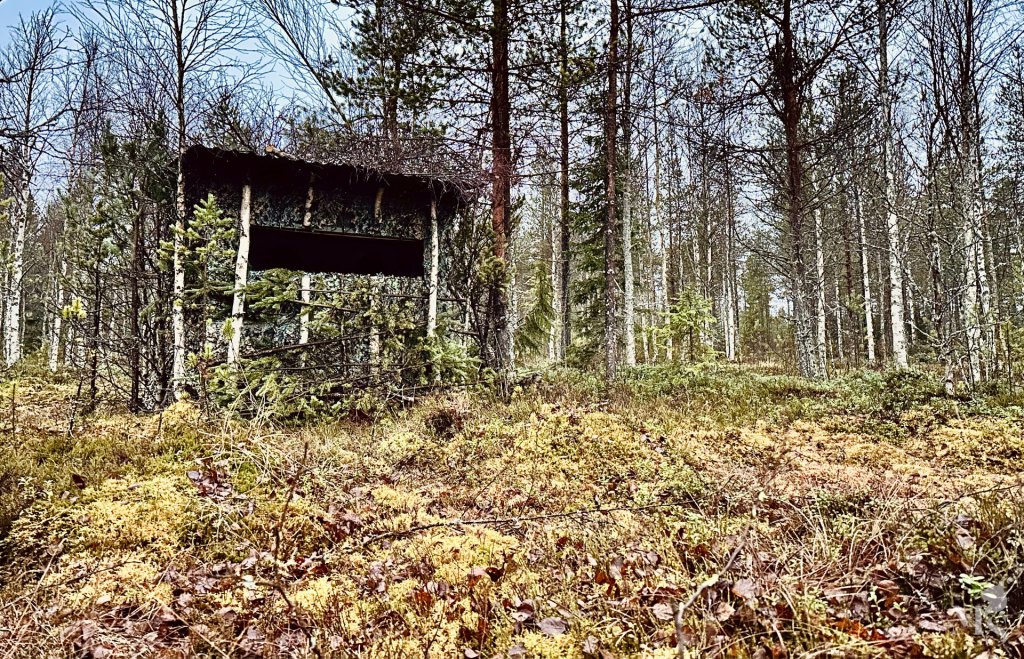
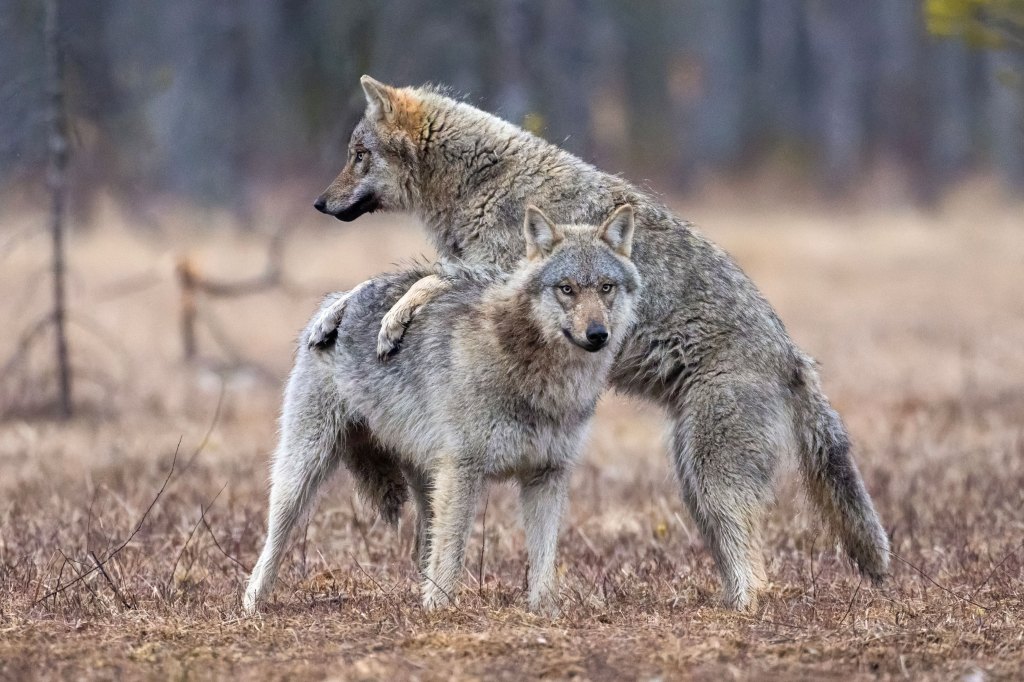
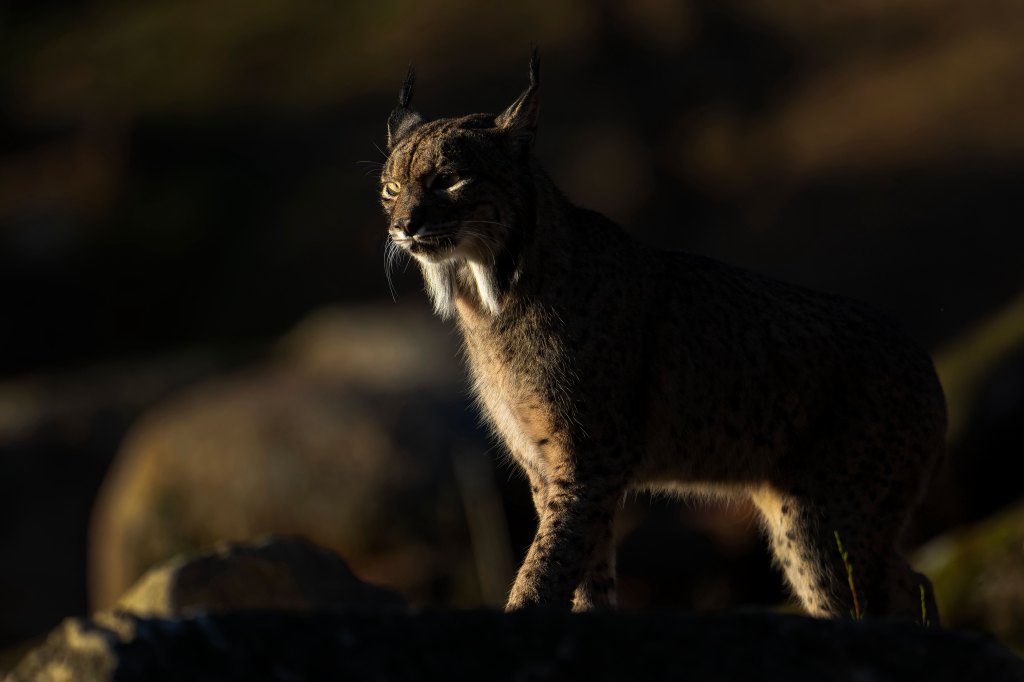
Steenhaut’s plan from the start was to build wildlife hides to make the most of the wild residents that share his garden. As well as wolverines, other animals in the area include brown bears, wolves and moose, which Steenhaut sees regularly on his land. “There is a ‘Big 5’ here, but Number 5 is the lynx,” he explains. “They are here. We find tracks all the time. In the winter time with the snow, the first thing we do is look for lynx tracks. You find them everywhere, but they are ghosts of the forest. They’re so complicated to see. But I’m still hoping it will work.”
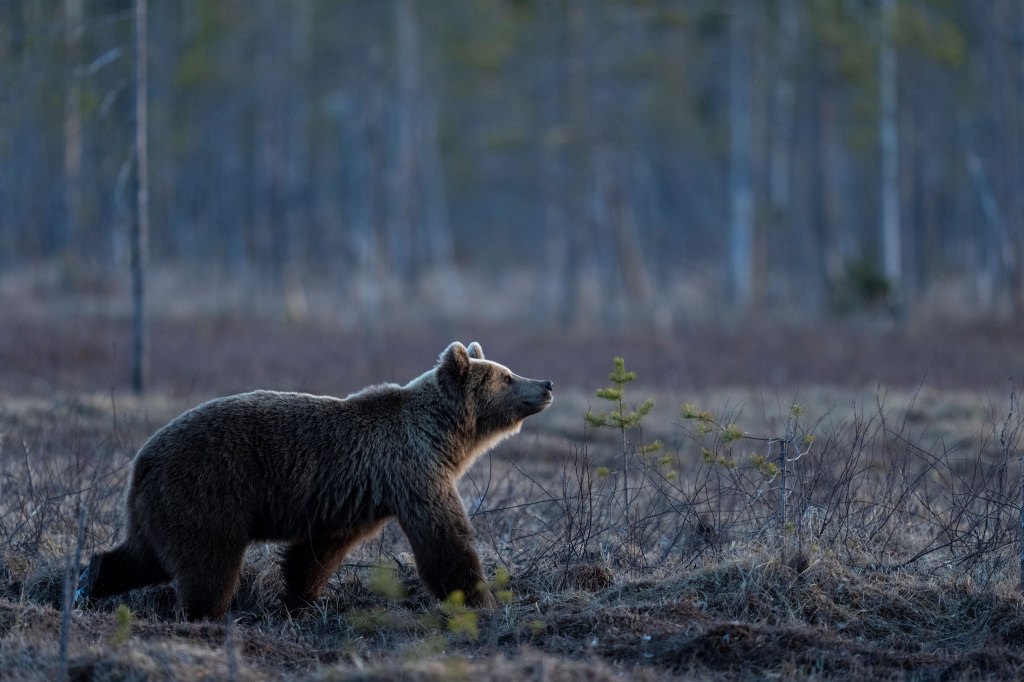
Bears are more commonly sighted, including at quite close quarters. “Whenever you walk into the forest and see a bear, that’s very powerful,” Steenhaut tells me. “I wouldn’t say it’s intimidating. A lot of people ask me “Are you not afraid of walking in the woods, with all these bears and stuff?” But when you see them up-close, it’s kind of peaceful. You just look at each other and think “Ok, I’m in your territory and you’re in mine”, and we just let each other go on. It’s not these crazy stories, like in the United States, where bears attack people.”
From the hides, Steenhaut sees not only animals but a range of birds, including “black grouse and capercaillie. They’re very beautiful. When they do their mating displays in the Spring time, it’s an absolute show. We also have golden eagles, white-tailed eagles, and a lot of smaller birds.”
Steenhaut rents out his hides to visiting photographers, as well as guiding his own workshops on his land. There are currently four on the property, with more on the way. The hides bring obvious benefits for photographers. “The main thing is that they don’t disturb the animals in front of you at all,” he explains. The animals are very confident. They don’t see you, they don’t hear you, they don’t smell you. They’re very calm and they approach in a way that you would never be able to see in the field. That means you can get authentic pictures.”
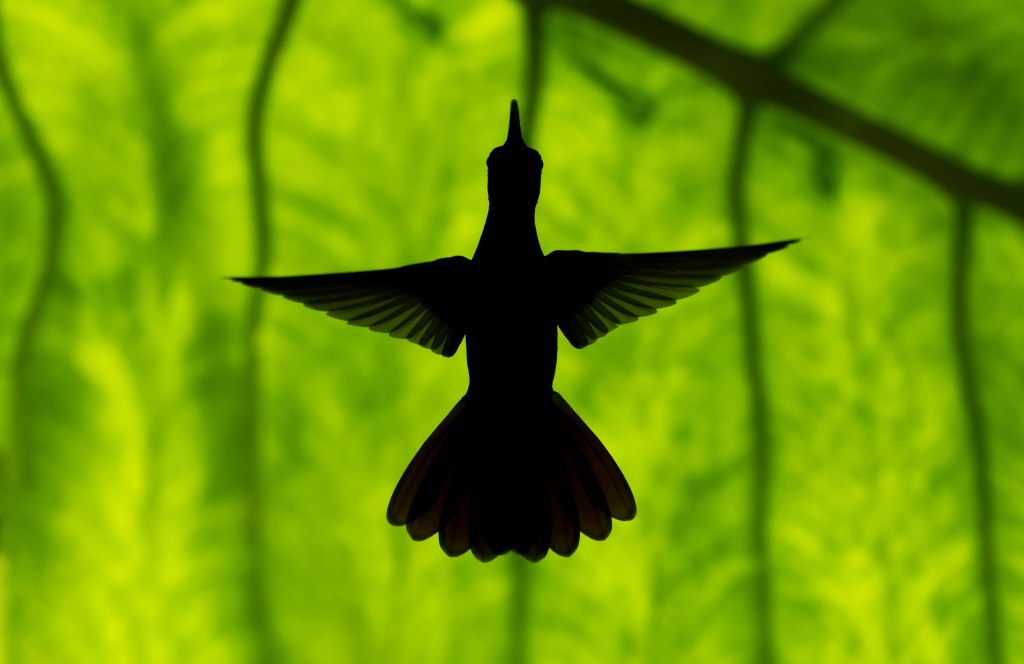
“Also, as a photographer, you can decide, whenever you build the hides, what kind of background or setting you want,” he adds. “We build hides especially according to light situations, where, for example, the light in the morning is coming from one side, or if you want a backlight hide. You can do that right from the start. When you’re in charge of building your own hides, you can take all these factors into account.”
Steenhaut believes hides have other benefits, including as conservation tools. Buying or renting land for photographic tourism, he suggests, can help protect forest areas from trees being cut down for timber or from hunting. It also reduces the number of photographers running around and disturbing animals. “The forest industry is huge in Finland,” he says. It’s the country’s primary economic revenue, as they don’t have any oil or whatever. The cutting of the forest is very, very intense. If you buy the land, you’re able to do whatever you want. For example, when I bought this forest, I stopped all the cutting, stopped all the hunting. Of course, if you have a rental contract, it can be ended by one of the parties. Land is still cheap here in Finland. The value of terrain is measured in the number of trees that you have on it, and if they have an economic value. When I bought this land, very close to the Russian border, with swamps and everything, it didn’t cost much because nobody wants that. It’s an interesting way to keep land safe.”
This is all a world away from where Steenhaut started out. Born in 1977 in Brussels, the Belgian capital, he grew up in Antwerp, where, he says, there wasn’t a great deal of exciting wildlife. “Belgium is such a crowded place. When you live there, you look for the small, small patches of nature. But my story started with my older brother, Daniel, who was 15 years older than me. When I was a small kid, he took me with him into the woods, and taught me everything about nature and wildlife. He was a photographer as well, so after we went on a walk in the forest, we’d go into his dark room and started developing the films and the pictures. I just found that such a magic thing: to see an image appear on a white paper. We’d photograph simple things, like roe deer, foxes, birds… But to see an animal and then being able, after two or three hours, to have that on paper and put it on your wall… That was a completely crazy thing for me. It never left me. That’s why I’m still doing what I’m doing.”
Steenhaut completed a four-year Masters degree in Photography in Antwerp before starting work as a photographer. “The dream was to only focus on wildlife, but that isn’t always completely possible,” he says. “So I did a lot of commercial photography: weddings, events, studio photography… Everything.”
With his company, Wild Pix Travel, he now runs photographic tours and workshops to locations including Botswana, Spain and Sri Lanka, as well as Finland. Every year, he also goes off on his own expeditions – this year, he plans to explore Panama and Brazil.
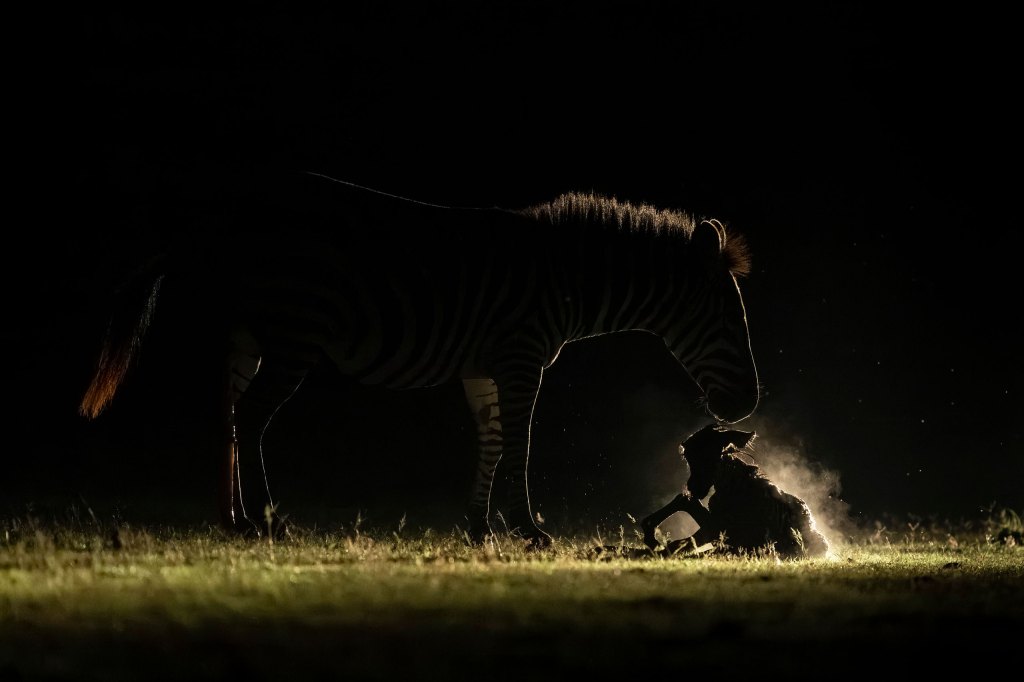
In any location, new or familiar, he likes to unleash his creativity, which, he says, is not only vital for standing out as a wildlife photographer but also, simply, part of the fun. “It is very important. For me, there’s no point in just doing photography for no creative reason. It gives such a joy when you see through your camera something out of the ordinary. Just having a simple picture of an animal is cool, but my first reaction is always “Ok, how can I do it differently? What if I move this way or that way?”. I enjoy looking at things differently. That’s why I love using backlighting and silhouettes: it gives a completely different feel to an animal that we’re used to seeing.”
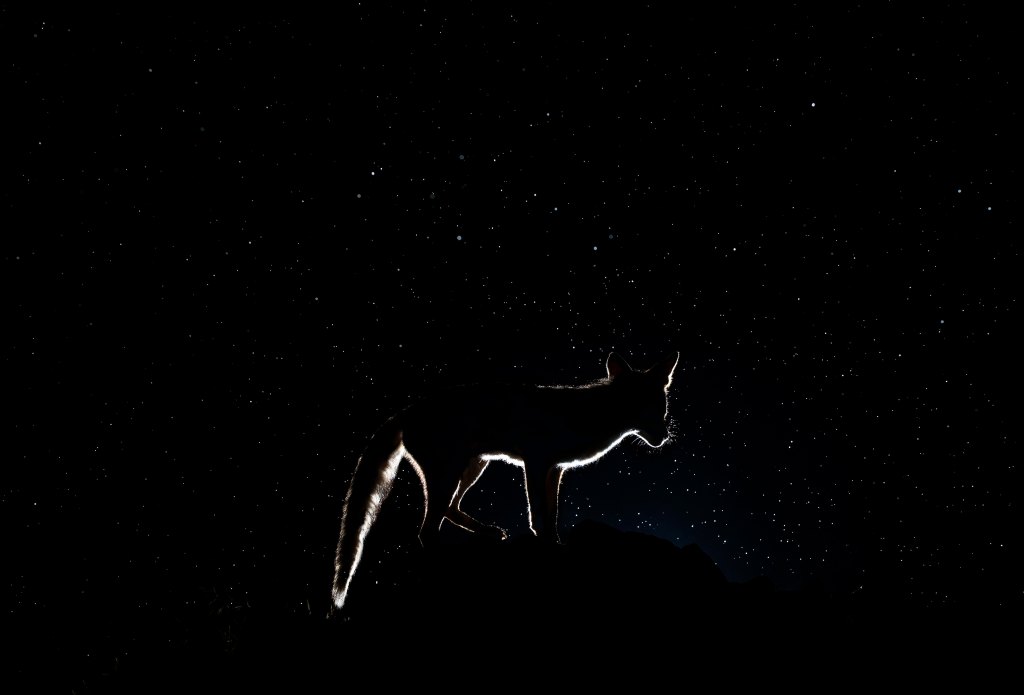
To that end, he often sets himself long-term projects. During the early days of Covid, for example, before he moved to Finland, he spent time photographing foxes at night in a field close to his home. “At the time, we were stuck in Belgium. We couldn’t travel. I couldn’t work or do anything. I knew a field where foxes are regularly seen. I wanted to make different photos of foxes. I thought “Why not at night?”, and then “Why not at night but with backlight?” That became a whole process. I wanted to make a whole series. It took about eight months.”
In his Finnish garden, too, he set about working on a creative series of images for an under-appreciated species. “Here, under my house in Finland, is an ermine [stoat]. I saw it every day, walking around the garden. It becomes a challenge, like, “Ok, how can I make this an interesting photography subject?” It’s a cool animal, so I created a special hide. I moved 10 tonnes of stone to make a special setting for the animal, hoping it would accept it. That whole project took me about one year, but now I have super-special, backlit, ermine pictures. It all just came from seeing it from the window every day. You have to start thinking “What can I do with that?””
Steenhaut prefers his creativity to take place out in the field, in-camera, rather than relying on Photoshop editing or any trickery. “My rule on editing is very simple: as little as possible,” he tells me. “That’s something I learned when I was in photography school. At that time, I was still working with film, so you didn’t have all these options. Film was expensive and you couldn’t afford mistakes. The shot had to be made in the moment. That’s still the rule I use every day: make your shot as perfectly as possible in the moment you push the button. I’m trying to teach that to other people as well. So many photographers right now say “Yes, but I’ll fix that afterwards.” But, for me, the kick of making great pictures is having it great in the moment.”
As well as his own hides in Finland, Steenhaut’s helped build two hides in the Spanish region of Andalusia, prime territory for the Iberian lynx. He’s also advised or been involved with others, including in Hungary, Belgium and the Netherlands.
There’s a long pause when I ask him where in the world would be a dream location to build a new hide. “My list is so long,” he chuckles. “We had a project where we started to build hides in the jungle of Guatemala, for cats, especially ocelots and jaguars. But, unfortunately, that didn’t work out with the guy there. But I’d like to go back and build something there, in the jungle of Guatemala or somewhere in Central America.”
He’s just as excited, though, about the possibilities back home, in his garden. “One of my dreams here in Finland is to build a moose hide,” he explains. “That’s something I’m going to try next year in the forest. That’s why I bought a particular piece of land because I knew there are a lot of moose there. I’m always thinking ahead. I think this moose hide will be one of the only ones in the world and the first in Finland. It’s an extremely shy animal. To be able to get up-close to moose would be very special.”
To get to know more about Steenhaut’s photography projects and tours visit his websites at www.martinsnature.com and www.wildpixtravel.com .
Related reading:
- Explore the beauty of Panama’s wildlife and landscape with these stunning photos
- Three leading wildlife photographers share their best shots – how they took them and why
- The best budget telephoto lenses for wildlife photography
Do you want to win some great prizes for your photography? Enter your photos in our International Amateur Photographer of the Year competition. Free entry for photographers aged 13-21.
Follow AP on Facebook, Instagram, YouTube, TikTok and Irys.