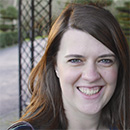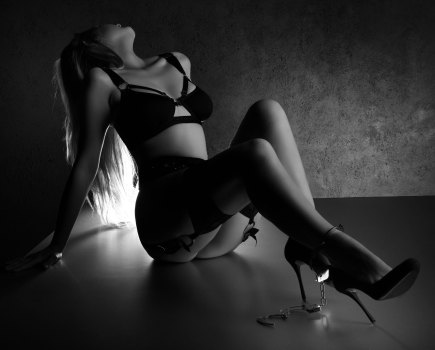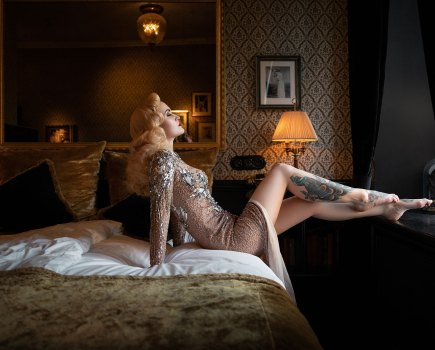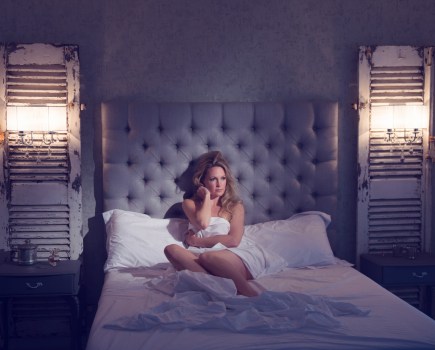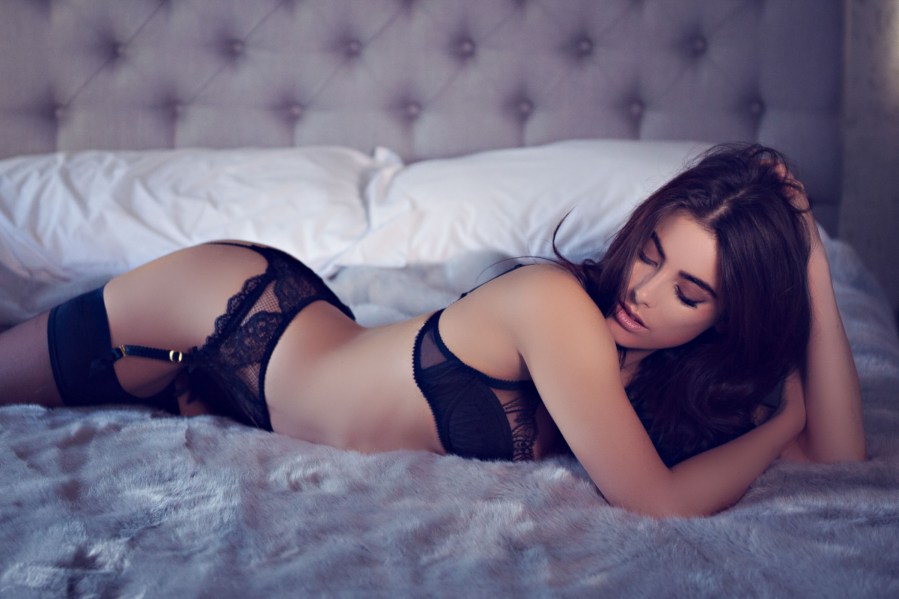
MUSE Boudoir is a trio of photographers, founded by Kate Hopewell-Smith. A well-known portrait photographer, she is a Sony European Image Ambassador and a Rotolight Master of Light.
After starting out in boudoir photography by herself over 15 years ago, she decided to join forces with two other women to create MUSE, an all-female team whose mission it is to empower women through beautiful boudoir photography.
I caught up with Kate to discover more about her style, passion and what it’s like to work with and for women in this genre.
Take a look at the Muse Boudoir website musebudoir.com for more inspiring images, or follow muse_boudoir_uk on Instagram.
Why do you think it’s important to have an all-woman team for boudoir? Do women ask for it ahead of time?
For us it isn’t a feature of the experience, it is the experience. We would never have a man on set. As for whether women ask in advance: some do, usually the ones who are most nervous and want reassurance before they commit. A lot of women assume it, and either way it’s clear on our website and in the brochure we send to enquiries.
Occasionally a woman asks whether her partner can come along, and the answer is yes, but he doesn’t come into the spaces we shoot. He’s welcome at the location, he can work or wait or do whatever he likes, but the shoot itself remains an intimate, female-only space. That separation matters more than people expect it to.
What led you to do this with MUSE? Was it important from the outset, or is it what clients expect?
It was never a decision I sat down and made. Rightly or wrongly it seemed like the only choice. It was simply how I’d always worked, and shooting at home could become difficult because it meant my husband, son and step-son couldn’t be at home. So booking had to work around quite a few diaries. When MUSE became a team rather than just me, it carried over without question. Clients do expect it now, but the expectation followed the way we chose to work rather than shaping it.
Does that extend to everyone, make-up artists, assistants and so on?
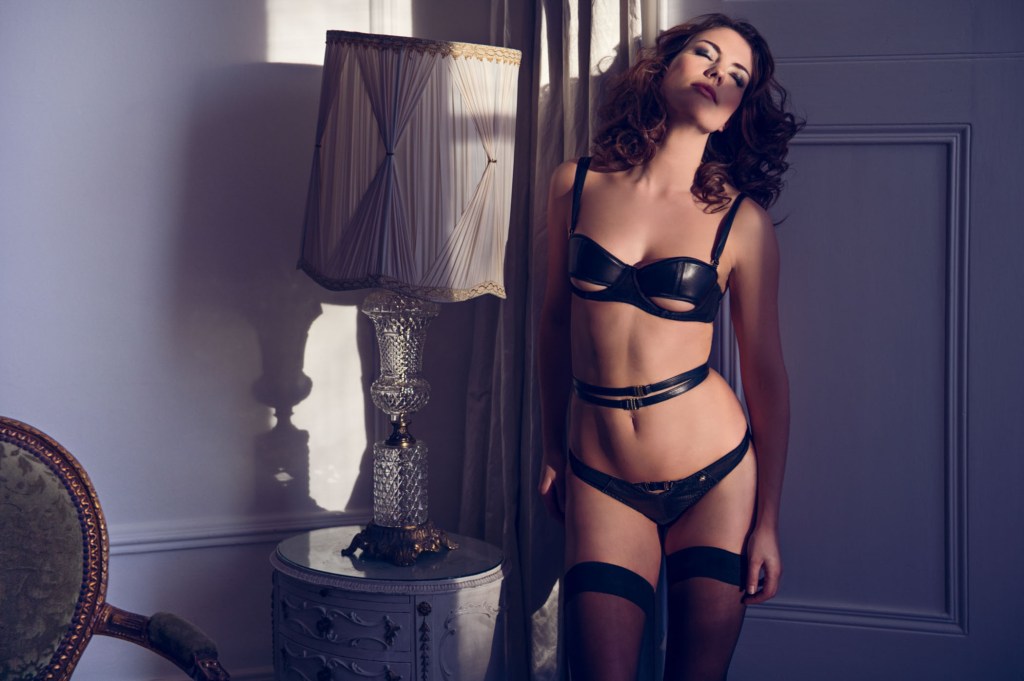
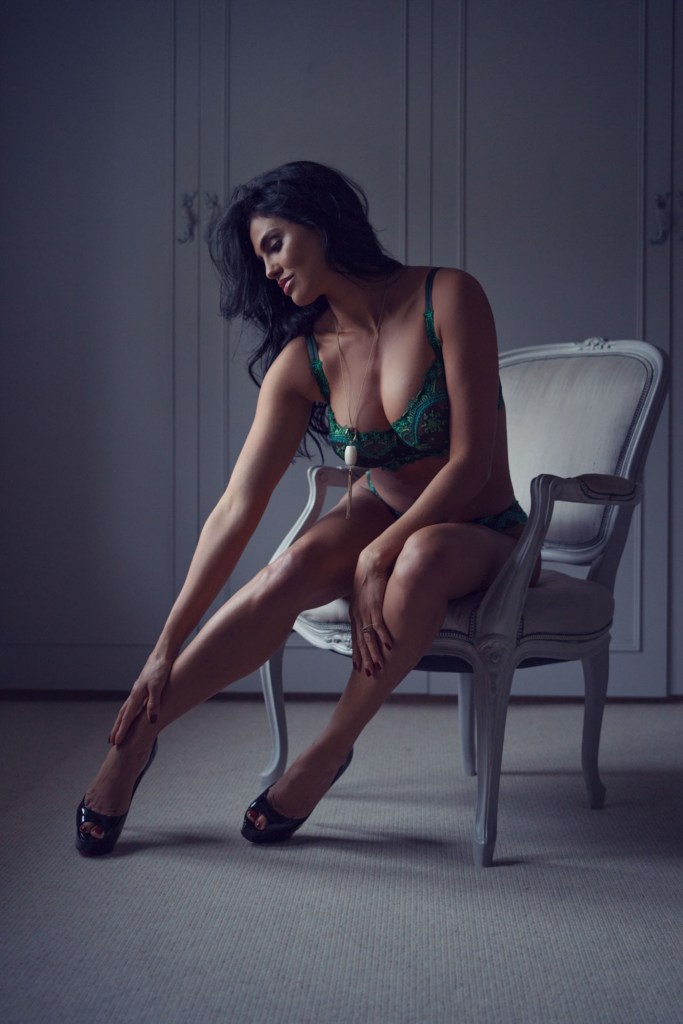
Everyone. We choose our hair and make-up artists, and anyone else who’ll be on set, very carefully, because the person doing a woman’s make-up is often with her for over an hour. They set the tone. So it’s not only about it being women, it’s about them being the right women. The all-female vibe is unique and fun. It’s all lingerie, jewellery and heels. And a lot of laughter.
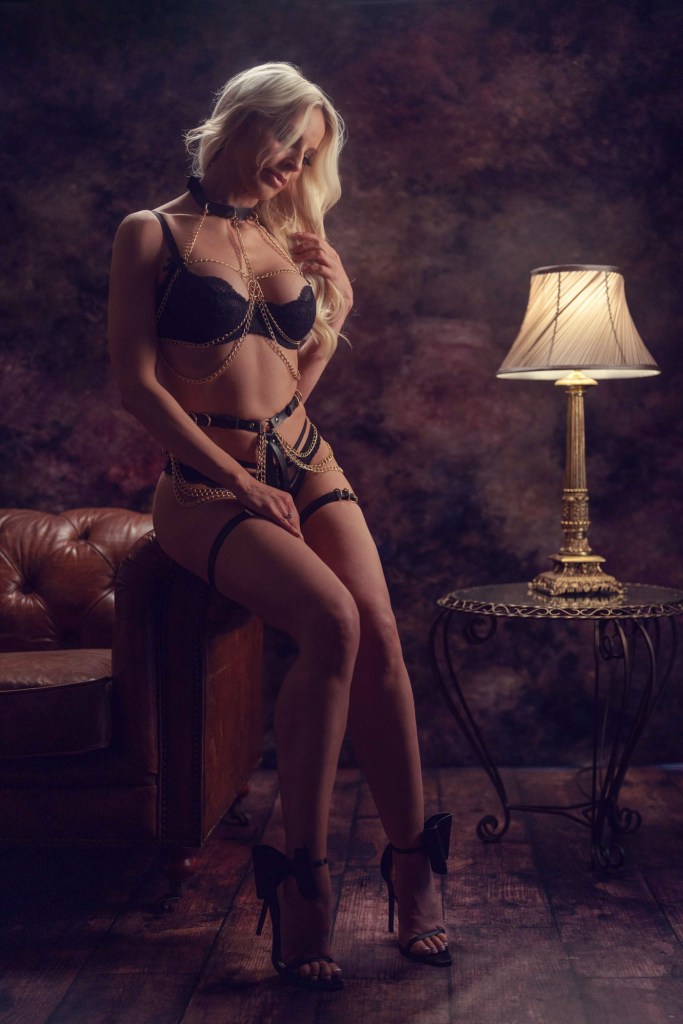
How else do you help women feel comfortable on a shoot? Can you give examples?
It’s a combination of things, and the environment does a lot of the work before anyone’s picked up a camera. Women almost always arrive nervous and a little vulnerable, so we use the hair and make-up time to talk properly. We explain exactly what the shoot’s going to involve. We say out loud that we know they’re nervous and that they have no idea what to do with their hands or their face or their body, and that this is completely normal, and that we are going to direct them one hundred per cent of the way. Nobody’s left to work it out themselves.
And we promise them it’s going to be fun, because it genuinely is, and we ask them to trust us on that.
The trust point is the one I take most seriously. These women are handing us something enormous, and we don’t take the trust they’re putting in us lightly or for granted. The reality is that one bad photograph will stay with a woman even if the other ninety-five per cent are beautiful. Self-esteem around your own image is incredibly delicate, and women can be brutally self-critical. Knowing that is the whole job, really. Everything else follows from it.
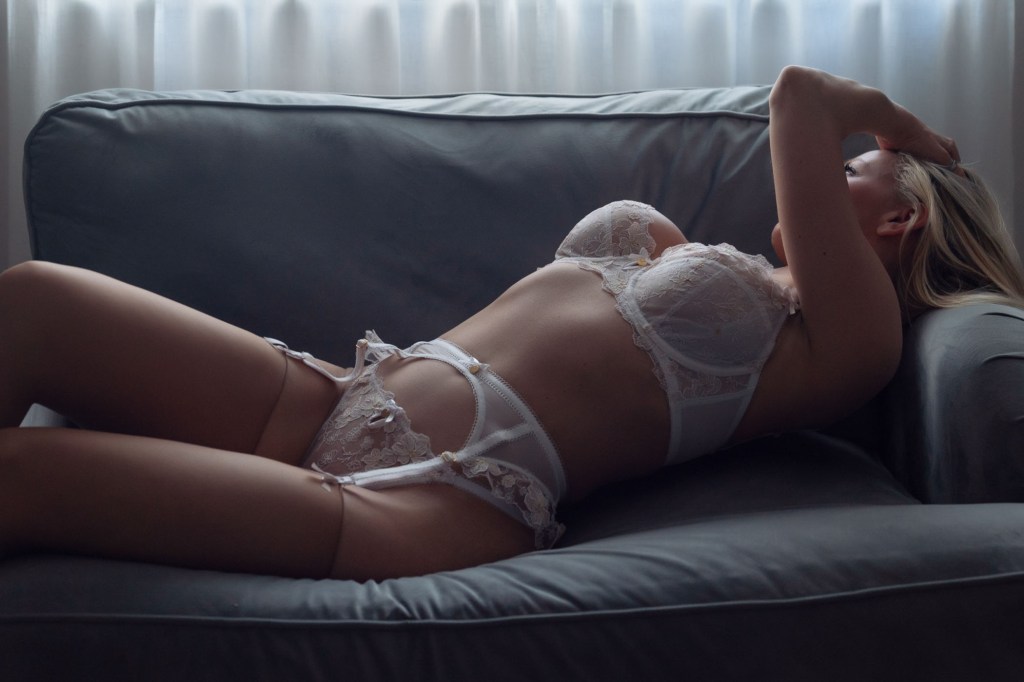
Tell us about your typical client. What kind of woman, and what has she been through?
There’s no single type, and that’s almost the point. What they have, by an order of magnitude, is independence: career women, often financially independent, strong-minded and smart. Feminists in the true sense of the word. Beyond that they could be anyone. A teacher, a barrister, anything at all. What they do doesn’t matter. What connects them is that they’re independent women who’ve decided to do this on their own terms.
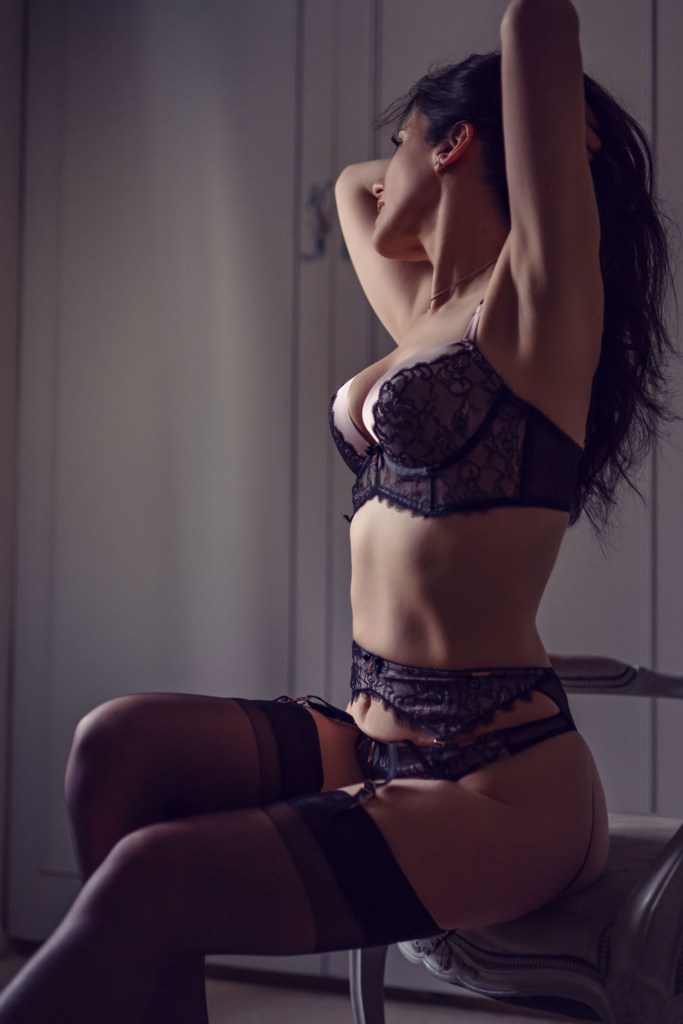
How do you guide women to pose? Does that come better from a woman?
We direct everything. A woman comes in convinced she’ll look awkward, and the truth is that posing is our responsibility, not hers. We tell her exactly what to do, what to bend and how. We always acknowledge how important hands are in a boudoir image; positioned wrongly and it looks like she has a headache or menstrual pain. She doesn’t have to bring anything except a willingness to be led.
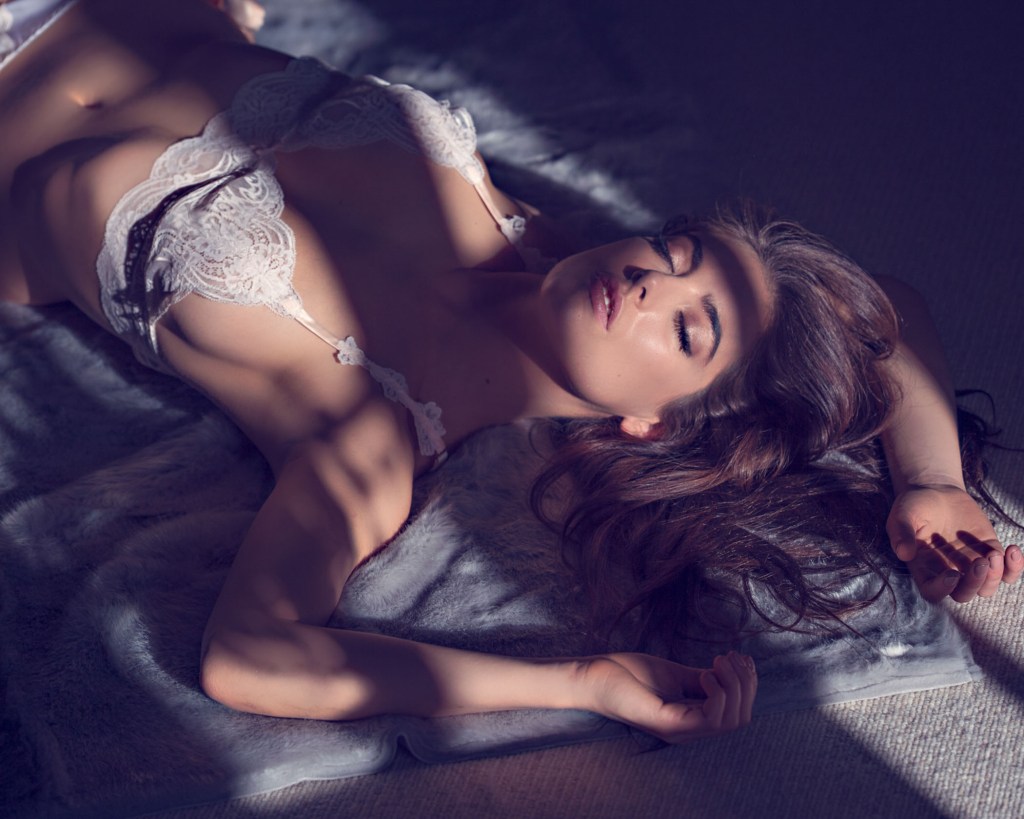
Whether it lands better from a woman, I think it does, but not for the obvious reason. It’s less about the instruction itself and more about the dynamic in the room. A woman directing another woman’s body in her underwear is a very different thing from a man doing it, and most clients feel that difference whether or not they could put it into words. I also know that we shoot with a female gaze – by that I mean we are celebrating and not objectifying women. This is critical.
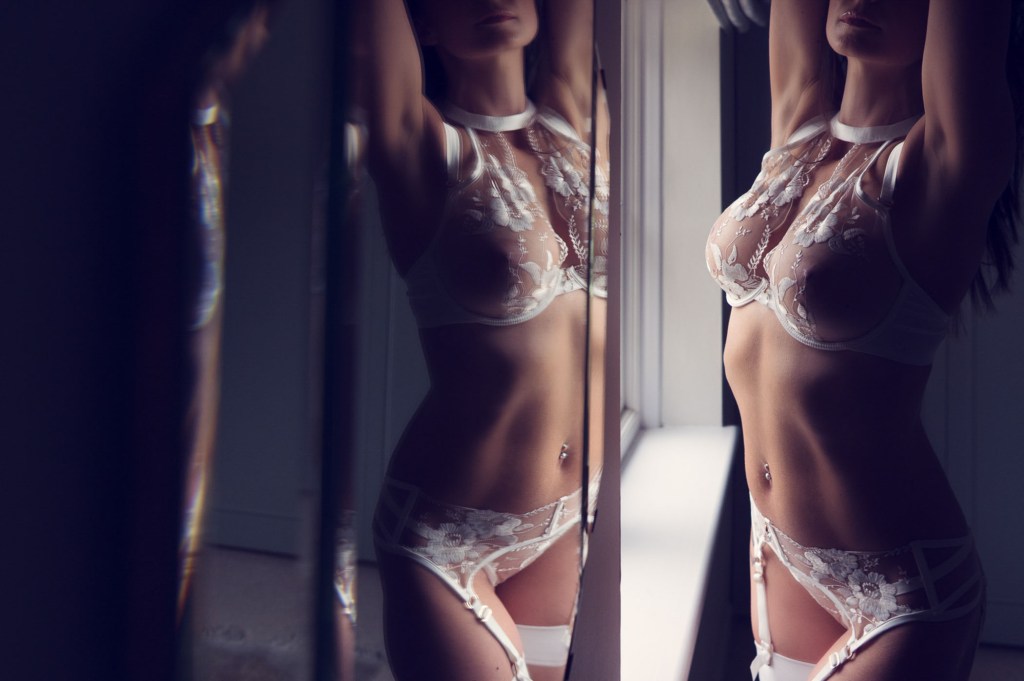
You started as a solo photographer. What led you to build a team and a brand rather than staying solo?
I started shooting boudoir in 2010, almost by accident. A woman booked me for a portrait shoot, and when I arrived it turned out she wanted something quite different, something for her husband’s fiftieth. As demand grew I made the considered decision to bring in two associates I trusted completely, Elizabeth and Gemma. Then I knew I’d be moving to Cornwall, and it seemed a real shame to stop doing something that was clearly so popular and so transformative for the women coming to it. A team meant it could carry on and grow rather than end when I moved. I could have set this up across the UK, the demand is there, but our way of working and our style is incredibly unique. It’s as much to do with who we are as women as how we shoot.
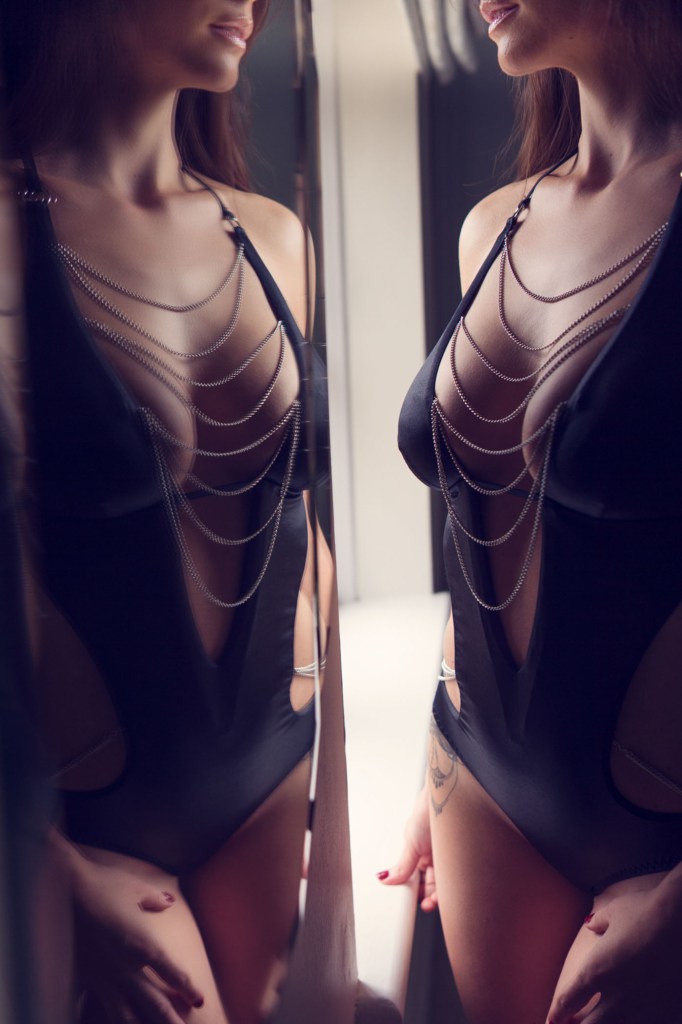
Does having an all-woman team change your own working dynamics?
It does. There’s a shorthand that comes from everyone understanding what the day actually asks of a client emotionally, not just technically. Nobody on the team needs the vulnerability explained to them. That frees us up to concentrate on the woman in front of the camera rather than managing the room. We’ve all been on the other side of the lens too, and that’s a very important part of understanding the experience.
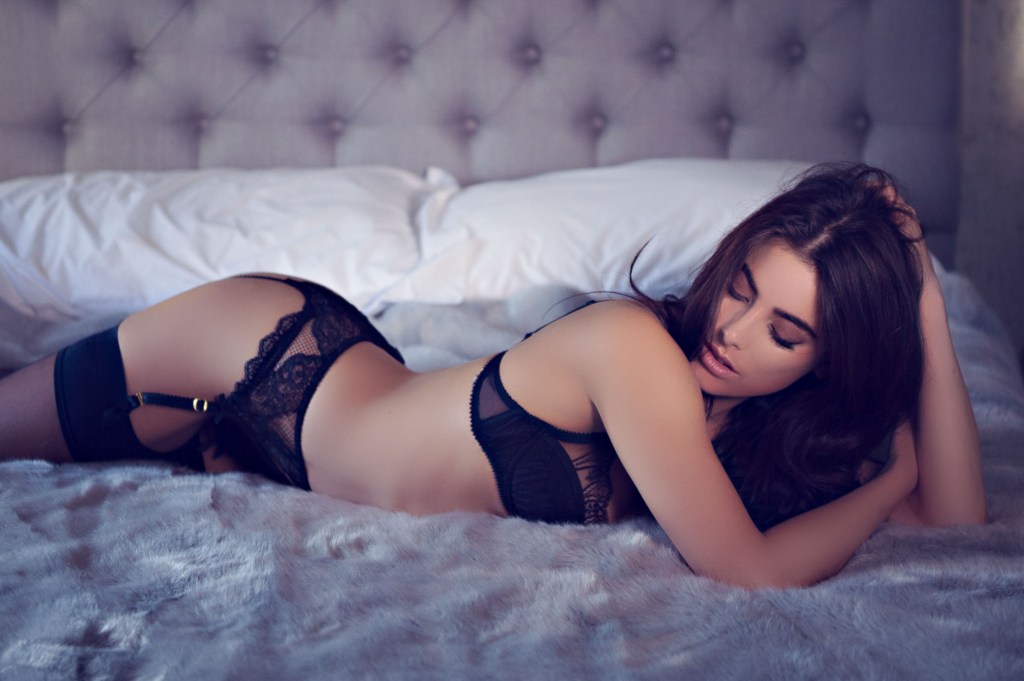
How important is empowering women through this work? How do you guide them towards loving what’s in the frame, rather than what society expects them to look like?
This is the part of the work I care about most, and the words are not enough. You can tell a woman she is beautiful a thousand times, but until she truly sees herself that way she will struggle to believe it. We are basically showing women how they’re seen by the people who love them. The results are transformative and long-lasting.
Interestingly, we don’t show the back of the camera or the images on the day. We focus on the experience, and women leave on top of the world with a whole new level of confidence. We are constantly telling them how gorgeous they are, but we MEAN it. Every woman is beautiful and every woman is deeply self-critical. Our shoots focus on all the best bits. It’s pretty simple really.
So it’s about making the women look their best, not comparing them to social media perfection or aligning with a certain toxic male gaze.
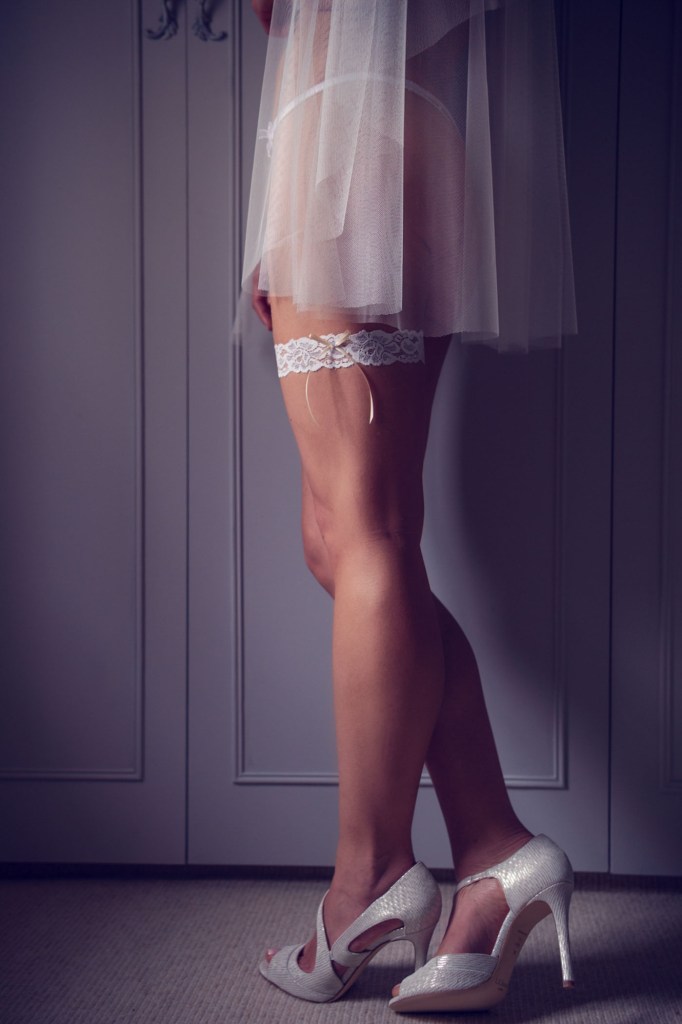
Have perceptions of boudoir changed, or are they changing?
Absolutely. When the genre first arrived from the US it was hugely misunderstood and aligned with consumer perceptions of ‘glamour’, in the UK understanding of the word. For the first few years a shoot was normally framed almost entirely around a partner and being given as a gift. More and more, women are booking it for themselves now, as a marker of a point in their own life. The work hasn’t changed much. The reason women come to it has.
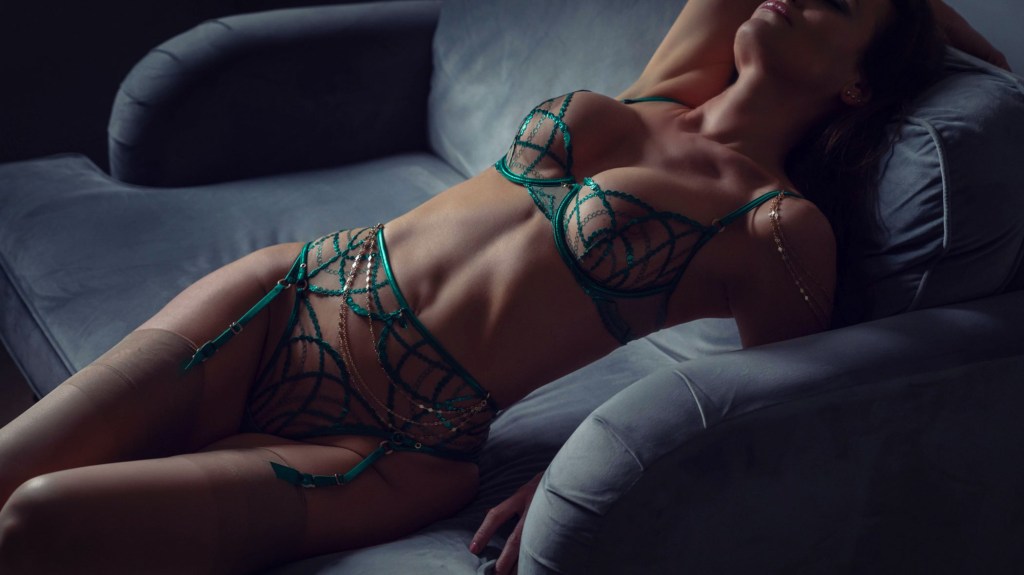
Equally, at least 20% of our enquiries are now from men wanting to book a shoot for the woman in their life. The emails all follow a similar pattern: they think she’s absolutely gorgeous, she can’t see it, and they hope a shoot will help change that. I love these emails.
To see more of the stunning work created by Kate and her team, visit the Muse Boudoir website.
Related reading:
- Boudoir photography – the complete guide
- Essential Guide to Lighting and Studio Setup for Boudoir Photography
- How Patrick Demarchelier changed fashion photography (NSFW)
- 9 boudoir photographers you should follow on Instagram right now [NSFW]
Follow AP on Facebook, Instagram, YouTube, TikTok and Irys.