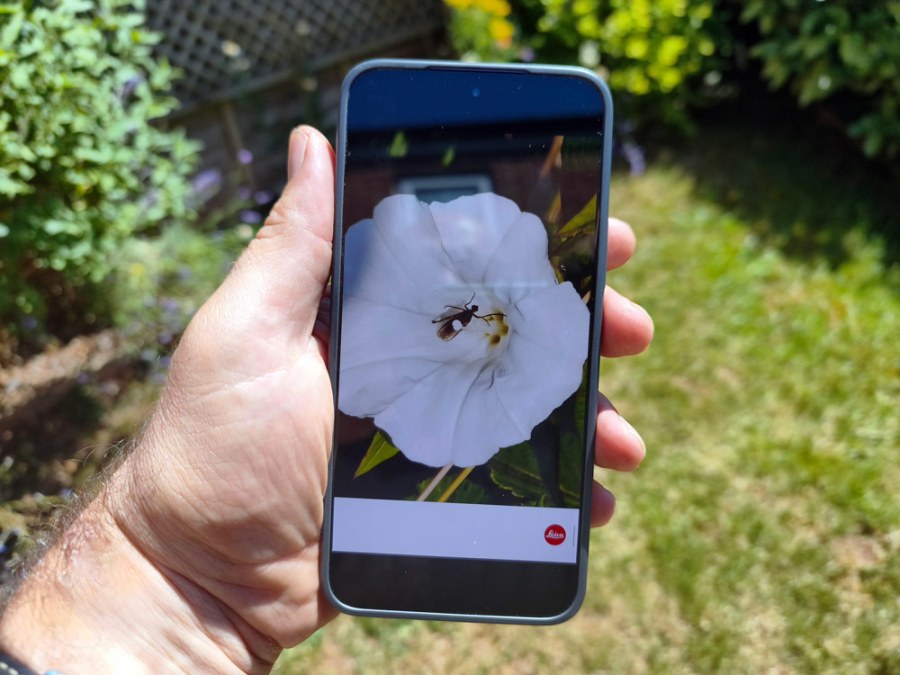
While not a huge upgrade, the Xiaomi 17T Pro smartphone has a lot to offer photographers and video makers – it’s a good compromise if the Xiaomi 17 Ultra and Leitzphone are too pricey.
Amateur Photographer verdict
The Xiaomi 17T Pro is an excellent mid-range Android phone for photographers, with great main and telephoto camera performance and a long battery life. But it’s not a major upgrade from the 15T Pro.- Good main and telephoto camera performance
- Long battery life
- New Live moment and Leica watermarks
- Ultra-wide and selfie lens lacks AF
- Some interface annoyances
- Modest upgrade from 15T Pro
I have been using Xiaomi phones for several years now and as a photographer, it remains one of my favourite brands in the fiercely contested Android market. The innovative Chinese maker’s phones are good value and take great pictures – or really good pictures in the case of the Xiaomi 17 Ultra, which we have no qualms about calling the best smartphone for photography. Bar none.
Xiaomi’s long-standing tie-up with Leica was a very smart move, too: the free use of Leica branding means Xiaomi can add a coolness and a cachet to the phones, something that its Android rivals are eyeing enviously (yes, Oppo has teamed-up with Hasselblad, but Leica is a proper super-brand, with a tremendous reputation in the photography industry and beyond).
It would be easy for Xiaomi to rest on its laurels and focus on pushing the high-end 17 Ultra while Leica does the same with the Leitzphone (basically the same phone with some Leica bells and whistles).
But Xiaomi is to be applauded for also bringing out some very decent mid-range phones, namely the ‘T’ and ‘T Pro’ series. Earlier this year, Xiaomi brought out the 17T and 17T Pro, and it’s the latter that we are reviewing here.
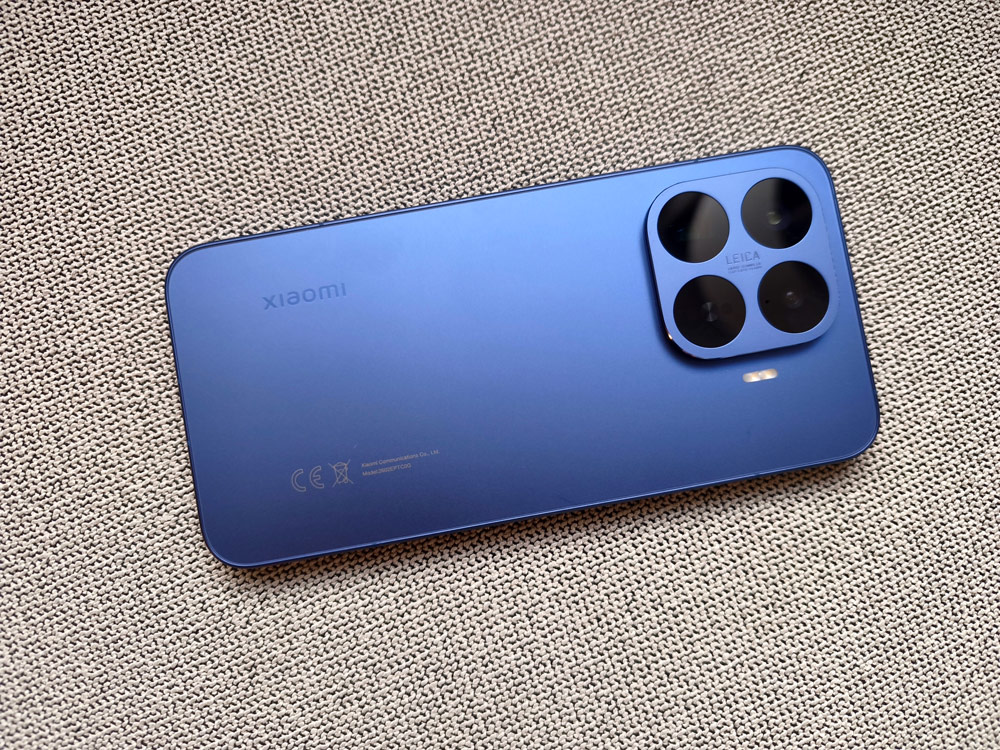
Xiaomi 17T Pro at a glance
- 50MP, f/1.6, 23mm (wide) main camera with optical image stabilisation (OIS).
- 50MP, f/3, 115mm periscope telephoto, OIS, 5x optical zoom, 10x ‘optical grade’ zoom (hybrid)
- 12MP, f/2.2, 15mm ultrawide
- 32MP, f/2.2, 21mm front camera
- Video: 4K@30fps, 1080p@30/60fps
- 6.38-inch screen, 3500 nits (peak)
- MediaTek Dimensity 9500 chipset
- Light Fusion 950 image sensor
- Weight: 219g
- Colours: black/grey, blue, purple…
How I tested the Xiaomi 17T Pro
I review smartphones from the perspective of choosing one for its photographic camera performance. For this review, I looked closely at what the Xiaomi 17T Pro offers, including specific features for photography and video. Otherwise, I pay close attention to the listed specifications for the cameras, but also think about other aspects, for example the screen and the battery life. I also think about things such as photo editing capabilities, and any other features which may appeal from a photographic point of view.
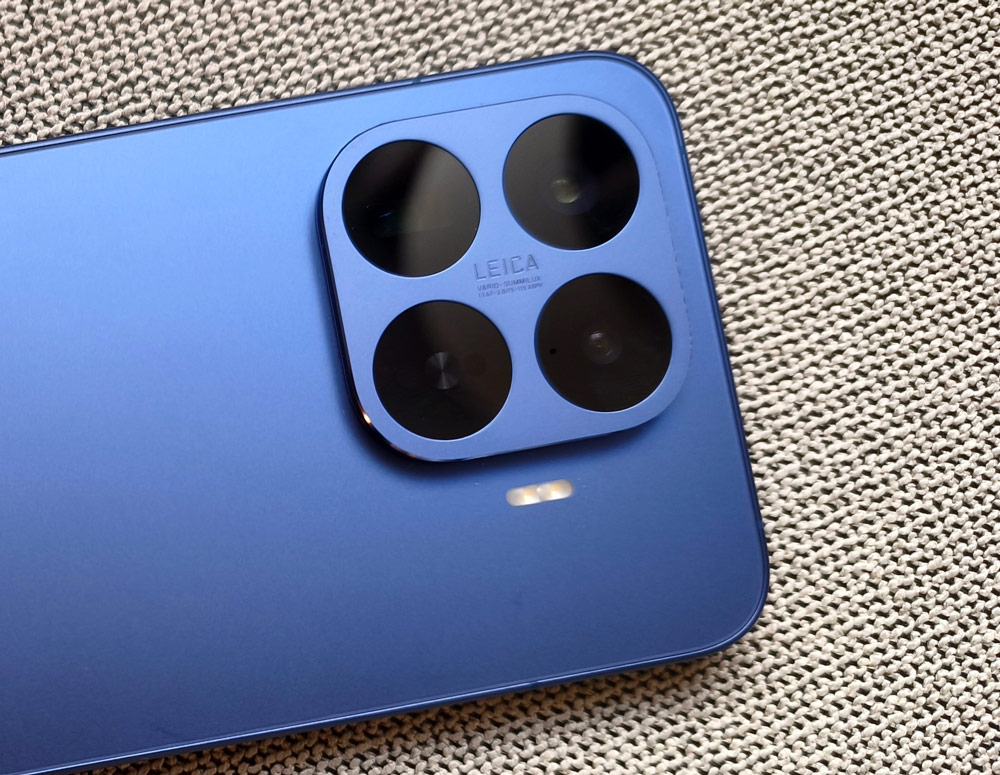
Xiaomi 17T Pro features
So, the Xiaomi 17T Pro is the successor to the 15T Pro – the company skipped ’16’ for some reason – and it inherits many of the strengths of the older phone while adding some cool new features.
I say some as the 17T Pro is not a massive leap forward from its predecessor; indeed, it’s come out less than a year after than the 15T Pro.
The headline addition is a bigger, more powerful battery. Now, more powerful batteries can seem like insurance and pensions – they are only interesting when you need them – but the cell in the Xiaomi 17T Pro is a proper 7000 mAh beast.
It’s the same battery as featured in the Ultra series, and Xiaomi claims it can support up to 9.5 hours of video recording. So it’s way over-engineered for everyday photography, and the fast charging features work really well.
A bigger battery is also needed to support the demands imposed by the phone’s chip, which has been upgraded to a zippy MediaTek Dimensity 9500 (the same as found in the superb Oppo Find X9 Pro).
In terms of camera features, the upgrades are modest. The main camera is now supported by a Light Fusion 950 50MP sensor with OIS stabilisation and an f/1.67 aperture, but the 50MP, f/3, 115mm telephoto with OIS and 5x optical zoom is the same as its predecessor. You can also take advantage of a 10x ‘optical grade’ zoom (hybrid).
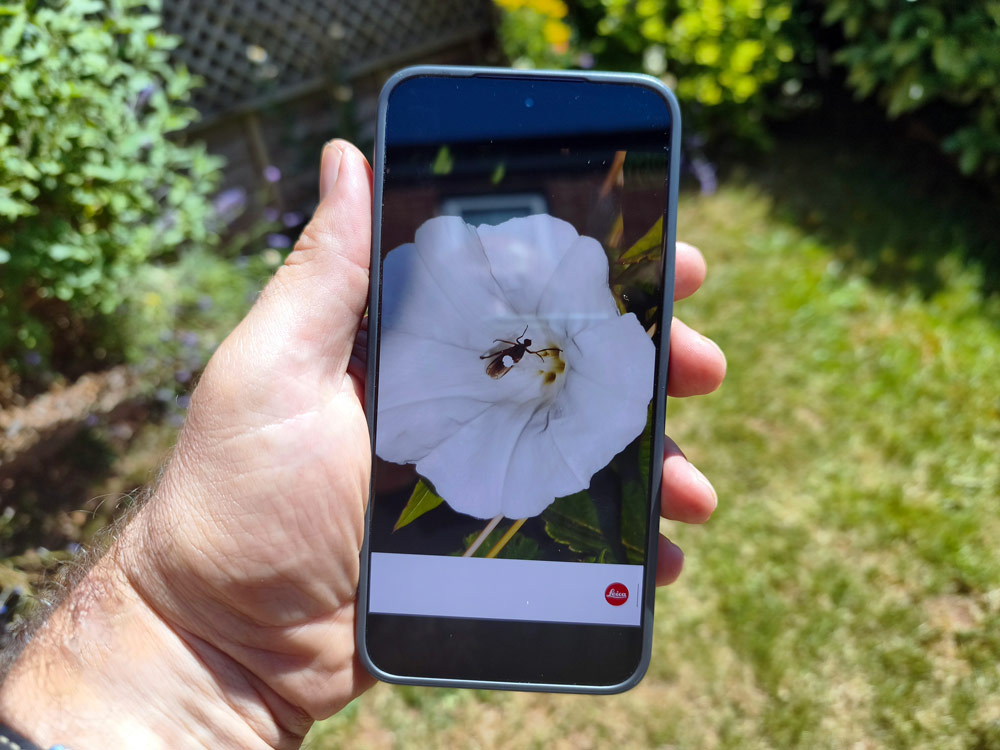
All well and good, but it’s disappointing that Xiaomi hasn’t upgraded the 12MP f/2.2 ultra-wide camera. As well as having to put up with lower resolution, there is no autofocus. This isn’t so much a problem with fixed landscapes, but it can be a limitation when it comes to macro photography. The selfie camera lacks autofocus too.
Also new is a Leica-branded portrait mode along with the new ‘Leica Live Moment’ feature. This enables you to combine and animate stills in a similar way to the Image to Video feature on Honor phones or Apple’s Live Photos.
You can add Leica-branded watermarks to Live Moment images and create editable and easily shareable ‘Live Collages.’
Otherwise, the improvements are incremental (unless you get excited about enhanced ‘eye care’ features) though on the video side, you can now can shoot in Log at up to 4K/60p on the main and telephoto cameras; otherwise it can record at 8K 30fps, which is more than enough for most users.
Xiaomi 17T Pro build and handling
However good their specs, many Android phones look rather vanilla. They are unlikely to turn heads or win you cool points, and it’s the same with the Xiaomi 17T Pro. It looks very similar to its predecessor, but on the positive side, is well built with a tough but relatively light aluminium frame – it weighs in at 219g and measures 162.2 x 77.5 x 8.25mm.
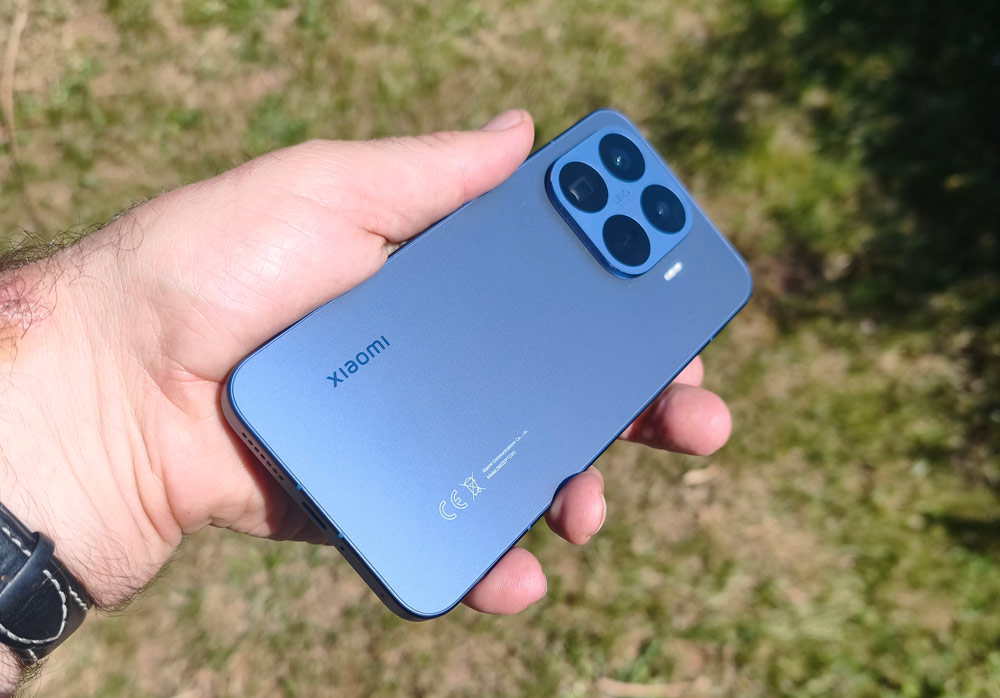
You might find the Xiaomi 17T Pro a bit big and bulky, but I find its solidity reassuring and sometimes, really useful. As an aside, I once left the Xiaomi 15T Pro on the roof of my car and drove off without realising it.
Amazingly the phone was still there when I get home. Now, my car hasn’t a perfectly flat roof and definitely isn’t blessed with great suspension, so the phone’s beefy build must have helped to save it from ending up as roadkill!
The Corning glass is tough too, though it tends to attract smudges and fingermarks. The colours are classy enough: there is a choice of black, blue and violet, with blue definitely being the most stylish. Yes, blue is definitely the winner here!
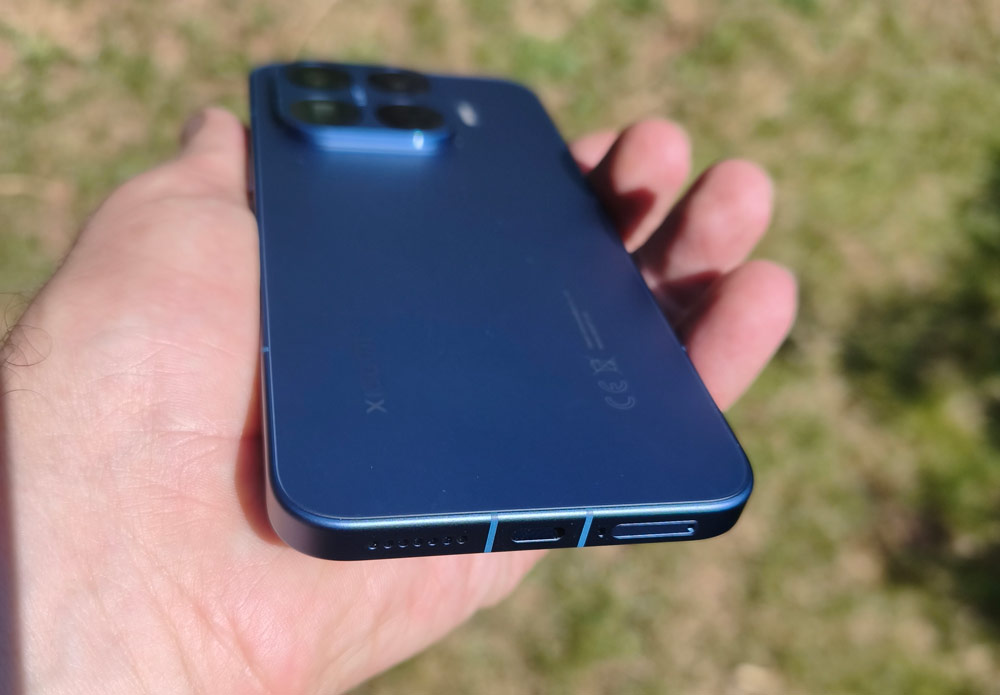
My only real gripe about the handling is that the Google Gemini AI tool is annoyingly easy to activate accidentally when you press the power button (to turn the handset off you now have to press both the power button and volume up button together, grr).
The Xiaomi 17T Pro is not the only Android handset to be mugged by Google Gemini, however, and Gemini does have its uses.
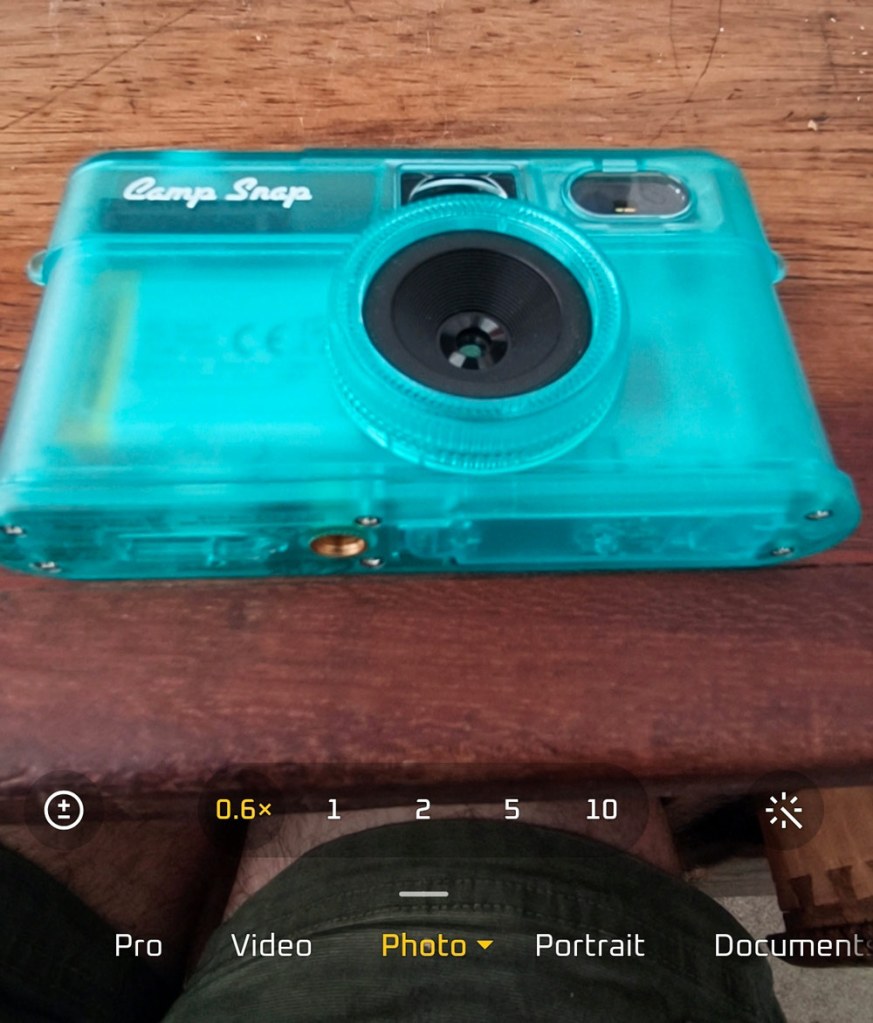
Xiaomi 17T Pro native camera app
The camera app interface is pretty standard for an Android phone, but there are some interesting additions – and a couple of annoyances. As mentioned, you can add cool-looking Leica watermarks to images in Portrait mode and to Live Moment short video bursts. The actual icon for activating Live Moment is not immediately obvious – a circle surrounded by a dotted circle – but you soon get used to it.
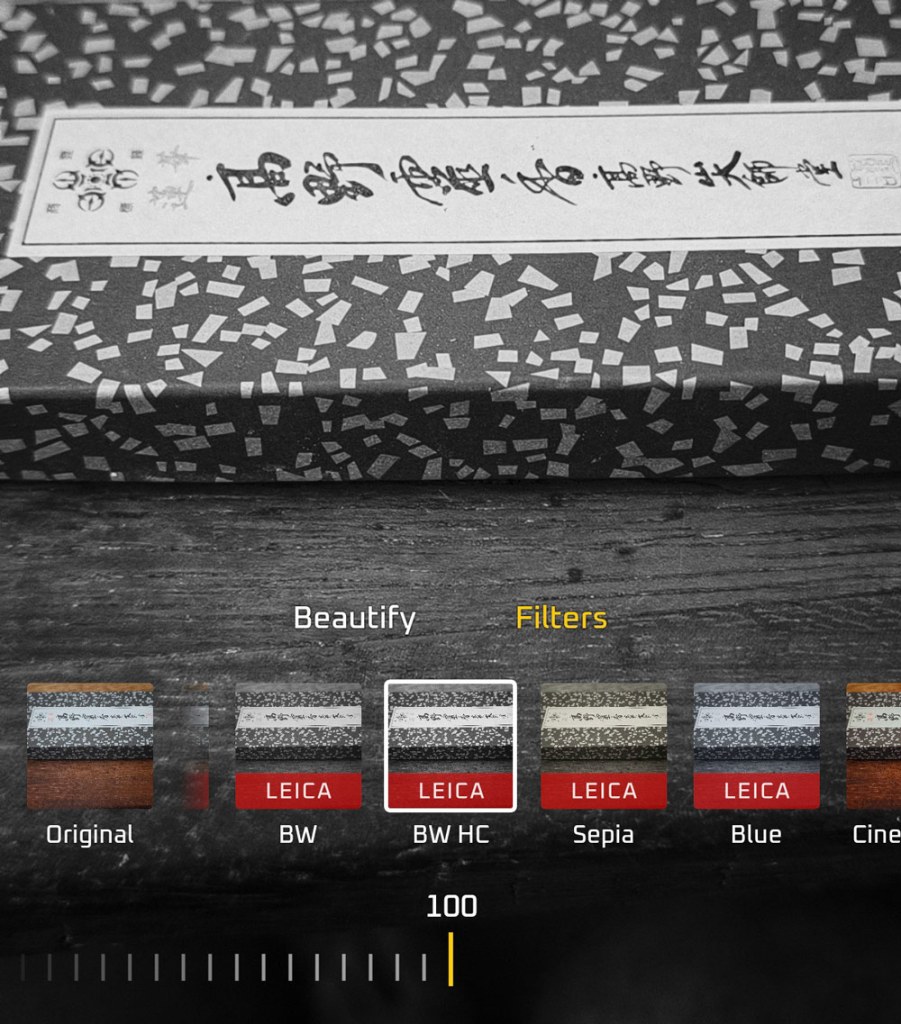
In a similar vein, the attractive Leica filters are activated via a wand icon next to the camera selectors (I really like shooting with Leica Vibrant and Leica B&W High Contrast). There is also a selector for Leica Authentic and Leica Vibrant at the top of the screen.
Select Pro mode and you can choose to shoot in raw, with all the fine control over camera settings this provides.
There are some annoying niggles in the camera app though. Updating HyperOS, the Xiaomi skin which sits on top of the Android operating system, took up to 15 minutes, but maybe my connection was sluggish that day.
A bigger annoyance is that Xiaomi seems to have removed the ‘More’ option in the camera app for accessing useful extras such as Panorama and Long Exposure.
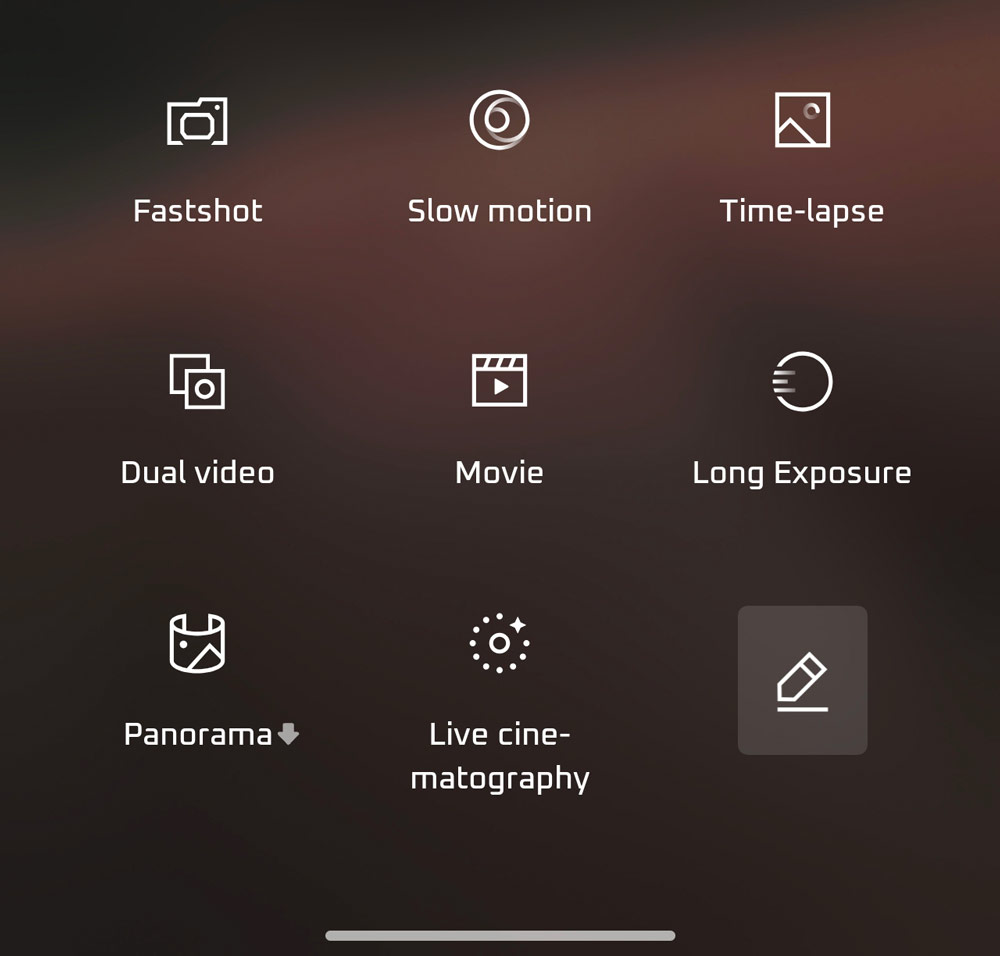
To access these, you have to swipe up on the screen and it’s far from obvious. This is poor interface design as I bet a lot of new Xiaomi users don’t even realise these features are there!
Xiaomi 17T Pro image quality
While you don’t get all the imaging firepower of the Xiaomi 17 Ultra, the image quality from the Xiaomi 17T Pro is generally very good.
As mentioned, the camera performance is broadly similar to the 15T Pro, but a couple of things really stood out to me when I was shooting with the 17T Pro.
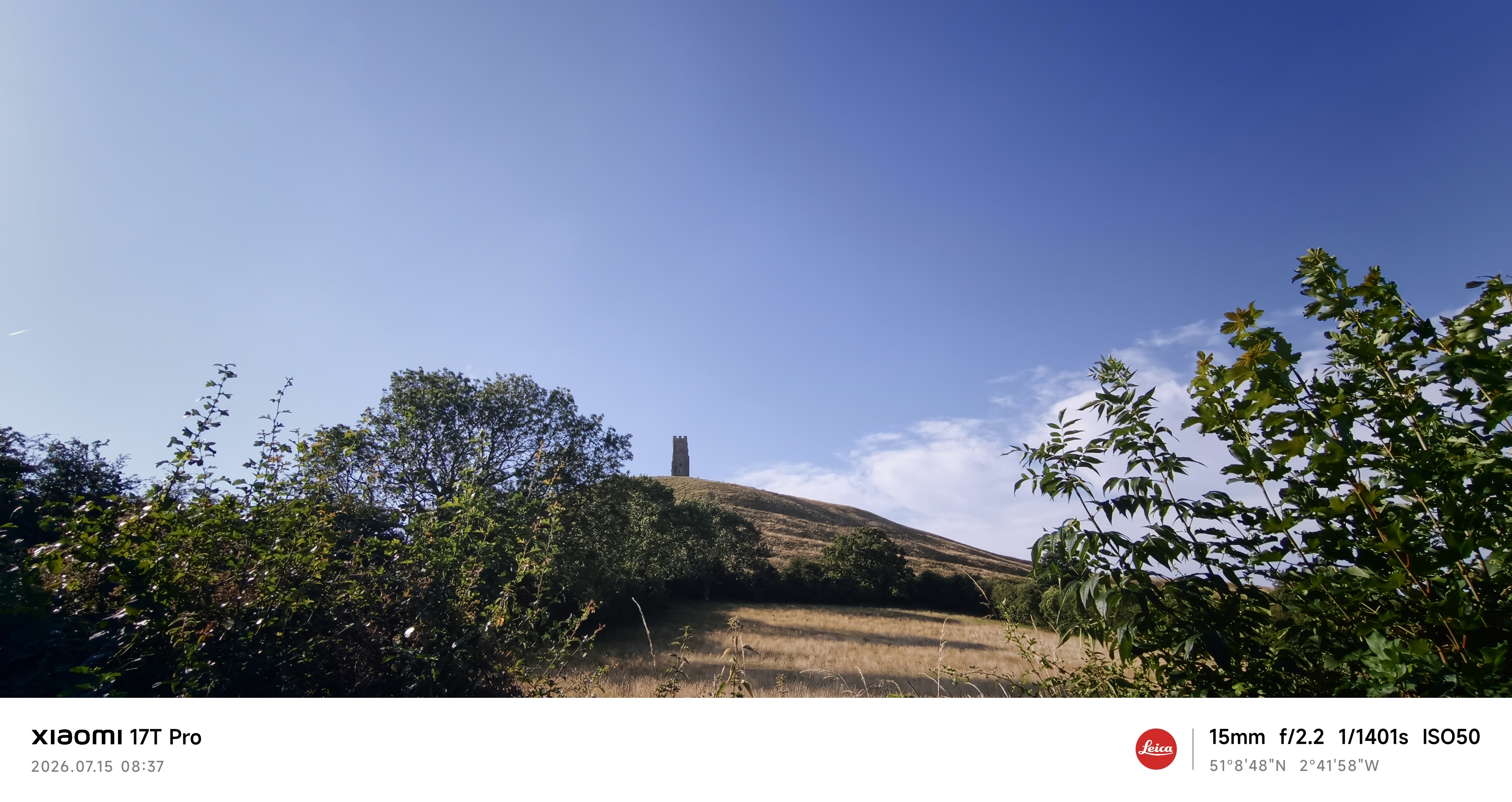
The 1/1.3-inch main sensor delivers great results with the main and telephoto cameras. Images are detailed and punchy without looking garish, particularly if you don’t choose HDR mode, and there is an impressive dynamic range.

Bokeh in Portrait mode is impressively realistic, too.

Admittedly, I was lucky to be able to test the phone in the hugely photogenic city of Vienna, but the Xiaomi 17T Pro would deliver the goods anywhere.

And you don’t just need to shoot in bright summer sunshine. Having a penchant for history’s dark side, I couldn’t resist visiting the wonderfully melancholy Hapsburg dynasty tombs in Vienna, along with an ossuary – literally a storehouse of old bones – during a later trip to Brno in the Czech Republic [remind me never to go on holiday with you – Ed].

The phone coped admirably with the poorer light, as you can see from the images here. Tombs and ossuaries aside, the Xiaomi 17T Pro is a great phone for night shooting, with noise well under control at higher ISO settings.

Xiaomi calls the 17T Pro the ‘telephoto master’ and while this is overselling it considering the exceptional telephoto performance from rival Honor and Oppo phones, I was impressed.

It’s great for capturing distant detail on buildings during a city break or holiday and the 10x ‘optical grade’ also zoom worked well within sensible limits – it’s a mix of optical and digital zoom.
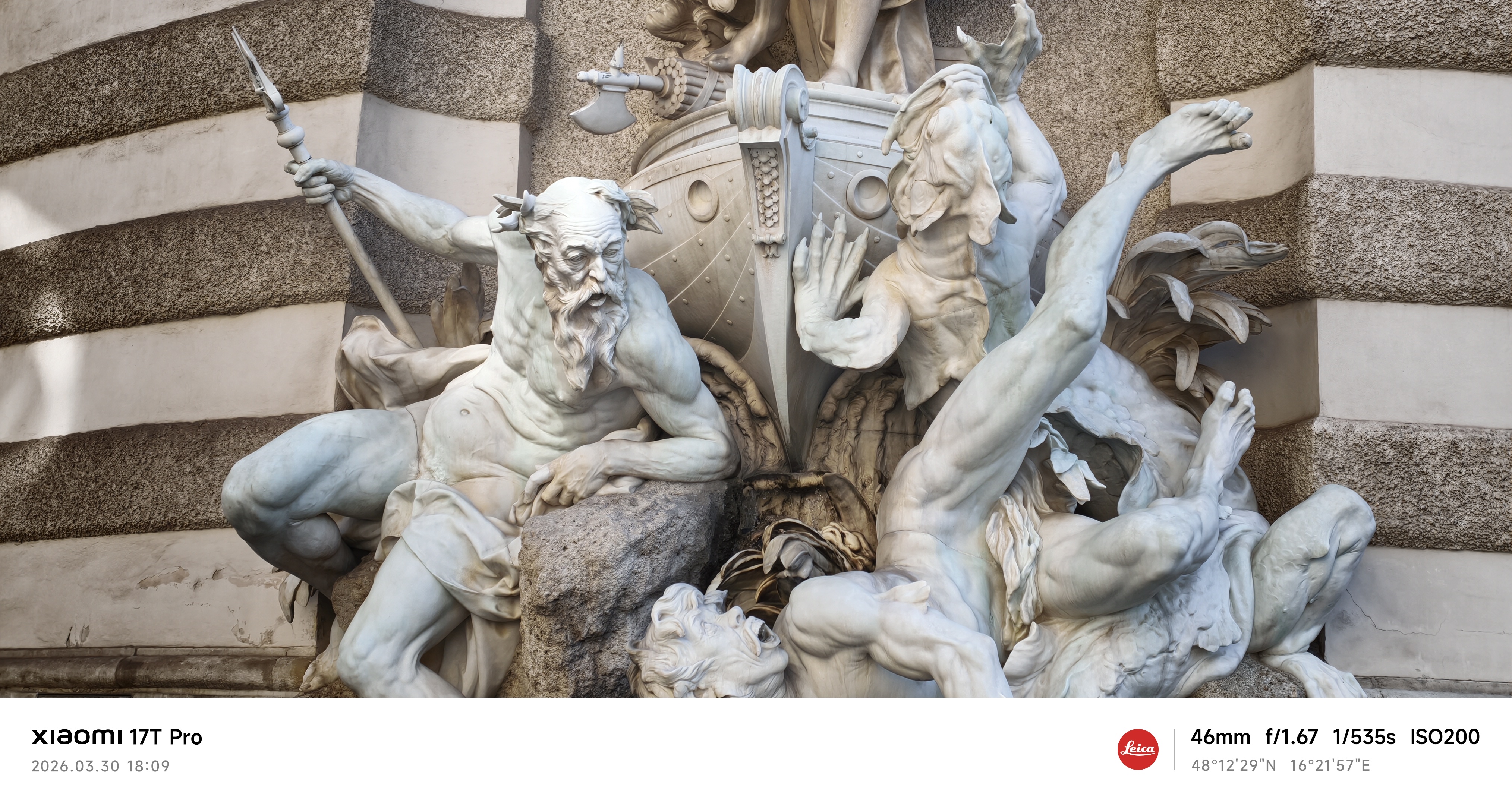
Super Macro Mode puts in a reasonable performance too, but you can also get good results by zooming in with the telephoto camera.
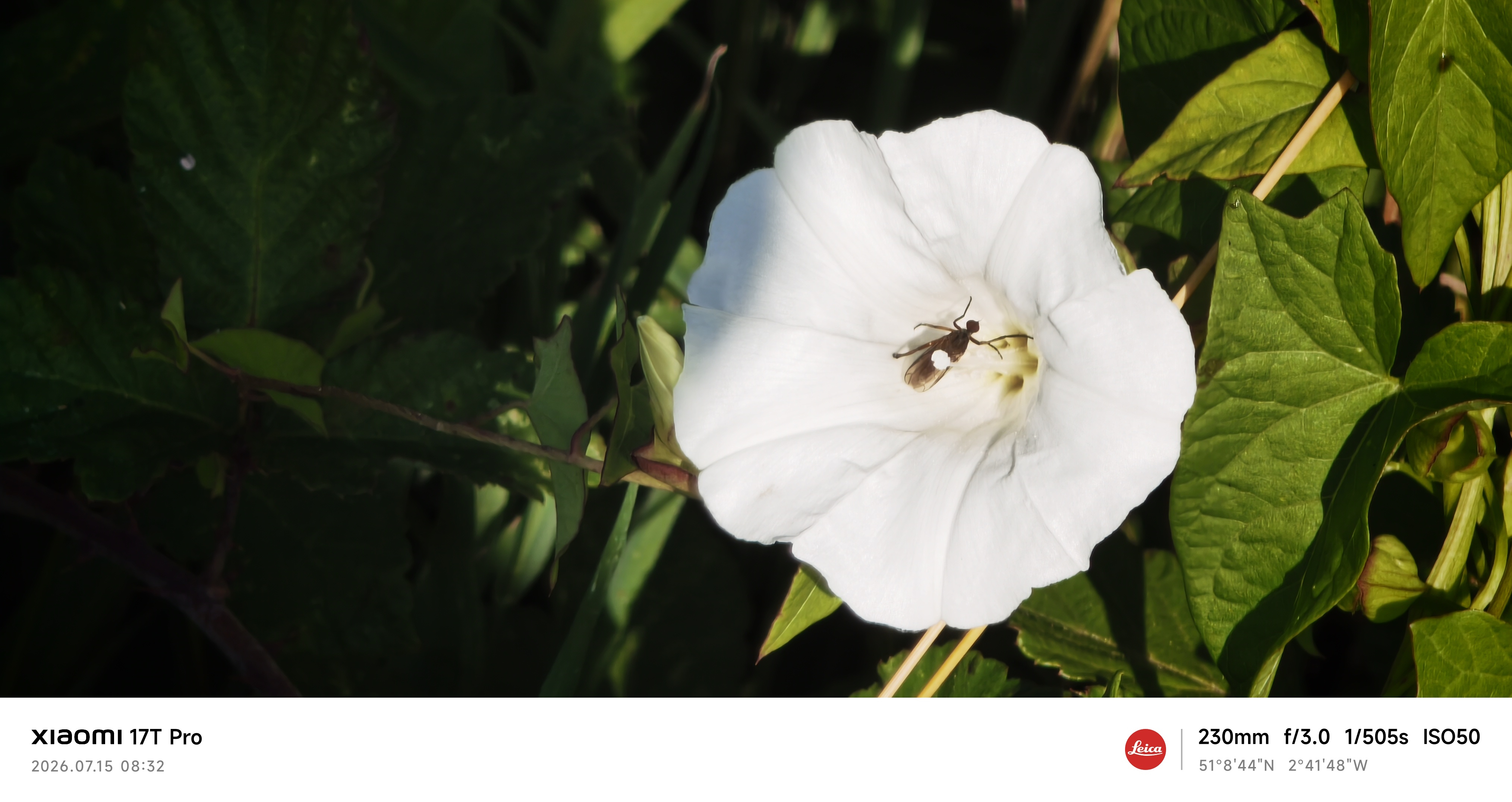
Furthermore, I continue to be impressed by the image stabilisation and autofocus prowess of Xiaomi phones. During the press launch for the Xiaomi 17T Pro we rattled along the cobbles of Vienna in a horse-drawn carriage, and many of the shots I thought would be blurry came out fine.
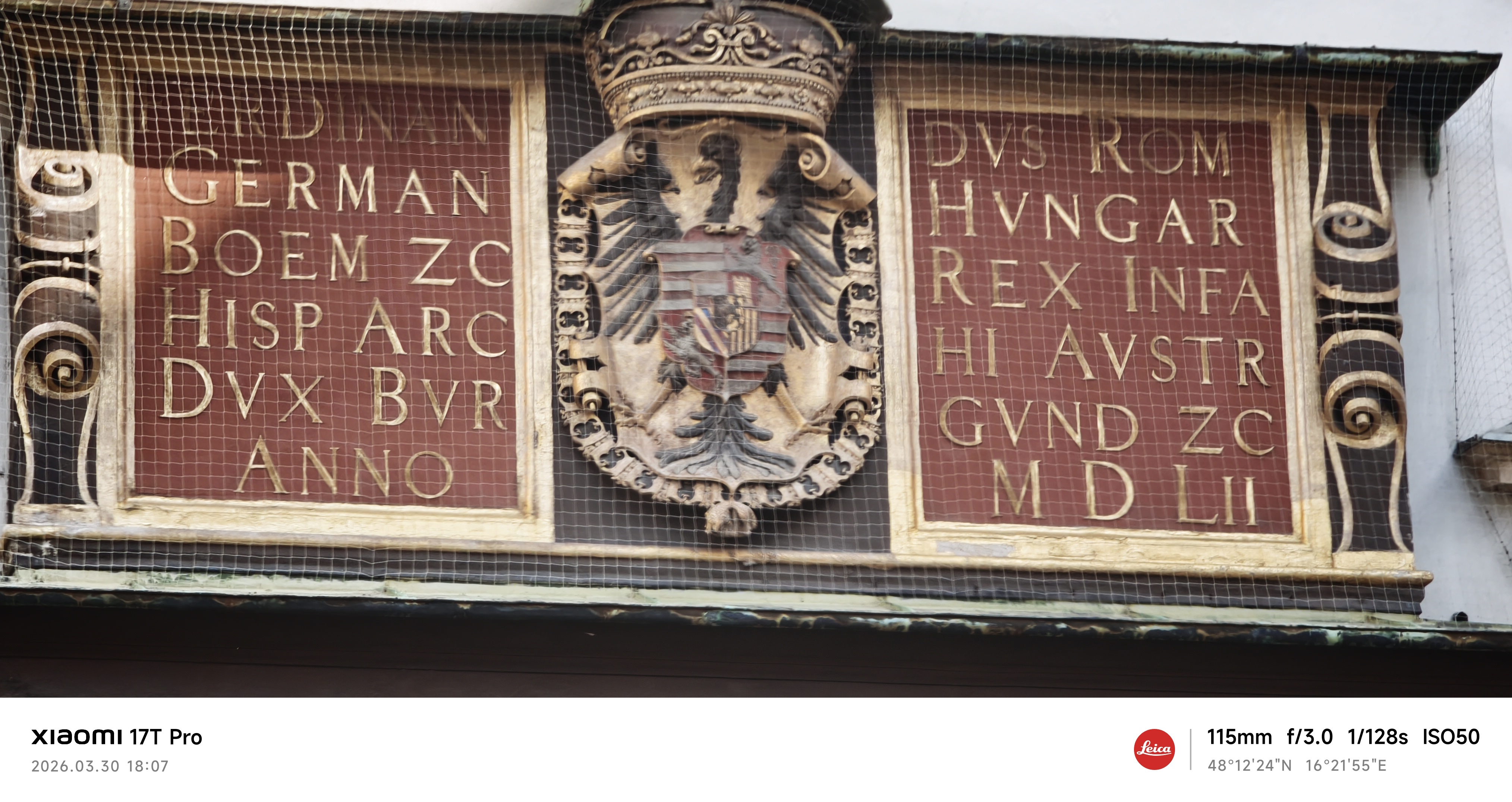
Selfie mode is, well, selfie mode. It does the job, but there’s no autofocus. Obsessive narcissists may want to look elsewhere, but again, not a deal breaker for me.
Xiaomi 17T Pro value for money
The official price of the Xiaomi 17T Pro base configuration (12/256GB) is £799/$849 but you can get it cheaper if you shop around. As such it comes in more expensive than its closest mainstream Android rival, the Honor 600 Pro.
Personally, I would still go with the Xiaomi 17T Pro, mainly because of the powerful telephoto performance, natural looking but vibrant results from the main cameras and attractive Leica filters and watermarks. The powerful battery life and video features are a big attraction too.
While the Harcourt portrait modes on the Honor phone are good, the Leica filters on the Xiaomi are really great. It just feels a classier phone with a less intrusive operating system and fewer AI bells and whistles to distract you.
For current Xiaomi 15T Pro users thinking about upgrading, it’s a more difficult decision. I am not sure there is enough new about the 17T Pro to justify the upgrade cost, I suspect there will be more radical changes in the next version of the T Pro, but this probably won’t appear until next spring at the earliest.
Xiaomi 17T Pro verdict
The Xiaomi 17T Pro is an impressive mid-range handset, and a very good choice for photographers who don’t want to pay the extra for a flagship Android phone. Image performance is generally really good, so long as you remember the limitations of the ultra-wide camera, and it’s a real telephoto star.
The phone comes with some really nice extras too, such as classy Leica filters and watermarks, the new Live Moment feature and a very long battery life. There is plenty here to keep videographers happy too.
The Xiaomi 17T Pro isn’t a flashy, head-turning phone, but it does what it need to do very well, and is a canny buy if you are on a budget – it’s proof that mid-range needn’t mean mediocre.

Related reading:
- How to take the best smartphone photos
- These are the best photo editing apps to use
- Can an iPhone beat a proper Fujifilm camera for travel? You’ll be surprised by this result!
Do you want to win some great prizes for your photography? Enter your photos in our International Amateur Photographer of the Year competition. Free entry for photographers aged 13-21.
Follow AP on Facebook, Instagram, YouTube, TikTok and Irys.