Amateur Photographer verdict
The new processor brings noticeable upgrade to low light, and fixes colour inconsistencies in most cases. Limited availability and minor upgrades over the previous model reduce its appeal- Harcourt portrait modes
- Physical shutter button
- Very good battery life
- Selfie camera is fixed focus
- Not available in the US
- Minor upgrades over the previous generation
I tested quite a few Honor smartphones last year, and I was very impressed with what they packed for the price in terms of cameras. But there are always a few features I wish they’d have fine-tuned. Now, with the Honour 600 Pro, this up-and-coming Chinese brand which produces some of the best camera phones for photography has done exactly that.
Honor 600 Pro at a glance:
- 200MP 1x wide-angle main camera, 1/1.4″, f/1.9, 24mm equiv., AF, OIS
- 50MP 3.5x telephoto camera, f/2.8, 80mm equiv., AF, OIS
- 12MP 0.6x ultrawide and macro camera f/2.2, 14mm equiv., AF
- 50MP selfie camera, f/2.0, 25mm equiv., fixed focus
- 4K 60p video
- 6.57-inch,120Hz, 8000nits AMOLED screen
- 6400mAh battery
Instead of trying to wow you with more “empty” megapixels (which can look promising on paper but often don’t translate into better image quality) Honor focused on refining the imaging pipeline while relying on the previous camera setup.
The previous Honor 400 Pro brought significant upgrades over its predecessor and earned four stars from me, but it had teething problems with colour inconsistencies between the cameras, and a weaker low-light performance. So let’s see if a different processor and an enhanced camera pipeline are enough to fix it.
How I tested the Honor 600 Pro
I review smartphones from the perspective of choosing one for its photography performance. Generally, I look at how each lens performs on the Honor 600 Pro, but also pay special attention to the headline features, such as improved processing which is said to bring better colour consistency across the cameras, and enhanced low-light performance. I also test the new 3.5x zoom.
I evaluate the consistency of white balance and colour accuracy across cameras. And look at how the Honor 600 Pro fares over a full day’s shoot, weighing other aspects like handling, screen and battery life. Finally, to consider the creator’s workflow, I look at the built-in photo editor, default photo modes, and other useful photography features too.
Honor 600 Pro – Features
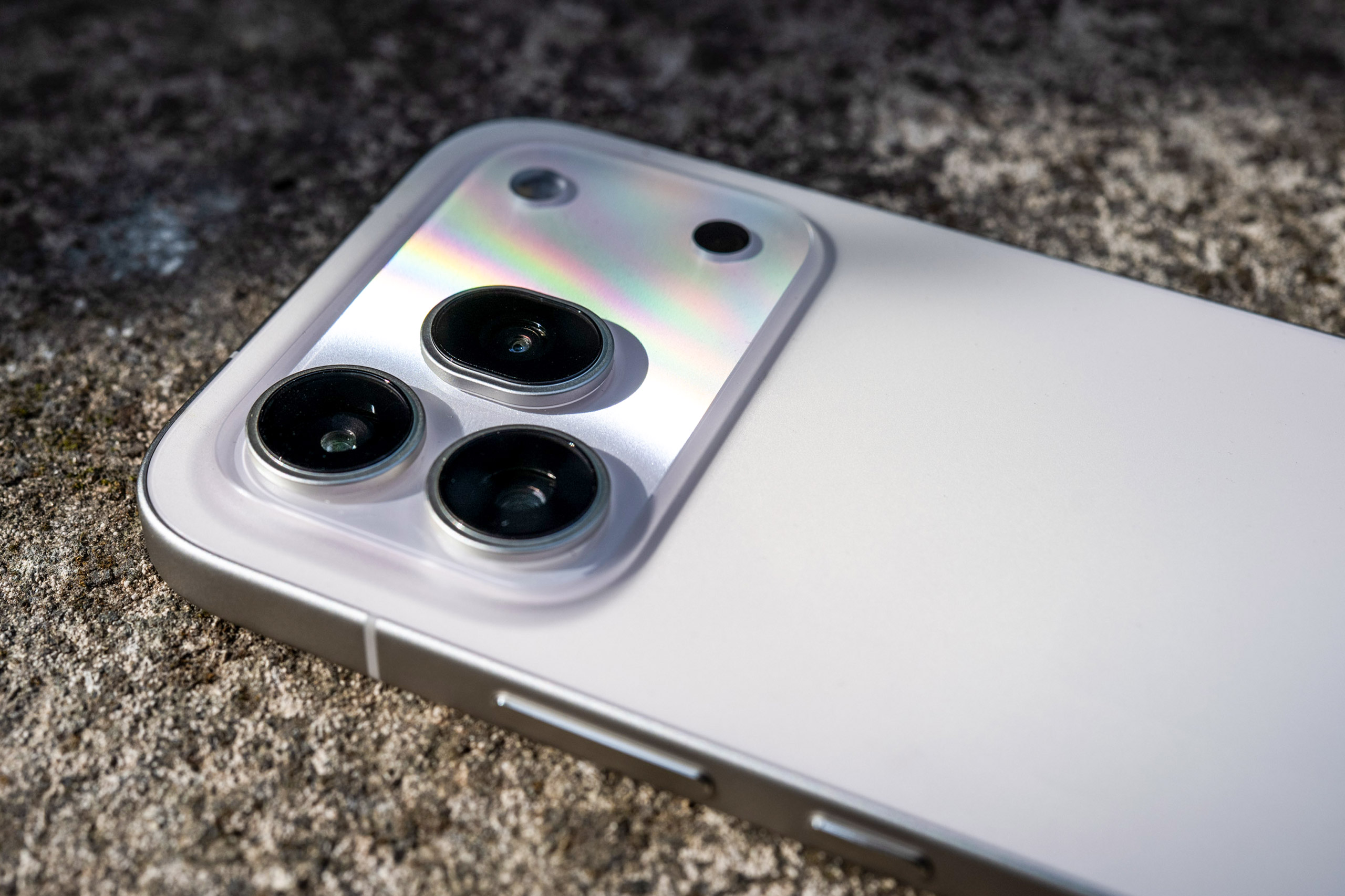
The 200MP wide-angle main camera (1x) is backed by a 1/1.4″ sensor with an f/1.9 aperture and provides a 24mm equivalent focal length. It is supported by autofocus and optical image stabilisation. Despite the same aperture and other specs, according to Honour, the new upgraded computational photography features enable this lens to handle low light better than before.
The 50MP persicope telephoto camera now has a 3.5x magnification up from 3x, but a slower f/2.9 aperture compared to the previous f/2.4.
Rocking the same 12MP ultra-wide and macro camera (0.6x) with f/2.2 aperture, but with a slightly wider 14mm equivalent focal length (from 16mm) you can focus as close as just 2cm! This is ideal for static subjects, but for insects or to avoid casting a shadow on what you’re shooting, you can use the 3.5x telephoto lens too and get really nice results, not to mention the separation is better between subject and background this way.
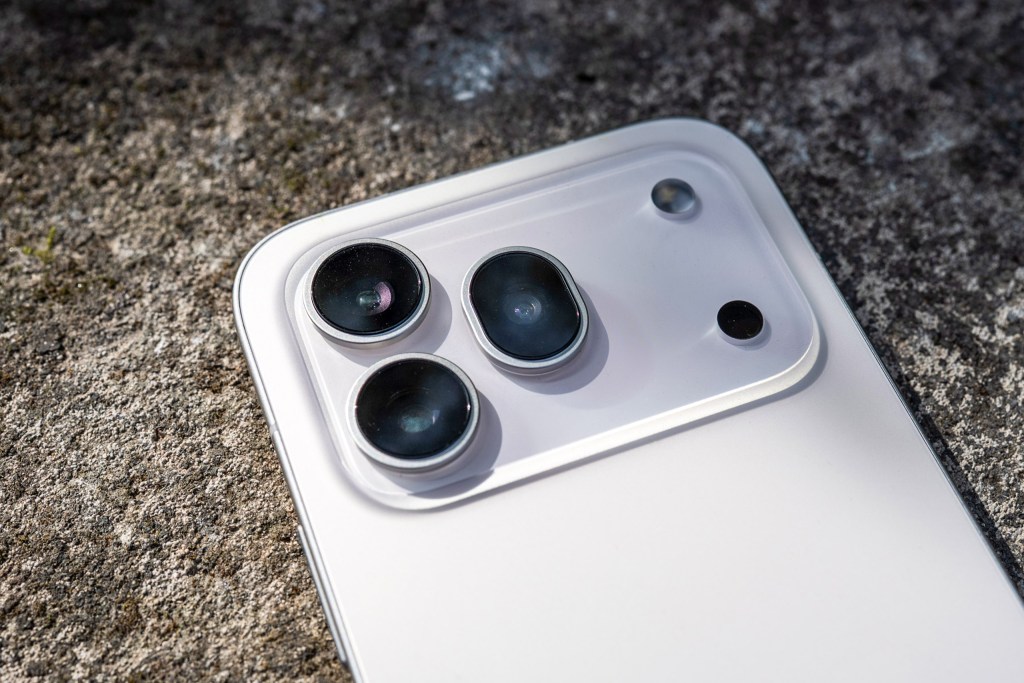
Finally, on the front, the 50MP selfie camera has an f/2.0 aperture and 25mm equivalent focal length, which seems like the same unit from the 400 Pro, with fixed focus only. I know this sounds like a big downgrade, but given how effectively it recognised and locked onto faces, and what it captured beyond its 30cm sweet spot, I wouldn’t worry about this too much. Video maxes out at 4K60p, available on the main 1x and telephoto 3.5x cameras, while you can shoot up to 4K30 across all cameras.
At first sight, it could seem that there’s not much going on in terms of camera improvements, as resolution and aperture values are almost identical to the 400 Pro, but camera hardware updates are not everything. The computational photography features working in the background, can make or break just how good your photos look straight out of the camera. They are responsible for reconstructing the sensor’s signals into the images you see on your screen. This includes colours, HDR scenarios, and much more. So with a flagship-level Qualcomm Snapdragon 8 Elite processor backing the cameras – that’s what powered last year’s Honor Magic 7 Pro – this new device might just prove to be a relevant update.
When buying a smartphone in this price range, it is also important to make sure you won’t be forced to buy a new device in a few years due to a lack of updates. The 600 Pro comes installed with the latest MagicOS 10 (based on Android 16), and it is confirmed to receive a generous 6 years of security and OS updates.
Honor 600 Pro – Build and Handling
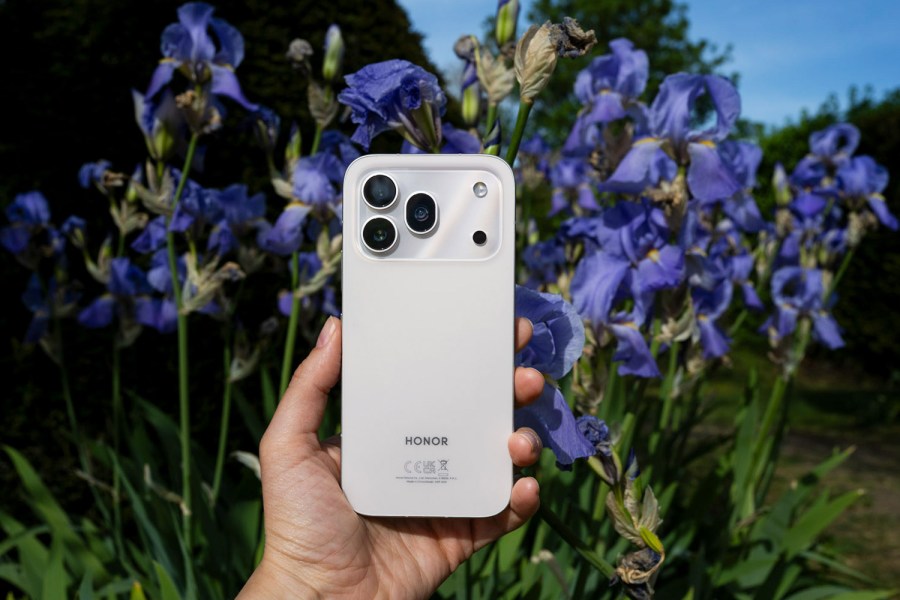
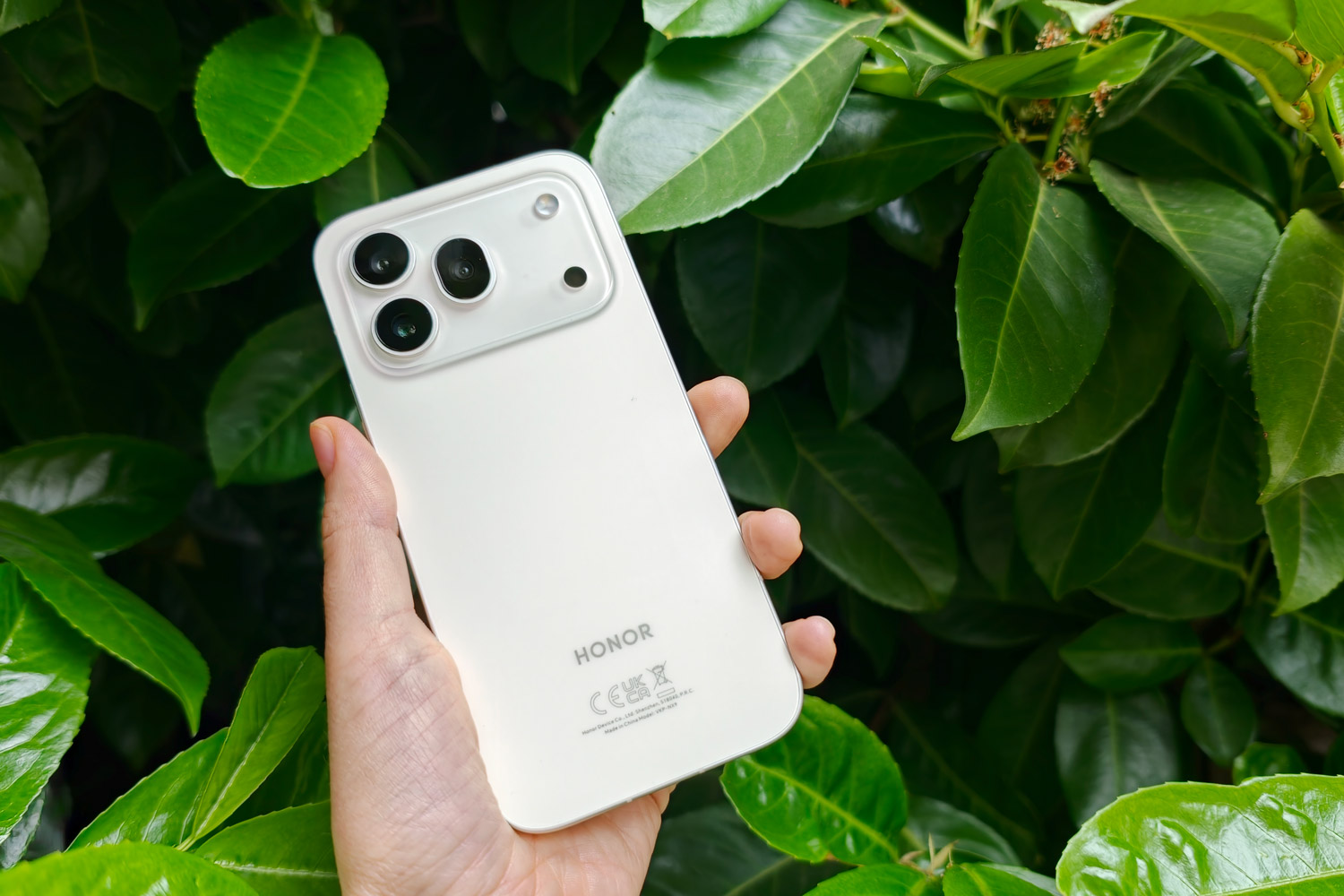
The 600 Pro left behind the curved edges in favour of a flat frame and screen, which, for me, made it easier to hold one-handed. Layout for the rear cameras will be undoubtedly familiar to say the least, but it prevents the phone from wobbling on a tabletop.
I’m glad to see a dedicated camera button, something the cheaper Honor 400 Lite featured but was left off from the Pro version last year. The button is conveniently positioned so that your pointer finger rests comfortably on it – assuming you are right-handed. At 156mm x 75mm x 7.8mm, and with rounded corners, it has a similar form factor to the iPhone 17 Pro, only being slightly taller. It also has a very manageable weight of 195g.
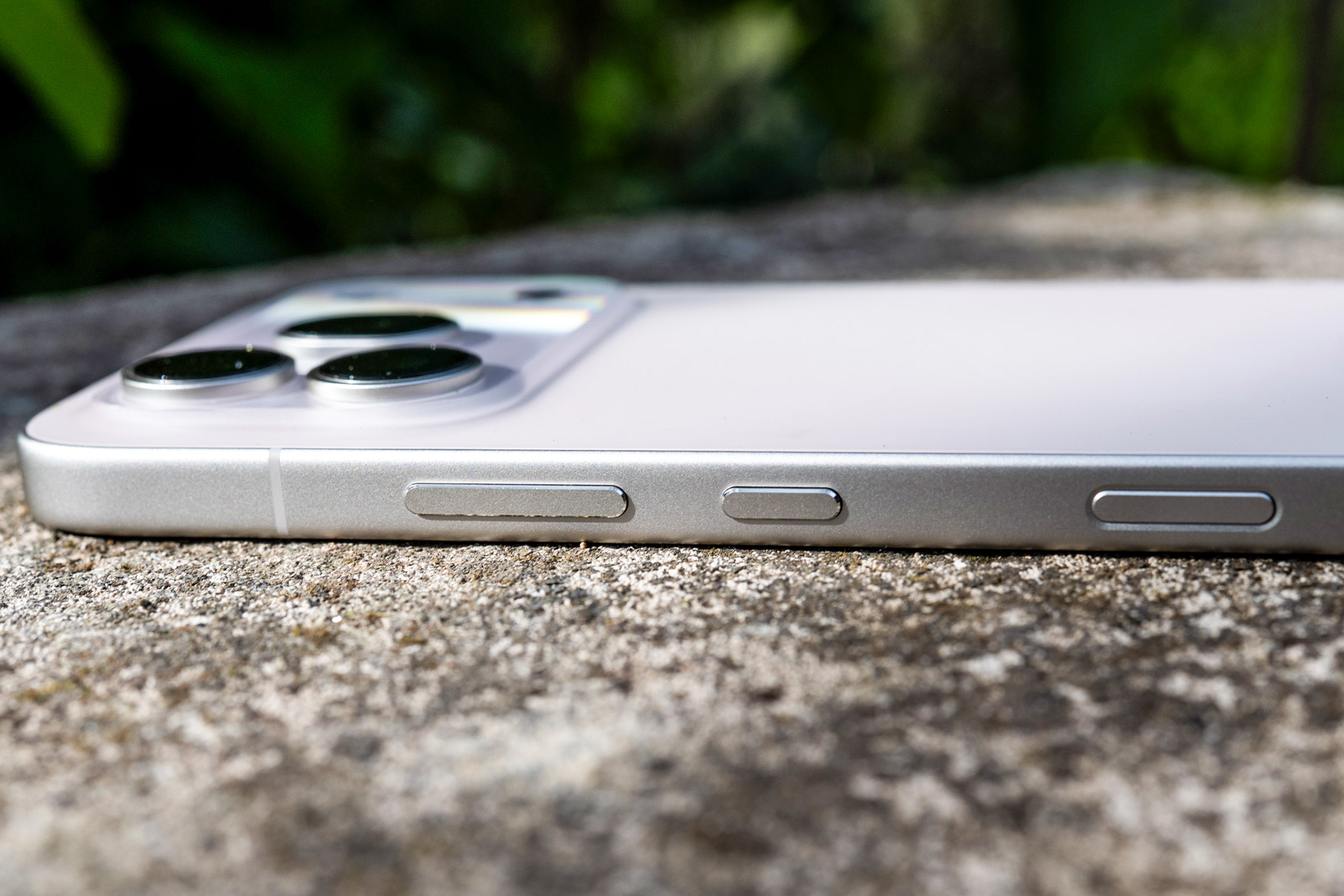
The body is manufactured using a Unibody Cold Carving Process. Its tough credentials are top-rate, with a 5-star SGS certificate for drop and crush resistance and the highest IP68 & 69 dust and water resistance, ensuring it can withstand hot water jets, so you definitely don’t need to worry about it if you are caught in a downpour while taking photos.
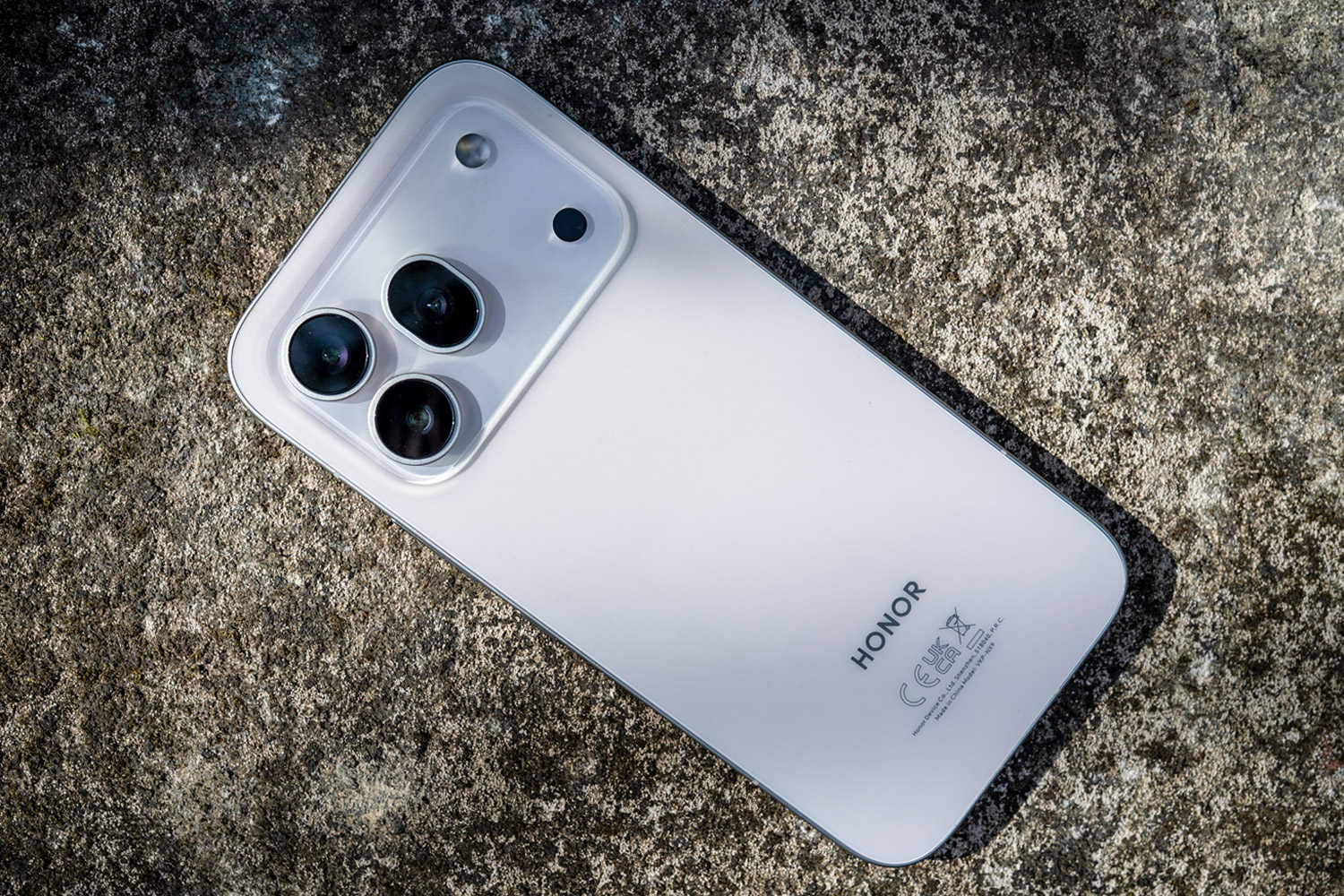
The silver-coloured matte metal frame blends well into the thin 0.98 bezel and 6.59-inch AMOLED screen; it is also sharp, vibrant and very responsive thanks to the 120Hz refresh rate. I was impressed by the screen’s brightness: at 8000 nits peak (up from 5000 nits previously), it handled the brightest sunny days while also intuitively dimming to a comfortable level when moving into shadowy areas.
Battery life has improved to 6400mAh, which saw me through a whole day of testing without completely depleting it. Charging speeds however, dropped from 100W to 80W, while wireless charging remained the same at 50W.
Honor 600 Pro – Native camera app
Just like I’m used to from Honor, the native photo app feels very intuitive to use and switches between lenses and modes quickly. With “AI photography“ turned on in the settings, it will recognise subject types and suggest the appropriate shooting mode. As for the basic colours among Vibrant, Natural, and Authentic, the Authentic option still looks the most vibrant. Not a lot of difference between first two in most shooting scenarios.
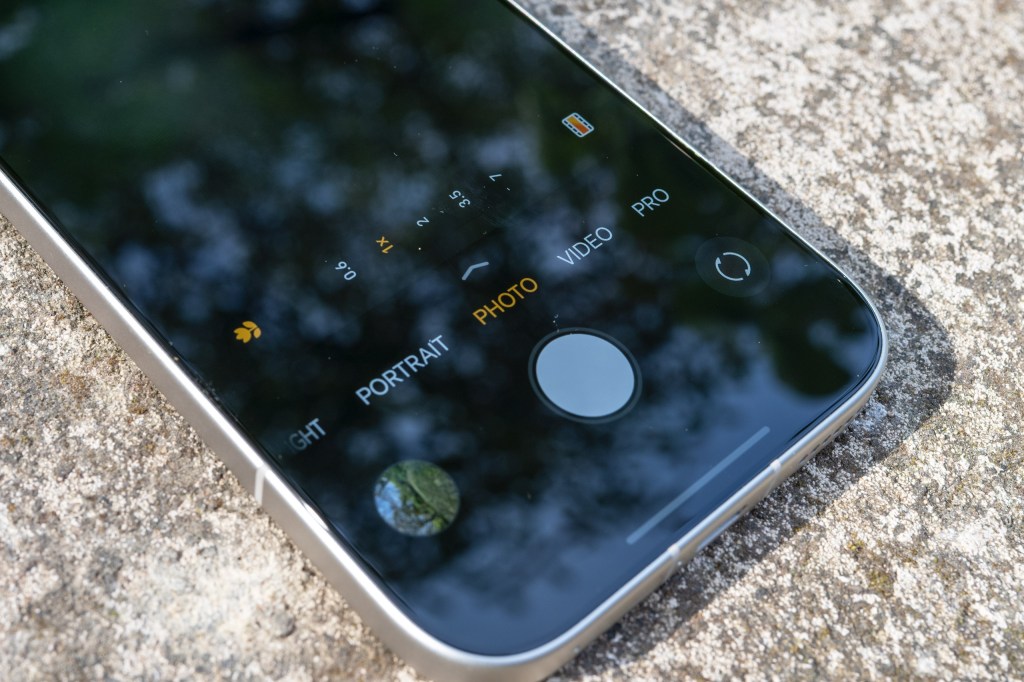
With Smart Focus you can lock focus by tapping the focus frame, you can also choose a separate spot for metereing for exposure and focus which not many phones offer at this price range.
There are plenty of useful AI-based editing features on board, like the Moire pattern remover, Eraser and the Breakout Collage tool. The selfie camera allows for 0.8x 21mm wide and 1x 24mm wide perspectives in normal Photo mode, but is restricted to 1x only for Portrait mode.
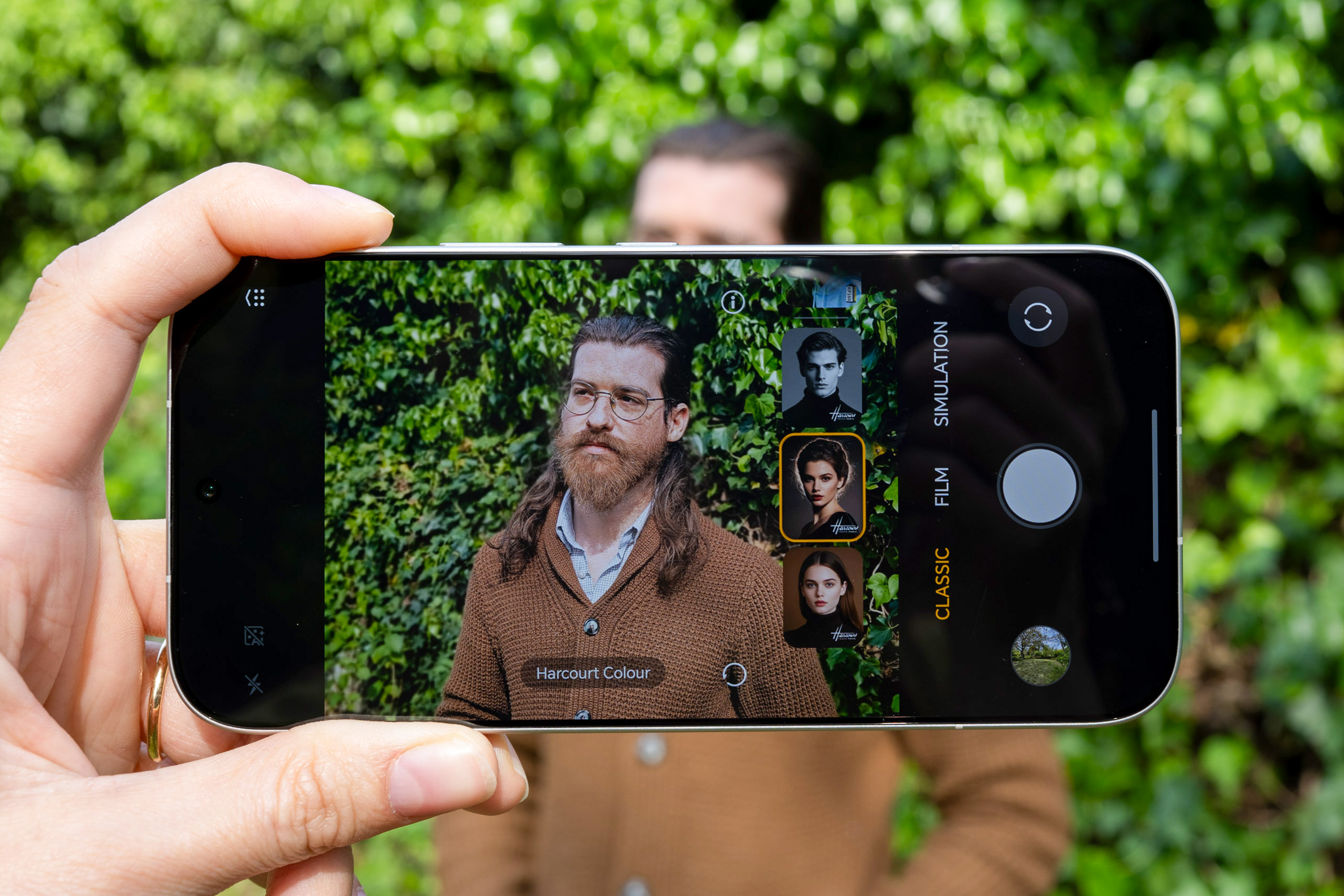
Harcourt Portrait modes are still on board in the Portrait mode and let you choose between Vibrant, Colour and Classic black and white, alongside film simulation filters. There’s also a beauty mode available to smooth out or brighten skin, slim down the face. There’s still no sign of the Harcourt portrait modes for selfies, though.
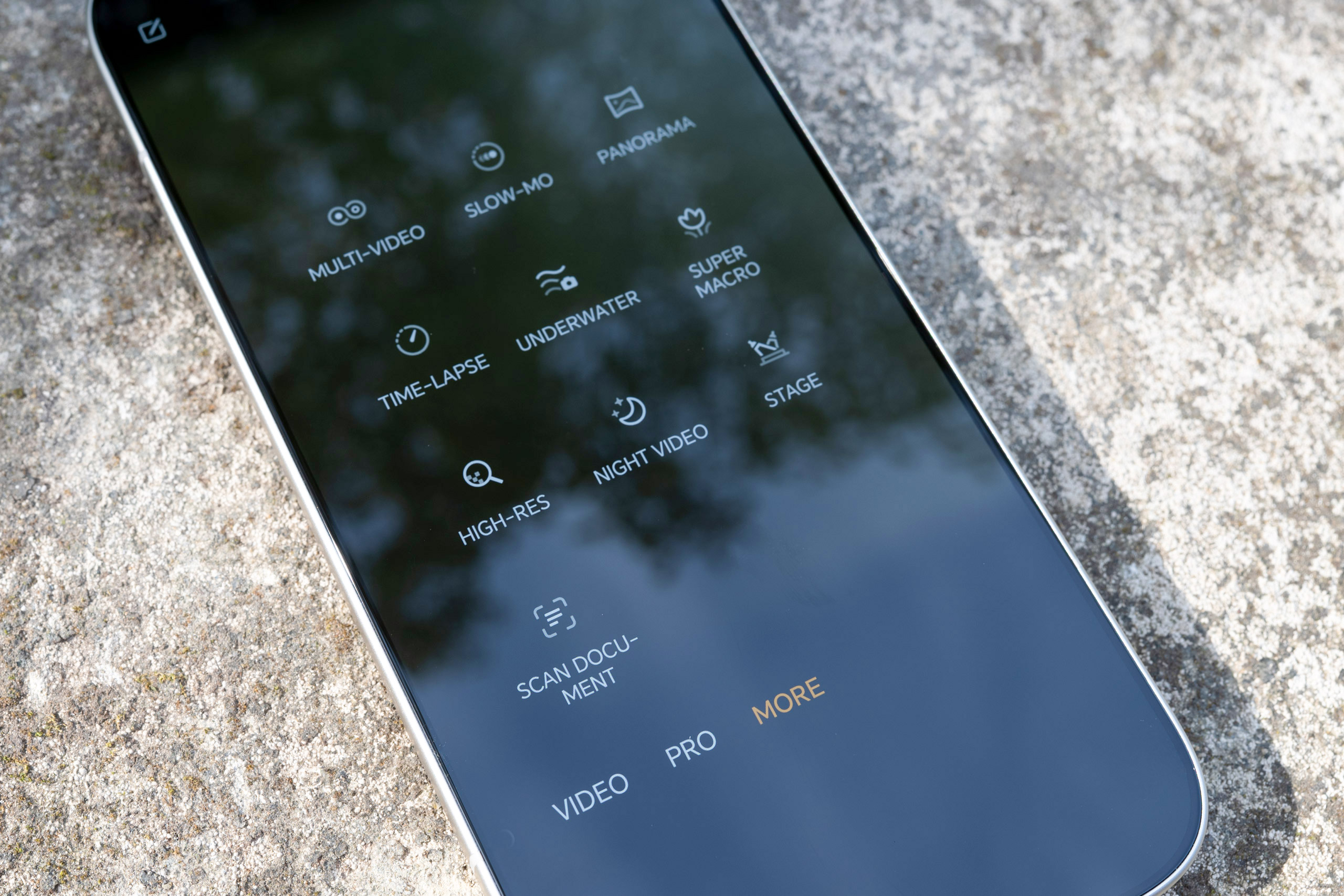
Pro mode provides RAW capture and allows shutter speed adjustment from 1/6400 to 30 sec. You can also adjust ISO, focus mode and metering, as well as white balance. But to make full use of the 200MP main or the 50MP camera, you need to navigate to High-Res mode under the More tab.
Under the More tab, you get the Super Macro option, as well as Slow-mo and a dedicated Night video mode. To capture concerts or fireworks use Stage mode in low light. Time-lapse offers up to 1800x with a 60sec interval, and the various interval options. Multi video mode will record front and rear camera views simultaneously, ideal for vloggers to incorporate a unique two-way perspective.
Honor 600 Pro – Image quality
As I mentioned before, the 600Pro has nearly identical cameras to its predecessor. So it’s no surprise that the best results come from the main camera, which has a decent-sized 1/1.4-inch sensor. For the 2x zoom, it relies on this same sensor as well, by cropping in digitally. The periscope telephoto lens has a longer 3.5x reach on this version, with zoom results usable up until 10x, especially if you are only viewing the results on your phone screen and not pixel peeping on a computer as I do. Pushing to 20x zoom and above, the AI sharpening and watercolour effect is noticeable. While the 12MP ultra-wide delivers a good amount of detail, the smaller sensor’s limitations show.
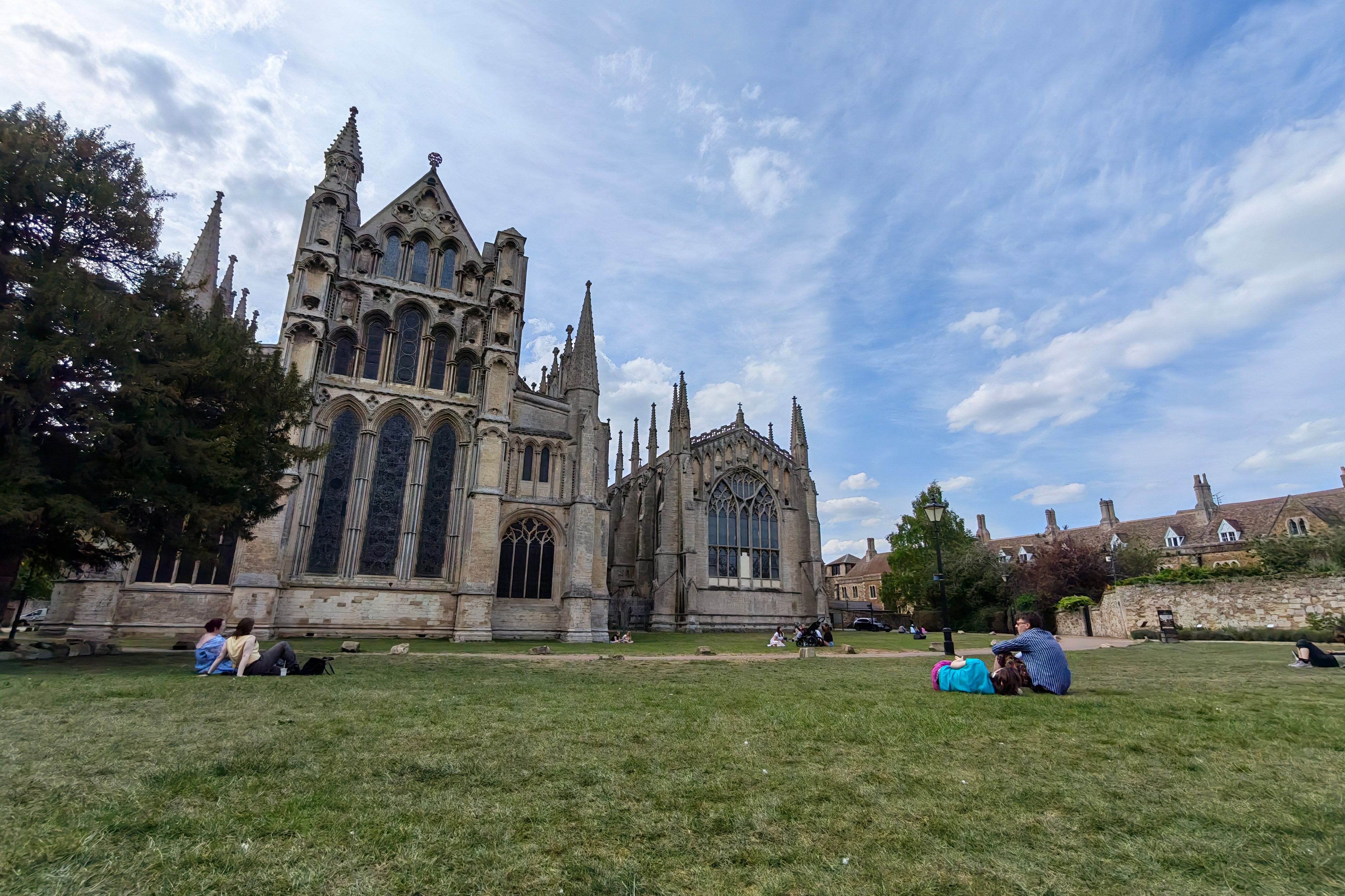




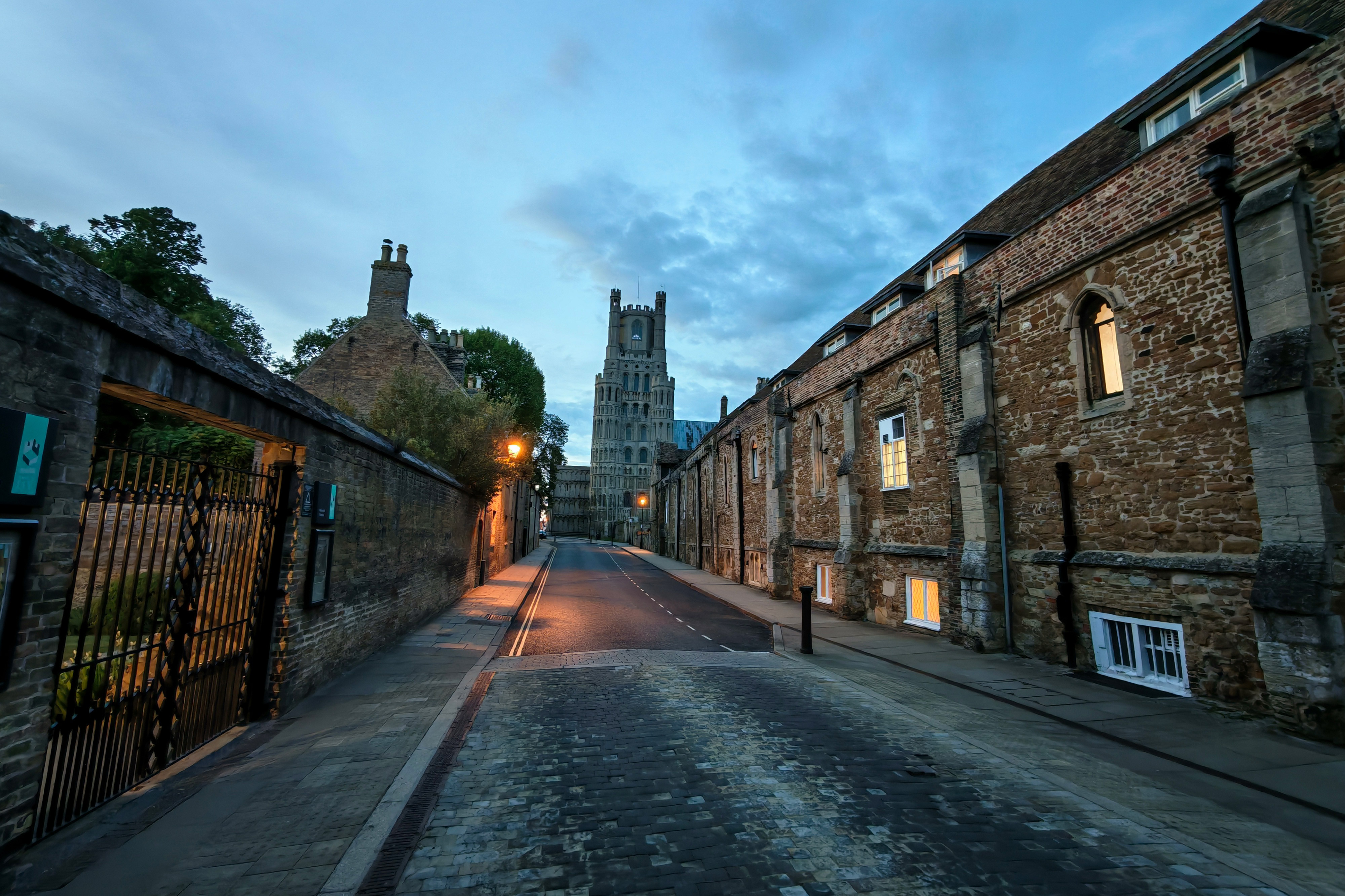
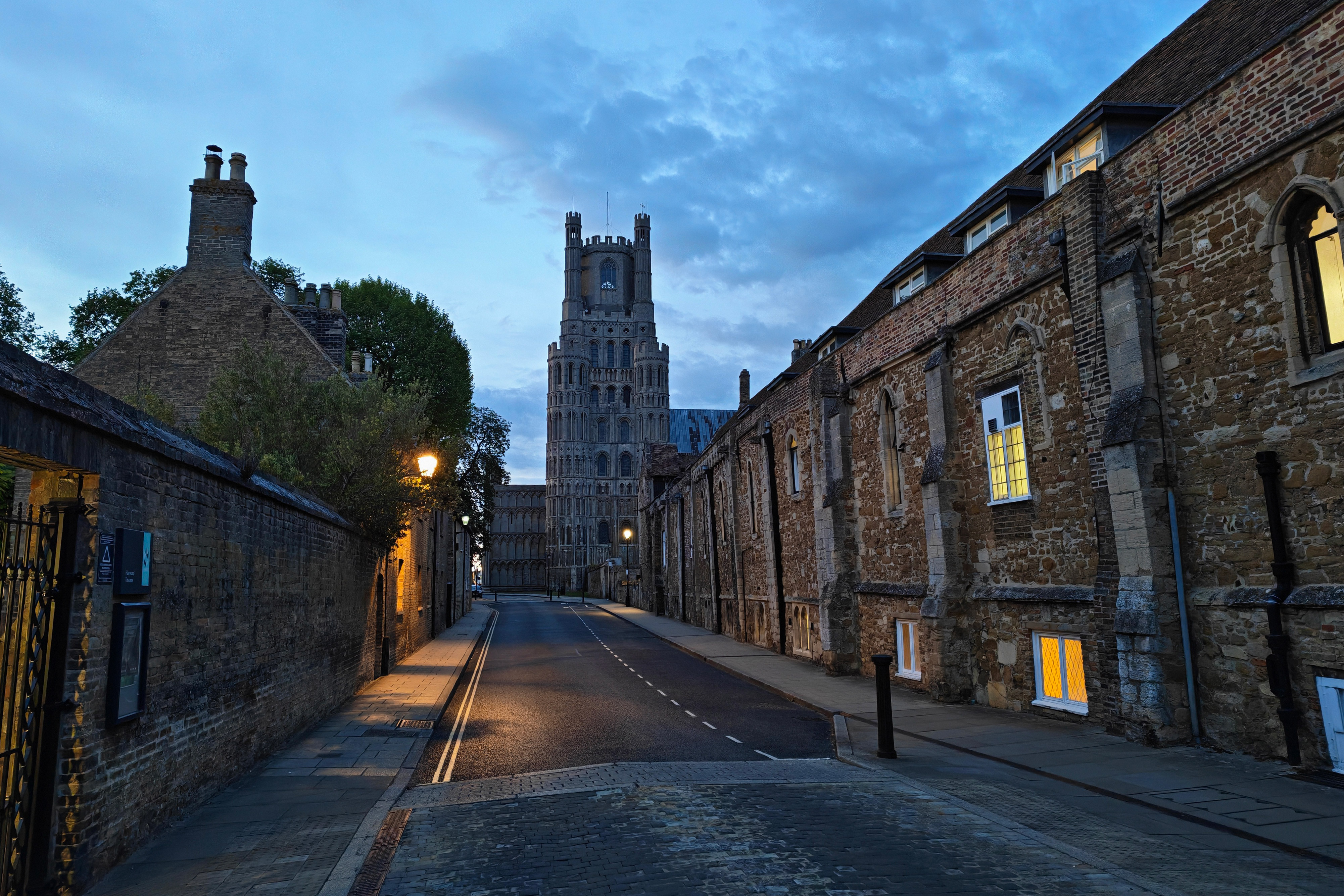
I have been shooting with the Authentic colour profile in the default Photo mode, which delivers pleasing and vibrant colours. As for the white balance inconsistencies between the cameras, I can see great improvement, with the ultrawide and main cameras’ rendering colours much more evenly in daylight. However, there were instances, especially in low light, where it tripped up noticeably.
Adding a flagship processor did enhance low-light capture, but it won’t turn night into day as some flagships do. Instead, it balances exposure well when some light is still available. The main camera resolves the most detail, but the ultra-wide and telephoto are not far behind. Colour, on the other hand, has been slightly off and warmer on the ultra-wide camera, compared to the rest of the lenses, as you’ll see below.
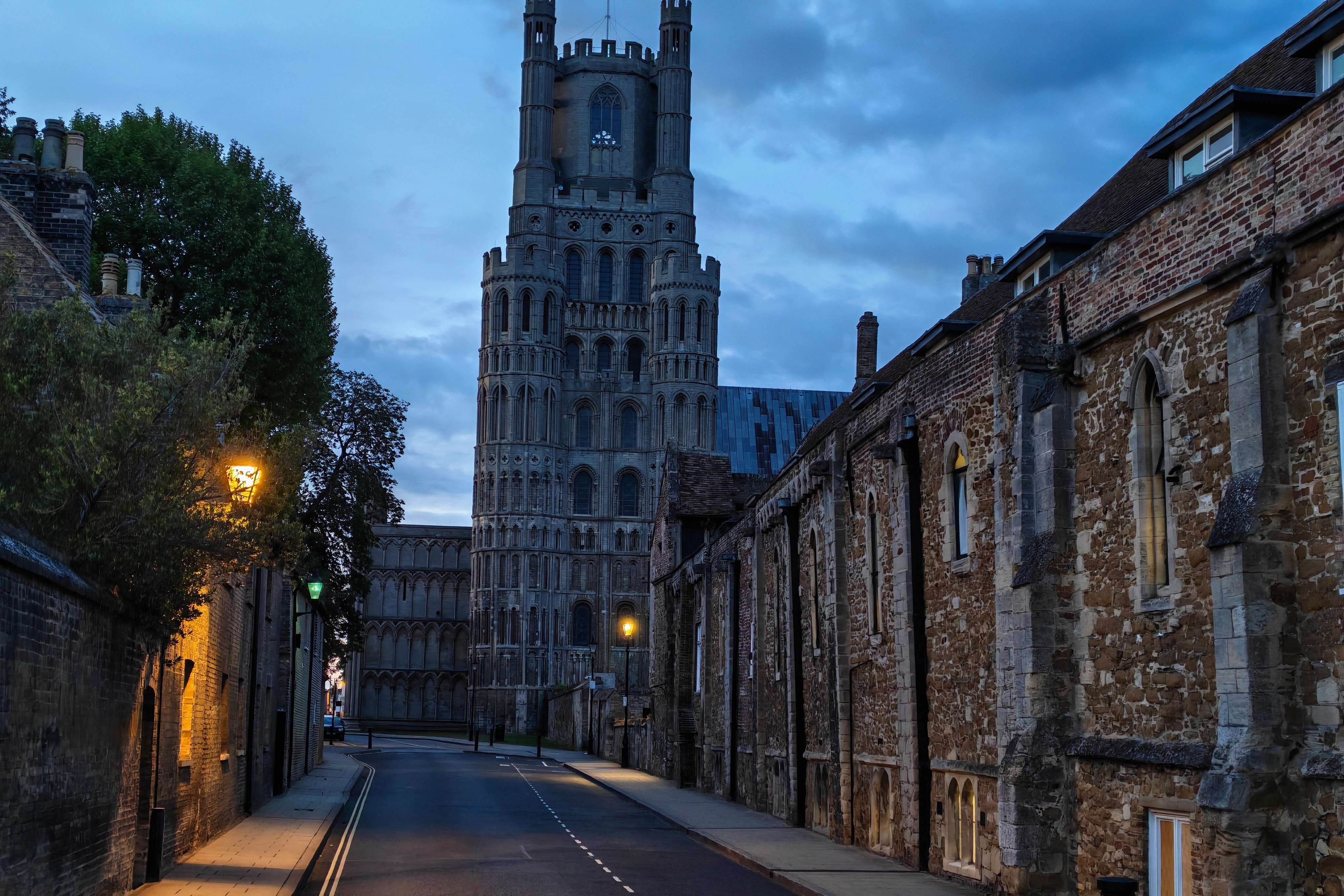
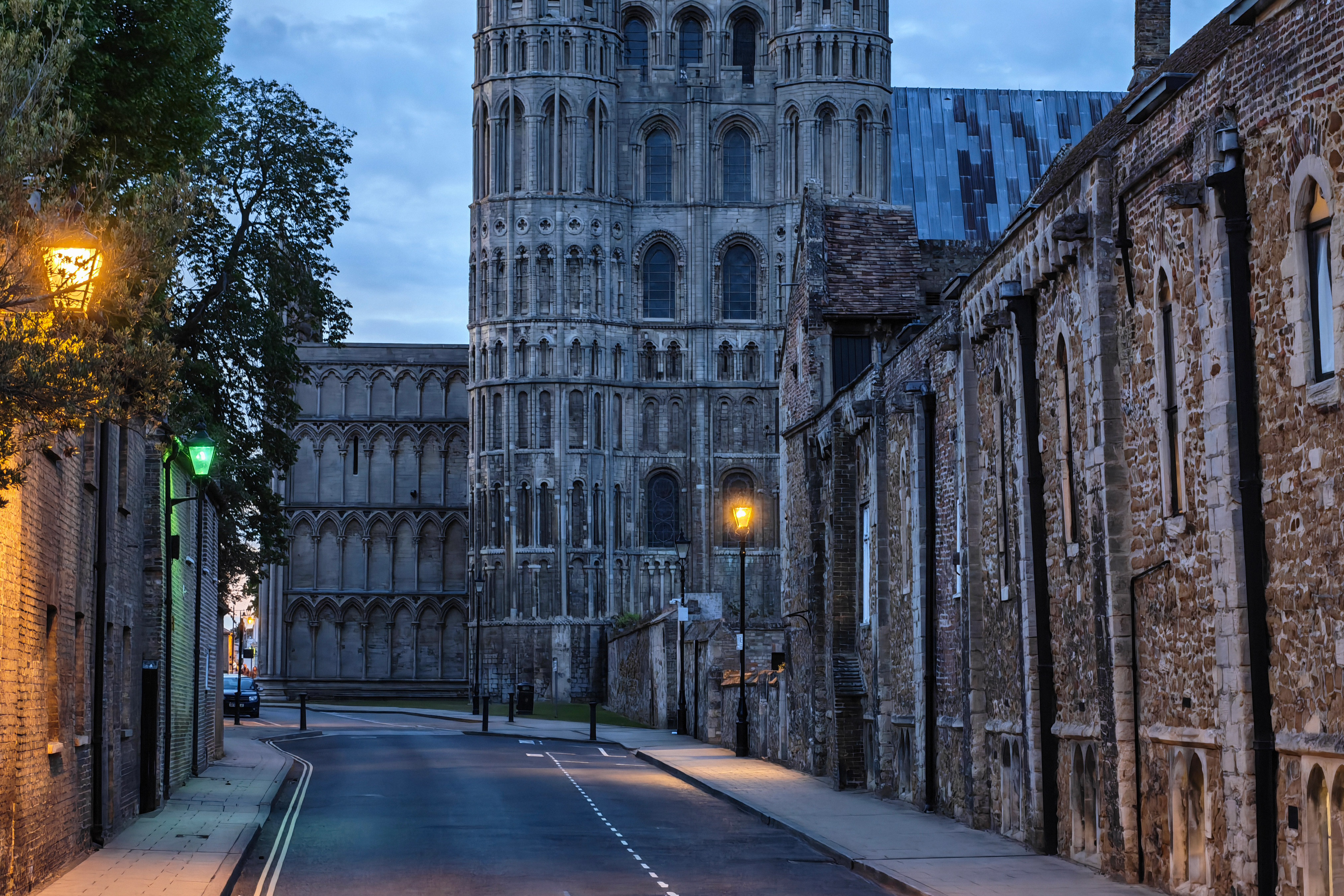
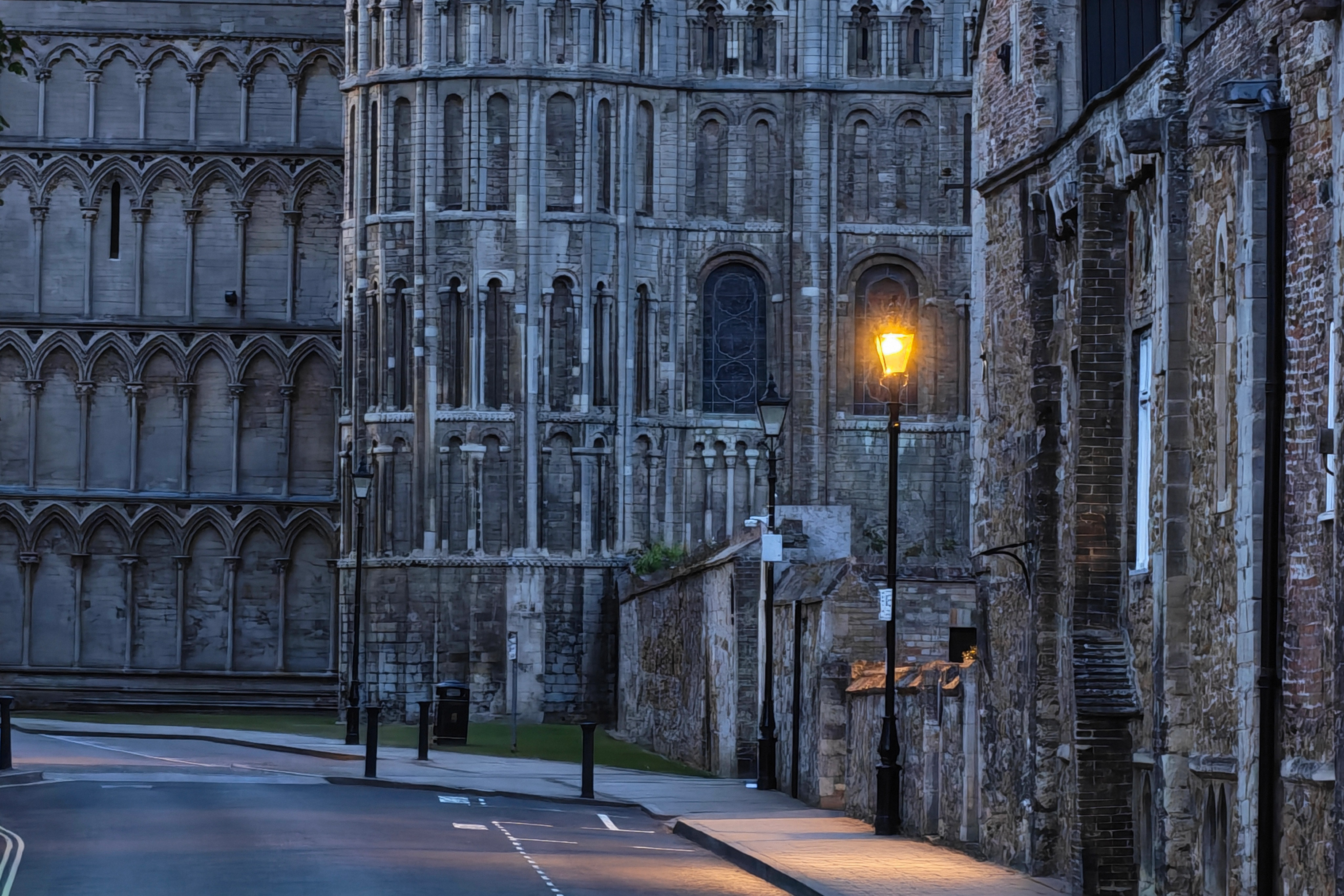
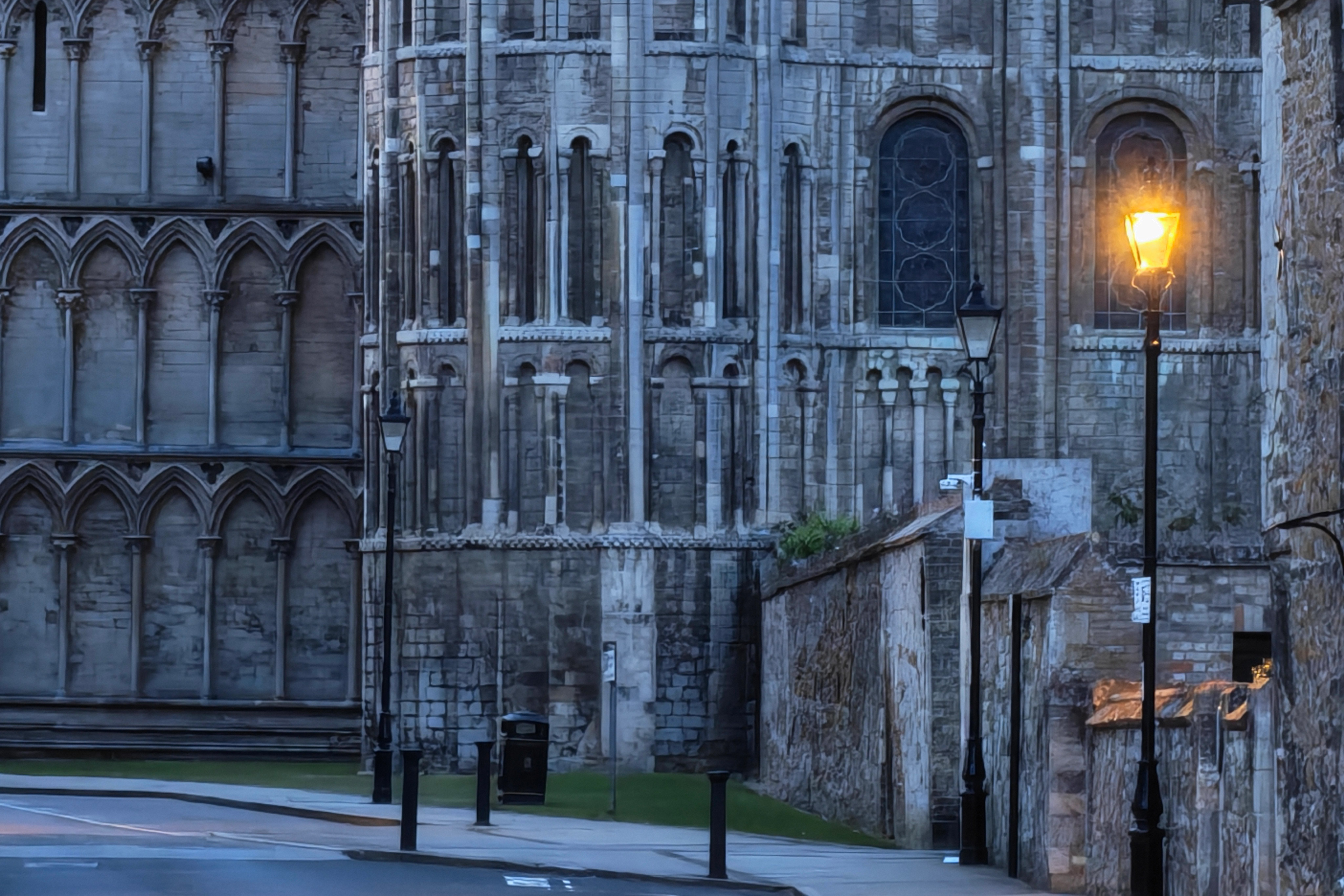
3.5x periscope telephoto camera has an 80mm focal distance, which is well suited for portrait work, combine this with the Harcourt portrait mode and you get yourself a very capable midrange phone for portraits. The different Harcourt modes not just change the colour but the quality of the bokeh as well.



In Super Macro mode, you can get as close as 2cm, but you can get very good results from using the 3.5x telephoto camera as well.

Honor 600 Pro – Value for money
Advertised as £899 full price on Honor’s website, I would consider it punching well above its weight in terms of price, but you can make use of a £200 early bird voucher and get the Honor 600 Pro for £699, which brings it to the same price as last year’s Honor 400 Pro was at launch. A more reasonable position considering that you get nearly identical cameras.
Available only in 512GB version it has plenty of competition to watch out for at this price bracket. There’s also the fact that the Honor 600 Pro isn’t too much of an upgrade compared to its predecessor. If you already have the 400 Pro I’d probably hold on to it a bit longer and see what next year’s upgrade brings.
Honor 600 Pro – Verdict
Honor has refined the imaging pipeline in the 600 Pro, addressing issues like colour inconsistency and low-light performance. It also delivers excellent battery life, and its screen is more visible in strong sunlight than it was before. While it is a strong performer for portraits the fixed-focus selfie camera limited global availability, and modest upgrades over the previous generation hold it back. Overall, it remains a compelling value option—especially at its discounted launch price.

Related reading:
- Best camera phones for photography
- Best smartphones for portrait photography
- Honor 400 Lite Review – get the iPhone looks for less
- Honor 400 Review – sweet spot between price and performance
Honor 600 Pro – Full Specifications
| Specifications | Honor 600 Pro |
|---|---|
| Main, wide-angle camera | 200MP ultra wide camera (24mm equiv.) f/1.9, 1/1.4inch sensor, OIS |
| Telephoto camera | 50MP periscope telephoto camera (80mm equiv.) f/2.8, AF, OIS 3.5x |
| Ultra-wide camera | 12MP ultra wide and macro camera (14mm equiv.) f/2.2, AF |
| Selfie camera | 50MP selfie camera (25mm equiv.) f/2.0, FF |
| Video | 4K 60p/30p |
| Battery | 6400mAh battery (80W wired, 50W wireless, 27W reverse charge) |
| Screen | 6.57inch AMOLED, 120Hz, 8000nits, 2728×1264 |
| Processor | Qualcomm Snapdragon 8 Elite |
| Storage | 12GB RAM + 512GB storage |
| Operating System | MagicOS 10 (powered by Android 16) |
| Dimensions | 156mm x 74.7mm x 7.8mm |
| Weight | 195g |
| Dust and water resistance | IP68&IP69 |
Follow AP on Facebook, Instagram, YouTube and TikTok.