Amateur Photographer verdict
The Sony Alpha A7R VI sets a new bar for high-resolution full-frame, with its 66.8MP sensor and 30 frames per second shooting. It’s an immensely capable camera, but it does have some drawbacks too.- Superb image quality, with highest resolution yet from a full-frame camera
- Super-fast autofocus and continuous shooting
- Class-leading blackout-free viewfinder and extremely versatile screen articulation
- Much-improved handgrip makes the camera noticeably more comfortable to use
- No plug-in cable release option
- Autofocus appears to be a little less reliable with bright white subjects
- Not compatible with existing batteries, chargers or vertical grips
The Sony Alpha A7R VI is Sony’s latest high-resolution full-frame mirrorless camera, following on from the A7R V from 2022. Its headline feature is a brand-new 66.8MP stacked-CMOS sensor, which brings much faster continuous shooting and generally improved performance. This immediately expands the ‘R’ line’s capabilities from its current niche as a studio and landscape specialist, to being much more of an all-rounder. And there are plenty of other significant updates, too, that without doubt make it one of Sony’s best cameras yet.
Sony Alpha A7R VI at a glance:
- $4500 / £4500 body-only
- 66.8MP stacked-CMOS sensor
- ISO 100-32,000 (standard)
- Up to 30fps shooting
- 8K 30p, 4K 120p video
- 9.44m-dot, 0.9x EVF
- 3-in, 2.1m-dot 4-way LCD
At $4500 / £4500 body-only, the Sony Alpha A7R VI goes squarely up against a couple of other high-resolution, high-speed monsters, the Canon EOS R5 Mark II and Nikon Z8. Both these cameras have earned a reputation for being seriously heavy hitters that can handle almost any imaginable shooting situation. But on paper, the A7R VI looks like it should match them in almost all respects, while offering usefully higher resolution.
For existing Sony users, the A7R VI looks like a significant advance over the Alpha A7R V. At first glance, it also looks like a cheaper alternative to the pro-spec Alpha A1 II, with same speed but even higher resolution. It all sounds like a dream come true, but are there any drawbacks?
Features
First and foremost, Sony has come up with the highest-resolution full-frame sensor yet, which also employs a fully-stacked architecture. This brings a dramatic increase in continuous shooting speed, at up to 30 frames per second using the electronic shutter. What’s more, the camera now records 14-bit raw files during burst shooting, rather than 12-bit. Potentially, this could bring greater scope for tonal manipulation in raw processing, but only if you can keep the ISO low. Pre Capture is available for unpredictable subjects, while Continuous Shooting Speed Boost allows you to temporarily switch up the burst rate at the press of a button.
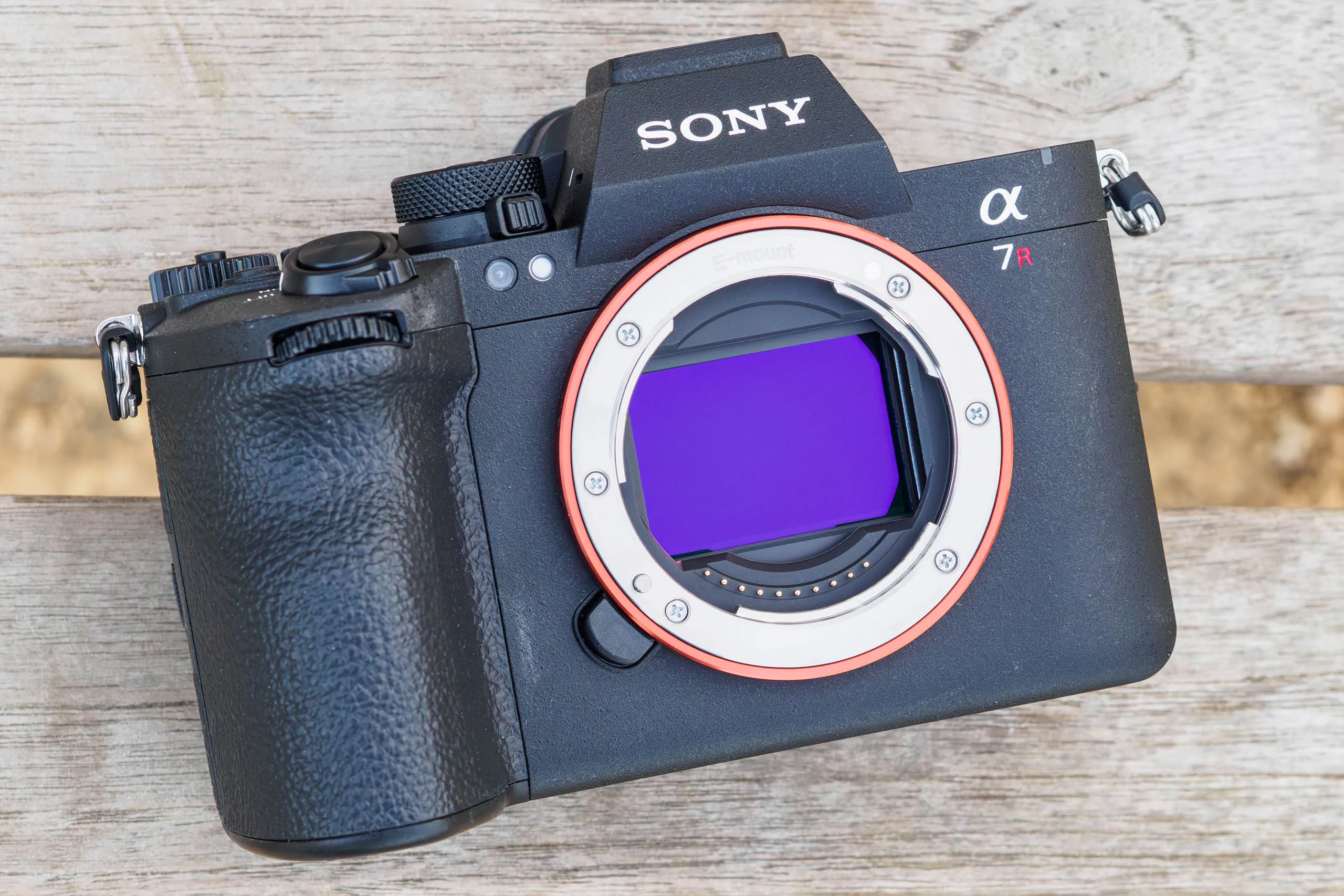
Sony says the new sensor reads out quicker than before, which should mean reduced subject distortion due to rolling shutter – a real weakness of the A7R V. It also promises snappier autofocus, with the VI now being capable of 60 AF calculations per second. However, that’s only half the AF operation speed of the A1 II.
In place of the reduced-resolution raw files that were available on the A7R V, you now get Compressed HQ raw, as seen in last year’s Sony A7 V. This promises considerably smaller file sizes with no loss in image quality. The only slight catch is a reduced burst depth compared to using the Compressed raw option (which is still available if you need it). But even in Compressed HQ, Sony is promising a 60-frame butter at 30fps and 130 frames at 10fps, which should be enough for most purposes.
Sony is also claiming an extra stop of dynamic range at ISO 100, at up to 16 stops, thanks to a dual-gain readout design. To make the best use of this for JPEG shooters, the Dynamic Range Optimiser (DRO) function now offers 8 levels for boosting shadows, rather than 5. The sensitivity range stays the same as the A7R V, at ISO 100-32,000 as standard, and ISO 50-102,400 (extended).
Sony has used the same Bionz XR2 processor as in the A7 V, which means there’s no longer any need for a separate chip for subject recognition. As before, the camera can recognise and track focus on people, animals and vehicles. But you now get an ‘Auto’ option to select between subject types automatically, rather than having to tell the camera what to look for in advance.
One major improvement comes with the viewfinder. While it has the same class-leading core spec as before – 9.44m-dot resolution and 0.9x magnification – Sony says it’s three times brighter and covers the broader DCI-P3 colour space, rather than sRGB. This extra brightness also enables an HDR display option that activates automatically when needed, although it can be disabled if you prefer. You also get blackout-free shooting with the electronic shutter.
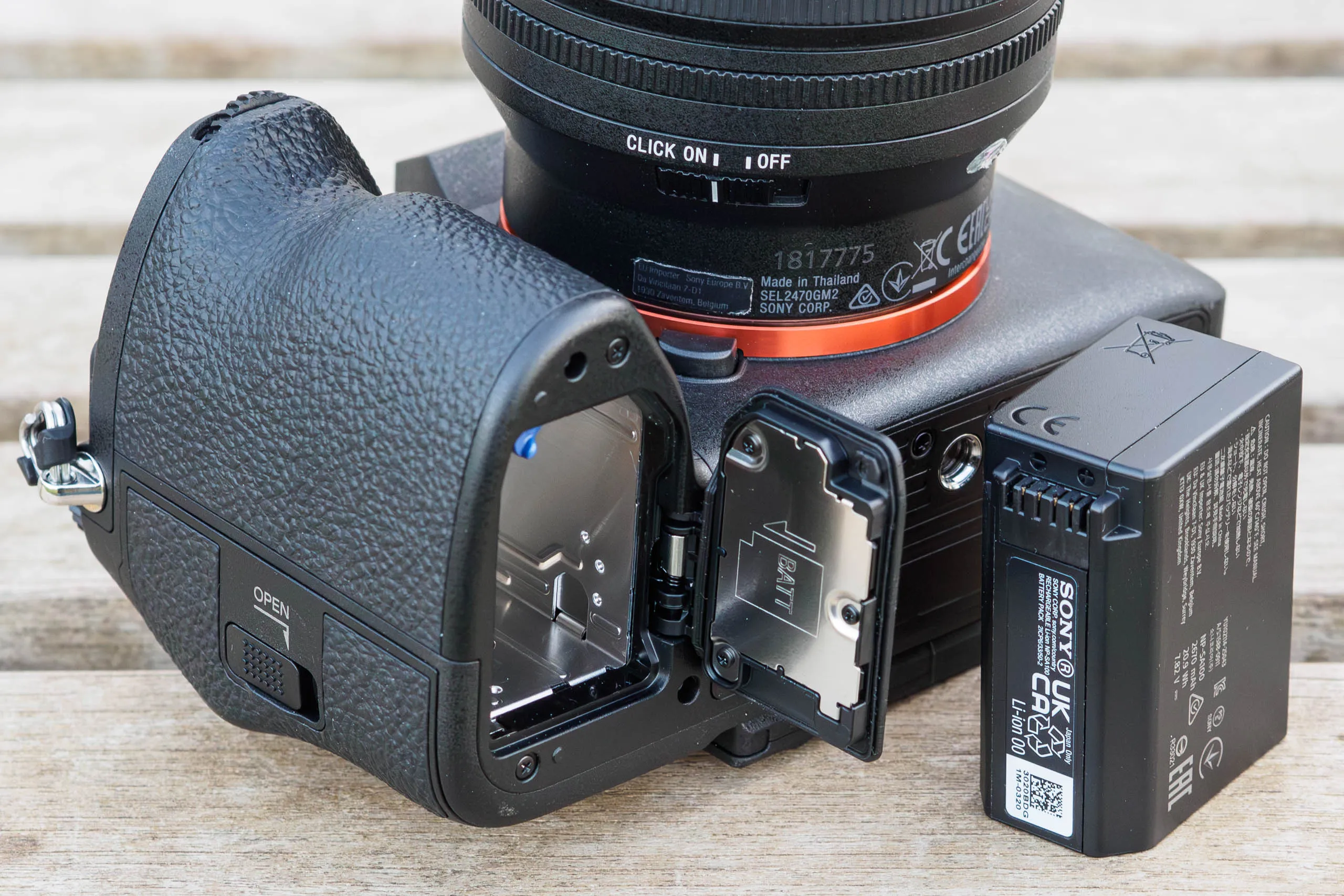
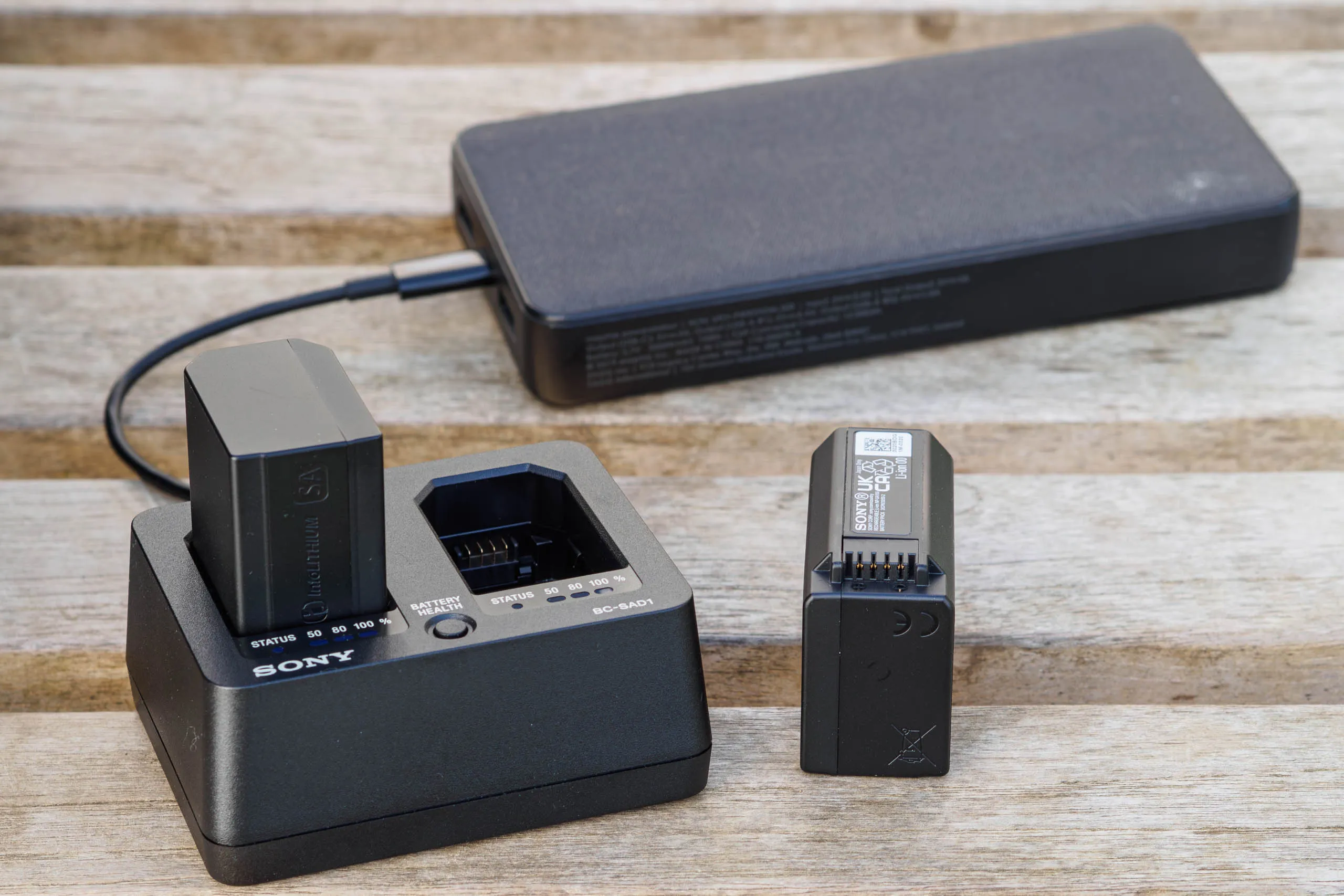
Another significant change is the adoption of a new battery, the NP-SA100. Compared to the existing FZ100, it’s just a few millimetres thicker, and yet it packs 25% more capacity, at 20.9Wh vs 16.4Wh. As a result, the CIPA battery-life rating has jumped to 600 frames using the EVF, compared to 440 before. But the flipside is that if you have spare FZ100s and chargers, they won’t work with the VI.
In-body image stabilisation (IBIS) is now rated for 8.5 stops of shake reduction at the centre of the image, and 7 stops at the periphery, compared to 8 stops before in the A7R V. The IBIS unit also supports a tripod-based pixel-shift multi-shot mode that offers 4-frame and 16-frame options, with the latter giving 270MP files. However, creating the high-res composite files requires using Sony’s Imaging Edge Desktop software – they can’t be produced in-camera.
Elsewhere, you get all the same updates and new features that Sony has introduced since the A7R V debuted back in 2022. This includes improved AI-based auto white balance, plus two additional “film like” creative looks labelled FL2 and FL3. Additional focus area sizes are available, including three user-definable custom options.
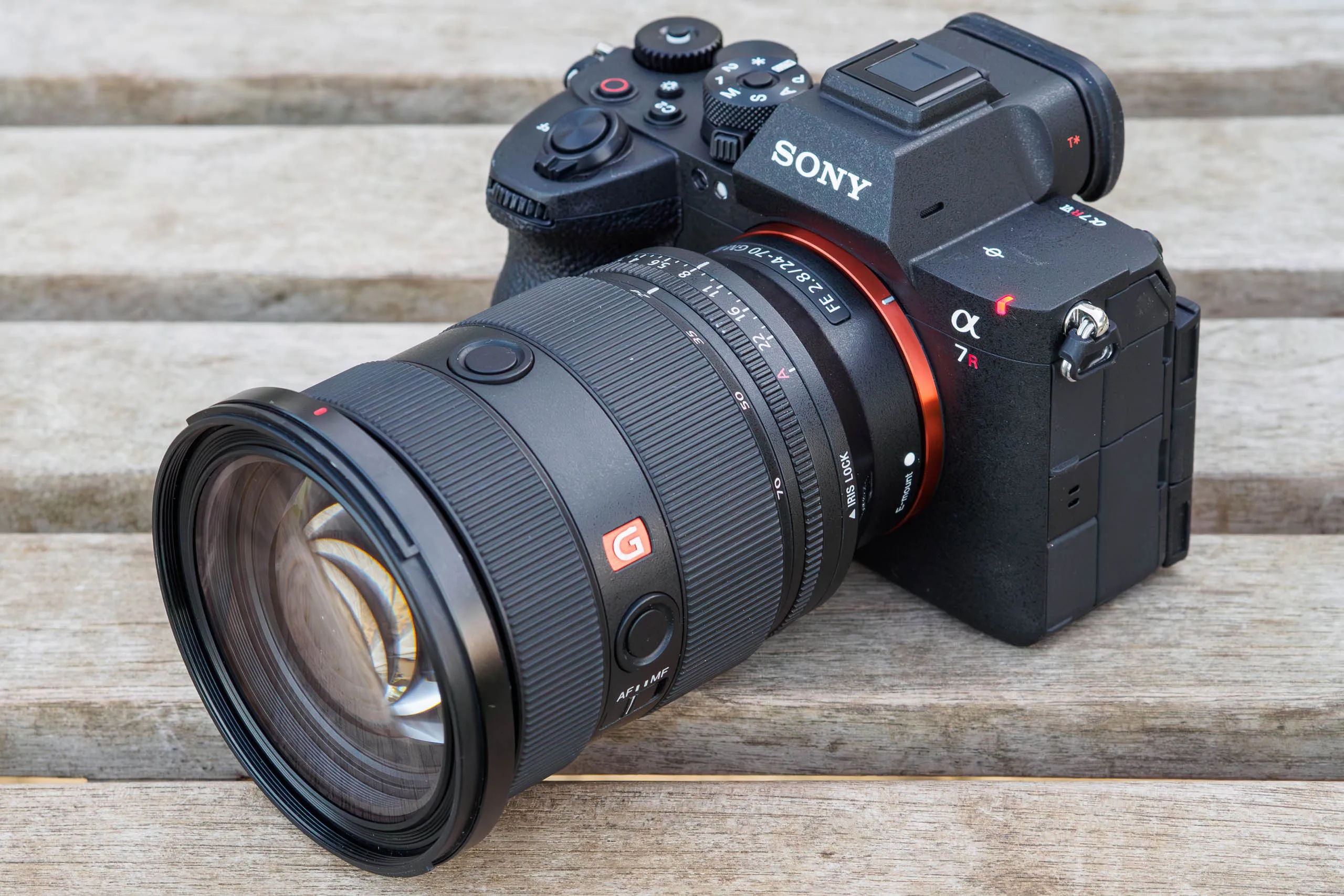
Video recording is available in 4K resolution at 60fps, oversampled from 5K when using the full sensor width, and from 6.3K in Super35 mode (i.e. APS-C crop). You can also record in 8K and 30fps, but this brings a 1.2x crop. Other video updates include 4-channel 32-bit float audio recording, improved internal microphones, LUT support, and a tally lamp that’s visible from the front and top.
Smartphone connectivity is provided by built-in Bluetooth and Wi-Fi, enabling both file transfer and remote control of the camera. The Wi-Fi is faster than before, at 6 GHz, which should bring quicker transfer times when copying raw files or video footage to your phone. You can also connect the camera to your phone via its USB-C port, which in principle means easier setup and a more stable connection.
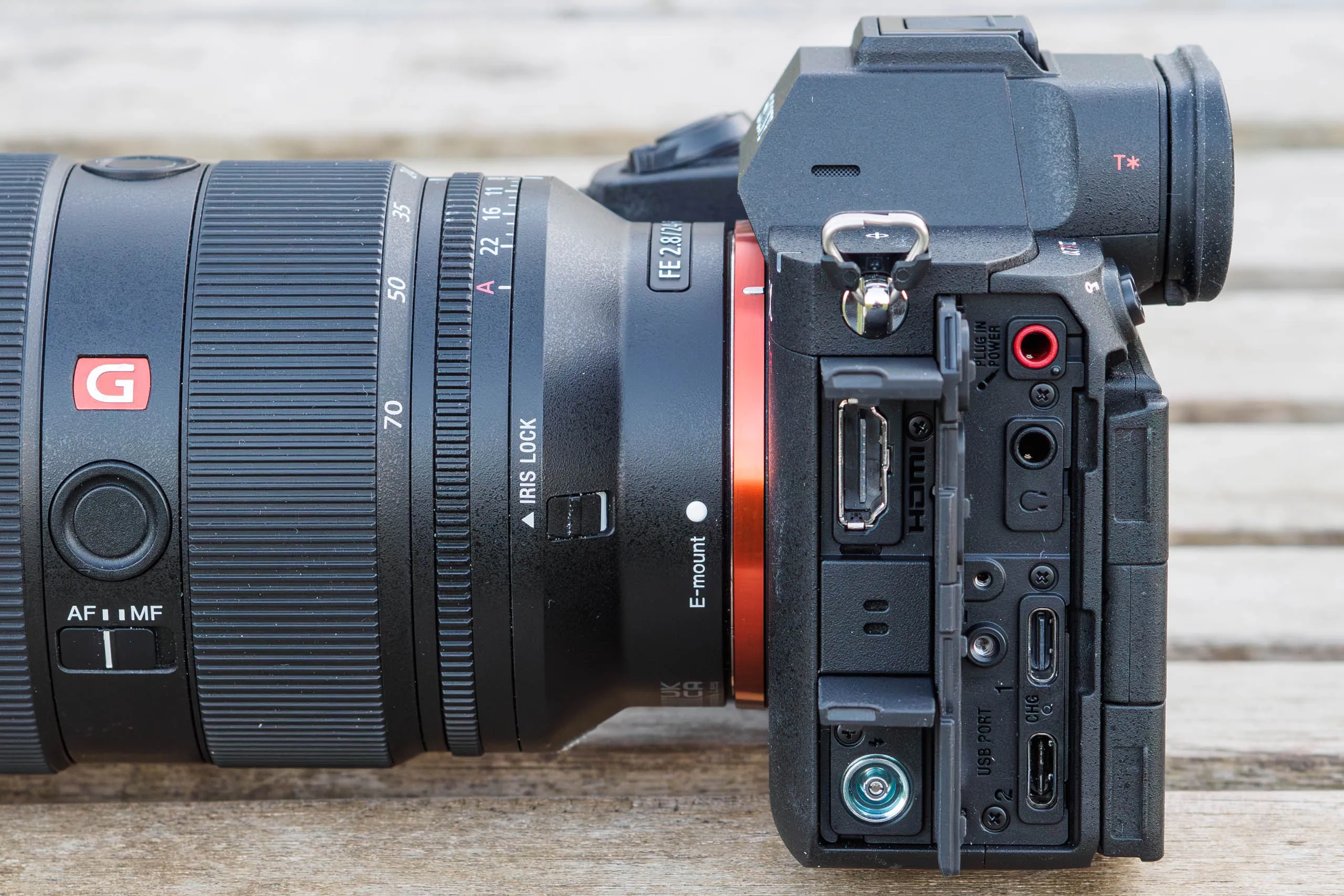
Sony has, however, replaced the micro-USB ‘multi-connector’ that was on the A7R V with a second USB-C port. This still does the same things with regards to data transfer, battery charging and power supply, but it no longer functions as a cable release port. So if you have anything that plugs in here for such purposes as astrophotography or timelapse, it won’t work. This makes the A7R VI the only camera of its class that can’t accept a wired remote control. Sony suggests you can use a Bluetooth remote release instead.
Sony Alpha A7R VI: Key features
- Third-party lenses: Lenses from Sigma, Tamron, Zeiss should all work with no issues. But those from other makers, including Laowa, Samyang and Viltrox, may well require firmware updates.
- Remote release options: The micro-USB multi-connector has been removed, so plug-in remote releases can’t be used. Sony recommends using a Bluetooth remote release instead.
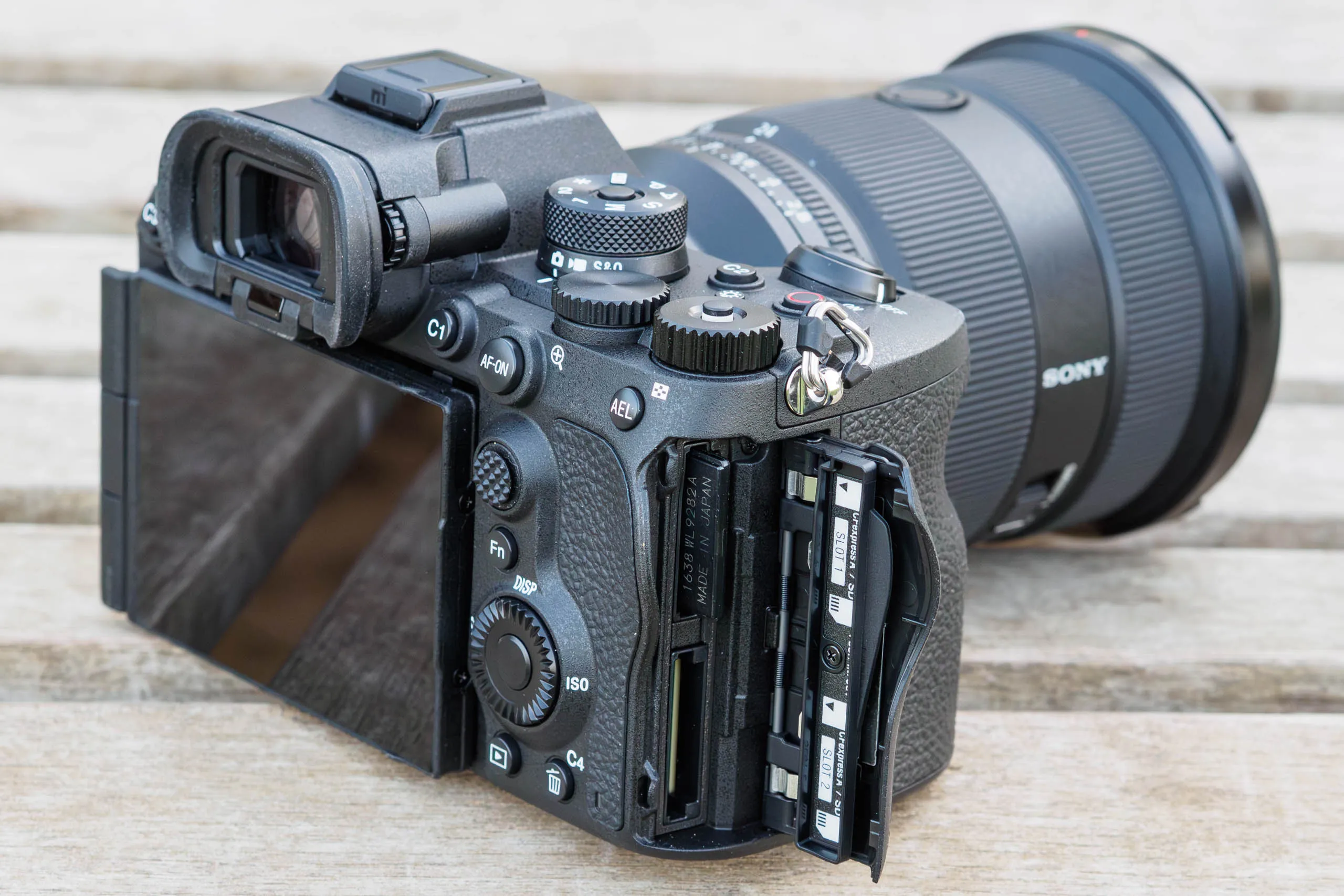
- Storage: As before there are two card slots, both of which can accept either UHS-II SD or CFexpress Type A cards.
- Connectors: You get 3.5mm stereo microphone and headphone sockets, plus full-size HDMI and PC flash sync ports. There are also two USB-C ports: one USB 3.2 Gen 2 for super-fast data transfer, and one USB 2.0 for power.
- Multi Interface Shoe: The multi-interface shoe accepts Sony’s on-camera microphones without needing an additional cable, as well as external flash units.
- Battery: The new, higher capacity NP-SA100 battery promises 600 shots per charge, with a USB-C dual charger coming in the box. However, the existing FZ100 is no longer compatible.
Build and handling
While at first sight, the A7R VI looks pretty much the same as Sony’s other cameras, it does bring a few design updates. Most notably, it has a resculpted grip which certainly fits my hand much better, making the camera noticeably more comfortable to carry one-handed than the A7R V. It’s more rounded under your palm, has a more pronounced indentation for your second finger, and it gives just a little bit of extra space between your fingers and the lens. This probably doesn’t sound like much, but it makes every moment you spend holding the camera that bit more pleasant.
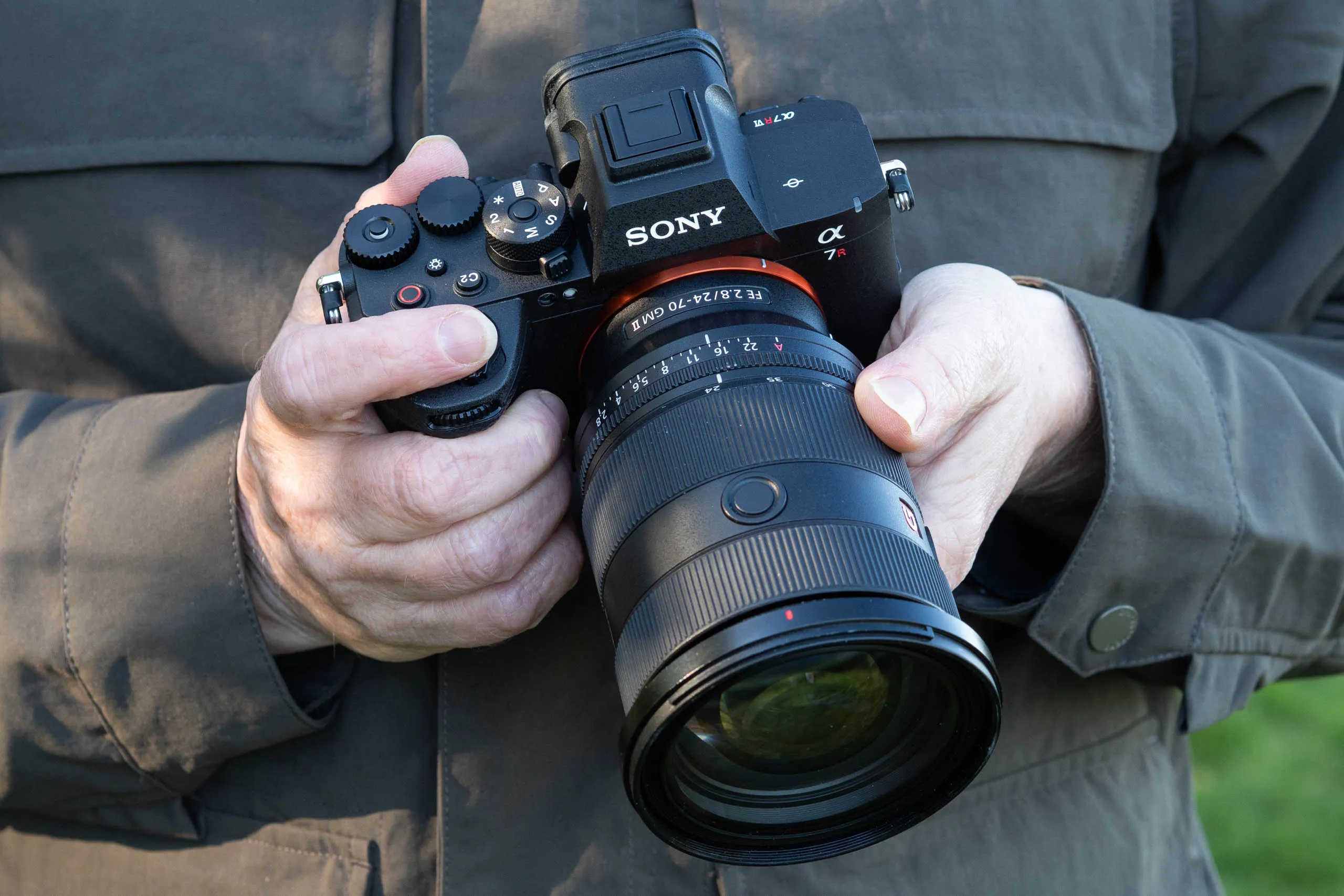
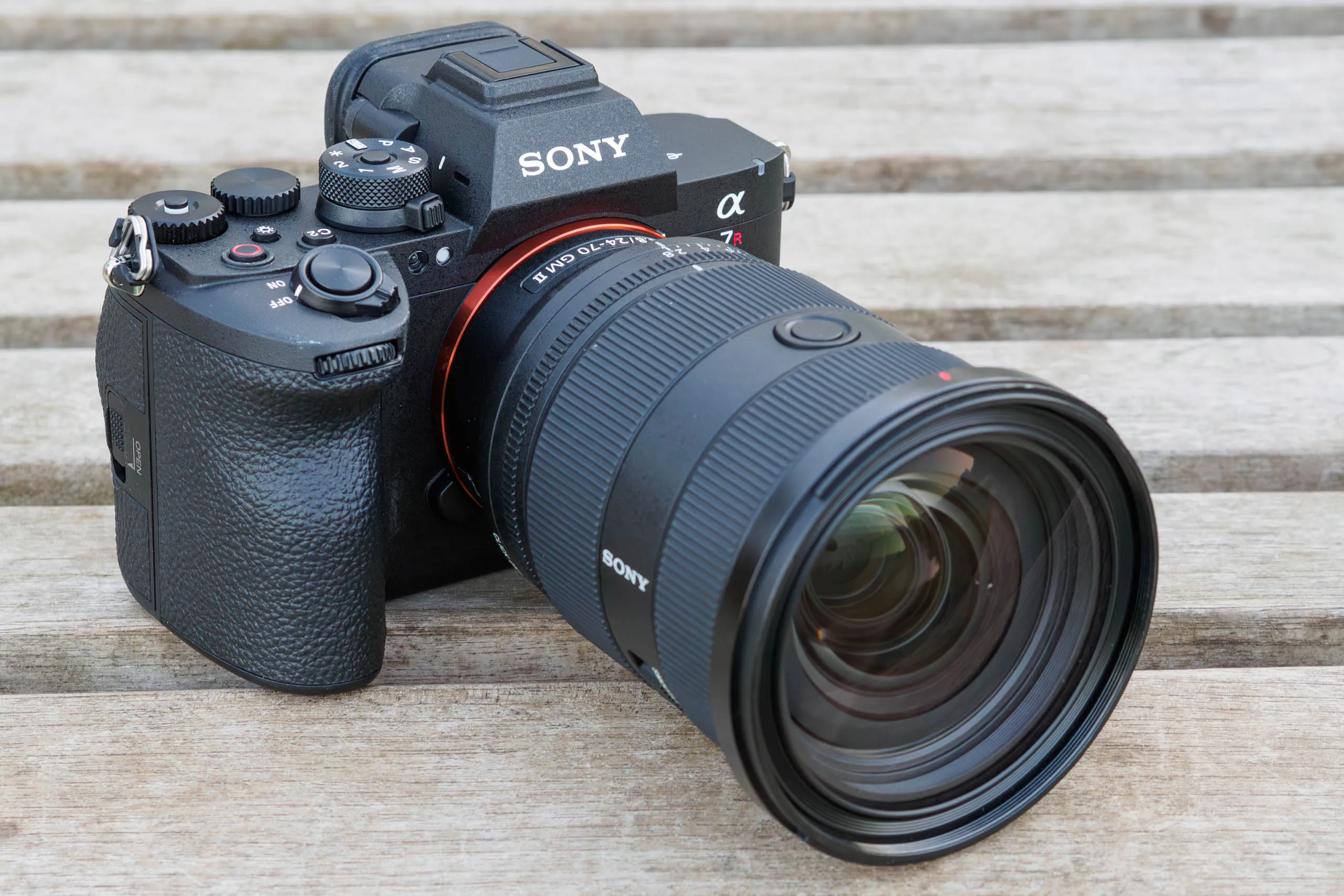
Despite this, the body dimensions have barely changed, at 132.7 x 96.9 x 82.9 mm and 713g including battery and card. However, with its reshaped body and new battery, the A7R VI requires a new vertical grip. Other accessories that are shaped to match the handgrip, such as half-cases, Arca-Swiss baseplates and L-brackets, will no longer fit either. Some L-brackets still work though; for example, my Sunwayfoto bracket that was originally designed for the A7R IV fits just fine.
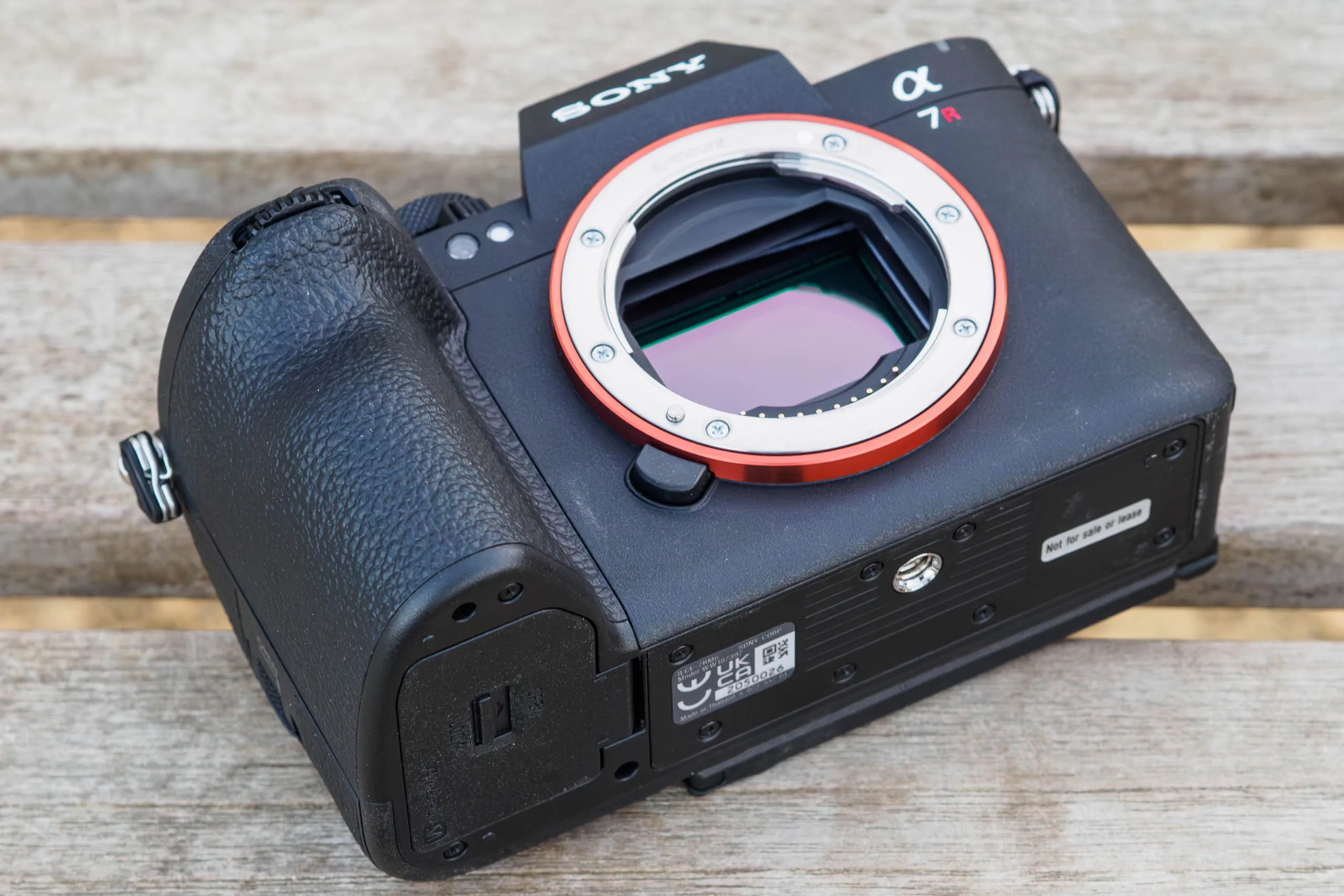
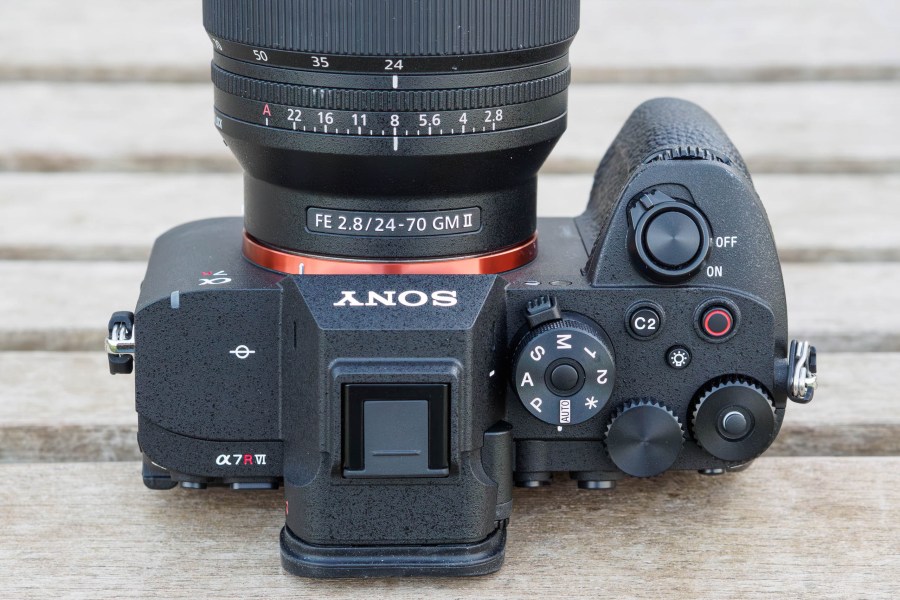
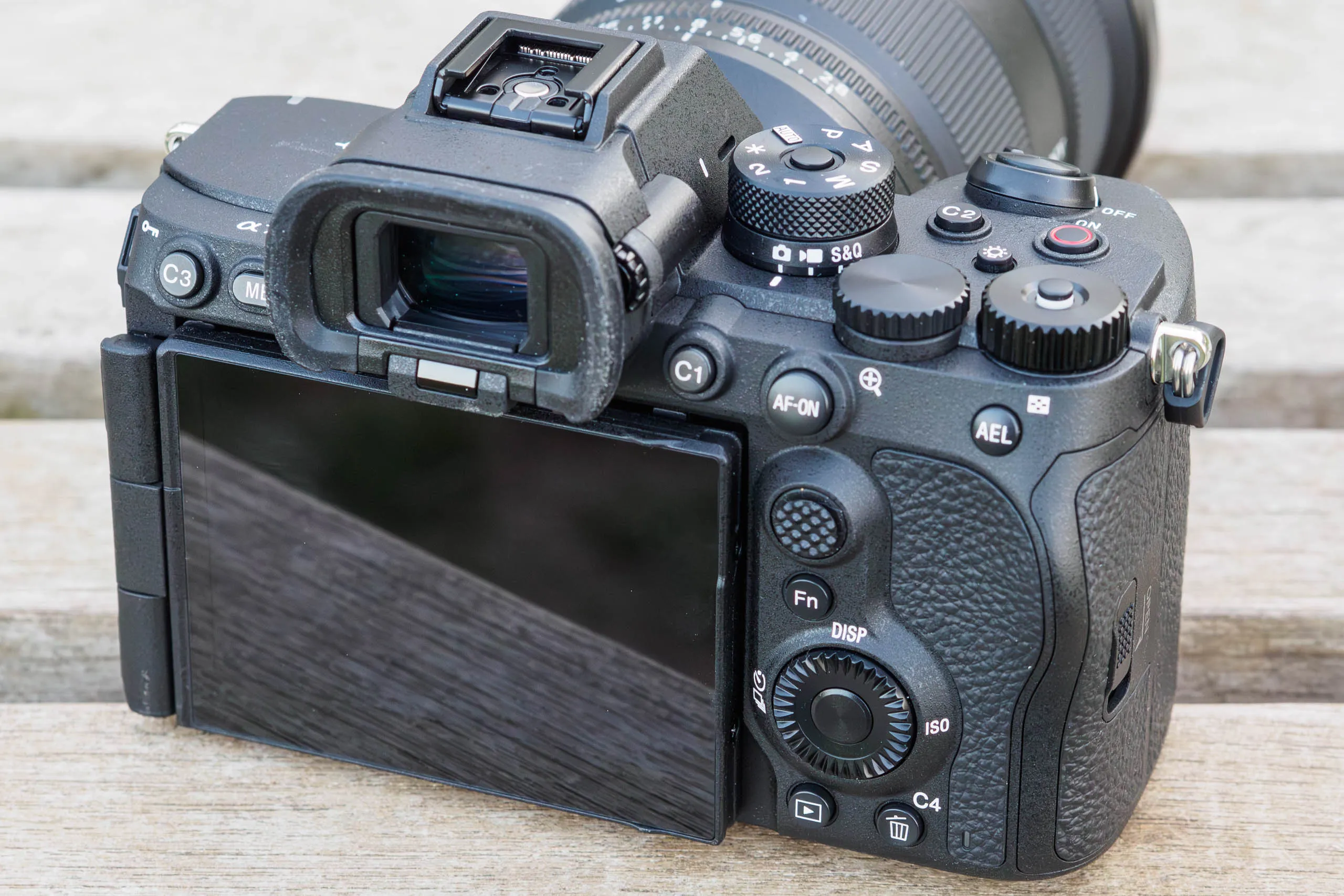
In terms of control layout, the A7R VI retains all the same buttons and dials in all the same places. As a result, existing Sony users should feel immediately at home. You get no fewer than four electronic dials on the body for changing exposure settings, while many E-mount lenses have aperture rings, too. A conventional mode dial is placed on top, with a 3-way photo/video/S&Q (slow & quick) switch underneath.
On the back, there’s a large AF ON button and a joystick to operate the autofocus. Various other buttons arranged around the body provide direct access to the most important settings. The rear Fn button brings up an onscreen control panel for the next tier of functions, while swiping onto the screen from either edge brings up a set of onscreen touch buttons. Almost all the physical controls can be customised to suit your preferences, as can the Fn menu.
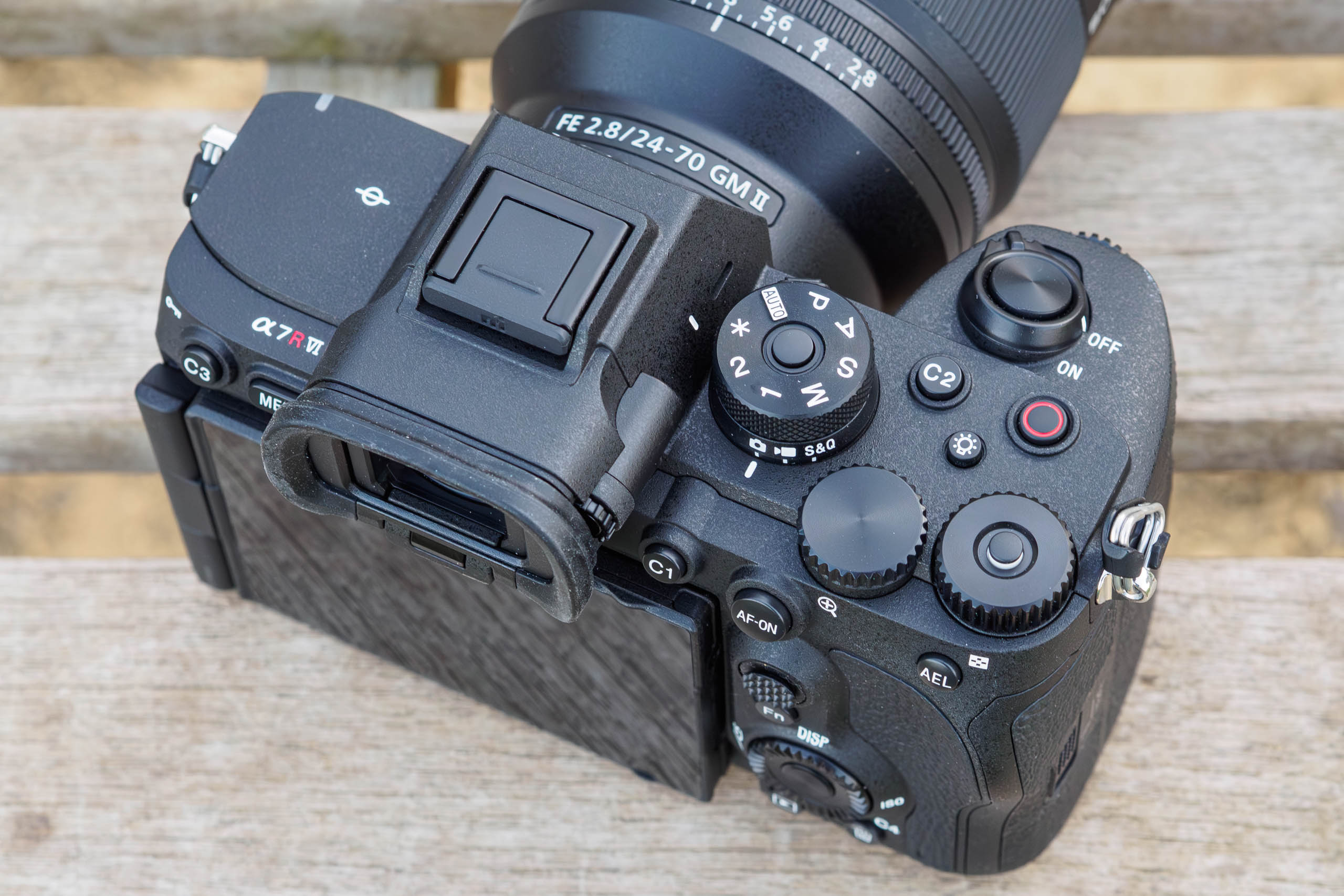
There’s a noteworthy change on the mode dial, though. In place of the third memory recall position, there’s now one labelled with a star symbol. From here, not only can you recall custom setups, but also access any of the conventional exposure modes via an onscreen touch button.
You now also get 10 custom setup memories each for photo, video and S&Q. Helpfully, these can be given meaningful names up to 9 characters long, such as ‘portrait’, ‘sports’ or ‘landscape’. But less helpfully, these names aren’t displayed when you set the mode dial to a custom recall position. Instead, they’re only visible when choosing between the memories from the Star mode.
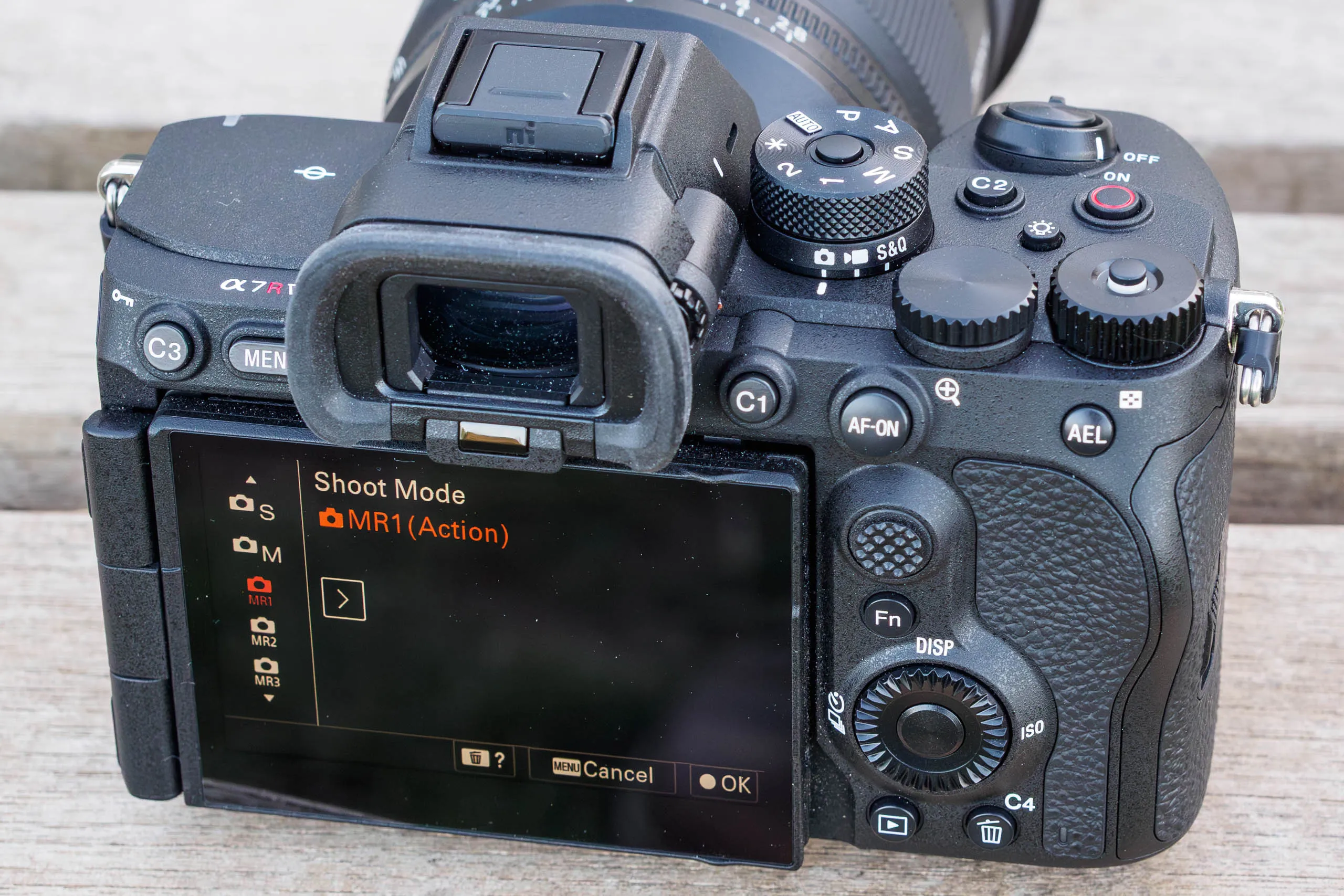
One welcome improvement is that the rear buttons can now be illuminated for working in low light, with a choice of three different brightness levels. But slightly perplexingly, this is activated by pressing a tiny button on top that isn’t itself illuminated. As a result, you’re trying to light up buttons that you can’t see in the dark, by pressing a small button that you can’t see in the dark.
Pressing the illumination button also requires a large and somewhat awkward twist backwards of your index finger off the shutter button. On a few occasions I inadvertently triggered video recording instead, as the two buttons are close to each other. But I expect that finding the correct button by touch should become easier with time and more use.
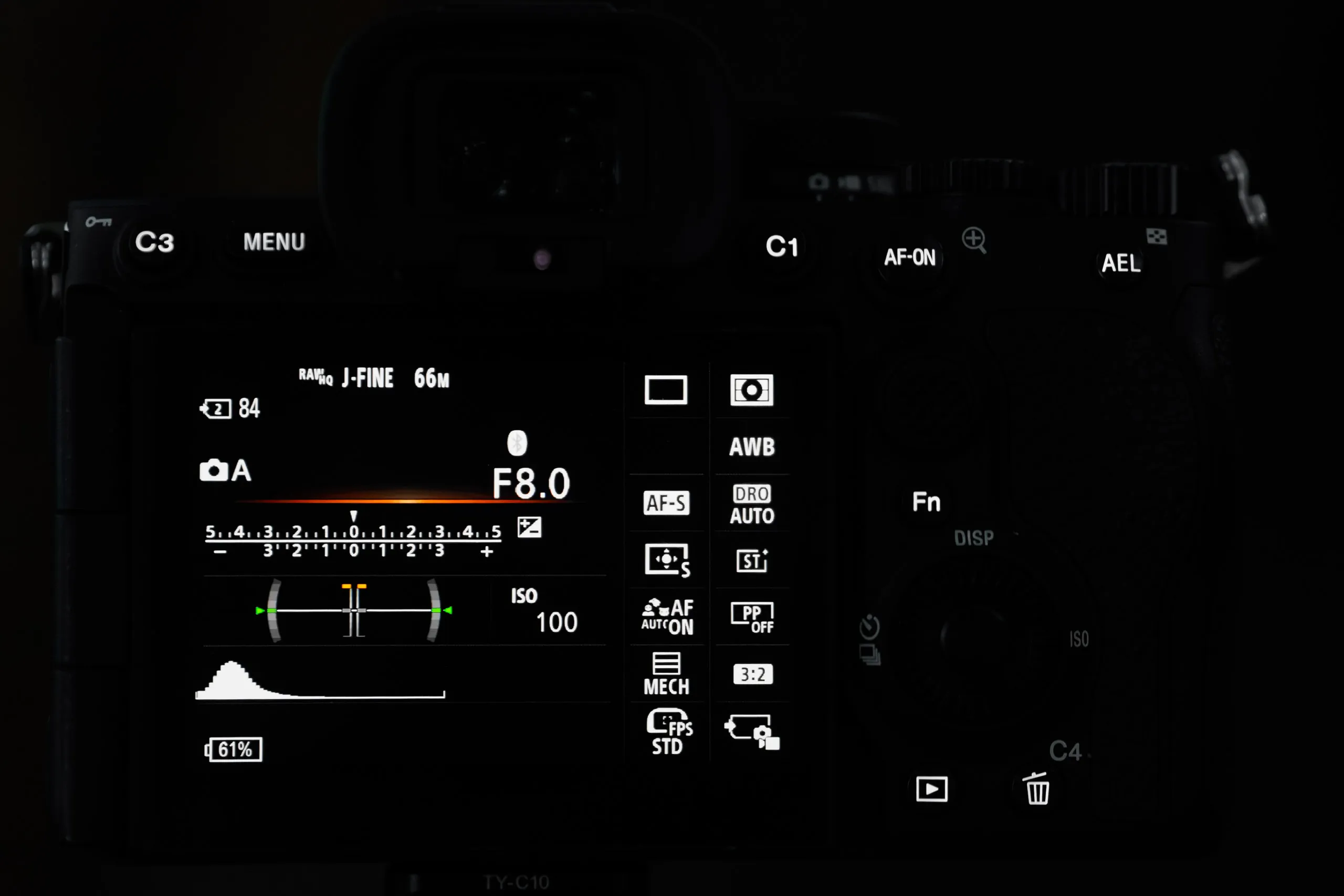
As for the menu system, it’s essentially the same as other recent Sony cameras. It’s vast, sprawling, and packed full of options that nobody is likely to want to change. It’s OK once you’ve got used to it, I guess, but I’d recommend building a Custom My Menu for anything you want to access quickly. Thankfully this is very easy to do – with a menu item selected, you simply press the Delete key to add it the My Menu.
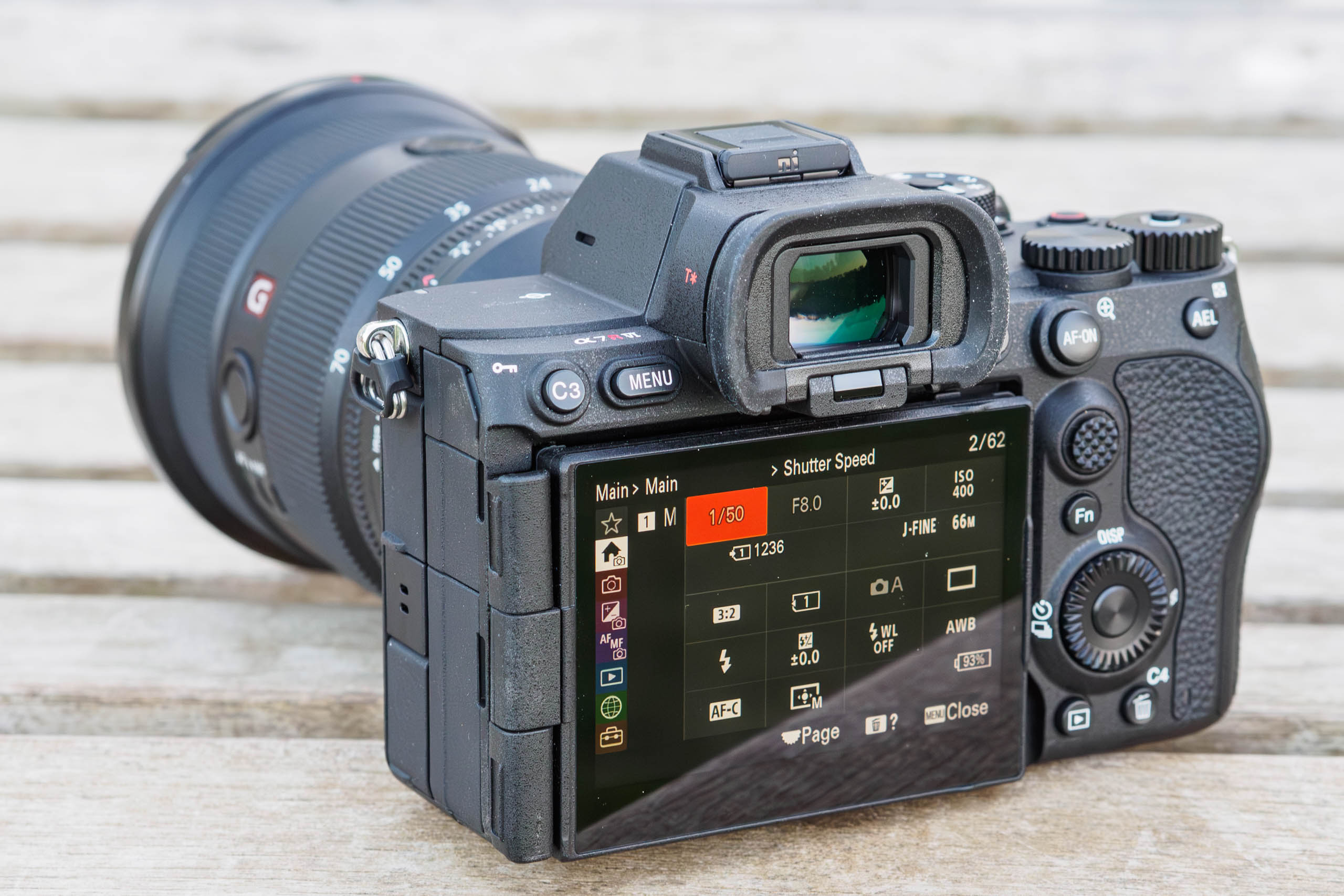
Overall, the A7R VI very much counts as a tried-and-tested design. Compared to the Canon EOS R5 Mark II and Nikon Z8, on the whole I think it works every bit as well. Photographers will all have their own personal brand preferences, of course, but in terms of handling, I don’t think you can say that any one of them is objectively better or worse.
Viewfinder and screen
Until now, I’ve always considered the 9.44m-dot, 0.9x viewfinder found on Sony’s previous high-end models to be the best in its class. But now, the A7R VI’s is even better. It can display a wider range of colours, especially in the greens, which I’ve found particularly noticeable with the fresh foliage of spring. And it can also hike up the brightness to be more visible when you’re shooting on a sunny day. The biggest advantage here is that you can see what’s going on in the darker areas of your image much more clearly than before.
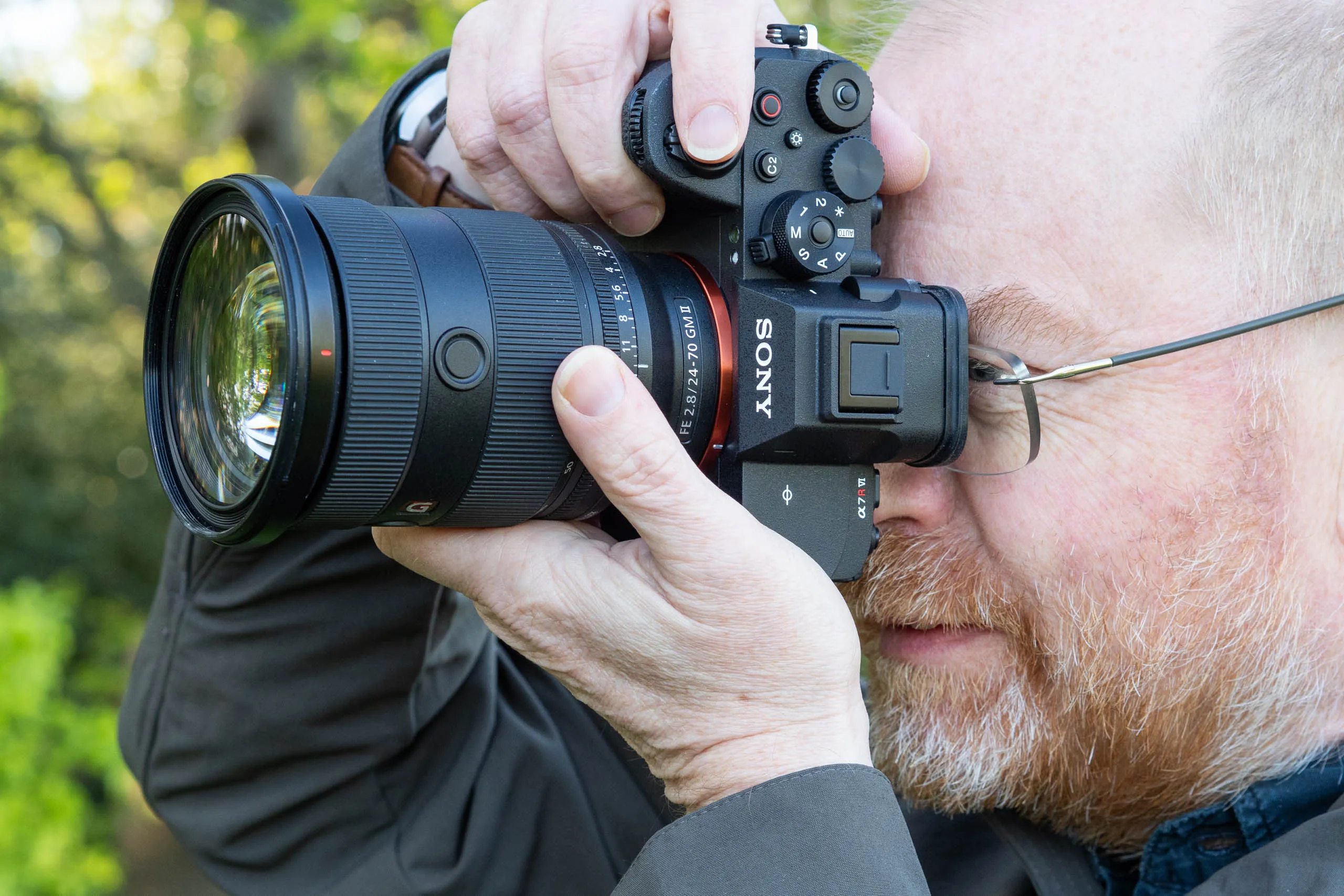
One big improvement over the A7R V comes during continuous shooting. When using the electronic shutter, you now get a blackout-free display. I find that this makes it much easier to keep track of moving subjects.
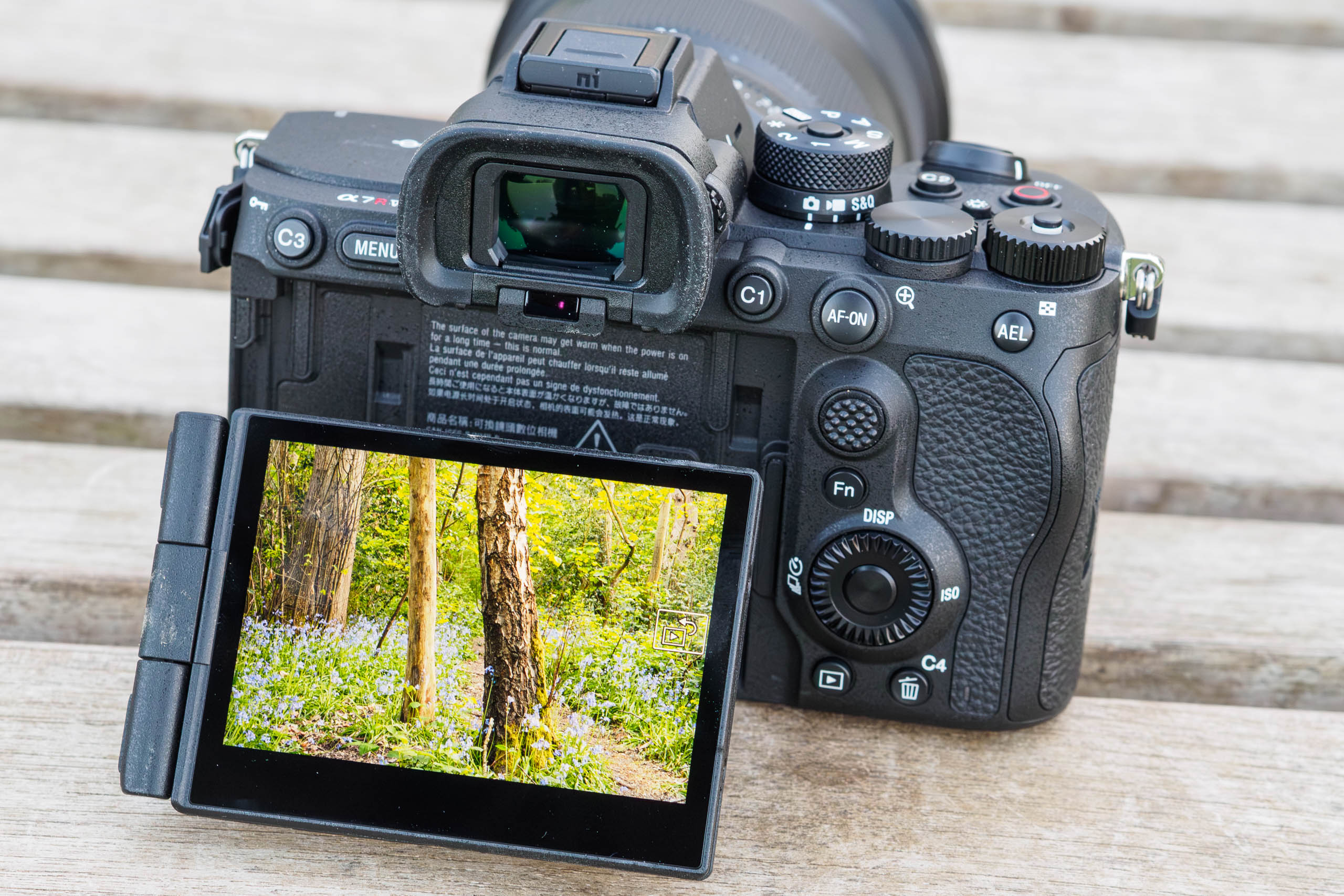
There are also some welcome improvements to the information displays. As on the A7 V, you can now show the histogram and electronic level at the same time, rather than having to cycle through screens using the DISP button. It’s also possible to show a smaller and more discreet, but no less accurate level in the information panel at the bottom of the finder, leaving the display itself uncluttered for composition.
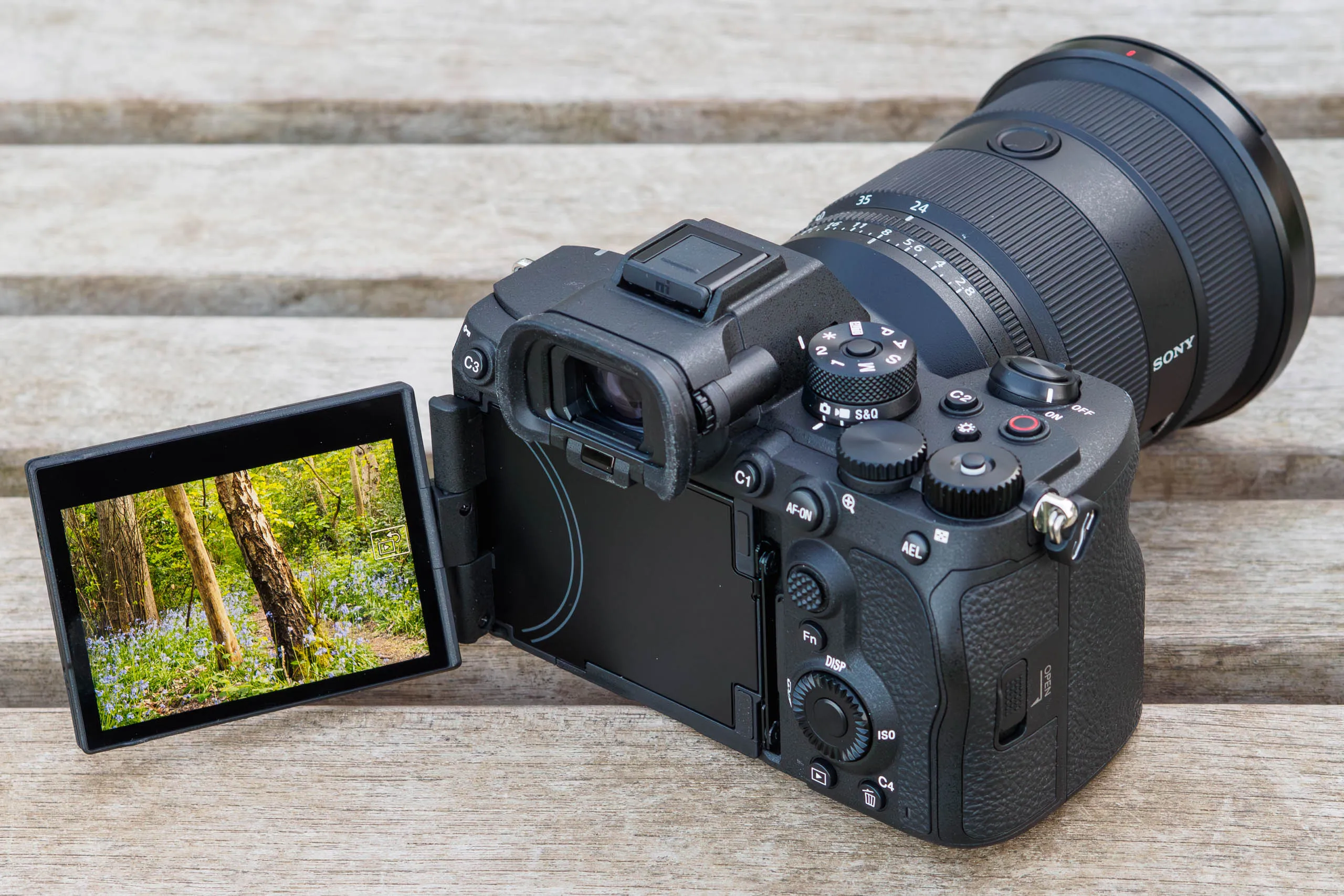
The rear screen uses Sony’s now familiar 4-way articulation. This combines an up/down tilting mechanism with side-hinged full articulation. As a result, the screen can be set facing any direction you please, which is really useful for shooting at high or low angles, or when working from a tripod. Overall, I have to say that this is the best viewing experience you’ll get on any camera on the market today.
Autofocus
As you’d expect from a modern Sony camera, the A7R VI has a highly sophisticated, and generally extremely capable autofocus system. Indeed with static subjects, there’s very little to report. It’ll focus pretty much instantly anywhere within the frame, and perfectly accurately, even with large-aperture lenses. But the same is true of almost any modern camera.

Click on any sample image to see the full-resolution version.
For moving subjects, you’re normally best off using subject recognition. Here, the camera can keep track of people, animals, and vehicles. An Auto subject detection option is available, but I find it takes just a little bit longer to find and lock onto subjects. So you’re better off specifying your subject type in advance whenever possible.
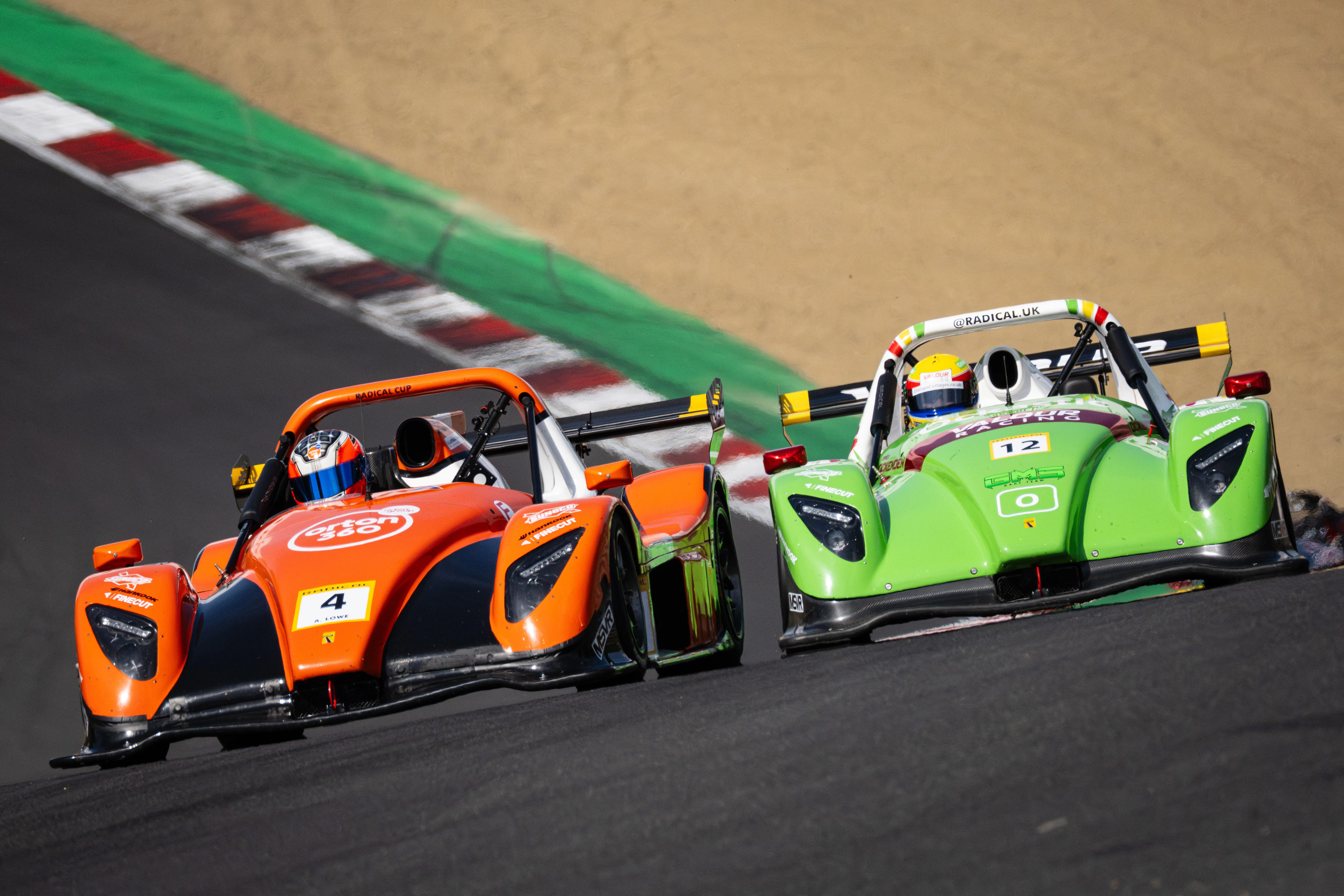

I tested the A7R VI’s autofocus primarily using my trusty Sigma 100-400mm F5-6.3 D DN OS zoom (unfortunately, the new Sony FE 100-400mm F4.5 GM OSS that was announced alongside the camera wasn’t available for testing). I photographed wildlife and motorsports, and was generally very impressed with the camera’s capabilities. It’ll pick up subjects when they are small and distant within the frame, and track focus on them extremely reliably.
It certainly feels a bit snappier than the A7R V, which is already very good indeed. But it doesn’t quite have the same near-magically instant subject acquisition speed and tracking as the A1 II and A9 III.

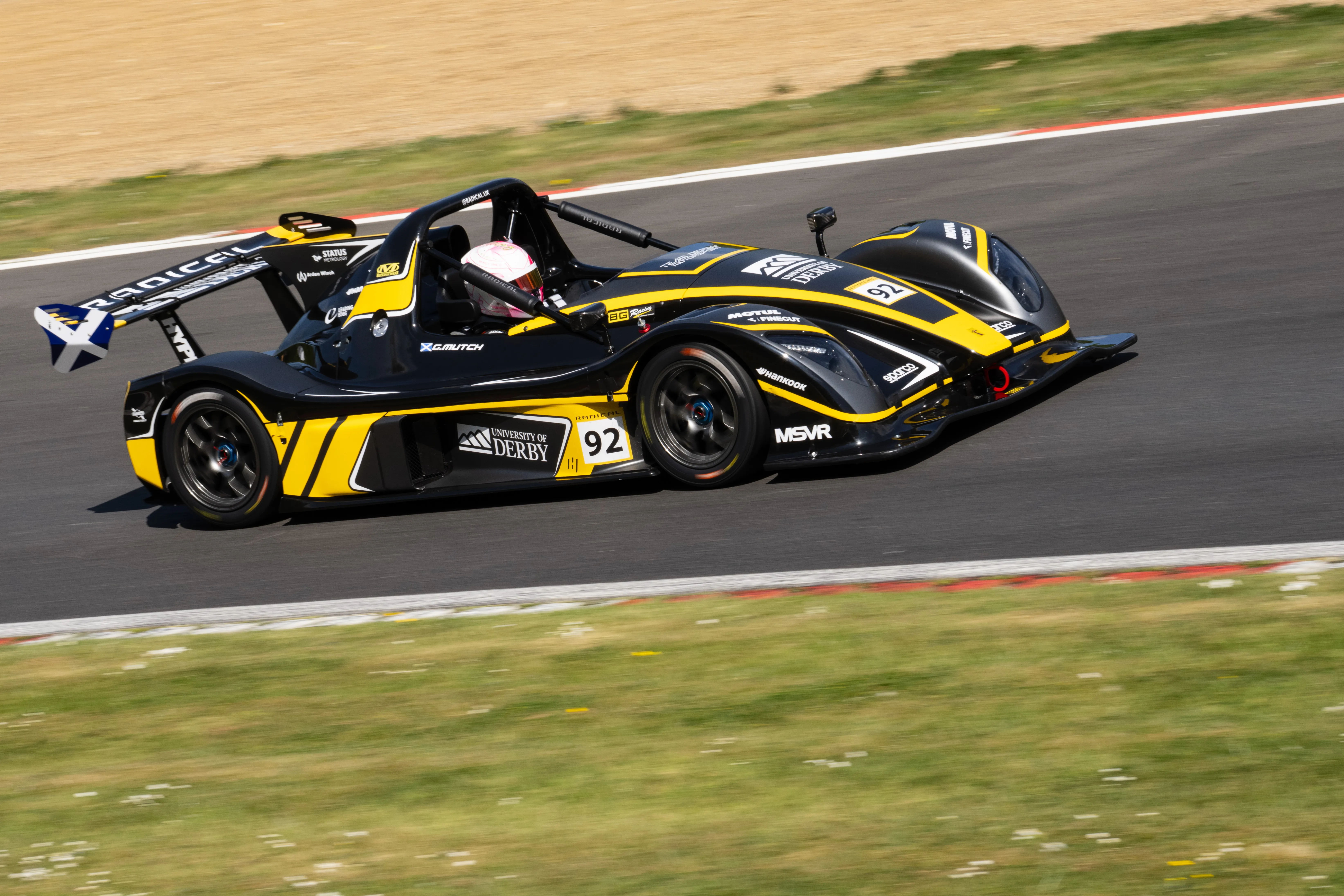
I have noticed one strange quirk, though. In my experience, the camera struggles to acquire and track focus as quickly and effectively on subjects that are bright white. This was particularly noticeable shooting motor races in which all the drivers used the same type of car. In effect, this gave me a controlled test with subjects of essentially the same size, shape, speed and trajectory, and with the only real difference between them being colour.
I observed that while the A7R VI focused perfectly with most of the cars, it sometimes took a few more shots to acquire focus on white ones, and then it was less good at keeping them sharp throughout a sequence of frames. This didn’t happen all the time, though.
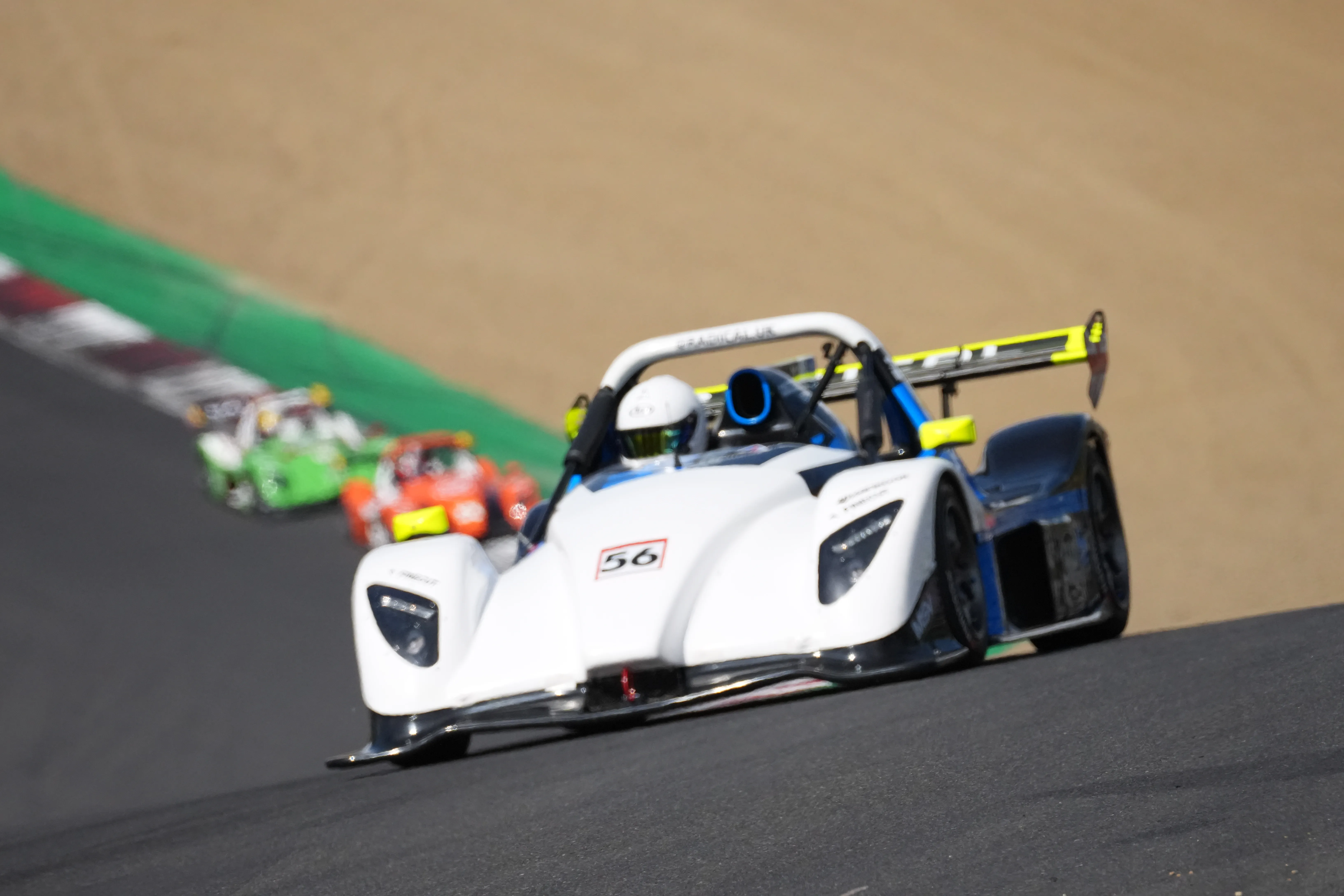
It’s not just cars, either. I saw the same thing photographing birds in flight, with the camera struggling a little more when faced with white gulls compared to brown herring gulls. It’s not immediately obvious why this might happen, but I’d speculate that the phase detection pixels could become saturated in bright light and return an unreliable signal.

To be absolutely clear, I’m not saying the A7R VI can’t focus on white subjects at all. Just that the hit-rate of in-focus shots drops noticeably with them during continuous shooting. This could be related to the fact that I was using a third-party lens, but I haven’t noticed similar problems using it on other cameras
Performance
In use, the A7R VI is exactly the kind of super-fast, slick performer that you’d expect at this price. Flick the power switch, and it’ll be ready to shoot by the time you’ve lifted the viewfinder to your eye. The mechanical shutter fires with a relatively quiet and unobtrusive snick, and the camera can be completely silent in electronic shutter mode if you disable the fake shutter sound – although personally, I find it can provide useful audible feedback when you’re shooting.

Battery life is simply huge, thanks to the new NP-SA100. Indeed while Sony provided me with a spare battery for my review, I never once came close to needing it. That included sessions with lots of high-speed bursts; on one day I shot well over 1100 frames, and the battery still indicated it was half-full at the end. Of course, I suspect most users will want to acquire a spare, just to be on the safe side. But even if they’re in short supply initially, I wouldn’t let that put you off buying the camera.

On the subject of burst shooting, the A7R VI now fits very much into the category of “more than good enough for almost any conceivable purpose”. At 30fps it’s as fast as any of its high-resolution peers, and in my tests it could maintain this speed for 70 frames shooting Compressed HQ raw + JPEG. Switch the speed down to 10fps, and it’ll keep going for 110 frames using a CFexpress Type A card.
There’s also not that much of a penalty for using a high-speed UHS-II SD card instead – I got 90 frames in a 10fps burst before the camera started to stutter. In my real-world testing, I never came close to needing to shoot for so fast or so long, and I suspect the same will be true of all but the most demanding of users. And they should probably be buying the A1 II or A9 III instead.

One quirk rears its head when you use the Continuous Shooting Speed Boost function, though. When you’re using the electronic shutter, the camera will very happily switch up to 30fps while shooting. But just like the A7 V, I found that if you start shooting in mechanical shutter mode, it can’t change over to the electronic shutter mid-burst. Instead, you have to temporarily lift your finger off the shutter button, engage speed boost, and restart. It’s easy to get caught out by this, so I made a point of saving a custom mode based on using the electronic shutter.
It’s also worth pointing out that the A7R VI performs superbly for sports and wildlife photography in APS-C crop mode, giving 28MP images. One big advantage here is that you get smaller files, which means less stress on your card space during burst shooting.

In-body image stabilisation works very effectively in helping to keep your photos sharp when shooting hand-held. This doesn’t just mean at slow shutter speeds, either; it helps keep your images sharp at speeds many photographers would probably consider ‘safe’, but which in reality are prone to pixel-level blur at such high resolution. Using the Sony FE 24-70mm F2.8 GM II, I was able to maintain useably sharp images at shutter speeds down to around a second, which is similar to the A7R V before it. This is a feature that personally I find invaluable.


I’ve been impressed by the improved auto white balance, too. I’ve found it gets things right more often than not, which certainly hasn’t always been the case from Sony. It’s also more likely to give pleasing results in tricky situations such as woodland, which gave me some nice shots of the last of this year’s bluebells. It can still sometimes struggle indoors under artificial lighting, though.
Sony’s metering works pretty reliably when left to its own devices. It can, however, be a little prone to overexposing when there are small, bright highlights in the scene, for example with dappled sunlight and shade. But it’s easy enough to see this in the viewfinder, and dial down the exposure to compensate when necessary.

I tested Sony’s extended DRO settings to try to get some flavour of how the in-camera processing renders the new sensor’s dynamic range in shadow regions. The new settings from 6-8 are marked onscreen in the same way as extended ISOs, indicating that Sony thinks you should be cautious about using them. It’s very clear why if you combine them with high ISOs – you’ll just see lots of noise and very little detail.



Even at ISO 100, though, shadow areas visibly show the effects of noise and noise reduction at these high DRO settings, when examined close-up onscreen. But if you zoom out and look at the image as a whole, the effect is fairly convincing (although to me, DRO 5 generally looks more natural than the high settings). How often you might get any genuine benefit over the A7R V in real-world photography is very much open to question, though.
Image quality
Until now, the 60MP sensor in the A7R V (and other cameras) was generally considered to deliver the best available image quality from full frame. Examining raw files from the A7R VI confirms that, as you would expect, its newer 66.8MP stacked-CMOS sensor now takes that crown. You get huge amounts of detail, impressively clean high-ISO files, and vast dynamic range, particularly at low ISOs. But here’s the thing: the practical advantages over its predecessor in these terms are really rather small.

You do, of course, get that little bit of extra detail, although it only corresponds to a 5% increase in linear resolution, at best. The new sensor gives also slightly cleaner results at the edges of its performance envelope, and as a result, I’d be a little more comfortable using it at very high ISOs. I might even stretch towards ISO 51,200 with AI denoising, whereas I’d generally draw the line at ISO 25,600 on the A7R V.

Likewise, when pulling out detail from the darkest areas of an image file, the A7R VI no longer displays the blotchy, low-frequency colour noise that can occasionally be visible in the A7R V’s files. However, you have to delve deep down into the shadows to see any difference – by which I mean pulling them up by about five stops at ISO 100. That’s not something I do very often in normal shooting.

And this is the thing. While marginal improvements in resolution, dynamic range and high-ISO noise performance are visible if you go hunting for them, they’ll have little impact in the vast majority of real-world shooting situations. Personally, as an A7R V owner, they’re nowhere near significant enough to justify upgrading. The real value of the new sensor comes from its faster readout speed.
On this note, shooting wildlife and motorsport revealed that the sensor no longer suffers from the obvious rolling shutter distortion that beset the A7R V. That’s not to say that you never see hints of distortion, most obviously a little skewing of vertical lines when panning quickly. But it’s not a particularly significant problem.
Just like the A7R V, though, it’s clear that this is a camera that will mercilessly expose any weaknesses of either your lenses or your technique. If you’re shooting landscapes and demand edge-to-edge fine detail right down to the pixel level, for example, you’ll probably want to use the likes of Sony GM and Sigma Art optics.

Equally, though, it’s important to understand that you’ll never get worse results from your existing lenses by using a higher-resolution sensor. It’s just that they may get the most out of the extra pixels. My FE 24-105mm F4 G OSS is visibly less sharp in the periphery than the FE 24-70mm F2.8 II GM at these resolutions, but that’s not going to stop me using it.
Sony Alpha A7R VI: Our Verdict
I was lucky enough to get to try out the Sony Alpha A7R VI for a couple of weeks in advance of its launch, and it shouldn’t come as any great surprise to learn that it’s a very impressive camera indeed. You no longer have to choose between getting the highest resolution full-frame camera around, or getting super-fast shooting. Now you can have both.
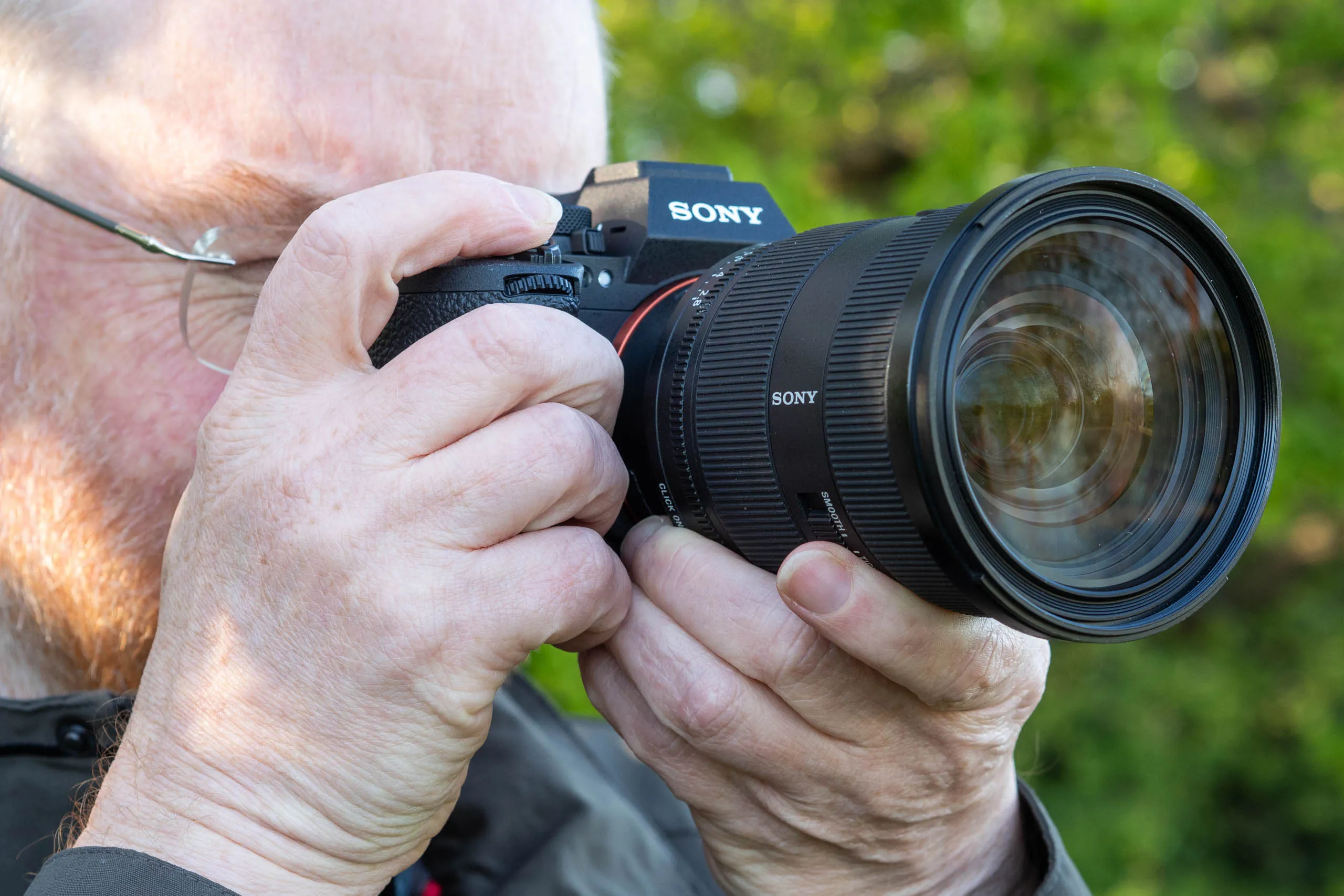
There are also some real quality-of-life improvements over Sony’s existing models. I suspect the brighter, more colourful viewfinder and larger, longer-lasting battery will grab most attention, and both are certainly nice to have. However, I found the much-improved handgrip to be equally important. I was quite happy to carry the camera around one-handed for extended periods, which isn’t something I’d ever say of the A7R V.
It’s important to note, though, that the A7R VI isn’t quite the same thing for demanding sports and action photography as the A1 II. Most obviously, the autofocus is fractionally, but noticeably less responsive. The A7R VI is still very, very good for this purpose, though, and I think most photographers will be more than happy.
I’m not sure there’s enough here to tempt portrait or landscape photographers who currently use the A7R V into upgrading, either, and maybe not even A7R IV owners. There doesn’t appear to be much meaningful improvement in terms of image quality over the older 60MP sensor, in terms of either detail, noise, or dynamic range. And I think Sony’s decision to remove any cable release option will leave some users scratching their heads – this is exactly the kind of camera that will find itself plugged into specialist controllers for such things as timelapse and astrophotography.
Despite its quirks, though, ultimately the A7R VI is yet another startlingly accomplished camera from Sony. It brings very real improvements over its predecessor, and is now much more of an all-rounder, rather than being mainly a high-res specialist. If you want the very best possible image quality available from full-frame, coupled with a very healthy dose of speed, then just right now, this is it.

Sony Alpha A7R VI: Full Specifications
| Specifications | Sony Alpha A7R VI |
|---|---|
| Sensor | 66.8MP stacked full-frame CMOS, 35.9 x 24mm |
| Output size | 9984 x 6656 |
| Focal length magnification | 1x |
| Lens mount | Sony E |
| Shutter speeds | 30-1/8000sec, up to 15min in Bulb timer |
| Sensitivity | ISO 100-32,000 (standard); ISO 50-102,400 (extended) |
| Exposure modes | PASM, Auto, 2x Custom, * |
| Metering | Multi, centre, spot, average, highlight |
| Exposure compensation | +/-5 EV in 0.3EV steps |
| Continuous shooting | 30fps 14-bit blackout-free (electronic), 10fps 14-bit (mechanical) |
| Screen | 3.2in, 2.1m-dot, 4-axis articulated |
| Viewfinder | 9.44m-dot, 0.9x magnification, DCI-P3, Auto-HDR |
| AF points | 759, 94% coverage |
| Video | 4K 120p, 8K 30p (1.2x crop) |
| External mic | 3.5mm stereo, MI-shoe |
| Memory card | 2x CFexpress A/UHS-II SD |
| Power | NP-SA100 rechargeable Li-ion, 20.9Wh |
| Battery life | 600 (EVF), 710 (LCD) |
| Dimensions | 132.7 x 96.9 x 82.9 mm |
| Weight | 713g inc battery and card |
Related reading:
- Sony Alpha A7R V review – high quality at a high price
- Sony Alpha A1 II review – crazy good, crazy expensive
- Sony Alpha A7 V review – is this enthusiast powerhouse top of its class?
Follow AP on Facebook, X, Instagram, YouTube and TikTok.