Amateur Photographer verdict
The OPPO Find X9 Ultra is the closest a smartphone has come to replacing a real camera, delivering impressive zoom, stunning image quality and pro controls in a device photographers will obsess over- Excellent image quality
- 50MP 10x telephoto camera
- Excellent RAW flexibility
- Photographer focused features
- AI-free Master mode
- Huge Battery + Fast Charging
- Very expensive
- Limited storage options for global version
OPPO’s Find X Ultra flagships have been pushing bold Hasselblad-backed camera innovation for years, and quietly produced some of the best camera phones for photographers, but they were exclusive to China. With the Find X9 Ultra, their flagship category is finally available on the global market, launching in the UK, across Europe, Asia and India.
OPPO Find X9 Ultra at a glance:
- 200MP 1x wideangle main camera, 1/1.12”, f/1.5, 23 mm, AF, OIS
- 200MP 3x telephoto camera, 1/1.28”, f/2.2, 70mm, AF, OIS
- 50MP 10x ultra telephoto camera, 1/2.75” f/3.5, AF, OIS
- 50MP 0.6x ultra-wideangle camera, 1/1.95”, f/2, 14mm, AF
- 50MP selfie camera f/2.4, AF
- 8K30p/4K120p video, Dolby Vision
- 6.8 inch QHD+ 120Hz AMOLED display, 3600nits, Corning Gorilla Glass Victus 2
- 7050mAh battery, 100W charge
As photographers, it’s no surprise that most of us want the best possible image quality, not just from our cameras but from our phones too. But more often than not, the feeling that you should slip a dedicated camera into the bag wins out as most smartphones fall short on their promise to replace one. The X9 Ultra is here to challenge that notion.
How I tested the OPPO Find X9 Ultra
I review smartphones from the perspective of choosing one for its photographic/camera performance. For this review, I focus on how the OPPO Find X9 Ultra performs across various genres such as landscape, portraiture, and macro, while also testing it under different lighting conditions. Generally, I look at how each lens performs, but also pay special attention to the headline features, such as the new 10x 50MP optical zoom and 30x teleconverter, or the revamped Hasselblad Master mode, which promises AI-free image capture. Finally, I evaluate how it fares over a full day’s shoot, weighing other aspects like screen and battery life. To consider the creator’s workflow, I look at the built-in photo editor, default photo modes, and other useful photography features.
OPPO Find X9 Ultra – Features
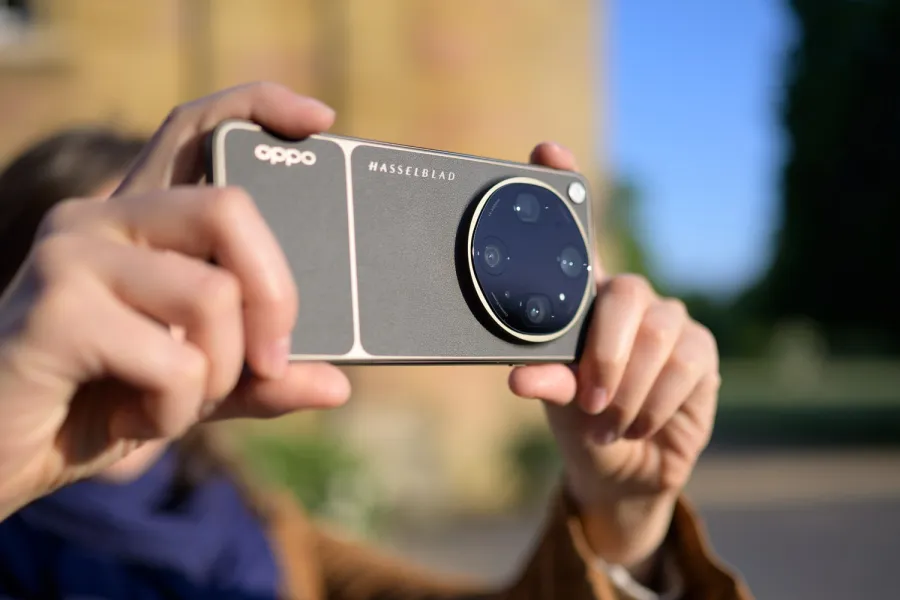
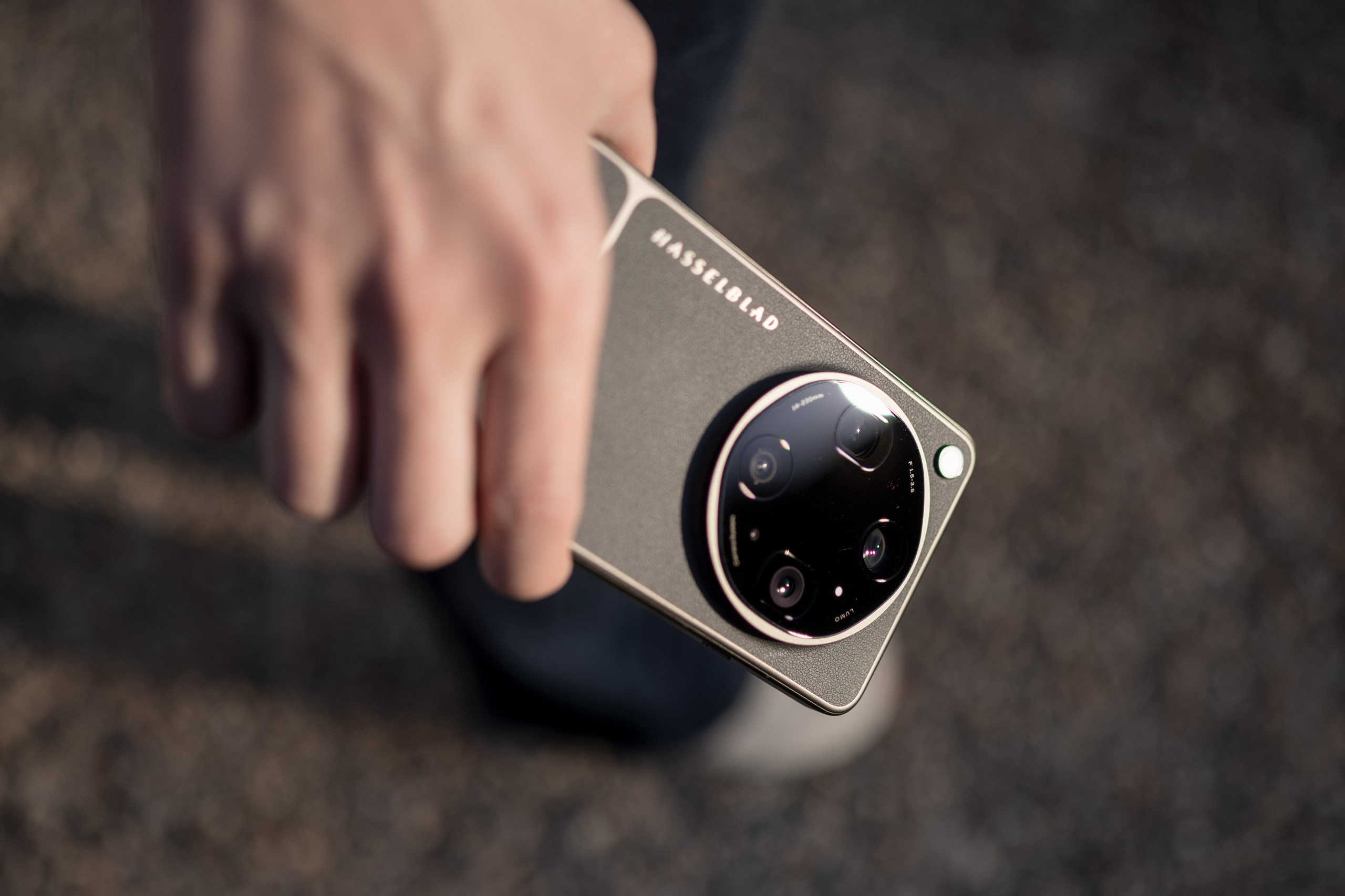
Covering a 14-230mm equivalent (0.6x to 10x) optical zoom range with a digital crop up to 120x zoom (2748mm), it is an impressive shooter. Still, with the new 30x Hasselblad teleconverter, you can push optical zoom even further, to 300mm, and digitally to 200x (4575mm). But it has not just delivered incremental upgrades to select cameras, as the big names in the game have for years, but has fundamentally redesigned what you get in its quad-camera setup.
The main 1x wide-angle camera is backed by Sony’s largest 1/1.12-inch 200MP sensor for flagships, the latest Lytia LYT901. Despite being slightly smaller than the previous 1-inch type sensor in the Find X8 Ultra, the higher resolution and brighter f/1.5 aperture promise to achieve a similar light intake. Of course, I can’t comment on this without testing the two side by side, but as you’ll see from the samples, the main lens delivers excellent results.
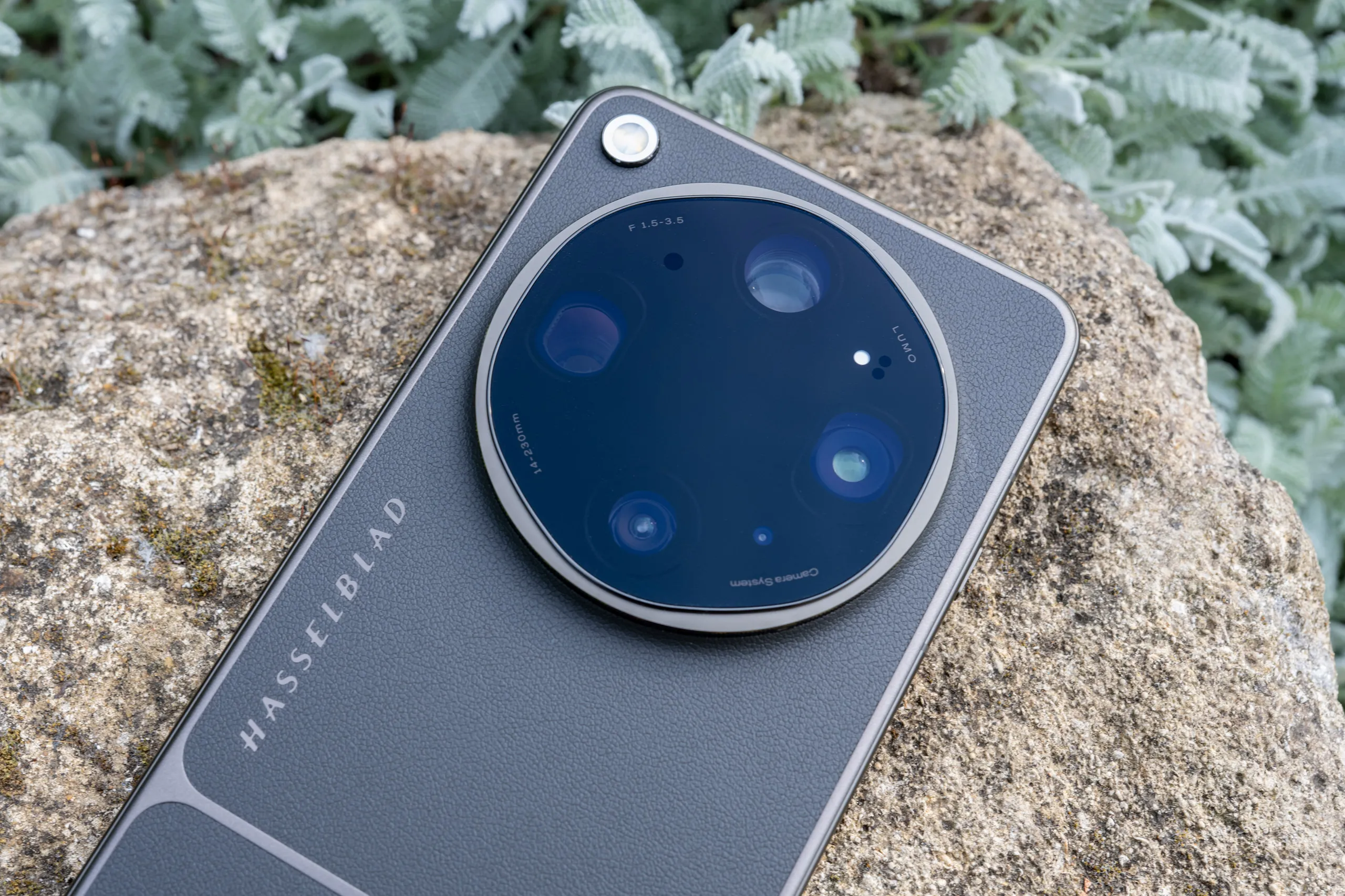
The 3x optical telephoto camera is now backed by the largest 1/1.28” 200MP telephoto sensor in a smartphone and features an f/2.2 aperture – that’s larger than most main cameras in other flagships. It also doubles as a tele macro lens, allowing close focusing down to 15cm and delivering a more natural perspective than the ultra-wide & macro combos give on most phones. You also get 6x lossless zoom by cropping into the 200MP sensor.
Without doubt, the X9 Ultra’s standout camera is its new 10x optical telephoto unit. While the Samsung S22 Ultra shook up the cameraphone market with its 10MP 10x camera, here we get the first 50MP 10x (230mm) camera in a smartphone. But, for optical zoom, you need more distance between lenses, thus more space at the back of the phone. A periscope lens is used to shorten this distance by reflecting the light’s path with mirrors, as in a periscope, but it still has limitations in length.
OPPO introduced a completely new Quantuple Prism Reflection Persicope, which essentially folds the light path five times and allows for a longer distance between the lenses for the 10x optical zoom. This long telephoto is supported by sensor-shift image stabilisation, and optical image stabilisation, while the sensor is updated to an f/3.5, 1/2.75-inch one that delivers better clarity and up to 20x (460mm)“optical quality” zoom. That’s double what the latest S26 Ultra or iPhone 17 Pro Max offers in terms of optical quality!
Teleconverter add-ons started popping up in recent years from Chinese brands like Vivo, Xiaomi and OPPO, and while I would argue that you’ll really carry one around, they do expand the usefulness of these phones. With the X9 Ultra OPPO released a 30x Hasselblad teleconverter. That’s a 300mm equivalent optical and 690mm optical-quality zoom with an f/2.2 aperture. Sold separately as part of the Hasselblad Earth Explorer Kit (more on this later) the teleconverter extends the reach of the 200MP 3x telephoto lens. Burst shooting, as well as a combined optical and electronic image stabilisation (OIS+EIS), supports this long focal length.
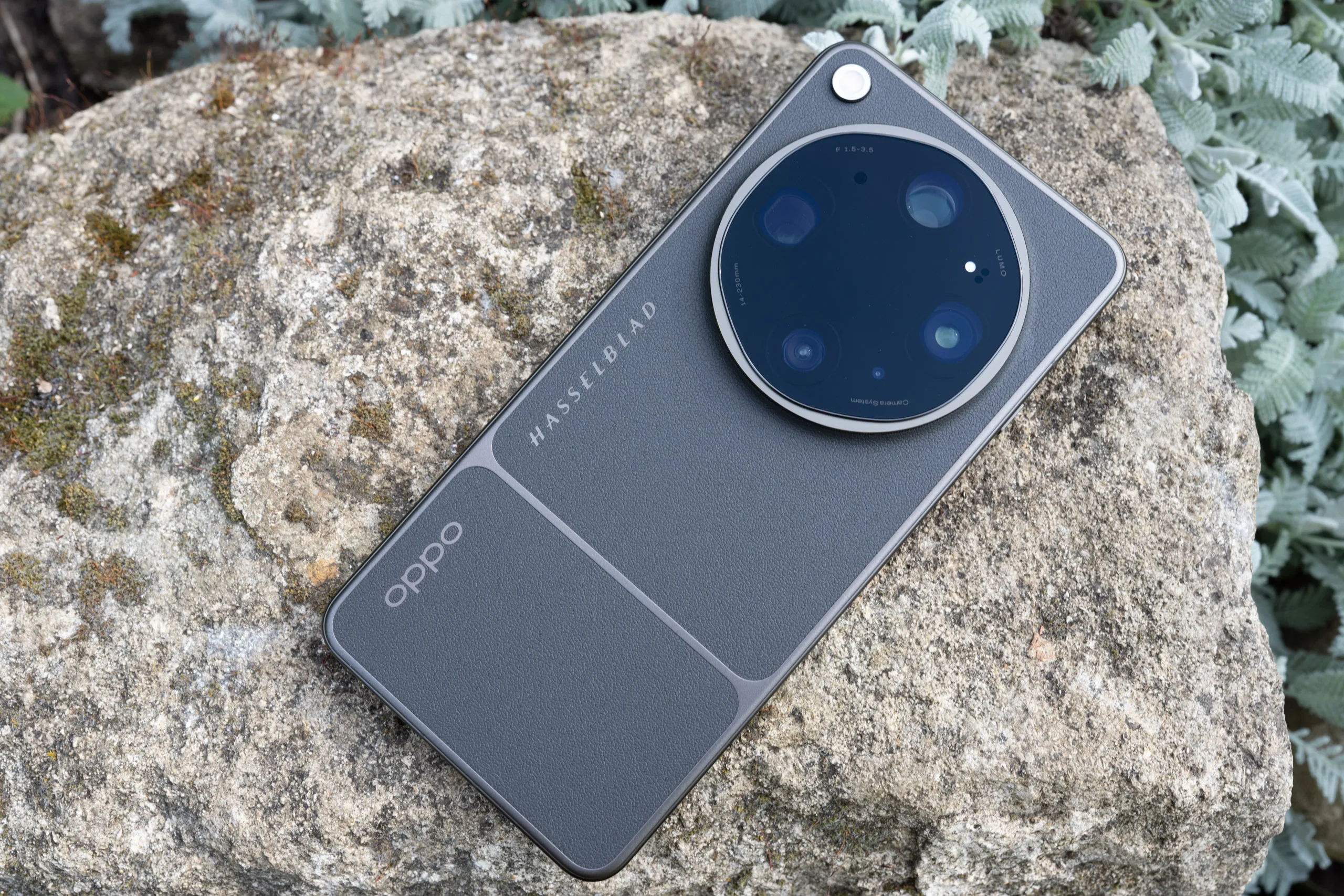
The 0.6x 50MP ultra-wide camera features the same f/2.0 aperture, but is now backed by a larger sensor, which should improve low light performance. The front-facing camera also got a higher resolution 50MP sensor with a brighter f/2.0 aperture. There’s a fifth 3.2MP f/2.4 True Colour Camera that helps capture more accurate colour information and improves dynamic range.
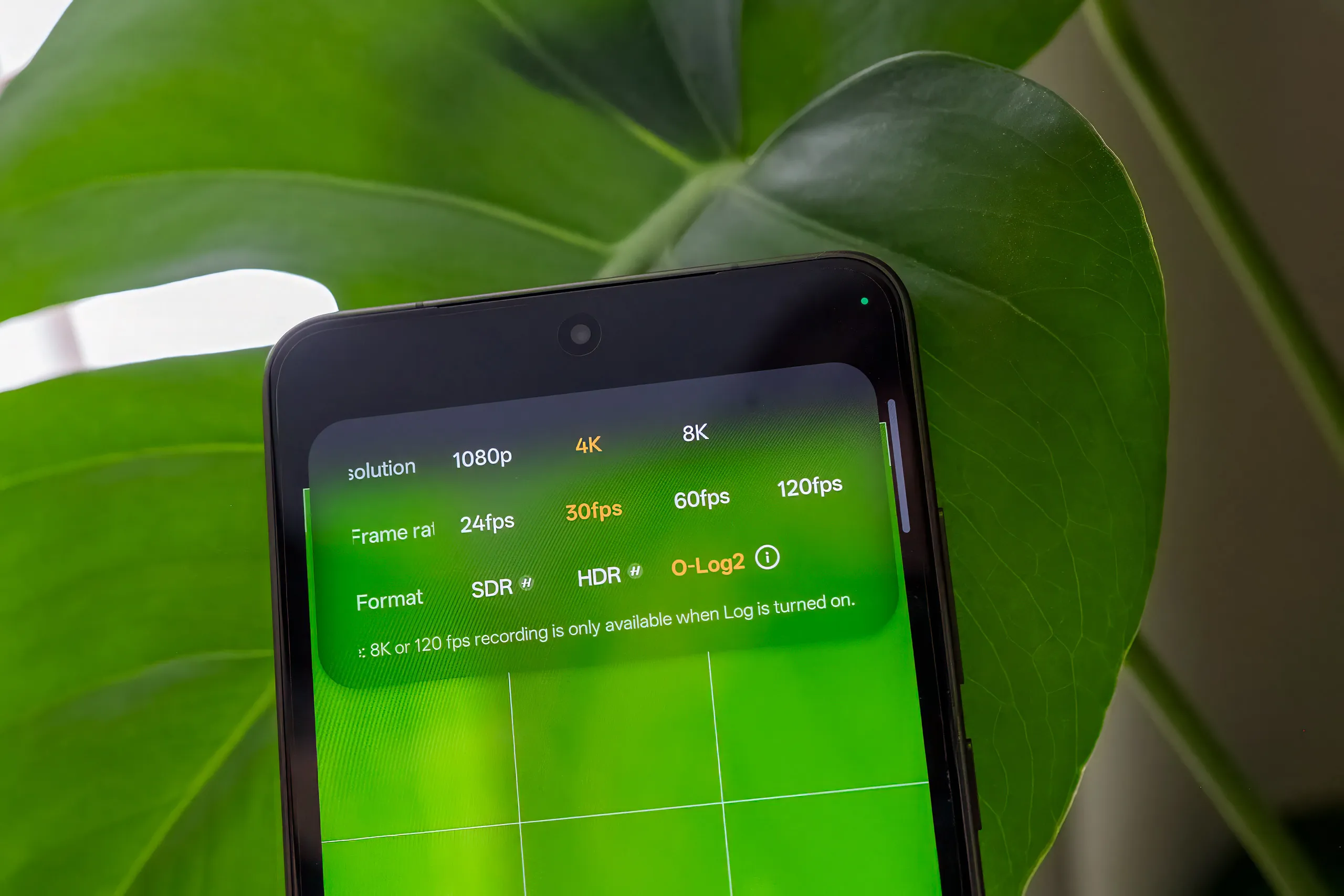
As OPPO’s highest-specced phone for video, the X9 Ultra serves as a pro tool for vloggers and video creators. Video recording is available in 8K30p and 4K120p on the main, 3x, and 10x cameras, while 4K60p is available on all cameras, including the front one. For serious video creators, O-Log2 recording is available, preserving more information and allowing for flexible colour grading in post-production. There are built-in LUTs to choose from, with live LUT preview and LUT burn-in while recording in Log. You can also import your existing LUT presets. There’s improved image stabilisation on board, with options to choose between off (for gimbal or tripod use), OIS only for general handheld use, or enhanced mode, which combines OIS and EIS to stabilise movement in extreme scenarios.
OPPO Find X9 Ultra – Handling & Design
Inspired by the Hasselblad X2D’s limited edition Earth Explorer version, the design leans heavily into camera aesthetics. There’s no denying that the X9 Ultra is a very handsome phone. Especially if you are looking at the Tundra Umber finish (no offence to those who opt for the Canyon Orange colourway, but I can’t stand the recent surge of tangerine phones). The amount of orange I can handle is exactly what the Umber is sporting. A
small shutter button accented with orange.
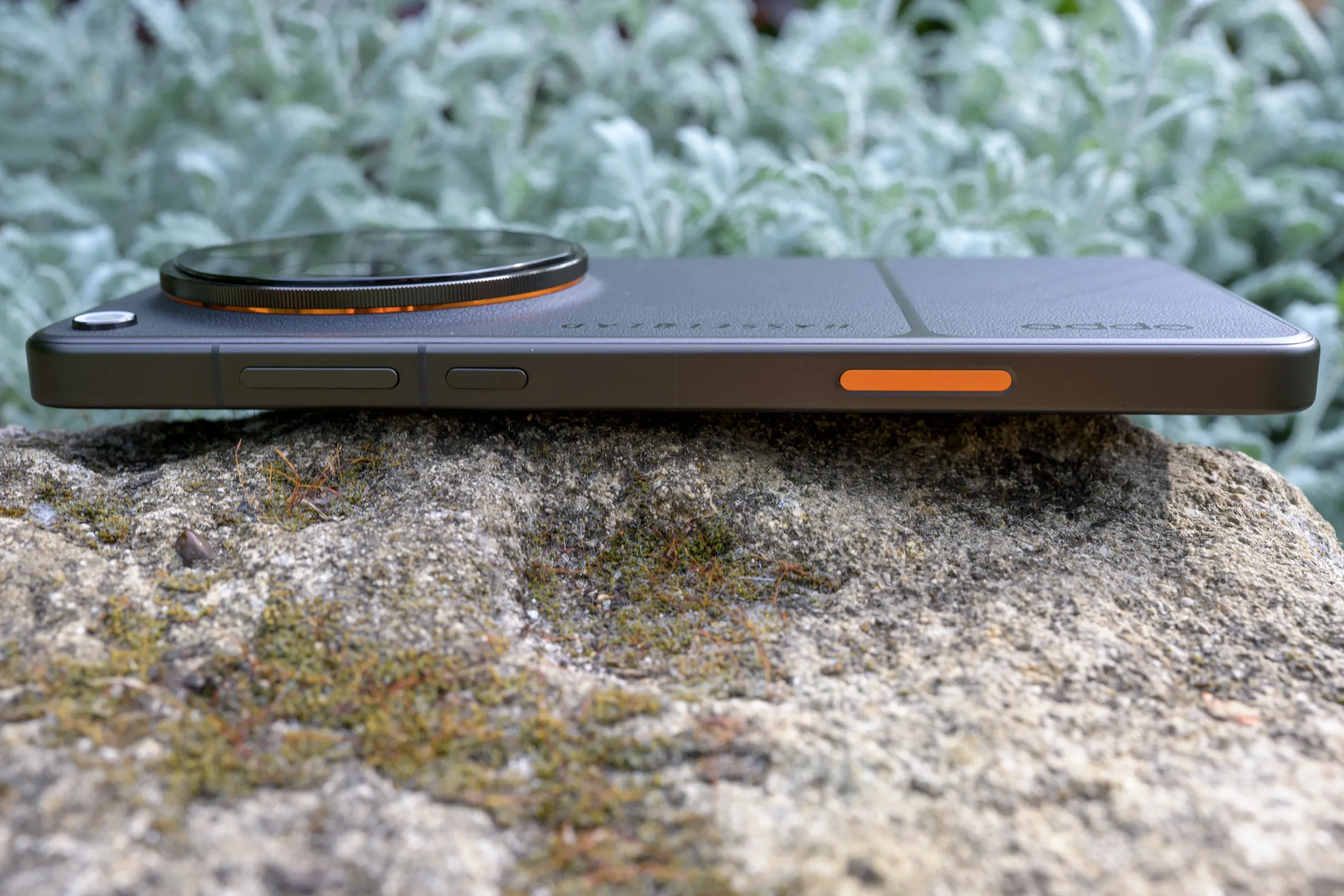
The rest of the phone is clad in a combination of vegan leather and an earthy-coloured aluminium frame. Positioned slightly higher than on the X8 Ultra, the dedicated shutter button lets you switch between cameras and zoom in and out. To use half-press focus, you’ll need the Hasselblad Earth Explorer case, part of the separately sold Earth Explorer Kit. There’s also a power button, a rocker volume button, and, on the other side, a customisable button that OPPO calls a Snap Key. By default, this opens an AI assistant that recognises and saves screen content and audio, but I’ve found it more useful to open a specific capture mode, like the Hasselblad Master mode.
Apart from looking premium, it also has serious tough credentials. With an IP68 & 69 rating, it can be submerged in water and even endure being blasted with hot water jets. And with the Gorilla Glass Victus 2 shield on the 6.8-inch AMOLED screen, it withstood being chucked into my pocket full of keys.
The 6.8-inch AMOLED screen is flat with thin bezels, with only the selfie camera breaking the surface behind a hole-punch cutout. It has a 3600nits peak brightness, which handles most sunny scenarios well. But its regular, glossier finish meant I often saw my own reflection rather than the content. If I could ask for one upgrade, a glare-reducing coating would really come in handy. That said, colours are impressively life-like, which is not surprising given the Hasselblad-backed credentials – the firm is famous for its natural colour rendition.
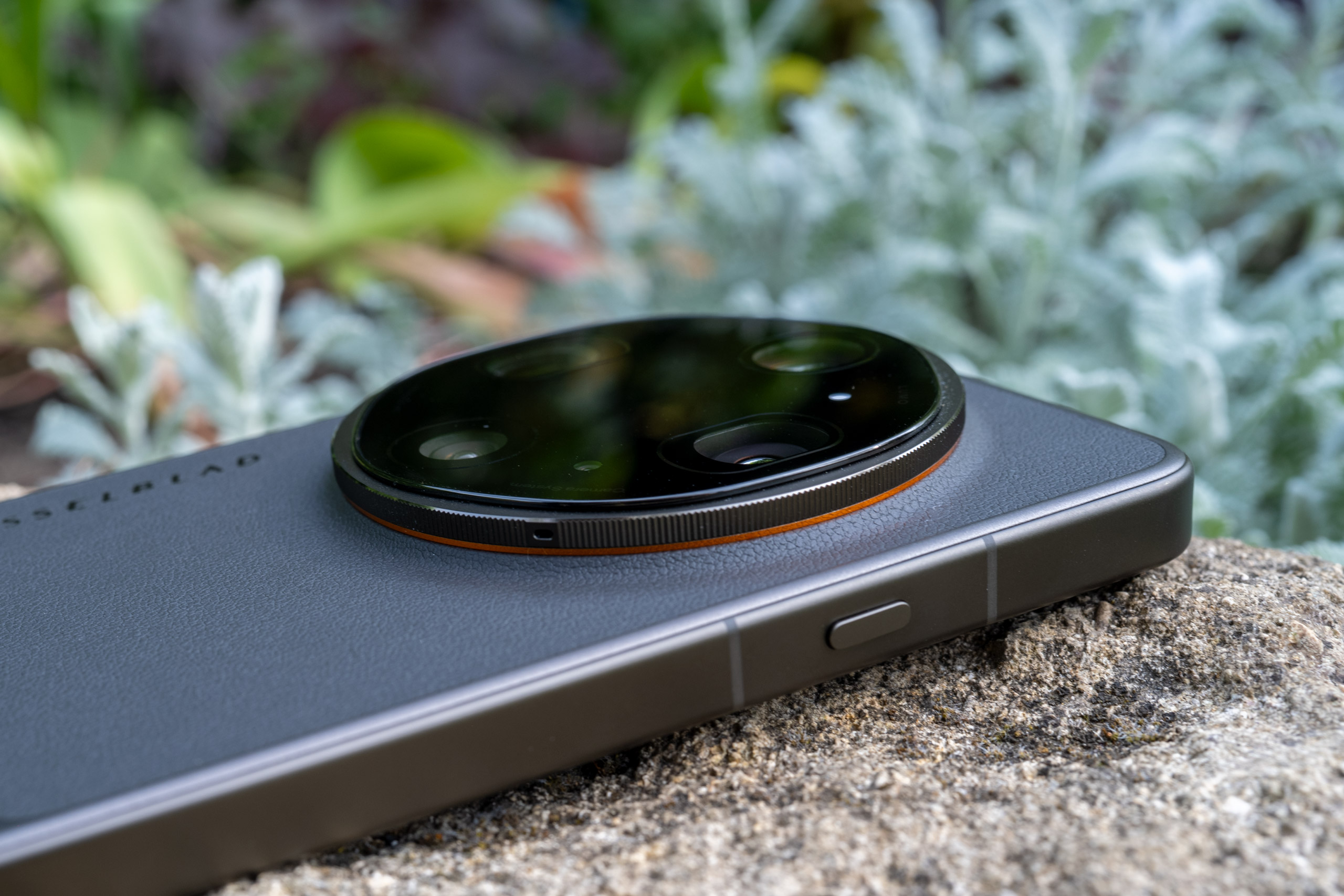
Measuring 163x76x9.1mm and weighing 236g, the X9 Ultra is comparable in size and weight to flagships like the Samsung Galaxy S26 Ultra or the iPhone 17 Pro Max, and yet thanks to its Silicon-Carbon design, it leads the group with a 40% bigger 7,050mAh battery. It also supports up to 100W wired and 50W wireless charging. During my nearly three weeks with it, I never managed to completely drain the battery; even after a full day of intensive stills and more moderate video shooting, I always had at least 20-30% charge left.
Powered by the latest Snapdragon 8 Elite Gen 5 processor (same as the S26 Ultra) and OPPO’s proprietary Trinity Engine, it delivers efficient performance for photography with no shutter lag. However, the 512GB storage option and 12GB RAM offered for the global market may be limiting for some users. If you use basic JPEG with its roughly 5MB file size, this won’t be an issue, but shooting in RAW MAX or Full-res mode, not to mention 8K videos, can fill up 512 GB more easily. Although there’s enough space for about 8000 raw images (not counting your apps), so it is not exactly small either. A Micro-SD slot would have sold this, but you won’t find one in a flagship these days apart from the Sony Xperia 10 VII. Exclusive to the Chinese market, a 16GB RAM + 1TB storage version is available; hopefully, we’ll see this added to the global X-series next year. To manage files, I’ve used the O+ connect app and OPPO Share, which is similar to AirDrop to transfer videos and images to Mac, iPhone, and PC.
Hasselblad Earth Explorer Kit
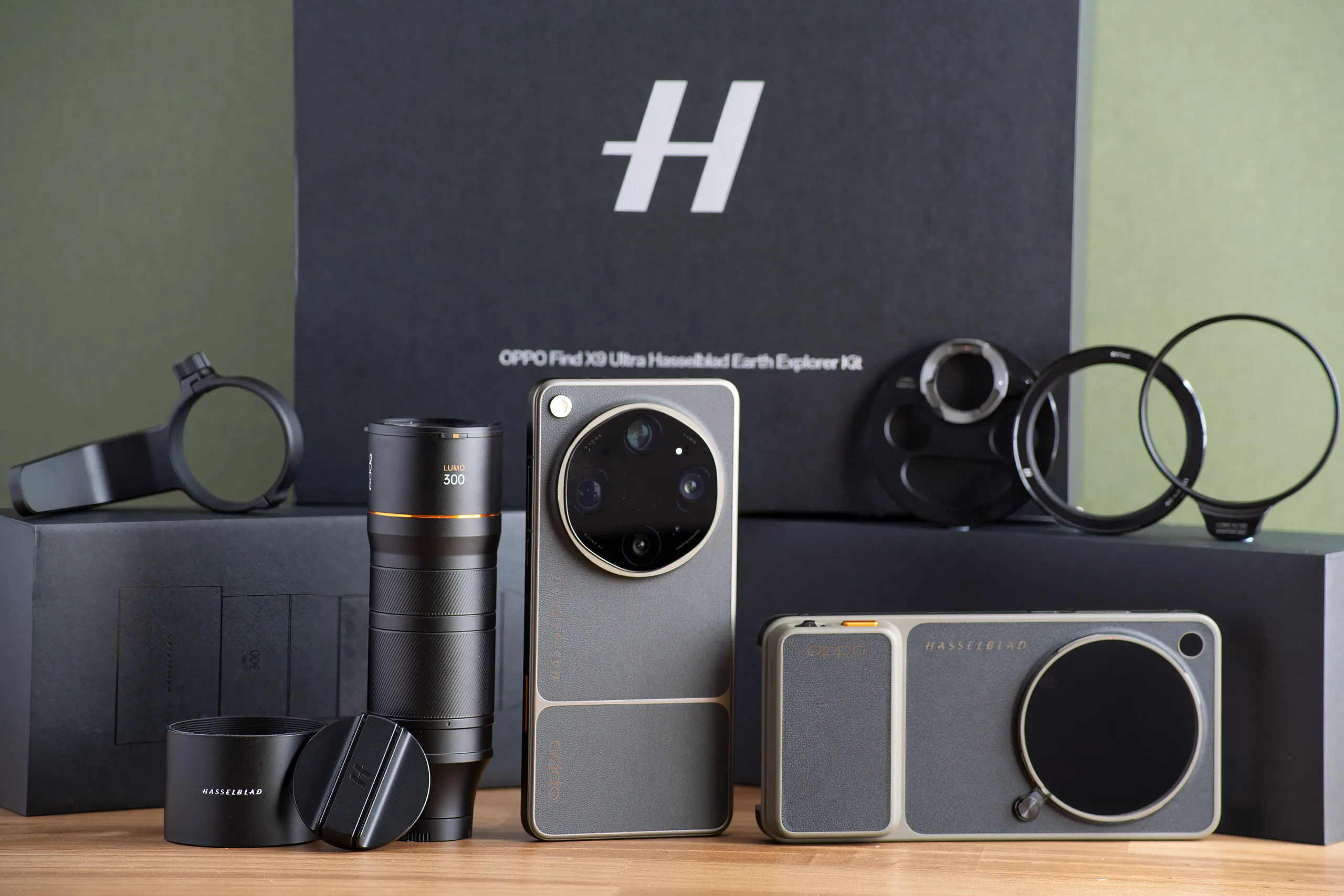
Hasselblad Earth Explorer Kit at a glance:
- 300mm teleconverter
- Teleconverter adapter ring
- Filter adapter ring 67mm
- Phone case and grip
- Lens ring
- Tripod adapter
- Price not confirmed at time of writing
The 30x Teleconverter
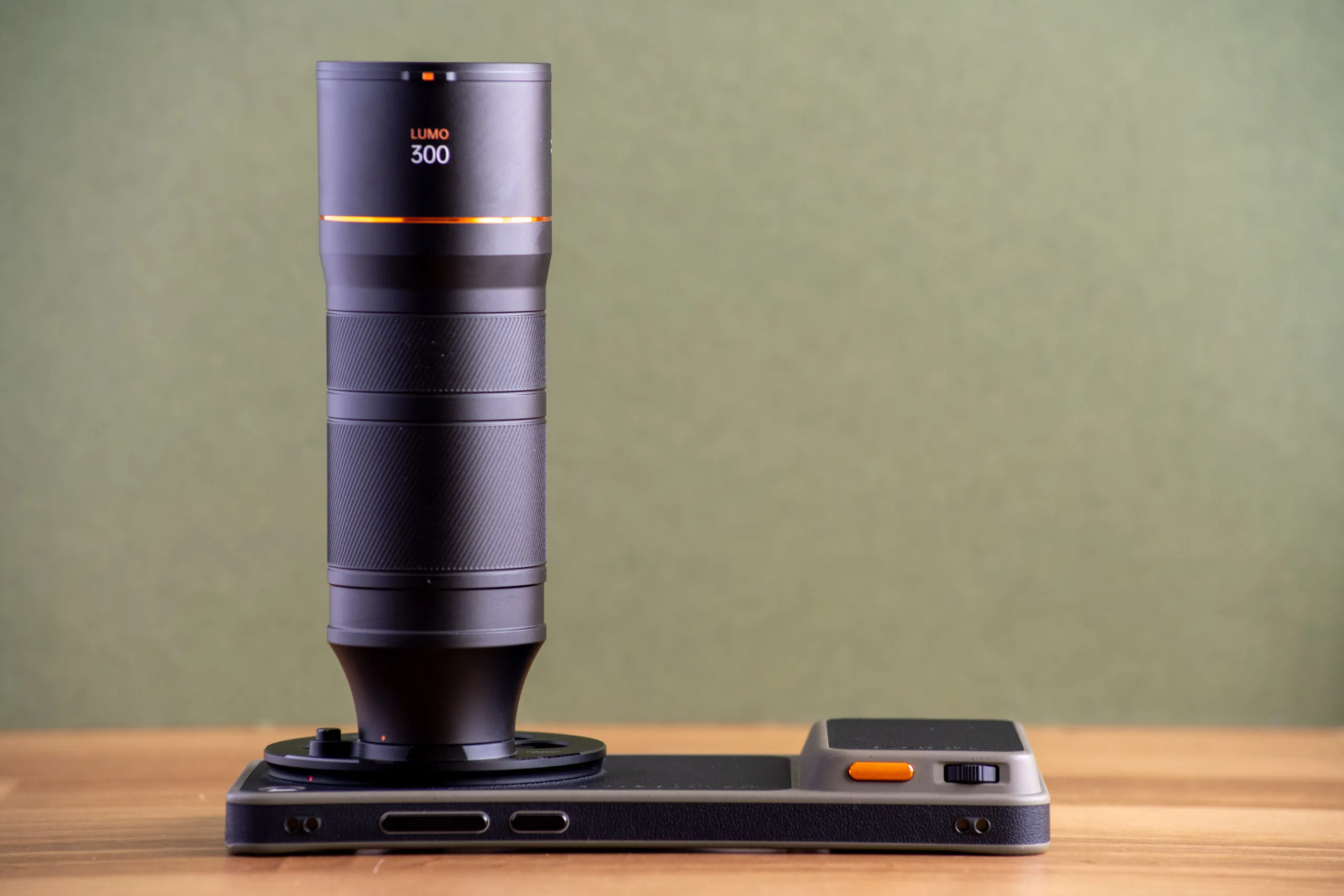
Sold as part of the Hasselblad Earth Explorer Kit, this 300mm Teleconverter attaches in front of the 200MP 3x telephoto lens and extends its reach to 30x optical zoom. With a solid metal build and metal mount, the lens feels like a serious optic, not a flimsy plastic attachment. The Earth Explorer Kit includes a dedicated case and an adapter ring for attaching the converter. The image will appear flipped on your screen until you select the Hasselblad Teleconverter mode in the photo shooting menu under the More tab.
This mode applies a specific stabilisation designed for this long focal lens, as well as correcting any distortion and flipping the view. This means there’s no fully manual mode, as this is the only mode you can use the converter with. To ease handling, it would be useful to have the lens automatically detected in future versions, rather than having to toggle the mode on manually every time.
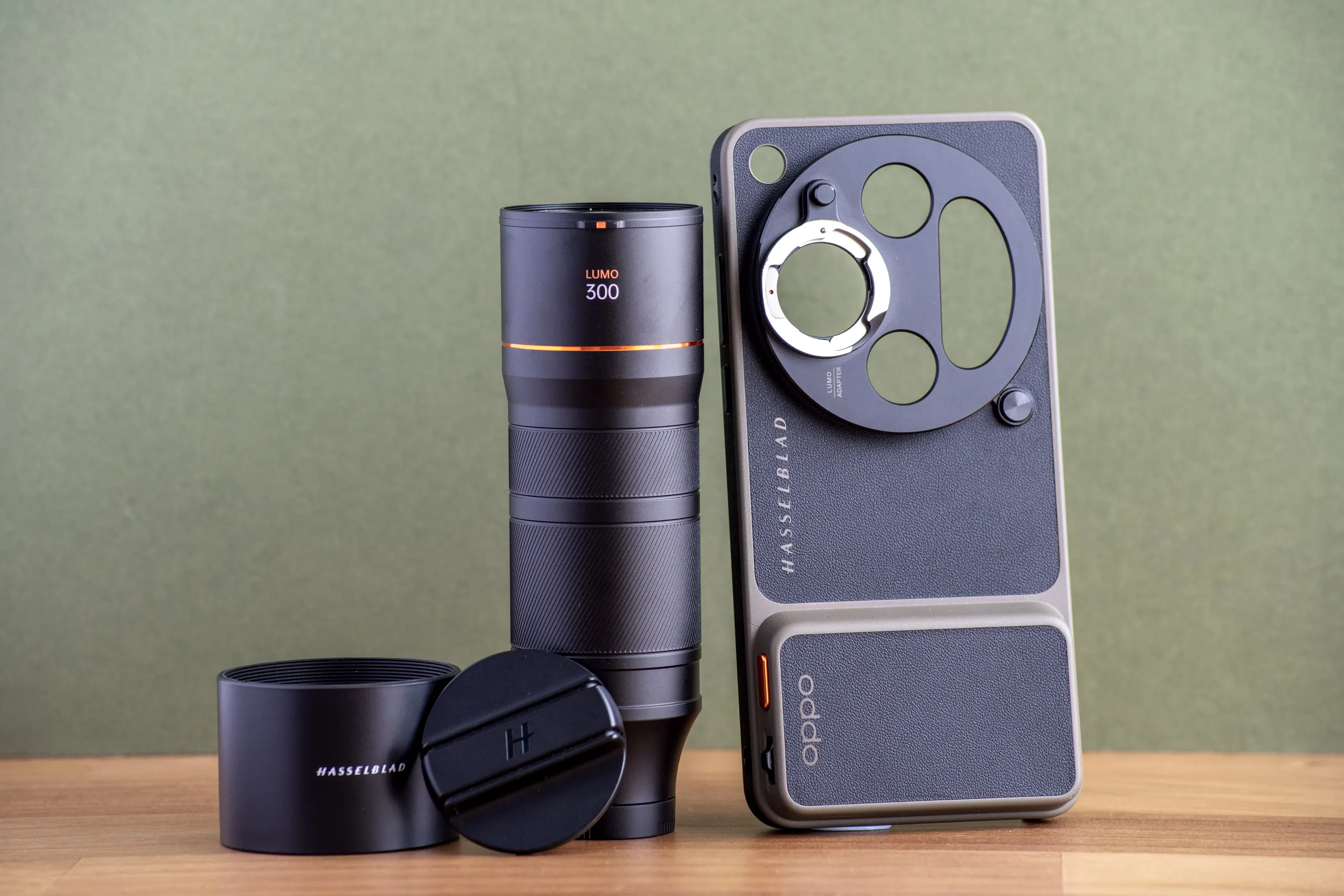
Hasselblad Phone Case
The Hasselblad Earth Explorer phone case lets you attach the adapter ring and teleconverter, and it also features a filter ring that supports 67mm ND and CPL filters. The case has a comfortably sized camera grip and a two-stage (half-press focus shutter), which brings compact camera-like handling and weight to the overall setup. Still, it was comfortable to hold one-handed and fit easily into my back pocket. The rocking zoom on the main body is something I seldom used, as the fan-shaped one on the screen was easier to reach and adjust in nuance while my finger rested on the shutter button, so I found myself not reaching for the zoom lever on the case either.
OPPO Find X9 Ultra – Native Camera App
Opening the camera app is quick: double-press the orange shutter button on either the phone or the Hasselblad case, or as I mentioned before, set the Snap Key to open your favourite shooting mode. Apart from the customary shooting modes like Auto, Portrait and Video, you also get a Hasselblad Hi-Res mode where you can shoot at the full resolution of the 200MP and 50MP sensors, but the real intrigue here is the Master mode. This is essentially OPPO’s Pro mode, co-developed with Hasselblad, and in this new version for the X9 Ultra, it intentionally omits AI-generated image enhancement to give photographers full rein.
There are nine classic film simulations (including Classic Chrome, Portra 400, and CineStill 800T) available in all modes; however, while in Master mode, they can be customised and saved as new presets.
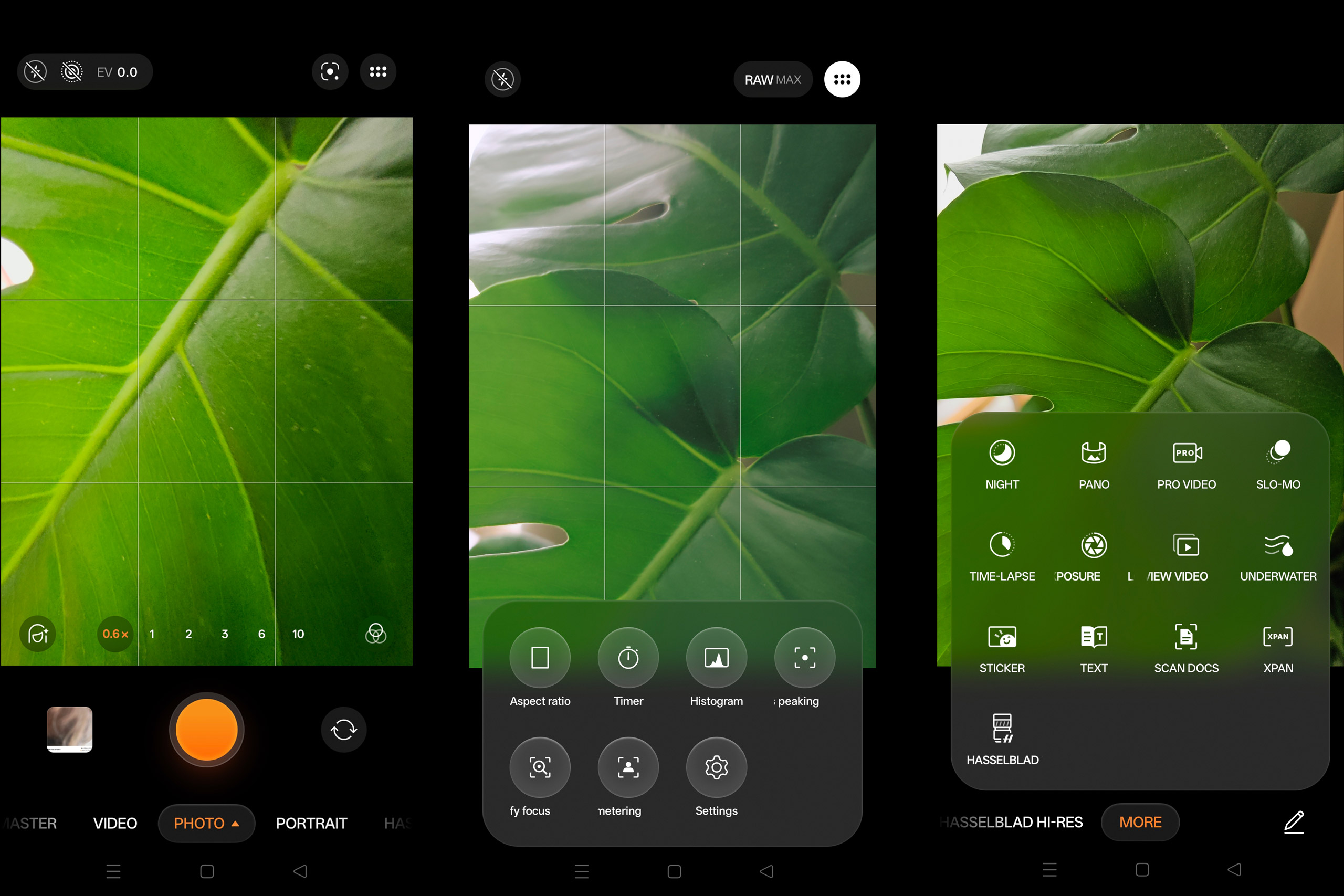
Swiping up reveals extra settings and modes like Aspect ratio, Action mode, Macro shot, auto HDR, Timer, Interval shooting, and Soft light (recommended when the subject is side-lit or backlit). In the main settings tab, there’s an option to select standard or high resolution (by default, high). Photos taken in certain modes, however, may be saved at lower resolutions depending on the available light and focal length.
You can choose to preserve the last used settings which is great for Portraits if you have a preferred look with a certain amount of bokeh. Also if you find the default 1x (23mm) ultra-wide focal length a little to wide for your taste you can opt for 1.2x (28mm) or 1.5x (35mm). An adaptive telephoto mode automatically switches between lenses as it detects the scene, but you can toggle it off to choose which lens suits your subject best.
Tricky lighting scenarios with both very bright and very dark parts in a frame are handled by HDR, which combines multiple separately exposed images to create a balanced exposure. OPPO’s ProXDR uses real-time triple-exposure technology to deliver a higher dynamic range.
As a homage to Hasselblad’s iconic 35mm XPan rangefinder, there’s an XPan mode for Panoramic shooting, with eight film simulations and an exposure compensation dial. It is fun to use, but for more flexibility and to bypass the film-negative processing effect that occurs after every photo, I recommend switching to master mode and setting the aspect ratio to widescreen to achieve the same results.
Now, to my favourite part.
The Hasselblad Master Mode
In the age of AI, where photographers fight to prove the authenticity of their images, most would refrain from using phones professionally, as they worry about generative AI sharpening. The updated Hasselblad Master mode is exclusive to the rear cameras and not just gives you pro handling of adjustments, but also features a separate imaging pipeline which is free from generative AI.
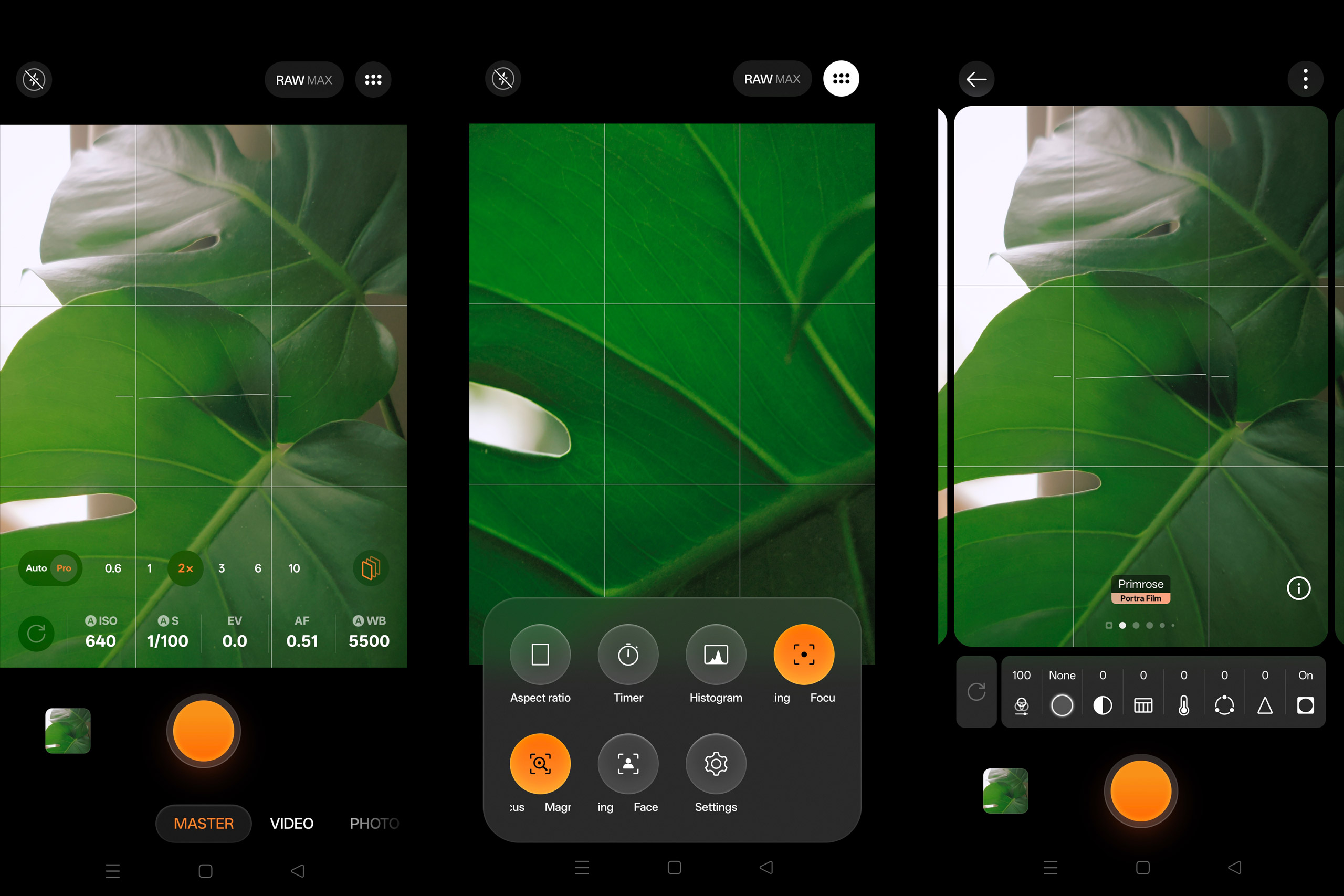
There’s little reason to leave the Auto option as it works great in almost all scenarios, but in low light or tricky lighting situations, you can dial in your preferred settings by switching to the pro option. The Manual mode offers a very versatile Pro handling with full control over exposure, focus and white balance, separate metering and focus point settings, and even a focus peaking option. Each value can be set to Auto individually while you manually adjust the rest. You can also choose between JPEG, JPEG MAX, RAW and RAW MAX formats. RAW MAX gives more latitude to edit in apps like Snapseed or Lightroom but keep in mind that you are shooting in 52MB file size!
While the standard Hasselblad colour option produces beautiful, true-to-life colours, I have been guilty of shooting almost exclusively in the Primrose filter, which is inspired by the Portra film stock because of its nostalgic quality and how it complements greens and city scenes. Another recommendation from the fifteen available colour filters here is the Bold B&W one, based on the TX400 filmstock, excellent for high-contrast and street photography scenes, layered landscapes and cityscapes, as well as classic B&W portraits.
OPPO Find X9 Ultra – Image Quality & Performance
Hasselblad would not back a camera system on a whim, and it shows when you look at how naturally the X9 Ultra handles colours throughout the shooting modes and focal lengths. White balance is on the spot, while in HDR images (in our case OPPO’s XDR) there’s plenty of detail in the shadows, and highlights without looking unnatural and over-edited. Not surprisingly, colours match evenly between the cameras.

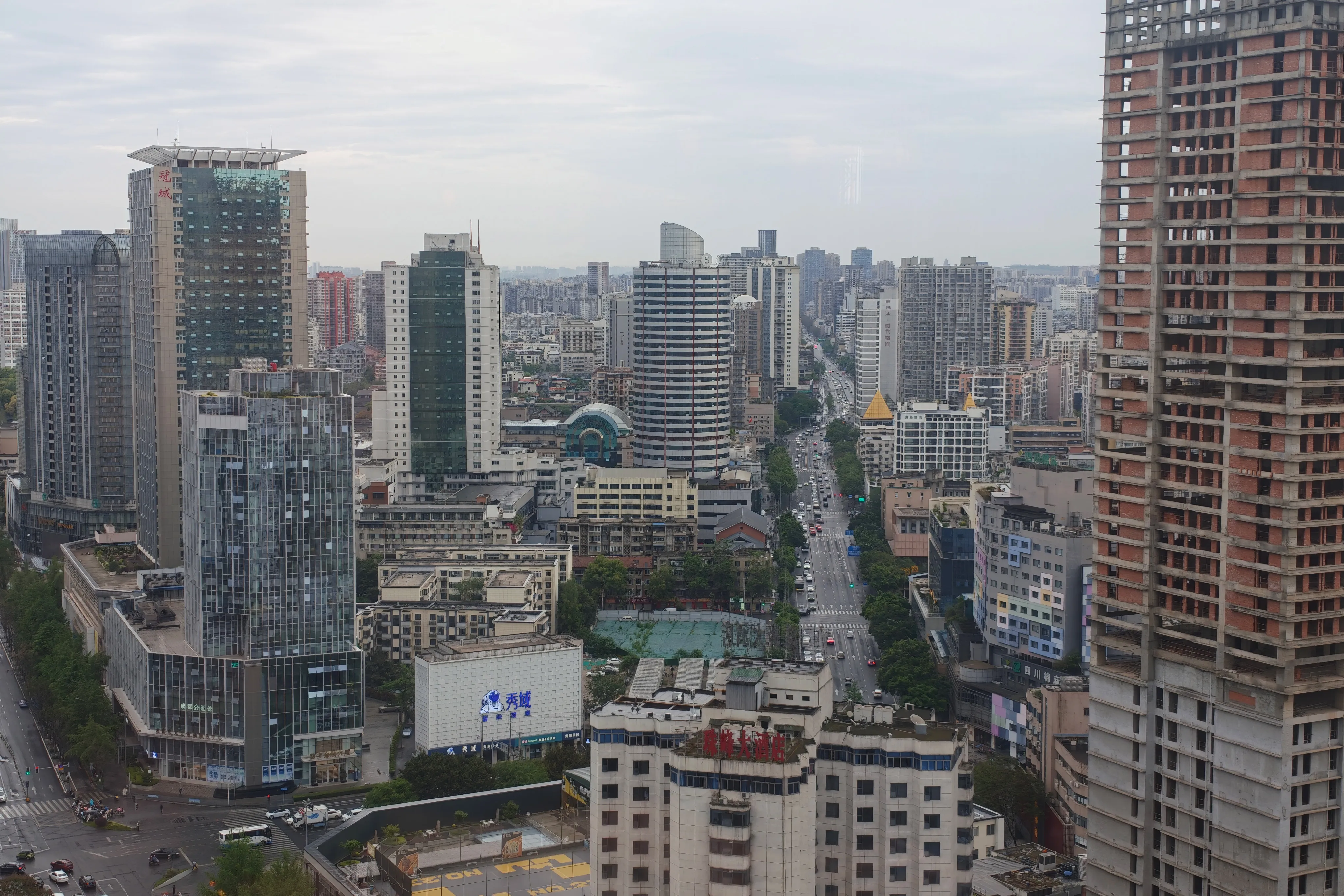

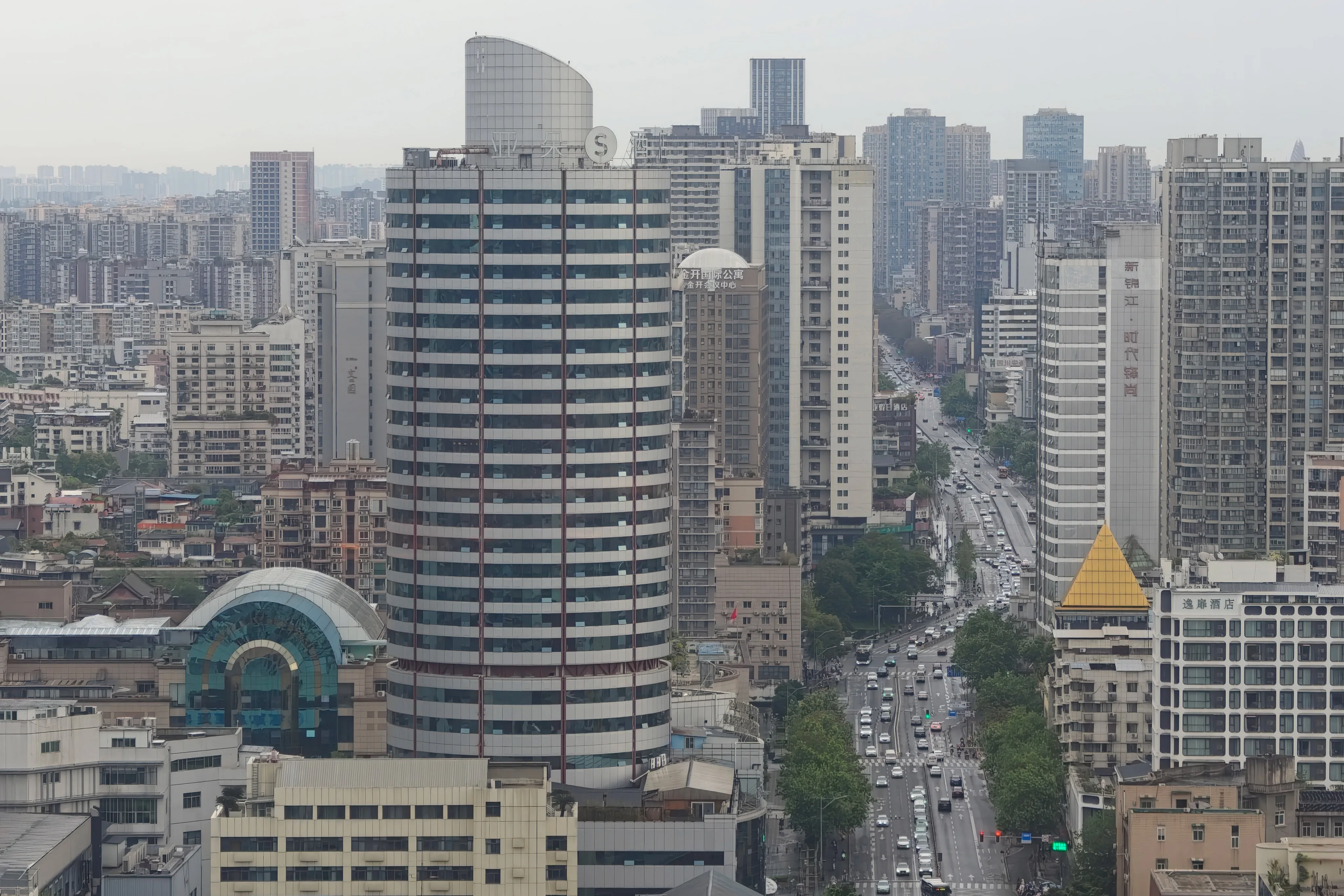

The ultra-wide-angle lens, as is usually the case, is the weakest performer, with some chromatic aberration present towards the corners. But even with this optical downside it is a very strong performer, delivering more than pleasing results.

At long focal lengths the tiniest hand shake looks like an earthquake, but the sensor shift stabilisation is superb, and even when zoomed to the limit, the image floats steadily. At 20x (460mm equiv.), OPPO claims “optical quality” images, I was looking for oversharpening and the typical “drawn in details” but even at 20x results are very much usable, that’s not to say there’s no sharpening or AI involved, but results look sharp and pleasing, the only giveaway being when I zoomed in on far away text – but even there it made a better job at actually deciphering the letters than creating a new alien language like others do.







The digital crop options like the 120x is more like a marketing gimmick in any flagship rather than a reliable focal length. You’ll obviously see AI kicking in to sharpen things, but to show just how good the stabilisation is look at the comparison below. You would barely see the individual leaves on that tree, albeit a fly on them. And yet while using the X9 Ultra in…
At 30x, results are crisp and full of detail, and even at 60x, crops are usable. Beyond this, despite the Hasselblad label, AI sharpening is more pronounced, with natural details and textures that are largely unnoticeable, but zooming in on text is a dead giveaway.


Whether you use the dedicated portrait mode or the Hasselblad master mode the X9 Ultra produces the most true to life skin tones I’ve seen on any cameraphone so far. Skin is not overly smoothed out, or looks processed in the Portrait option. The 6x zoom is equivalent to 139mm, which is a flattering focal length to compress features as well as bring the background in closer. The 70mm 3x optical zoom delivers natural portraits, while at 47mm/2x you can include more of the surroundings.

Depth-mapping is top-tier, accurately separating the subject and background so the subject doesn’t look like a cutout pasted in front of a scene. Hair and glasses are recognised easily and rendered with a natural looking outline. It recognised faces, locking and tracking movement accurately, even when the subject moved. Autofocus supports the front camera for sharp selfies.

For quick macro shots, using any lens, moving roughly 15cm close to any subject, the macro mode indicator appears on the left of the screen toggle this on for close focusing. The 1x main (23mm) camera provides a more natural perspective than the iPhone’s wide-angle lens and better background separation too. The 3x telephoto camera was my go to for macro in most cases like the photo of the bee in this article. While the 10x optical telephoto can get you closer to things, it will switch back to the 3x lens with a crop if you toggle on macro mode.
There is a second macro mode: swipe up from the bottom of the screen to choose Macro shot. Here, you can manually adjust the out-of-focus areas and decide whether you want full background blur or full clarity.



Low light and Night photography is solid under all the cameras in Auto mode, but hidden under the more tab a Night mode delivers very similar results but seems to freeze motion slightly better at night.

OPPO Find X9 Ultra – Value for money
Overall the X9 Ultra brings enough to the table to warrant an upgrade over the X8 Ultra if you managed to somehow bag one. In the UK, pre-orders for the OPPO Find X9 Ultra open on 8th May at £1,449. Although there’s still no sign of the Earth Explorer Kit on their official storefront. At first, the price may seem ambitious, but if you look at the competition and the superb quad-camera setup it offers, it looks like a more balanced story.
The 512GB Xiaomi 17 Ultra starts at £1,299, while Samsung’s Galaxy S26 Ultra also begins at £1,299 before climbing to £1,499 for the 1TB version. Apple’s iPhone 17 Pro Max matches the Find X9 Ultra at £1,449, and Leica’s niche Leitz Phone with 1TB of storage pushes even higher at £1,799 — albeit with its unique manual zoom ring appeal.

OPPO phones don’t retain their resale value as well as other big names; the fact that they only committed to 5 OS upgrades and 5 years of security updates doesn’t help their case either. The kind of long-term software support buyers expect from premium flagships is set high as Apple and Samsung offer 7 years.
For a device that combines cutting-edge imaging hardware and arguably one of the most ambitious mobile camera systems currently available, the X9 Ultra is a genuine ultra-premium alternative to compact cameras.
OPPO Find X9 Ultra – Verdict
The OPPO Find X9 Ultra is the closest a smartphone has come to replacing a real camera.
This is, without doubt, one of the most capable camera phones currently available. Not because it simply produces sharp images — plenty of phones do that now — but because it genuinely feels designed for people who care about photography. From the natural Hasselblad colour science and AI-free Master mode to the consistency across focal lengths, the X9 Ultra behaves more like a compact camera system that happens to be a phone.

Its greatest achievement is the confidence it gives you, shooting landscapes at 14mm, portraits at 70mm, wildlife at 230mm or even pushing into 20x zoom territory, image quality remains consistently excellent. After more than two weeks of using the X9 Ultra as my primary photography device, I rarely found myself wishing I had brought a compact camera instead. The convenience of carrying a 14-230mm equivalent optical range in your pocket, backed by strong RAW flexibility, reliable stabilisation and genuinely usable pro controls, is unbeatable.
Of course, £1,449 cements it in ultra-premium territory, and the 512GB global storage option may frustrate serious video shooters. The optional Earth Explorer Kit also feels more niche than essential for most users. But if you are considering buying both a flagship smartphone and a compact camera, the X9 Ultra makes a compelling case for replacing both with a single device.

Related reading:
- I test phones for a living – These are the best camera phones in the world right now
- The best camera phone accessories for stills and video
- Are retro compact cameras an antidote to anxieties over AI?
OPPO Find X9 Ultra – Full Specifications
| Specifications | OPPO Find X9 Ultra |
|---|---|
| Main, wide-angle camera | 200MP 1/1.12’’ F1.5 AF+OIS (23mm) |
| Telephoto camera | 200MP 1/1.28’’ F2.2 AF+ Prism OIS (70mm) |
| Telephoto camera 2 | 50MP 1/2.75’’ F3.5 AF+Sensor Shift (230mm) |
| Ultra-wide camera | 50MP 1/1.95’’ F2.0 + AF (14mm) |
| True Colour Camera | 3.2MP Spectral Pixels 5.5x Dynamic Range |
| Selfie camera | 50MP 1/2.75’’ F2.4 (21mm) |
| Video | 8K30p, 4K/120/60/30p O-Log2 |
| Battery | 7050 mAh, 100W wired, 80W wireless charging |
| Screen | 6.82 inch AMOLED screen 1-120Hz (144Hz) 3600nits, Corning Gorilla Glass Victus 2 |
| Processor | Snapdragon Elite Gen 5 |
| Storage | 12GB RAM +512GB |
| Operating System | ColorOS 16.0 |
| Dimensions | 163.16 x 76.97 x 8.65mm (Canyon Orange) 163.16 x 76.97 x 9.10mm (Tundra Umber) |
| Weight | 235g(Canyon Orange) 236g(Tundra Umber) |
| Dust and water resistance | IP68&69 |
Follow AP on Facebook, Instagram, YouTube and TikTok.