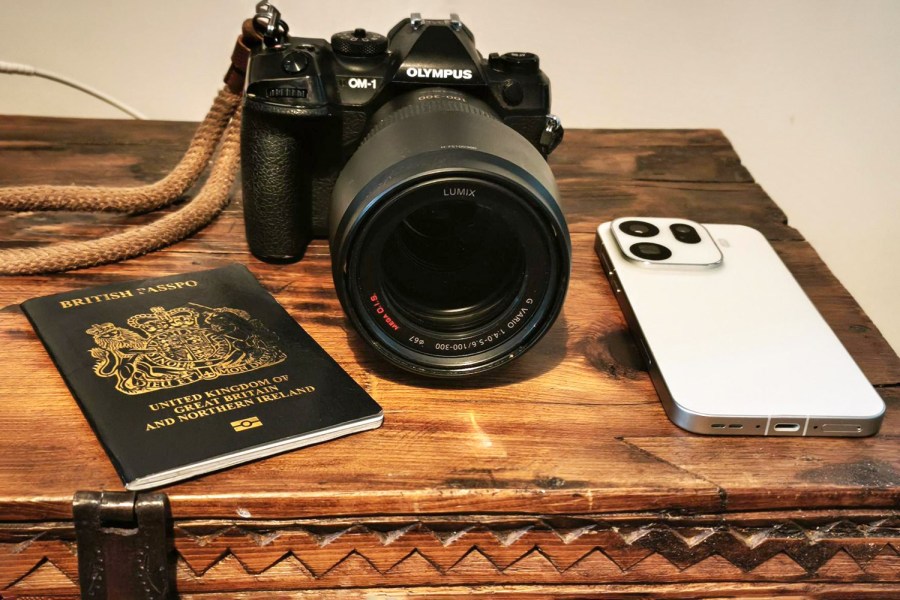
If you are planning a winter break overseas, or your next big summer break, do you still need to take along a clanking bag of cameras, or can you now get away with only taking your phone?
I am a keen travel photographer who’s had some success in competitions and getting my images ‘out there,’ so while I am certainly not blowing my own trumpet, I have a pretty good idea of what it involves.
Have camera and phone, will travel
Travel is the one genre I keep returning to time and time again as it encompasses a lot of the other disciplines – landscapes and cityscapes, portraiture, street, and so on. Being a travel photographer also gets you up early, so you beat the crowds, and it can often be a good way of interacting with locals. Wherever go you in the world, it can really enhance your trip.
When planning this article, it struck me how much phone technology has advanced in just the last 10 years. Just a decade ago, most travel photographers would have scoffed at the suggestion that they trade in their camera gear for phones, but it’s a different story these days.
The camera performance of the best iPhone and Android phones gets better by the year, particularly when it comes to resolution, and autofocus has also really come on. Not to mention the great leaps forward in computational photography and AI and the wide choice of editing apps.
So let’s quickly recap on the respective benefits of phones and cameras before coming to a conclusion.
Phones: your camera is always with you
To reheat the old chestnut, the best camera is the one you have with you, and it’s so true with phones. Regardless of where we are travelling, most of us keep our (charged) phones on us at all times – particularly so if you are a solo traveller heading off the beaten track or visiting a slightly ‘hairy’ destination.
With camera gear, however, you need to make a conscious decision to pack it, carry it, and keep an eye on it at all times. This adds an extra layer of hassle and sometimes, worry. I once left my camera bag in a locker room outside the Golden Temple in Amritsar, India.
Thankfully it was still there when I returned, sweating, five minutes later, but it’s unlikely I would have been so careless with my phone. Like most people, I compulsively check it’s in my pocket before heading out, and even more so overseas.
Lugging around camera gear and tripods can also be wearing in hot (or cold) weather.

Easier to take on planes
I like to travel light when flying; I resent paying the exorbitant extra baggage charges from budget airlines, and several big names (yes, I mean you, BA) have lost my checked-in bags more than once.
Trying to squeeze a camera body and several lenses into small cabin bags can be a pain, and while I can wear a jacket or coat with deep pockets, it makes me look like a shoplifter. With a powerful phone, even with an add-on lens such as the Hasselblad Teleconverter for the Oppo Find X9 Pro, there is no such hassle.
Furthermore, some officious airport-security staff still make you remove your camera gear out of your bag before getting it scanned, another annoyance if you are pushed for time.
Easier for quick street photography
One of the joys of travel photography is being able to capture local street scenes as they unfold, and it’s often much easier to get the decisive moment with a phone. You are less likely to get noticed and challenged for whatever reason (although when shooting in landscape format, it’s harder to pretend you are simply checking your messages).
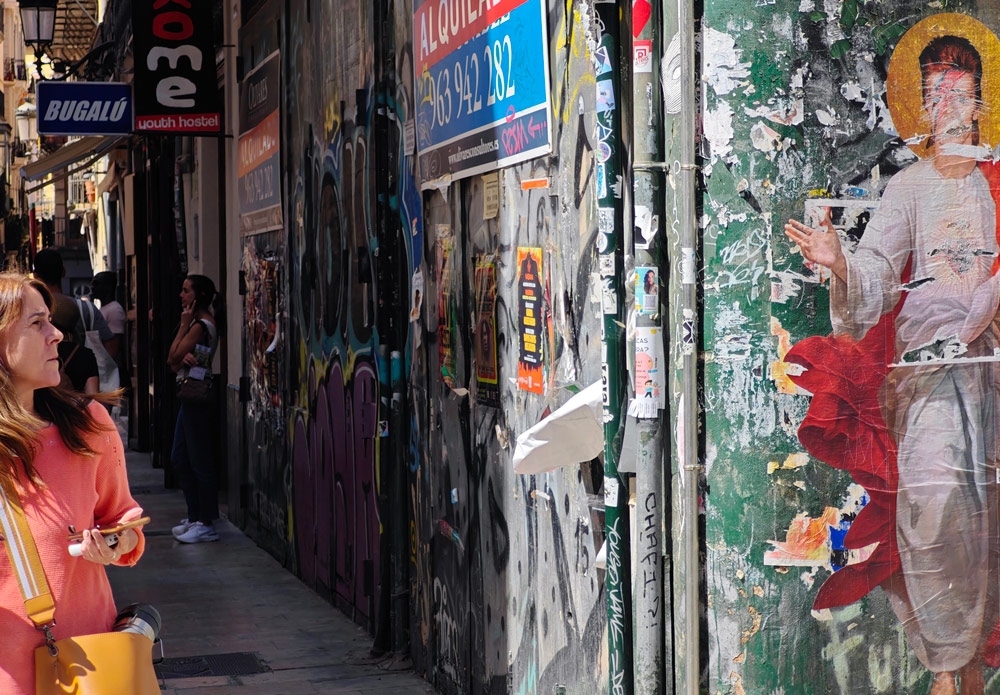
Phones can come in handy on the street in other ways, too. When I get tired of being hassled in a busy market/souk/entertainment area, I glue my phone to my head and pretend to be taking a call!

Easier for quickly sharing shots
With so many excellent apps now available for editing phone images – my favourites are Snapseed and VSCO – it’s so much easier to share your images with the world. Yes, you can edit camera pictures on your laptop in a café or back at the hotel, but it slows everything down.
Sometimes, after a tiring day of shooting, you want to relax and socialise, not be pushing Lightroom sliders around. The same goes with editing video, particularly as some of the quick and easy AI-powered video tools in smartphones make editing your footage so much easier. Pretty much all modern phones can now record video in high-quality 4k, too.
Time-saving special effects
I don’t tend to see the long exposure modes on phones mentioned much by fellow photography pundits, but they are getting better and better. I often use the long exposure settings on phones to blur crowds for example, as it’s easier than mounting your camera on a tripod or praying the image stabilisation keeps everything else in the shot acceptably sharp.
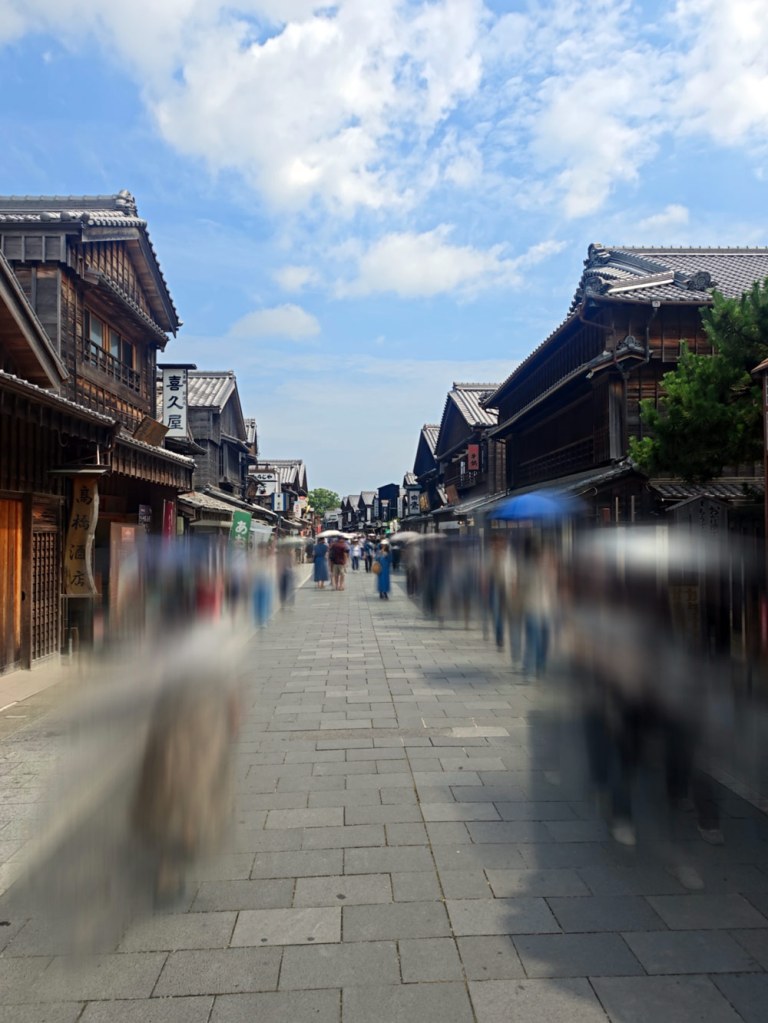
Pixel peepers will doubtless find fault with long exposure effects from phones, but I for one am impressed. With over-tourism an increasing problem, it’s great to be able to quickly blur out the sunhat-wearing mob in a photogenic hotspot.

The advantages of cameras
So, what about the specific advantages of using a camera, rather than a smartphone, for travel photography?
Lens choice
However good smartphone cameras are these days, nothing beats access to a choice of quality, dedicated glass. As a Micro Four Thirds user, I can take along a range of optically excellent lenses without them weighing me down.
Fast, ‘workhorse’ zoom lenses, with a 24-70mm or 70-200mm focal length, give lots of flexibility, and I am less likely to be disappointed with the quality of that ‘best shot of the trip’ when I review it later on the computer.
Most smartphones have limited optical zoom capabilities, too; their digital/AI zooms, while a lot better, still lag behind dedicated camera lenses when it comes to optical quality.

Fast lenses are also great for selective focussing, particularly blurring out the background while keeping the subject of your travel portraits sharp. Yes, you can achieve faux-bokeh effects on phones thanks to computational photography or AI, but it never looks quite as good. On the upside, many ultra-wide phone cameras are great for landscapes and cityscapes where you want deep depth of field, so it’s horses for courses.

Autofocus power
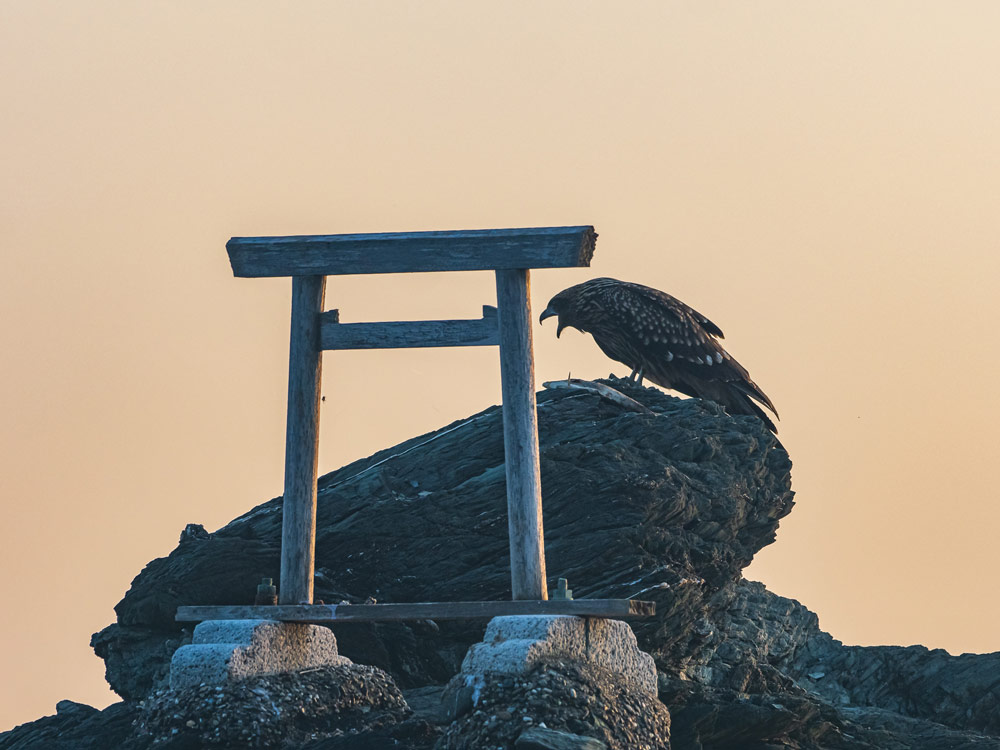
Even very affordable mirrorless cameras now come with a comprehensive range of autofocus options, both for still and moving subjects. The bird subject detection on my Olympus OM-1, for instance, has proved invaluable on numerous occasions, and that camera is now relatively old, coming out in 2022.
Again, while smartphone AF options have got a lot better, they still have some way to go (although I continue to be blown away by the fast and accurate AF on the Xiaomi 14 and 15 Ultras, for example, both of which also have 1-inch sensors).
Sensor size
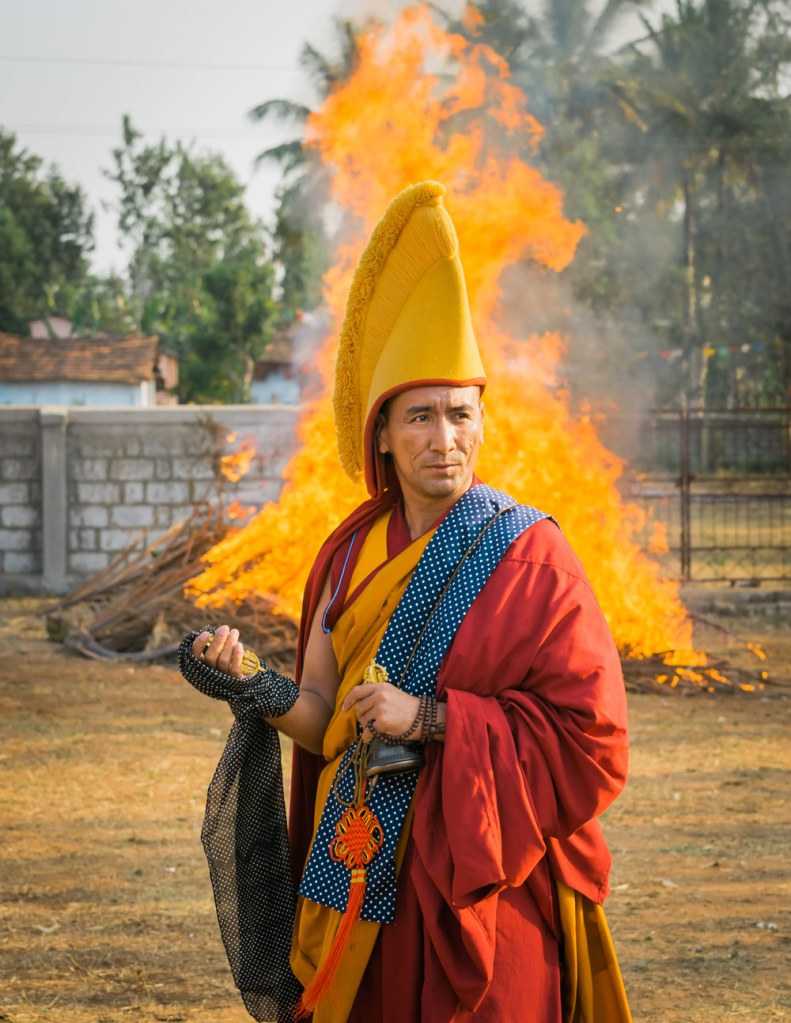
While phone makers big-up the increasingly high resolution of the devices – it seems like the megapixel race is back on again – the physically larger sensors inside cameras can capture more detailed images, giving you even more latitude at the editing stage if you shoot raw.

If you need to shoot in low light on your travels (see more below), print big or need high resolution files for other reasons, the camera sensor wins out for travel shots.
Low light performance
If you are anything like me, you don’t want to stop taking travel photos when the light fails, and again, cameras win out here. Their larger sensors are able to capture more light, with less noise, and you have more manual control over ISO, along with aperture and shutter speed. You can indeed shoot raw with phones via the ‘Pro’ mode, but adjusting the settings can be fiddly, and I’ve sometimes found myself wondering why I didn’t just use a camera.
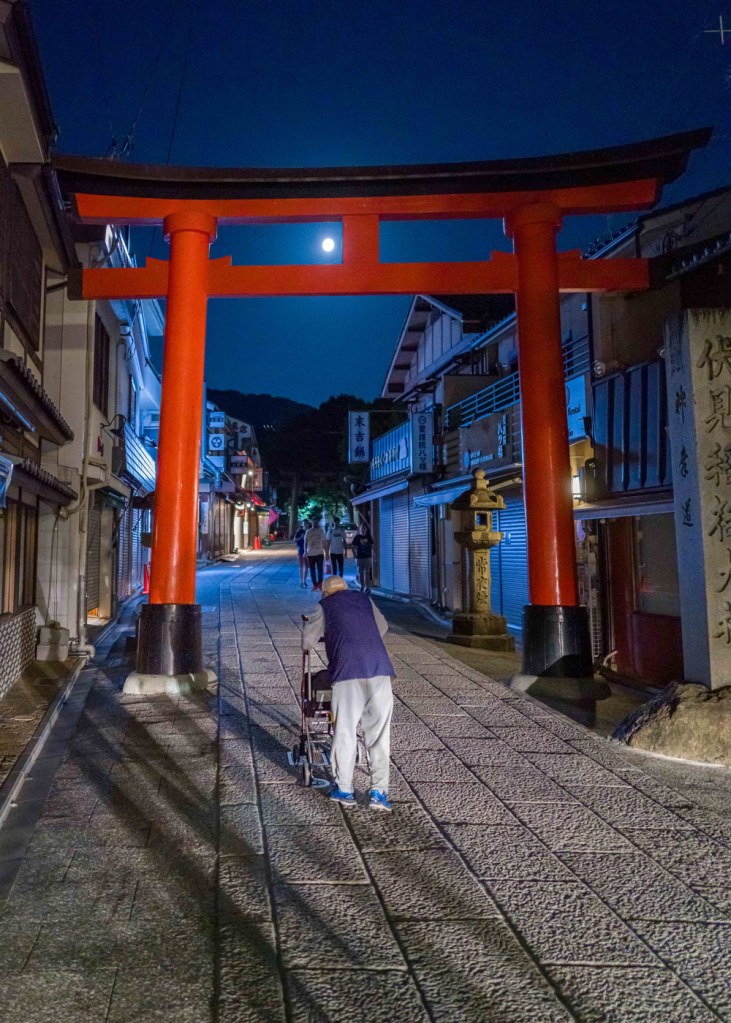
Quality lenses with wide apertures also tend to deliver better results in low light, rather than the phone’s efforts to compensate with AI or computational photography.
For some special effects, cameras are still easier
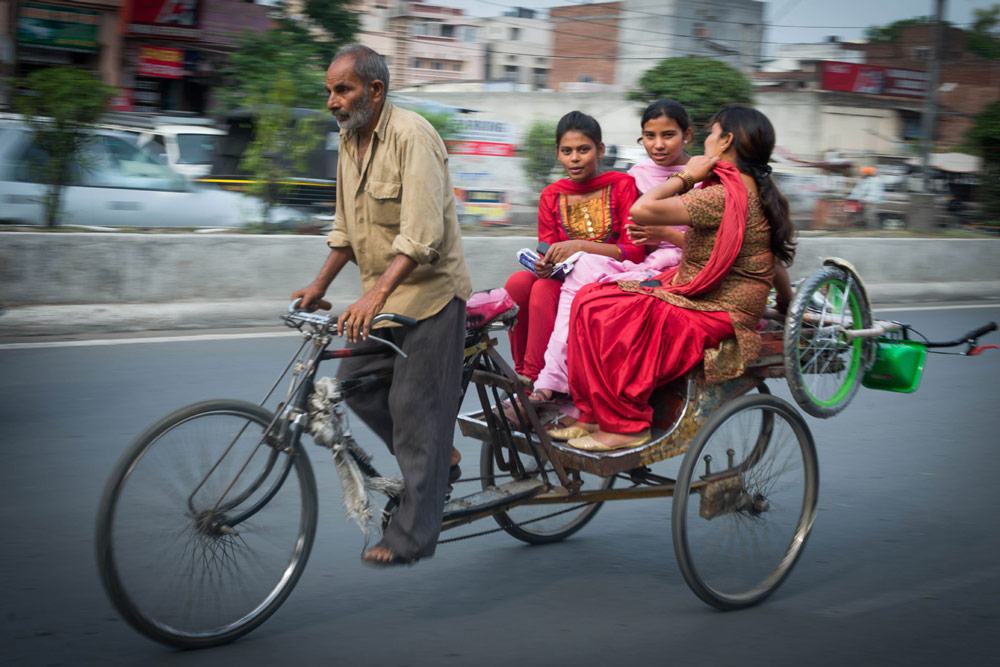
Panning is a good example. With this shot, taken in India using a DSLR and lens, I was able to carefully control the aperture and shutter speed to get a nice panning effect. I could have done it on my phone shooting by raw or messing about with an app, but it would have been a fiddlier process.
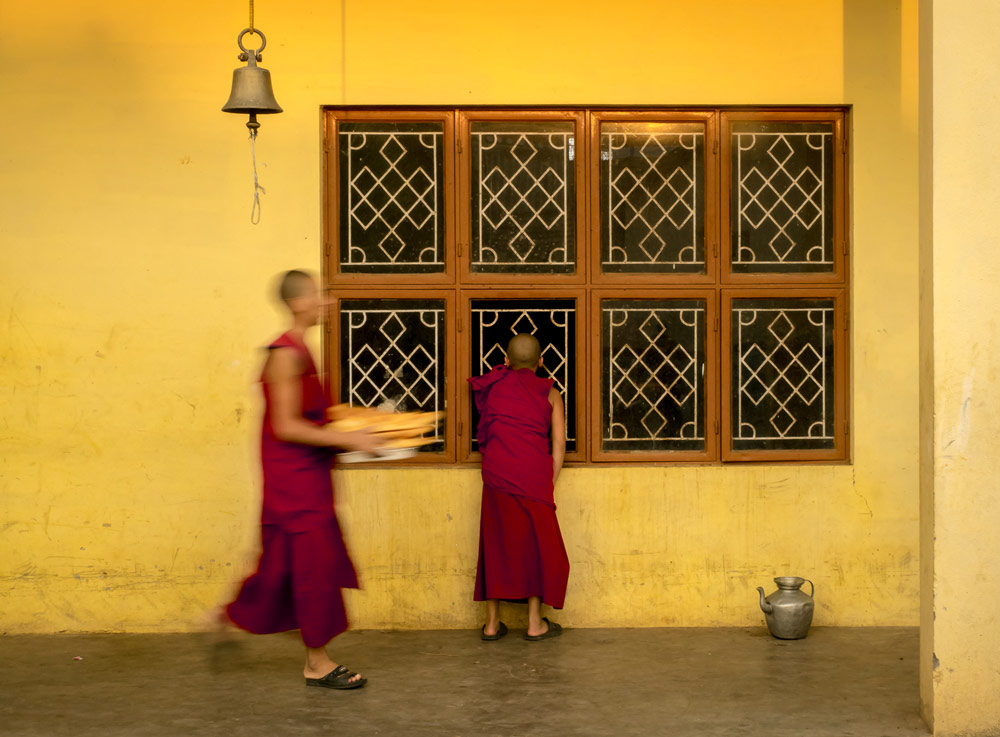
The same goes for this shot below, a finalist in the Food Photography of the Year competition. Trying to control the exposure triangle on a phone in the same way would have been trickier.
Cameras vs phones for travel: who’s the winner?
Fellow travel photographers will probably accuse me of copping out, but sorry, there is no clear winner. Both phones and cameras have strengths and weaknesses when it comes to travel photography.
Phones win through for their convenience and discretion, particularly when it comes to street photography, while cameras and dedicated lenses have the edge for ensuring you come away with the best-possible image in a range of lighting conditions.
If you’ve spent a lot of time and money getting to an amazing destination, you can see why cameras continue to appeal, particularly stylish compacts such as the Fujifilm X100VI or Ricoh GR range.
It will depend on what you intend to do with your pictures, too. If you want to make a coffee table book of pictures from your once-in-a-lifetime trip to Japan, print them big or enter them into travel photography competitions, then a quality camera is a wise choice; if you mainly want to establish yourself as a travel influencer on social media, or make friends and family jealous as you throw shapes on Mt Fuji, than today’s phones should be more than enough.
In 10 years time, the conclusion might be different, as smartphone photography technology is developing so fast. As for the present, why not take both a good camera AND a good smartphone on your trips – as most professional travel photographers now do anyway. Then you get the best of all possible worlds!
Follow AP on Facebook, Instagram, YouTube and TikTok.