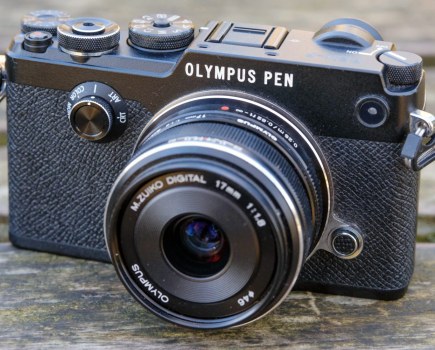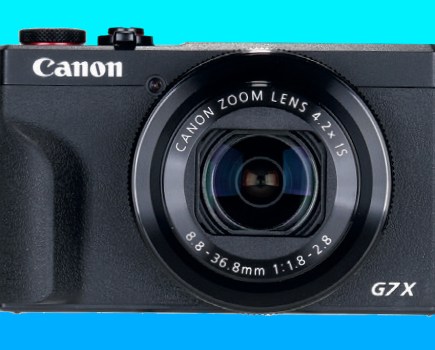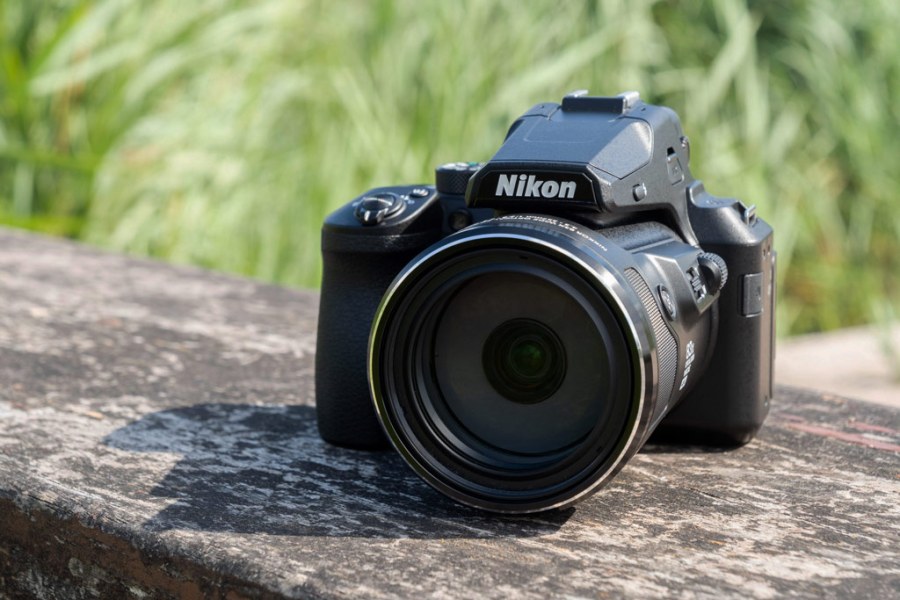
For wildlife and travel photography enthusiasts wanting to bring the faraway up close and personal, for a good 15 years or so, the bridge camera or ‘ultra-zoom’ was king.
Styled like mini DSLRs, these cameras were conspicuous in offering, typically, 30x, 40x or 60x optical zooms and focal lengths that would be prohibitively expensive or impractical on a proper DSLR. A standout model in recent years has been the 125x Nikon Coolpix P1100, with its insane 3000mm equivalent reach.
Despite serious looking designs, however, bridge cameras haven’t traditionally been professional tools, due to tiny 1/2.3-inch sensors – the exceptions being 1-inch sensor bridge cameras such as the Sony RX10 series, Panasonic Lumix FZ series (/Leica’s rebranded versions), and Canon’s long forgotten G3 X). These 1-inch sensor cameras have much less zoom range, as there is always a fine balance between image quality, sensor and lens size, and overall size and weight. As a result, bridge cameras with ultra long zooms often gave picture quality that could appear snapshot-like, despite their generous framing options.
That said, the current point and shoot revival would suggest that quality isn’t of utmost importance – it’s user experience and often the low tech results that appeal.
With that in mind, why aren’t we seeing bridge cameras / super zooms getting the same love compacts are?
The big deal with bridge cameras
One factor is that the growth in compact use is coming largely from new, younger users, raised on smartphones’ accessibility. Simple snapshots pose less of a learning curve for this Gen Z audience than bridge cameras, with the potentially off-putting extra buttons and manual controls.
Secondly, there’s the fact that, for all that superzooms are marvels of miniaturisation, they aren’t pocket cameras. The longer the equivalent focal length, the bulkier the bridge camera required to accommodate it.
The smartphone has freed us from bulky cameras – and the vast majority don’t want to go back. Sure, a phone can’t provide a close-up of an owl in a tree hundreds of metres away without the image appearing seriously degraded. But wanting a camera that can provide a crisp photo of a skittish species from a great distance is still relatively niche.
So, are bridge cameras / superzooms destined to be relegated to doorstops as, compact cameras and toy digicams surge in popularity? And what does this mean for the photo industry as a whole?
It’s worth noting the bridge camera was once a gateway drug to DSLR and mirrorless ownership. I saw my own family trade up from a Panasonic Lumix travel zoom compact to a bridge model and then on to a Canon EOS DSLR. Most manufacturers now offer high end mirrorless cameras and that’s it – which can seem like quite a leap for smartphone shooters.
So, it makes sense that TikTok-ers are treating Fujifilm’s X100VI like a lifestyle accessory, as much as a creative tool. Bridge cameras by and large also lack that model’s retro appeal.
The format doesn’t seem completely dead however, as Panasonic released the 60x Lumix FZ82D / FZ80D in 2024. Perhaps there will always be a market for bridge cameras. It’s just that at the present time it’s more specialist than it ever was.
Related reading
- It’s great to see new compact cameras, but I’d never buy one without this key feature
- Nikon Coolpix P950 Review – 83x zoom and DSLR style handling
- It should be no surprise that Kodak PixPro cameras are a huge hit
The views expressed in this column are not necessarily those of Amateur Photographer magazine or Kelsey Media Limited. If you have an opinion you’d like to share on this topic, or any other photography related subject, email: [email protected]
Follow AP on Facebook, Instagram, YouTube and TikTok.