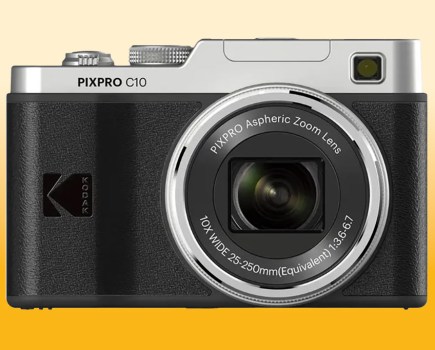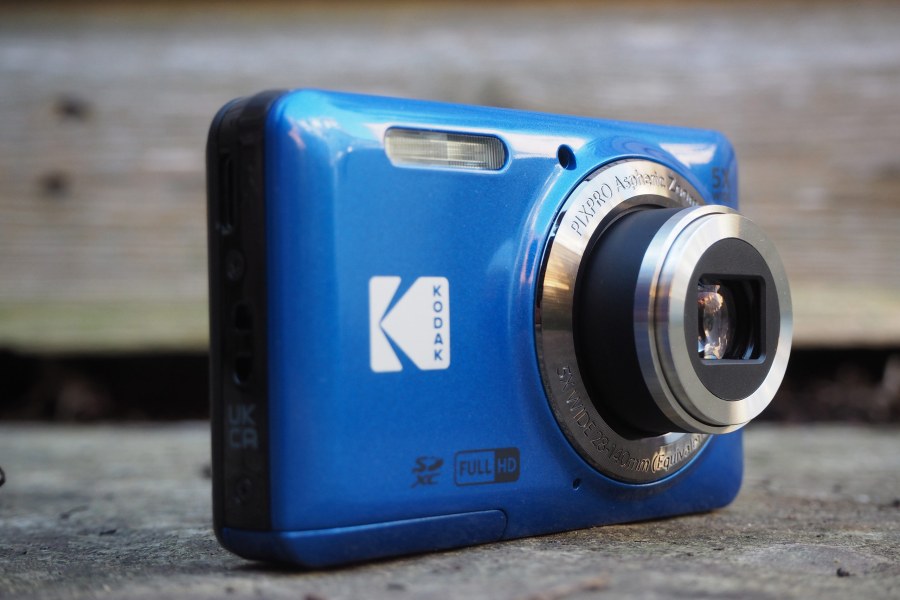
In the end, all it took was one manufacturer with the guts to try it. The market for compact cameras, and indeed cameras more generally, had a wide-open space that nobody was filling, and Kodak filled it.
When it was first announced that Kodak licensee JK Imaging would be resurrecting the PixPro line of ultra-cheap compacts, I recall there was a palpable sense of polite bafflement among the photo trades. Didn’t they know that cheap compacts are dead? Killed by the smartphone in the 2010s! I was there!
Well, fast-forward a few years, and Kodak PixPro cameras are a blockbuster smash. In 2024, Kodak sold more cameras than Canon in Japan. In 2025, Kodak took a 24% market share, while Canon dropped out of the top three. The cheap point-and-shoot, far from being dead, is now the most live-and-kicking format of camera that exists, and none of the major manufacturers saw it coming.
I get how it happened. Camera manufacturers spend the 2010s in a constant cringing retreat from an iPhone-shaped bulldozer, and it’s understandable that this experience left some scars. However, I think it caused them to forget a fundamental business principle, which (are you sitting down?) is this:
People buy things they can afford, and don’t buy things they can’t.
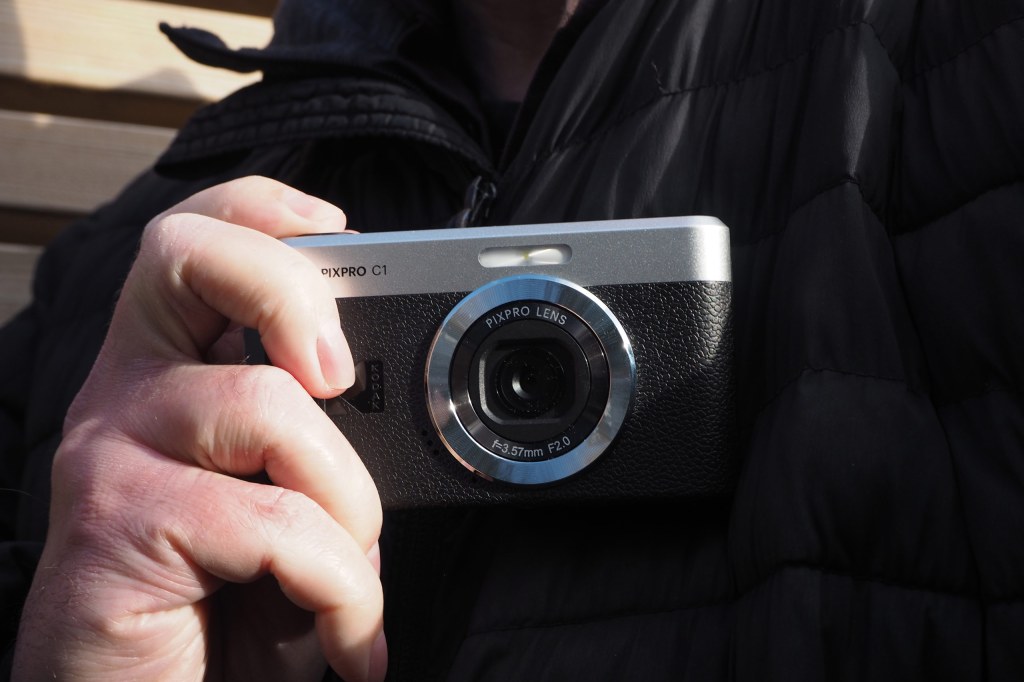
Camera manufacturers basically gave up on cheap cameras. The most affordable ‘beginner’ mirrorless cameras you can buy are still going to run you up more than $500 / £500. Many people, particularly so-called beginners who perhaps aren’t yet sure if this hobby is for them, simply will not even consider spending that much on a camera. But they will take a chance on a $99 compact.
There were other factors behind PixPro’s success. Retro is in (it’s never not in), but film is expensive, and the digital scuzziness of PixPro cameras’ 16MP sensors has a nostalgic appeal to generations who came of age in the early digital era. The Kodak pedigree mattered too – cheap anonymous point-and-shoots have been available on Amazon since forever, but consumers have unsurprisingly flocked towards ones made by a name they know.
However, in my opinion, none of these factors would have meant much without those tempting two-figure price tags. As the cost-of-living crisis continues to bite, and everyone’s disposable income shrinks, PixPro cameras offer a cheap hit of nostalgic fun. The Camp Snap, the RewindPix, the Charmera – they may not offer much quality, but they’re fun, quirky and different. And their price means that if their user acquires the bug and decides to upgrade to a full system camera, they haven’t lost much.
Even now, I think major manufacturers are being slow to learn the lesson. Canon has responded to the point-and-shoot boom with the IXUS 285 HS A / PowerShot ELPH 360 HS A, a camera that costs $379 / £369. Panasonic has just taken the wraps off the Lumix TZ300 / ZS300, which costs $897 / £869. These do not exist in the same universe as the $99/£79 PixPro C1.
I’m not saying that manufacturers were wrong to give up on compacts during the iPhone boom. It was a tough time. But wholesale abandonment of the cheap end of the market has come with consequences – and I’d imagine that many of them are looking at that fat Kodak market share with more than a little envy!
Related reading
- I wish digital compacts could just be fun on their own without trying to imitate film cameras
- Hear me out, your old iPhone is always better than a new one…
- Why have there been no new cameras in 2026?
The views expressed in this column are not necessarily those of Amateur Photographer magazine or Kelsey Media Limited. If you have an opinion you’d like to share on this topic, or any other photography related subject, email: [email protected].
Follow AP on Facebook, Instagram, YouTube and TikTok.