In his new book Colour, photographer Niall McDiarmid turns his attention to the bright hues and visual harmonies hidden in plain sight across contemporary Britain, offering a welcome antidote to an increasingly greyscale world.
Grey matter
What do you see when you walk through a typical British town or city? Are the colours depressingly familiar – grey, white or black cars, pebbledash apartment blocks, taupe office developments, somber suited commuters? According to photographer Niall McDiarmid, life today has been drained of colour.
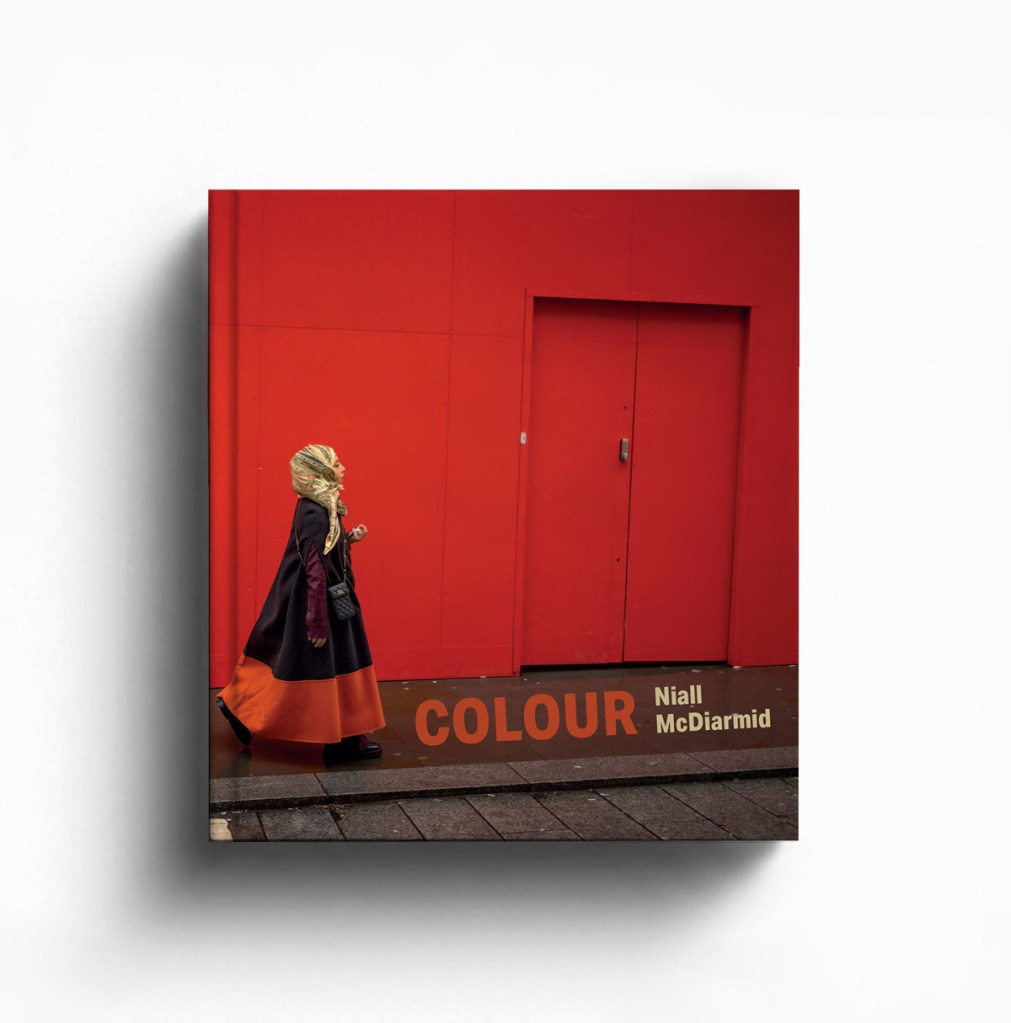
His new book, Colour (RRB Photobooks July 2026) is a reaction to what he sees as the greyscale homogenisation of contemporary Britain. For over 15 years, the Scottish-born photographer has traversed the UK searching for the pop of colour within an increasingly neutral visual landscape.
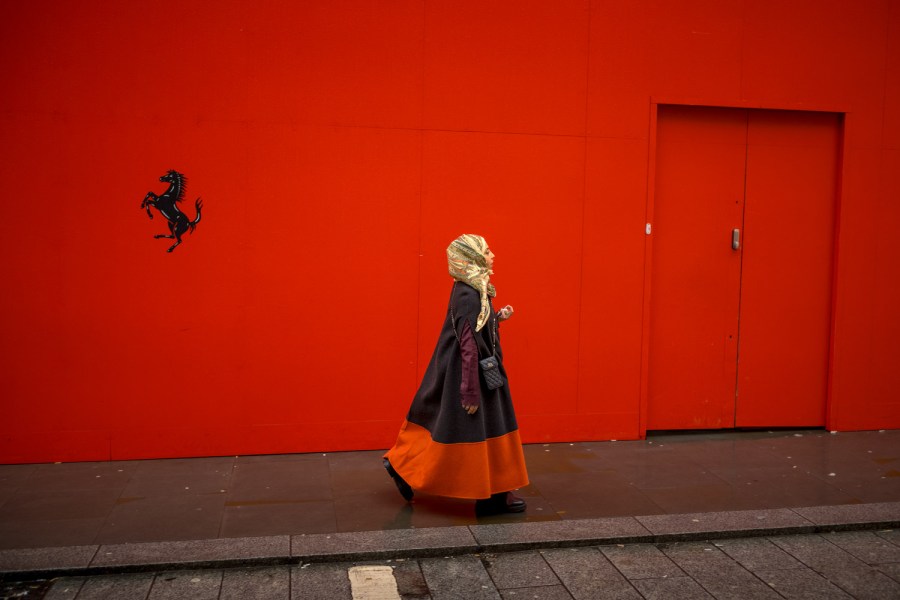
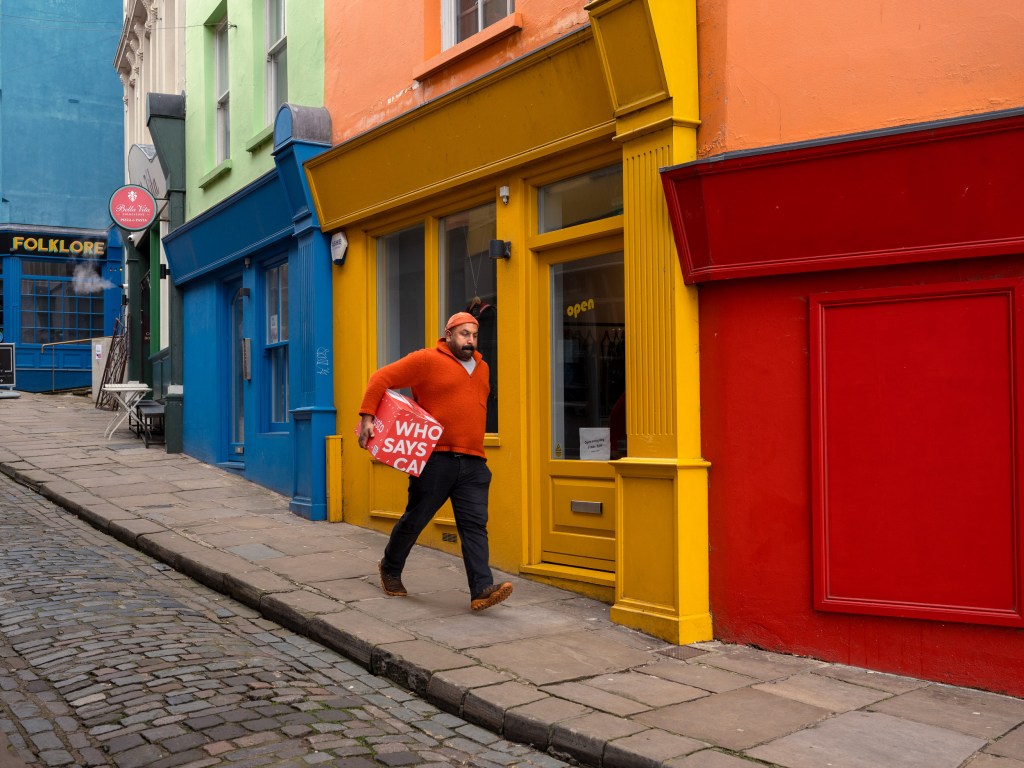
McDiarmid argues monochrome has taken over. ‘So I went in search of full colour. Not just accents of colour here and there, but frames that were full edge to edge, corner to corner of the brightest tones I could find,’ he says.
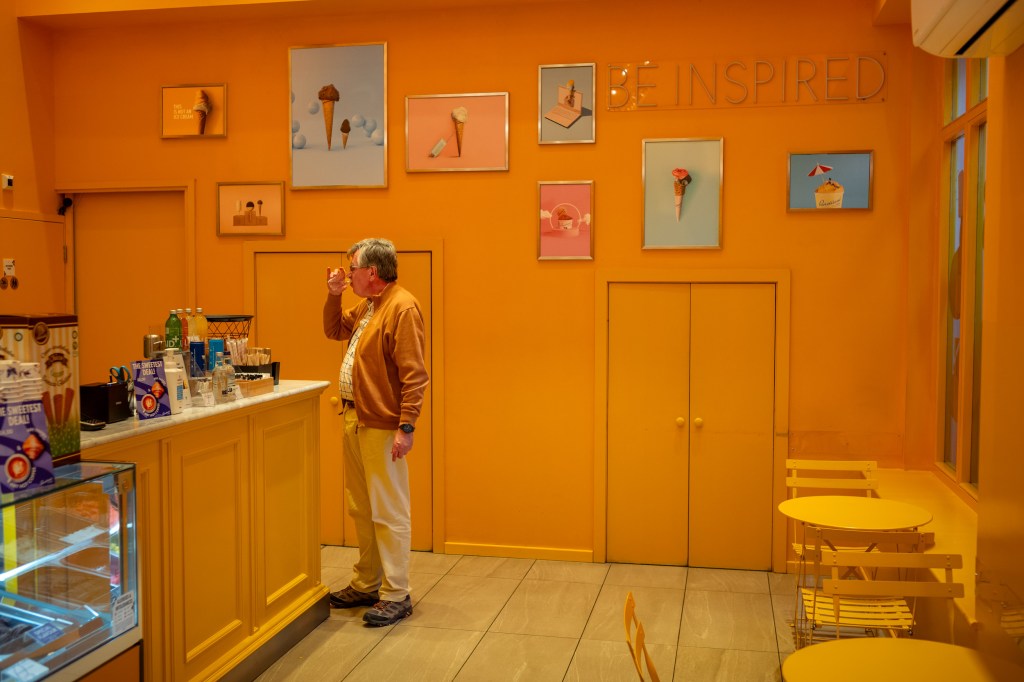
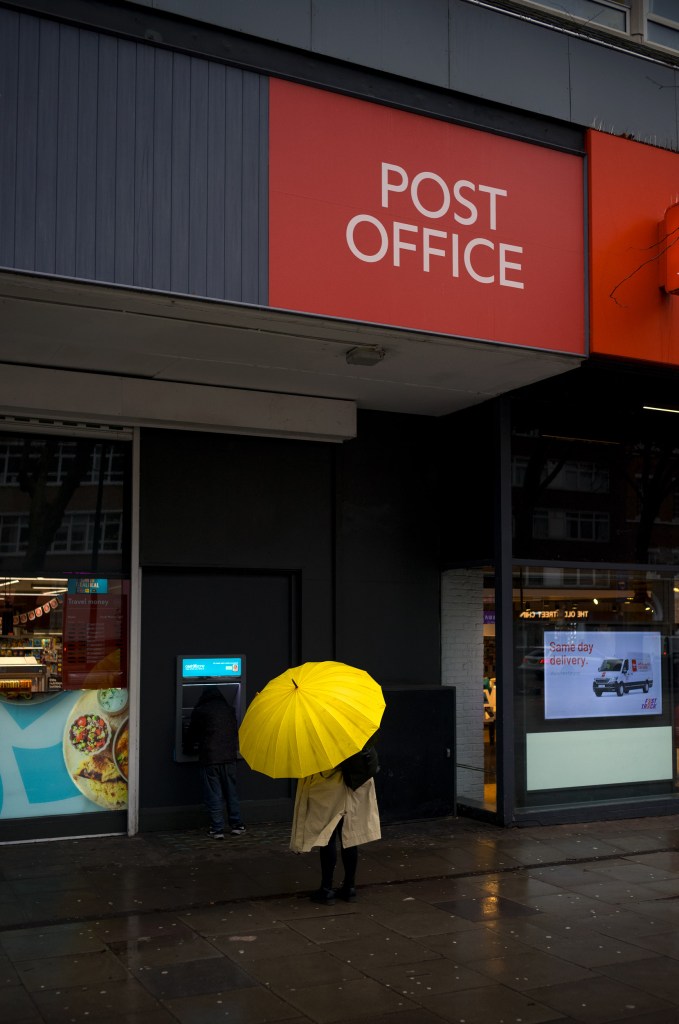
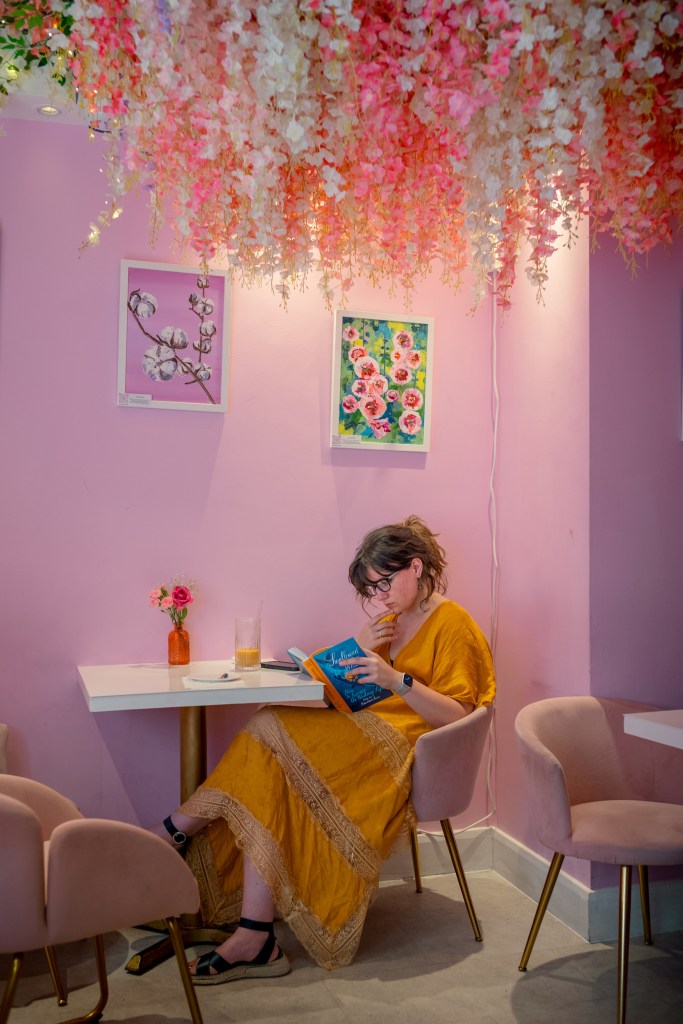
Whether you agree with McDiarmid’s assessment of the Britain’s drabness, the book delivers exactly what it says on the cover. 128 pages of glorious colour celebrating the saturated richness of the ordinary. Shot mostly in London, shopfronts, cafés, pubs, train stations, museums and street corners become McDiaramid’s stages for carefully observed combinations of clothing, architecture, signage and urban texture.
Colour correction
The book’s premise is deceptively simple, brave even, but Colour arrives at an intriguing moment in the culture of photography. For much of the medium’s history, colour has been the less serious sibling. Black and white was the gravitational pull for serious documentary photographers and photojournalists believing it carried greater cultural prestige and better suited to serious subjects. Colour photography was for advertising and glossy magazines. During the latter half of the twentieth century that shifted. Photographers such as William Eggleston and Joel Meyerowitz helped establish colour photography as an artistic language in its own right. In Britain, colour became synonymous with Paul Graham, Tom Wood, Paul Reas and in particular, Martin Parr, whose saturated legacy defined a new commentary about consumer culture, class and Britishness.
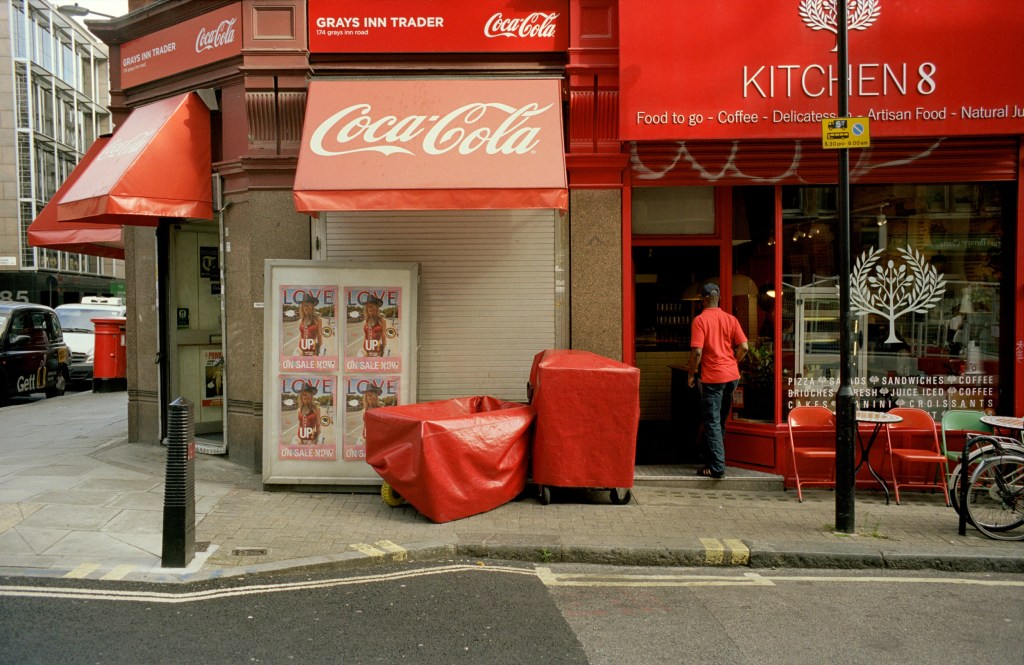
McDiarmid sits within a different tradition. Less satirical and less concerned with social critique. What his images do do is delight in visual harmony and coincidence. He is alert to moments when a subjects attire matches the colour of a wall or clashes completely. A shop sign unexpectedly complements the jacket of a passer-by. Everyday objects fuse into subtle and at times, sophisticated compositions.
Light minded
McDiarmid understands British light. He doesn’t chase dramatic sunshine, instead embracing the flat, overcast conditions that many photographers stay home and complain about. This soft light eases the shadows and contrast and allows colour to breathe. The images are both vibrant and understated. They celebrate the ordinary over the spectacular. Most photographs today are taken in colour but few are deliberately taken with colour in mind. McDiarmid doesn’t find colour at major events, political rallies or social unrest but in modest, often overlooked areas. The visual pleasures he finds are modest but persistent. There is optimism rather than crisis.
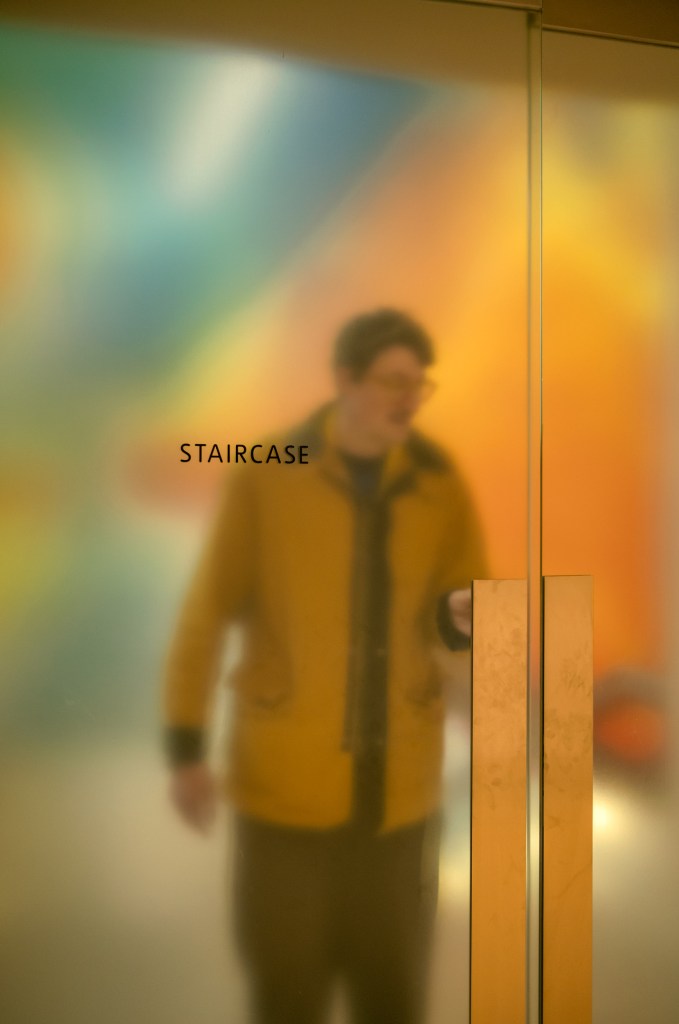
Central to the book is the art of paying attention. The argument is that colour hasn’t disappeared, people have simply stopped noticing. The most compelling images remind us that individuality survives despite the standardising forces of modern life. People remain gloriously inconsistent amid the banal backdrops of shopping malls and predictable design trends. Anonymous environments are populated by bright coats, jazzy jumpers and eccentricity. Deciding whether to accept or reject McDiarmid’s diagnosis of the colour crisis in Britain is beside the point. The book succeeds because it encourages viewers to look again at places they thought they already knew.
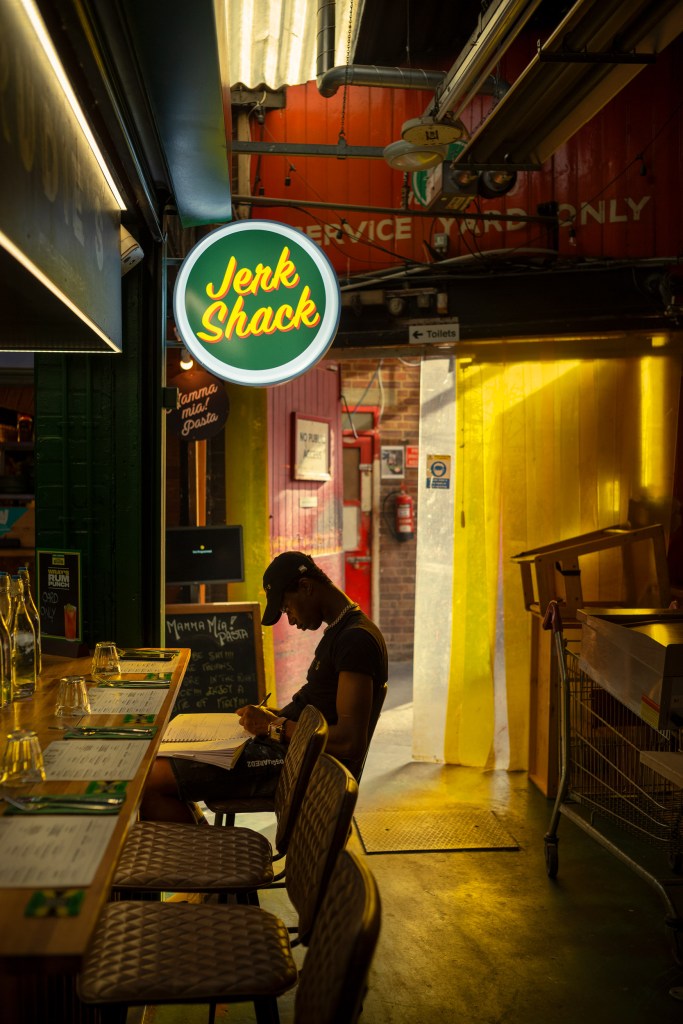
Saturated slap
Overall, the book is unapologetically pleasurable. It won’t anger, confront, expose injustice, challenge political assumptions or reveal hidden truths. On a bookshelf often burdened with grand statements and theoretical frameworks, it may just refresh confidence in the visual experience itself. Colour questions that if modern Britain really is being desaturated, the antidote may not be found in changing the landscape but simply in paying closer attention to it. McDiarmid’s photographs are evidence that colour can still be found. You just need to have the desire and know where to look.
- Colour – Niall McDiarmid – July 2026 – £28 pre-order here / RRP £35
Related reading:
- I Am Martin Parr: a love letter to renowned British photographer
- I’m a pro street photographer and these are the Instagram accounts I follow
- Best smartphones for street photography in 2026
Follow AP on Facebook, Instagram, YouTube and TikTok.