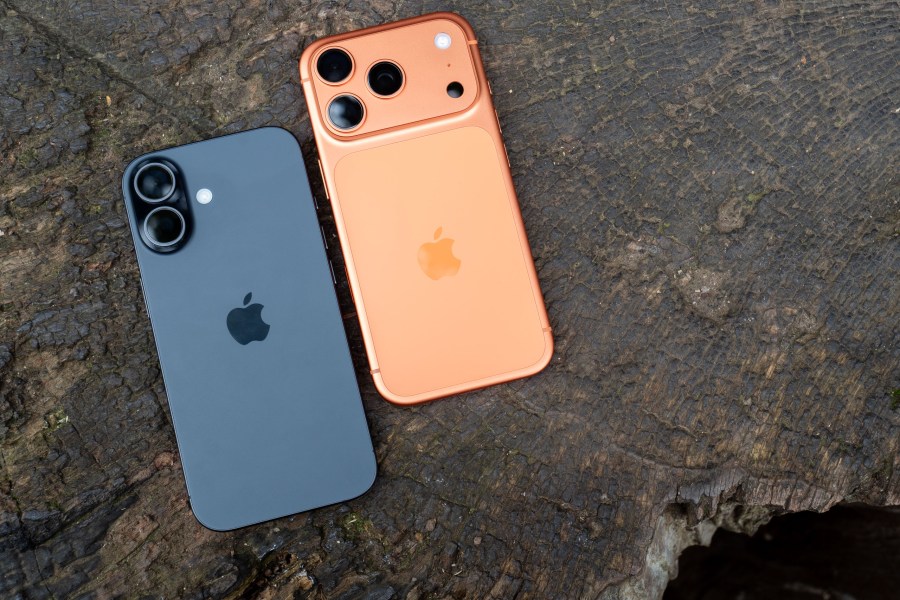
I remember the uproar when iPhone photos began dominating Flickr. That first iPhone had a 2MP camera and no zoom! Why would anyone think it was a proper camera? Yet before long, I’d ditched my digital camera too, and used my iPhone for everything. I still do. Because from the start, Apple got the fundamentals right – and has pushed photography forward ever since.
Here’s how.
A sense of focus: Apple’s strength lies in control. By owning hardware and software and keeping to just a few models, it can fine-tune performance across the board. And having long ago decided cameras matter, Apple gives even the most affordable iPhone a high-quality sensor. The main camera in every iPhone on sale today is 48MP. Not bad.

Constant reinvention: Every iPhone launch gives cameras serious stage time. Apple never coasts; it redefines. I loved that this year’s Pros got a 48MP telephoto to match the other lenses, bringing us more detailed zoom shots, while the iPhone 17’s ultra-wide upgrade made macros stunningly sharp.
Keeping it real: I admire Apple’s commitment to realism. To me, iPhone photos look natural – detailed and dynamic, without tipping into artificial. And in an age of AI, Apple’s careful to enhance reality rather than fabricate it. Your iPhone can clean a blemish but won’t fake a moon – unlike Samsung Space Zoom in 2023.
Democratising Hollywood: Stills are great but video captures life. Watching my kid grow. Remembering my dog’s bark. Priceless. However, iPhone goes above and beyond, putting Hollywood-grade tech in your hands (literally: filmmakers increasingly use iPhone on set) with 4K, Action and Cinematic modes, gorgeous slo-mo and video macro.
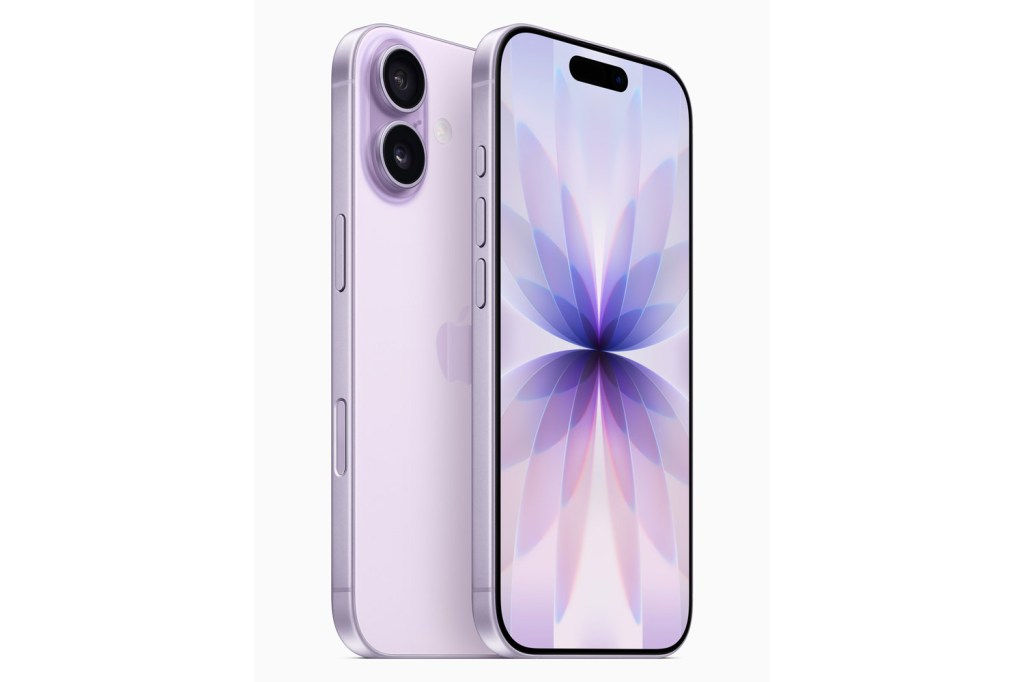
The human touch: To me, iPhone photography feels effortless yet empowering. Non-destructive editing lets anyone experiment without risk. Capture presets (‘Photographic Styles’) let people tailor output to their tastes. And I’ve now grown accustomed to the Camera Control button, which gives me DSLR-like precision and gestural controls for quickly switching tools without ruining a shot.
Multiple lenses: Apple claims an iPhone 17 Pro has the equivalent of eight lenses. Technically it’s three, but clever behind-the-scenes cropping provides fast access to popular focal lengths. I’m fine with that. I’d sooner tap and shoot than juggle lenses and modes and miss the moment.
Apps for everything: No other platform matches iPhone’s creative toolkit. I’ve spent years exploring handcrafted iPhone apps for manual control, playful toy cameras, multi-shot modes and quirky filters.
iPhone has always let you shoot, edit and share on one device, seamlessly. But crucially, it made all that fun.
Future proofing: Apple looks ahead. Even entry-level iPhones capture high-res images and Live Photos with their snippets of video, while models with two or more cameras can record spatial video for tomorrow’s smart glasses. And software evolves too: I was delighted at how Photos in iOS 26 can add a subtle parallax effect to any photo – another small but magical way to make my library feel alive.
Related reading
The views expressed in this column are not necessarily those of Amateur Photographer magazine or Kelsey Media Limited. If you have an opinion you’d like to share on this topic, or any other photography related subject, email: [email protected].
Follow AP on Facebook, Instagram, YouTube and TikTok.