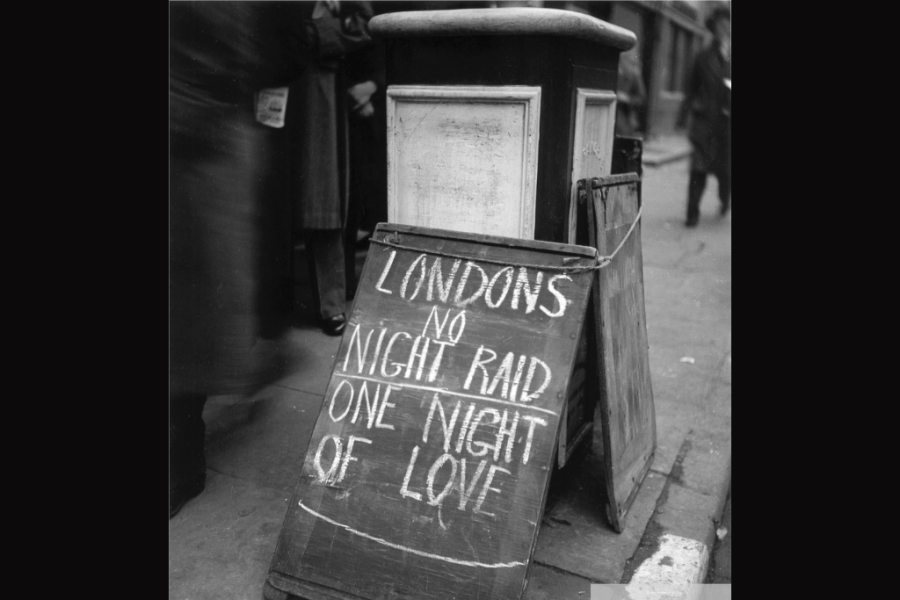
A new exhibition on show at Lee Miller’s East Sussex home, Farleys House and Gallery, this Summer displays a significant selection of photographs from the pivotal period of the Blitz, where Lee Miller remained in London to document the life of civilians, surrounding destruction, and wider contributions to the war effort, particularly those by women.
On show from 30 July – 30 October 2026, ‘Grim Glory: Lee Miller’s Britain at War’ will share a deeper insight into an overlooked and partially unseen area of the Lee Miller Archives.
Lee Miller was an American Surrealist photographer, Vogue model and World War II correspondent. She started out in front of the camera as one of the most sought-after models of the 1920s prior to taking a camera into her own hands in the 1930s. She went on to have her own studio specialising in portraiture and photographing names like Charlie Chaplin, produced many collaborations with the likes of Man Ray, and recorded Egypt’s expansive landscapes, ruins and industrial innovations all before photography was widely recognised as an artform.
Before travelling to the European warzone in 1942, as one of just four female photojournalists accredited to the US, Miller created a captivating record of life in Britain, specifically London, during World War II.
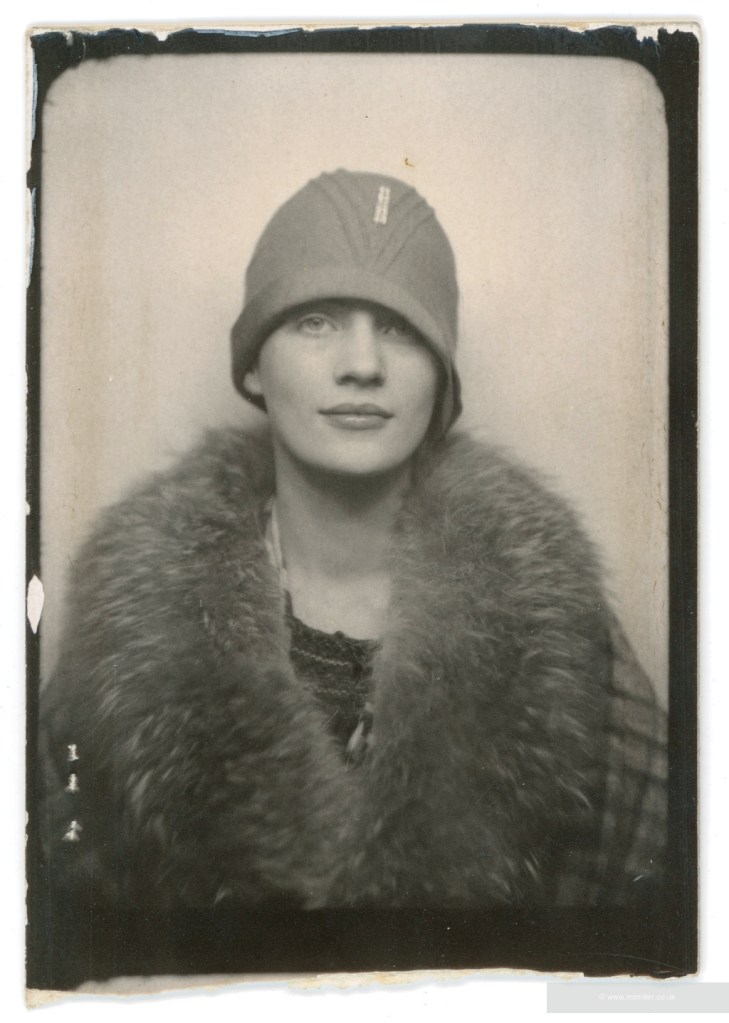
Lee Miller in London
Miller arrived in London with surrealist artist Roland Penrose in 1939 just as war was declared. As an American citizen ineligible for work in the UK, she used photography as her principle means of contributing to the war effort.
Offering her services to British Vogue (‘Brogue’), Miller worked closely with editor Audrey Withers. As the British government saw women’s magazines as crucial tools for morale and persuasion, Vogue used theirs to encourage women to enter the workforce and embrace clothing restrictions.
Miller became the magazine’s leading photographer, and her images took a sophisticated spin on the messaging and went on to steer the publication in a radical new direction. Withers noted that Miller ‘had borne the whole weight of our studio production through the most difficult period in Brogue’s history.’
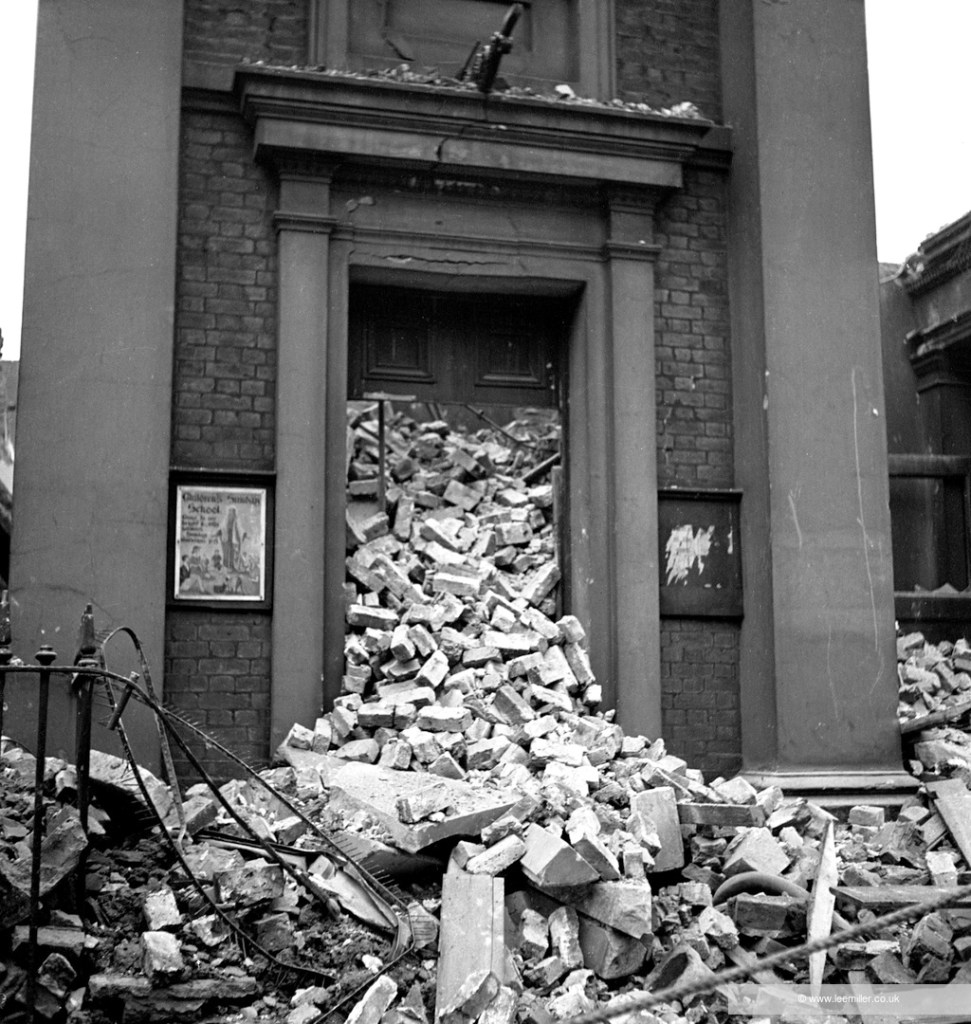
The Blitz
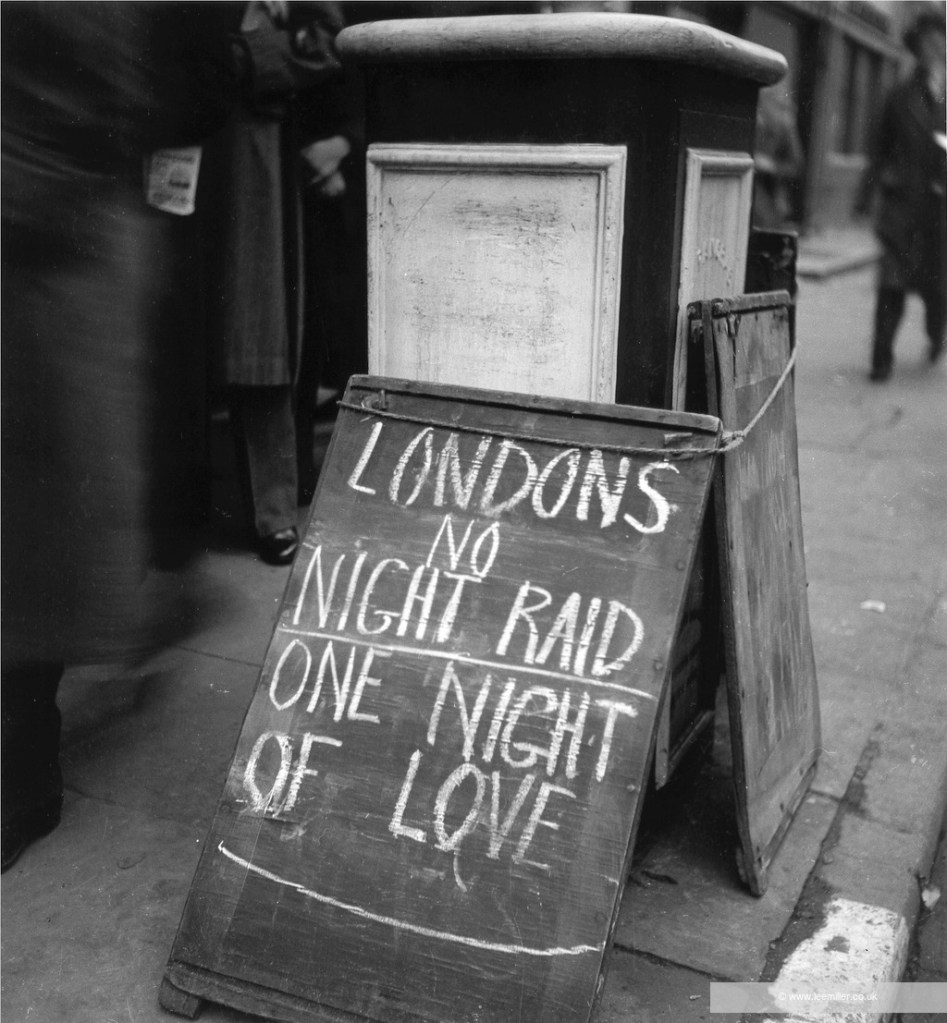
Between September 1940 and May 1941, Miller stayed in London rather than retreating to safety in the US, to photograph the rapidly changing landscape as German bombs fell heavily over the city. She documented and created a visually arresting record of wartime Britain and a nation adapting to conflict: civilians navigating the devastation of the Blitz and those left homeless, communities sheltering underground, and fashion under rationing.
Many of Miller’s photographs of a bombed-out London were chosen for ‘Grim Glory: Pictures of Britain Under Fire’ (1941), a book intended as propaganda to appeal to American audiences, not yet involved in the war.
Graphic images of violence were discouraged in the media, so in response Miller created poetic and surreal photographs with dark and humorous titles that evoked her defiant spirit. At a moment when Britain faced aerial bombardment and social upheaval, Miller’s photographs brought together surrealist sensitivity, journalistic immediacy and profound humanity.
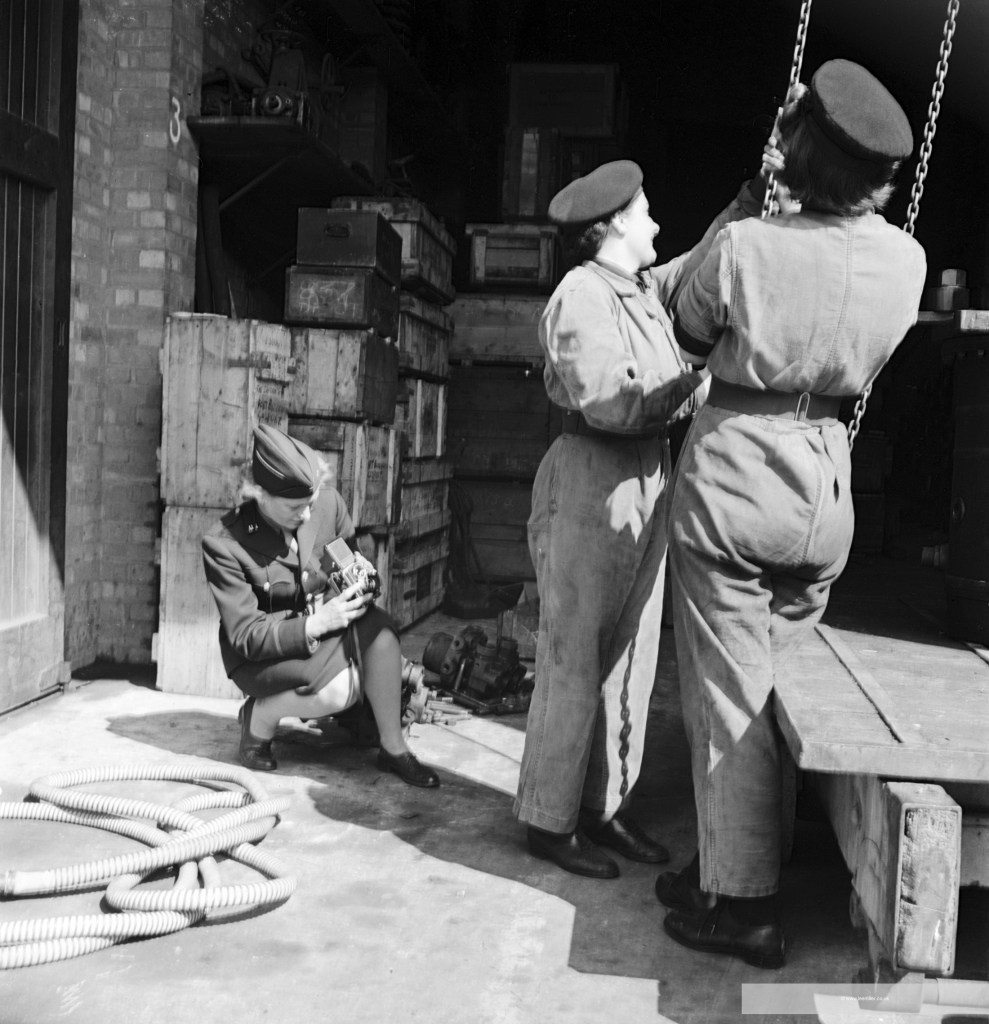
Women at war
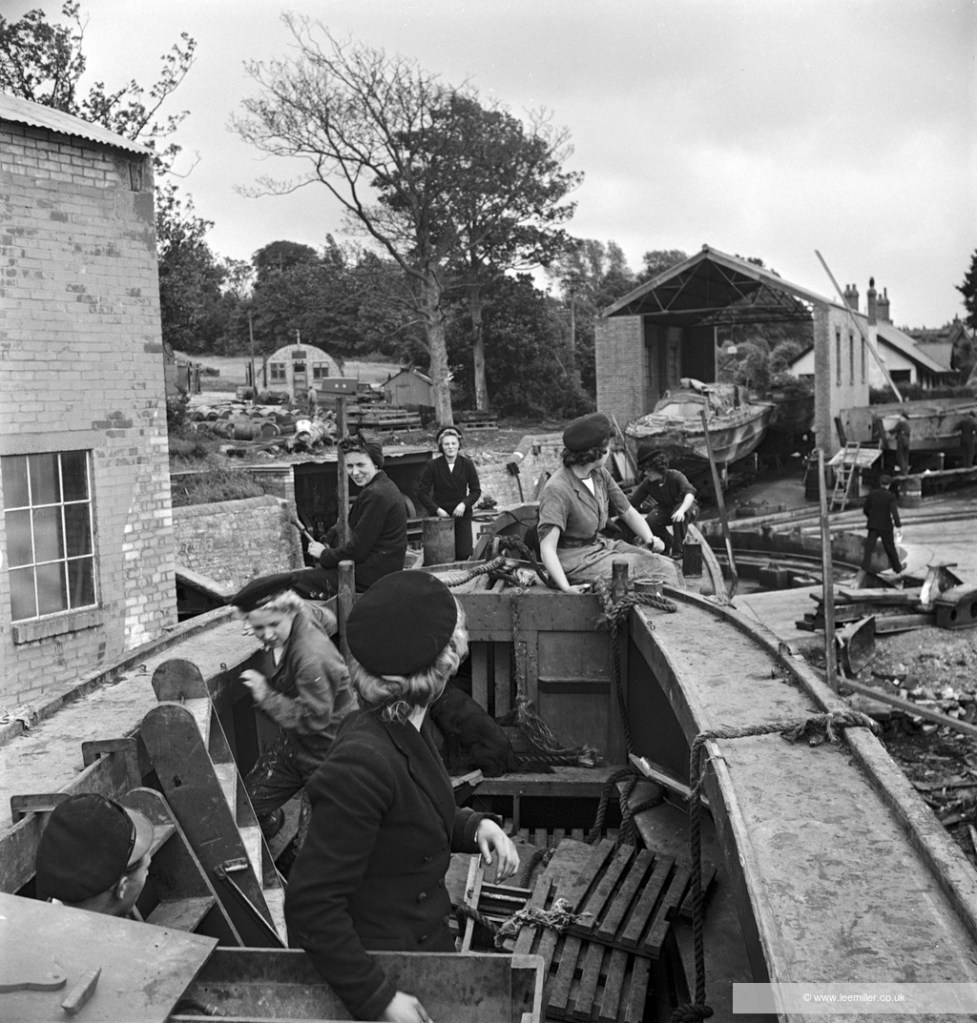
Following the introduction of conscripting women in December 1941, to either industry, auxiliary or nursing services, Miller also created a series of photographs that demonstrated the essential and varied roles carried out by women which were traditionally reserved for men: such as pilots, mechanics, signallers and transport crews.
Celebrating their contributions, Miller’s coverage of women working in the armed forces offers a rare record of this part of history, whilst also reflecting her own frustrations of not being able to work closer on the frontline during this time.
Several of these images were published at the end of World War II in ‘Wrens in Camera’ (1945) but have not been widely exhibited since. These will be curated alongside a selection of unseen photographs from the Lee Miller Archives.
Overlooked, but not for long
Miller’s later harrowing photographs from the frontlines of Europe – including Normandy, Paris, Buchenwald and Dachau – have become defining images of twentieth-century conflict. However, her vital contribution to documenting Britain during 1940-1944 has often remained comparatively overlooked within the wider narrative of her career.
Alongside the exhibition will be an expanded, republished edition of the 2020 ‘Grim Glory: Lee Miller’s Britain at War’ book published by the Lee Miller Archives, containing 50 additional photographs and an updated essay by granddaughter Ami Bouhassane that reconsiders Miller’s role in shaping the visual language of Britian at war.
Drawing particular consideration to this area of her incredible archive is a welcomed and moving investigation into Miller’s life, as well as British history. A must-experience this Summer.
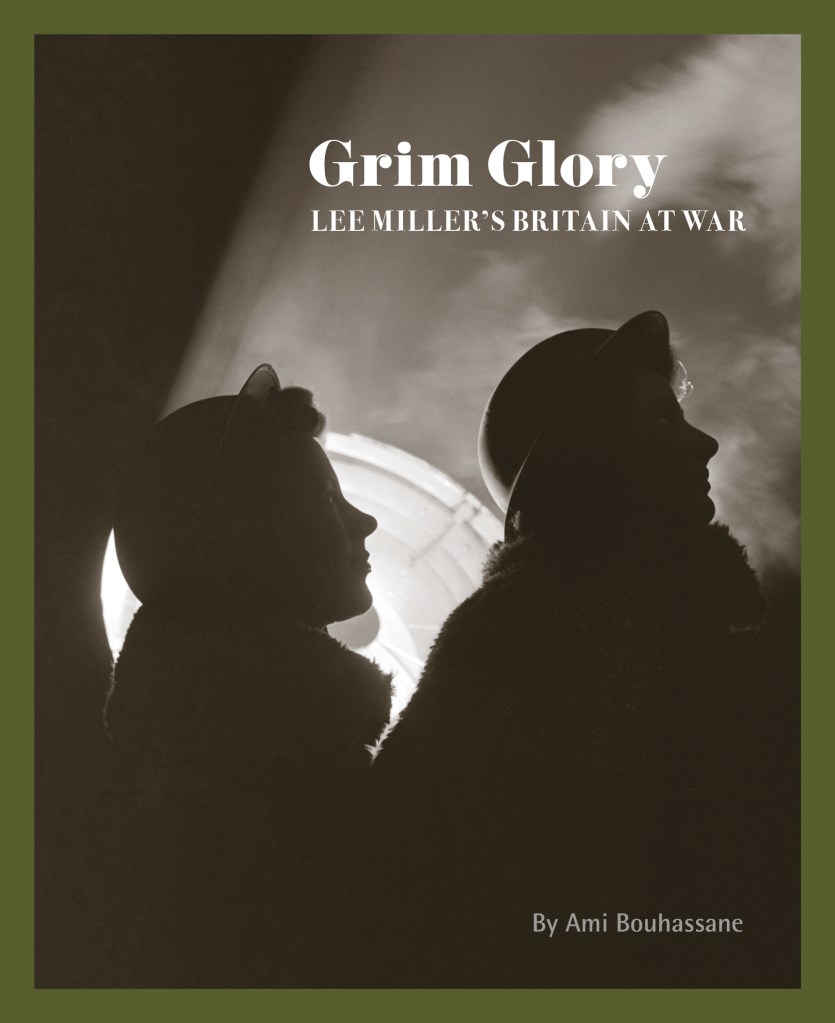
Grim Glory: Lee Miller’s Britain at War
- 30 July to 30 October 2026
- Farleys House and Gallery is open on Thursdays, Fridays, Sundays and select Saturdays 10am-4.30pm
- House, Galleries and Garden ticket including 50-minute guided house tour (allocated time slot for the tour): £26
- Galleries and Garden ticket: £10, free for under 12s
Booking is required for the house tour: farleyshouseandgallery.co.uk
See more about the Lee Miller Archives at leemiller.co.uk
Related reading:
- Don’t miss out on America’s largest Photography exhibition – FotoFocus Biennial 2026
- These incredible historic images from Shackleton’s 1914 Antarctic expedition have to be seen to be believed
- Don McCullin revisits Vietnam in what he says will be his final book – take another look at his unforgettable iconic images here
Do you want to win some great prizes for your photography? Enter your photos in our International Amateur Photographer of the Year competition. Free entry for photographers aged 13-21.
Follow AP on Facebook, Instagram, YouTube, TikTok and Irys.