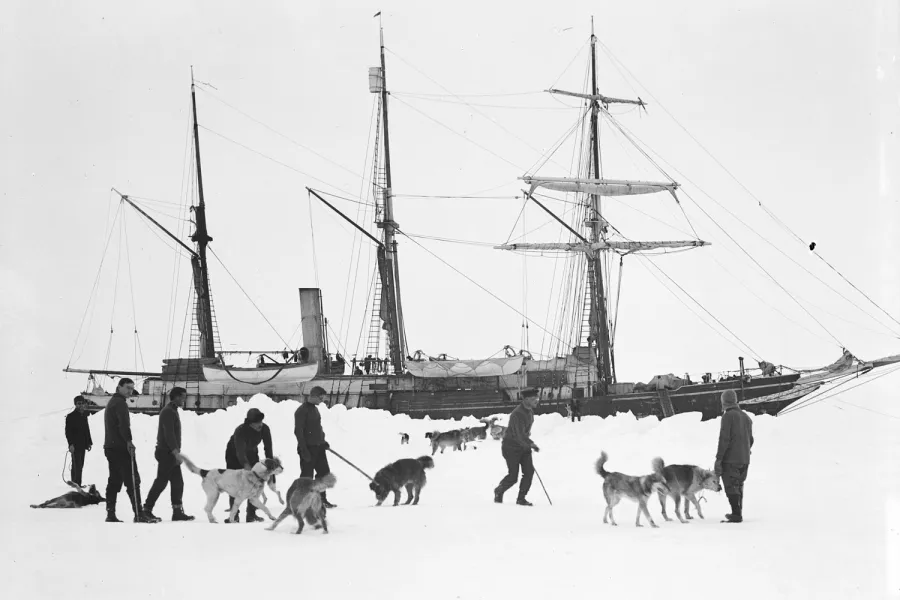
Australian photographer and cinematographer Frank Hurley was already a seasoned Antarctic hand by the time he joined Ernest Shackleton’s Imperial Trans-Antarctic Expedition. He had previously spent close to two years on the continent as expedition photographer for fellow Australian Douglas Mawson. Shackleton clearly understood the value of powerful and evocative imagery, and his choice of Hurley was a canny one.
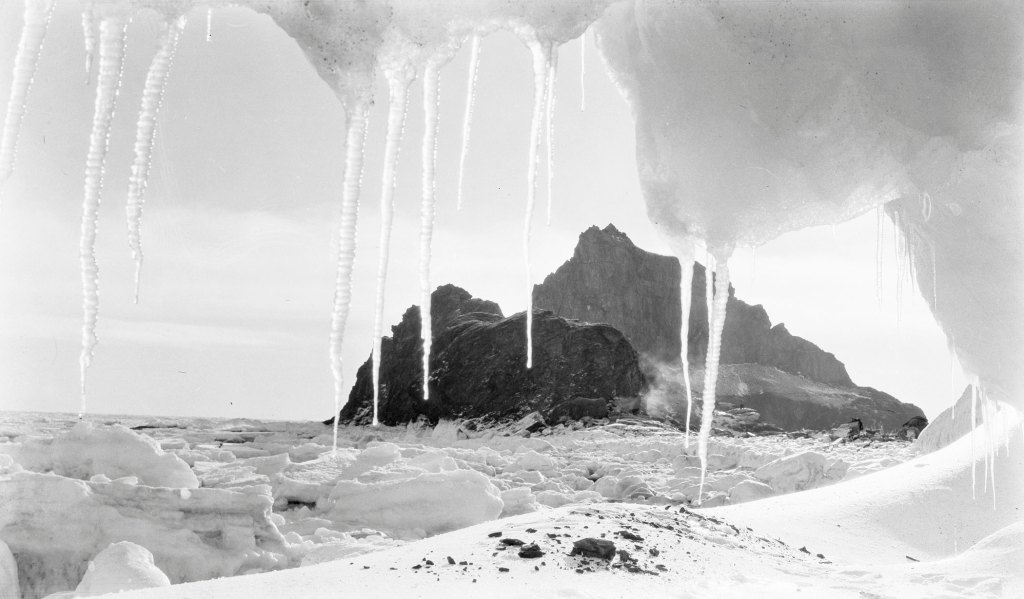
The story of the expedition is well known: Shackleton’s ship “Endurance” was trapped in thick sea ice, which eventually crushed the hull, causing it to sink – leaving the crew on the ice floes with three small boats and some scavenged supplies. Knowing that rescue lay in their own hands, the party hauled themselves over the ice towards open water, with the ultimate aim of reaching the island of South Georgia where there was a whaling station. Incredibly, and against apparently overwhelming odds, they succeeded – without loss of life.
Throughout this extraordinary episode, Hurley continued to record the progress of the expedition in a series of superbly executed images – which are a testament to his technical skill, ingenuity, insight and hard work. A new collection of his “Endurance” images has just been published by the Royal Geographical Society, which is described as a “definitive visual record of the expedition”. Having studied the book in detail, it is hard to disagree – as this new large format volume has new elements not seen in previous synopses.
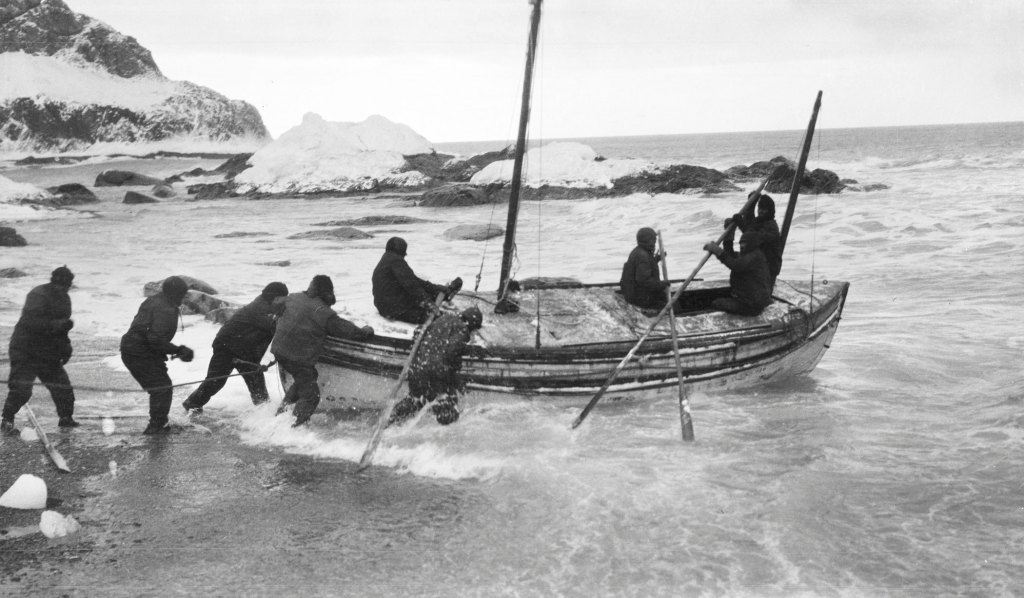
First of these innovations is the presentation of the negative alongside each positive image. While these are (sadly) not actual size they give a very strong impression of the original image capture, a “raw” image in the true sense! Secondly, while the selection of plates in the book is based on the holdings of the Royal Geographical Society, the book includes a curated gallery of all the images known to exist, with contextual information and details of where these pictures are held. This could be regarded as a “catalogue raisonné” of Hurley’s Endurance work and fully justifies calling the collection definitive.
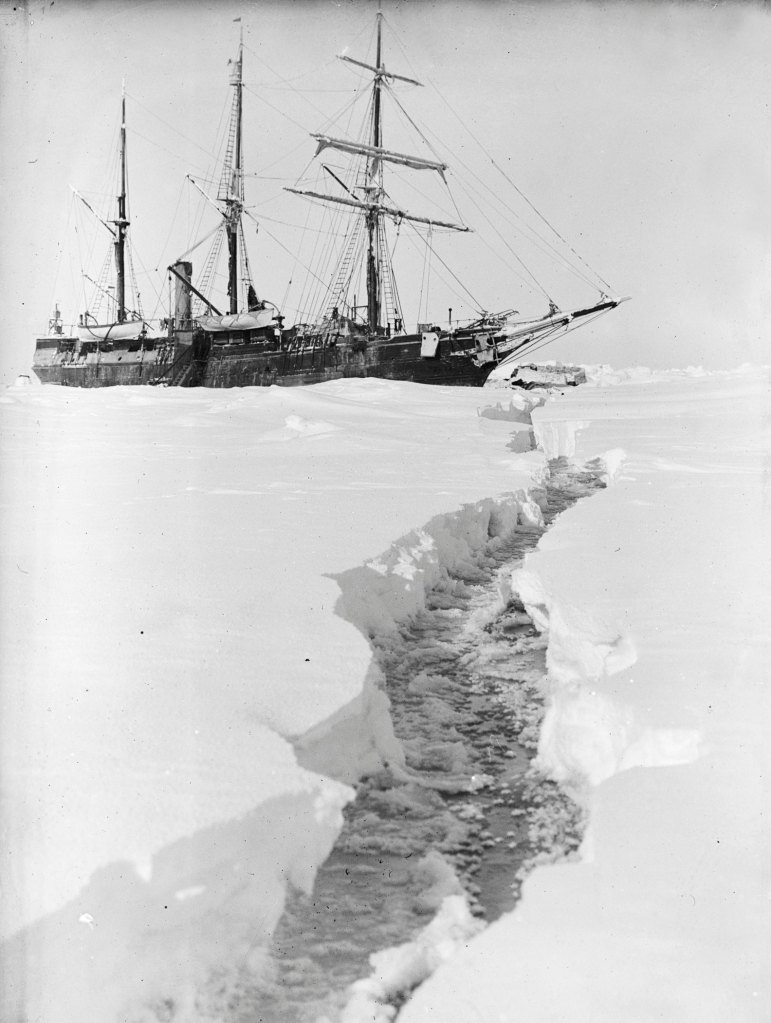
I once acted as expedition photographer on a small research vessel in the Arctic – so I have some inkling of what Hurley faced in making this set of images. The fact that they survived at all is close to miraculous: when the expedition took to the small boats, Shackleton and Hurley between them selected the best images – as many as they could carry – then had the negatives, mostly glass, sealed up to survive the ocean crossing. To cover the late stages of the voyage, Hurley abandoned his full-plate camera in favour of a Kodak vest pocket model, and three rolls of film.
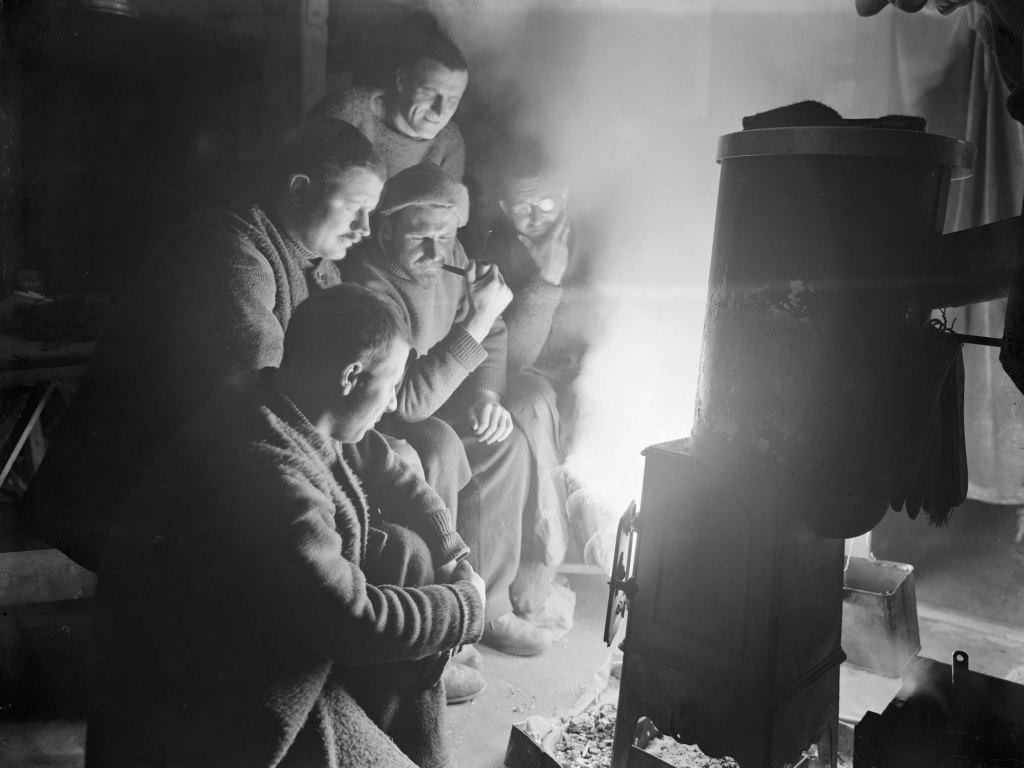
The design of the book and the quality of the printing are both excellent, and at £35 it represents something of a bargain. It also includes a number of essays by the likes of Frans Lanting and Jean de Pomereu which provide a useful context for the images. How the pictures have been prepared in this volume is worthy of note: From the EXIF data of some sample images that were shared with me, it appears that the original glass and film negatives were captured in 2015 on a Hasselblad H1 with a 120mm lens and a Leaf Aptus-II 12 digital back – a sound choice. The quality and detail of the capture is excellent and, happily, the positive images are presented “warts and all” – without having been excessively cleaned up, which could have compromised the archival validity of the pictures. This high level of thoughtful, ethical curation is very welcome in a collection of this type.
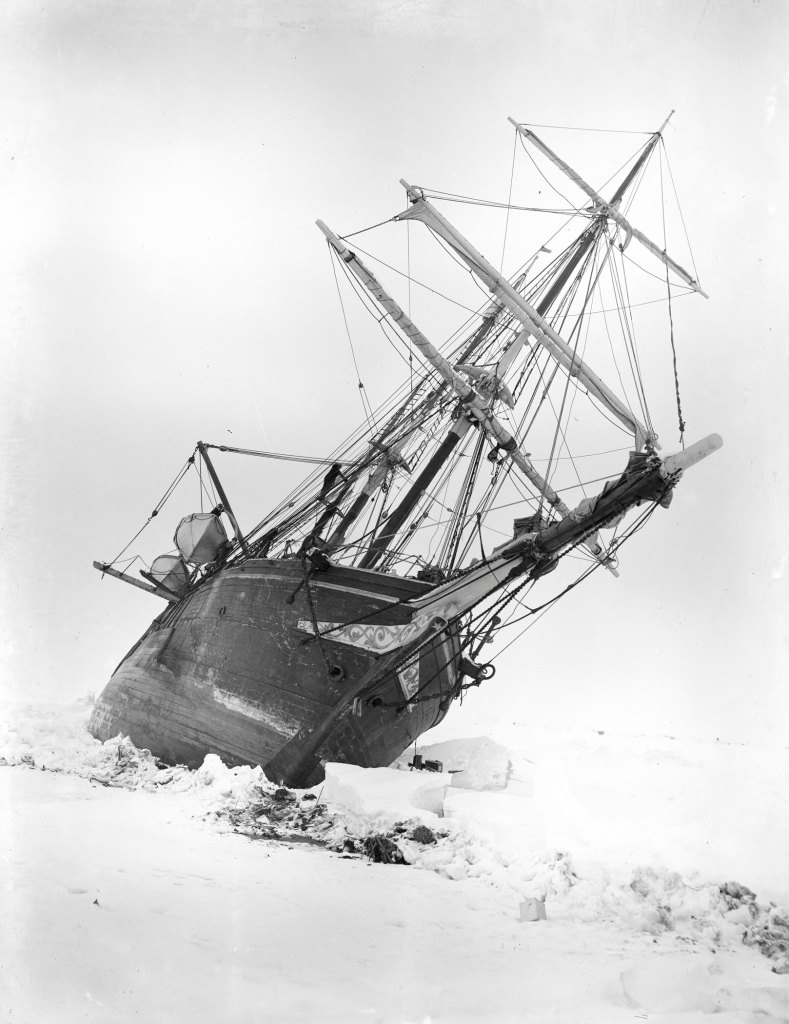
The degree of human isolation and self-reliance captured in this work is almost inconceivable in our world of “always on” communication. This collection is a tribute to the skill and resilience of Frank Hurley, and those who worked with him. It should form part of the core library for any photographer who values powerful environmental imagery and strong technique.
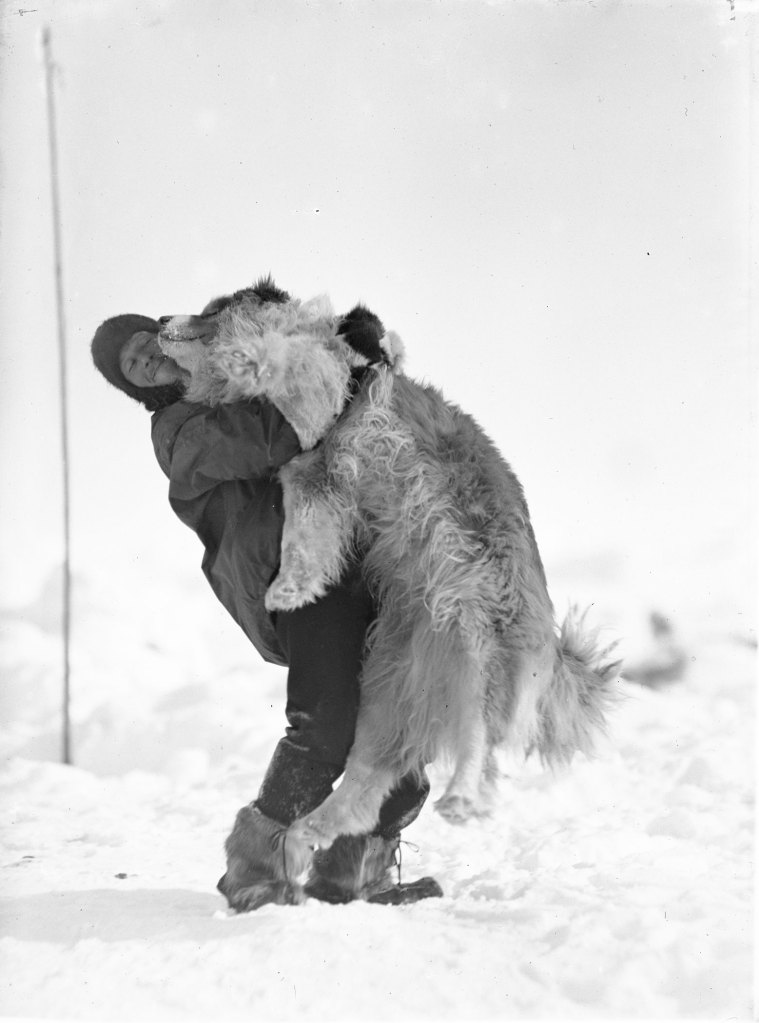
The Endurance Photographs – A Definitive Record of Shackleton’s Expedition is published by the Royal Geographic Society and Riverside Press and is available to buy now. ISBN: 9781917226233.
All images copyright RGS-IBG.
Related reading:
- Captain Scott selfie among rare photographs to be auctioned
- These are the photos that beat 100,000 entries to win the Hasselblad Masters – you have to see them
- These stunningly gorgeous monochrome images by the legendary Michael Kenna celebrate stillness and serenity
Do you want to win some great prizes for your photography? Enter your photos in our International Amateur Photographer of the Year competition. Free entry for photographers aged 13-21.
Follow AP on Facebook, Instagram, YouTube, TikTok and Irys.