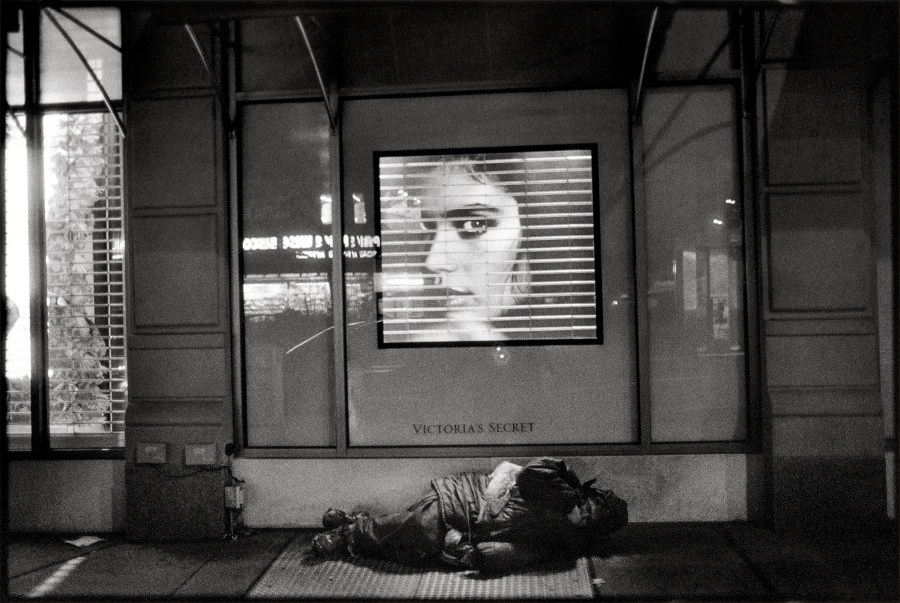
In Civics, photographer William Meyers turns away from political spectacle to document the everyday acts of participation, public service and civic engagement that keep democracy functioning.
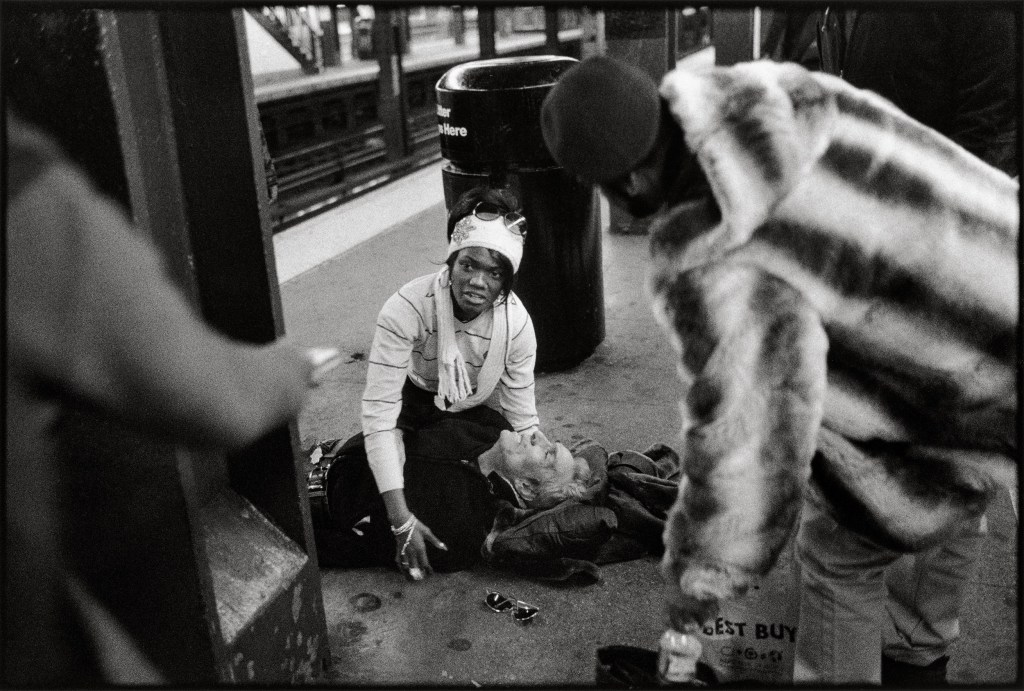
Throughout history, campaign rallies, violent demonstrations, victory speeches and devastating defeats have consistently provided fodder for the photographer’s lens. Democracy however, is much more difficult to photograph than politics. William Meyers (b. 1938) has spent 25 years trying.
Between the headlines
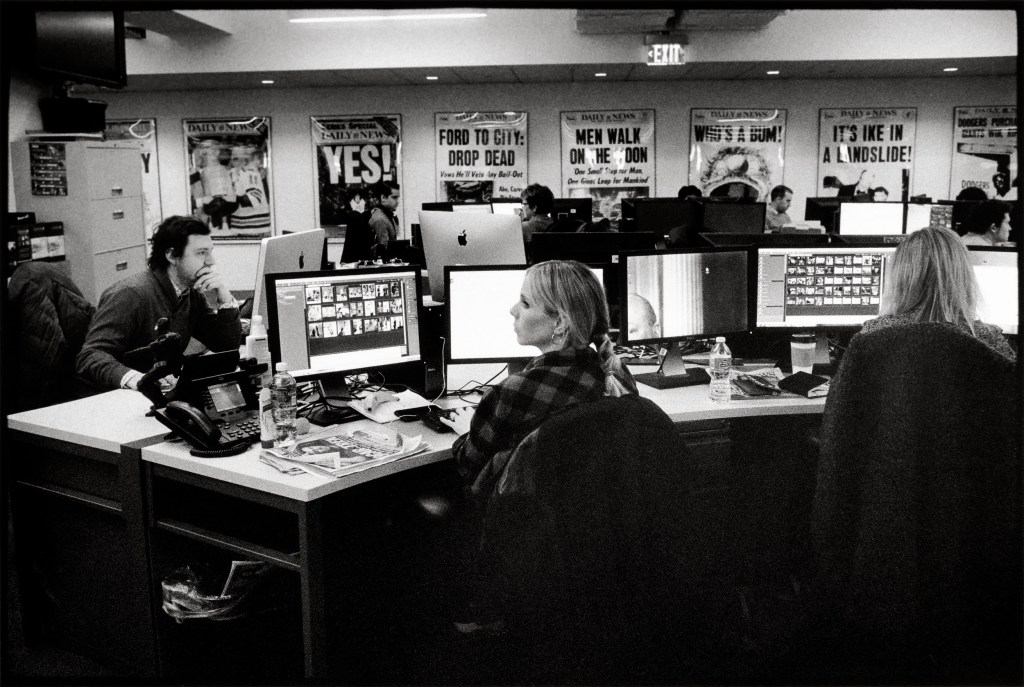
Civics is less a chronicle of American politics than an examination of what happens after the press pack usually leave. The pages are more political plumbing than political theatre – the viewer is shown images of council meetings, election volunteers, newspaper editors, charity workers , public hearings and ordinary New Yorkers waiting patiently for their turn to speak.
The book’s release coincides with the United States’ 250th anniversary, a time when public discourse increasingly feels dominated by social media outrage and ideological trench warfare. The title, Civics, may not feel contemporary but that is Meyer’s point. His photographs suggest that democracy is sustained by small acts of participation over viral moments.
The photographs echo the book’s beautiful accompanying essay by journalist Nicole Gelinas. Whether it’s attending a council meeting, volunteering in a shelter, campaigning for local office or simply listening to an orator, civic life depends on people repeatedly showing up.
Photography and conflict
From Robert Capa’s falling soldier and Eddie Adams’ Saigon execution to Jeff Widener’s tank man, documentary photography has historically been at its most memorable when recording moments of confrontation. Instead, Meyers points his camera at what happens before and after history is made; the committee meetings, election volunteers, newspaper offices and patient queues where democracy steadily goes about its business. History remembers the explosions. Meyers is photographing the wiring.
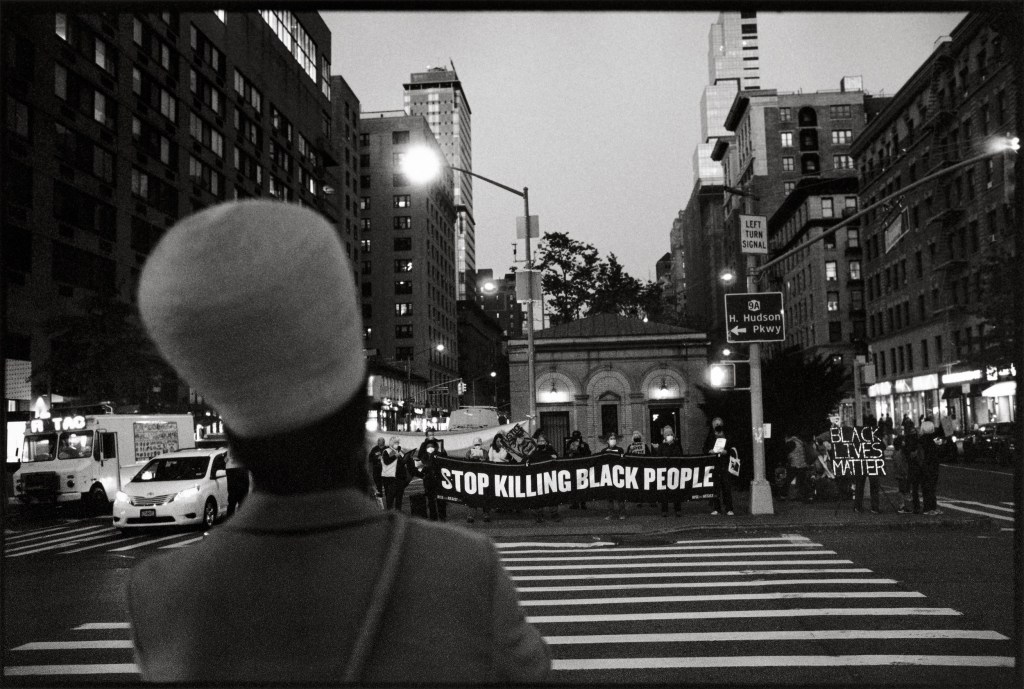
Conflict and protest naturally produce compelling pictures and Meyers is clever not to ignore them completely. The book includes images of Occupy Wall Street and Black Lives Matter demonstrations but form only one of the seven chapters in the broader visual ecosystem – Elections, Governance, Demonstrations, Press, Talk, Social Capital and Civic Markers complete the septet.
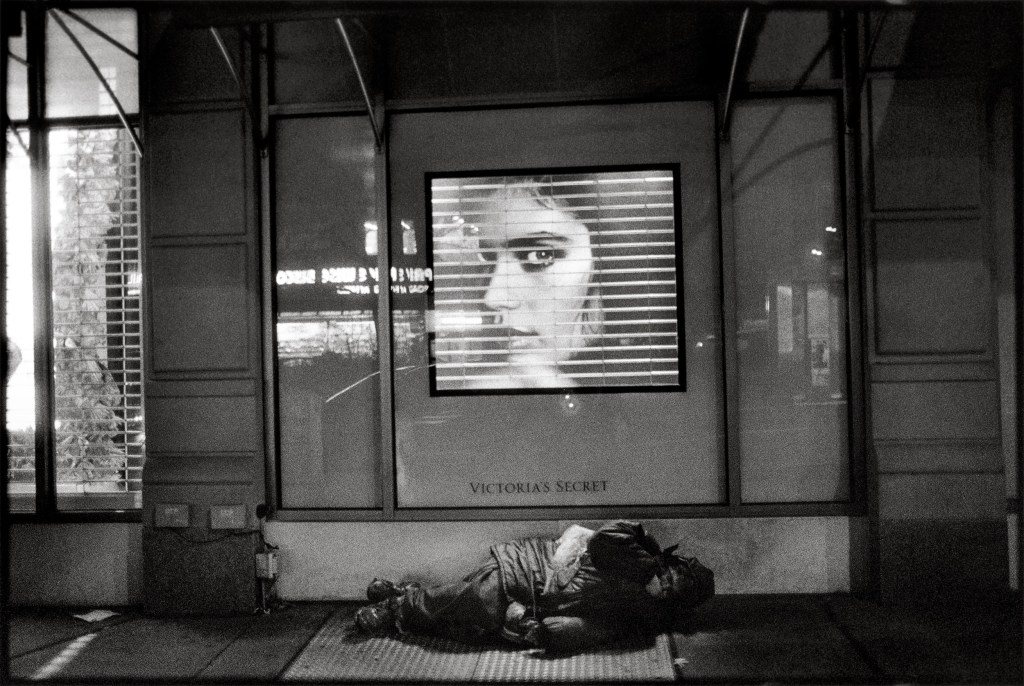
What the chapters suggest as a whole, is that democracy isn’t a single event but a network. Individually they may appear ordinary but collectively reveal the infrastructure of public life – a newsroom deciding tomorrow’s front page sits alongside a marriage bureau, a union inflatable rat, neighbourhood volunteers and city officials debate seemingly mundane issues.
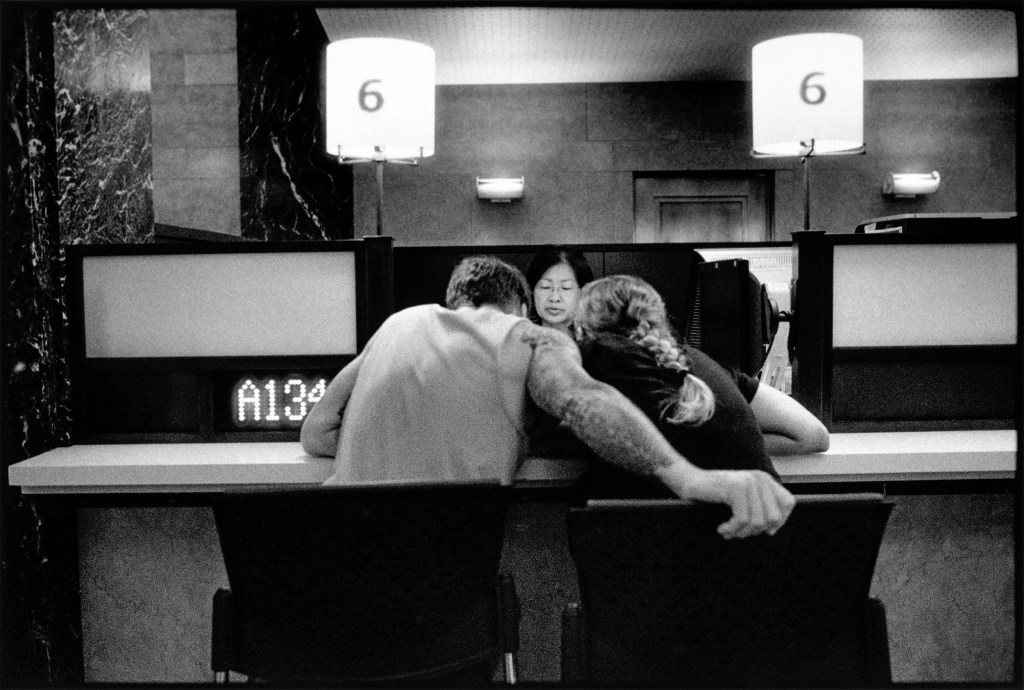
Beyond the decisive moment
The book is anything but mundane and reveals a refreshingly photographic approach by Meyers. He embraces what Henri Cartier-Bresson once dismissed as the “non-event.” Meyers pictures are all about the “non-event.” Action is replaced by attention. It’s a book that requires patience both from the photographer and viewer.
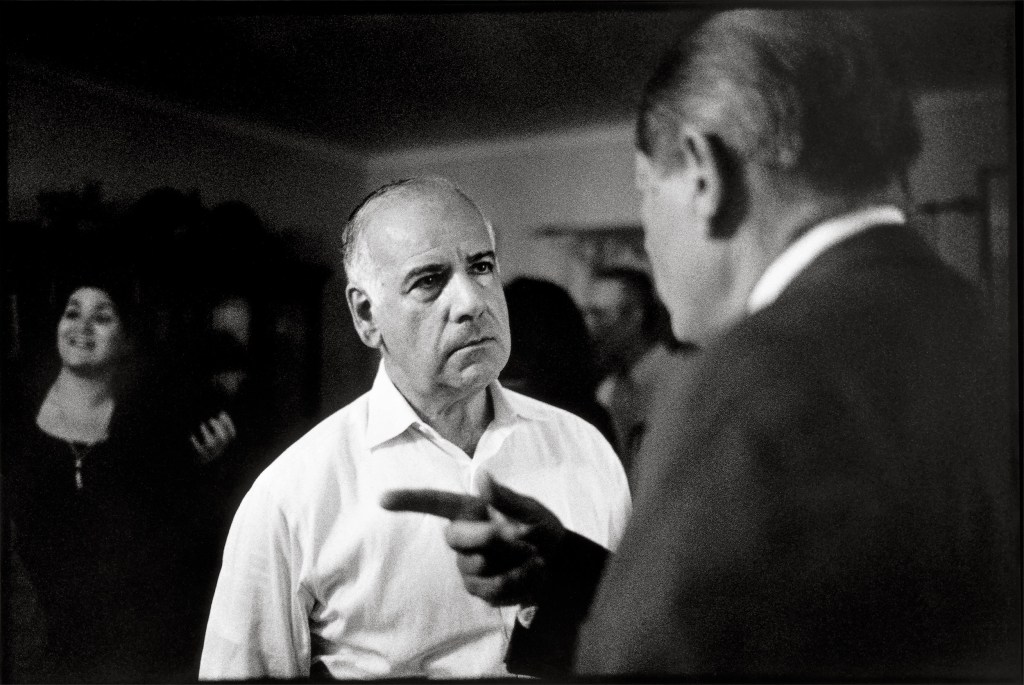
The black and white photographs in Civics are presented on the right hand page, captions on the left. The time span of the images is necessary. Historical events emerge naturally and it allows democracy to become cumulative rather than episodic. Sometimes history needs time to percolate to reveal what makes it significant.
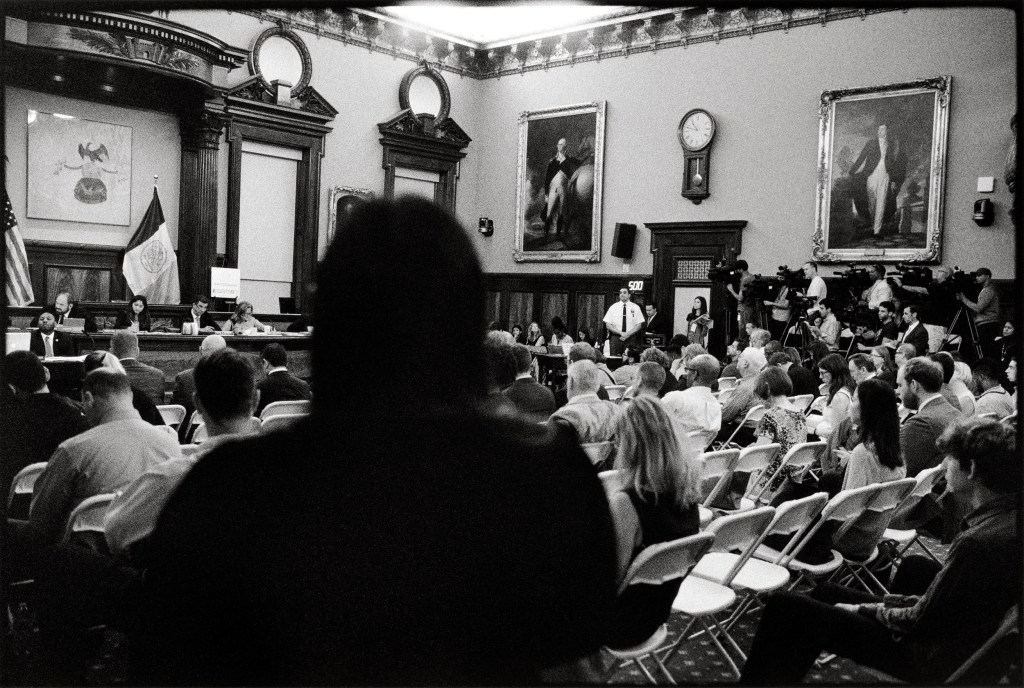
Quiet moments
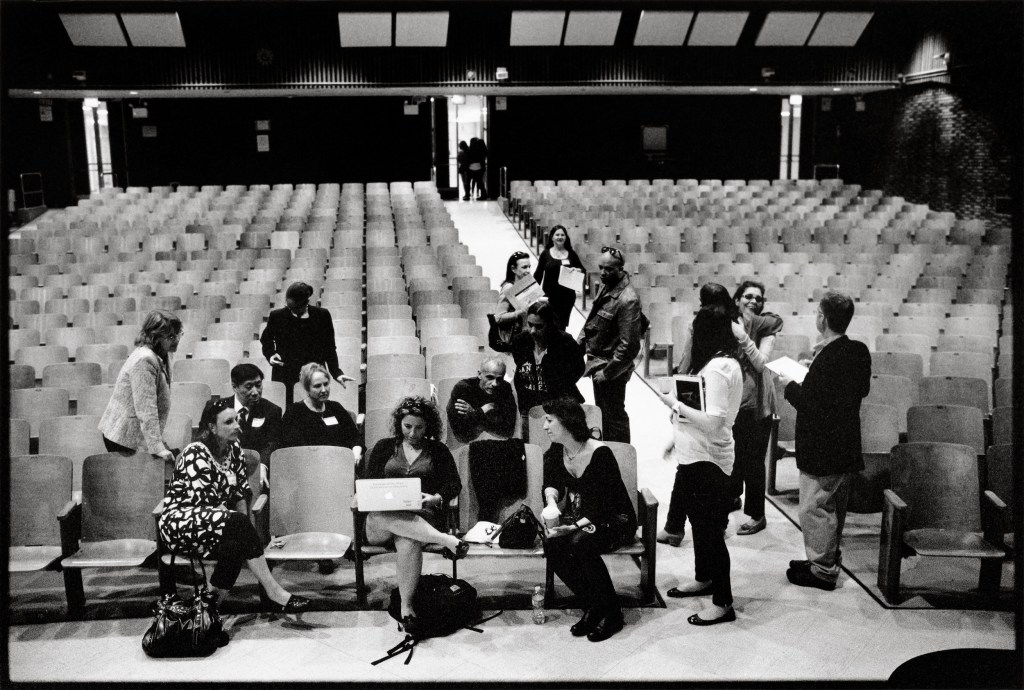
Spot News photography rewards immediacy, spectacle and emotion. Civics demonstrates that sometimes the most meaningful pictures are the least dramatic. Meyers’ strongest images are of rooms filled with anonymous citizens sitting on uncomfortable looking folding chairs waiting to make their point. These unremarkable moments are unlikely to go viral but can be seen as more revealing than another photograph of a politician lambasting the opposition from a podium.
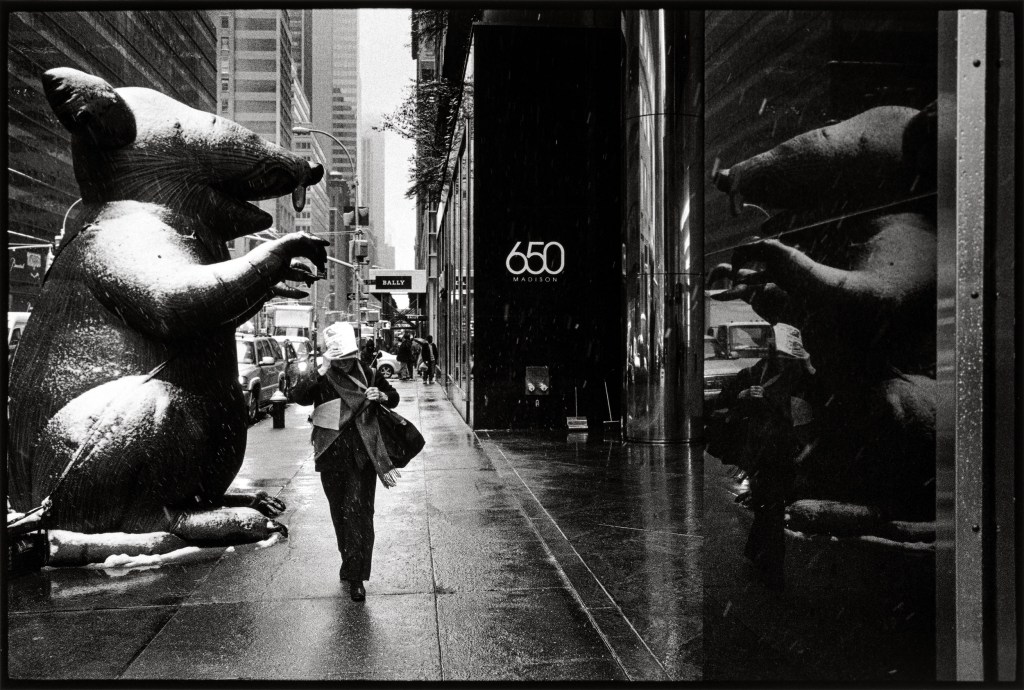
Noise has become a currency of our age. Civics reminds us that democracy is more about participating in the slow often frustrating day-to-day business of public life than winning the argument. That’s a difficult idea to photograph. William Meyers has spent a quarter of a century proving that it’s possible.
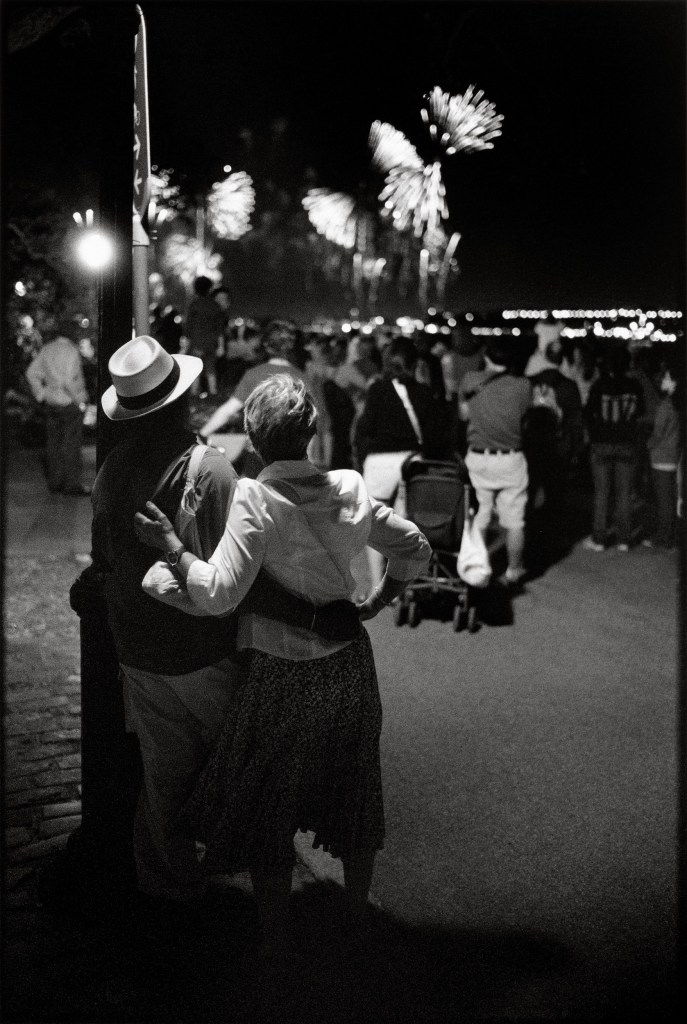
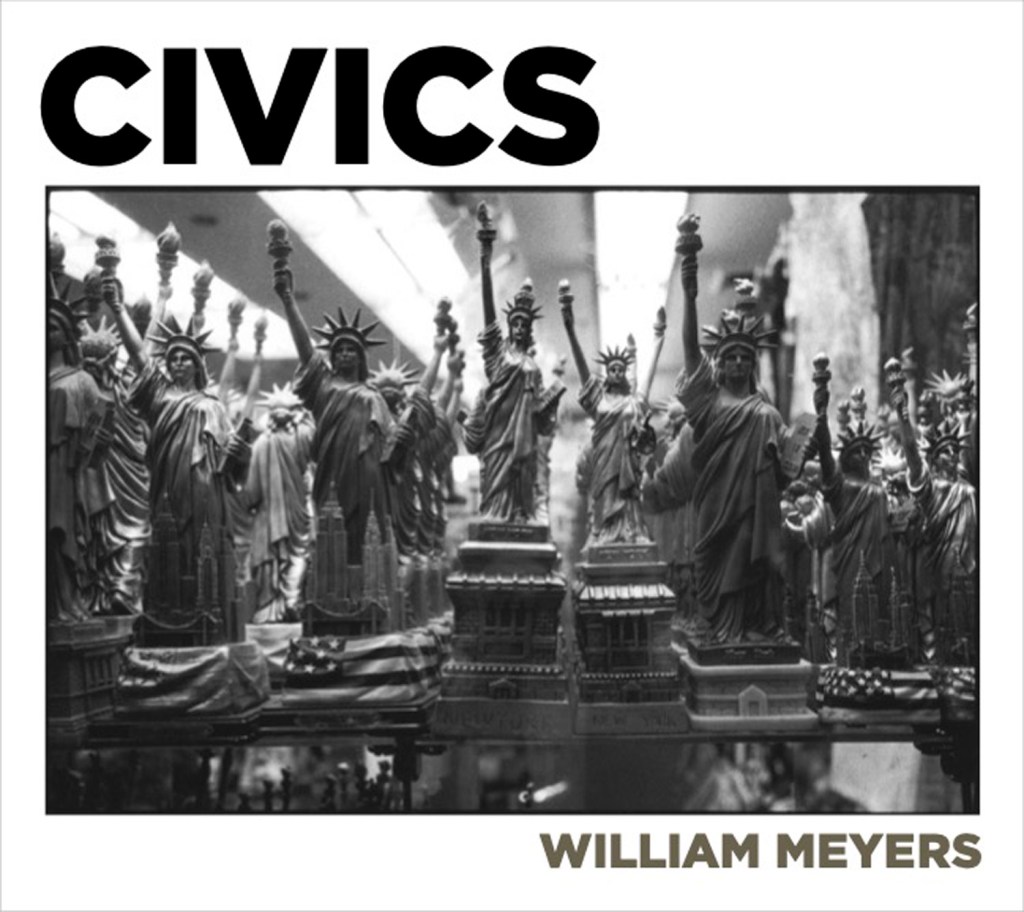
All images are from Civics by William Meyers published by Apollo Publishers, which is available to order from 28th July. ISBN: 9781954641570
Related reading:
- Must see: Bold and brilliant New York street photography pics by iconic Magnum photographer Harry Gruyaert
- A subtle master of New York street photography – Helen Levitt’s work is a must-see
- Discover the real story of America’s first professional woman photographer, Frances Benjamin Johnston
Follow AP on Facebook, Instagram, YouTube, TikTok and Irys.