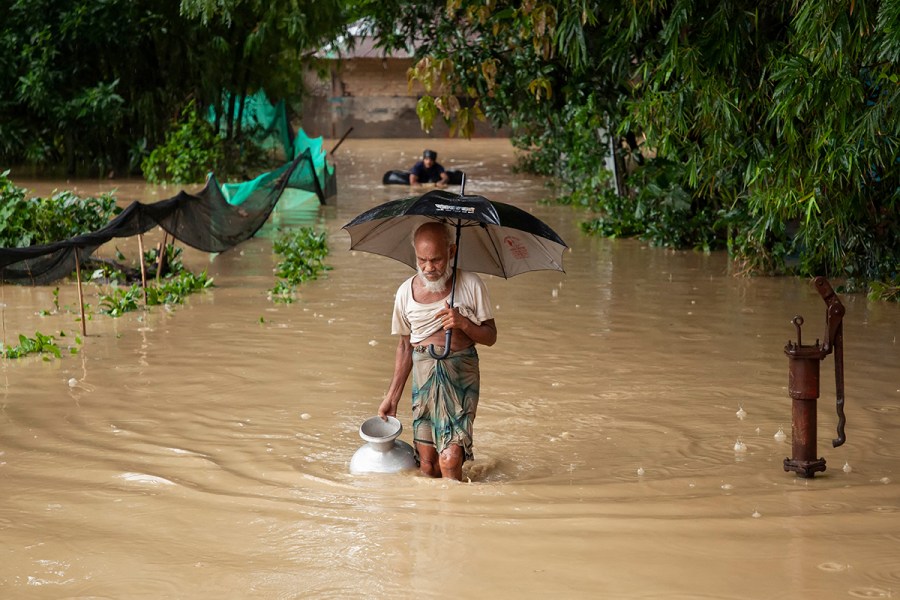
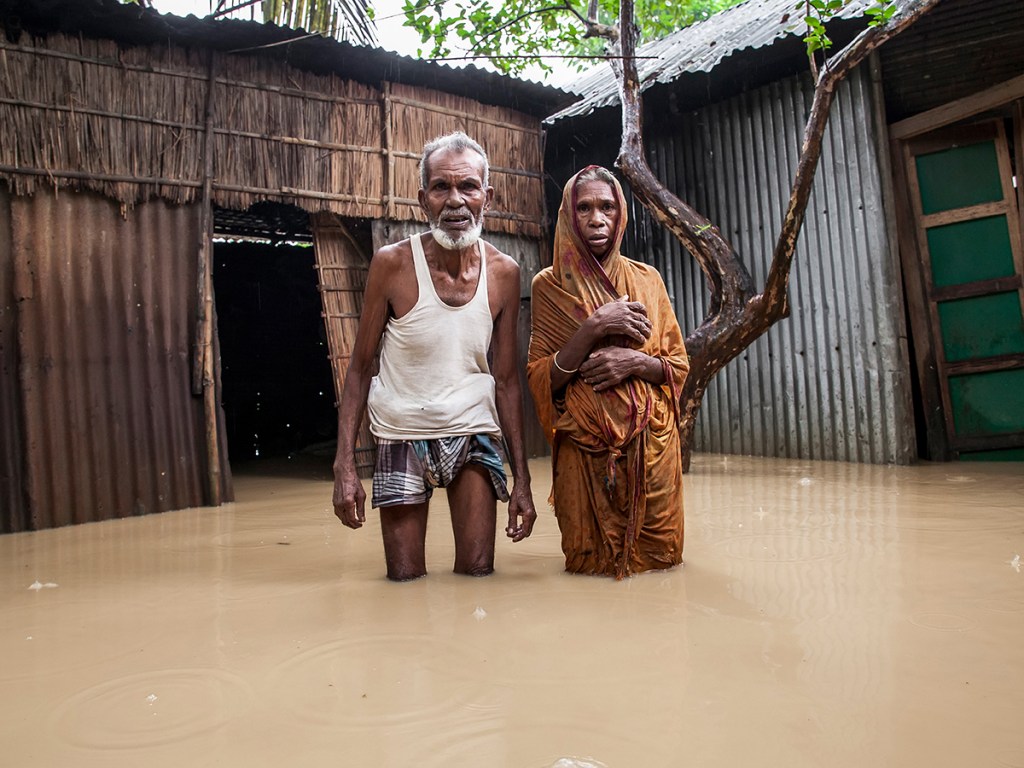
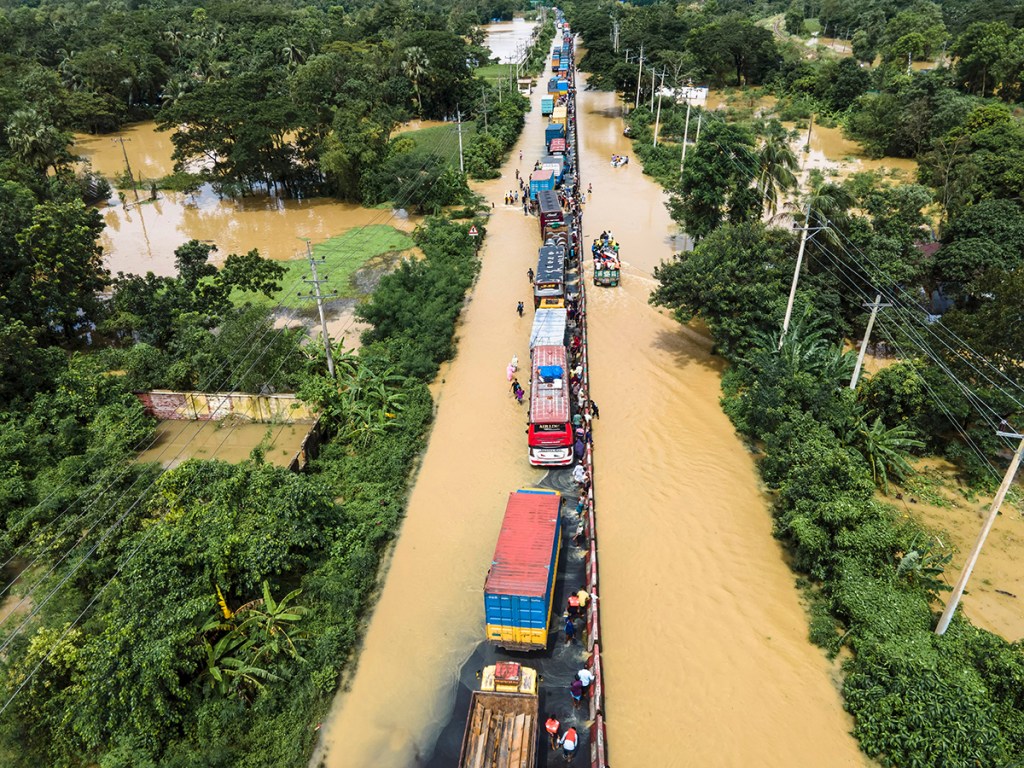
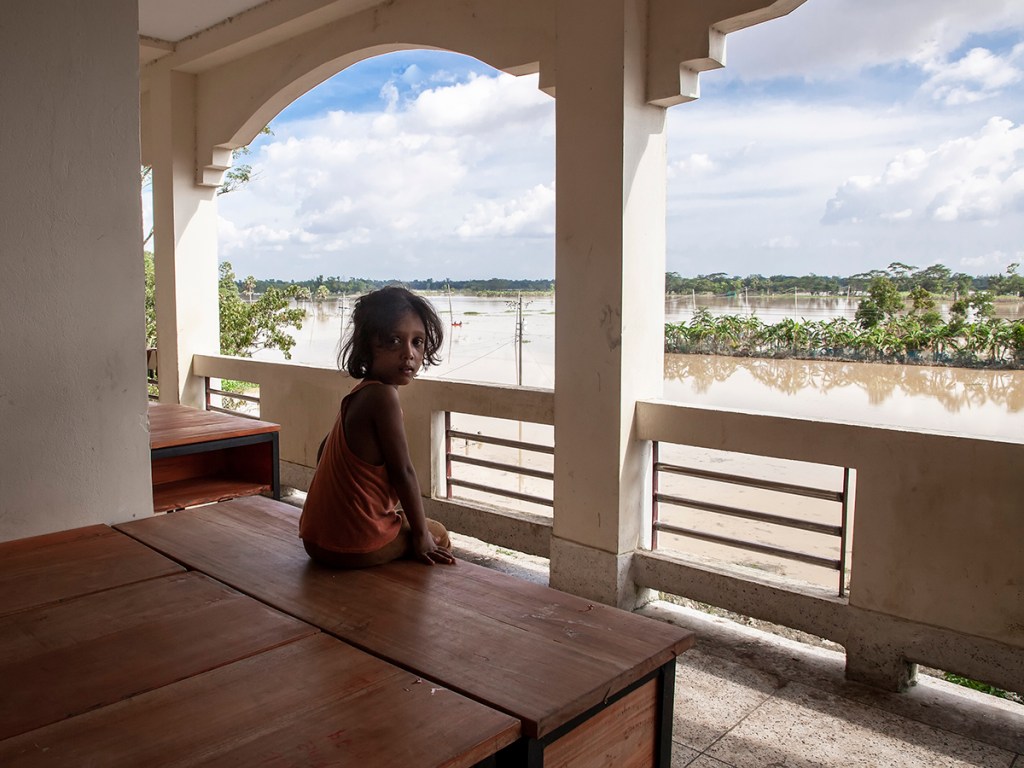
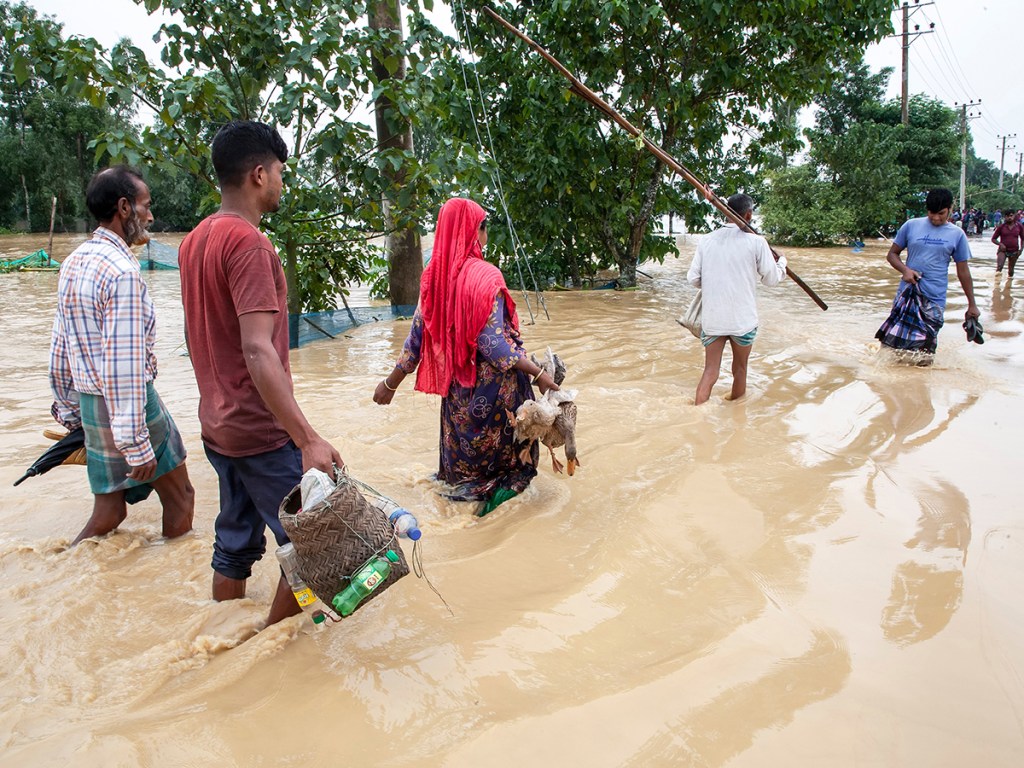
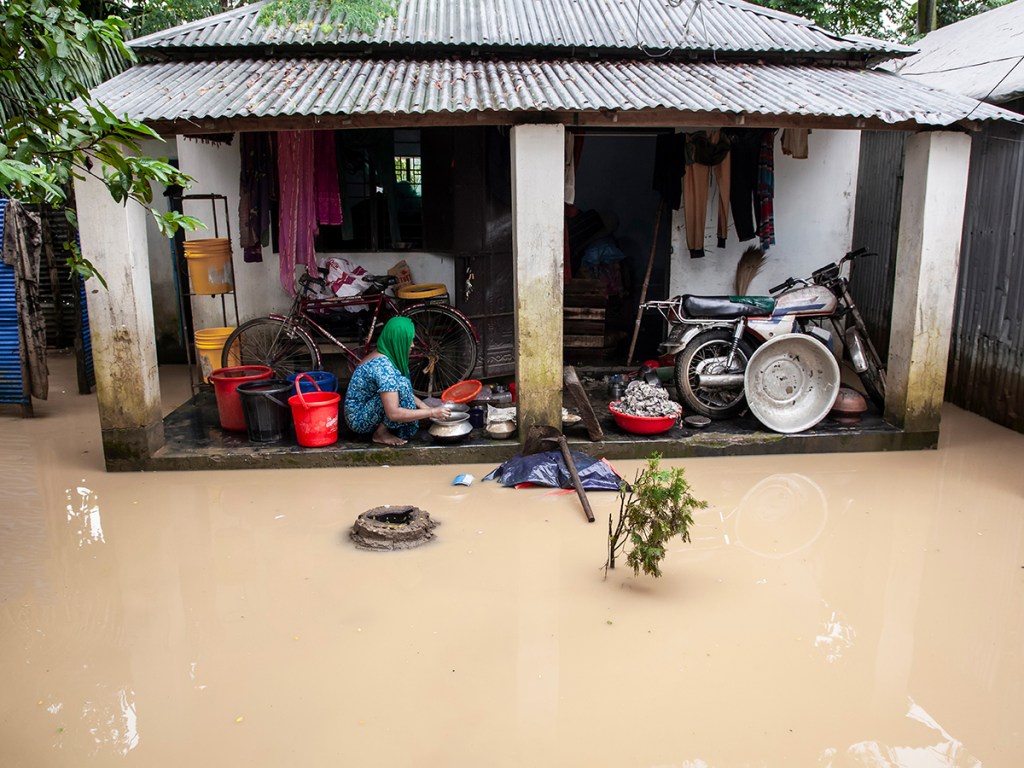
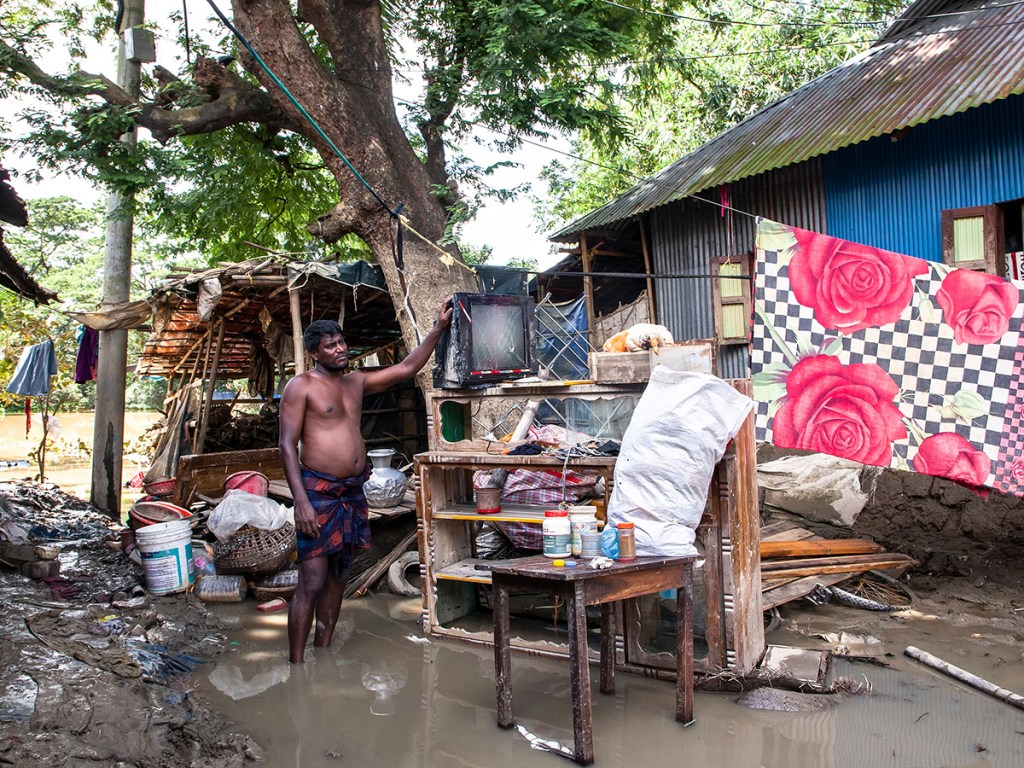
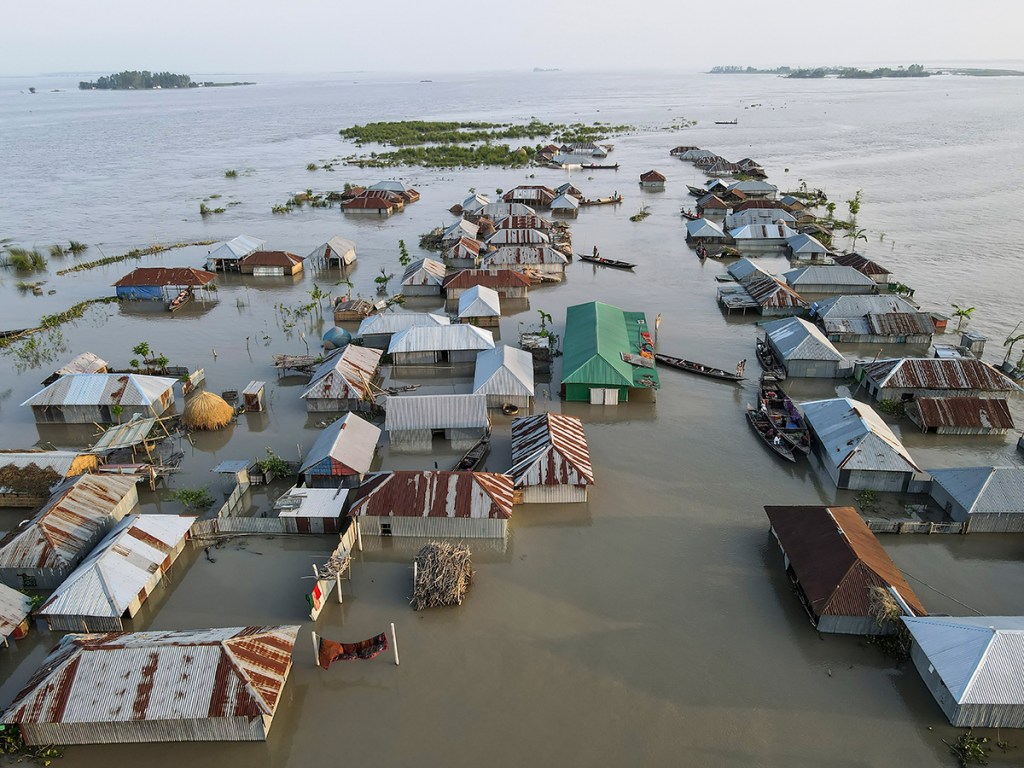
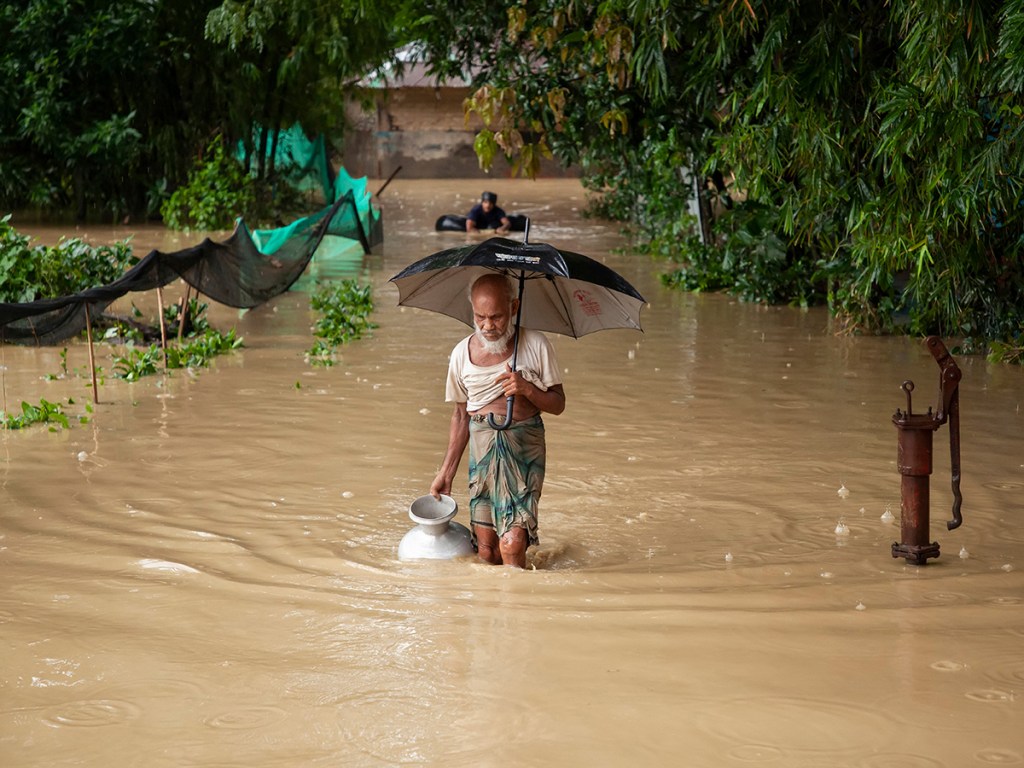
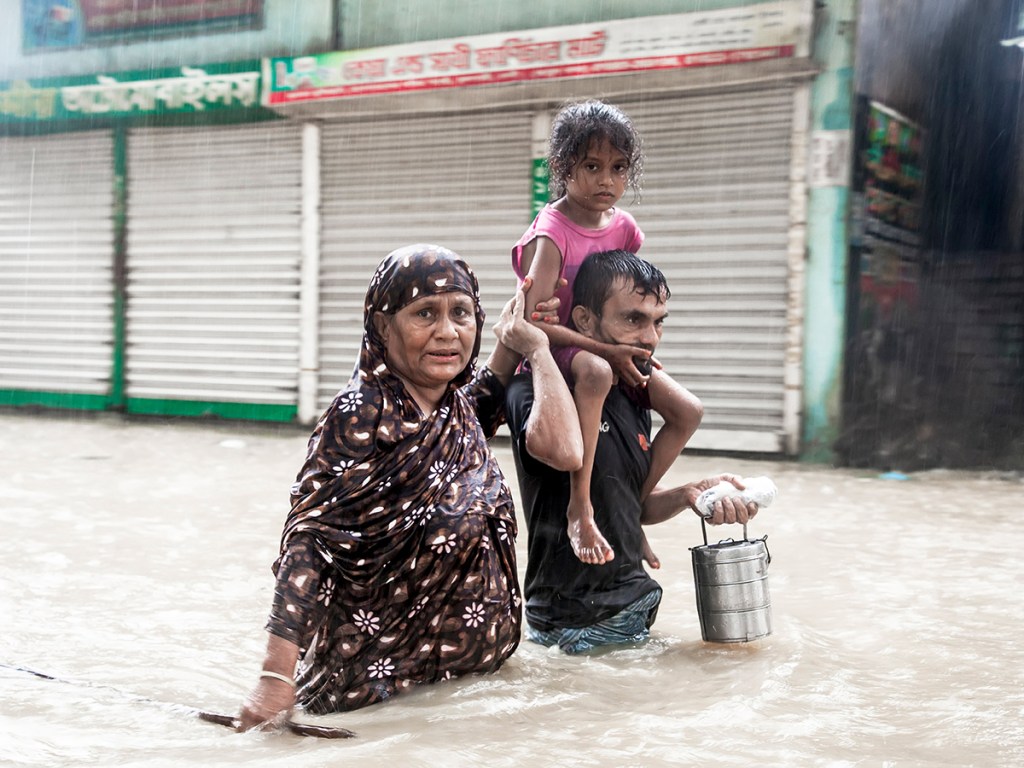
Muhammad Amdad Hossain’s long-term photojournalism projects explore climate change, environmental crisis, and human resilience—particularly in Bangladesh. His ongoing body of work, Flood Crisis, documents the recurring floods that displace millions of people every year from districts including Kurigram, Feni, and Chattogram. Entire villages are submerged as rivers overflowed and heavy rainfall inundated homes, roads, and farmland. In 2024 alone, more than 5.8 million people were affected, with dozens of lives lost and widespread damage to infrastructure and livelihoods. Muhammad shares more about his work and how he started in photography…
Our emerging photographer series aims to shed a light on up-and-coming talent. Photographers are offered a platform to share their work with a wider audience through the AP channels, with the scope of furthering their careers. We also get an insight into their inspirations, the camera gear used and future aspirations, as well as the journey taken into photography – which doesn’t have to be the most traditional route!
We’ll be sharing the work of photographers on our website and social media and even in the magazine. If you have recently started your photography journey or are a student / graduate, share your work with us at [email protected]
When and why did you start taking photographs?
I started taking photographs in 2017, when I first bought a camera and began by capturing simple moments of my family and everyday life. Over time, I connected with a photography community on Facebook, which deeply inspired me. Through that interaction, I realized photography could be more than personal memories—it could be a powerful way to document real stories. Since then, I’ve been driven to use photography to reflect the realities of people around me, especially those facing environmental and social challenges.
Which genre do you tend to work mostly in?
I mainly work in travel and photojournalism. My approach combines documenting real-life events with a deeper exploration of place, people, and culture. Through travel, I discover stories, and through photojournalism, I try to present them with honesty, context, and emotional depth.
What draws you towards your favoured genre?
I’m drawn to real stories and human experiences. Travel allows me to reach different places and communities, while photojournalism gives me the purpose to document their realities with honesty.
Tell us a little bit more about your photographic training (if any)?
I studied Political Science at the National University of Bangladesh, which helped me understand social structures and human realities—something that strongly influences my photographic perspective. My photography practice itself is largely self-taught, developed through continuous fieldwork, observation, and long-term engagement with communities.
Alongside this, I received professional training at Counter Foto – A Center for Visual Arts in Bangladesh, and later had mentorship support from Agence France-Presse (AFP). I was also selected for the Foundry Photojournalism Workshop 2026, organized by The VII Foundation and PhotoWings. I chose this path because I wanted to build a practice rooted in real-world experience while also learning from established documentary and photojournalism platforms.
Tell us more about your work?
My work mainly focuses on long-term documentary projects around climate change, environmental crisis, and human resilience—particularly in Bangladesh. One of my ongoing bodies of work, Flood Crisis, documents the recurring floods that displace millions of people every year. Through this project, I explore themes of survival, loss, and the quiet strength of communities living with water as a constant reality.
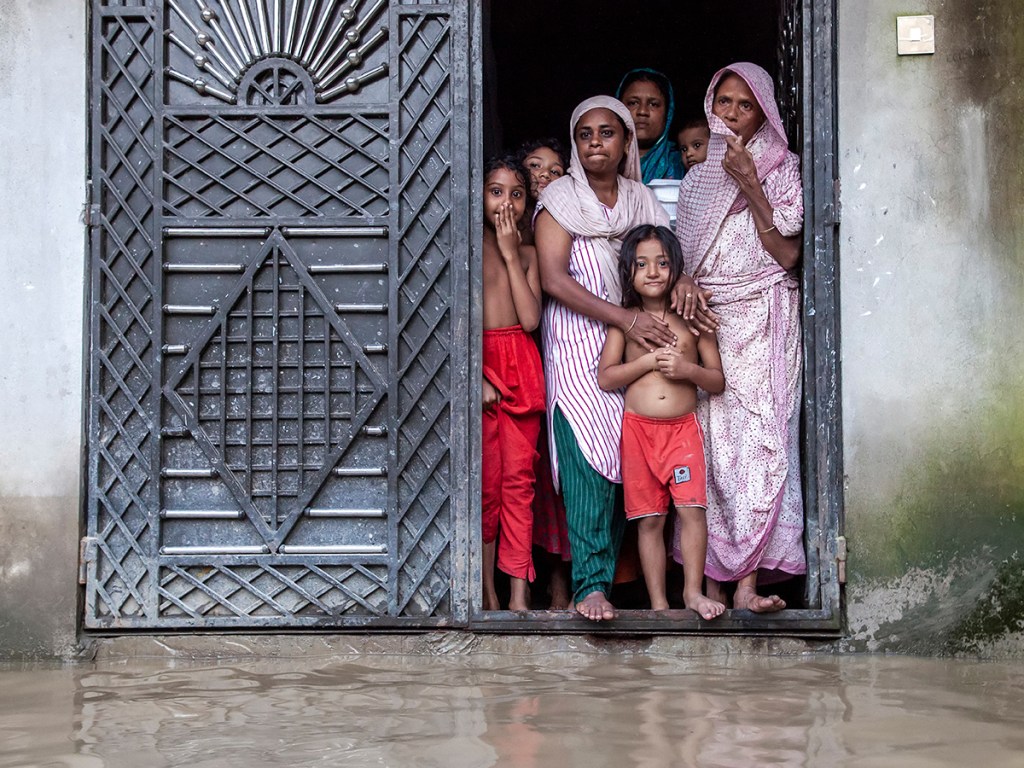
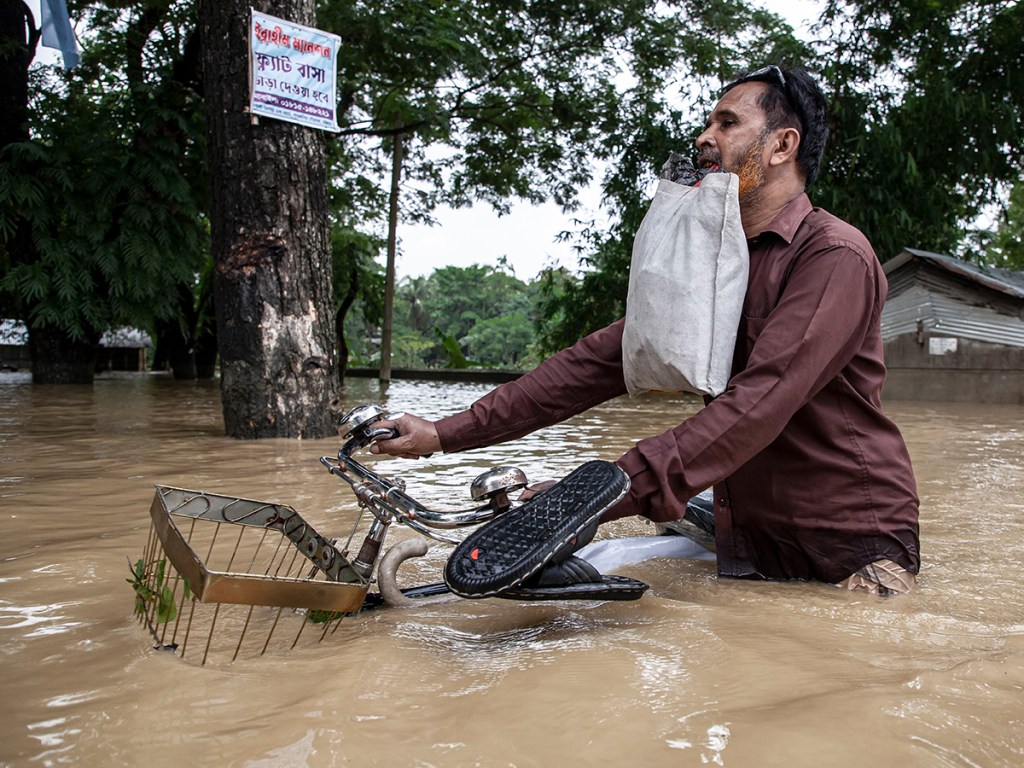
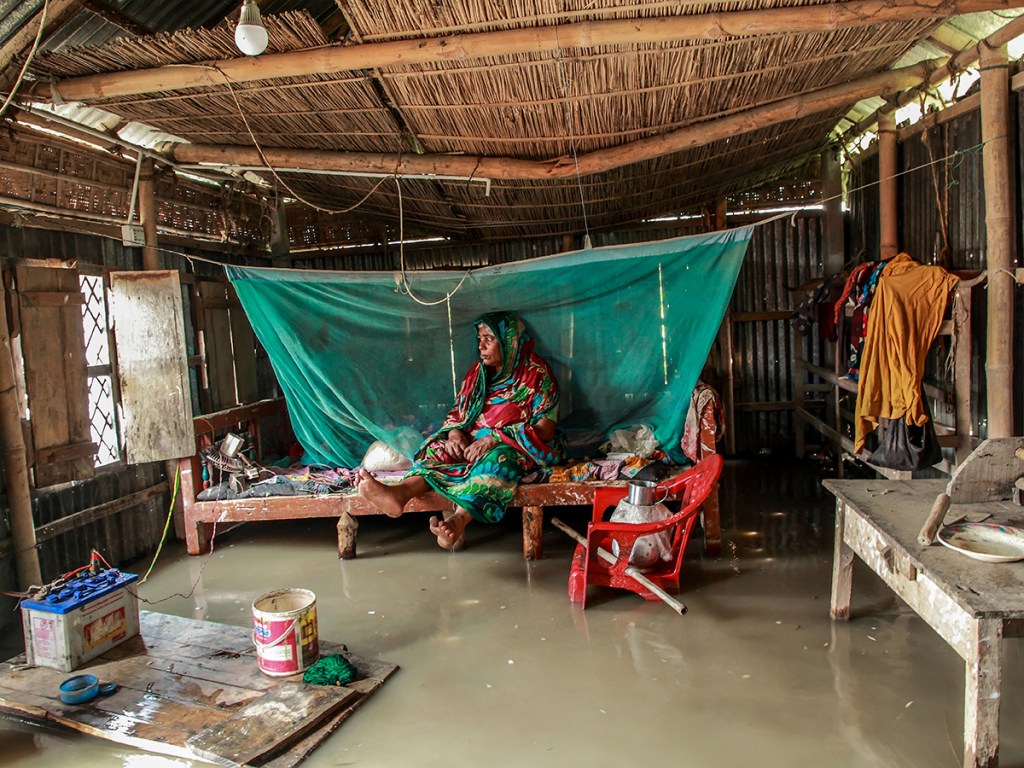
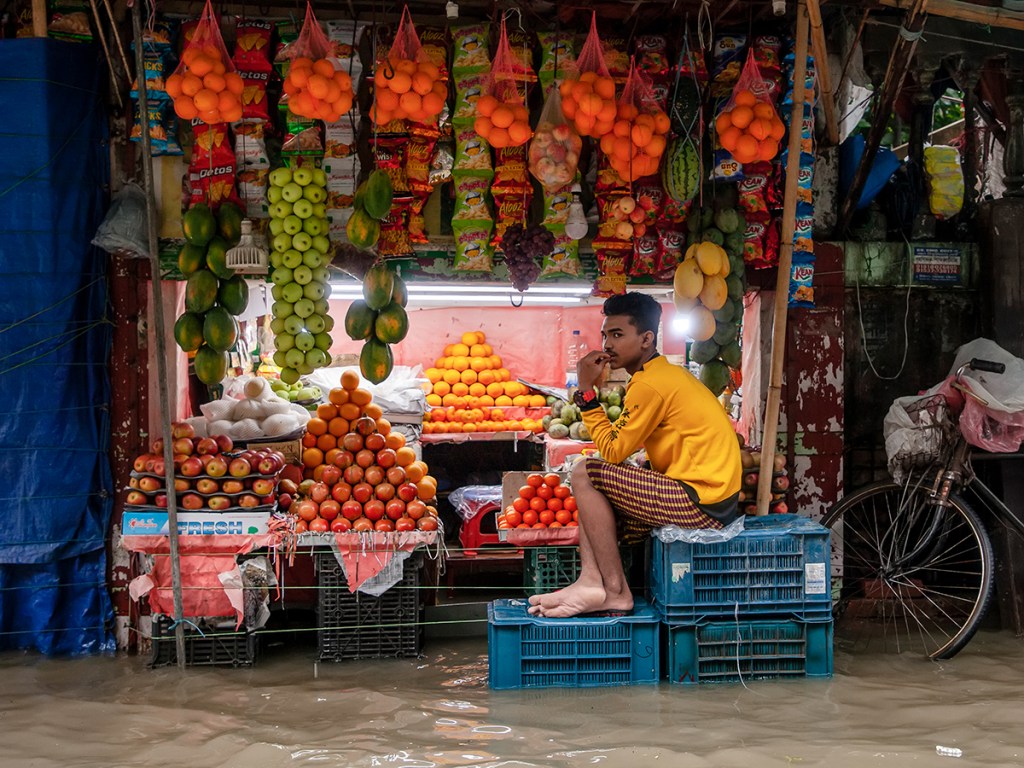
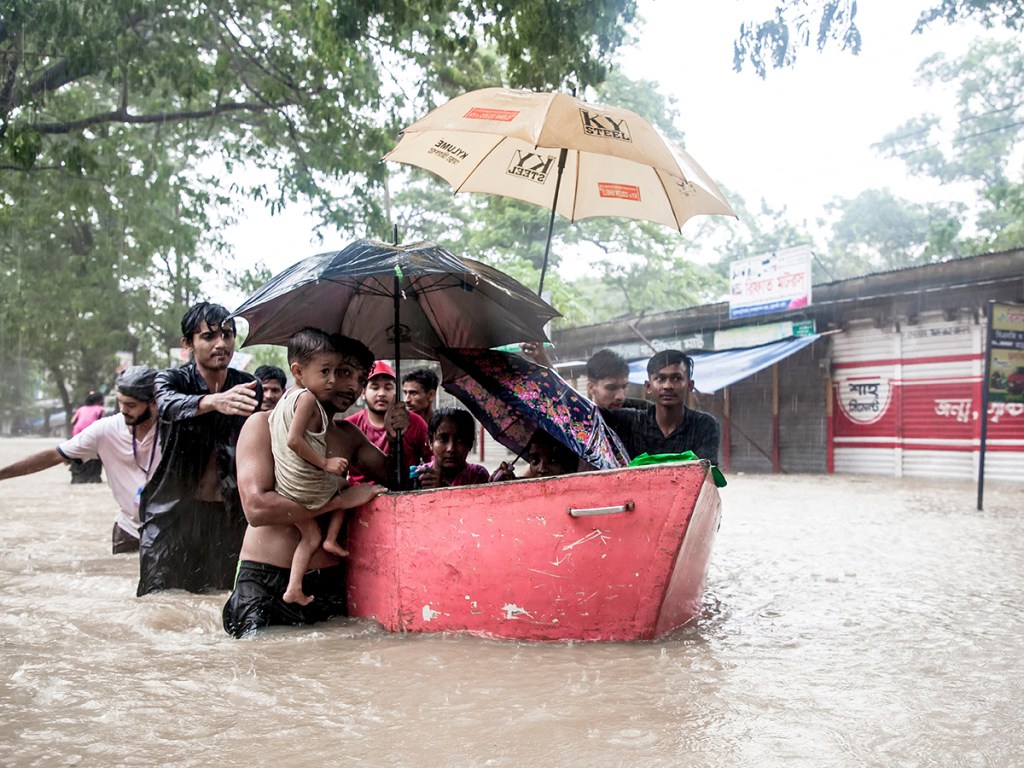
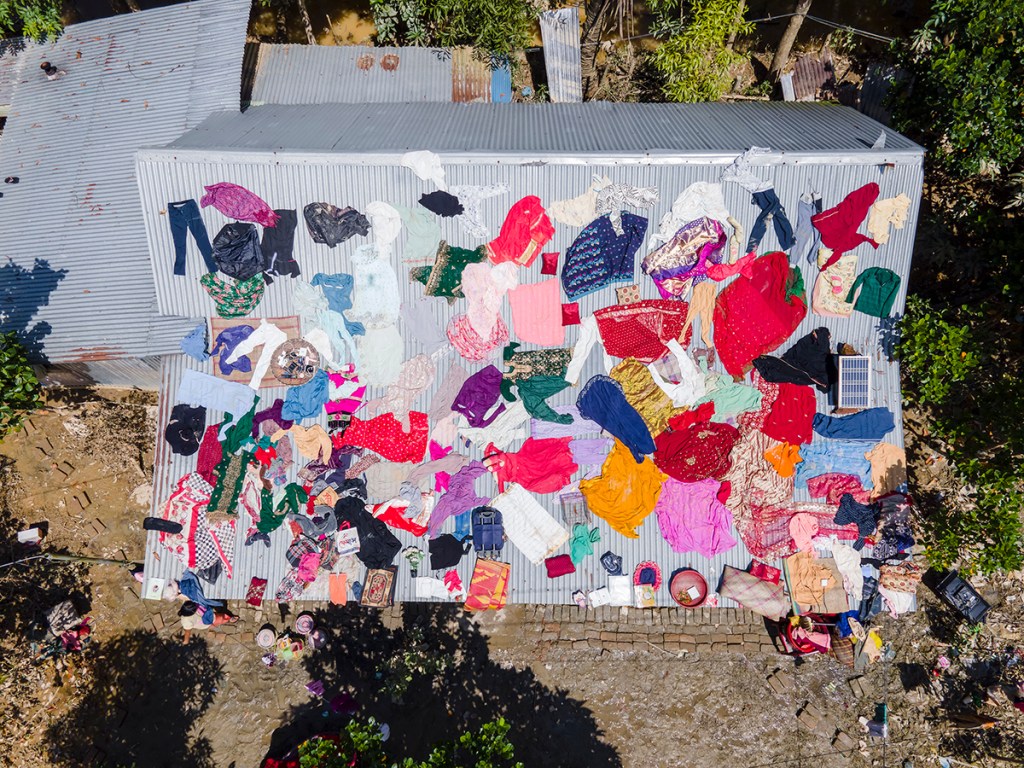
For many communities, flooding is not only a moment of disaster but a prolonged condition. Families navigate submerged streets, cook and sleep in partially flooded homes, and dry their belongings on rooftops after the waters begin to recede. In rural regions, boats replace roads, while in urban areas daily work continues despite waterlogged streets and damaged infrastructure.
Through scenes of evacuation, damaged homes, disrupted livelihoods, and everyday survival, the images reflect how floods continue to reshape landscapes and lives. The project examines the lasting traces of climate-related disasters while revealing how people endure and rebuild within an environment defined by recurring uncertainty.
Alongside this, I have worked on related projects such as Saltwater Lives and other environmental and social documentary series, which look at the impact of climate change on coastal and vulnerable communities.
Recently, my work was shortlisted for the Sony World Photography Awards 2025 and exhibited at Somerset House in London. My projects have also already been shown in exhibitions and festivals around the world including the UK, Italy, UAE, Australia, the USA, and New Zealand. Notable exhibitions include the Flood Crisis exhibition at Station Gallery in the UK, World Art Dubai, Kolga Tbilisi Photo Award, and the Hillary Innovation Summit in New Zealand.
Overall, my practice is rooted in long-term storytelling—using photography not only to document reality, but to raise awareness and create a deeper emotional connection between global audiences and the communities I photograph.
What kind of reaction has it had?
Most importantly, it has created emotional connections with audiences—many people respond to the human stories behind the images, especially the resilience of communities facing constant environmental challenges. It has also helped bring more attention to the realities of climate vulnerability in Bangladesh on a global level.
What has been your biggest photographic obstacle to date?
One of my biggest challenges has been working in disaster-affected and remote areas, especially during floods. Access is often difficult, and conditions can be physically and mentally demanding. At the same time, I try to maintain an ethical approach—building trust with people and telling their stories with respect and honesty. Balancing these realities while continuing long-term projects has been one of the most challenging parts of my journey.
Who are your biggest influences?
The people I photograph—their resilience and everyday realities inspire my work the most.
What equipment do you use?
I use a Nikon Z6 III and a Canon EOS 5D Mark II, mainly with 24–120mm, 24-105mm and 35mm lenses. I also work with a DJI Mavic drone for aerial documentation.
What would be your dream equipment to work with?
I believe storytelling matters more than equipment, but I’d love to explore medium format cameras in the future for their detail and depth, especially for long-term documentary work.
What has been the highlight of your photography career so far?
One of the biggest highlights for me was being invited to London, UK for a fully funded trip to attend the Gallery Season 5 exhibition ceremony. It was a significant moment to see my work presented internationally and to connect with the global photography community.
What are your hopes for your photography career in the future?
I hope to continue long-term documentary work on climate change and human resilience, with the goal of creating a solo exhibition and publishing a book from my projects, while reaching a wider global audience.
Do you have a dream assignment?
A long-term documentary assignment covering climate-affected communities across South Asia, focusing on how people adapt and survive in changing environments.
What piece of advice would you give to other aspiring photographers?
Stay honest to your story and be patient. Focus on real experiences, build connections with people, and keep working consistently—strong storytelling takes time.
Instagram: @amdad.photo
Success stories
At the 2026 AP Awards, Nick Teo was announced as our Emerging Talent winner for this documentary-fashion work. Previous emerging photographer award winners include Ethan Parker, Aliz Kovacs-Zoldi and Tariq Sadu. Si Jubb and Ethan Parker spoke at our Festival of Photography: Documentary event in 2025.
More reading:
- Hook, lineout and tackle: How the Women’s Rugby World Cup inspired my career in sports photography
- “Personal images are the most powerful” These stunning self-portraits will make you reflect on your own identity
- I’ve photographed celebs and found you don’t have to be extroverted to take amazing portrait photos
- 60 Years in Britain: this award-winning photographer reveals a rarely-seen side to British culture
Follow AP on Facebook, Instagram, YouTube, TikTok and Irys.