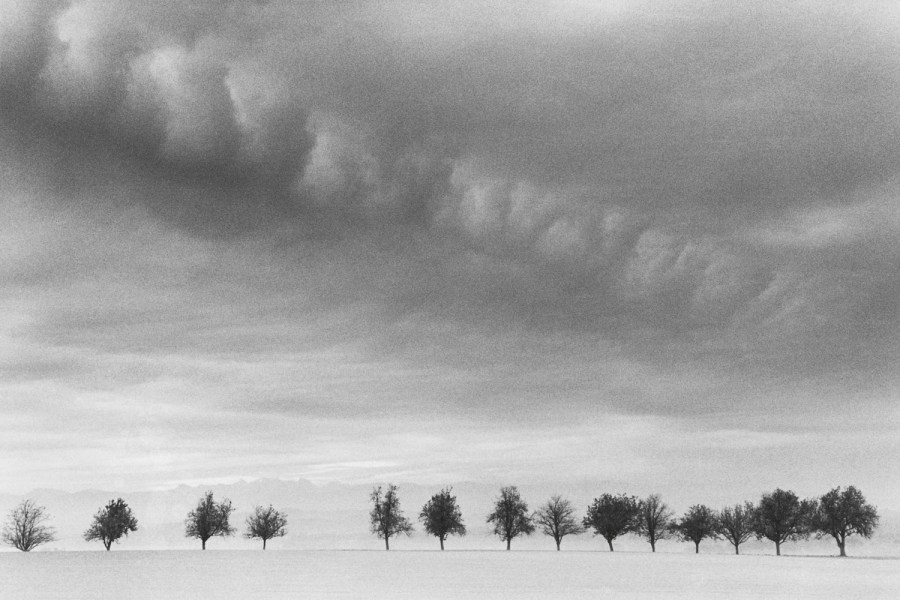
I doubt most of us would have the patience to stand in the cold and dark for hours waiting for a photograph to happen when we can quickly fill the memory card, check the back of the camera and be home and tucked up in time for The Traitors. For over five decades, Michael Kenna has resisted faster cameras, edits and likes and trusted his process of long exposures, minimal compositions and levels of quiet and stillness that today, feels increasingly rare.
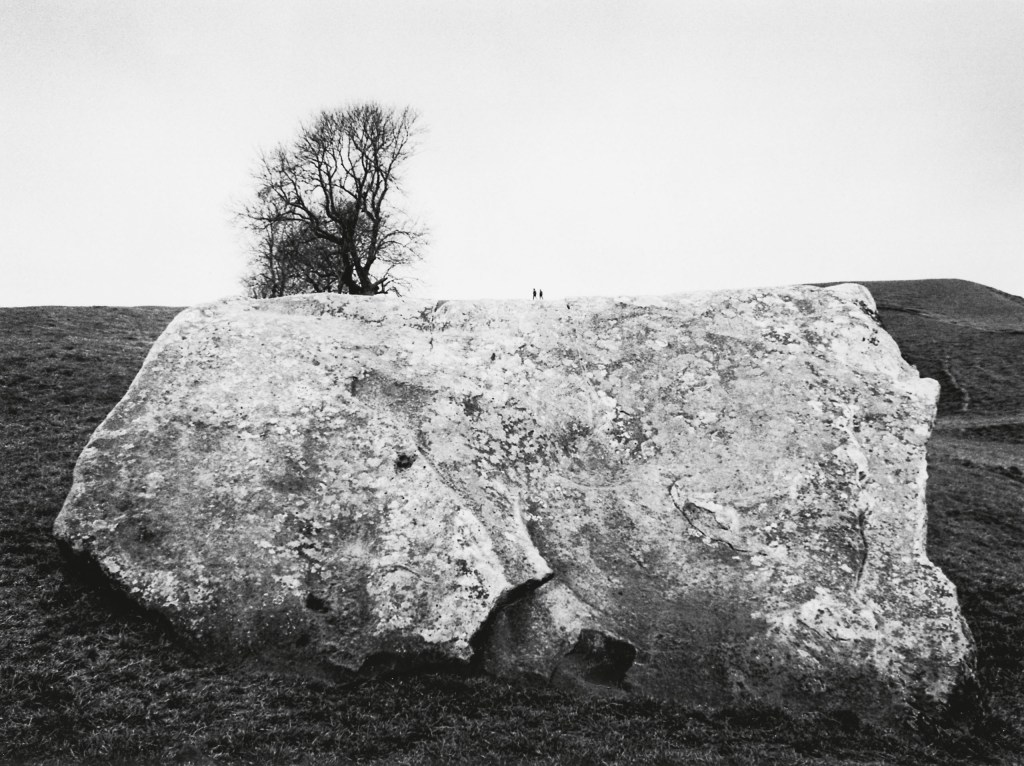
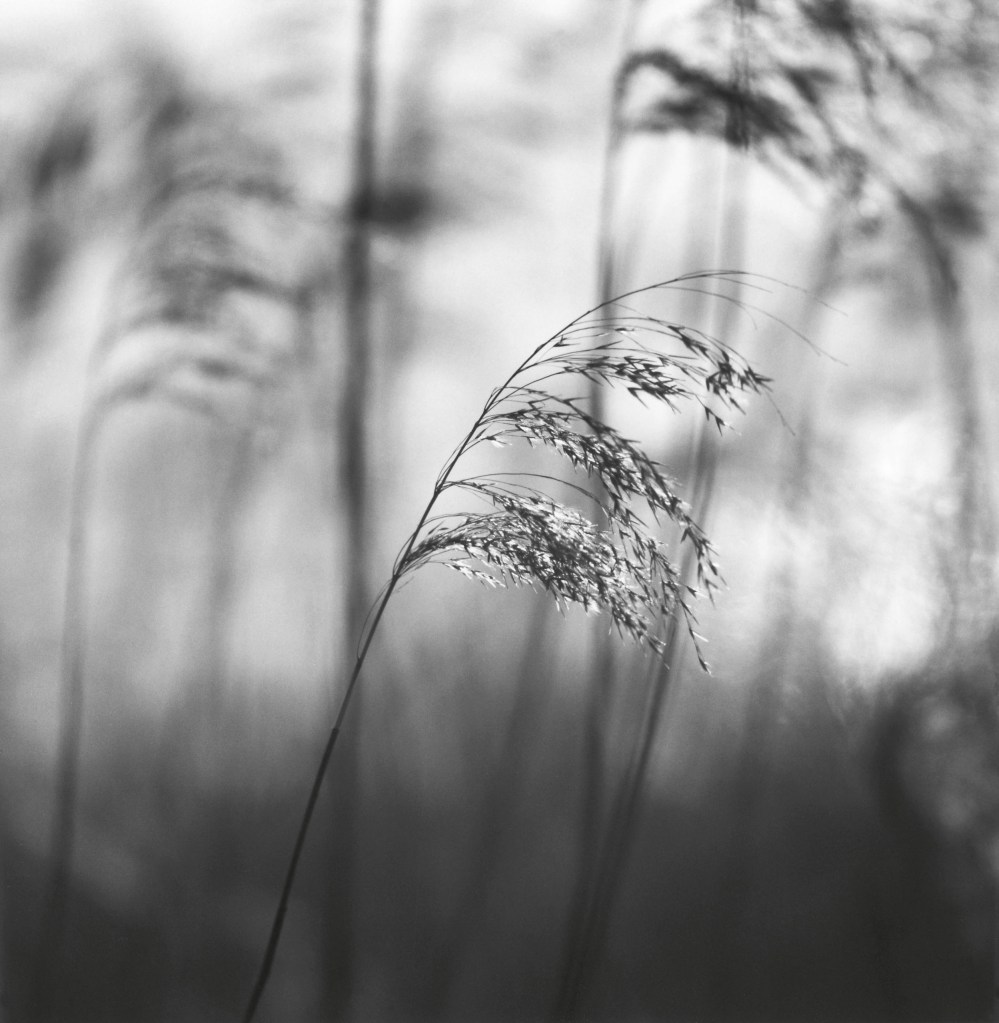
His latest monograph, Same Sun Same Moon, has a sense of meditation, that time has slowed and been stretched. A collaboration with writer Pico Iyer, pairs Kenna’s luminous black-and-white landscapes and revealing notes with Iyer’s contemplative prose, tracing the parallels of two lives lived in motion. ‘We had no fixed goal. It was simply an ongoing conversation between words and images,’ Kenna says of the collaboration.
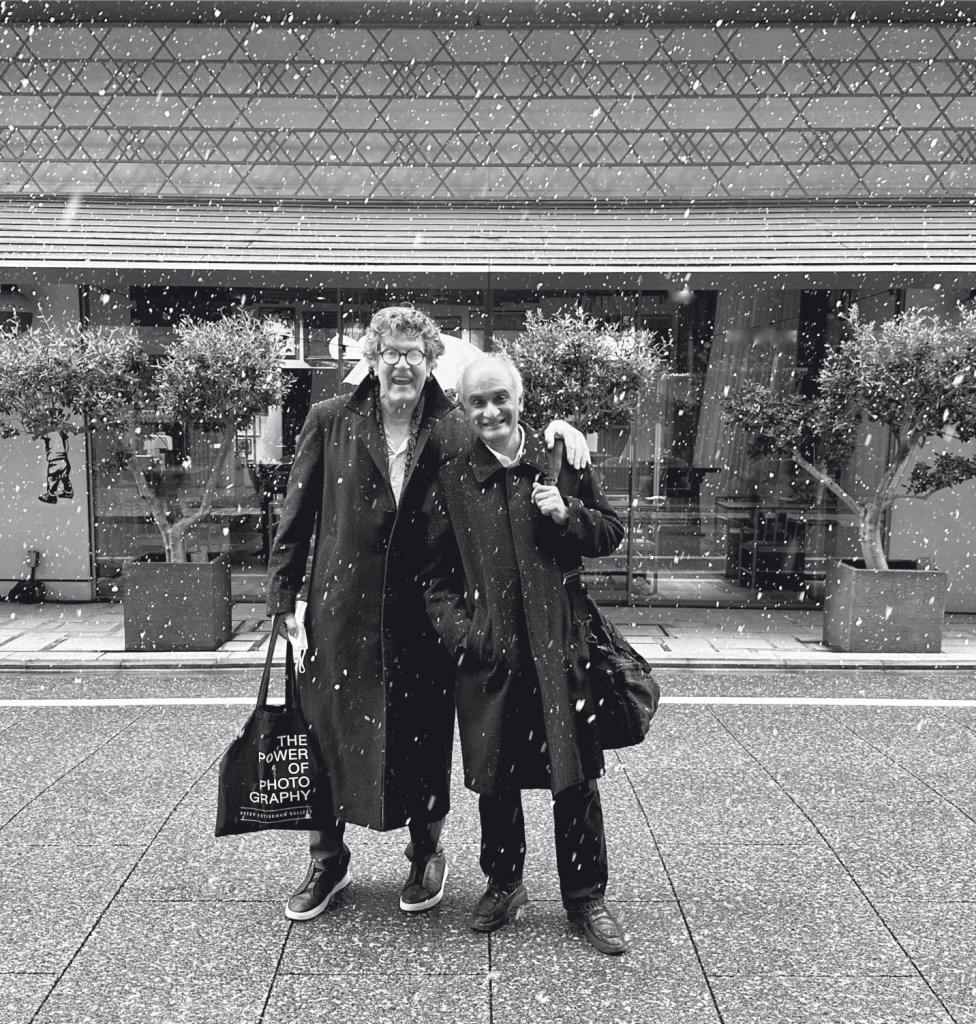
Kenna’s archive resists an easy explanation and this openness and surrender to the book’s process reveals insights. When you read over the details of the lives of Kenna and Iyer, the pairing makes sense, almost inevitable. They were both born in England just a few years apart. Both were shaped by time spent living around Oxford in the 1970s. Both were ultimately drawn to the West Coast of America and to Japan. Their shared love of Japan, interest in Buddhism, stillness and contemplation and experiences of wide-ranging travel only served to deepen their connection, resulting in this profoundly personal collaboration. They didn’t meet until later in life. Through ideas exchanged in emails across continents and without a strict framework, the collaboration slowly grew. ‘It was an unplanned hybrid. We relied, perhaps, on the theory of random acts of kindness,’ says Kenna.
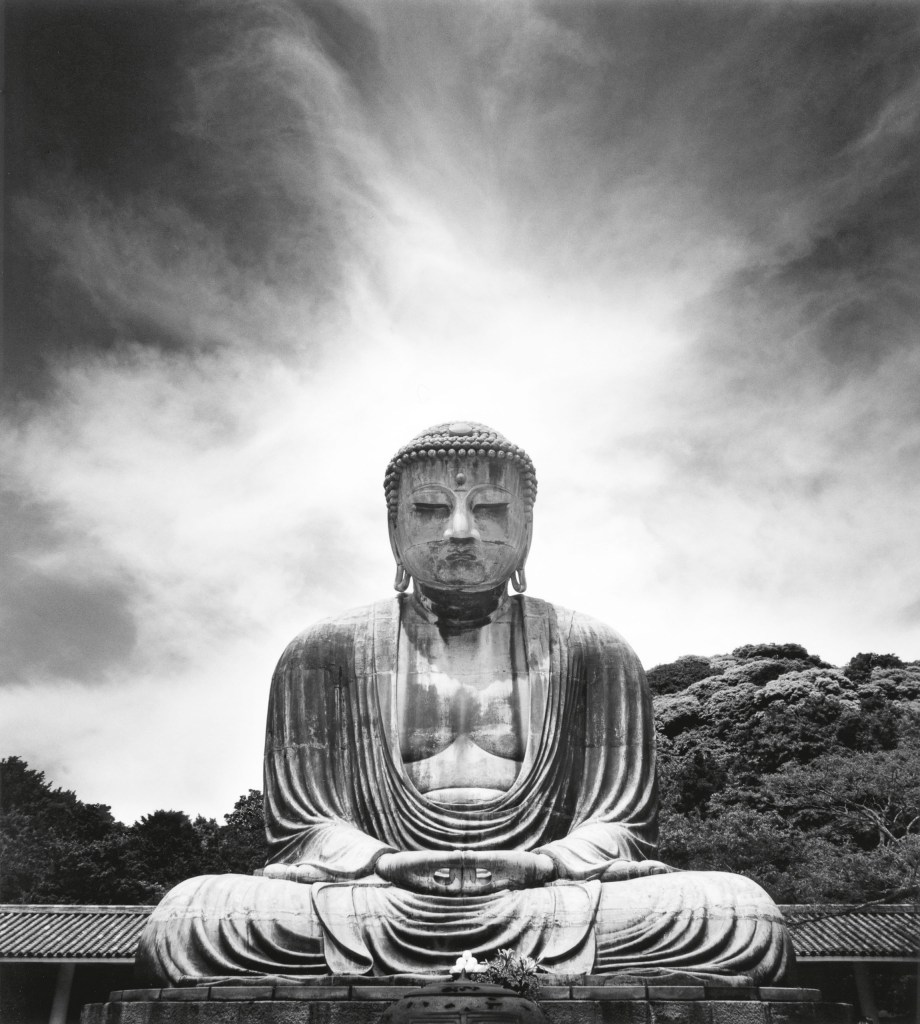
Kenna speaks in general terms about a long-standing affinity with Iyer rather than a single, neatly defined moment when they met. He was already familiar with Iyer’s work before they formally collaborated and that there was an immediate intellectual alignment around stillness, observation and the idea of place as something internal as much as geographical. Iyer, in turn, has written about Kenna’s photographs with a similar sense of recognition, framing them as images that reward slowness and contemplation, which is very much his own literary territory.
In a simple and perhaps radical move, the images are sequenced alphabetically rather than by theme or geography. Image on the right hand page. Iyer’s prose and Kenna’s musing’s on the adjacent page. The decision is rewarding. Iyer’s texts don’t pin down or explain meaning in the images but expand them, tangling memory with philosophy and observation. ‘I initially presented Pico with a string of images so that he might use them as starting points for his own stream of consciousness. I was not asking for a critique or his explanation of the images, and his texts are all the more fascinating because of this. His thoughts, ideas and stories are perfect examples of how we can all approach artwork and have our own conversations, connections and collaborations,’ says Kenna.
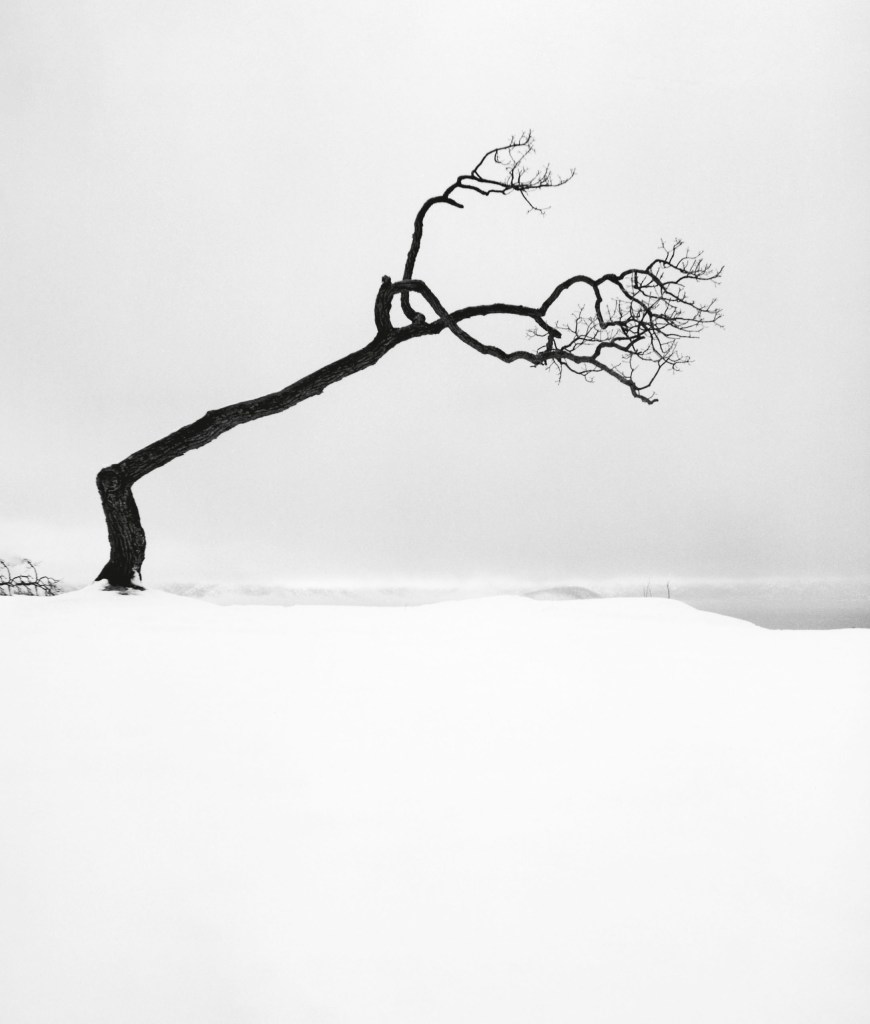
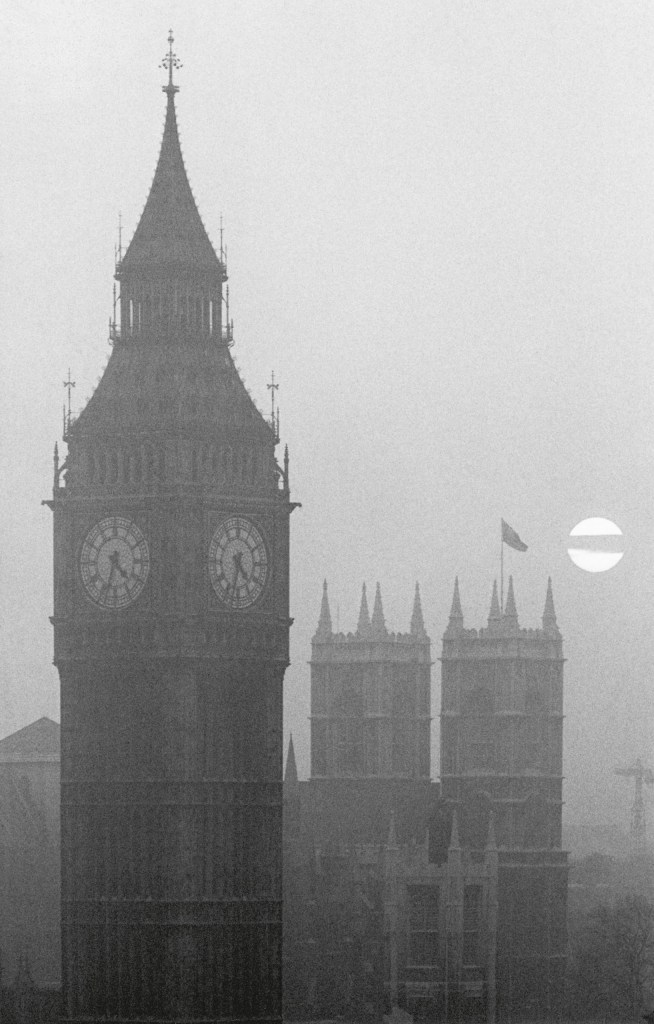
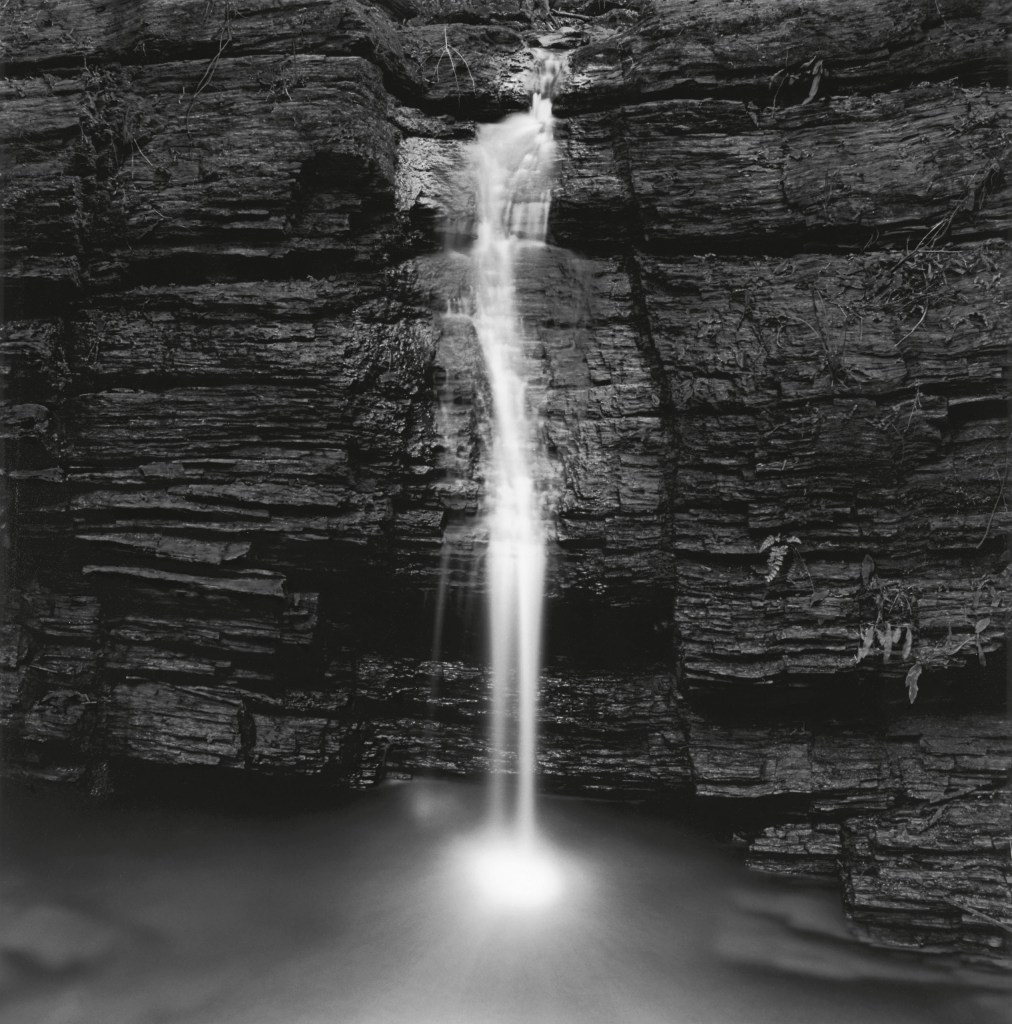
Kenna often makes his photographs at night. Exposures can be minutes or even hours. He first experimented with them in the early seventies. These long exposures introduce the human eye to an accumulation of light and tone it cannot naturally perceive. Images of dissolved clouds and softened seas take on a meditative stillness. ‘I’ve never been that interested in making copies of what I see. I prefer to interpret and mess around with a scene. I like the notion that an image can suggest something that might not be visible, a bit like haiku poetry, which evokes so much in very few words.’ explains Kenna. ‘I try to be at peace and simply regard life as it moves. Such a luxury these days to have time to do absolutely nothing,’ he adds.
It’s not an inconvenience for Kenna to wait but a core part of his process which allows him to align with the rhythm of what he’s seeking to capture rather than imposing preconceptions on it. ‘Slowing down seems to expand time rather than shrink it,’ he says. The book reflects his deliberate, almost stubborn slowness. The pages can be viewed at leisure and returned to time again. To explain his work he draws a simple comparison: ‘One might greatly enjoy an exhilarating fast ride in, let’s say, a Ferrari from A to B. But it might be at the expense of missing out on much of the magical and mysterious phenomena quietly waiting along the way.’
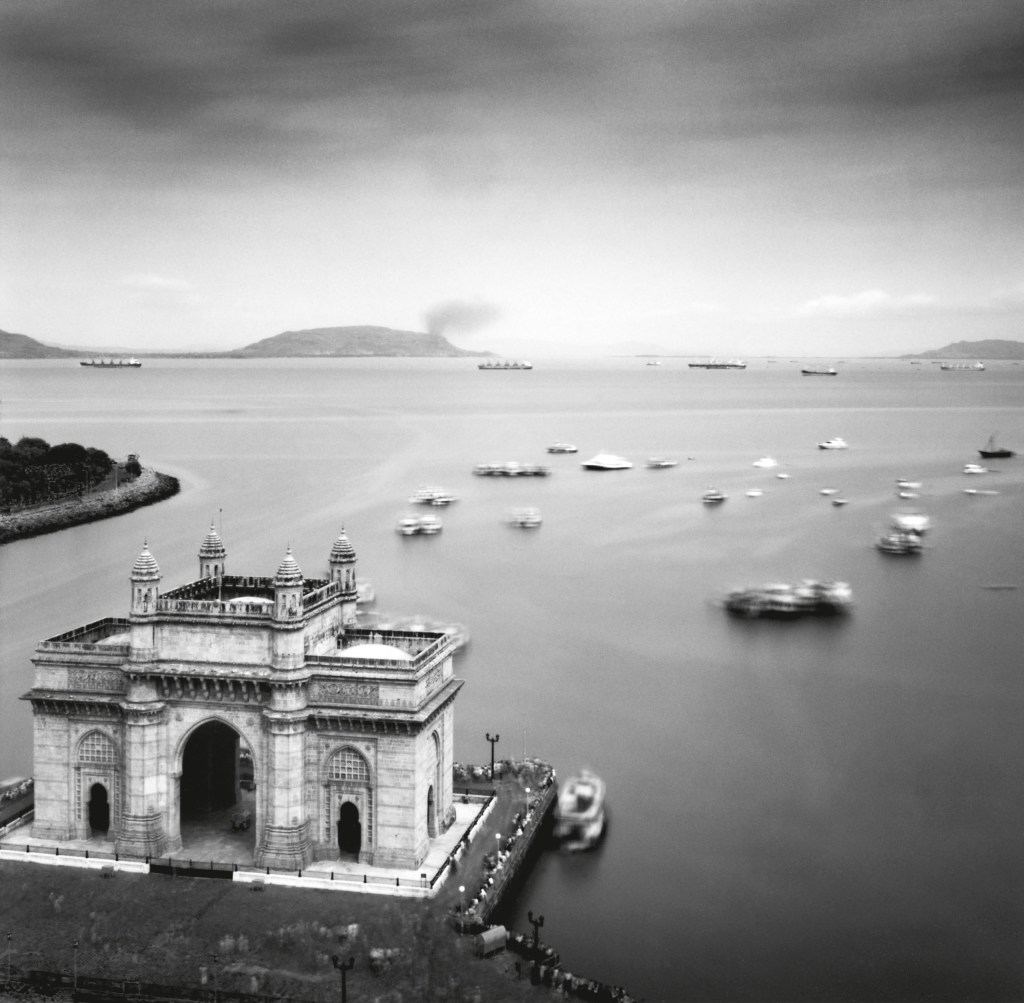
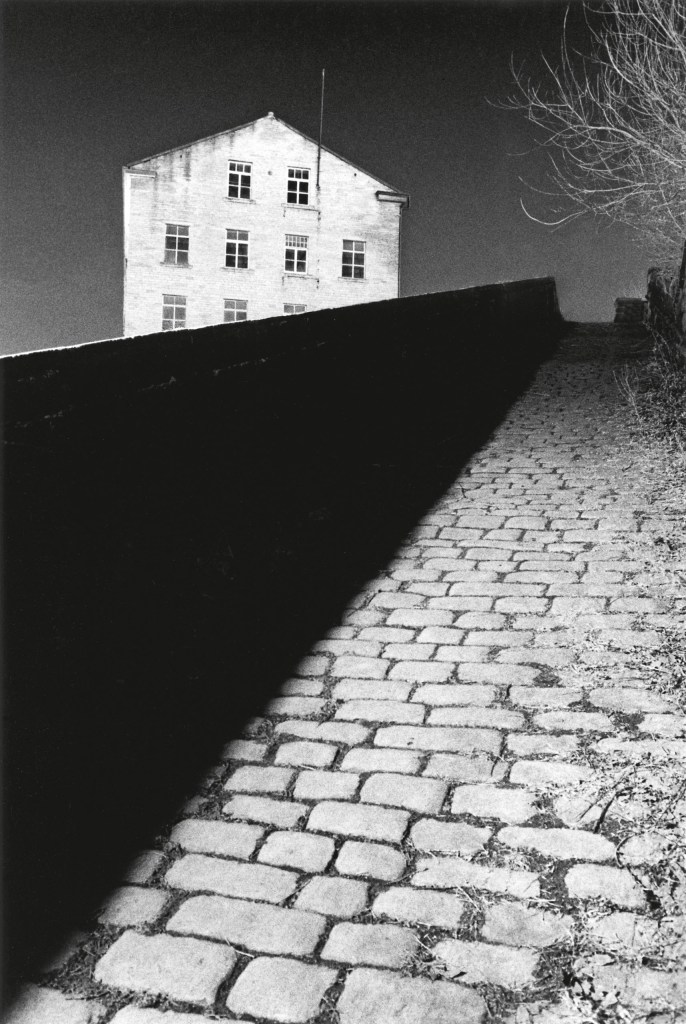
Kenna’s philosophy of paying attention to those details in-between extends beyond the camera; he continues to work on film, producing his own darkroom prints. The process can take weeks or even years. ‘The analogue process of film photography and darkroom printing does not offer instant joy, but I consider it to be a deeply satisfying creative process that asks for, if not demands, patience, concentration, discipline and commitment,’ he says. In an age when everyone is a photographer sharing images in an instant, Kenna’s approach might seem antiquated but it’s precisely this resistance that has enabled his photography to endure.
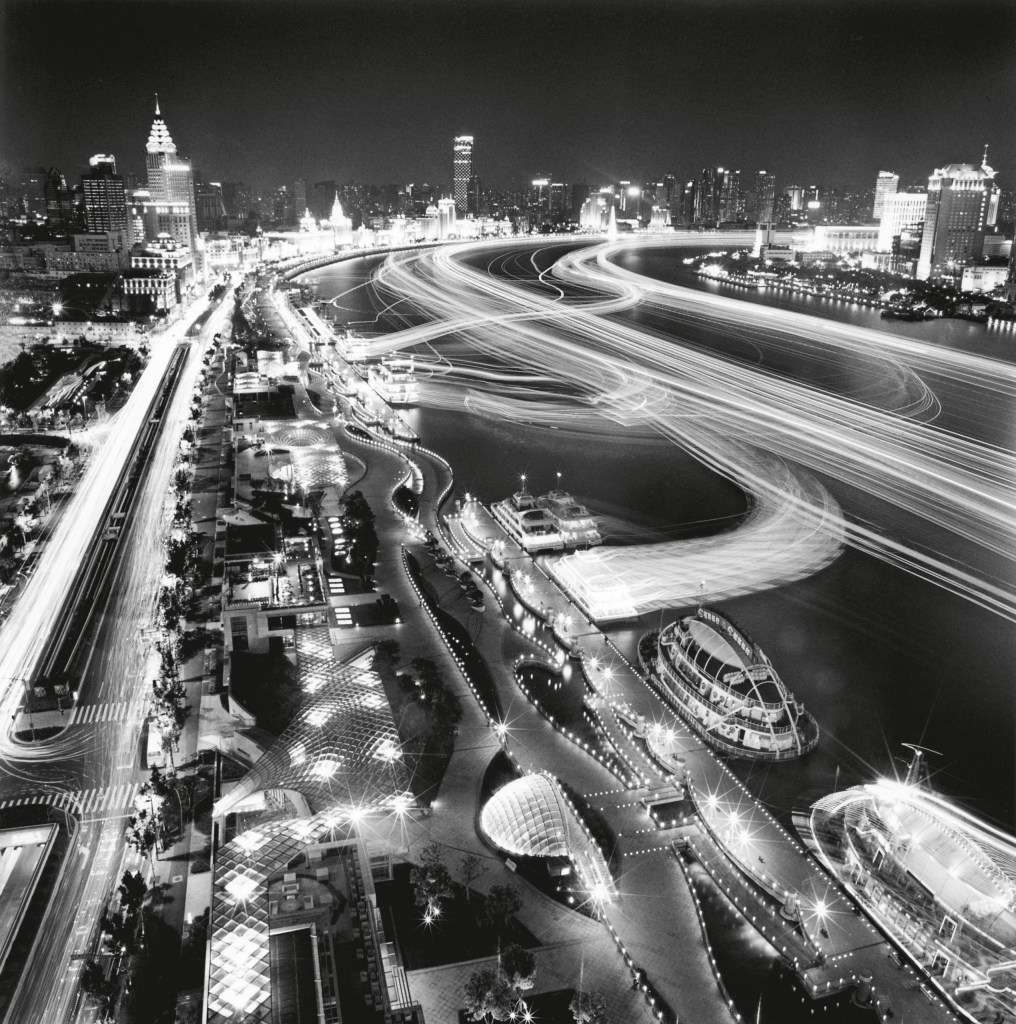
The refusal of the texts in Same Sun Same Moon to attribute fixed meaning to the images is a striking aspect. In one instance, Iyer imagines a photographer attuned to distant whispers of the world. ‘I was not asking for a critique or explanation. His thoughts are fascinating because of that,’ Kenna explains. Reflecting on the same image he recalls more pragmatically pointing the camera out of his Shanghai hotel room, leaving the shutter open for six hours while he slept. The photograph is another clever example of revealing what the eye cannot see. A city that never sleeps accumulated over time. These contrasts in the book are telling. Meaning emerges through the act of viewing. ‘There are as many unique interpretations as there are viewers,’ Kenna says.
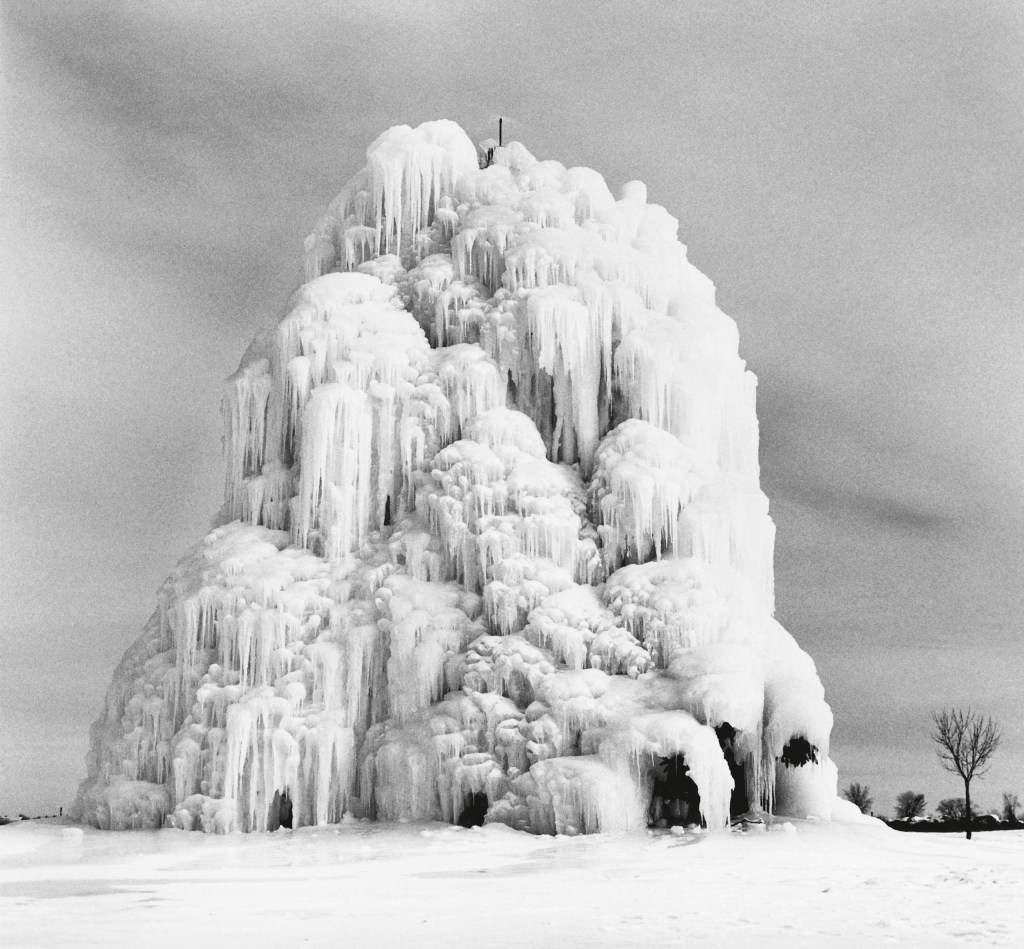
Believing that no one place or person remains the same, throughout his career, Kenna has returned repeatedly to the same locations, citing Greek philosopher Heraclitus: ‘No person ever steps into the same river twice. The river is always different, and so is the person’ – or words to that effect. I revisit subject matter with the absolute belief that there are innumerable possible interpretations in any scene. With repeat visits, we have to try harder and make more of an effort to push the envelope.’ It makes sense. A first encounter with a place or object often produces an obvious image. Time and familiarity allows something more nuanced to develop. He also admits there’s a simple pleasure in revisiting ‘old friends,’ where photography becomes more about a relationship than discovery.
Kenna often speaks of the balance between intention and accident, control and chance. ‘Over and over, I have found that good fortune is a critical piece of the complicated jigsaw puzzle of creativity. The more practice, the luckier we get. Accidents will happen. Sometimes they add to an image, at other times they don’t,’ is his analysis. It’s a pragmatic view developed from experience. The drive to relook increases the likelihood that light, weather and mood will align. It’s his willingness to trust intuition and engage with uncertainty that elevates Same Sun Same Moon. Not to treat photography as a process of control but as a collaboration with something more expansive.
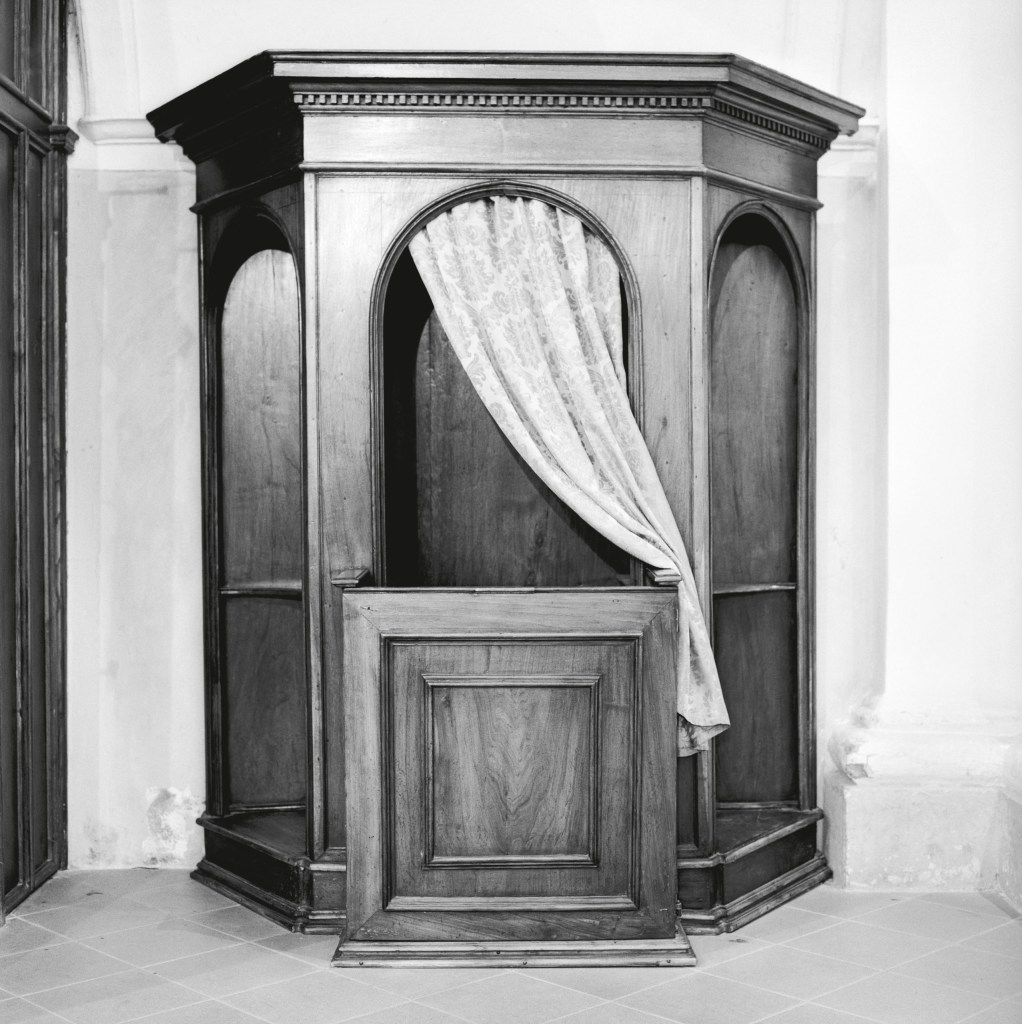
Spending time with the book you could interpret a spiritual dimension. Kenna’s images of temples, trees, jetties, cityscapes and landscapes often feel like places of contemplation or veneration.’I believe that the sacred exists in the ordinary. The ordinary is part of the miracle of existence and the magical phenomena of our universe. Every second is precious, every leaf of a tree is majestic, every opportunity to witness beauty cannot help but enhance our lives and help our appreciation for this world,’ he says. For Kenna, photographing in nature is akin to being in a place of worship. An opportunity to pause and reflect, to acknowledge something beyond oneself. ‘Photography can be a form of prayer,’ he adds, echoing Iyer’s own perspective. ‘Being in my darkroom even has the feeling of being in a chapel,’ he adds.
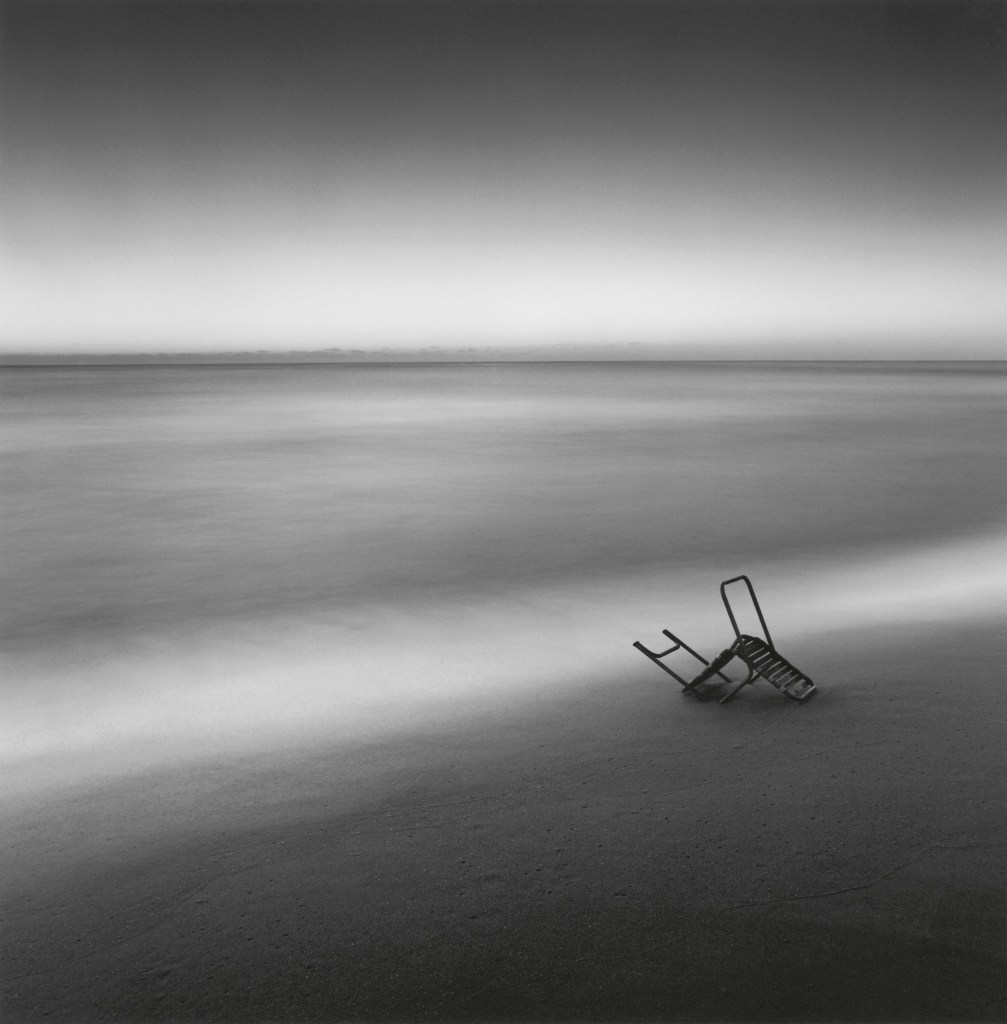
Kenna is aware of modern pressures and has become increasingly cautious about revealing the whereabouts of certain images. ‘I have had too many bad and sad experiences with locations that I have shared. Beautiful trees have been cut down because they have been invaded by photographers, trampling across farmers’ fields without permission or courtesy. An important aspect of photography is contained in the journey that we undertake, and the acknowledgement of inspiration found. I sometimes wonder if we place too much importance on the final image.’ His decision is a reminder that the act of photographing is now as much about how it is made than what is produced.
During our exchange, Kenna is working and travelling across Japan. After more than half a century of photographing, there’s no sign of him slowing down. His curiosity seems undiminished. ‘I continue to try to figure out life, even if I find it all the more confusing the older I get,’ he says. Looking back at images made decades earlier can be a revealing experience, less a fixed record than a tether to a younger self, shaped by different circumstances and perspectives. ‘Every photograph has a story. A connection to what was happening at the time,’ he says. Those same images also remain open, capable of generating new meanings long after they were made.
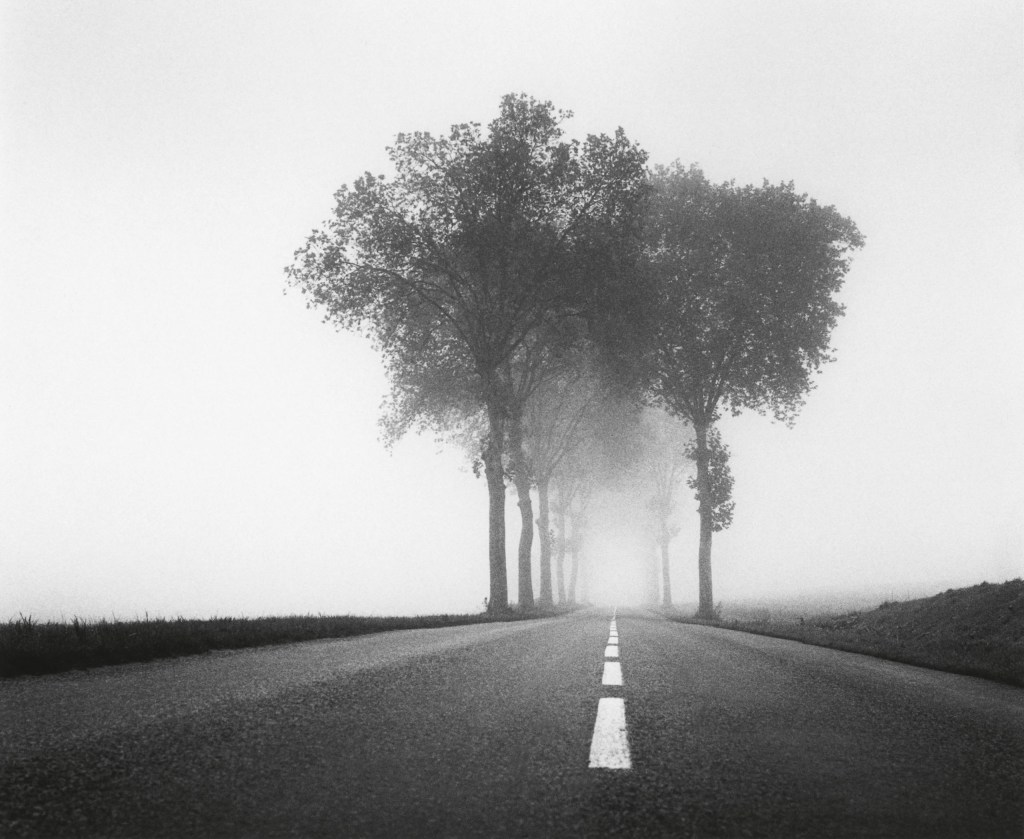
Same Sun Same Moon is not a conclusion forced on the viewer but an ongoing dialogue between photographer and writer, image and text, past and present. As the title suggests, it’s a reflection on shared experience. The idea that despite distance and difference, individuals are shaped by the same forces. For Kenna, the lesson is straightforward. ‘We only have right now, and it’s easy to take that for granted and coast along, thinking that we have all the time in the world. But, here today, gone tomorrow. That’s basic. Perhaps as we get older and the path in front of us is so much shorter than what is behind us, the reality of it all is easier to grasp.’
Our photographic culture is increasingly defined by speed and saturation. Same Sun Same Moon offers a counterpoint. A reminder of the value of patience, attention, and restraint. And perhaps, above all, of the importance of slowing down long enough to truly see.
Same Sun Same Moon by Michael Kenna and Pico Iyer is published by Prestel. The 160-page hardback features 65 black-and-white photographs paired with Iyer’s contemplative texts. ISBN: 9783791394053
Related reading:
- Michael Kenna (1953-present) – Iconic Photographer
- How to get great shots on a cheap Holga film camera
- Book review: Rouge by Michael Kenna
- Expert guide to minimalist photography
Follow AP on Facebook, Instagram, YouTube, TikTok, and IRYS.