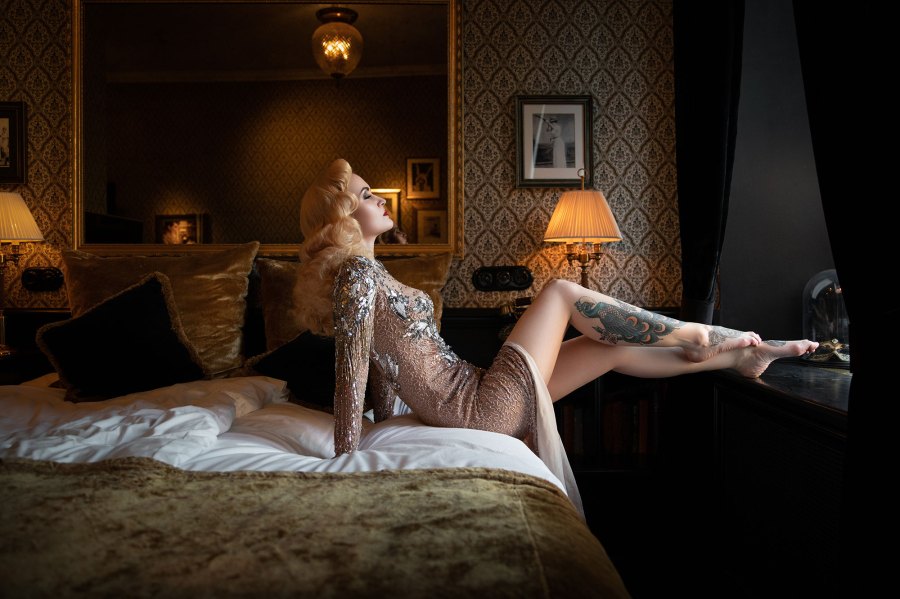
Right now, boudoir photography is an incredibly popular genre, with more and more practitioners entering into it every day.
Many of those working in this genre are women, who have found it to be an empowering experience both in front of and behind the lens.
I’ve been speaking to some of the leading lights in boudoir photography to discover more about this powerful genre, highlight some incredible work and learn more about the tricks of the trade.
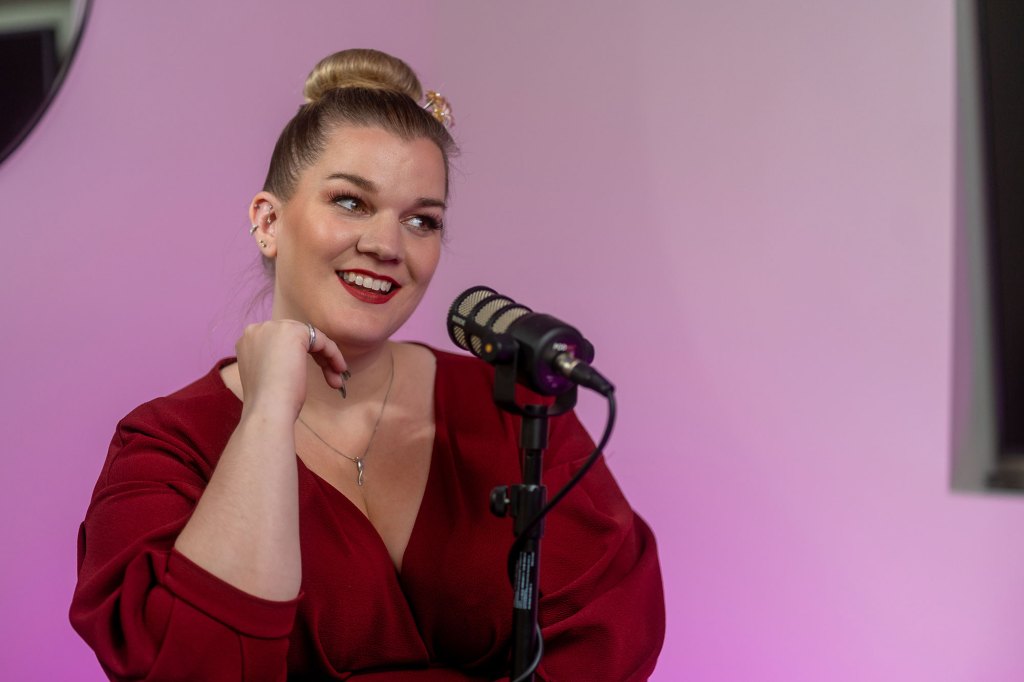
Here I’ve spoken to Tigz Rice, who has been working in boudoir photography for nearly two decades. As someone who has modelled for it too, she knows all about what it’s like to pose and make yourself available for scrutiny.
I caught up with her to discover more about her background and how boudoir has empowered her, and those around her.
You can find more about Tigz in all manner of locations, including her website, Instagram, Facebook, TikTok and YouTube. She also has a fantastic podcast, which you should definitely give a listen to next time you’re browsing for something new.
How old do you think you were when you first started to question your body image – and what do you think was responsible for that?
I feel like I was aware of body standards from an incredibly young age. Maybe aged five or six? Conversations in doctor’s appointments about height and weight against ‘the normal’. Parents comparing their kids in the playground. I also did gymnastics as a child, and remember being asked to hold my arms out whilst the three coaches had a conversation that didn’t seem to involve me about my arms (Spoiler: no one actually told ME I had hyper mobility until my mid thirties so I spent years trying to work out what was wrong with them!).
But I think truly it was around age ten that I started noticing the nuance in beauty standards – which coincides with when school teachers started taking us to the changing rooms to get changed for PE instead of everyone getting changed in the classroom. I think we were all noticing the changes – or current lack of changes – in our individual bodies at that time, and there was this unspoken phenomenon of everyone getting changed facing the wall for privacy – on reflection, seemingly we all felt some form of shame around our bodies.
I hit puberty early, and back in the 90s we didn’t have the variety of skin tone bra colours and styles that we have access to now – the choices were black, ‘boring beige’ from the ‘old lady’ section and white. And anyone who has ever worn a bra will tell you that a white bra is ridiculously visible under a white school shirt, so it wasn’t like I could hide it, when everyone else was still rocking a crop top.
Of course, with puberty came leg hair, and I distinctly remember being in the playground at school becoming very aware of my own leg hair and having a conversation about asking our mums when we got home if we could start shaving our legs. It was the 90s, and I think the way we spoke about both our own bodies as well as the bodies of others was different back then – in the sense that body shaming, including self shame, was a very open topic of conversation and even as kids we weren’t removed from that conversation. Remember the circles of shame highlighting perceived ‘flaws’ on women’s bodies in the weekly women’s glossy magazines? I have to say, I don’t think my mum ever bought one so it wasn’t in the house, but there were definitely magazines in the dentist waiting room – I remember picking one up and feeling upset for the women featured in them and how awful it must be to wake up and find out someone had taken photos of them on a private holiday, purposefully picked a really bad one and then published it nationwide whilst saying mean thing about their body.
Can you describe how finding boudoir photography helped you to see that there is more than one way to look beautiful? Whose work did you see?
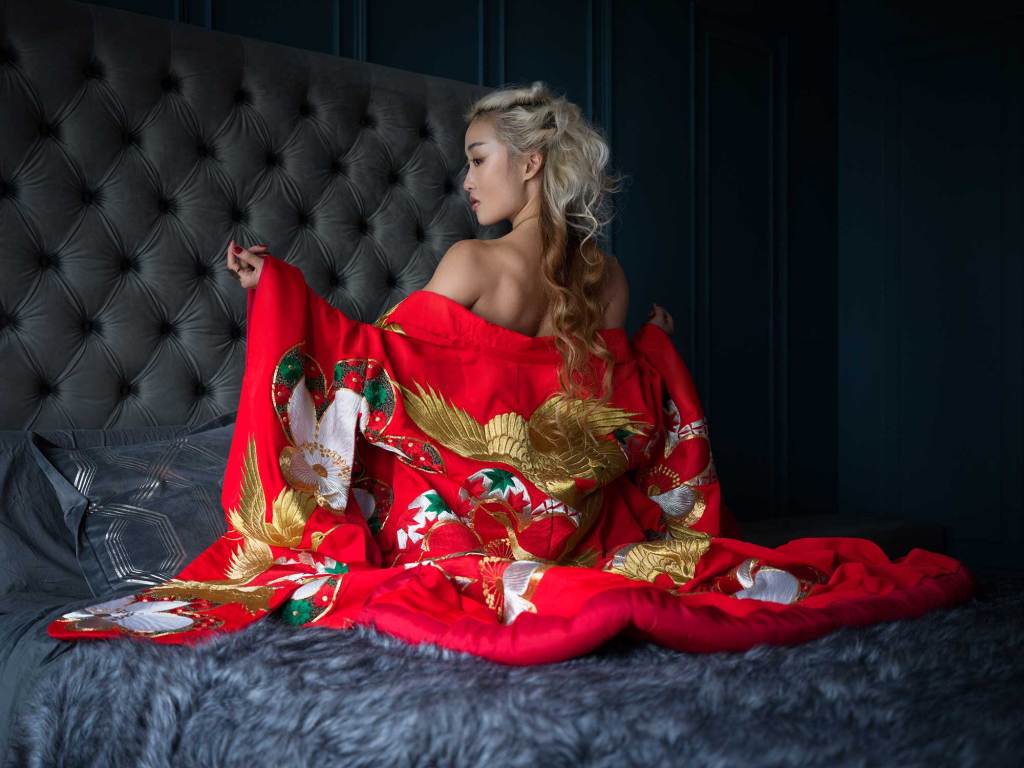
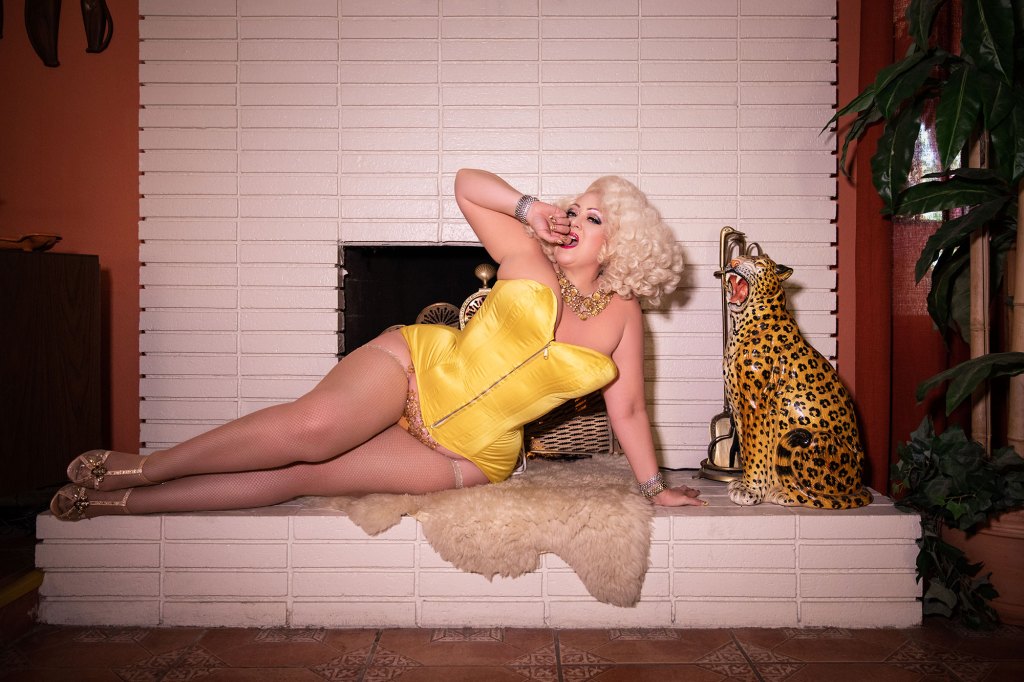
I’ve been photographing boudoir professionally for almost 17 years now, and before that I was an illustrator working off self-portraits and exploring very similar themes. When I started exploring the female empowerment space, which would have been 2003, I’m not sure boudoir was even a term I was aware of. It certainly wasn’t as mainstream a photography genre as it is today – and any photographers I did come across happened later on. I watched a lot of musicals as a kid and LOVED showgirls with their sequins and feathers and glitter and sparkles. I was obsessed with Harajuku girls after discovering the book ‘Fruits’; and I was a metalhead, so watched a lot of questionable unsuitable Kerrang! TV and MTV2 from a very early age. A few of the boys had also snuck in copies of Playboy into high school, and I’d also stumbled across Eurotrash on TV, so I was very aware of this subculture of women actively seeking ways to celebrate their bodies that defied the body shaming messaging going on in mainstream media.
I’d already been experimenting with illustration work based off self-portraits throughout college – my first year art project was an ink and bleach tryptic of gothic fairies, that several of my college mates had dressed up and posed for. Then in my first year of university, we were set a project titled ‘camp, slag and drag’, which led me to the Erotica Festival and discovering burlesque icon Dita Von Teese (who it turned out I’d been watching in Marilyn Manson videos on MTV2) and another wonderful subculture that celebrated the female form, but – critically – from a predominantly female gaze perspective. Both worlds together really reinforced that there was more than one way to be seen as beautiful. I was also 18 at this point, where I was old enough to really start leaning into these more hidden subcultures, and would spend the next 10 years deeply immersed in the world of musicals, burlesque, cabaret AND erotica, which was so enriching for me as both a woman and as an artist. I was so excited to capture what I saw and honour the bodies present in that space.
I’m interested to hear that you photographed yourself – is this something you’d recommend to most people?
I honestly think it’s so important for everyone to document their bodies from a legacy perspective. Your DNA is the most unique thing on this planet, and the probability of your existence is actually 1 in 400 trillion (source: Dr. Ali Binazir, John Allen Paulos) so that’s absolutely worth documenting and existing in print!
That said, I believe it’s even more important for those of us working in boudoir photography – or any form of portrait photography really – to experience it ourselves. We hold immense power in shaping not how other people are portrayed, but how they feel perceived or ‘seen’ by others. How we present ourselves to others, how we act on a photoshoot, what we say, the angle we shoot from, the focal length of the lens, the lighting we choose, the effort we go to on set, and even how we honour their body in the retouching stage… humans are programmed to scan each other for safety, and one micro-expression could throw off an entire photoshoot vibe.
We need to know exactly what that feels like to experience, so we can shape our own offerings accordingly. It gives you more empathy and compassion that you can then bring into your own client experience. Take what resonates with you, leave behind what doesn’t. It also helps tremendously knowing how those poses FEEL in your own body helps you to describe those poses to your clients – because I can tell you now, some posing for boudoir can often be more intense that a yoga class!
Who’s your typical client and what’s a typical shoot like?
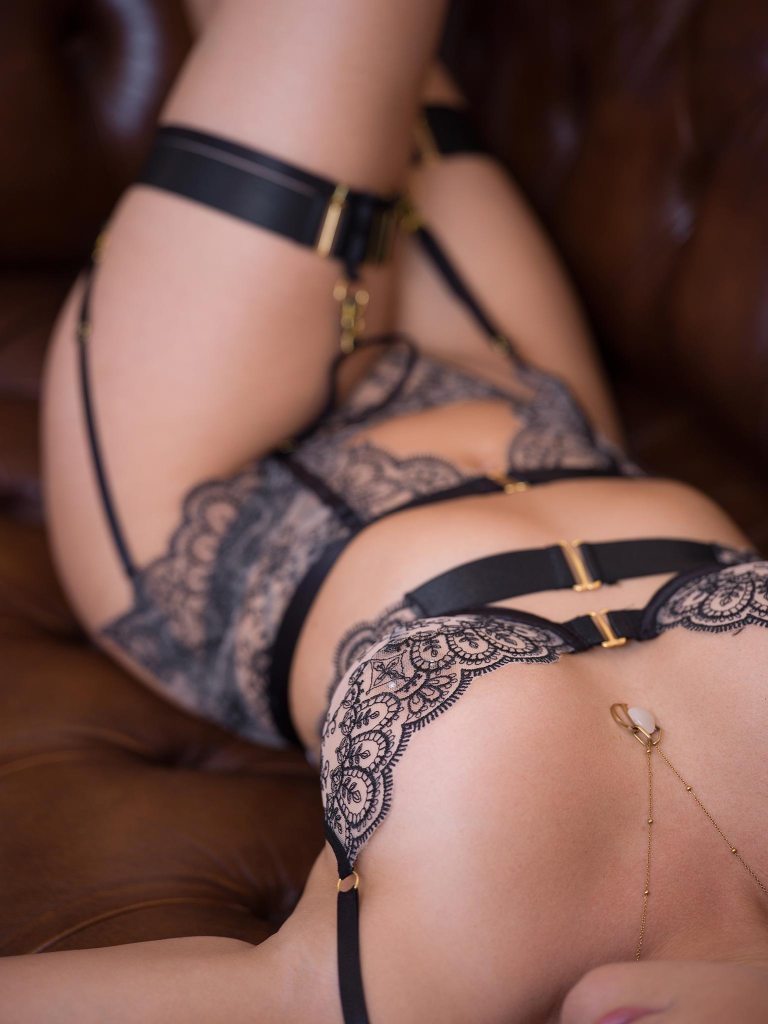
I honestly don’t think I have a typical client. My youngest client was 18, my oldest client I believe was 74. Some clients come to me to document life milestones, birthdays, marriages pregnancies, and divorces. Some are honouring their bodies either pre- or post- surgery or other significant physical changes. Some people have set themselves goals and challenges. Some people are reclaiming themselves after some form of trauma. For others, it’s a random Tuesday. And for that reason, no two photoshoot experiences with me are ever the same, because my goal is to honour their very personal lived experience.
I choose not to have a studio so my clients have freedom to pick every single detail, even down to the colour and aesthetic of the location (I will, of course, help my clients with a list of places I can recommend) and we spend 1-2 hours in hair and make up helping them look and feel like themselves on their very best day, followed by roughly 2 hours of photoshoot time. Photoshoots are quite a physical process and even the fittest bodies get tired around that point.
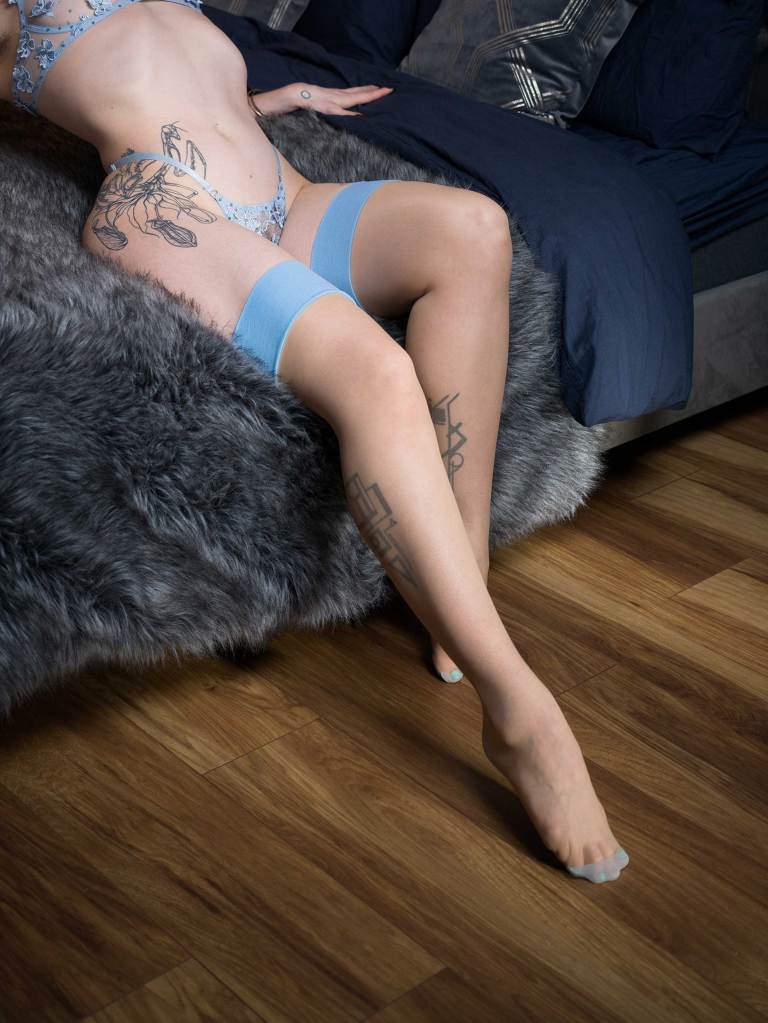
I try to keep sessions as relaxed as possible; so we’ll laugh, vibe, chat, dance to music, all the things you’d do with your bestie so you forget the camera – and afterwards, once you’ve had the opportunity to rest, rehydrate and ‘land’ after the experience, we’ll book in a viewing session, where we’ll sit down together (either in person or online, depending on where you are in the world) and I’ll present you with a collection of beautifully composed, unedited images to pick your favourites from, with the ability to share with me how you’d like your body to be honoured in the retouching stage, or left au natural.
How does it feel when a woman absolutely falls in love with their photos, and starts to like themself more?
I love this part of the experience the most, it’s a huge part of my WHY. It just makes me so happy to my very core, to see my clients fall in love with unedited images of themselves, sometimes for the first time. And this is why I truly believe in doing in-person (or virtually but together) sales after a boudoir photoshoot, because I can be a safe and trusted space for that person to say OUT LOUD that they love their body, or they feel beautiful – and give them positive reinforcement when they do. Because we ALL need that. And in that moment, it truly feels like the world is healing.
What’s a basic and quick way for someone to get started in trying out boudoir photography? Do you still need extensive / expensive equipment, or do you think you can do it with your phone these days?
I think the answer to this is really nuanced. On one hand, I personally believe the experience for the model/client/subject is more important than the equipment in boudoir photography – because someone has taken a step out of their comfort zone to pose for you and is trusting you to show them the beauty you see. If you make them feel beautiful and elevate their self-confidence and self-worth, the quality of photos may actually be secondary to the experience.
That said, a boudoir shoot is not a necessity or an everyday situation for most humans, so making sure the final images honour that experience is key. Would I shoot my clients with a smartphone? No. Would I say yes to an impromptu 10-minute confidence-boosting, empowering photoshoot for a bunch of queens on a night out in the ladies’ loo? Absolutely I would! Some of my favourite ever photos of me are smartphone snaps on a night out. Because the immortalisation of that memory is most important part of that image. All of this to say, start with what you’ve got equipment wise, and go from there. Natural light is a perfect light source – many professional photographers only shoot boudoir in natural daylight -and upgrade your equipment as you go.
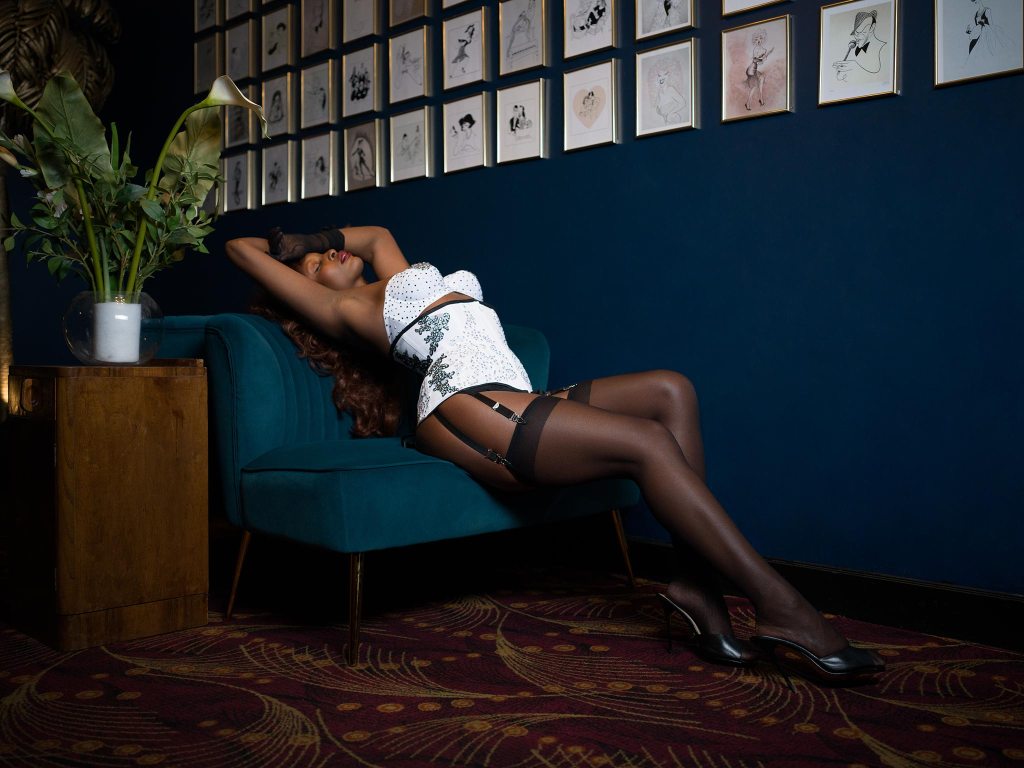
How do you pose someone for the “best” results – what are you hoping to highlight / hide – is that led by the woman themself, or do you make your own suggestions, or perhaps a bit of both?
‘Best’ is such a loaded word, because its existence in this context implies that we have a ‘worst’ version of ourselves in front of the camera, so I do everything I can to pull away from labelling images as such. Though of course, internally I’m doing everything I can to honour my client’s body at the same time. A lot of this is done non-verbally, watching a client’s body language can tell me which parts of their body they’re feeling most self-conscious of, or if they’re just not feeling a particular outfit. Based on that, I have an internal stash of poses I can handpick for each individual client to guide them as a baseline, and use that gained knowledge to handpick images that are sensitive to their unspoken insecurities.
Sometimes I’ll show a client a photo on the back of the camera to gauge their reaction and work out what their eyes are drawn to first. They might also want to recreate specific poses they’ve seen in my portfolio which can give me a good idea of what they’re looking for. So yes, it’s a solid mix of ‘D: All Of The Above ‘. Though the absolute best images are always the fleeting moments between the guided poses, the way a client looks down to check that toe point, runs their hand through their hair, or maybe even checks out their own reflection. Because deep down we’re all photogenic, we just need a little guidance sometimes!
Why do you think that your work / experiences are particularly resonating at the moment?
Because in a world where it feels like almost everything we are exposed to is either created, altered, enhanced or selected and filtered for us by AI and algorithms – where we have to legitimately question whether something presented to us online is actually real or not – humans are craving moments and experiences that are deeply human, based in connection, creativity and authenticity. And what’s more authentically real than that art of honouring your physical presence?
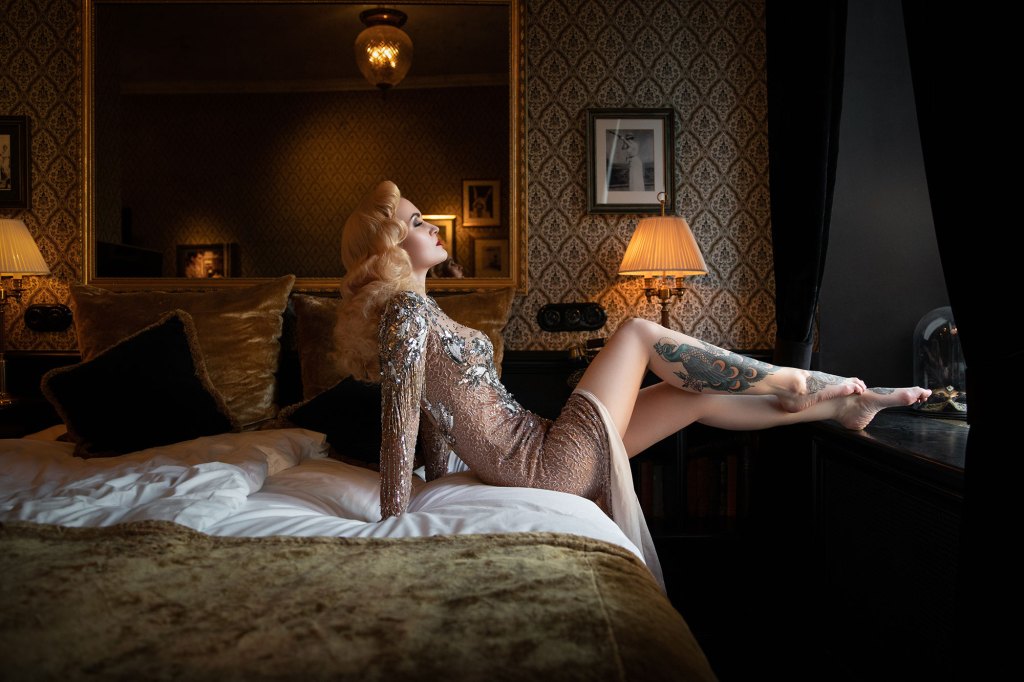
I think, also, that so many of us are tired of the never-ending, ever-changing, rarely-genetically-possible beauty standards presented to us and are actively rejecting them. Most of my retouching requests these days are a simple ‘please can you get rid of that bruise on my shin’ – how amazing that we’re learning to finally love ourselves!
Tell us more about your posing guides – what kind of thing are included in it? Who should get it?
I would LOVE to! Based off the success of my viral boudoir posing reels series, I’m going to be releasing a series of digital posing guides which feature my favourite poses for the boudoir and other empowerment photography genres, with photos and step-by-step instructions of how to recreate the poses. They’re perfect for photographers that want a little extra inspiration, something that gives them confidence on set when working with clients, or perhaps struggle with relaying posing information verbally. Equally, they’re great for clients who struggle receiving verbal instructions and/or prefer receiving information in visual or written formats. Oh, and they’re great for anyone who might want to lean into some sensual selfies at home too! If anyone’s interested, you can register for the waitlist here… https://www.tigzrice.com/boudoir-posing-guide/
Tigz Rice is based in the UK and has been photographing boudoir – among other things – for over 17 years. She has won a variety of different awards, been published in hundreds of places and has given a TEDx Talk on unrealistic beauty standards. Find out more at tigzrice.com
Related reading:
- Boudoir photography – the complete guide
- Essential Guide to Lighting and Studio Setup for Boudoir Photography
- How Patrick Demarchelier changed fashion photography (NSFW)
- 9 boudoir photographers you should follow on Instagram right now [NSFW]
Do you want to win some great prizes for your photography? Enter your photos in our International Amateur Photographer of the Year competition. Free entry for photographers aged 13-21.
Follow AP on Facebook, Instagram, YouTube, TikTok and Irys.