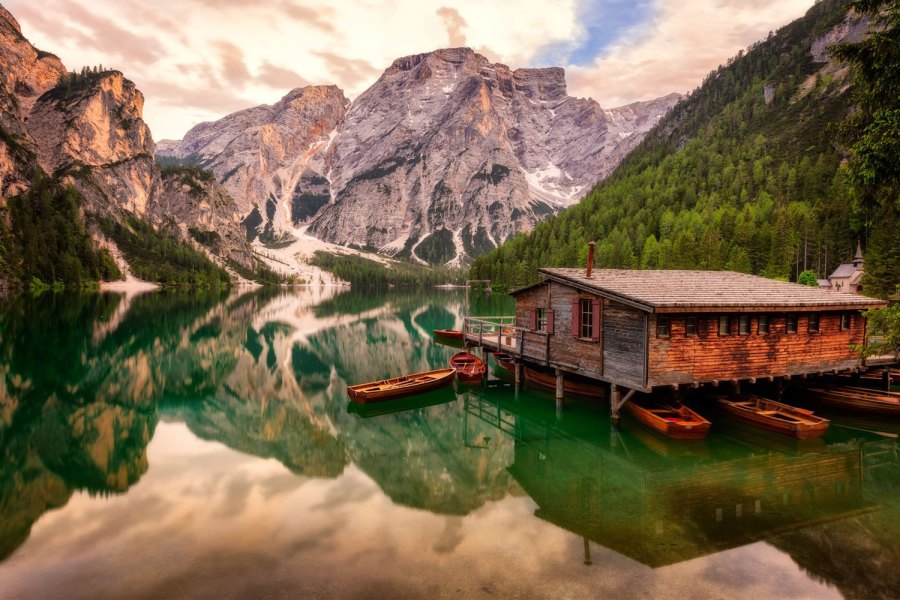
One of the most popular genres in photography is travel – indeed, many of us don’t consider it a real trip unless we’ve got images to look back on.
But for photographer Nico Trinkhaus, that goes far beyond “pics or it didn’t happen” and it’s not just about showing off to his friends and family back home via his Instagram account (although I’m sure they all love to see what he’s up to).
Trinkhaus has a condition called congenital aphantasia, something which he refers to as mind blindness. Put simply, it means he can’t picture something in his “mind’s eye”, it simply doesn’t exist.
A rare condition said to affect less than 2% of the population, it hasn’t stopped Trinkhaus pursuing his dream of travel photography, and indeed, in many ways it has helped shape it.
I asked him to talk to us about the condition, his processes, and of course his stunning pictures here. To see more of his work, visit sumfinity.com.
Please can you tell us more about your “mind blindness”, and how photography plays a role in overcoming that? Can you describe what happens when you see one of your photos? What happens if you don’t have a photo of a location you’ve been to?
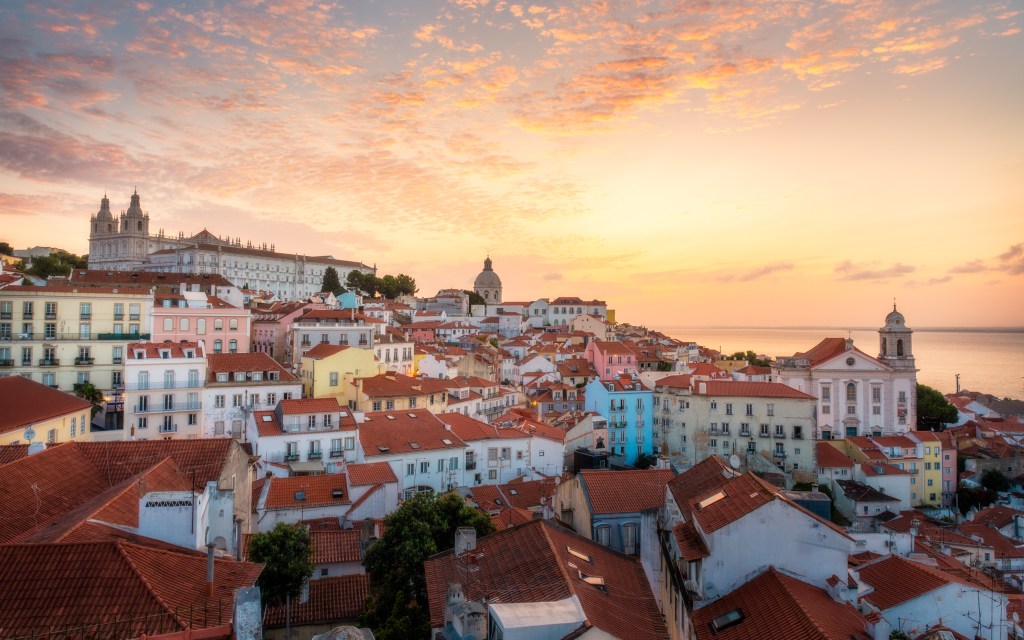
I call it “mind blindness” because it is easier to grasp than the medical term, congenital aphantasia. It means I cannot visualise images in my head. When I close my eyes and think of a beach, I see black. I have the abstract concept of a beach, but no picture. Interestingly, I do see images when I dream at night, just not when I am awake and try to imagine something.
I didn’t even know I had it until about five or six years ago. My wife and I were doing one of those visualisation exercises together, and she described seeing herself from the outside, spinning around, pointing in a direction. I said, “What do you mean, you see yourself?” That was the first time I understood that when other people say “visualise,” they literally see a picture. About one or two percent of the population has this, and most of them have no idea, because how would you know it isn’t normal if you have lived with it your whole life?
It shapes my photography in a fundamental way. I don’t arrive at a scene with a pre-visualised image I am trying to recreate. I show up and absorb what is actually in front of me. In a way it helps, because it takes my ego and my preconceptions out of the process. I try to be a vessel: take the place in as it is, and bring it onto the photograph through my camera and the skills I have built over the years. It is probably also what drove me to photography in the first place, because I genuinely need the photographs to keep the memory of my trips.
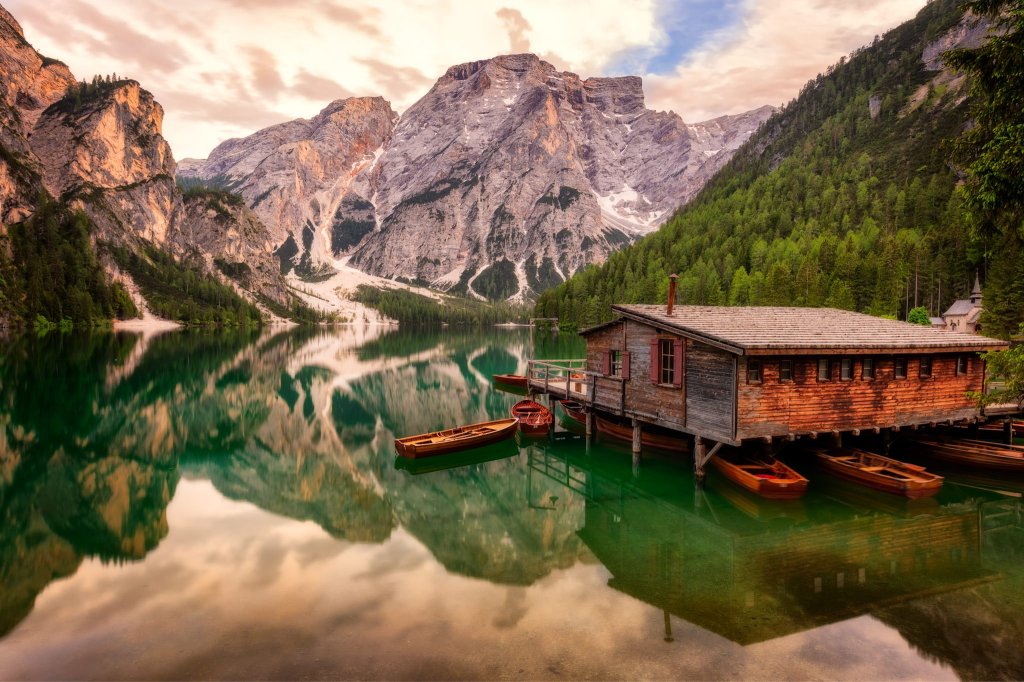
When I look at one of my prints years after a trip, it immediately makes me travel back in time, and in more than one way. I feel again what it was like to capture that photo, but also what the whole trip was like, the emotions, who I travelled with. At least the memories come flooding back. If it is a striking image where I really worked hard for the conditions, I still feel the joy of that exact moment, of seeing the shot land in the camera and thinking, “Damn, you finally got it.” I get that joy every single time I look at the print. That is why I keep a rotating display on my wall showing images from my travels. In the evening it lets me travel back in time and relive all those beautiful trips.
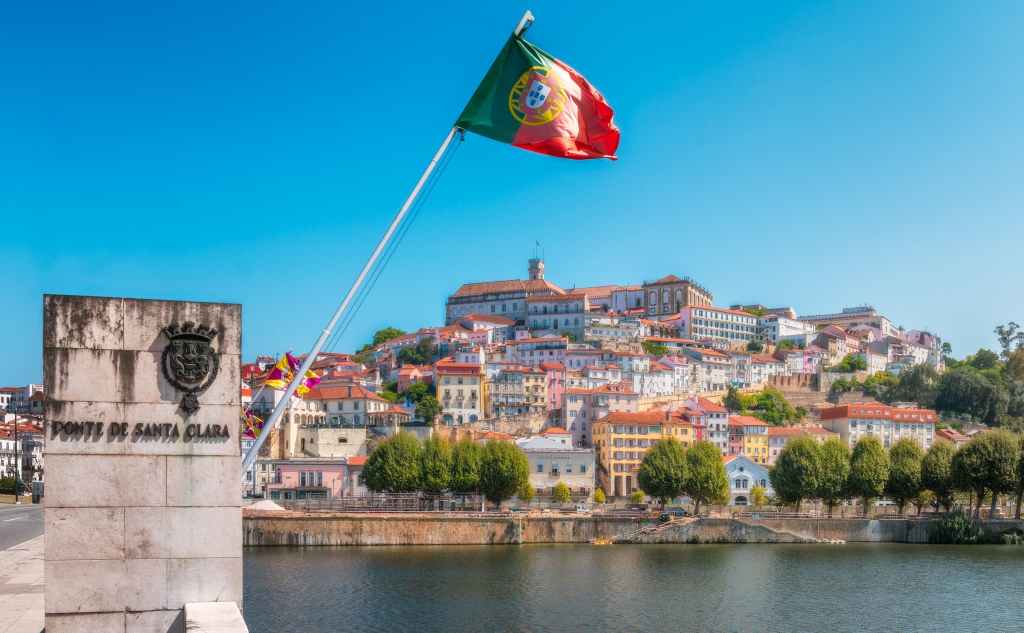
The flip side is exactly what you would expect: if there is no photo, it almost feels as if the trip didn’t happen. We went twice to Porto Santo, the small Portuguese island next to Madeira. It has warm water and sandy beaches, a rare combination for Portugal, so it is a perfect spot to recharge. At that point, taking up my camera felt like work and so, to fully recharge, I did not. Years later I think back and feel a bit sad about it. We have iPhone snaps, but I don’t have a real photograph of mine, and the place fades in a way the photographed ones don’t. That is why even on a summer holiday now I take my gear and try to come home with at least one shot that can serve as that memory vehicle.
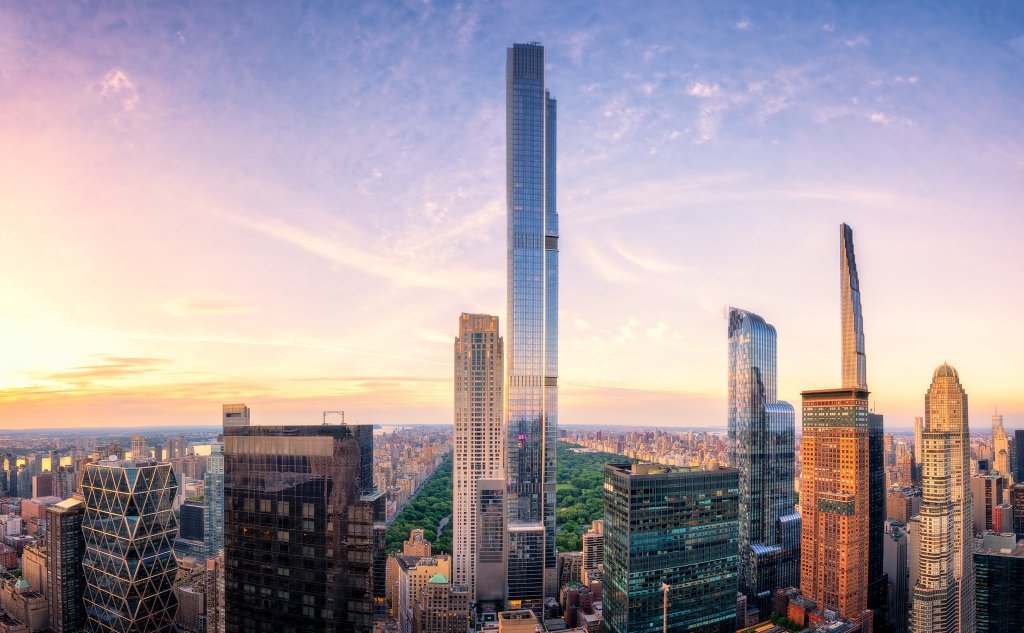
As for whether this is different from how someone who visualises normally remembers, I am honestly not sure. My wife has very strong visualisation, and when she looks at my photos, it brings her right back too. Even if you carry the visual memories inside, it helps to have a cue, because let’s face it, we are always busy. We rarely sit and think about the good things in the past, we spend most of our time worrying. I have found that looking at prints we have memories connected to puts us in a genuinely positive state. I think that is true for everyone, not just for a mind-blind person like me.
Do you worry about photographing very frequently photographed locations and coming away with something new? How do you approach these popular destinations to try and avoid that, or does it even matter?
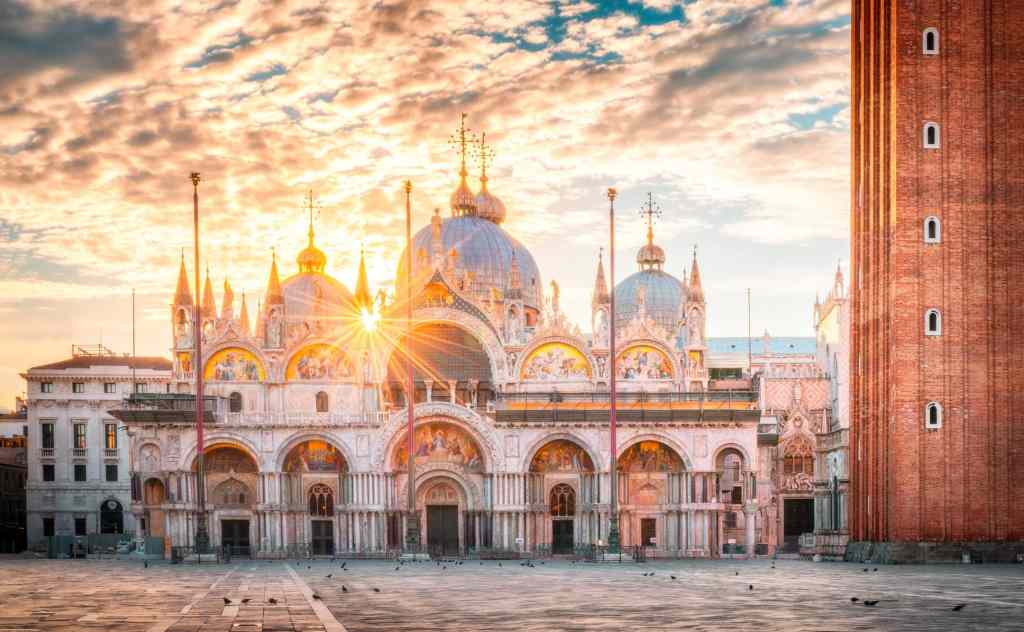
I don’t really worry about it, no. For well-known landmarks the answer is almost always the same: show up when nobody else does. I have photographed Piazza del Campo in Siena, St Mark’s Basilica in Venice, the Colosseum in Rome, all completely empty at sunrise. That emptiness transforms a landmark. You are no longer documenting a tourist attraction, you are revealing the space the way the architects intended it to be experienced. The cliché version of those places is the midday version, with the crowds and the harsh light. Take the crowds away and it is already a different photograph.
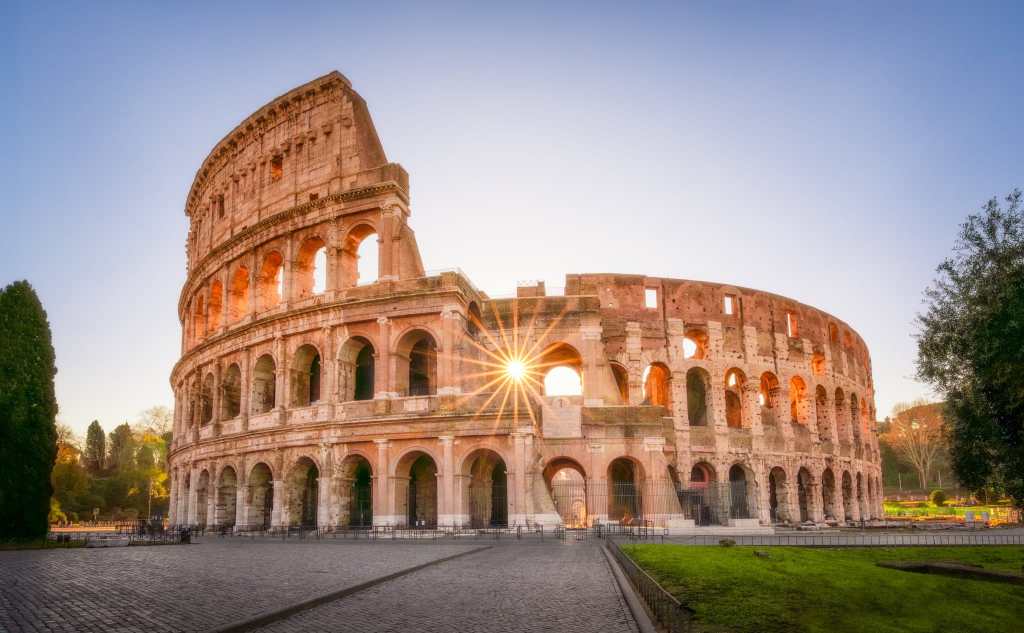
On top of that I look for something extra: visiting at a time of year when I can catch a sunstar in the right spot, or some other element that makes the image stand out.
But honestly, the bigger shift for me was to stop comparing my images to what everyone else was producing. When I started teaching workshops, I watched different photographers interpret the exact same scene in completely different ways. That was liberating. It showed me your perspective is already unique if you let it be. So the iconic location matters less than what you personally notice in it. We all see it differently.
Are you guided in your photography by what works well online or performs well on social media? Does it bother you to be guided this way if you are?
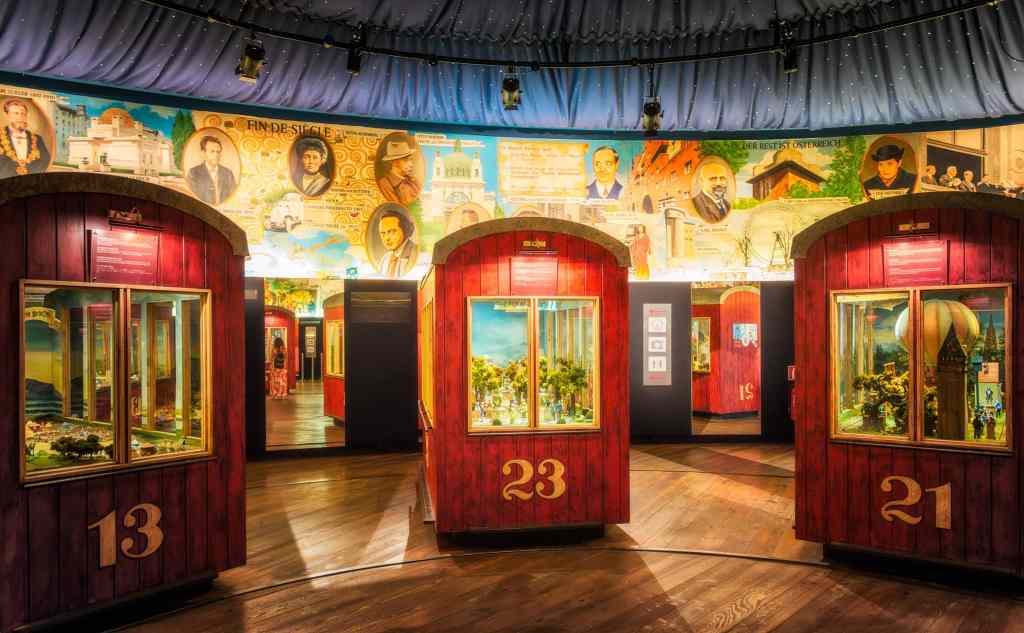
By social media performance, not really. I have an obsession with photographing ceilings, for example, the ones in churches and government buildings where someone clearly poured enormous effort into something most people never look up at. I have never sold a single licence or a print of those images, and when I post them they get maybe ten or twenty percent of the engagement my other photos get. That does not stop me at all. I love looking at them on my own rotating display, so I capture them and I put them out there for the few people who appreciate them too.
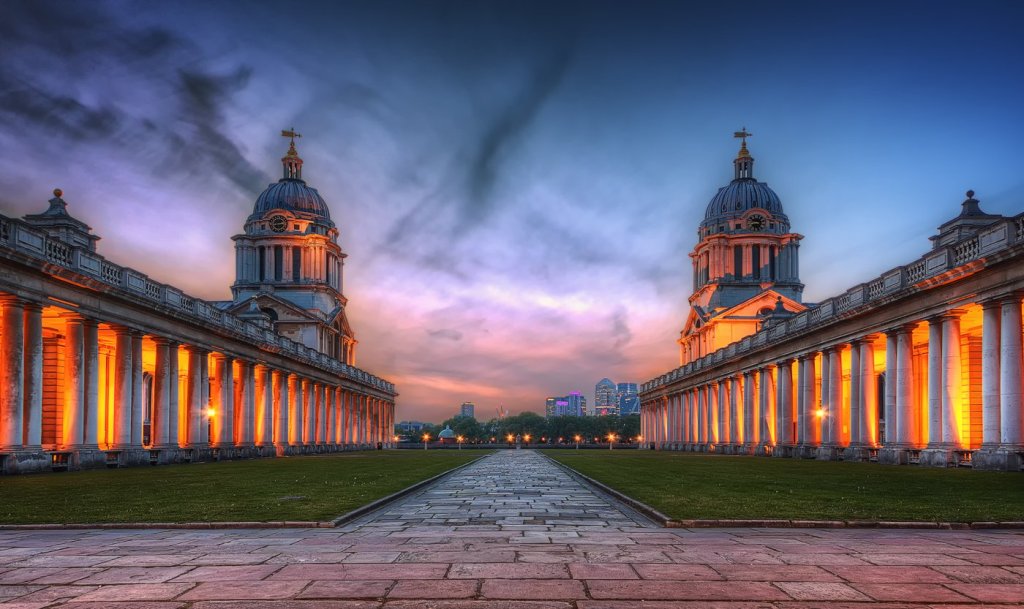
The business side does play a role, but that is about licensing rather than chasing likes. I am a photographer as both an artist and a businessperson, so I do keep in mind what clients and travel companies will want. It makes me take more photos during the day, when the light is not what I would choose as an artist but a clean blue sky is exactly what makes people want to visit a place. Most photographers chase the dramatic sunrises and sunsets, and I do too, but I will also shoot the commercial version. Sometimes I even compose an alternative frame with extra room in the sky, so there is space for a text overlay if someone wants to license it. That is usually not the photo I publish first, but I have it ready.
For me it comes down to balance, and I am at peace with it. There was a time when I felt like all I was doing was taking care of the business, and I would come home feeling empty. I had to realise I still need to go and get my own shots. Once I put that first, knowing the commercial photos will come naturally alongside them, it worked much better. So I take the commercially viable images, and I happily take the ones nobody seems to care about. Both belong on my wall.
How early do you have to get up to get these incredibly popular places empty of people? Or is this achieved by editing and so on?
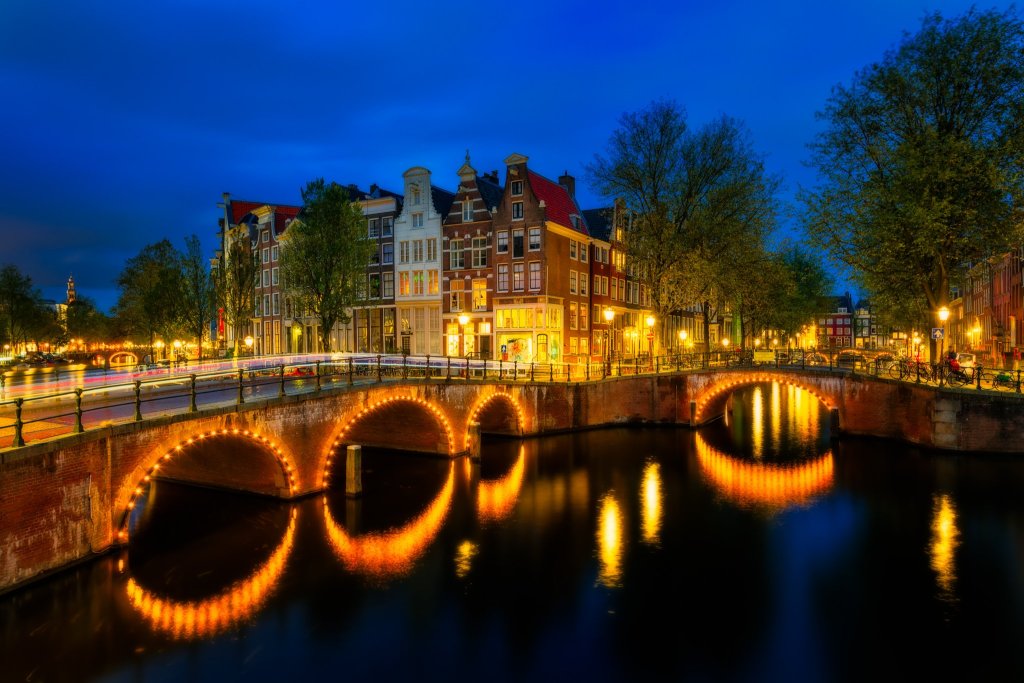
It is mainly the alarm clock, not Photoshop. Summer in the north of Europe is honestly brutal for this, because the night can be only four or five hours. I just returned from a trip to Estonia and Latvia and remember that when I set my alarm at 3:30am and looked out of the window, it really was blue hour already. But the morning is the most productive and the part I love most.
The streets in the evening are usually too busy to shoot from the ground, so for that part of the day I research vantage points instead, somewhere higher up where it doesn’t matter how crowded the streets are, or a scene I can build around a reflection on water. So the plan before a trip is basically: what is a must for the empty morning, and what can I get away with in the busy evening.
How much planning do you put into a typical travel shoot?
Quite a lot, and it has grown over the years. In the beginning I just went out and looked for what was beautiful. Over the past five years a much bigger part of my process is research. I read about the places before I go, sometimes historical fiction, sometimes proper history books, to understand what actually makes a place what it is.
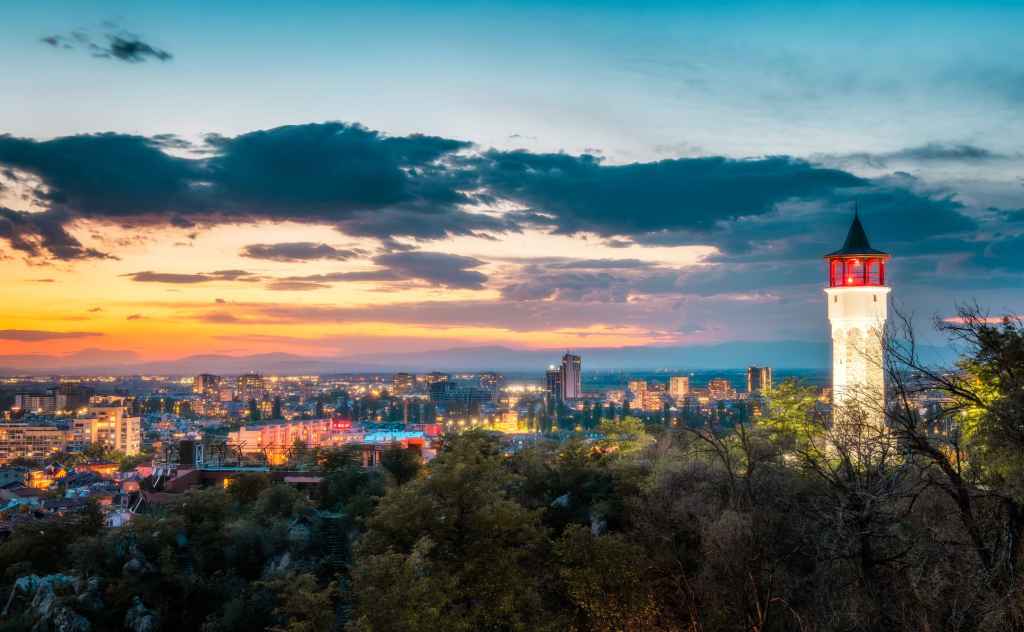
A good example is Amsterdam. The first time I visited, I just thought all the canals were beautiful. The second time I had read a book about how the city developed, and suddenly I saw the merchant houses differently and understood why the place is laid out the way it is. That knowledge creates subtle shifts in composition. I might make sure a particular building is fully in the frame, not because it is the prettiest element, but because it matters to the story of that place.
So I arrive with a list of locations I want to see, built from that reading. For anything involving a celestial alignment, like the moon rising behind a landmark, I rely heavily on PhotoPills. Some of those shots take years. I planned a single shot of the Warsaw skyline for six years before I finally managed to visit the city at the right time.
But once I am on location, I am very flexible. I follow the light. I walk around and try to be present, and if the sunrise is doing something unexpected somewhere else, I will abandon the plan entirely. So it is a real plan, but held loosely.
What does your typical kit bag look like on a travel shoot? Do you try to keep things light, or do you like to be prepared for every eventuality?
For me the single most important thing has always been to have the best available ultra-wide-angle lens, and that decision has actually driven every camera body I have ever switched to. My favourite lens however is the Nikon 19mm tilt-shift, which is brilliant in cityscapes because it corrects converging verticals and gives a perspective that feels true to how your eyes actually see a building. So I use it even nowadays when I use a Sony body, which always draws curious looks.
My gear for a trip is two camera bodies and, in terms of lenses: 12-24mm, 19mm T/S, 35mm, 100-400mm + 1.4x teleconverter. Plus a rather lightweight Peak Design travel tripod. The 100-400mm is heavy, so most of the time I leave it and the second body in the room unless I have a plan to line something up with the moon. The second body is very handy for letting a camera shoot from the hotel window while I’m out exploring.
As to filters, this is what I most often leave behind when going for city trips.
What have been your favourite places to photograph, and why?
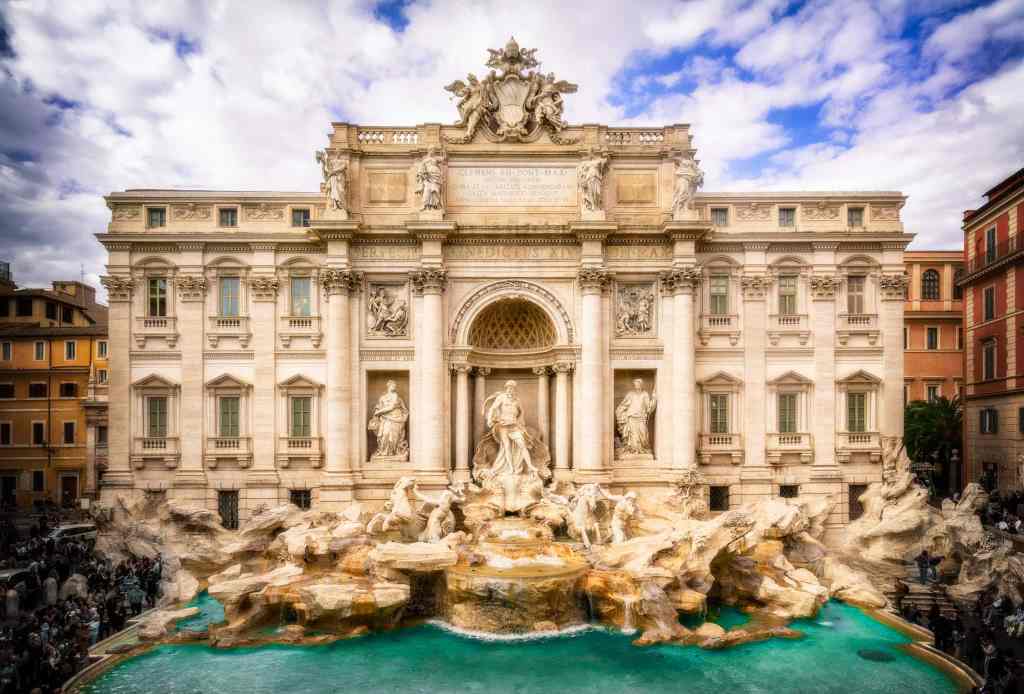
My single favourite is Rome. It sounds obvious, but there really is so much going on there. So many layers of history, spreading through millennia. I spent a whole week there and had perfect photo conditions every day, and still feel I only took about half the photos I wanted to take.
Also, it’s a city where waking up early transformed the entire experience. I remember standing alone on the hill overlooking the ancient forum on a moody morning and just got goosebumps trying to think of everything that must have happened here over the last 2000 years.
Other than that, I love exploring places that are less known. Take Plovdiv in Bulgaria, how many people do you know that have visited it? It’s an incredible city! Spread over various hills that give high vantage points for photography, you find everything from ancient Roman ruins and a pretty well preserved amphitheatre, through medieval cobblestone streets and Ottoman mosques, to Soviet-era brutalism. Photographing a place I’ve never seen in my feed feels incredibly rewarding.
What would be your top three tips for anybody to improve their travel photography?
First, get up early. The difference between a packed square at midday and the same square empty and glowing before sunrise is enormous, and it is available to anyone willing to set an alarm. Most of my favourite work simply comes from being there before everyone else.
Second, read about the place before you go. Even a little history changes how you see a street. You start noticing which building actually matters to the story of a city, not just which one is the most obviously photogenic, and your compositions get more intentional because of it.
Third, stop comparing your photos to everyone else’s, and pay attention to what speaks to you. What do you notice? What feels important to you? Capture that. Your perspective is already unique if you let it be.
Anything else you would like to add?
Only that for me all of this ties back to one idea I call timeless travel photography. I want to show these places as if time has stopped, in those moments before the cities wake up, and make people pause for a second and really appreciate the world we live in. It’s so easy for us humans to get lost in doom and gloom, and I find photography can be a wonderful mindfulness practice.
That’s a feeling I have when I’m out shooting and it’s also what I try to achieve with my prints. That you look at it and pause for a moment. Feel joy through your memories. See colour. Feel warmth. Feel at peace. If my work does any of that for the person looking at it, I’m happy.
Visit www.sumfinity.com to see more of Nico’s work.
Related reading:
- The best travel cameras in 2026: here’s how to level up your holiday photos
- Can an iPhone beat a proper Fujifilm camera for travel? You’ll be surprised by this result!
- Fujifilm X-T30 III vs X-T50 vs X-E5 – Which is the ultimate small travel camera?
Do you want to win some great prizes for your photography? Enter your photos in our International Amateur Photographer of the Year competition. Free entry for photographers aged 13-21.
Follow AP on Facebook, Instagram, YouTube, TikTok and Irys.