Amateur Photographer verdict
A fantastic phone which comes at a premium thanks to that exclusive red dot. But, with some additional functionality, perhaps it’s worth it?- Lens ring for making changes to key settings
- 1-inch main sensor
- Excellent image quality
- Attractive digital filters
- Significantly more expensive than standard Xiaomi 17 Ultra
- Not available in all markets
- Lens ring can be overly sensitive
- Only high-cost 1TB storage option available
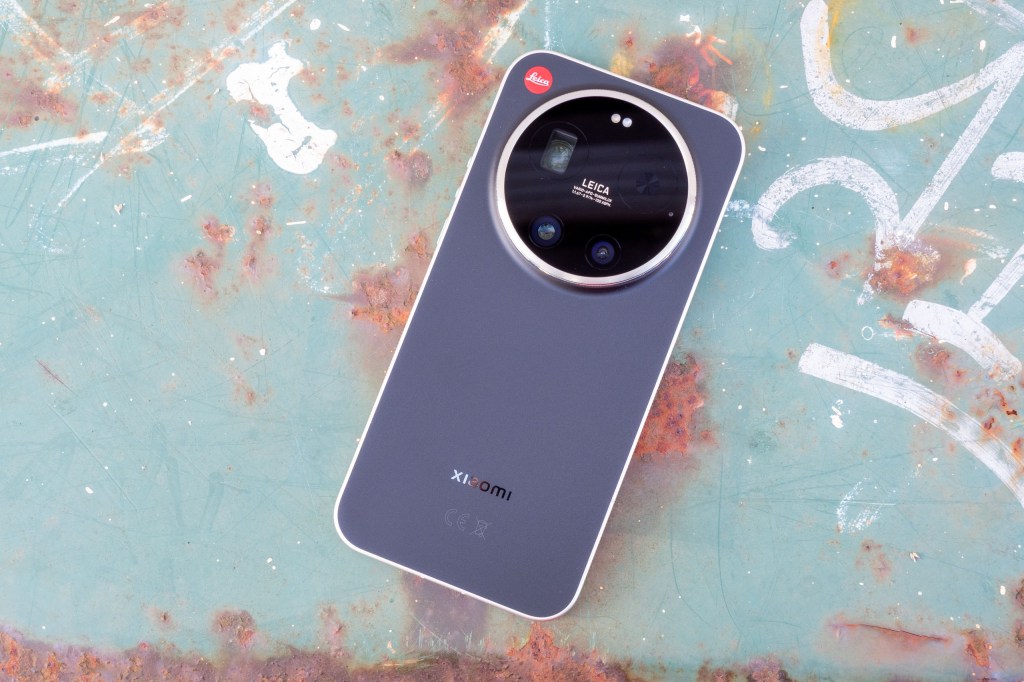
Announced in conjunction with the Xiaomi 17 Ultra, the Leica Leitzphone uses the same hardware as the 17 Ultra, but with some key differences to the external handling and user interface of software. Is there enough of a difference for the Leitzphone to make it onto our list of the best smartphones for photographers, though?
Xiaomi has been working with Leica for a number of years, so it makes a lot of sense to finally come out with a fully-branded Leica phone, and since it comes several years of Xiaomi making excellent models utilising Leica’s lens technology, it makes for an all-but-guarantee of good image quality.
Leica Leitzphone: At A Glance
- 3 x rear cameras – 14mm ultrawide, 23mm main, 75-100mm zoom lens
- 50MP selfie camera
- 8K/30fps, 4K/120fos
- 6.9-inch AMOLED Xiaomi Shield Glass 3.0 screen
- 6000 mAh battery with 90W wired/50W wireless charging
- Android, security and software updates until 2032
- Qualcomm Snapdragon 8 Elite Processor
How I tested the Leica Leitzphone
I review smartphones from the perspective of choosing one for its photographic / camera performance. For this review, I looked closely at what the Leica Leitzphone offers, including specific features for photography and video. Since this is a rebadge of another phone, I carefully considered the differences between the original model and this rebadged version. Otherwise, I pay close attention to the listed specifications for the cameras, but also think about other aspects, for example the screen and the battery life. I also think about things such as photo editing capabilities, and any other features which may appeal from a photographic point of view.
Leica Leitzphone: Features
Almost all of the features of the Leitzphone are exactly the same as the Xiaomi 17 Ultra.
In essence, that means you get a 1-inch main sensor. This is the largest you’ll find on a current smartphone. It’s the same size as the kind of sensor you’d find in something like a Sony RX100 premium compact camera, arguably making these smartphones a true replacement for that kind of device.
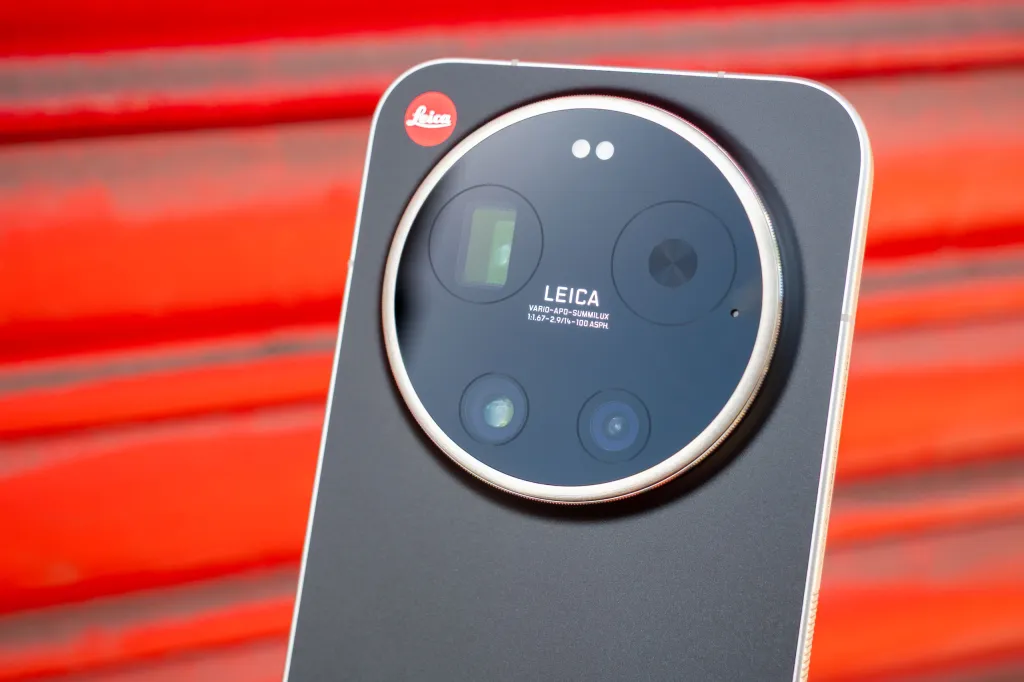
The one-inch sensor is 50MP, and is fronted by a 23mm f/1.7 lens. It’s joined by a 50MP 14mm f/2.2 ultrawide lens, plus an optical zoom lens which gives you 75-100mm f/2.4-3.0 aperture, rather than two zoom lenses with different focal lengths. Unsurprisingly, all of these lenses are Leica lenses, and benefit from the usual high quality, such as multiple coatings.
Other useful photographic specifications include the ability to shoot 8K video (30fps), as well as 4K (up to 120fps), Dolby Vision and the ability to record in Log – if you’re a videographer / content creator, there’s a decent amount here to like. There’s also a 50MP f/2.2 selfie camera, which benefits from autofocus, too.
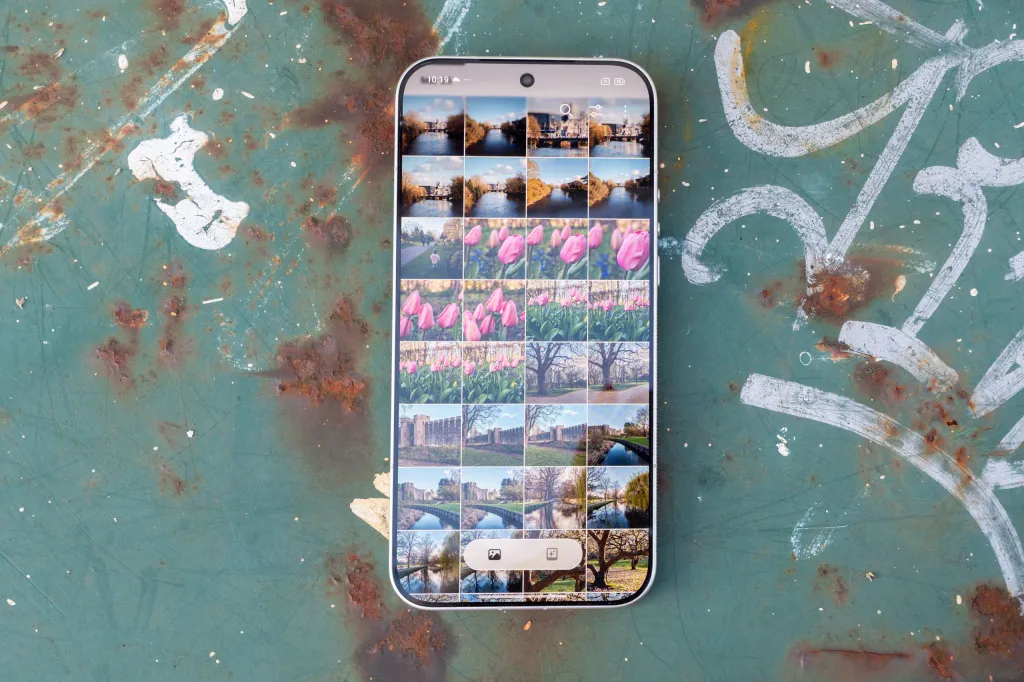
Elsewhere, the 6.9-inch screen matches the size of those found in other high-end flagships, such as the iPhone 17 Pro Max and the Samsung Galaxy S26 Ultra. Other relevant specs include a newest generation Snapdragon processor, a 6000 mAh battery, and both fast and wireless charging.
Leica Leitzphone: Design and Handling
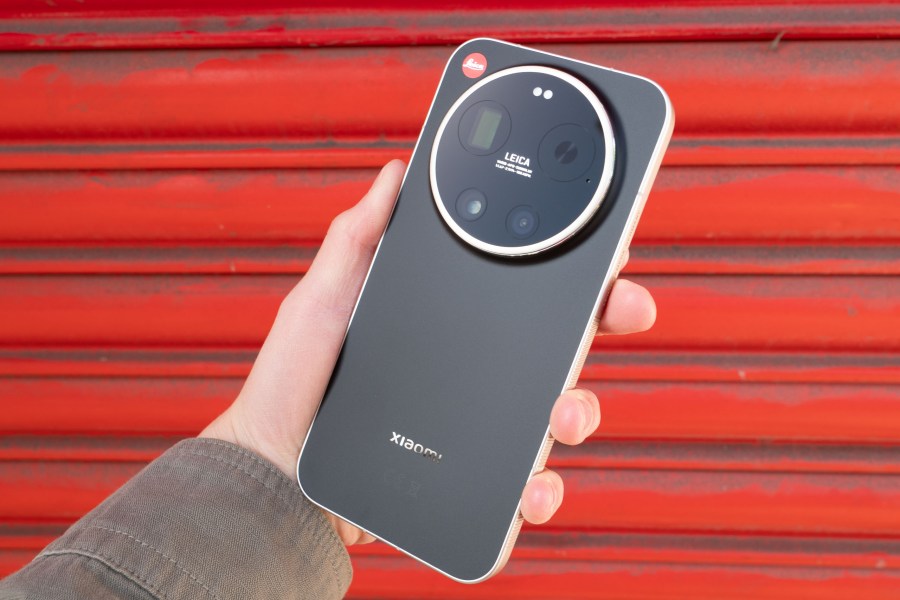
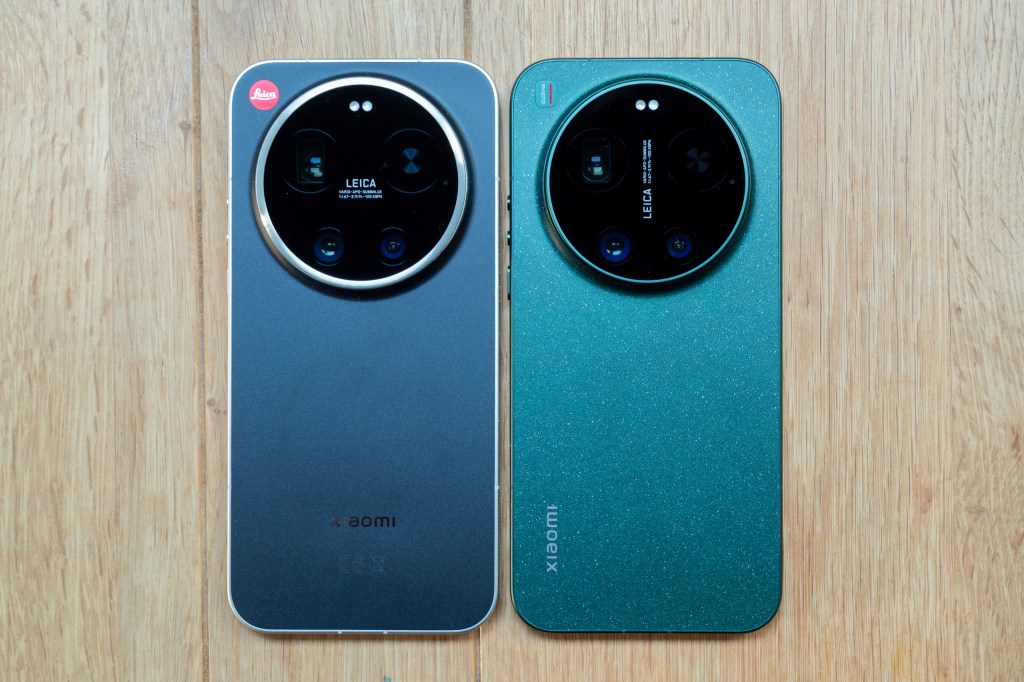
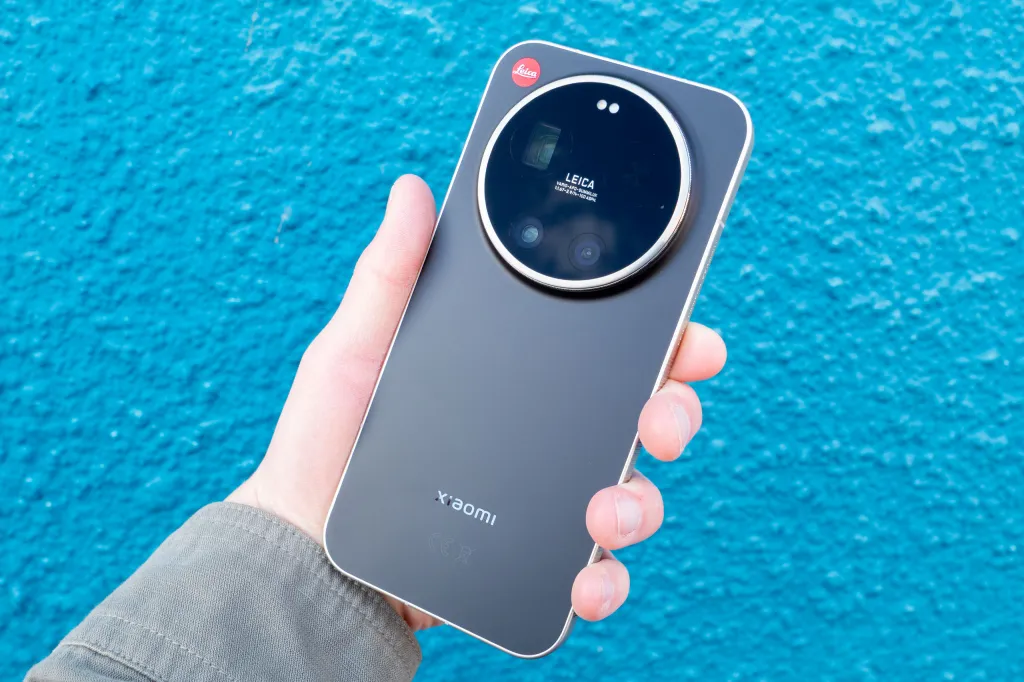
In terms of overall size, weight and shape, the Leitzphone is very similar to the Xiaomi 17 Ultra – which you can see in some of the pictures below.
It’s nicely slim, with a large round camera unit on the back of the phone housing the three different lenses. Here is where one of the big differences between the 17 Ultra and the Leitzphone can be found – the Leitzphone has a traditional “ring” around the camera unit.
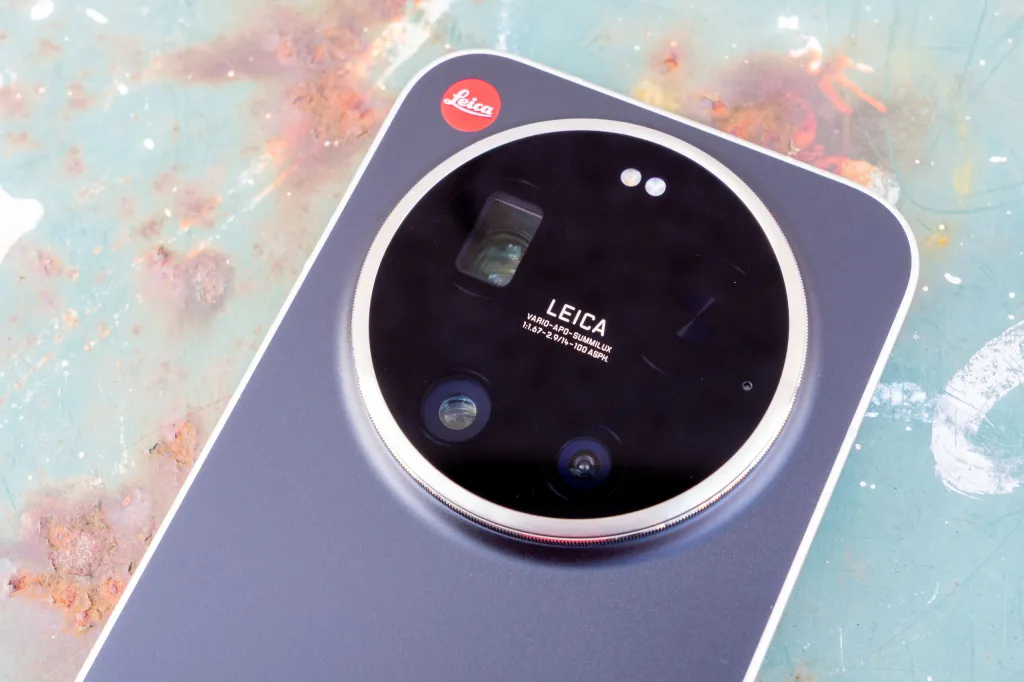
With this, you can control certain functions, which can be set within the phone’s menu. In the standard Photo mode, the default option is “continuous zoom” but you can also choose “switch lens”, “EV”, “Filters”. There’s some extra options in the Pro mode of the app too, including ISO and shutter speed.
While the camera ring sounds like a good idea in theory, in practice I found that it was far too easy to accidentally knock and change a setting I didn’t want it to – especially given the size of the ring and how much of the back of the phone it takes up. This is particularly a problem when using the case which is supplied in the box of the Leitzphone – the ring seems stiffer when it’s caseless, somehow.
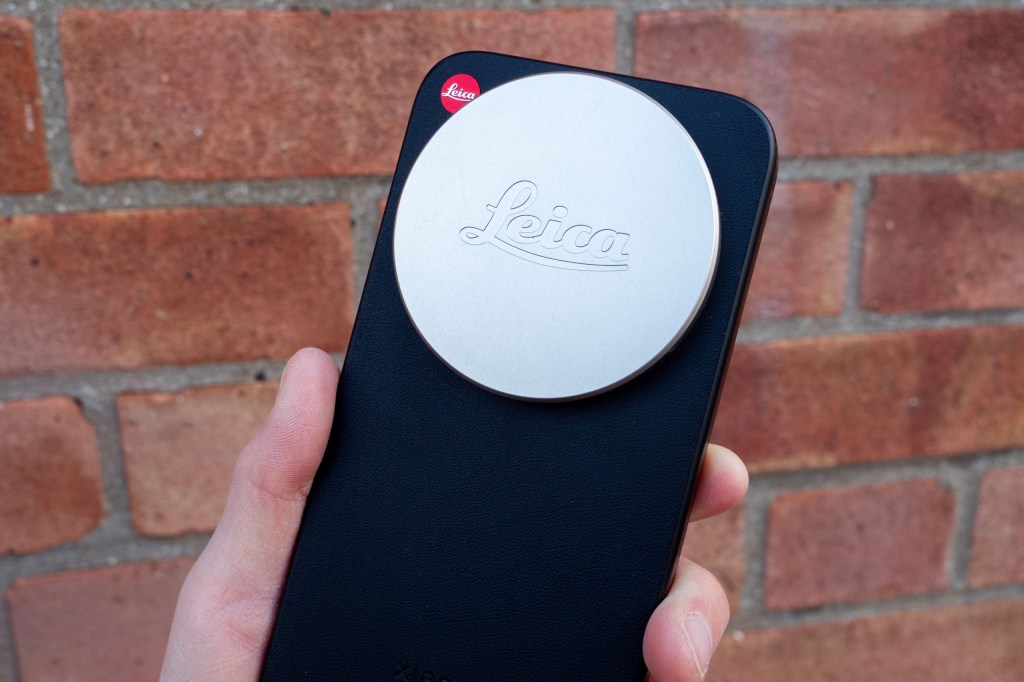
The bad news here is that it’s very hard to buy a different case for the Leitzphone, being such a niche phone. It is something you get used to eventually, but it’s a shame as it was something I expected to really like. You can switch the camera ring off if you find it’s getting on your nerves – but being the only major physical difference between it and the Xiaomi 17 Ultra, it seems a bit strange to then turn it off. You can also set the ring to turn counter-clockwise instead of clockwise if you prefer, which may help somewhat too.
Physical controls elsewhere are very few, as is common for smartphones. There’s a volume up/down button and a button for unlocking/locking the screen. The volume buttons can be used to release the shutter if you like. If I’m being really picky, I would like one of these buttons to launch the camera app without having to go via the screen.
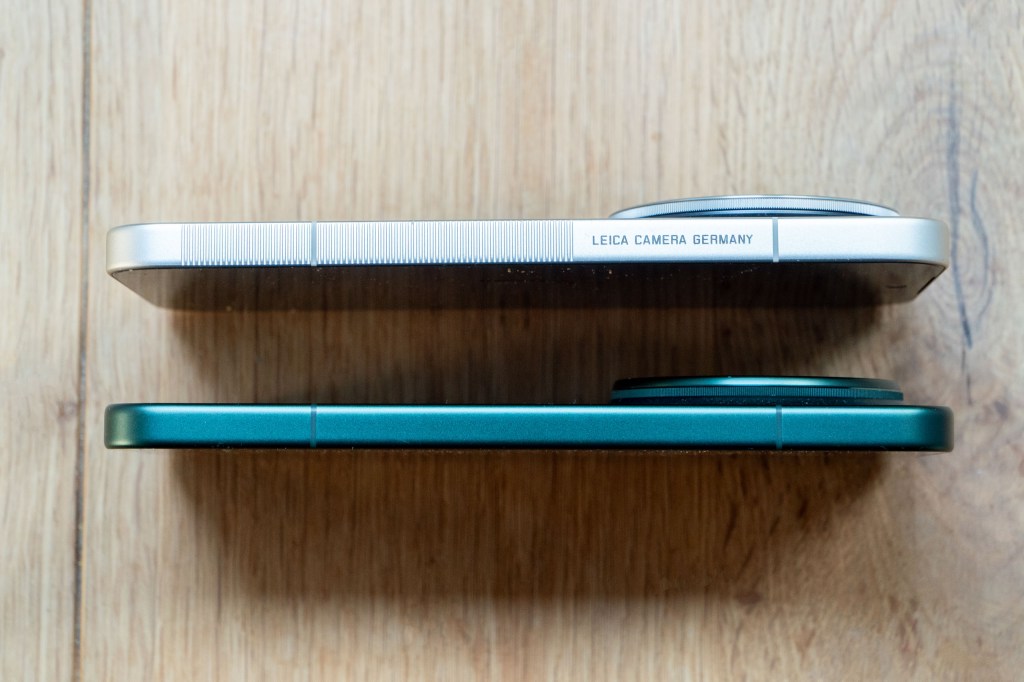
The frame of the Leitzphone is ridged which adds a classy touch – though of course you won’t see this if you’re using a case. It’s also a difference from the Xiaomi 17 Ultra, as that has a smooth side only.
Like the Xiaomi 17 Ultra, the Leitzphone has IP68 credentials, meaning it should survive being submerged in water and is dust resistant. It doesn’t have the high-powered hot jet resistance that some other phones on the market do, so if that’s a problem for you then, well, I don’t know what to tell you.
The screen is very large at 6.9-inches, and benefits from Xiaomi Sheild 3.0 glass. This is tough and resistant to scratches – I’ve seen it in action with both the Xiaomi 17 Ultra and the Leitzphone and both have survived well being in bags, pockets and handled in normal everyday situations. Elsewhere, other tough credentials come from the aluminium alloy frame and the composite fibreglass back.
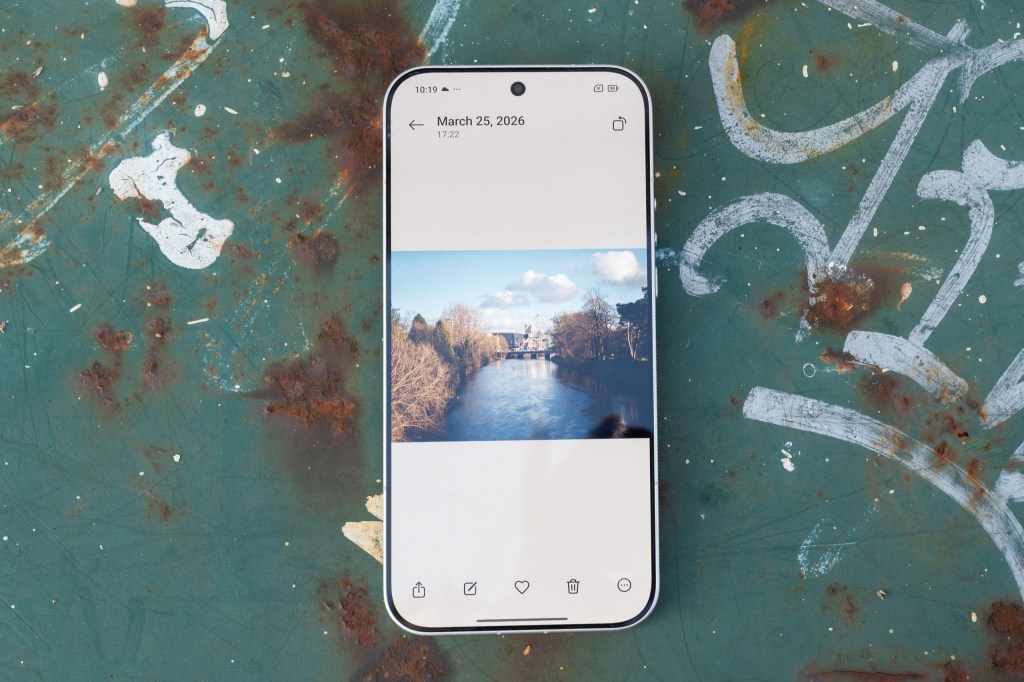
Additionally, the screen is flat – pretty standard these days, curved screens seem to have become totally old hat – and there’s very thin bezels. The selfie camera is housed behind a hole-punch cutout so you get maximum screen coverage. The screen has 3500 nits brightness, which makes it brighter than some models on the market, notably the Samsung Galaxy S26 Ultra, or the iPhone 17 Pro Max. There’s no anti-reflective or privacy coatings here, though.
I’d actually prefer the screen to be a bit smaller – 6.9-inches can be a little unwieldy to use in ordinary situations – though it’s hard to deny it makes your photos and videos look great.
There are “Photography Kits” available which are designed for the Xiaomi 17 Ultra. As the Leitzphone is essentially the same phone in most physical regards, these should work with the device. With these kits you can add a shutter release button and a chunkier grip to the phone to make it more like a “real” camera.
Leica Leitzphone: Native Camera App
This is where the Leitzphone separates more from the Xiaomi 17 Ultra, as the native camera app has some more clear cut differences.
The default shooting mode is “Photo” which is pretty much the same as the Xiaomi’s standard shooting mode, albeit with different fonts to match the Leica aesthetic.
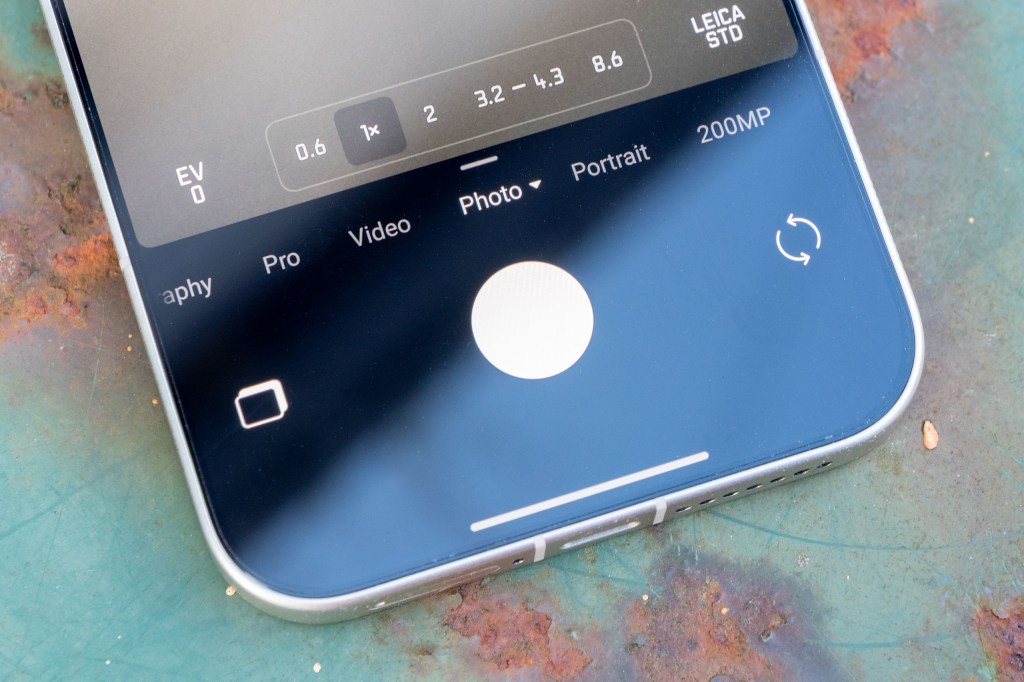
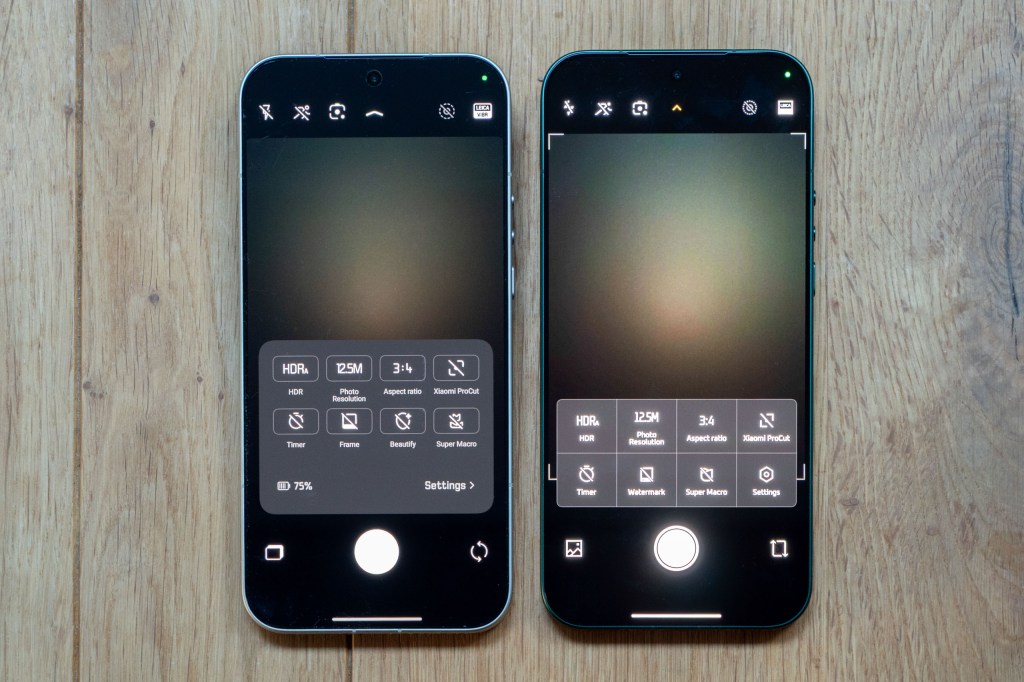
Here you can quickly tap between the different lenses available, including the zoom lens where you can tap between different focal lengths in the zoom, or pinch to zoom more gradually. You can also do a variety of things such as change the standard resolution from 12.5MP to 50MP.
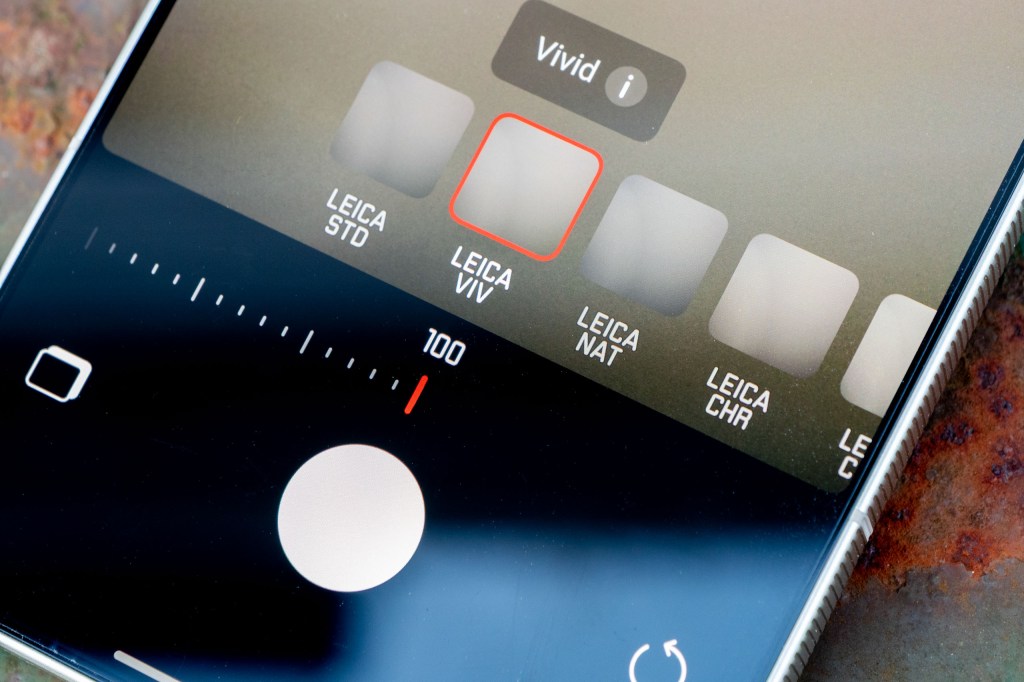
You can shoot in Leica Vibrant or Leica Authentic colour ways – again this is the same as the Xiaomi 17 Ultra. There are digital filters available too, but here they are all Leica branded – there are similar ones available on the Xiaomi 17 Ultra, but not exactly the same.
Other options include switching HDR on/off, adjusting the aspect ratio, adding a timer and so on. To shoot with macro mode, you can either bring the phone close to a subject, where it will switch to using the ultrawide lens, or bring down the pull-down menu to turn on “Super Macro” which utilises the zoom lens. With this second option, you need to be at least 30cm away from the subject, so it doesn’t necessarily work well with every subject.
In darker lighting conditions, the phone should automatically switch to Night mode.
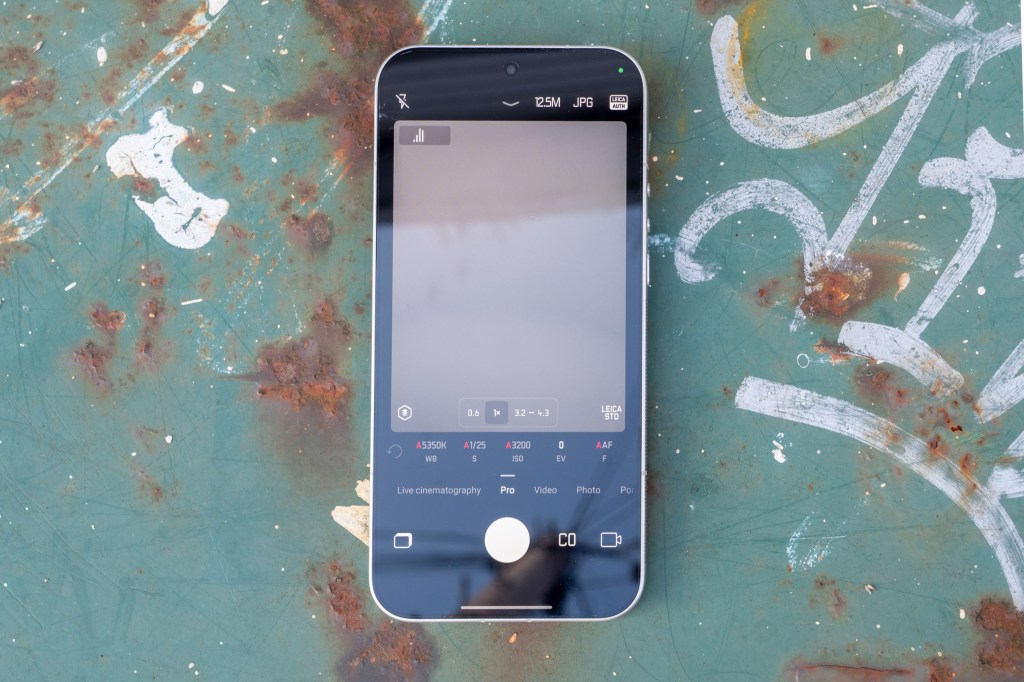
Other shooting modes which are similar or the same as the Xiaomi 17 Ultra include a Pro mode, where you can change various settings and shoot in raw format, as well as Portrait mode for photographing people. The Portrait mode differs slightly in that all of the portrait “effects” are supposed to represent different Leica lenses, such as Summilux, Summicron, Noctiluz, Thambar and Anamorphic lenses.
A FastShot mode is useful for street photography – and is also found on the Xiaomi 17 Ultra. With it, you can see what’s happening around the frame before it enters into it – so you can more quickly respond to fast-changing events.
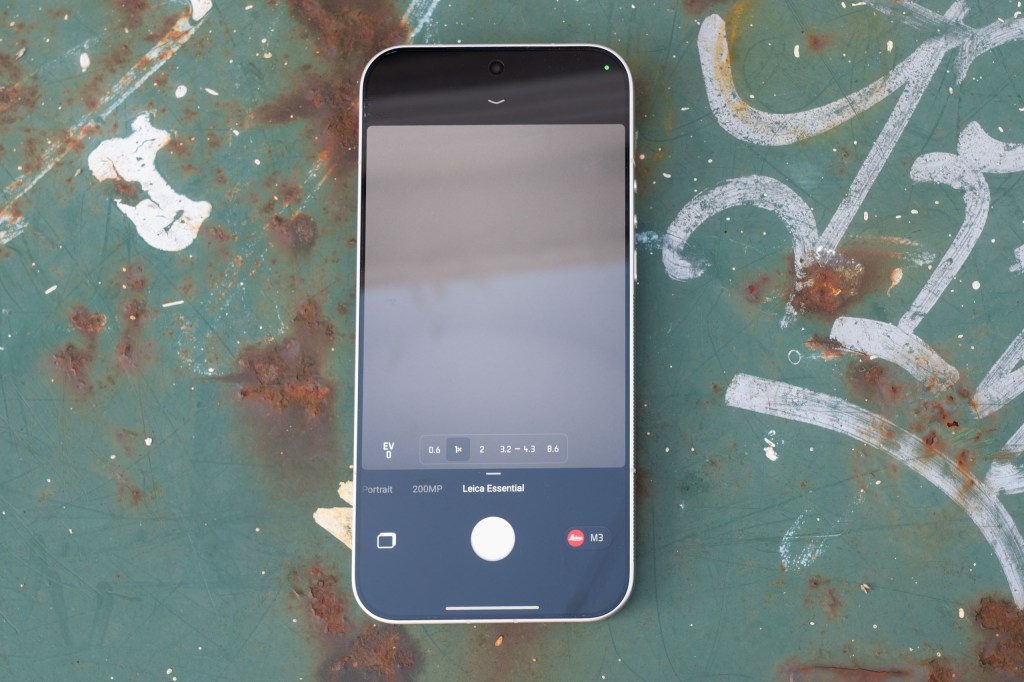
The most obvious mode which is unique to the Leitzphone is “Leica essential” mode, where the phone will recreate the effect of shooting with either a Leica M9 or a Leica M3. When you shooting with the Leica M3 mode selected, it will shoot with “Leica Monopan 50 film”, aka black and white. With the Leica M9 mode it shoots with a fixed daylight white balance.
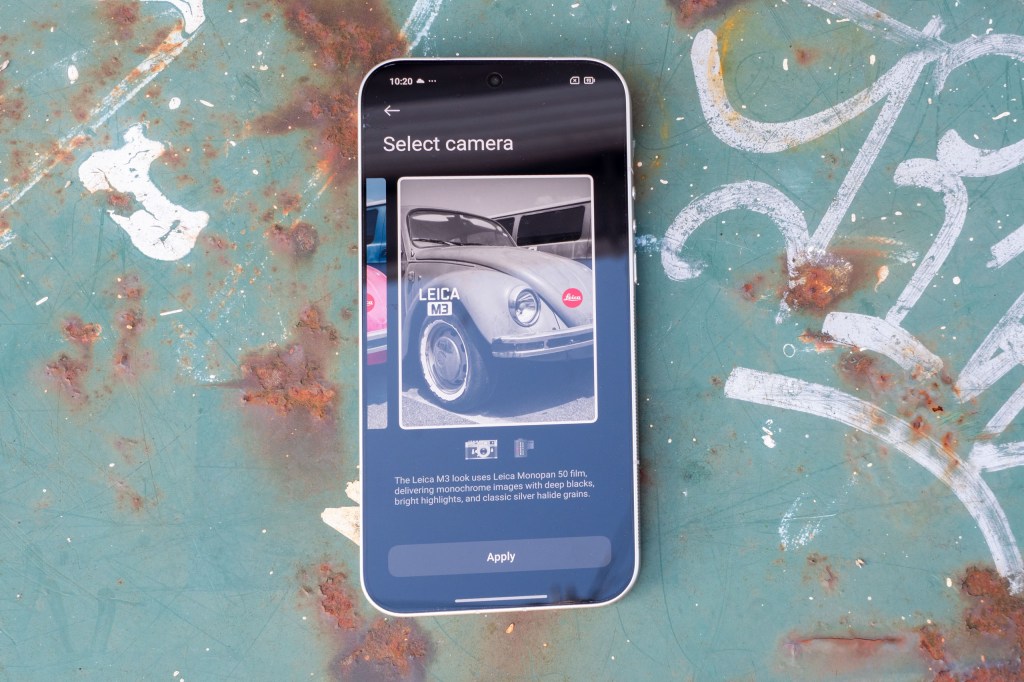
Both produce quite interesting results which are certainly worth experimenting with – whether you think having this mode is worth the expense of opting for the Leitzphone over the regular Xiaomi 17 Ultra is another matter.
Leica Leitzphone: Image Quality and Performance
Of course I already knew what I was getting in terms of image quality, having already tested the Xiaomi 17 Ultra.

With its one-inch sensor, the image quality is fantastic. There’s great colour, plenty of detail and I’d say that images are on par with those from a high-end compact camera which is also equipped with a similar camera.


All of the lenses put in a good performance, with the 1x of course being the best. The ultrawide is very good, while the optical zoom lens performs very well in terms of sharpness – as I said in my Xiaomi 17 Ultra review, I think it’s better than having two discrete telephoto lenses when the results are this good.
In terms of digital zooming, up to the 17.2x setting I’d be happy to use regularly, which is pretty impressive and likely more than you’ll ordinarily need for most situations anyway.

Special modes such as portrait mode do a good job, with natural looking results and a pleasing background. Macro shooting is very good – though the SuperMacro option is generally better than the automatic option which uses the ultrawide lens.

For low light shooting, as I’d expect, it’s the 1x lens which puts in the best results. The ultrawide lens is a bit smudgy, though the zoom lens puts in a impressively good performance considering telephoto lenses are usually the weakest in dim conditions.


The special filters are good fun to experiment with, as is shooting with the Leica essential mode. It’s worth trying them out to see if you like them.

Don’t forget you can look at my Xiaomi 17 Ultra review if you want to see more examples of the typical image quality you can expect from the Leitzphone.

Leica Leitzphone: Value for Money
There’s not really any getting around the fact that the Leitzphone is an expensive proposition.
The Xiaomi 17 Ultra is expensive as it is, but add the desirable red dot and the price ramps up even further.

As such, you’ll pay £1700 for the Leitzphone, whereas you can pick up a Xiaomi 17 Ultra for £1300. Now, it should be noted that the Leitzphone is only available in a 1TB option, whereas the 17 Ultra you can get a 512TB version.
If we compare like-for-like storage, the 17 Ultra is £1500 – so it’s still a £200 uplift for what is essentially the same phone in most ways. You do get the lens ring, and some notable differences in the shooting experience, so it’s possible that you might consider it worth it.
If we compare the Leitzphone against other brands, of course it comes out as more expensive, too. Though again, if you compare like-for-like storage options, it’s perhaps not quite so outrageously different. For example, a 1TB Samsung Galaxy S26 Ultra is also £1700, while a 1TB iPhone 17 Pro Max is £1600.
Of course with those other phones, you can opt for less storage to save money, something you simply can’t do with a Leitzphone – let’s be honest, this is not a phone for those on a budget.
In terms of resale value, this is a bit of an unknown quantity. We know that Samsung phones and iPhones tend to hold their value well, but Xiaomi models don’t tend to fare as well – whether this would also be true for the Leitzphone is debateable. Arguably the audience for it is niche, but it’s also true that it’s an audience that is typically willing to pay a premium for a product.
Leica Leitzphone: Verdict
My opinion is that the Xiaomi 17 Ultra is currently the best smartphone on the market for photographers. Given that the Leitzphone is the same hardware, you could arguably extend that praise to this model too.
Indeed, depending on your point of view you could say it was even better (is it possible to be better than best? Let’s just say yes, it is).
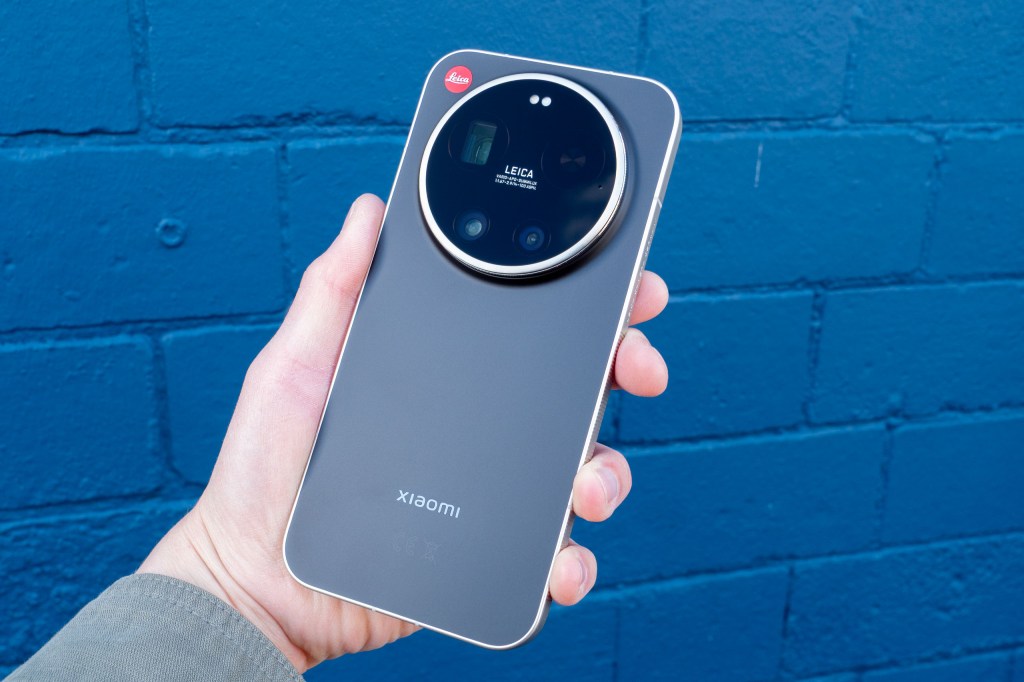
It’s better because you get a lens ring, you get the Leica-aesthetic for the native camera app, and you also get some fun shooting modes that you don’t get with the standard 17 Ultra. You also get to say that you’re shooting with a Leica, and that holds an awful lot of cachet.
However, we do have to consider things like cost here. It’s a very expensive phone, and having to shell out a significant extra to get those things won’t be to everybody’s tastes.

One thing it definitely shows is that a collaboration between a traditional camera manufacturer and a smartphone manufacturer can be a thing of greatness – it would be pretty cool to see others following suit, going beyond just a simple lens collaboration or a branding exercise, and actually (at least seemingly) designing things from the ground up.
Overall, just like the Xiaomi 17 Ultra, the Leitzphone is a superb phone, and there’s lots to recommend it. If you want to own a Leica, it’s a good way to do it – certainly cheaper than a “proper” camera. If you just want the image quality and don’t care about a red dot though, stick with the Xiaomi 17 Ultra.
Related reading:
- I test phones for a living – These are the best camera phones in the world right now
- Xiaomi 17 Ultra Review: Simply the best smartphone for photography
- Samsung Galaxy S26 Ultra Review: a minor upgrade, but still class-leading

Leica Leitzphone Full Specifications
| Specifications | Leica Leitzphone |
|---|---|
| Main camera | 50MP 1-inch type sensor, 23mm f/1.7 equiv. lens, dual pixel PDAF, OIS |
| Telephoto camera | 200MP 1/1.4-inch, 75-100mm f/2.4-3.0 equiv. lens, PDAF, OIS |
| Ultra-wide | 50MP 1/2.76-inch sensor, 14mm f/2.2 equiv. lens, PDAF |
| Selfie camera | 50MP 21mm f/2.2 equiv. AF |
| Video | 8K/30fps, 4K/120fps |
| Battery | 6000 mAh, 90W wired charging, 50W wireless charging |
| Screen | 6.9-inch LTPO AMOLED, 2608 x 1200 pixels, 3500 nits peak brightness |
| Processor | Qualcomm Snapdragn Elite 8 Gen 5 |
| Storage | 512GB/1TB |
| Operating System | Android 16, Hyper OS 3 |
| Dimensions | 162.9 x 77.6 x 8.3mm |
| Weight | 223.4g |
| Dust and water resistance | IP68 |
Follow AP on Facebook, Instagram, YouTube and TikTok.