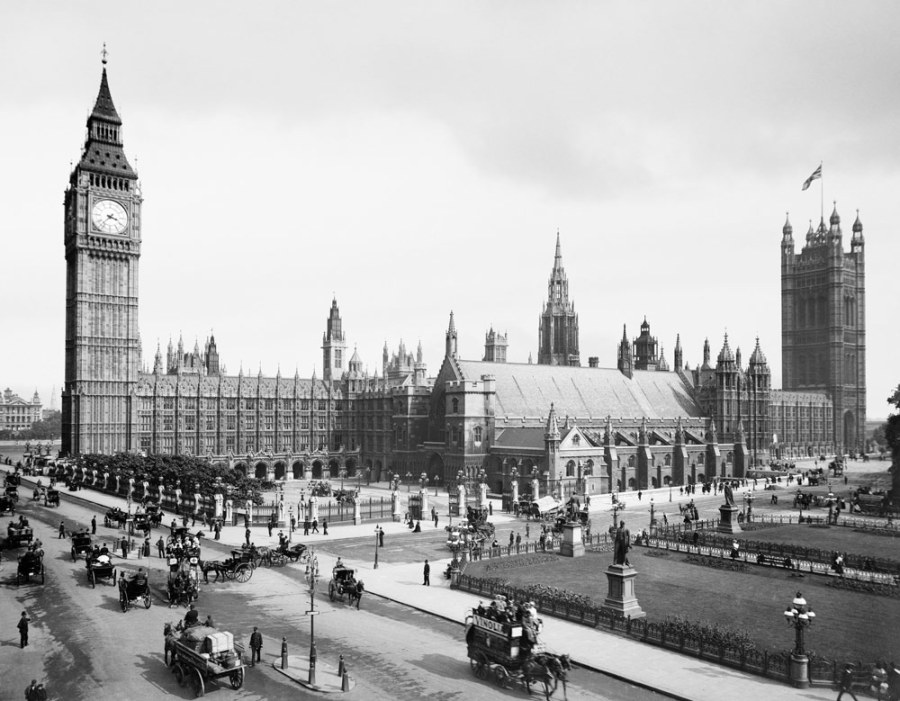
A remarkable new book features over 300 expertly restored and digitised photographs of London from 1870 to 1945. As you’ll see, the old cameras captured a city which has changed forever
‘When a man is tired of London, he is tired of life’ wrote Dr Johnson back in 1777, and England’s capital city continues to inspire, excite and sometimes infuriate. London has been photographed since the dawn of the medium, and there are lots of photo collections already out there, but a new one, Panoramas of Lost London, is particularly interesting (the book would make a great Christmas present).
It features images of the capital from 1870 to 1945, which was a period of massive change – from the high watermark of Victoria’s reign to the devastation of WW2 bombing. Many of the images come from the collection of the former Greater London Council Historic Buildings Division, and have been carefully restored and digitised.
The author of Panoramas of Lost London, Philip Davies, is an expert on historic buildings, having worked for English Heritage as Planning and Development Director for London. We caught up with Philip to find out more.

‘I had a remarkable collection of photographs of historic buildings in my office at English Heritage,’ Philip explains. ‘We’d talk about publishing them, but nobody took it up, so I thought I would do myself. I worked my way through the collection and the images were just jaw-dropping.

My first book, Lost London (2010), was very successful, and since then there has been such an upsurge in interest in people’s personal histories and the areas where they lived. Panoramas of Lost London contains about 60 images which have already been published.
What’s really changed with this book, however, is the scanning and reproduction technology, which now reveals an incredible level of detail – like opening windows onto a forgotten world. As well as the buildings in the book, I find the people in the photographs really fascinating, their faces frozen in time, captured forever.’
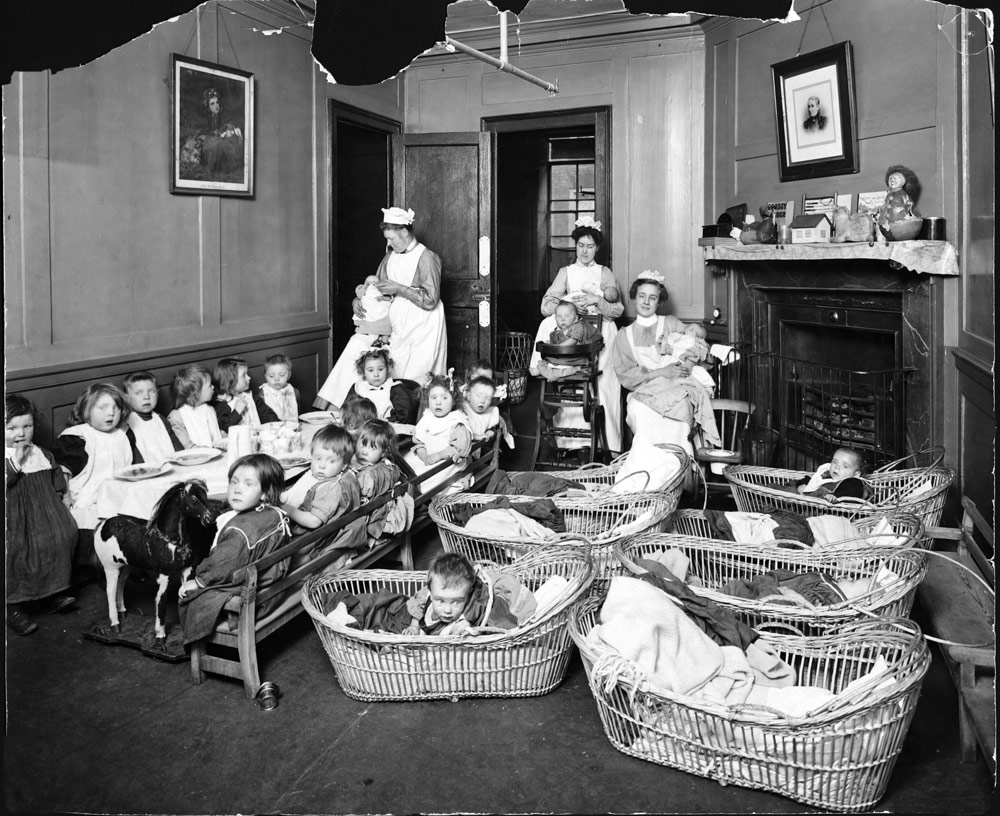
Rich, poor, and beyond
Choosing the images was quite a challenge, as you can imagine, but Philip’s experience with his previous books, not to mention his immense expertise, made the task somewhat easier. ‘The images in Panoramas of Lost London are organised by four themes – work, wealth, poverty and change,’ he explains.
‘My favourite section is the one on poverty, as you can see the ordinary people in the city as well as the many buildings which have now been swept away. It’s very evocative.’
When it came to preparing the images for publication, Philip notes many of the images were in remarkably good condition. ‘Some required repair, but new developments and techniques in scanning historic material really helped. Once the images were scanned and enhanced, you could see so much more detail, some of which you don’t notice in the prints – newspaper placards outside shops, even the time on clocks inside a shop!’
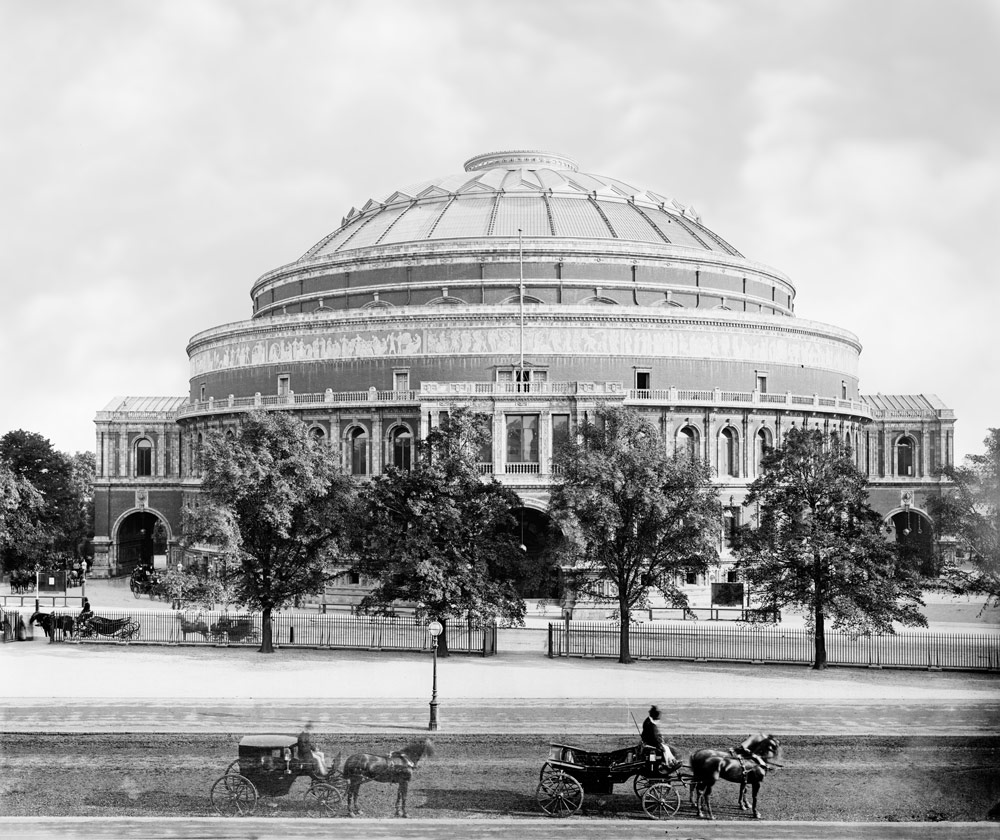
Philip ended the collection in 1945 as it seemed logical to stop there. ‘It’s really shocking when you look at images of parts of London we know well today and see the level of devastation when the war ended. Places like Piccadilly or some of the churches… areas totally gutted by fire, not just around St Paul’s Cathedral.
For people who weren’t around at the time, it’s hard to comprehend what happened to London in the war, but you can see the destruction in the images. My goal was to try and capture ‘lost’ London, places which have gone forever, or could still be recognised but have changed a lot.’
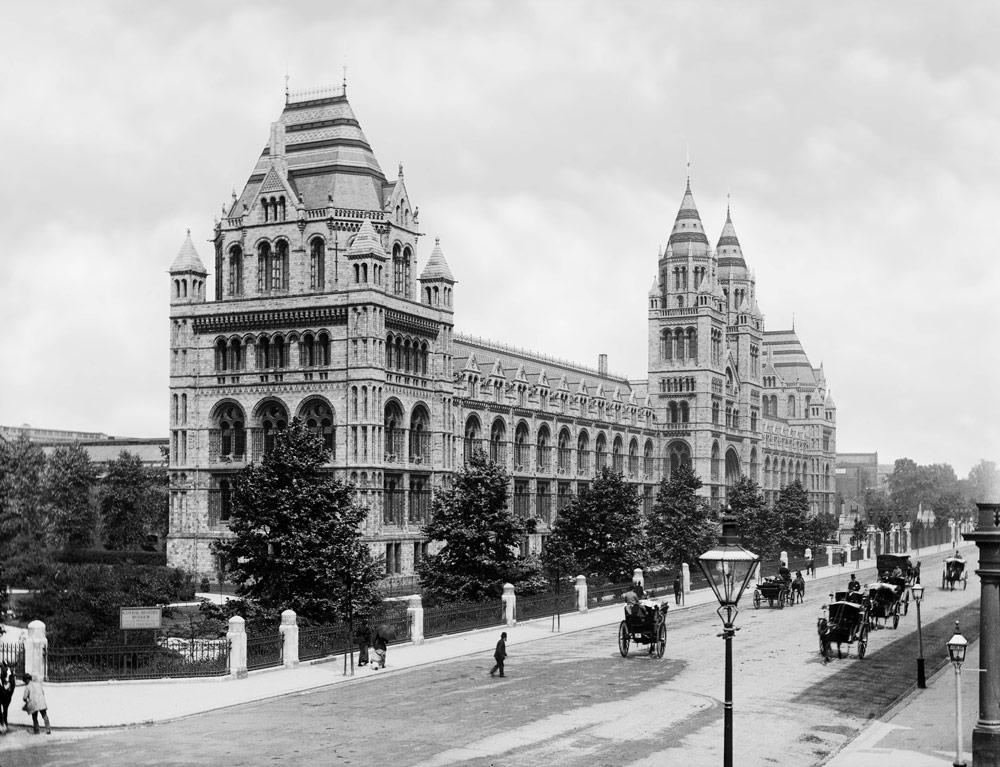
The impact of photography
One of Philip’s previous books, Lost England, included old photographs of the rest of the country so no further books on London are planned for the time being. Philip ends our chat with reminding us how much photography revolutionised society in the 19th century.
‘It was one of the wonders of the age. The first photograph of London was taken in 1839, and within 15 years, photography became mainstream. As well as high street photographers, photography also revolutionised scientific enquiry, social reform and more.’
And as regular readers won’t need reminding, Amateur Photographer is part of this history too – our first issue came out in 1884.
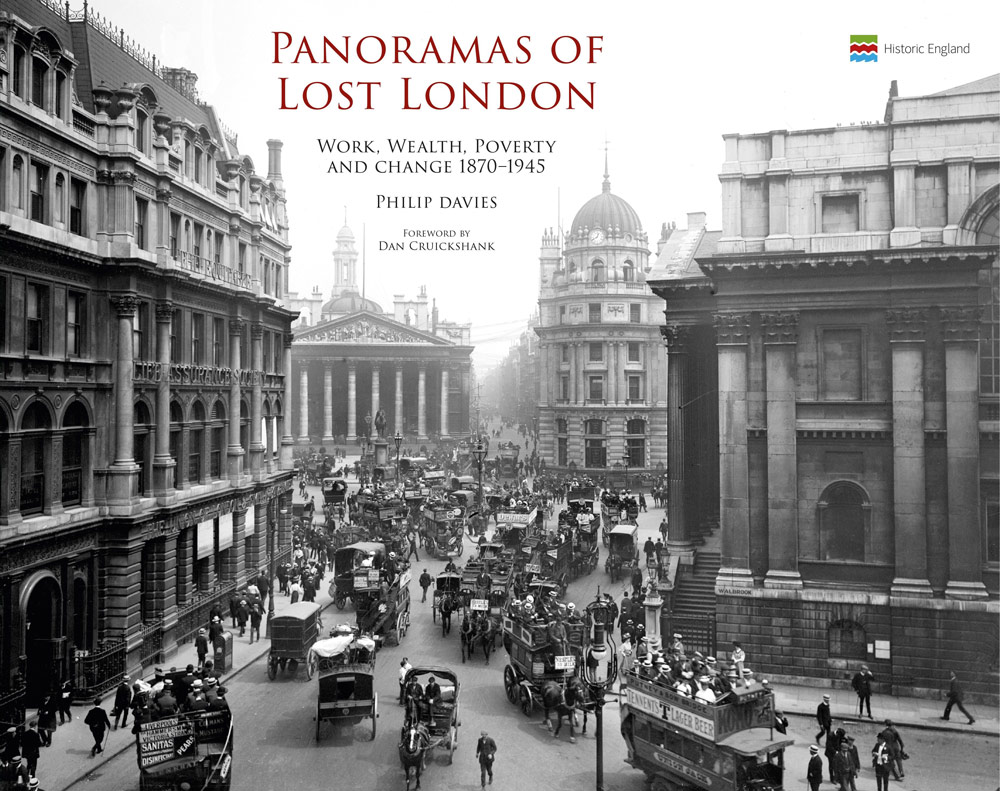
Panoramas of London by Philip Davies is published by Atlantic Publishing with a foreword by art historian and broadcaster, Dan Cruikshank. Its available now in hardback for £40 – get it while stocks last.