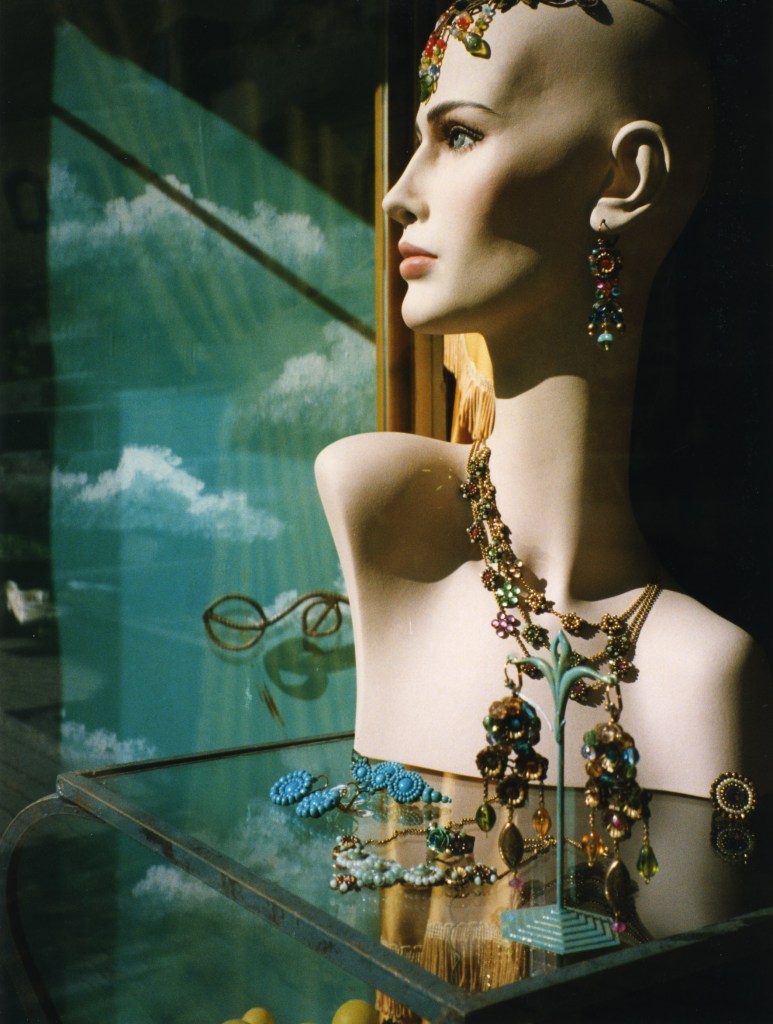
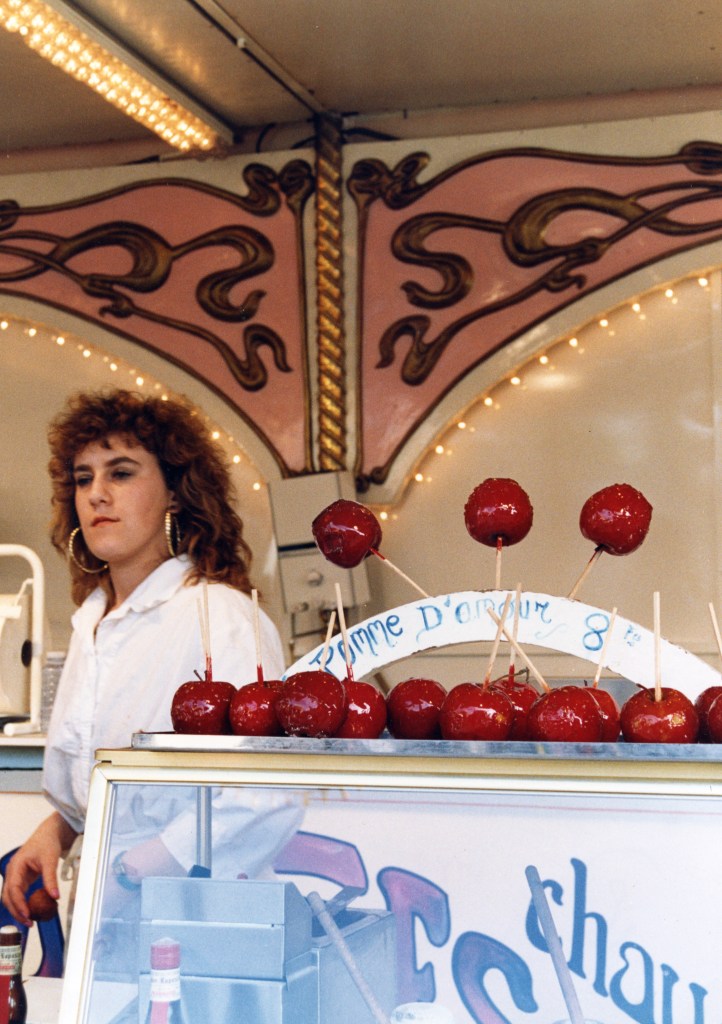
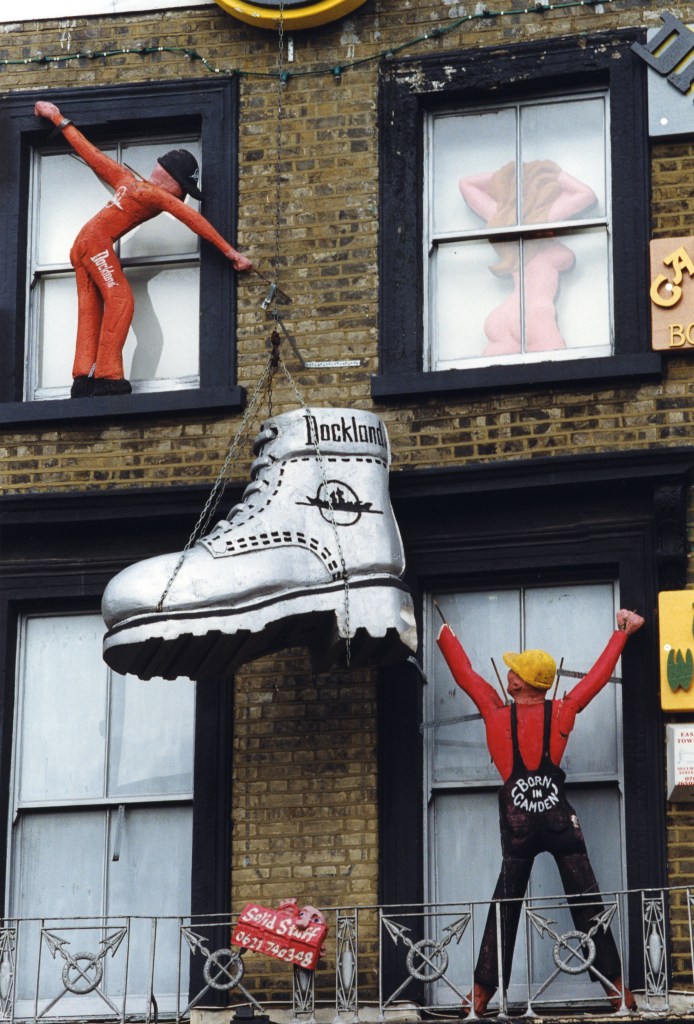
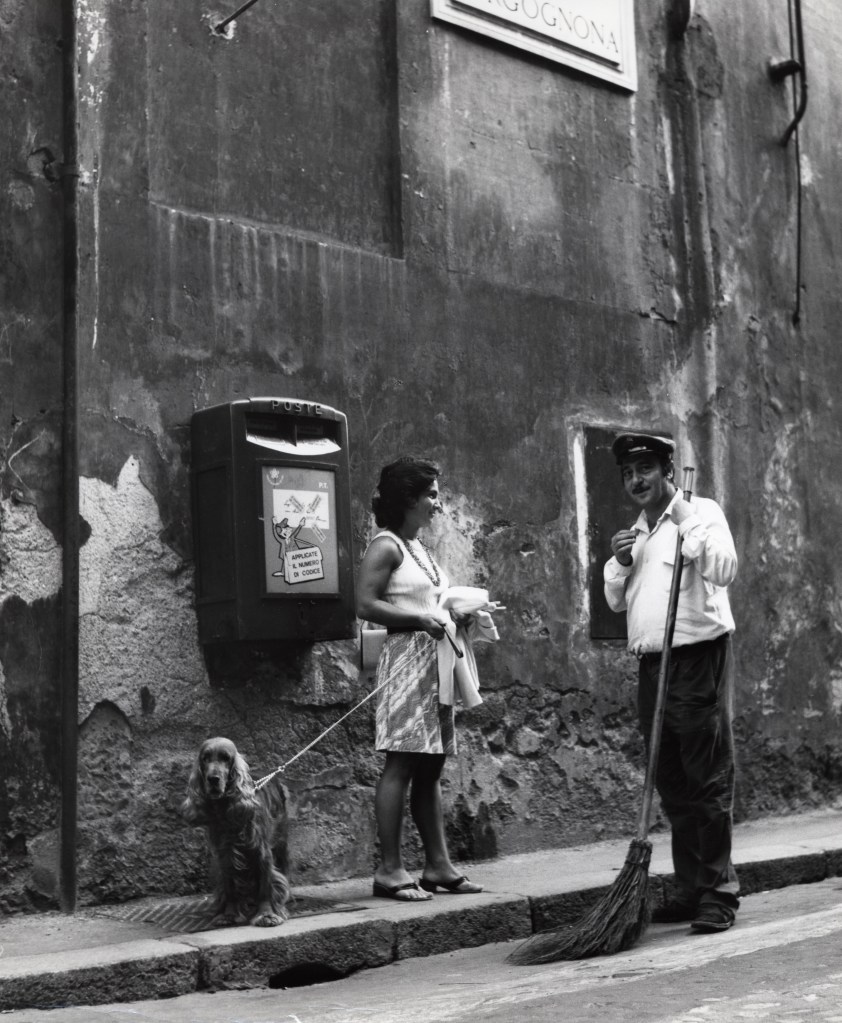
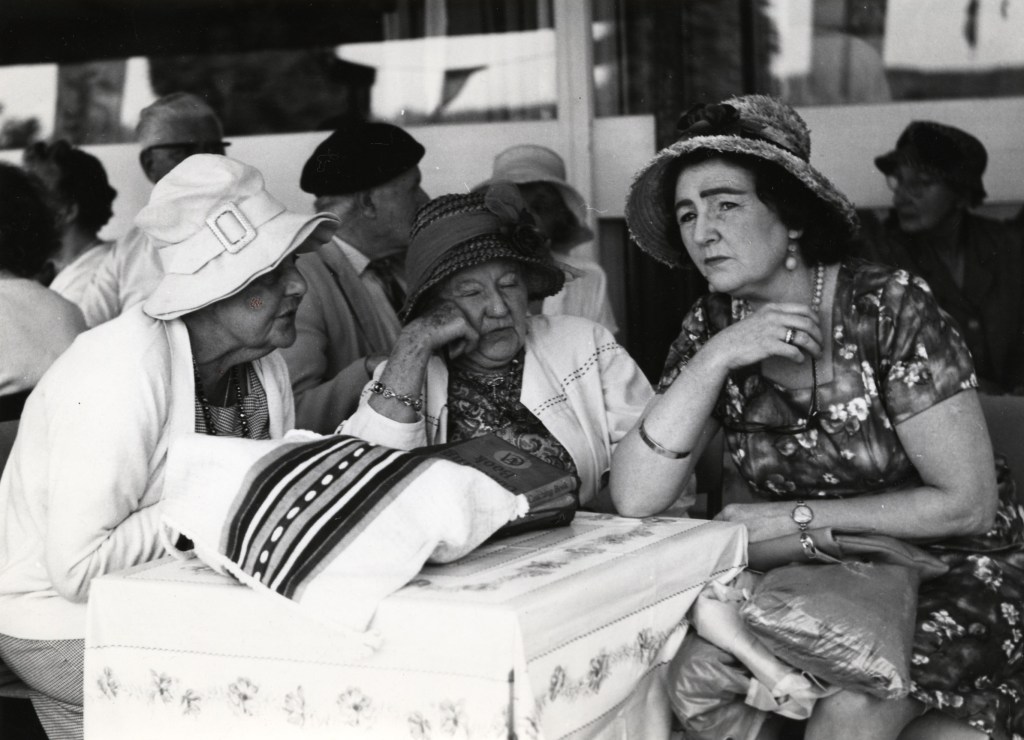
Dorothy Bohm’s About Women at Farleys House and Gallery in Sussex is a must-see exhibition right now, offering a profound look at how the pioneering street photographer captured female life in public spaces. This remarkable collection, which spans several decades and features photographs taken across the globe, runs until 26 July.
A true masterclass in street portraiture, Bohm’s images carry an intimate viewpoint of a woman who was sent away to England to escape the rise of Nazism, the viewpoint of an educated woman who not just studied photography, but had a deep sense of understanding of the human condition and a world slowly changing to meet the reforms so needed for women’s rights.
Born into a Jewish family in Königsberg (today’s Kaliningrad) in 1924, Bohm was sent to the safety of England in 1939. She studied photography and after graduating set up Studio Alexander, a successful portrait studio in the heart of Manchester, supporting her husband while he finished his PhD. After the war, they visited an artist colony, which motivated her to focus on outdoor photography and to start travelling. Her understanding of traditional portraiture and lighting, combined with her deep sense of humanity, led to a series of street photographs taken around the world that she is known for today.
In the 70s, she played a key role in founding the Photographers’ Gallery in London, and of which she became the Associate Director for 15 years. In 1970, Roland Penrose wrote the introduction to Bohm’s first book, and aptly observed, ‘her camera not only sees, it feels.’
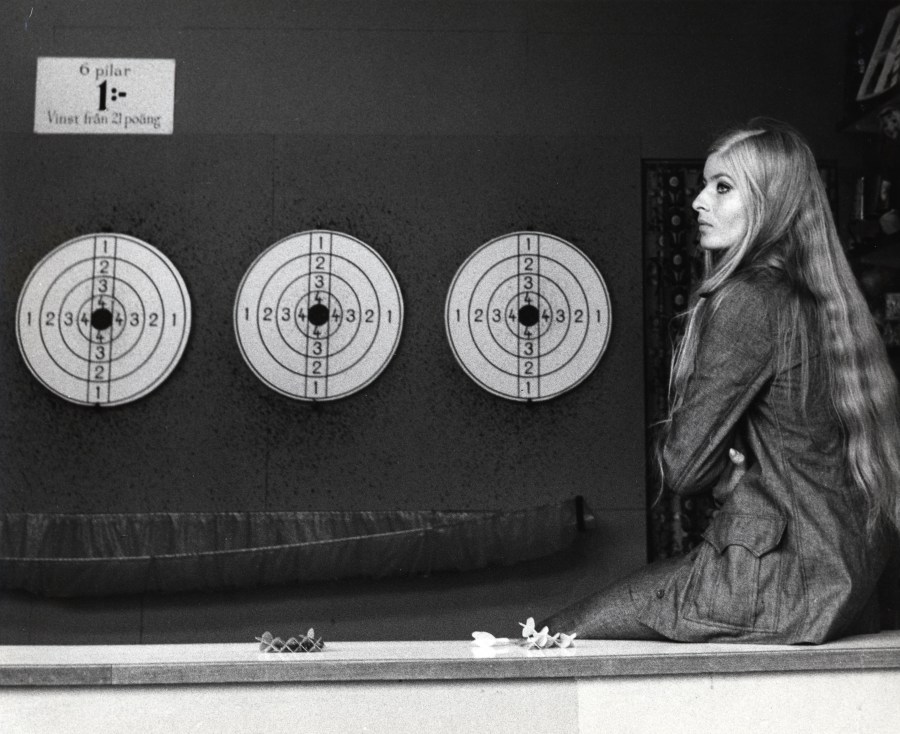
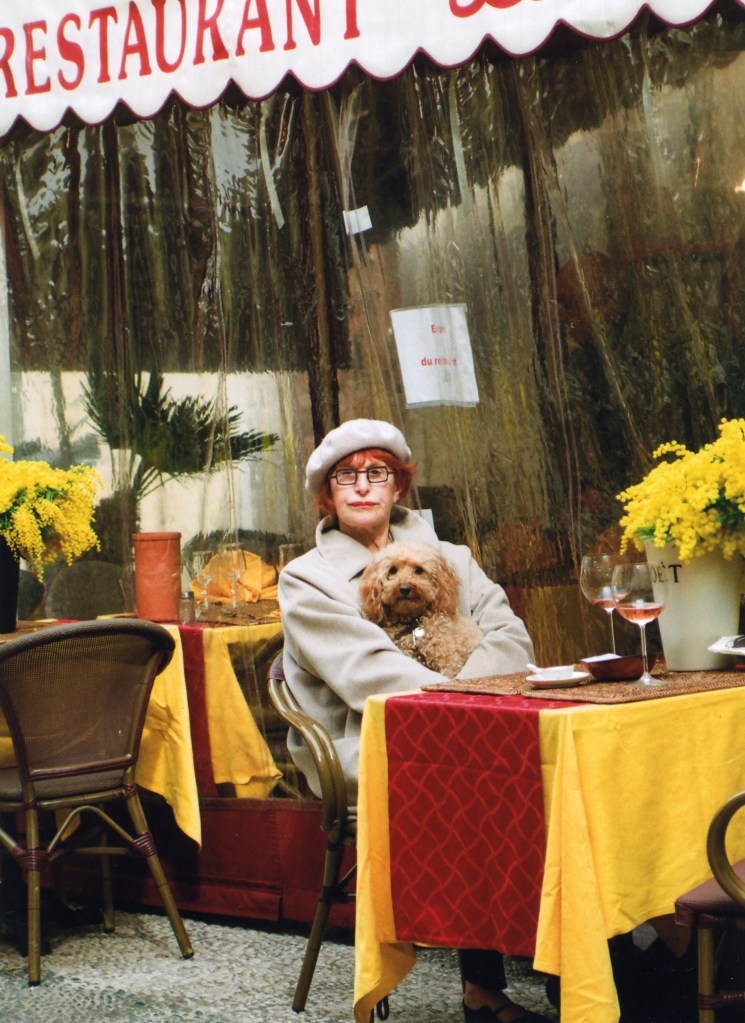
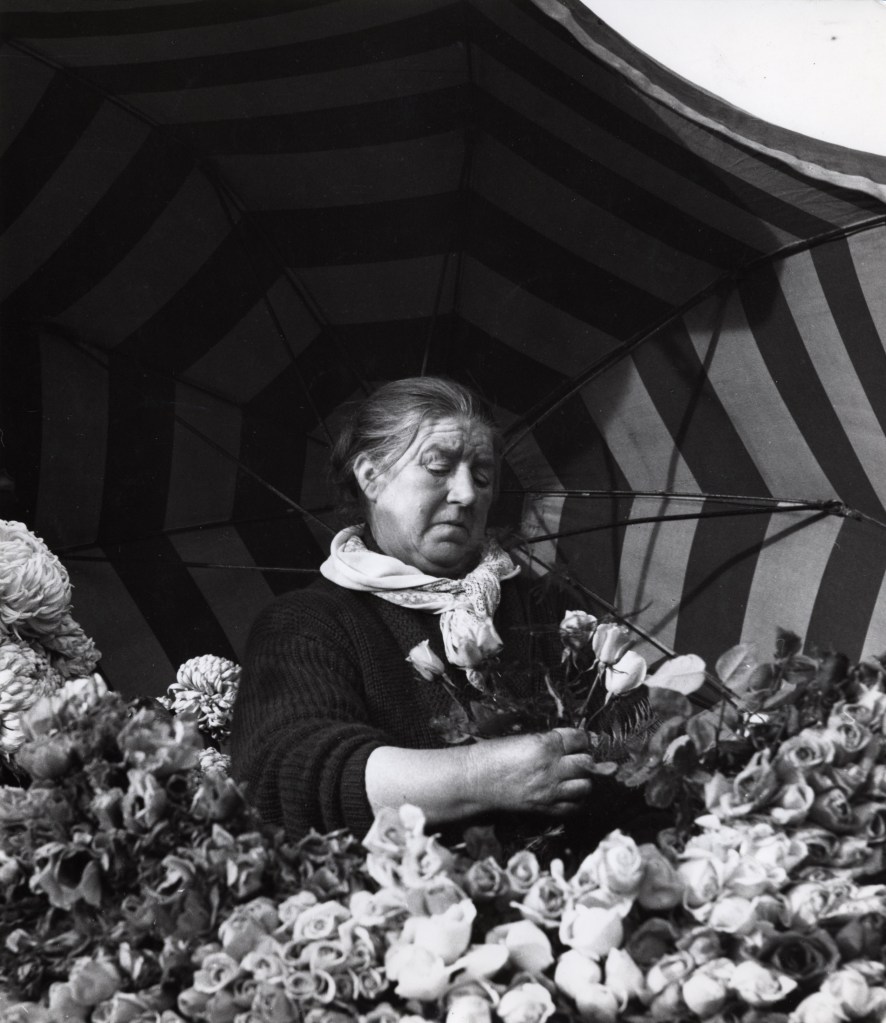
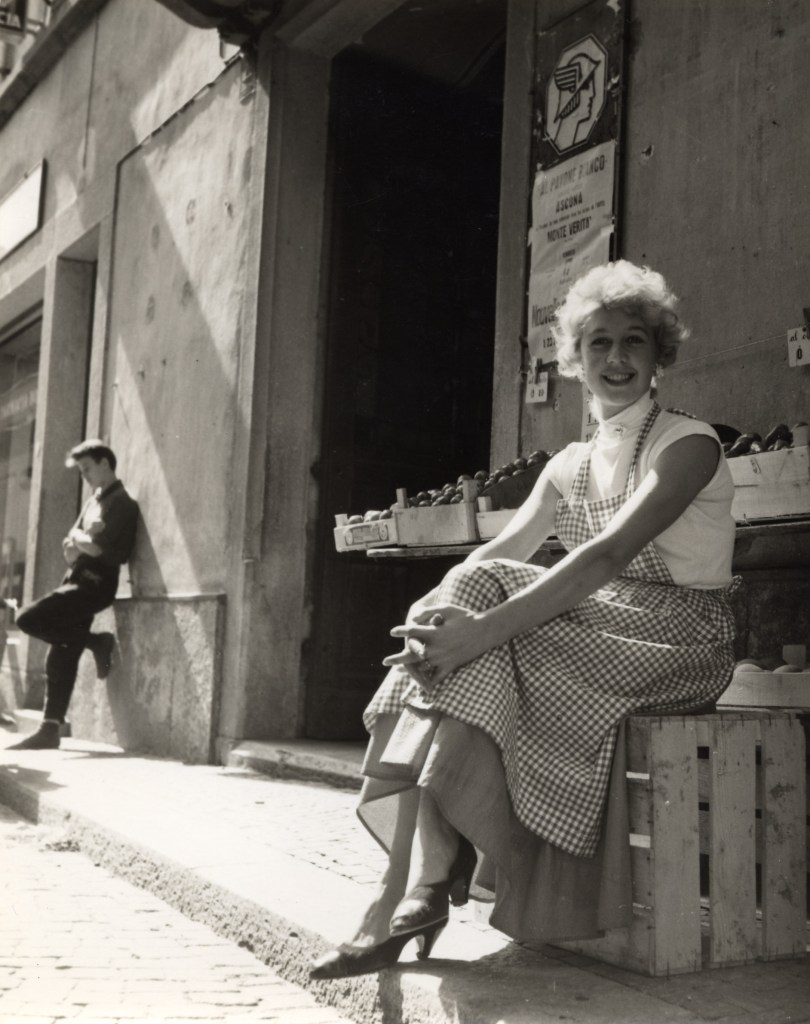
A considerable number of her images depict women in everyday settings, with a viewpoint sensitive to what it means to be a woman amid the changing social fabric of the world. Bohm said she felt that women were the “most natural subjects” for her.
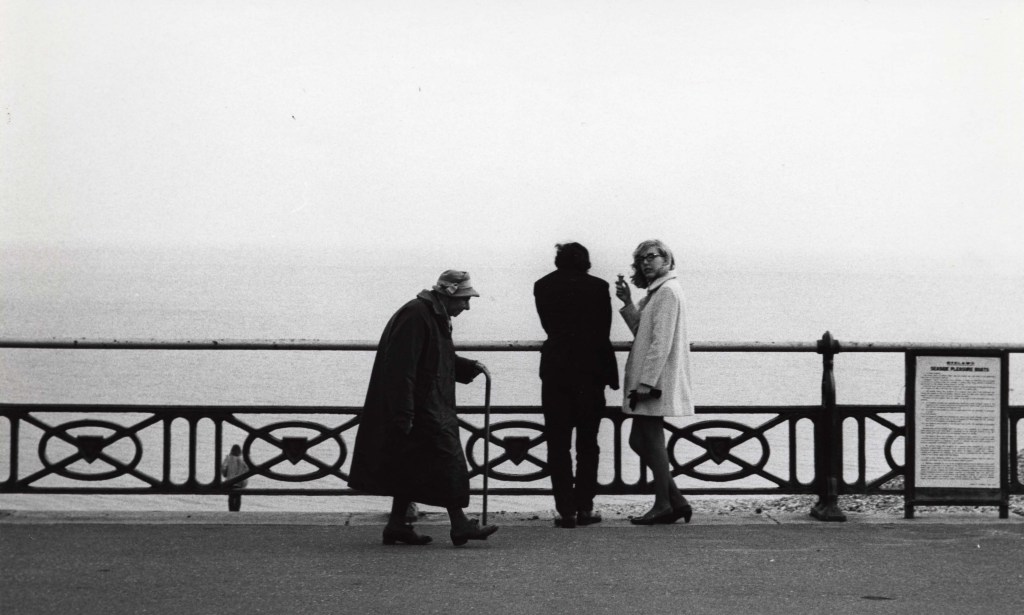
As I look at the symmetrical lines of this photograph above, it is clear that she hasn’t just had an innate talent for capturing candid moments but also an instinctive eye for composition. The foreground, railings of the seaside pier, horizon and sky are arranged to create horizontal bands that structure the image and slowly fade into white. While our main subjects, the three characters promenading, are placed in the middle of the frame, echoing this gradient in their clothing from dark to bright.
Despite colour films already being widely available, Bohm consciously chose to use black-and-white well into the 1980s. She understood how the contrast of a scene translates to monochrome, how it directs the eye and focuses the viewer on reading the essence of a scene. But let’s look at the different layers of meaning within this image. Because there is contrast present not only in the visual sense of the word.
Our background, the sea is a powerful metaphor for the human experience, the sea, like life seems vast and at times uncontrollable when you are young. The man and woman, presumably a couple, were looking at the expanse, as if looking out at the life still ahead of them.
In contrast, the lady walking past, leaning on her cane, is not swayed by the coastal view; she seems to walk determined past the couple, past the vast canvas, already knowing her destination and what’s ahead. The two women face towards each other, as the young one holds her ice cream cone in her right hand, as if further emphasising her carefree young nature, in contrast, the elderly lady holds onto her cane.
On the right, a sign attached to the railings reads “Seaside Pleasure Boats” which adds a slights comic to this image, are the people looking out to the sea looking at the boats or is the lady walking past perhaps heading towards them?
In any case, Bohm’s masterful layering of composition and narrative depth beautifully illustrates her unique gift. She turned a chance encounter on a seaside pier into a profound meditation on the passage of time and the quiet strength of women.
Have a look at some of the photographs featured in the About Women exhibition at Farleys House and Gallery, Surrey, on display until 26 July 2026. For more information and tickets, visit Farleys House Gallery website.
Read more:
- Gritty portraits of ordinary American workers as seen by fashion ace Richard Avedon
- See these rare Martin Parr black and white photos
- Complete guide to street photography
- How I found confidence through photography
Follow AP on Facebook, Instagram, YouTube and TikTok