From hidden histories and queer archives to political unrest and consumer culture, the longlist for the 2026 Kraszna-Krausz Photography Book Award proves the photobook remains one of photography’s most powerful storytelling forms.
The photobook can often be perceived as an expensive item left to gather dust on the shelf or as coffee table decor. Photobooks should challenge how we see the world and ourselves and the Kraszna-Krausz Foundation Photography Book Award exists to do exactly that.
The annual award, established in 1985, celebrates excellence in photography and the 2026 longest is no exception. Previous names honoured by the award include some of the biggest in the medium, including Martin Parr, Susan Meiselas, Zanele Muholi and Edward Burtynsky. The winning title receives a share of a £10,000 prize fund, with the shortlist announced in June.
This year’s longlist digs deep beyond the glossy perfection and saccharine content exploring themes of memory, sexuality, race, protest and identity. Photographers and artists have deliberately chosen the book as their platform to question who and what gets seen, remembered and archived.
The following gallery and book’s blurb introduces some of the most talked about photo books of the year with the final winners announced this summer.
Black Chronicles: Photography, Race and Difference in Victorian Britain, re-examines Victorian Britain through rarely seen photographs of Black subjects
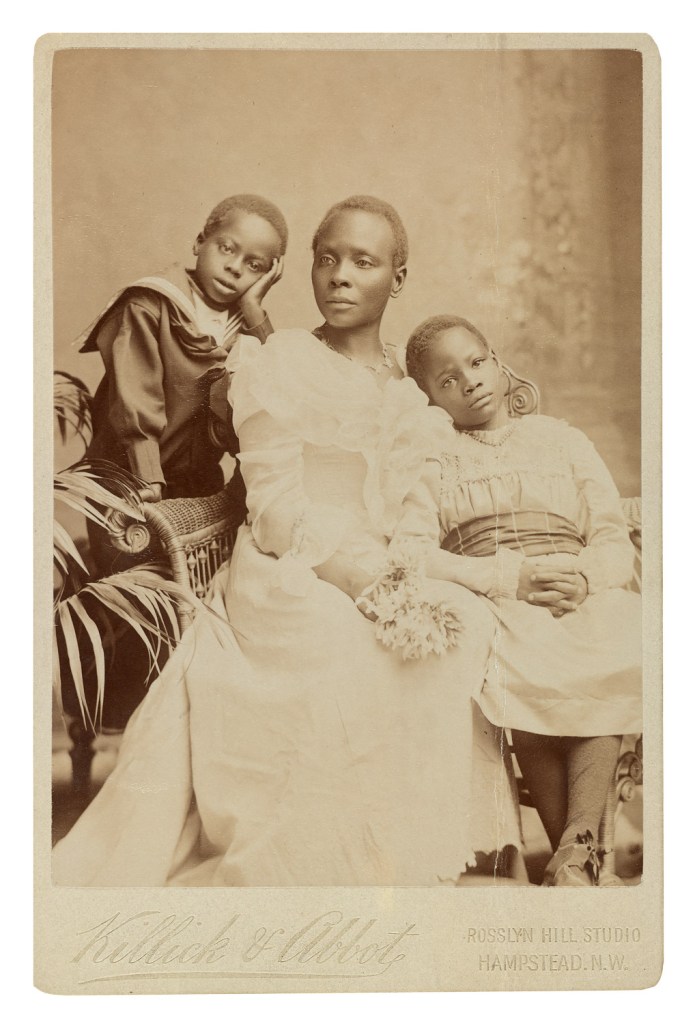
These striking studio portraits, curated and brought together following ten years of research championed by Autograph, constitute the most comprehensive collection of 19th-century photography depicting the Black subject in the Victorian era, including some of the earliest known images of Black people photographed in Britain.
The historically marginalised lives of both ordinary and prominent Black figures of African, Afro-Caribbean, South Asian and mixed heritage are seen through a prism of curatorial advocacy and experimental scholarly assemblage. Built upon groundbreaking, in-depth new research, Black Chronicles opens up photographic archives to expand and enrich photography’s complex cultural histories and subjectivities, offering an essential insight into the visual politics of race, representation and difference in the Victorian era by addressing this crucial missing chapter.
The Ramble NYC 1969, is Arthur Tress’s intimate portrait of queer life in New York at the close of the 1960s
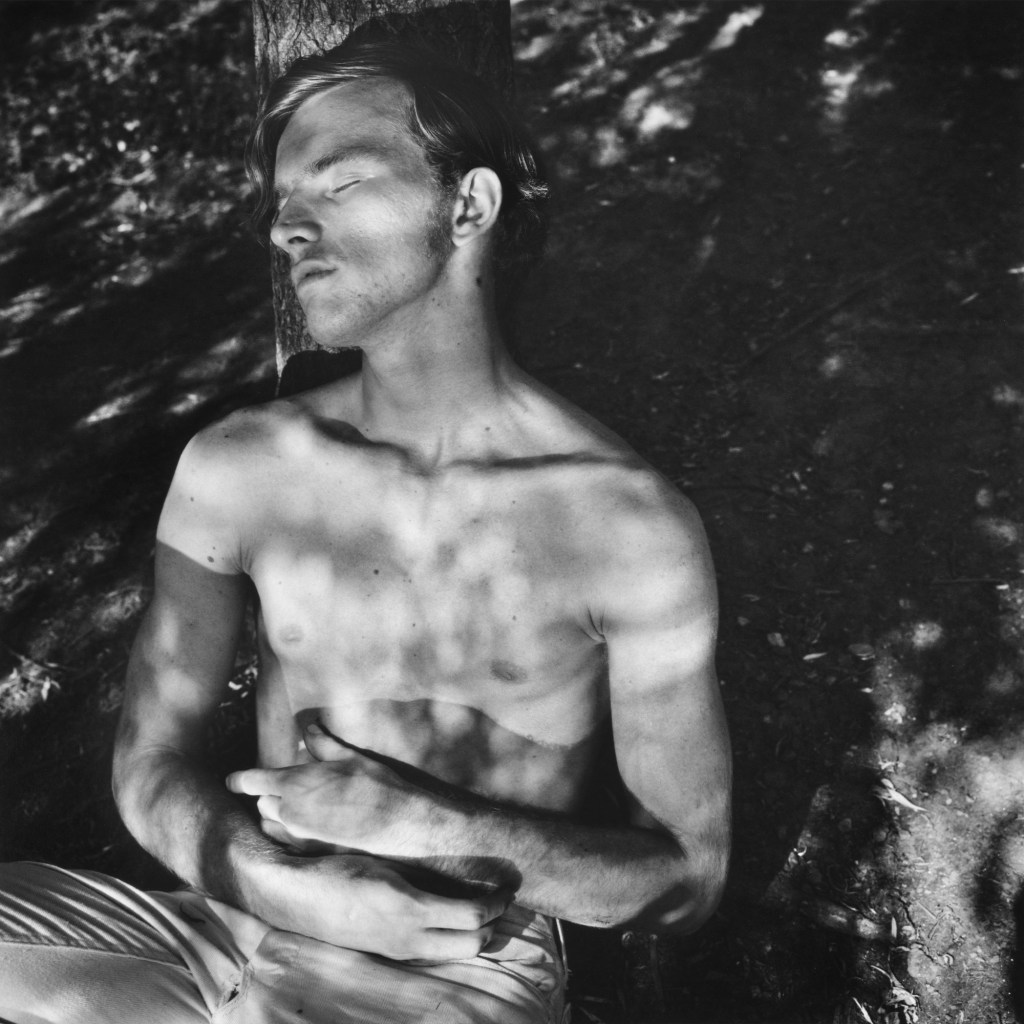
In 1969, Arthur Tress began taking his camera with him on walks through the Ramble, an overgrown corner of Central Park that had become New York’s best-known outdoor meeting place for queer men. Designed as a picturesque woodland in the nineteenth century, by the late 1960s it had grown wild, a hidden, half-forgotten place of chance encounters in the middle of the city. For a little over a year, Tress returned again and again, recording the everyday choreography of cruising and creating what is now recognised as the earliest known photographic record of outdoor cruising in a natural setting. His images show the flow of men through the Ramble, some caught from a distance, others posed or gently staged in small scenes. He saw these photographs not just as documentation but as a kind of queer still life, part allegory, part dream.
Sound the Sirens captures an America simmering with political tension and cultural division

Sound the Sirens encompasses the long-term effects that climate disasters have on communities across the United States, with tens of thousands of people left homeless and displaced while trying to rebuild their lives. Despite decades of warnings by climate scientists about the impact of rising temperatures on the stability of our planet, climate data is now broadly ignored in the service of capital and convenience, while risking the lives of hundreds of millions of people.
Too Many Products Too Much Pressure revels in the absurdities of consumer culture
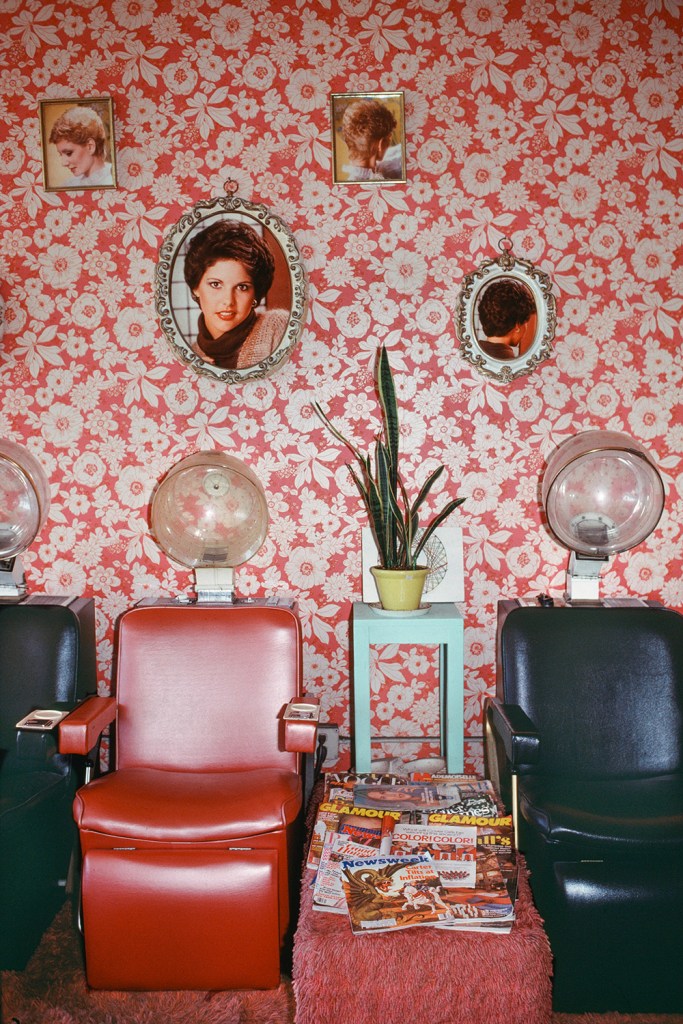
In 1980, as a young photographer just beginning her MFA in San Francisco and developing a keen interest in documenting labor, Janet Delaney embarked for a week on the job with her soon-to-retire father. The days are long and exhausting, but there is, in the incessant driving, hauling and chatting, a restless, pulsing energy streaming from Delaney’s photographs.
Photographing beauty parlours with a critical distance (she did, after all, grow up in a time of questioning constricted gender roles and capitalist consumer culture), using frontal, wide shots and often bright flash, Delaney created a witty documentation of a typical day in the life of a salesman. Despite the photo-novella humor, Delaney came to see her father’s work under new light. All the tough business dealings, all the missed dinners and the Saturday sales meetings, became a testament to his efforts to provide more for his children than he ever had growing up. The story, ultimately, became a testament to his love.
MAN turns its gaze towards masculinity with wit and dose of discomfort
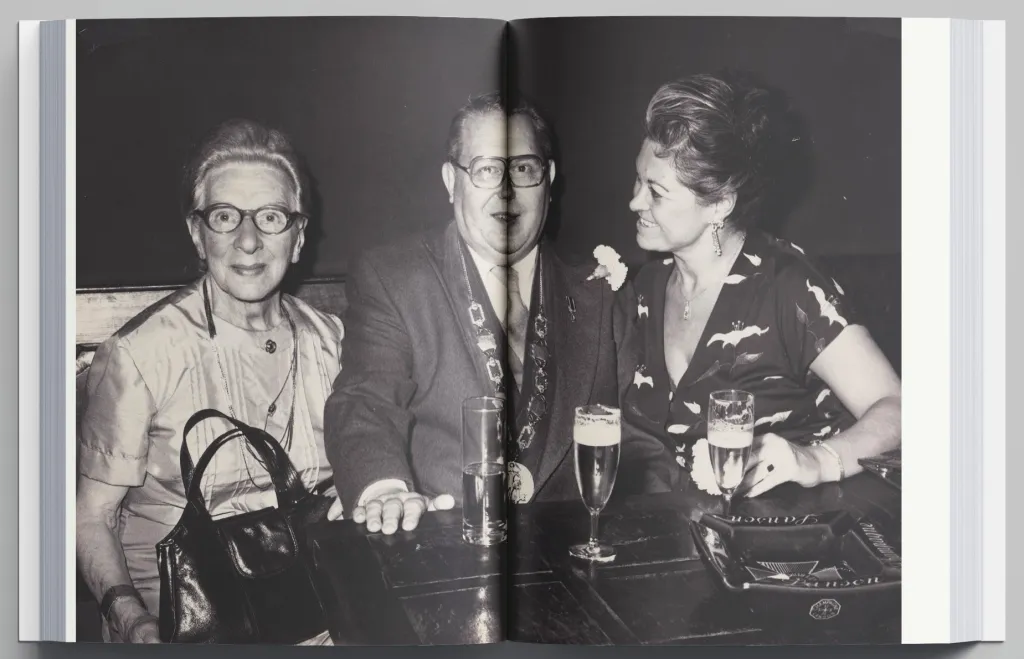
A man flanked by an equal number of women on either side when photographed -placed exactly where he seems to prefer: right in the centre. Is this manly act a matter of intent, instinct, or pure coincidence? And does this photographic composition belong to the past, or will it endure as long as one man and more women gather for a photograph?
MAN is a meditation on a visual trope as old as photography itself: the man in the middle, flanked by women, in group photographs. At first glance, the premise seems almost too simple, one man, surrounded, standing precisely where the eye is drawn. Most are drawn from vernacular sources: family snapshots, group portraits, casual archives. They aren’t staged as art, but presented as found images with a shared logic, the man at the centre, balanced symmetrically by women on either side. Sequenced carefully, the photographs don’t just illustrate a quirk; they frame a pattern, inviting readers to reflect on why this composition recurs so reliably across cultures and decades.
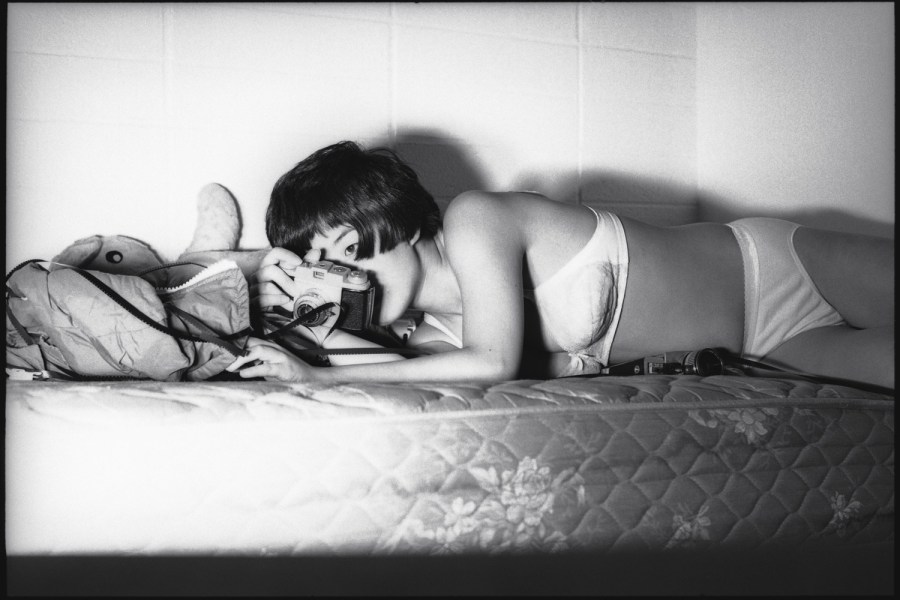
A diaristic portrait of youth, identity, and performance, Swan Moon is set against the faded glamour of 1990s Los Angeles
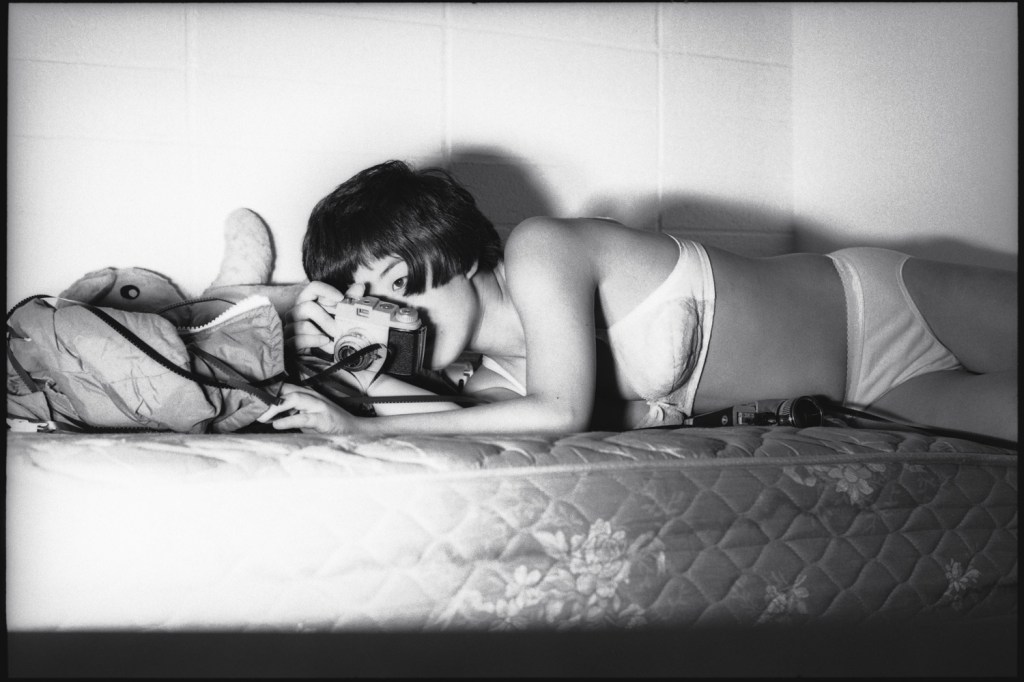
Swan Moon revisits her teenage years as a Korean American growing up in the cultural shadow of Hollywood, where cinema’s myths loomed large and personal history blurred with fantasy.
While alternative youth were raving and Larry Clark’s Kids was defining a generation, Moon and her friends were doing something profoundly divergent: dressing in vintage clothing, staging impromptu, cinematically adjacent environments, and living out an aesthetic that was wildly out of sync with the time. Moon wasn’t imitating Cindy Sherman, she had yet to know that name let alone see the iconic Untitled Film Stills, but she was drawing directly from the language of cinema, attempting to insert herself and her circle within the medium’s canon.
The photographs echo mid-century domesticity, gestures borrowed from the 1950s and ’60s but subverted through the awareness and often overwrought angst of the 1990s. Sexuality here is present but subdued, expressed with a tenderness that would soon be obliterated by the onset of the Internet’s rise. There’s humour, style and an earnest make-believe that is refreshing in light of today’s hyper self-awareness and image saturation.
At the core of the awards and judging panels is a desire to reward books that slow us down and reward attention. These books aren’t meant to be casually flicked through. They ask questions and make us think. Sometimes they disturb or seduce, often they do both.
Related reading:
- 60 Years in Britain: this award-winning photographer reveals a rarely-seen side to British culture
- Winner of top Sony World Photography Awards $25,000 prize revealed!
- This photographer has just won £30,000 – what do you think of their work?
Follow AP on Facebook, Instagram, YouTube and TikTok.