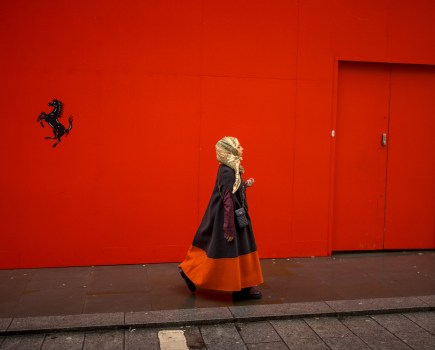
As audiences consume sport across multiple screens and platforms, the role of the sports photographer is rapidly evolving. Nottingham Trent University’s groundbreaking BA, developed in partnership with Getty images, is preparing students for a profession that now extends beyond the pitch.
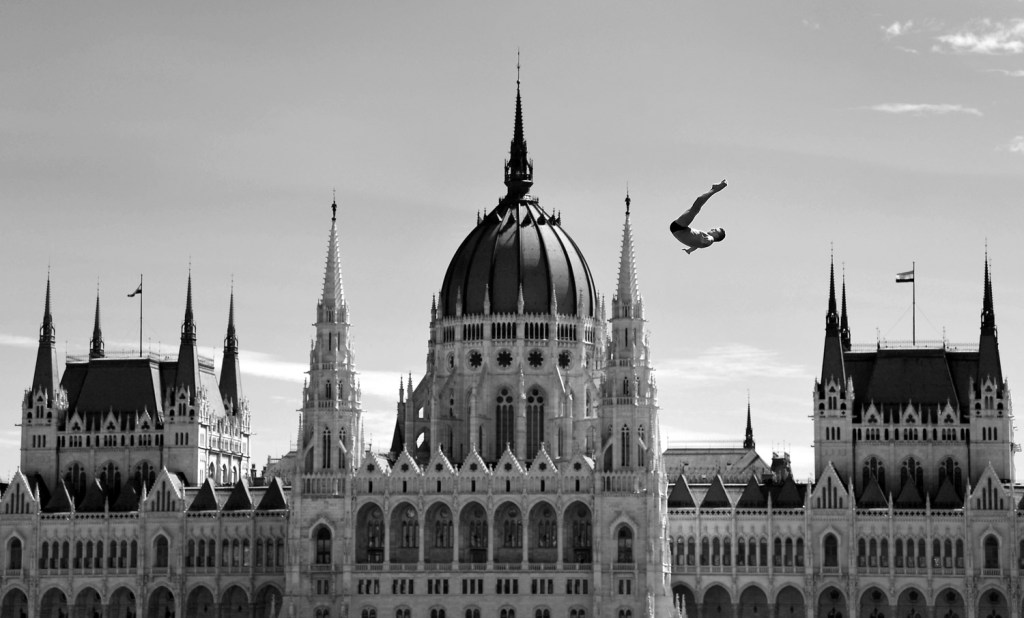
A profession in transition
We’ve all seen the sports photographer sitting pitch side in all weathers tracking the action, alert to each decisive moment. What’s required from the modern sports photographer however, has dramatically changed. When Jonathan Worth, Principal Lecturer in Photography at Nottingham Trent University (NTU), began drafting the UK’s first dedicated BA in sports photography course three years ago, he believed that universities risked sending students into a model of sports photography that no longer existed.
Worth’s students are as likely to be editing images in real time from a major sporting event as they are shooting one. They’re being taught about rigging up remote cameras, managing live metadata streams and working within the high-pressure environments of world sport. Worth argues that today’s audiences don’t necessarily experience sport as a fixed broadcast. The screens they watch it on are multiple, highlights are consumed in seconds, sports heroes are followed in detail via behind-the-scenes footage and social media feeds.

Designing a future-proof course
Worth developed the course in consultation with an expert industry panel and pulled in Getty’s Director of Sport Content, Laurence Griffiths. The premise was simple: if the audience’s experience of sport has changed, then the photographer’s role must change with it. ‘He was wide open to that and saw the relevance. Yes, of course you want to move into moving images. Of course you need sound. Yes of course, we should be looking at 3D and immersive experiences. If the photographer doesn’t provide them, then who is?’ explains Worth.
The expectation is for content to move smoothly between still images, video and immersive formats. A generation has grown up experiencing sport through gaming consoles, inhabiting the action rather than observing it. ‘Given that anyone with a smart mobile device is a potential photographer, a witness photographer, publisher, given that the mobile devices can capture 3D as quickly as they can capture 2D and render that in real time. Why would the viewer of the near future watch sport from the terraces when they could watch it immersively through the eyes of Lionel Messi or Lewis Hamilton? If anyone with a smartphone can capture and publish a moment, then what does the professional photographer offer that is different?’ reflects Worth.
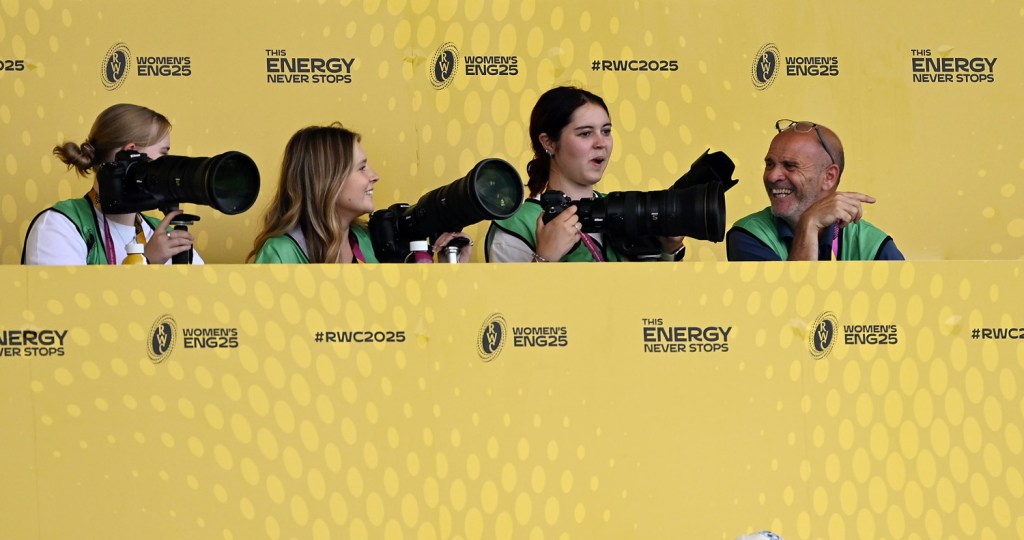
He believes the answer is building a broad visual literacy where students understand workflow, distribution and emerging forms of storytelling. The course was structured around what he describes as the ‘capture and immersive experience.’ Alongside conventional image making, students are encouraged to think about how sport might be experienced in the future.
Live sports workflow
The approach resonated with Griffiths. A multi-award winning sports photographer and videographer, he has witnessed the job of photographer expand. Teams at major tournaments work in tandem – photographers, editors and technicians. Images are transmitted from remote cameras from every nook within stadiums and edited live as the drama unfolds and distributed globally within minutes. Photographers are increasingly expected to understand video, audio and hybrid forms of storytelling alongside stills.
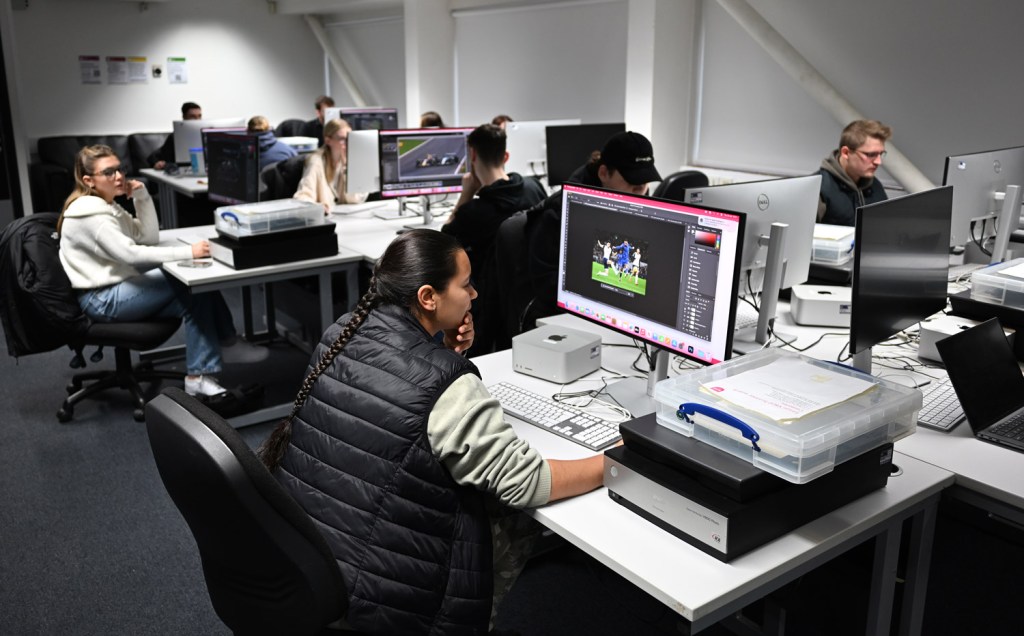
Both Worth and Griffiths believe bringing that reality into the classroom is necessary. Their collaboration evolved beyond designing the curriculum. Since the course began, Getty Images has opened its doors to students in ways rarely available to undergraduates. Griffiths has delivered a series of masterclasses and one-to-one portfolio reviews.
Giving students real time experience, placing them at the heart of elite sports coverage has been a significant shift. ‘I came from humble beginnings. I had some incredible people looking after me and mentoring me and supporting me and passing on knowledge. And I have always thought, if I was ever in a position to do the same, then I would and this seemed like a really good opportunity to do that,’ remembers Griffiths.
NTU students have been stationed not only on the pitch side but in the live editing room, where images from agency photographers are selected, colour-corrected, captioned and transmitted in real time. ‘They see very quickly that it isn’t just about taking a great picture. It’s about understanding what happens to that picture next, how fast it moves, who needs it, how it’s described, how it lives in the system,’ says Griffiths.

Learning by doing
Getty’s connections are vast and students have been granted extended access to England’s football training camps and to major rugby fixtures. It’s not a box tick gesture, it’s immersive and sustained. On several occasions they have worked alongside experienced agency photographers, examining long-lens positioning, remote camera placement and match-day logistics. ‘If you’re in a stadium environment, it changes everything you know, your approach, the elements, the atmosphere, the pressure that that builds,’ explains Griffiths.
For Griffiths, the partnership with NTU is as much about widening access as sharpening skills. He acknowledges sports photography has long been dominated by men and by those able to navigate its informal networks. ‘If we want the industry to reflect the sport it covers, we have to think about who gets through the door and how,’ is his analysis. ‘We’re looking for raw talent. We’re looking for a willingness to learn and just a really good attitude from people. And I think that goes a hell of a long way,’ he adds.
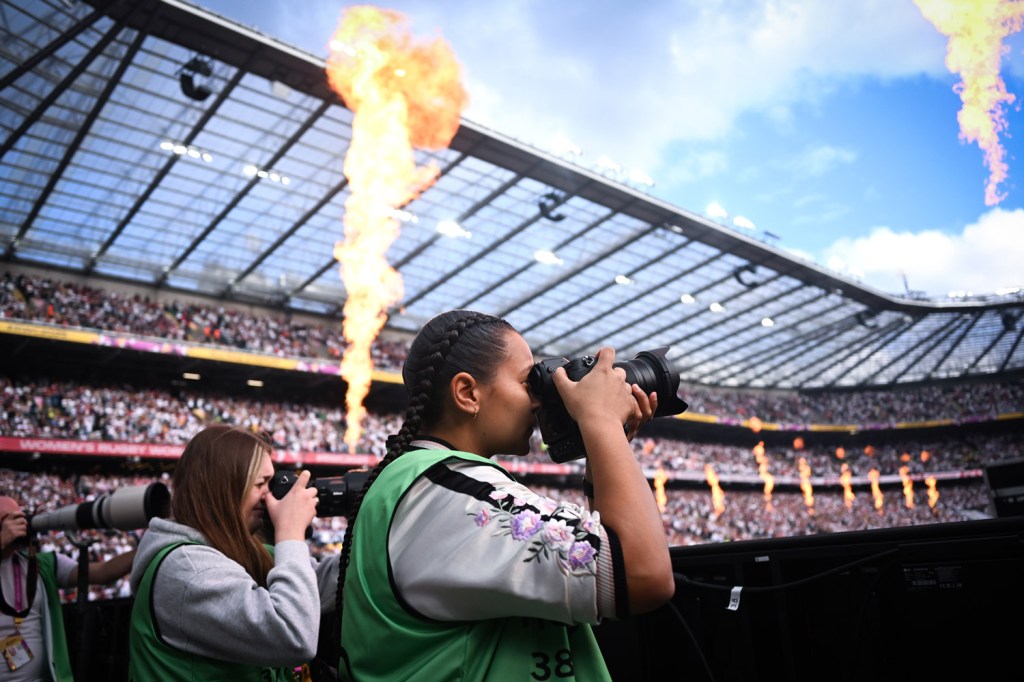
The intake on NTU’s sports photography course is roughly a 50-50 gender split. It’s unusual. Worth believes quotas alone are not enough but building confidence, opportunity and visible pathways. Shanni Davis, now about to enter her final year, arrived on the course with an enthusiasm for photography. Through the course and with guidance from Griffiths she was able to navigate the accreditation processes. ‘Once students understand how the system works, they realise they belong in it,’ suggests Worth.
Breaking into the game
As a former competitive ice skater, Shanni understood the dedication and rhythms of competition. Entering professional arenas as a photographer felt very different. ‘You’re suddenly in a room where everyone seems to know each other. They’ve been doing it for years. You’re trying to work out where you fit,’ she says.
Shanni began pitching independently, securing access at the British Gymnastics Championship in Liverpool. It became a turning point. She travelled on the train alone, without the protective cloak of being amongst classmates. She began to see the profession as something tangible. ‘Whatever I learn from this course, I’ll be able to take it into any other niche. I’m still not set on where I want to take it after university. My own business in photography would be ideal, but it’s a lot of work to get there. It’s something that I’ve started from year one, trying to find and learn more of the business side,’ she says.
Shanni is the first from her family to attend University. Her growing independence instilled the confidence to enter some of her images into international competitions. From tens of thousands of images, three were shortlisted at the World Sports Photography Awards, one winning silver capturing the winning Women’s Rugby team celebrating on the pitch at Twickenham Stadium. ‘It made me realise it’s not just about being there. It’s about trusting your eye,’ she says.
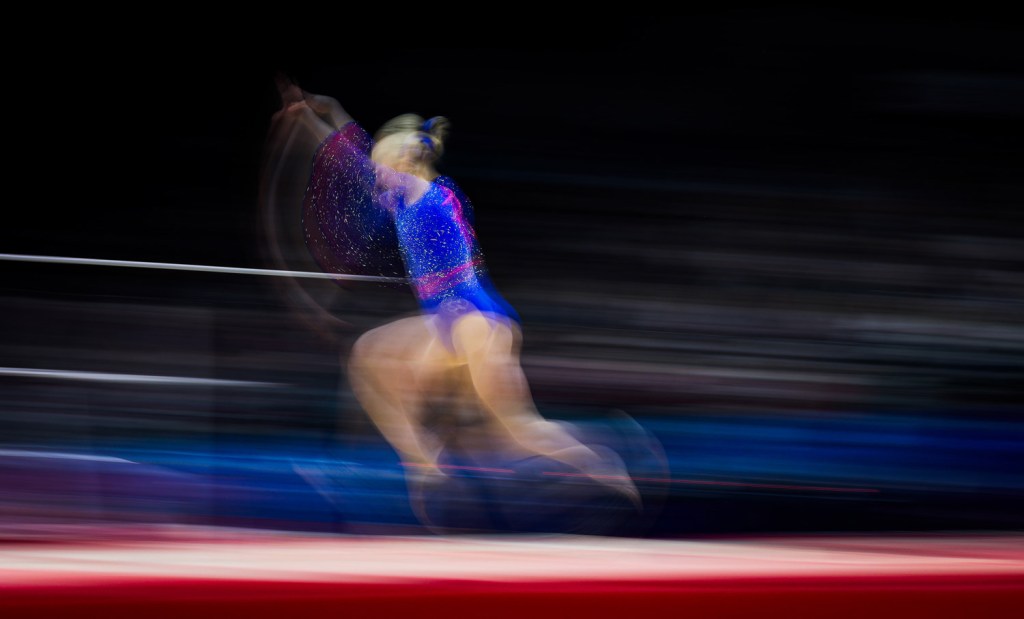
Worth is keen to point out other students on the course produced equally impactful photographs but were too shy to submit. A Black woman in sports photography, Shanni resists being defined by it. ‘I don’t think I shoot differently because I’m a woman. I shoot differently because I’m me,’ she says.
The cost of getting close
To be the best you need to use the best. A professional camera body capable of high frame rates and rapid transmission paired with a long lens can amount to thousands of pounds, obliterating student budgets. Even those with loans and part-time jobs, industry costs are prohibitive. ‘It’s not a genre you can practise properly with an entry-level kit. You simply can’t access certain moments without the tools,’ explains Worth.
With the help of Nikon Ambassador Griffiths, the course secured access to ex-demo Nikon cameras and lenses at a fraction of their high street price.
Nikon also provided free access to the very latest technology for the Rugby masterclass. The number of students able to experience photographing simultaneously at sporting fixtures operating with professional-grade equipment increased.
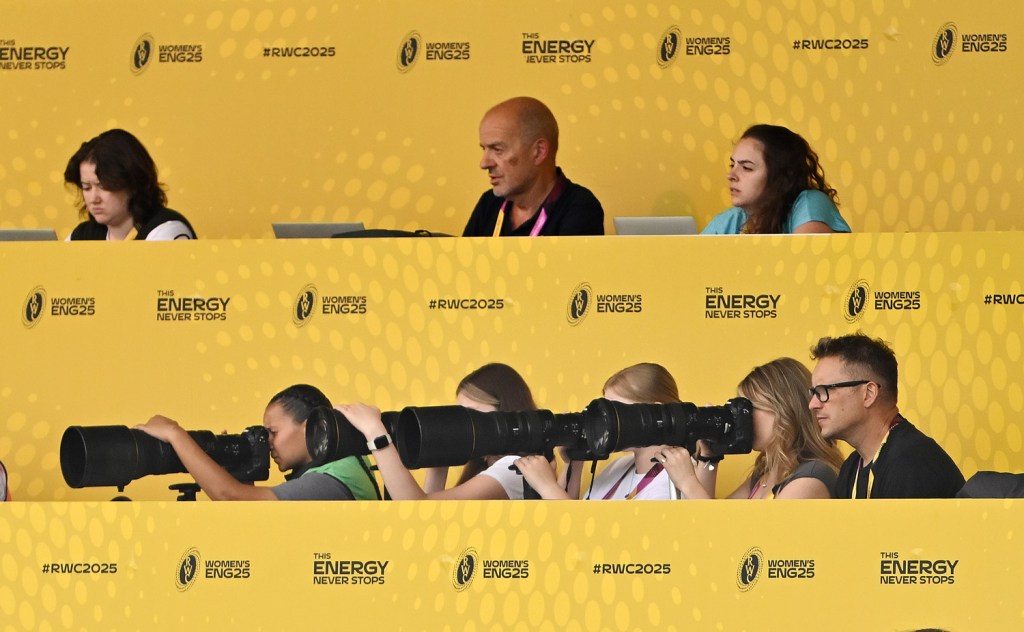
The emphasis isn’t on brand alignment but on removing disadvantages. Sports photography in the past has relied on informal internships, apprenticeship models, freelance risk and personal investment. Without financial backing or industry contacts, students can struggle to break through. Embedding them inside professional environments, with the appropriate kit and guidance, attempts to level the playing field. Griffiths believes Getty can also benefit from expanding the pool. ‘We need people who understand how modern sport is consumed. That means technical fluency but also adaptability.’
The hybrid photographer
The first full cohort at NTU has yet to graduate. Some students have already begun dipping their toe into paid freelance work alongside their studies. For Worth, that affirms his original vision – sports photography education should anticipate the profession’s next iteration. He acknowledges Griffiths input. ‘He has opened my eyes, our eyes to the raft of opportunities for people who are visually and digitally literate. It’s not just about camera operation, there’s so many jobs out there that we just didn’t know were an option. Transferable skills just need tweaking to get you in there. The benefits we have derived from the relationship have been massive.’

Beyond the touchline
The sports photographer as hero, hunched behind the goal, long lens poised for that front page moment remains significant but is only part of the story. At the highest levels of competition, sport is now a live, global content stream. Photographers are embedded in highly skilled, coordinated teams. Images are fed directly to editing desks, into social media channels and to broadcast partners. Laptops trigger remote cameras. The lines between still and moving images continue to shift.
Worth and his team at NTU are dedicated to preparing students to not only survive but thrive post-University. ‘If the audience’s experience has changed, the role has to change too,’ he says. Griffiths sees the same evolution from the agency side. Technical skill remains paramount but so is an understanding of workflow, collaboration and audience behaviour. He suggests a successful sports photographer will need to be as adept in an editing suite as on a touchline and as aware of distribution as composition.
For students at NTU, that future is within their grasp. It’s introduced in class, rehearsed at matches and inside live environments in the very profession they hope to enter. Whether NTU’s model becomes the education norm remains to be seen. As sport continues to fragment across platforms and formats, photography education has to adapt. The touchline photographer will likely remain, but it’s not the only destination.
Related reading:
- How to shoot action and sports photography – complete guide
- Olympic surfer photo impresses again in top sports photography contest
- Top 10 action and movement photographs revealed
Follow AP on Facebook, Instagram, YouTube and TikTok.