Our emerging photographer series aims to shed a light on up-and-coming talent. Photographers are offered a platform to share their work with a wider audience through the AP channels, with the scope of furthering their careers. We also get an insight into their inspirations, the camera gear used and future aspirations, as well as the journey taken into photography – which doesn’t have to be the most traditional route!
Si Jubb and Ethan Parker, who won our Emerging Photographer of the Year award at this year’s AP Awards, recently spoke at our Festival of Photography: Documentary event. Previous emerging photographer award winners include Aliz Kovacs-Zoldi and Tariq Sadu. We’ll regularly be sharing the work of photographers on our website and social media – and even in the magazine – so if you are an someone who has recently started their photography journey or are a student/graduate, share your work with us at [email protected]
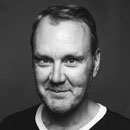
Lee Bullivant speaks with Peter Dench for this week’s feature
When and why did you start taking photographs?
As a former soldier and veteran, I started taking photographs in 2021 through work with a veterans charity after I was diagnosed with PTSD and I also suffering a major physical injury. Initially I turned to photography as way of getting me out and about – taking photographs of landscapes and the people around me.
Which genre do you tend to work mostly in?
Documentary photography. Portraiture.
What draws you towards documentary and portraiture?
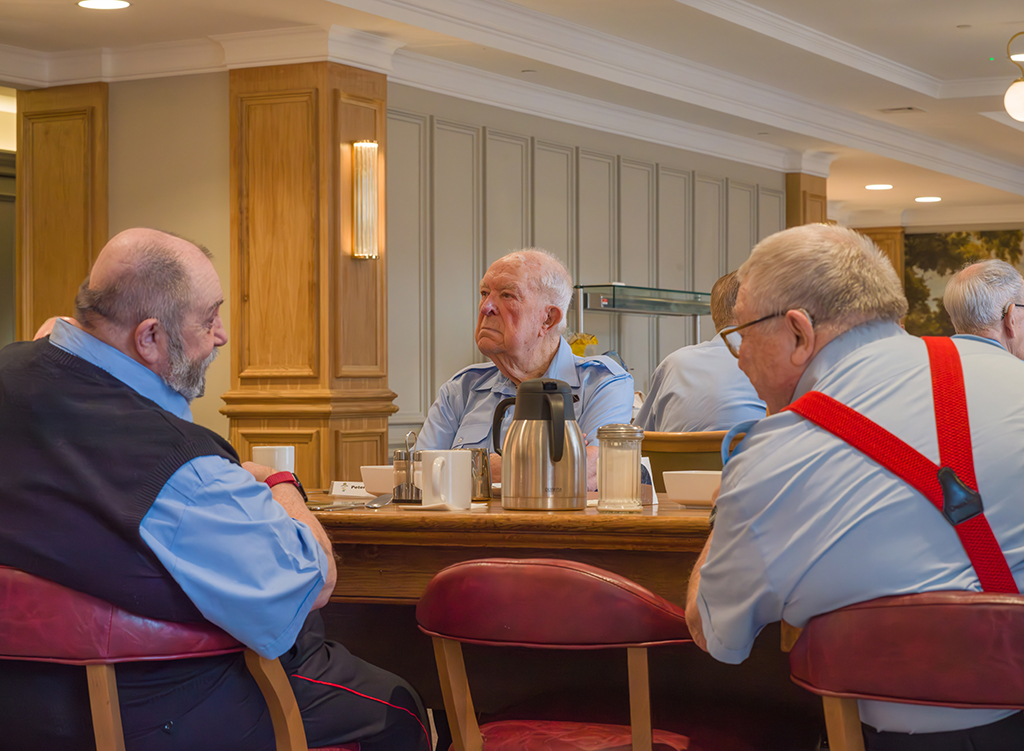
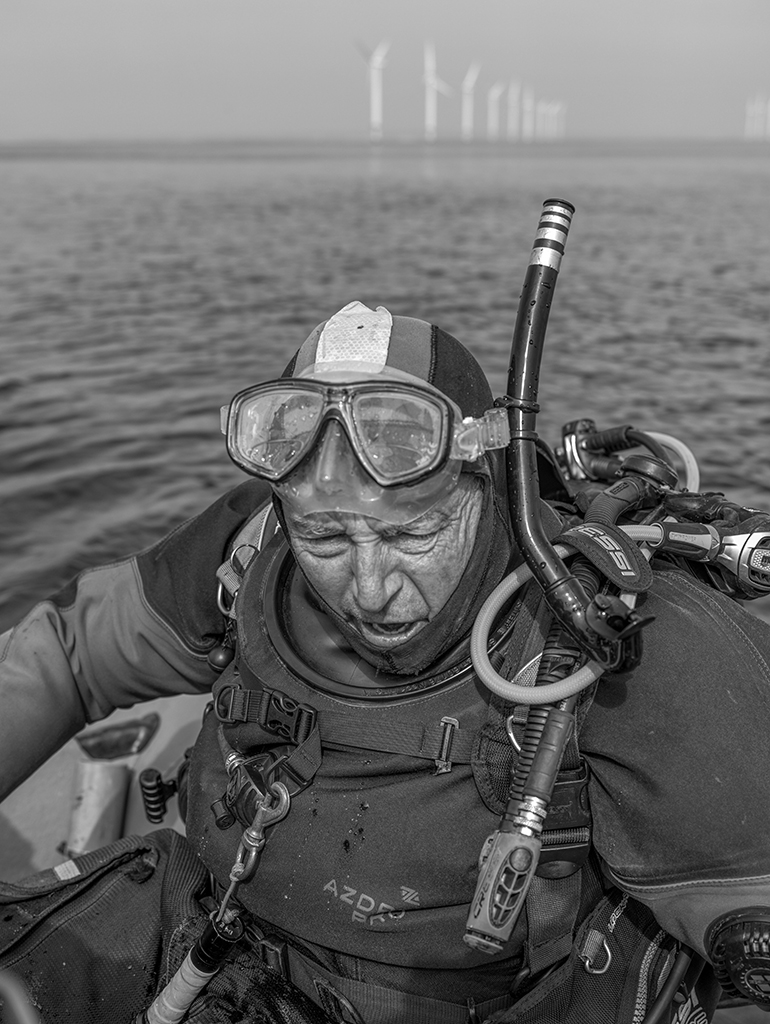
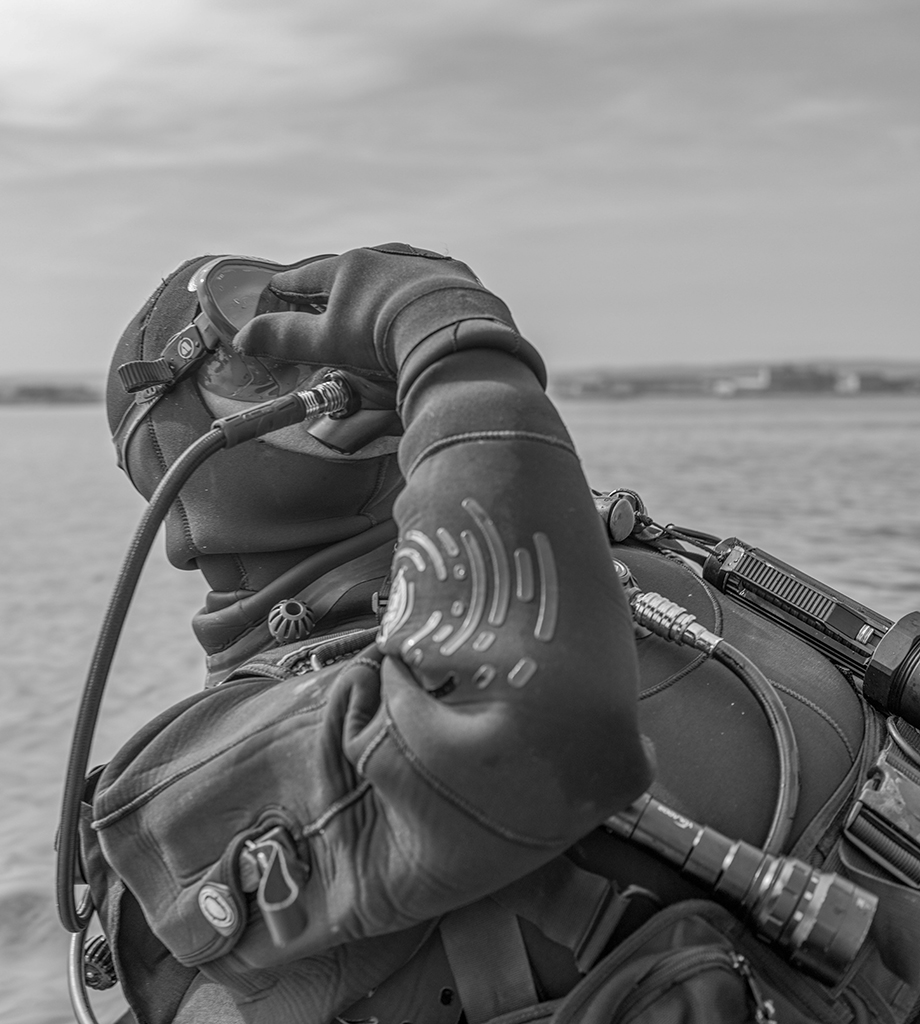
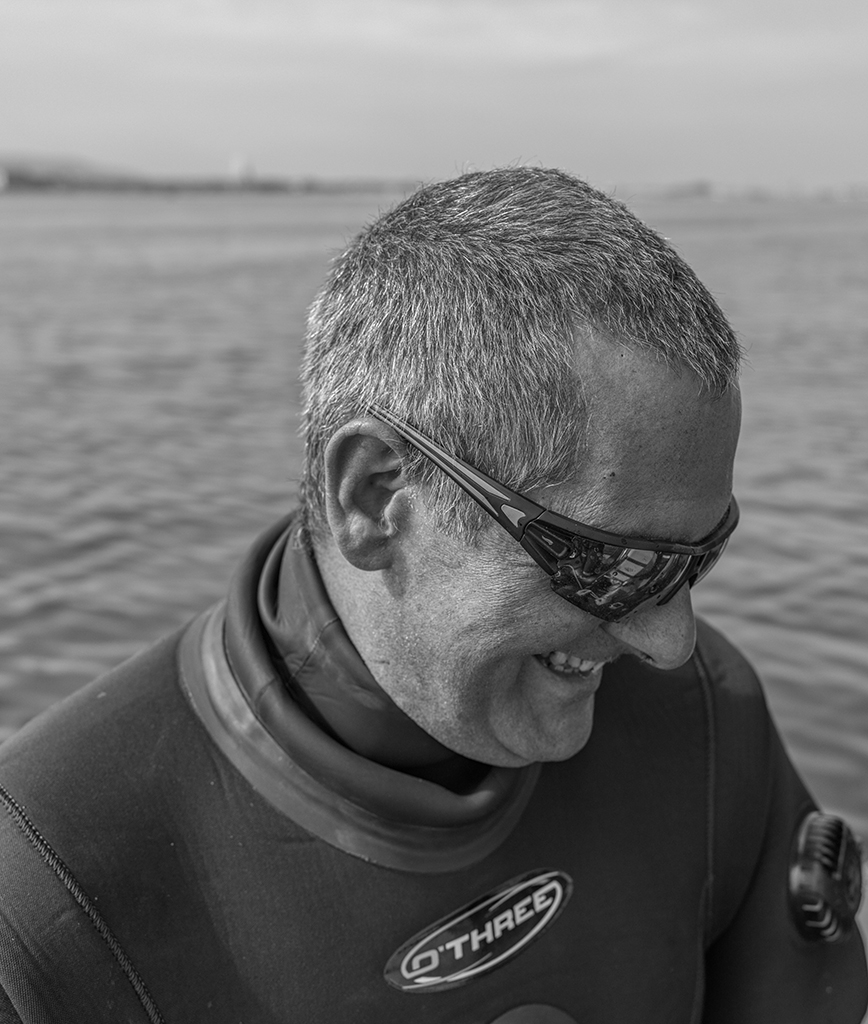
Beyond this project, I have worked on several documentary assignments focused on veterans and military communities. My approach is always collaborative, grounded in listening and building relationships before raising the camera. Whether I’m photographing a veteran in their living room or observing daily life at a community breakfast club, I aim to tell stories with compassion and depth. These experiences have strengthened my belief in photography’s power to preserve legacy and foster understanding. I like to draw out the personality in the subjects that I choose to work with.
Tell us a little bit more about your photographic training?
Studying on The BA Hons Photography programme at Northern School of Art has helped me find my voice as a photographer. The course provided me with a strong technical training but also encouraged me to develop my ideas I had about stories and the people in the community that I just enjoy going out and meeting. The staff work hard and are committed to each student – whether you are interested in fashion or documentary, it doesn’t matter.
Learning about what to do with the work is also important and there is a very strong connection to the industry. They bring in speakers, portfolio reviewers and you get the opportunity to travel too – the educational visits with Fine Art students overseas were brilliant and we are always encouraged to take cameras and make work – wherever we went. Being part of the group and working with the tutors has really helped my confidence by giving me a belief in going out and photographing people.
Tell us about your projects and exhibitions
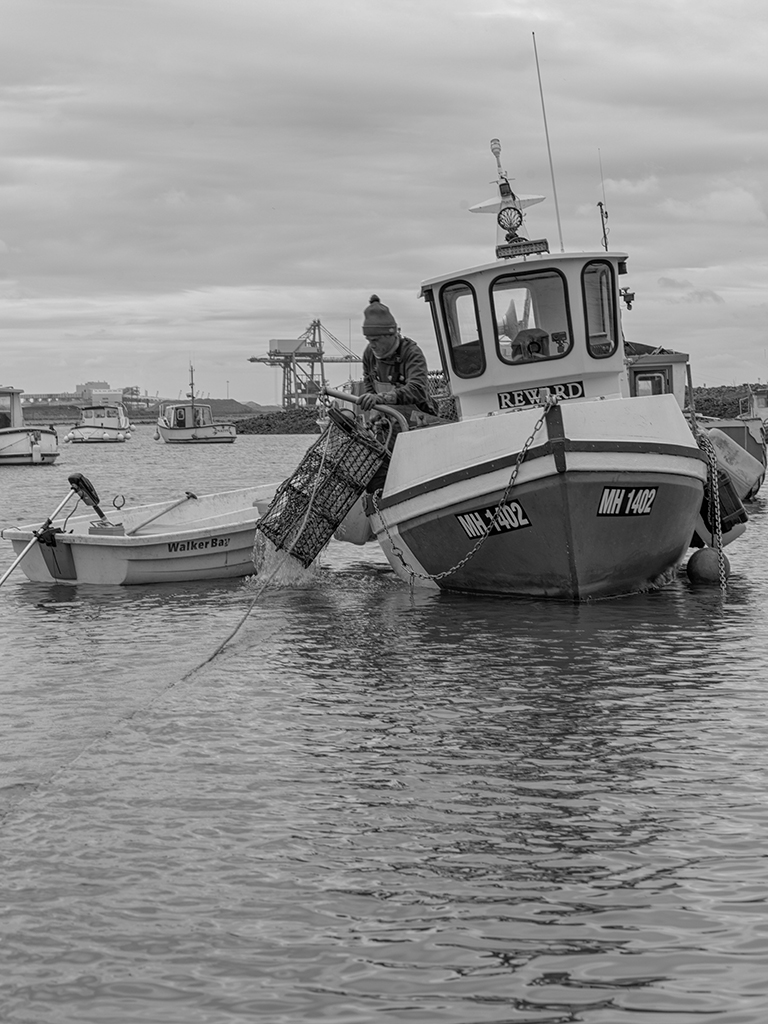
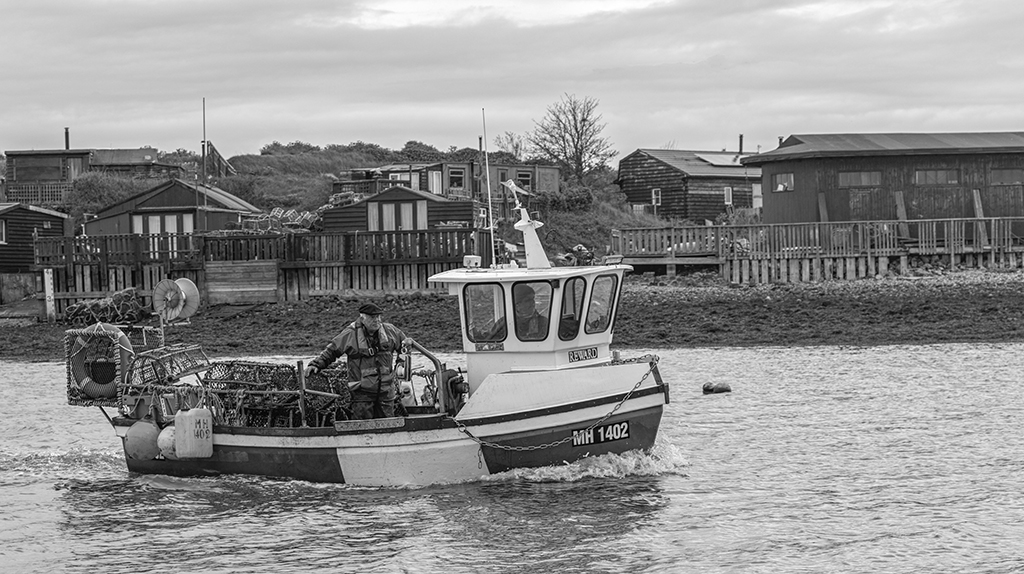
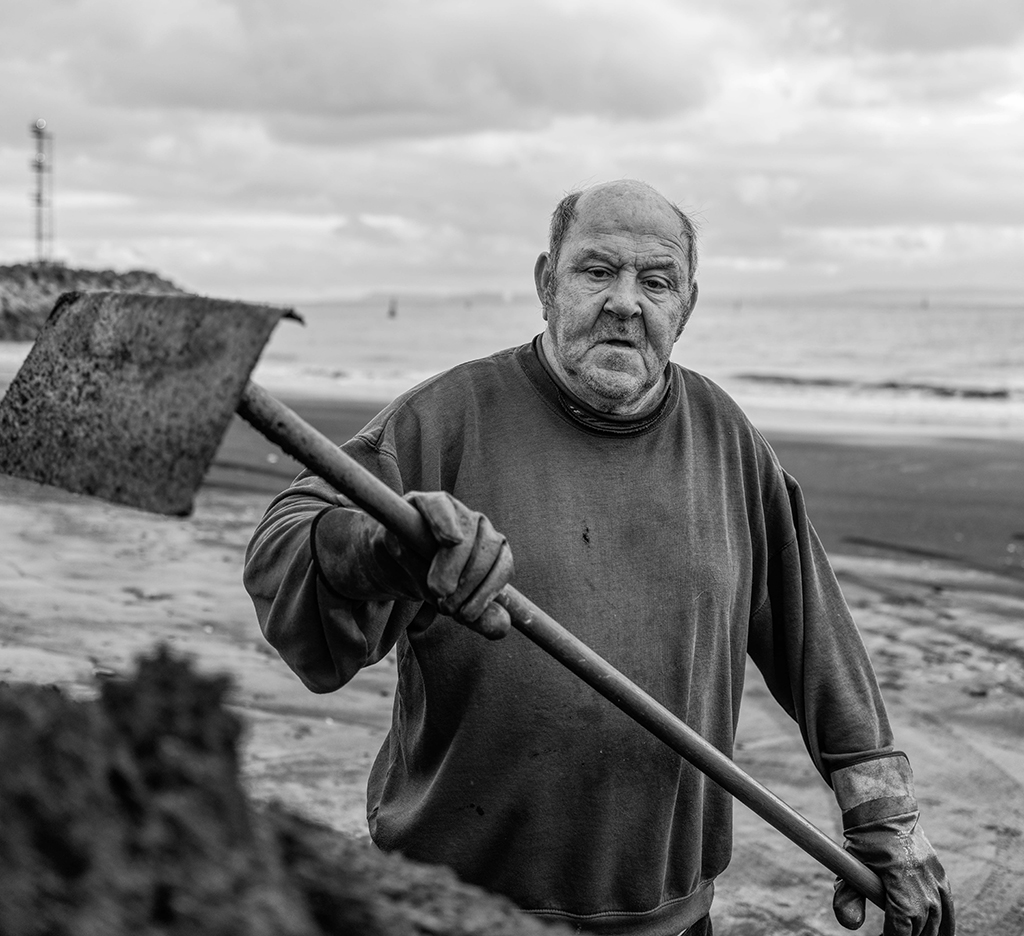
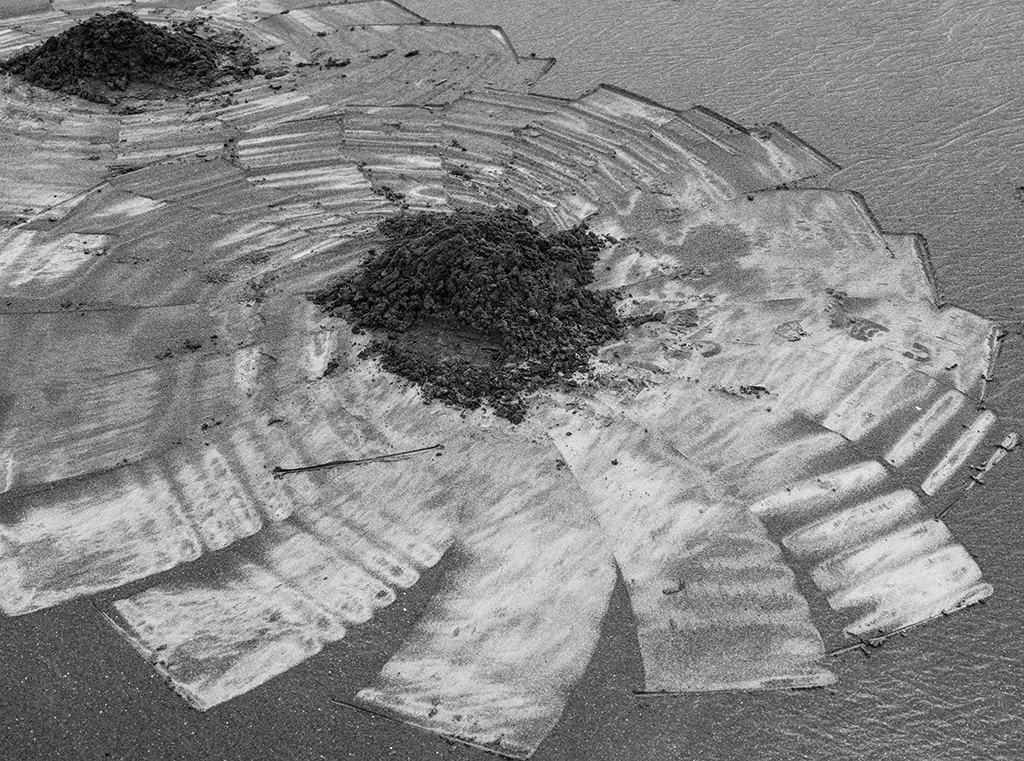
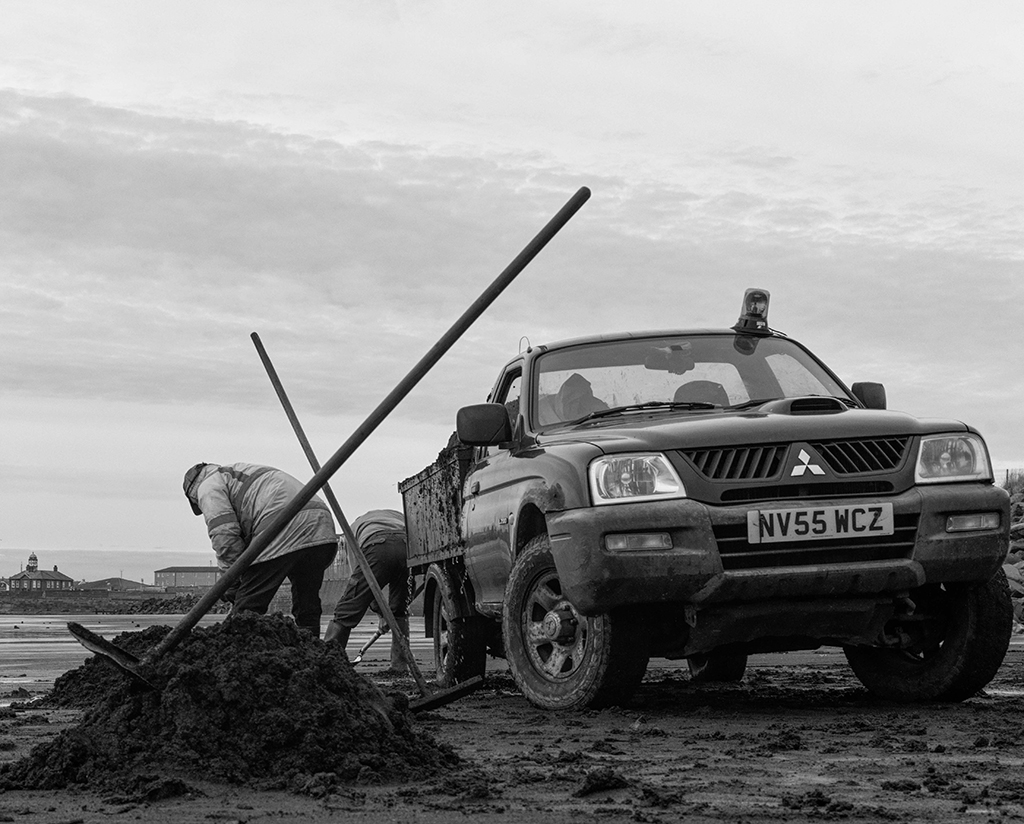
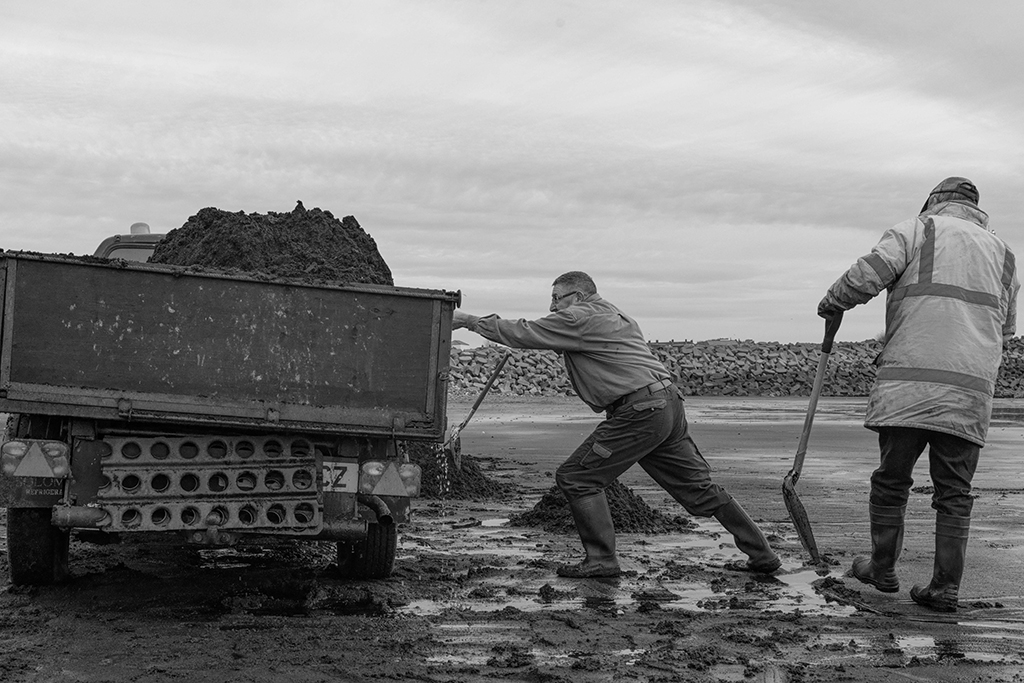
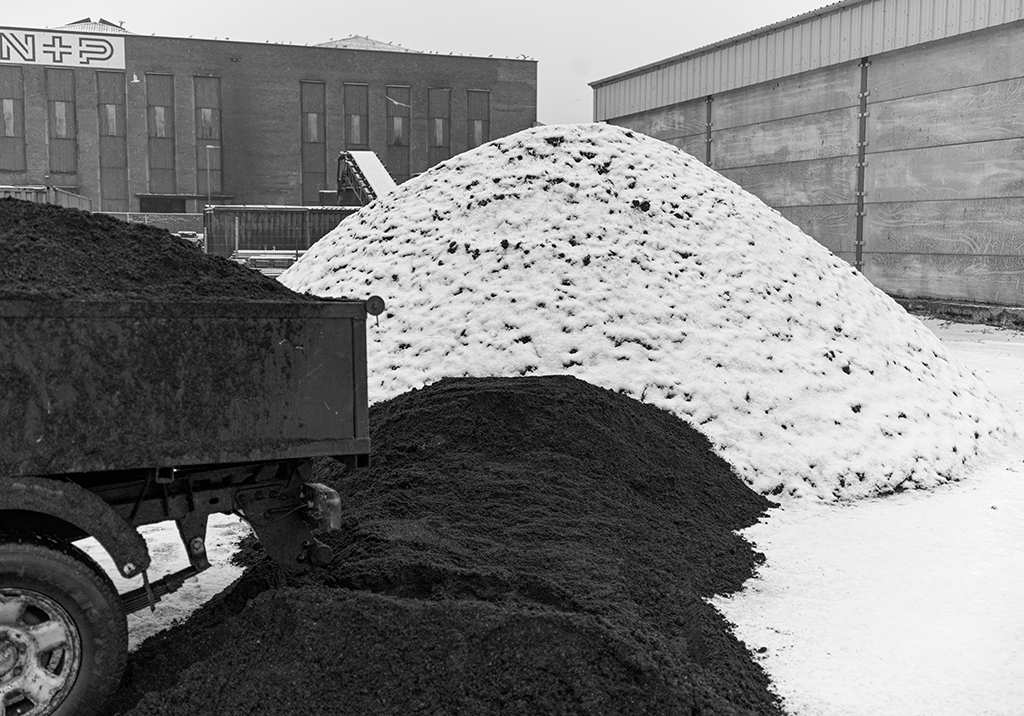
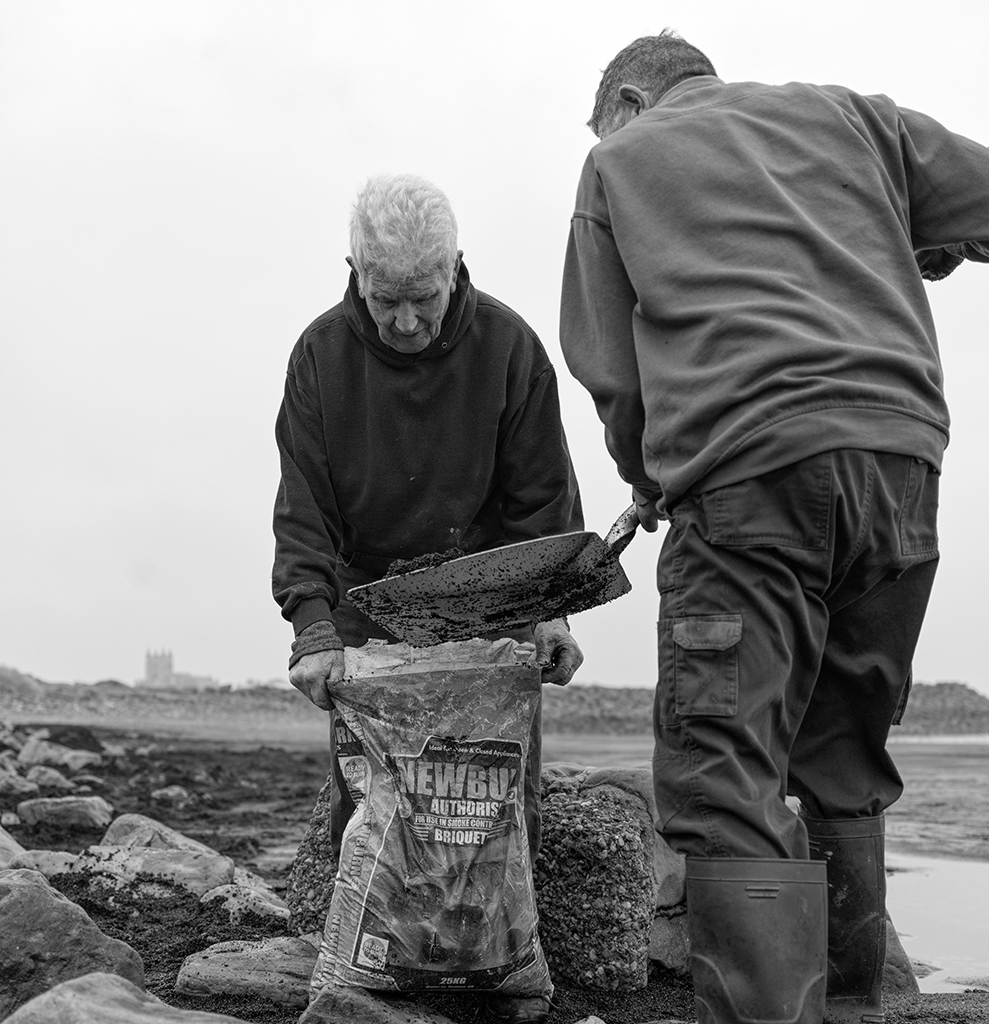
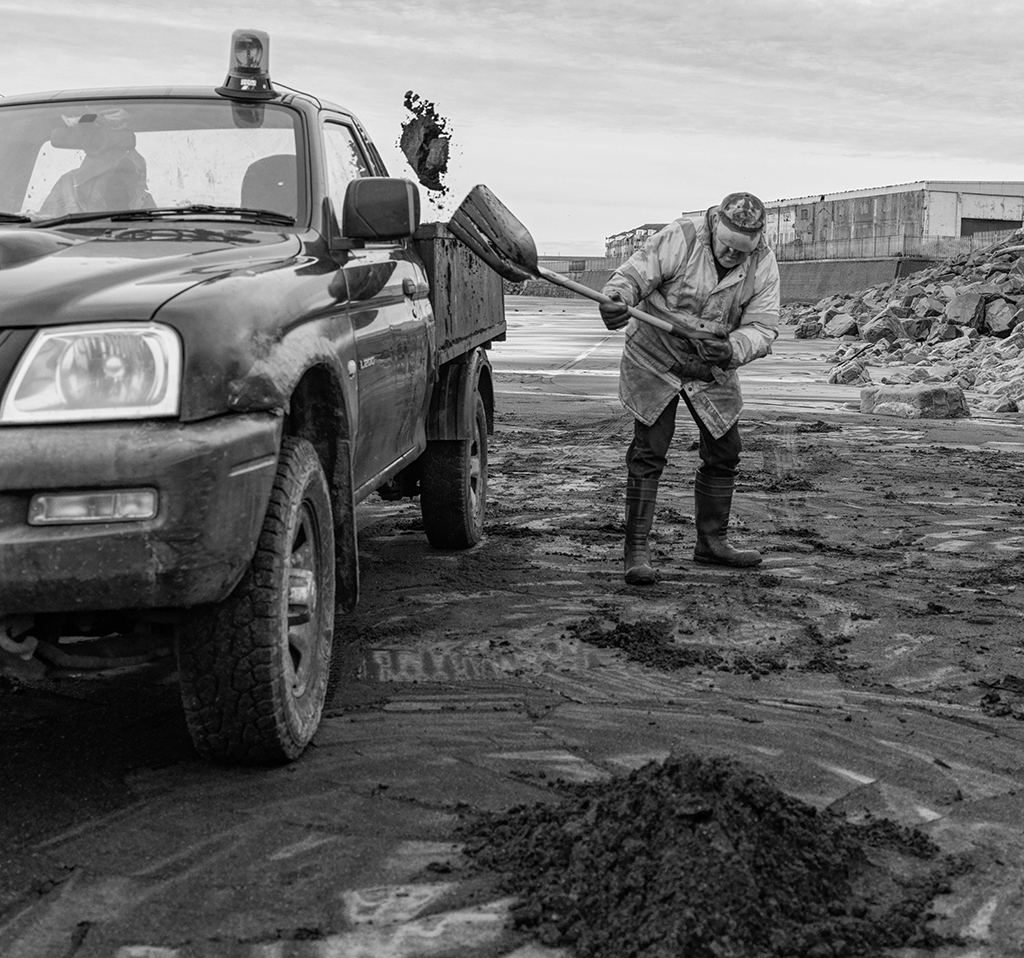
Doing live briefs and exhibiting your work is important. I was part of a group project where we had to respond to the work of John Bulmer who visited Hartlepool in the 1960s for a few days to photograph the North. I made a series of photographs about a family who gather Sea-coal now. We were given the opportunity through the NSA to exhibit our work at the Art Gallery alongside. My work of the sea coalers created some interest in the town and community – especially with the family (three generations of coalers) that I photographed, who also attended the opening night.
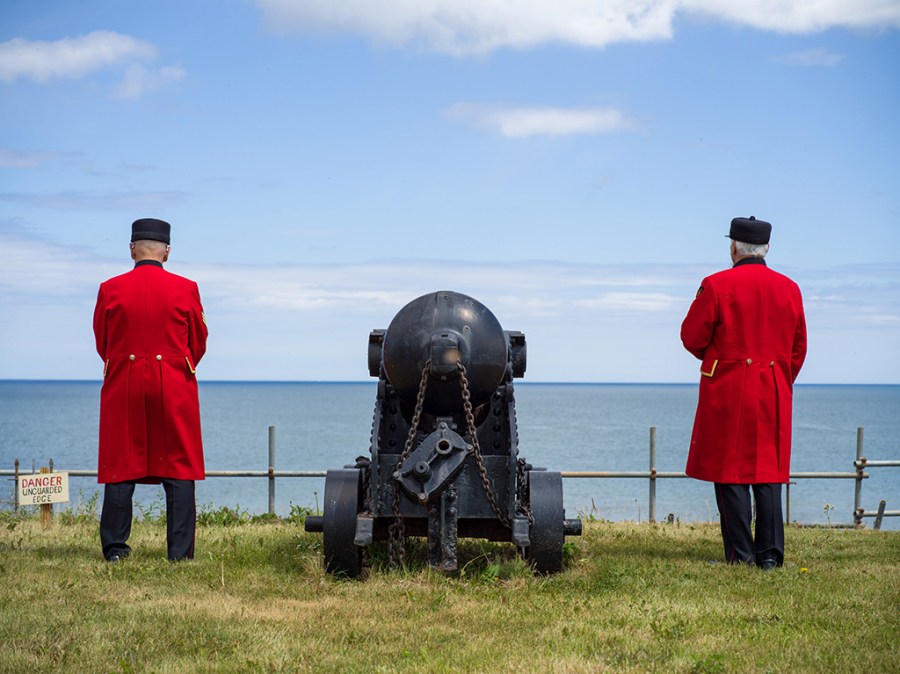
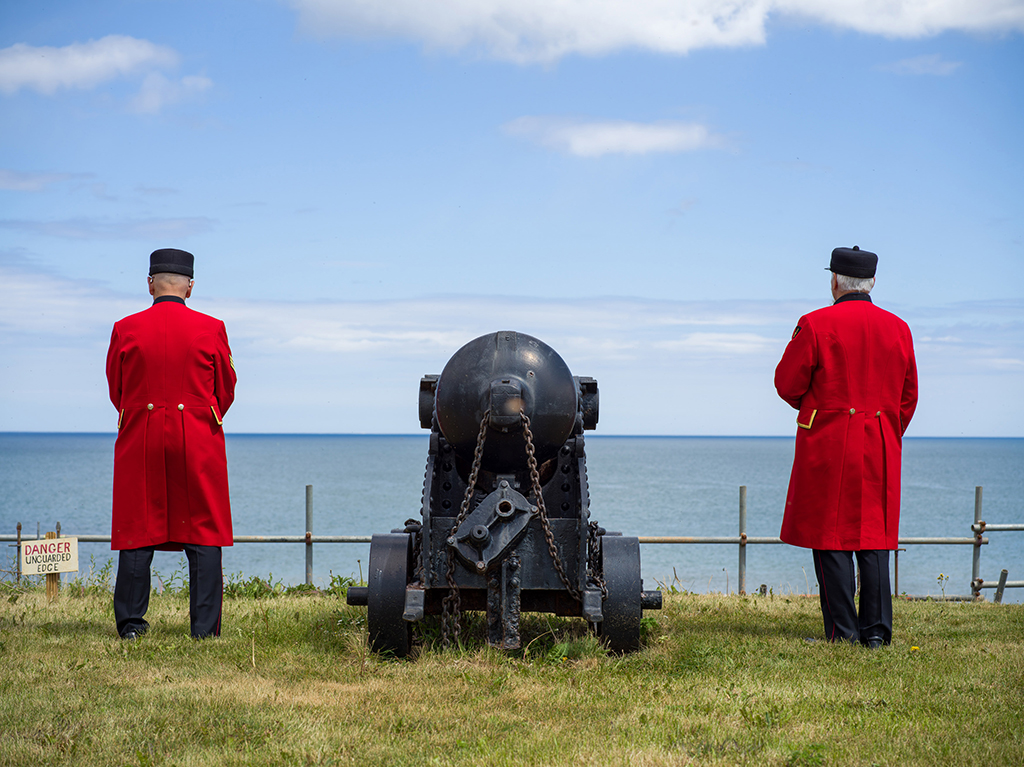
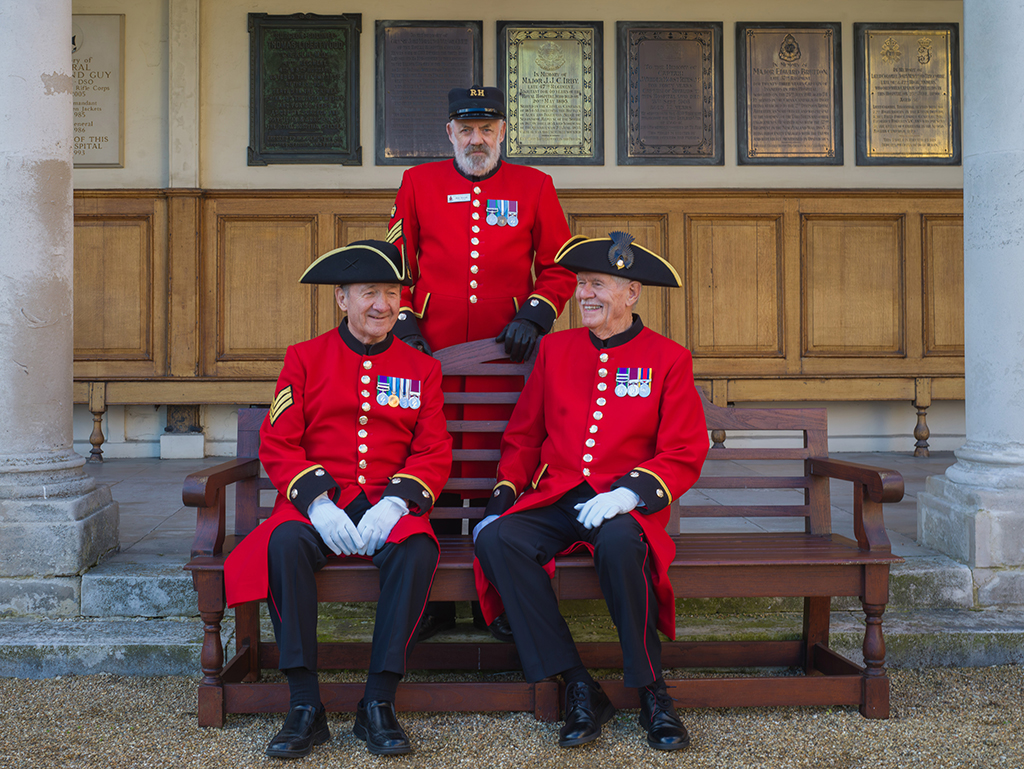
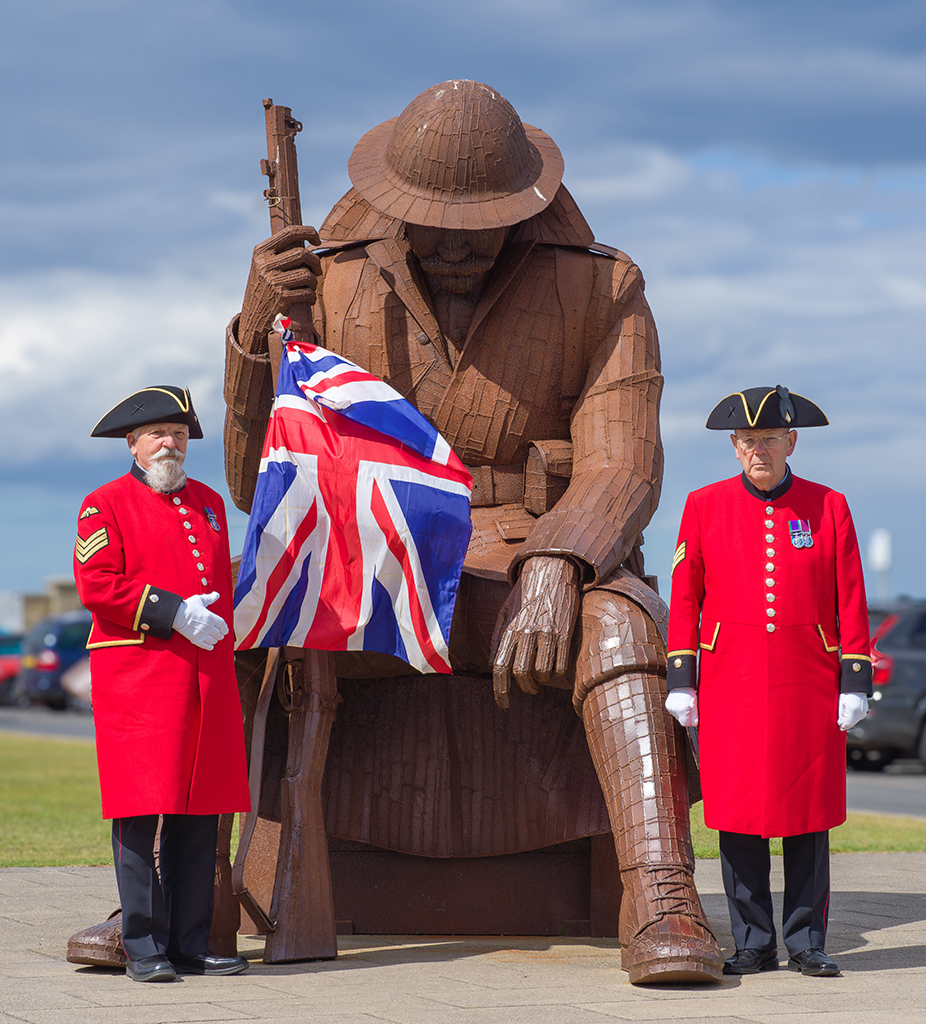
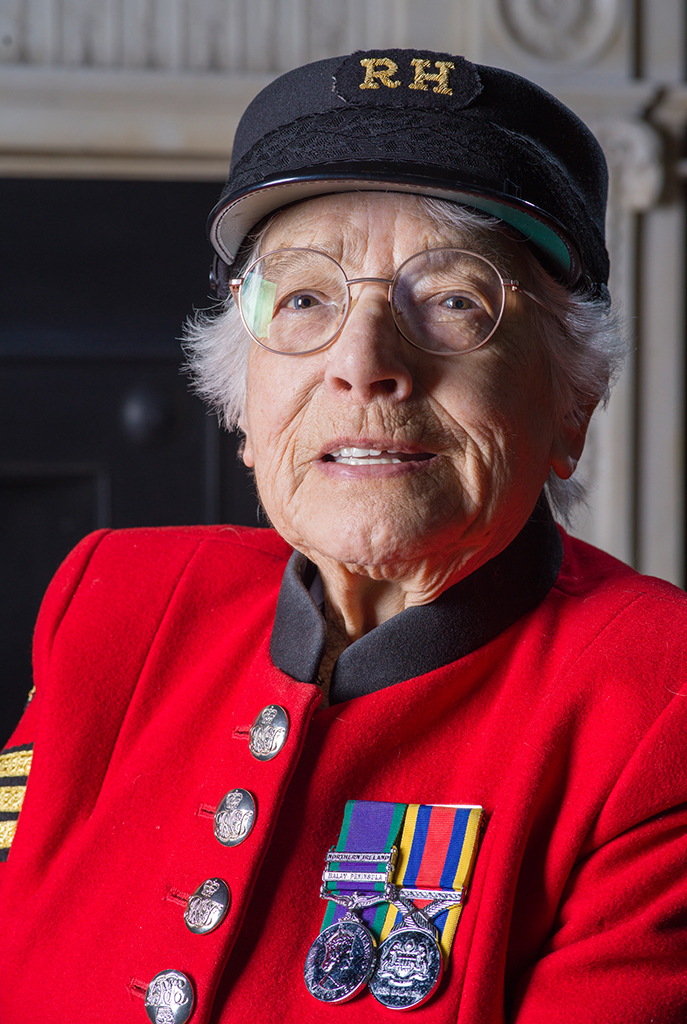
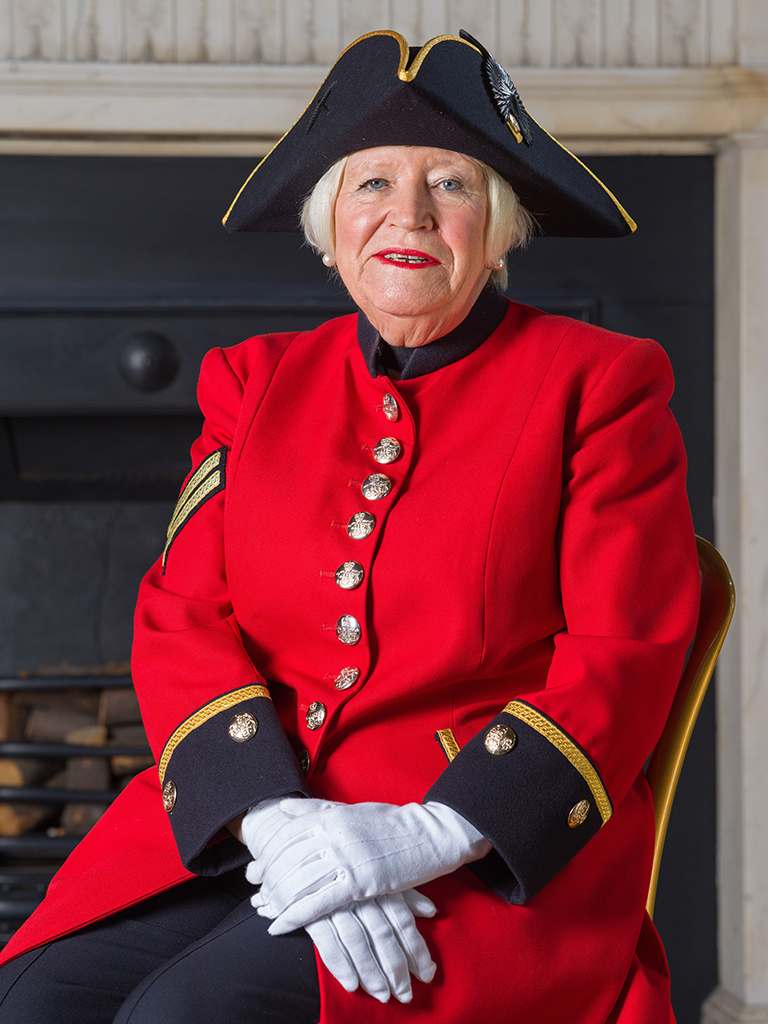
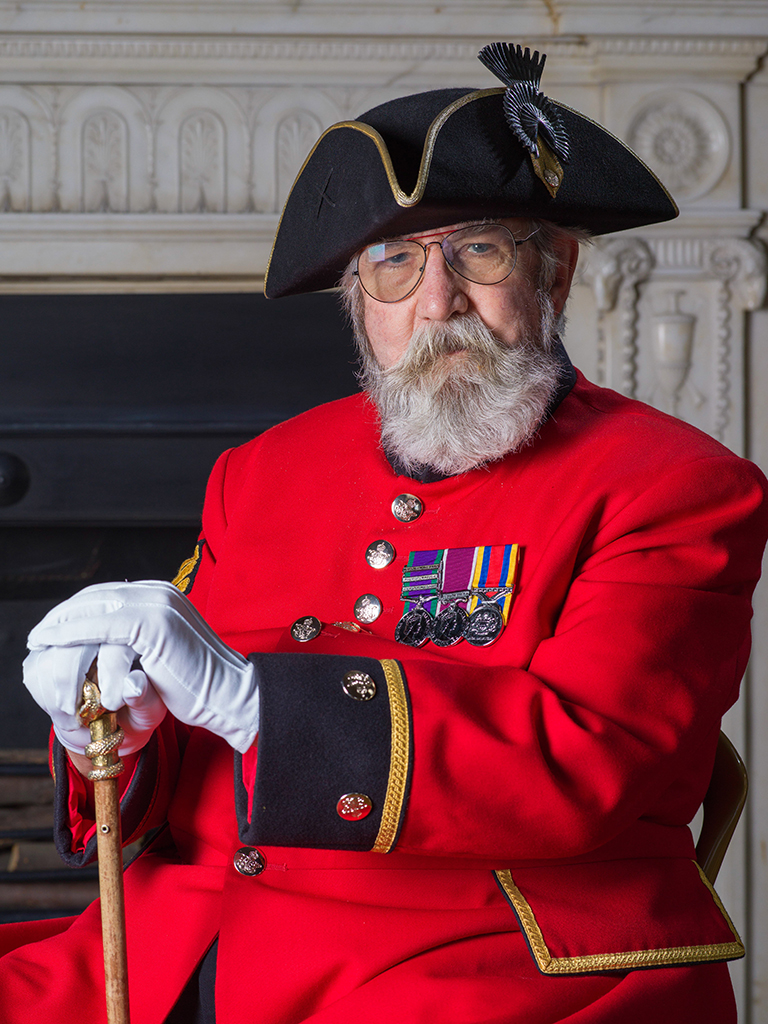
My most recent project is the Chelsea Pensioners and this has had some positive reactions. The best of which was from the two Veterans that came all the way up to Hartlepool to see it. They wore their full uniforms and the other art students enjoyed meeting them, listening to their stories as I showed them around the Art School.
What has been your biggest photographic obstacle to date?
Creating work (taking photos) is easy for me and I love it. The biggest obstacle has been the academic side – reading and writing essays / dissertations. I am dyslexic. This was identified very early in the programme and I have received amazing levels of support to help overcome this at NSA. But is this photographic? No – my biggest obstacle is trying to find time to do all the photo projects that I want to do.
Who are your biggest influences?
Dorothea Lange, Don McCullin, Nan Goldin, Robert Frank and Martin Parr. More importantly Ian Macdonald (who spent time talking to me and encouraged me when I shared an exhibition with John Bulmer about modern day sea-coalers in Hartlepool Art Gallery)
What equipment do you use?
Hasselblad system X series: profoto flash system
What would be your dream equipment to work with?
My current Hasselblad system as a base plus X2D body and a 135mm 36mm and the new Hasselblad V series lens
What has the been the highlight of your photography career so far?
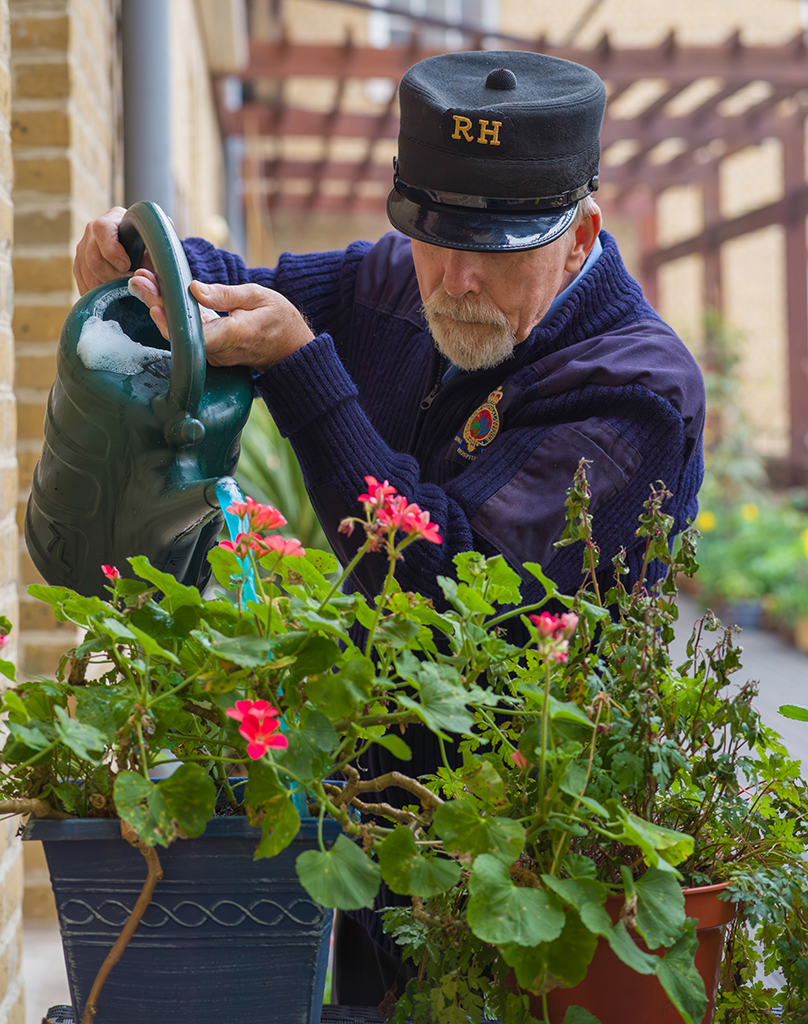
My current project, a portrait series of the Chelsea Pensioners, is the most meaningful body of work I have created to date. It forms the core of my Final Major Project for my BA (Hons) in Photography at the Northern School of Art. More than a visual tribute to military service, this series is a personal journey and a human story. The Chelsea Pensioners, known for their iconic red coats, represent a visible link to Britain’s military history, but I wanted to go beyond the uniform. My aim was to capture the individuals behind the tradition: their humour, resilience, and quiet dignity.
What are your hopes for your photography career in the future?
Looking ahead, I hope to expand the Chelsea Pensioners series by photographing more individuals and collaborating with a writer to publish a book. I want this work to serve not just as a personal milestone, but as an enduring record of lives lived in service. I also plan to pursue editorial and documentary opportunities that align with my values—projects that are rooted in real stories, human connection, and respectful representation. To work on assignments and commissions with similar minded people.
Do you have a dream assignment?
Photographing the Royal family!
What piece of advice would you give to others embarking on a photography course?
Choose the right place. Visit and make sure you meet the staff see the resources– then go with your gut reaction. This happened to me and served me well.
Instagram: @lee_bullivant_photography_
More reading:
- The role of the photographer is not just to take photos
- How personal projects shape great photographers
- This Nikon gear is ideal for wildlife photography
- Accidental discovery leads to award winning photography
Follow AP on Facebook, Instagram, YouTube and TikTok.